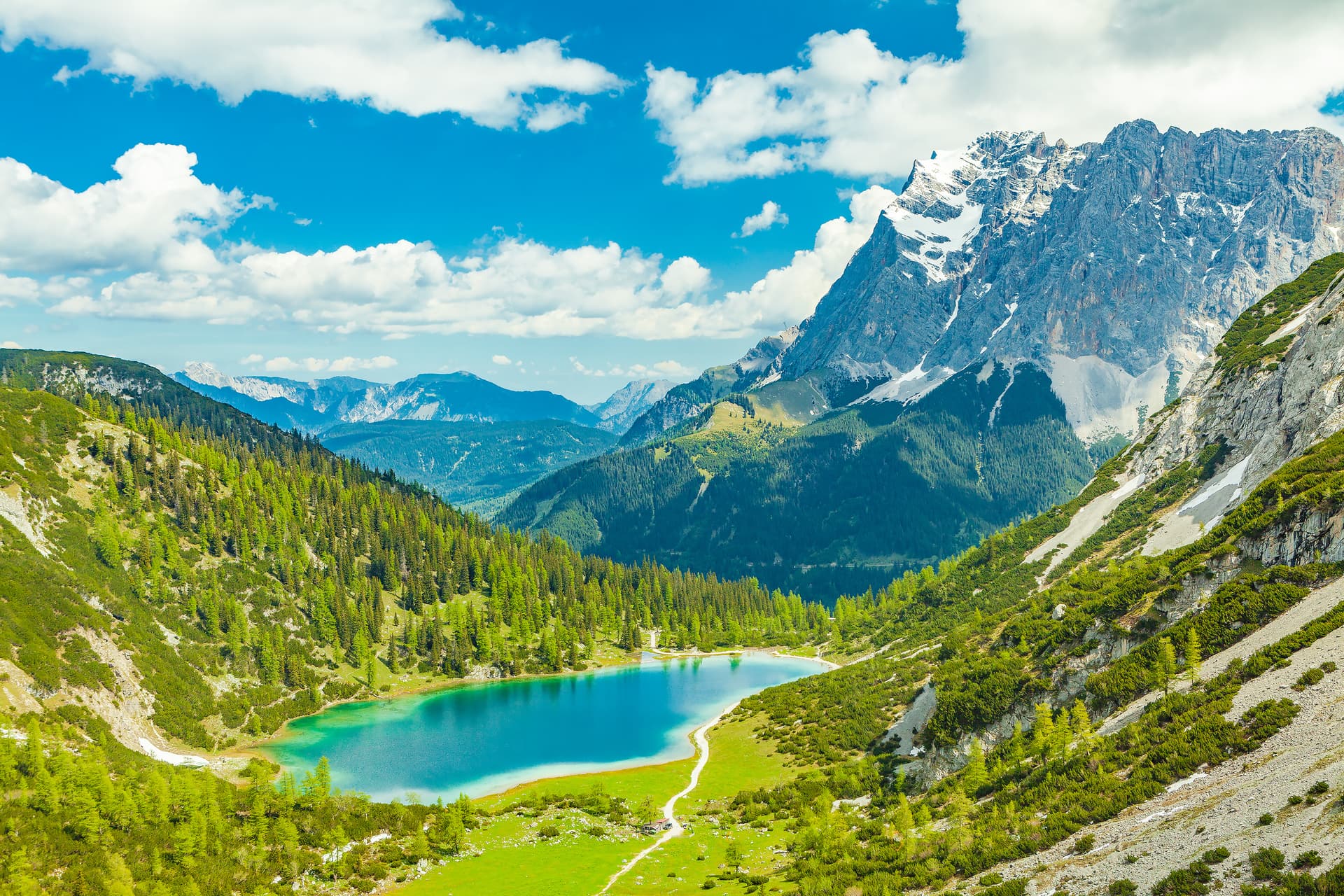
Tackle some of the world’s most renowned treks in the Alps, the cradle of mountaineering and home to numerous mountains, valleys, lakes, and glaciers.
Highlights
- Treks in several alpine countries – Switzerland, Austria, Italy, France, Germany, and Slovenia
- World-renowned long-distance trails like Tour du Mont Blanc, Via Alpina, and Alta Via 1
- Authentic alpine hut experience with local cuisine and pastoral heritage
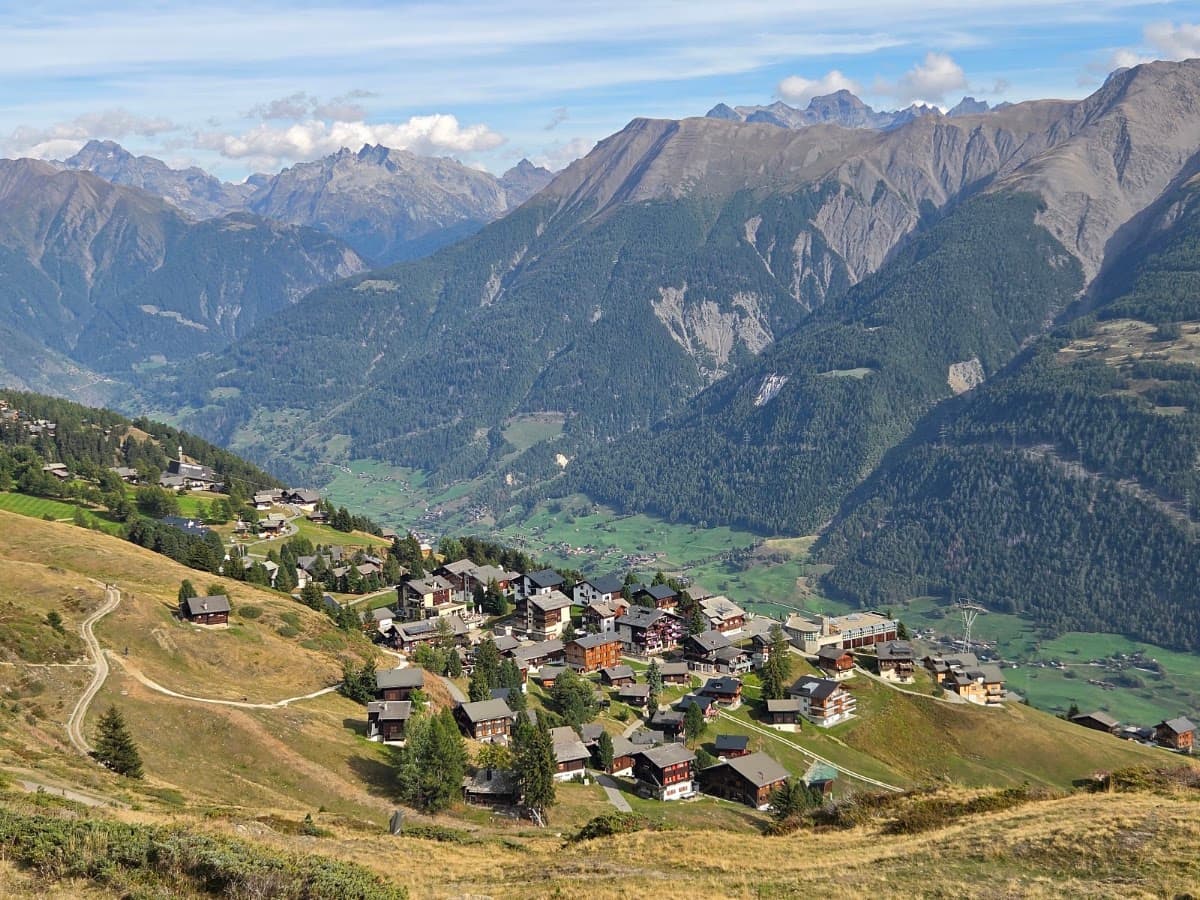
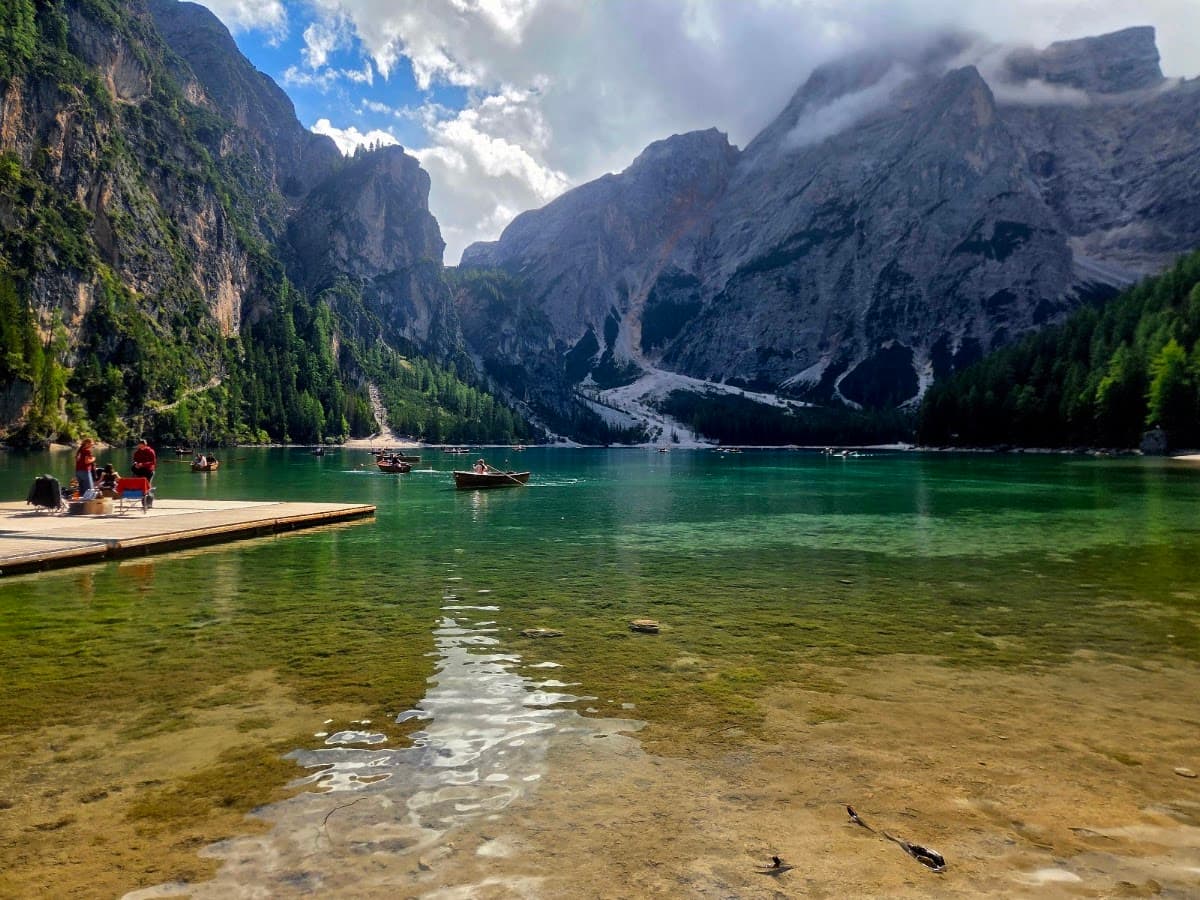
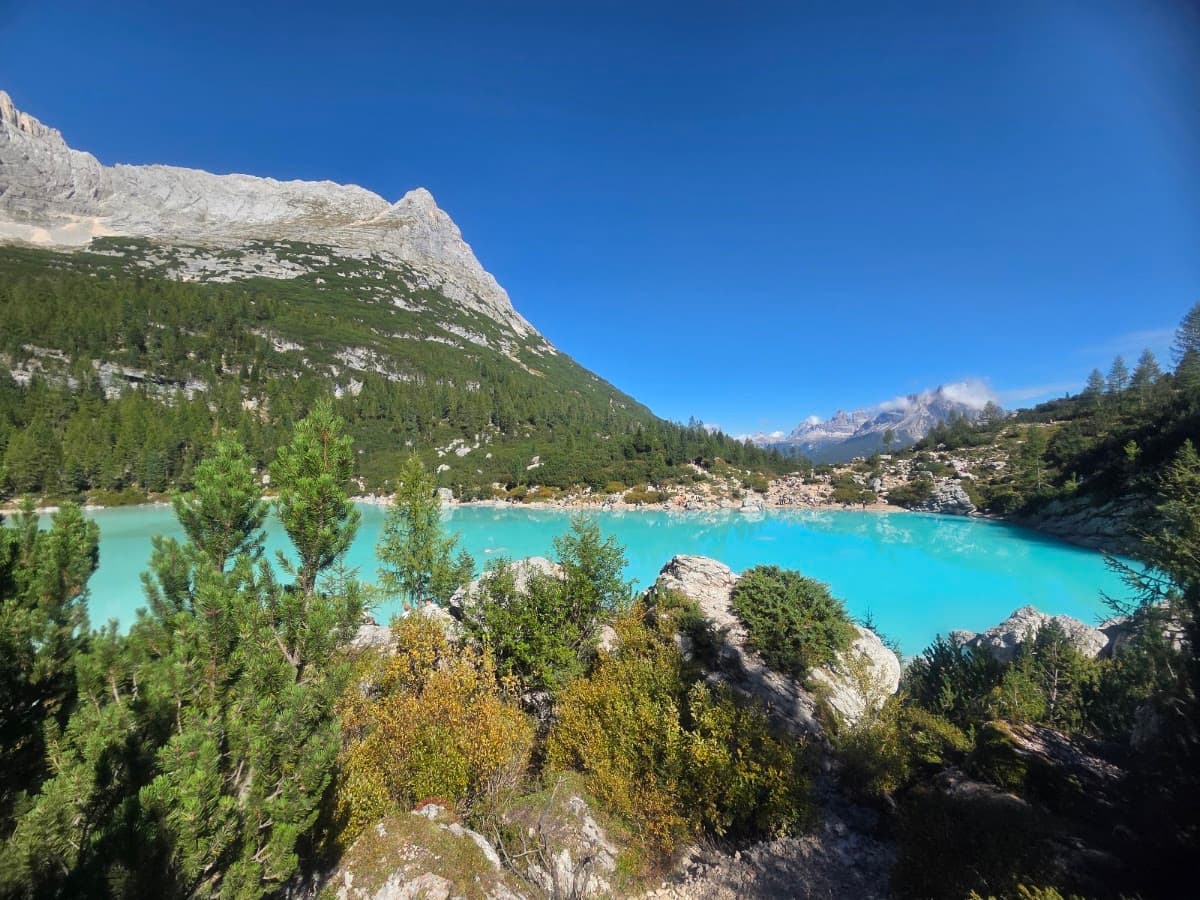
- Scenic footpaths, glacial lakes, lush meadows, and quaint alpine villages
Alps Hiking Tours
Tackle some of the world’s most renowned treks in the Alps, the cradle of mountaineering and home to numerous mountains, valleys, lakes, and glaciers.
Highlights
- Treks in several alpine countries – Switzerland, Austria, Italy, France, Germany, and Slovenia
- World-renowned long-distance trails like Tour du Mont Blanc, Via Alpina, and Alta Via 1
- Authentic alpine hut experience with local cuisine and pastoral heritage
- Scenic footpaths, glacial lakes, lush meadows, and quaint alpine villages



Plan with a hiking expert
Free advice from a team that knows these routes inside out - real people, not a bot
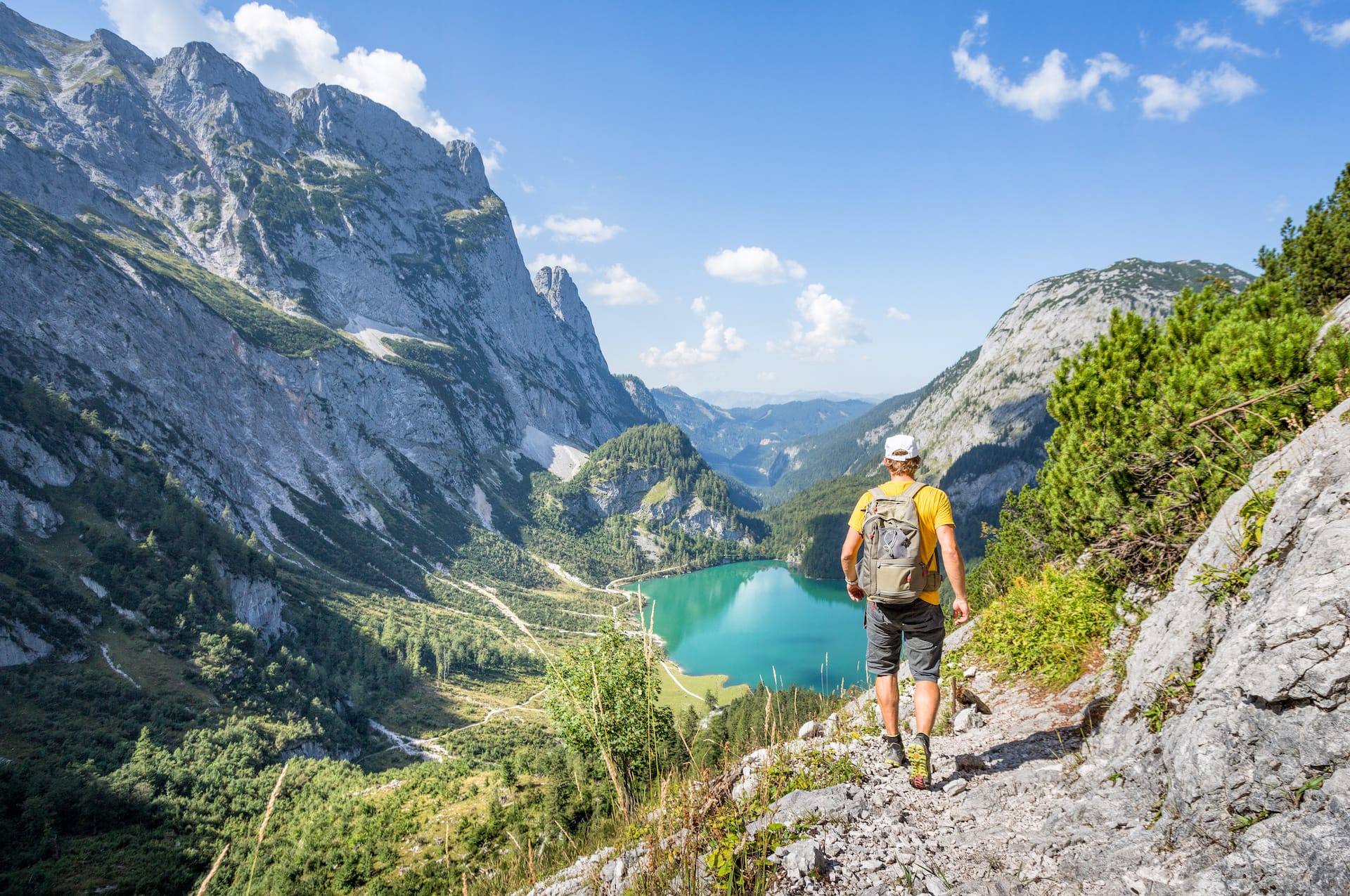
Why Visit the Alps on a Hiking Tour?
Though the Alps are not the highest mountain range in the world or Europe, they are the cradle of alpinism and mountain tourism. Here, beneath the peaks like Mont Blanc and Grossglockner, is where it all began.
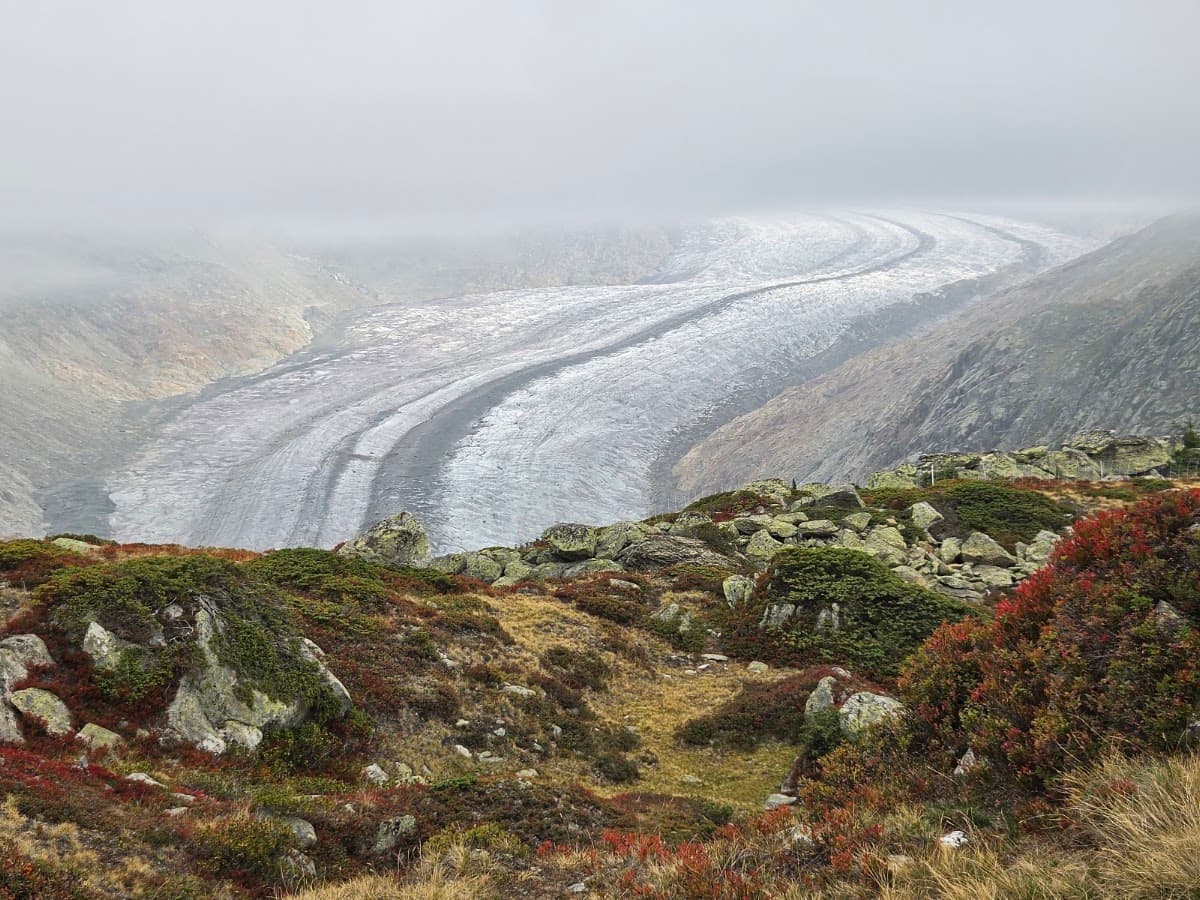
Encompassing eight alpine countries, they are one of Europe’s most tempting destinations, comprising numerous glacial and river valleys, mountain lakes, snow-capped summits, and expansive green pastures.
The hikes in the Alps are as diverse as possible, ranging from famous classic treks like Tour du Mont Blanc to lesser-known hut-to-hut hikes like the Stubai High Trail in Tyrol and comfortable hotel-based hiking holidays in renowned locations like Val Badia in the heart of the Dolomites.
Although it depends on the altitude and other factors involving different trails, the hiking season in the Alps commonly lasts from mid-June to the end of September. Exceptions, like the Triglav Panorama hike in the Julian Alps, offer an authentic alpine experience even in the off-season before the snow falls.
Accommodations in the Alps vary in comfort and amenities. Even the most particular visitors will find something for themselves among an abundant selection of mountain hotels.
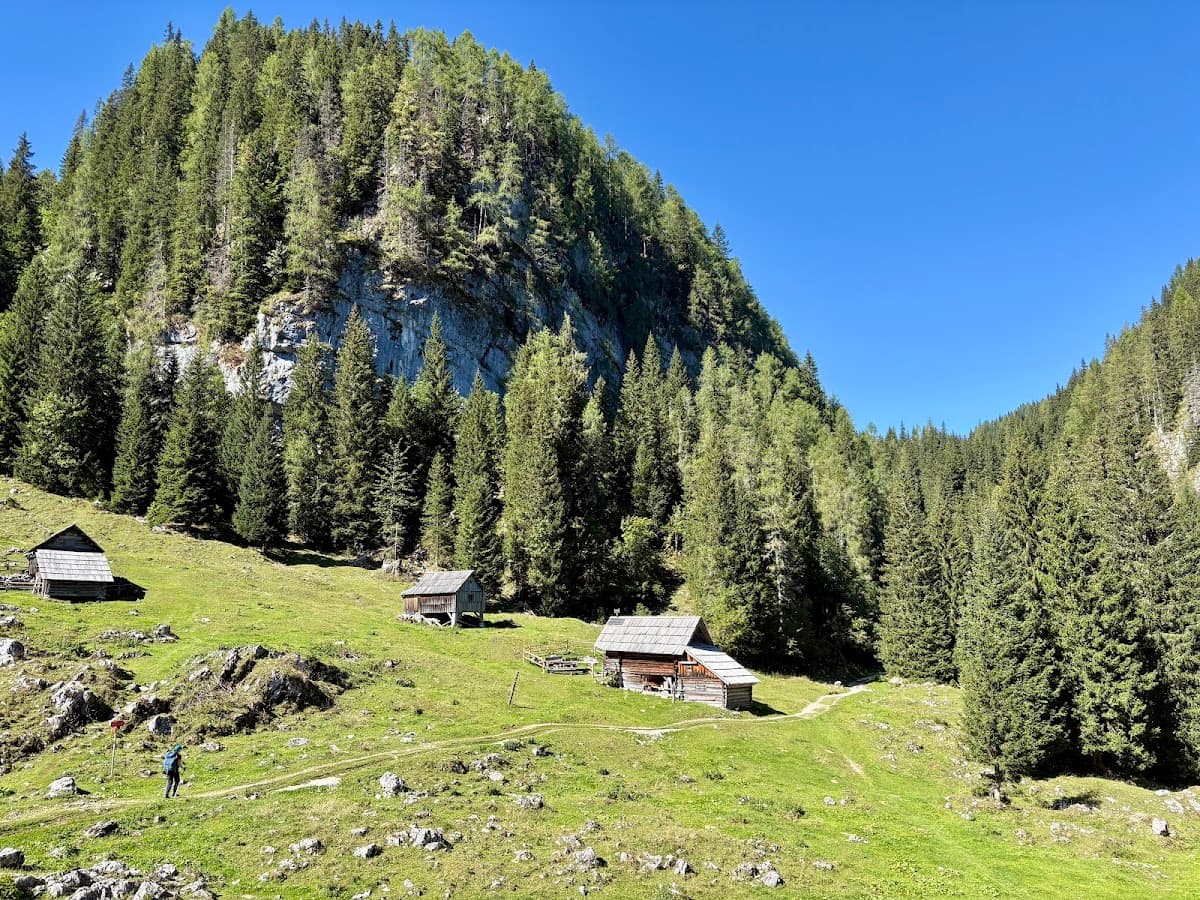
However, most hikers visit the Alps for the authentic alpine hut experience. Whether in Italy, Switzerland, Austria, or Slovenia, these mountain lodges let you enter the world of local pastoral culture and cuisine.
.svg)
HANDPICKED ADVENTURES
Only the best adventures across the world, cherry-picked by our team with an in-depth knowledge of the regions.
.svg)
VALUE YOUR TIME
With everything on your plate, let us handle the vacation planning, so your valuable time stays exactly where you need it.

SELF-GUIDED TRAVEL
Explore independently and with confidence while we keep everything running from behind the scenes.
.svg)
TRUSTED BY MANY
Since 2014, we have taken care of thousands of happy customers, making it our mission to put your satisfaction first.
.svg)
OUTDOOR SPECIALISTS
We are a team of outdoor specialists equipped with the knowledge and insight to bring you the best hiking experiences.
About Hiking in the Alps
The Alps are where mountain walking was invented, and they still set the standard. A 1,200 km arc of mountains across eight countries, with a network of staffed huts, waymarked traverses and mountain railways refined over more than a century.
What that buys you is range. A first multi-day walk on a graded balcony path and a hard glacier-flanked traverse both exist here, often on the same mountain, and both end the day with dinner already on the table.
Four routes carry the reputation of the whole range, and each shows you a different Alps.
The Tour du Mont Blanc circles the highest massif in western Europe through France, Italy and Switzerland in about eleven days.
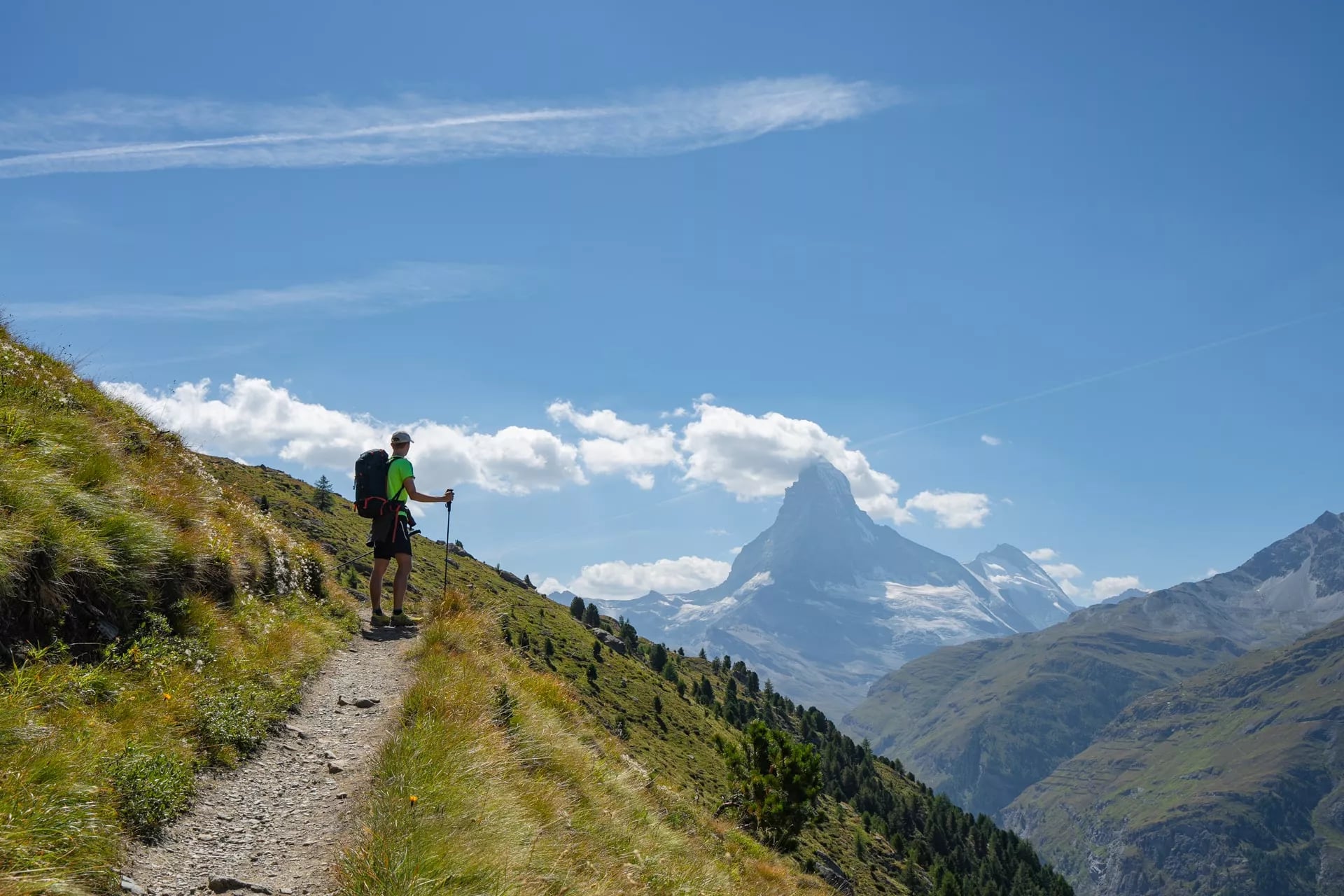
The Walker’s Haute Route crosses eleven high passes from Chamonix to Zermatt and finishes with two days of Matterhorn ahead of you.
Alta Via 1 runs the length of the Dolomites, and the Alpstein High Trail gives the same drama in a shorter week.
The Via Alpina is the long one, a waymarked spine crossing the entire range.
Haute Route or Tour du Mont Blanc? → · The best trails in Europe →
The high season runs late June to late September, set by the snow on the passes rather than the weather in the valleys.
Late June and July bring wildflowers, long daylight and the first passes clearing;
August is warmest, busiest and the surest bet for the high traverses;
September gives the most stable air and the quietest huts, though the season closes fast at the end of it.
The staffed mountain hut is the reason you can cross serious mountains here carrying nothing heavier than a daypack. The alpine clubs of six nations keep hundreds of them, most a day’s walk apart, all serving a hot dinner and breakfast.
They are not hotels, and that is the point. You share a dormitory, you eat what the guardian cooked, and the terrace at six looks out over everything you walked that day.
Inside the huts on the Haute Route → · A training plan for the TMB →
The Alps run through France, Switzerland, Italy, Austria, Germany and Slovenia, and the border crossings are the best part of walking here. The language, the cooking and the roof tiles change as you come down the far side of a pass.
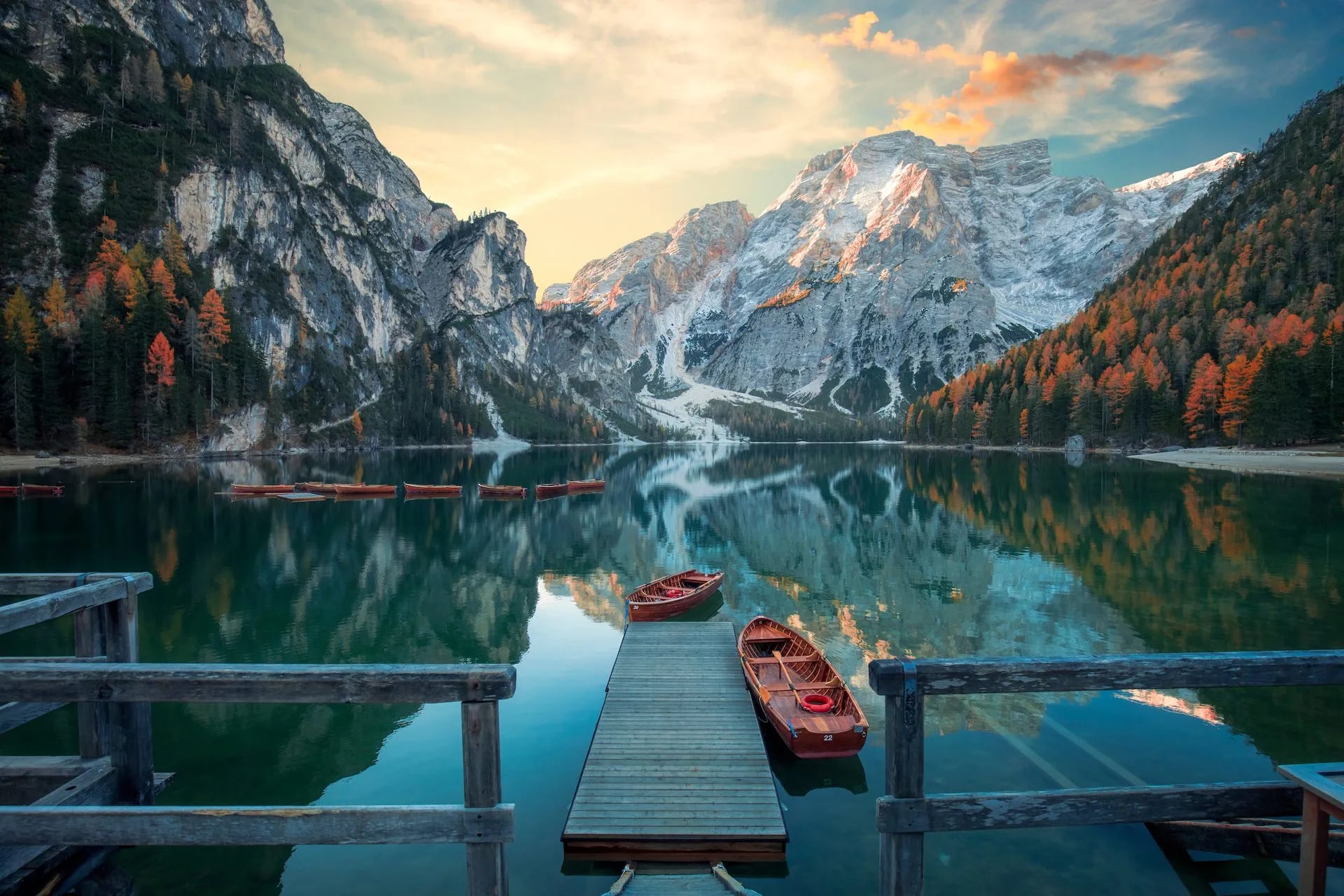
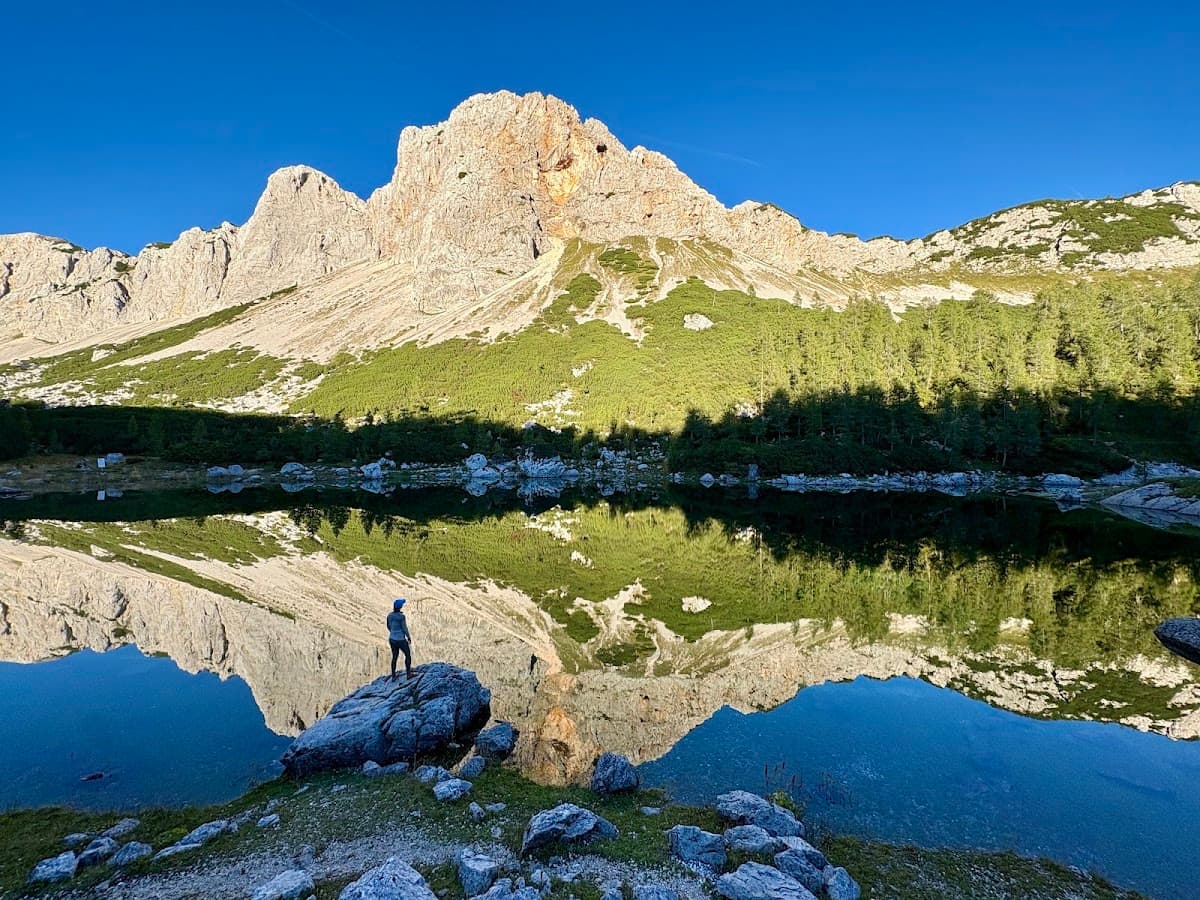
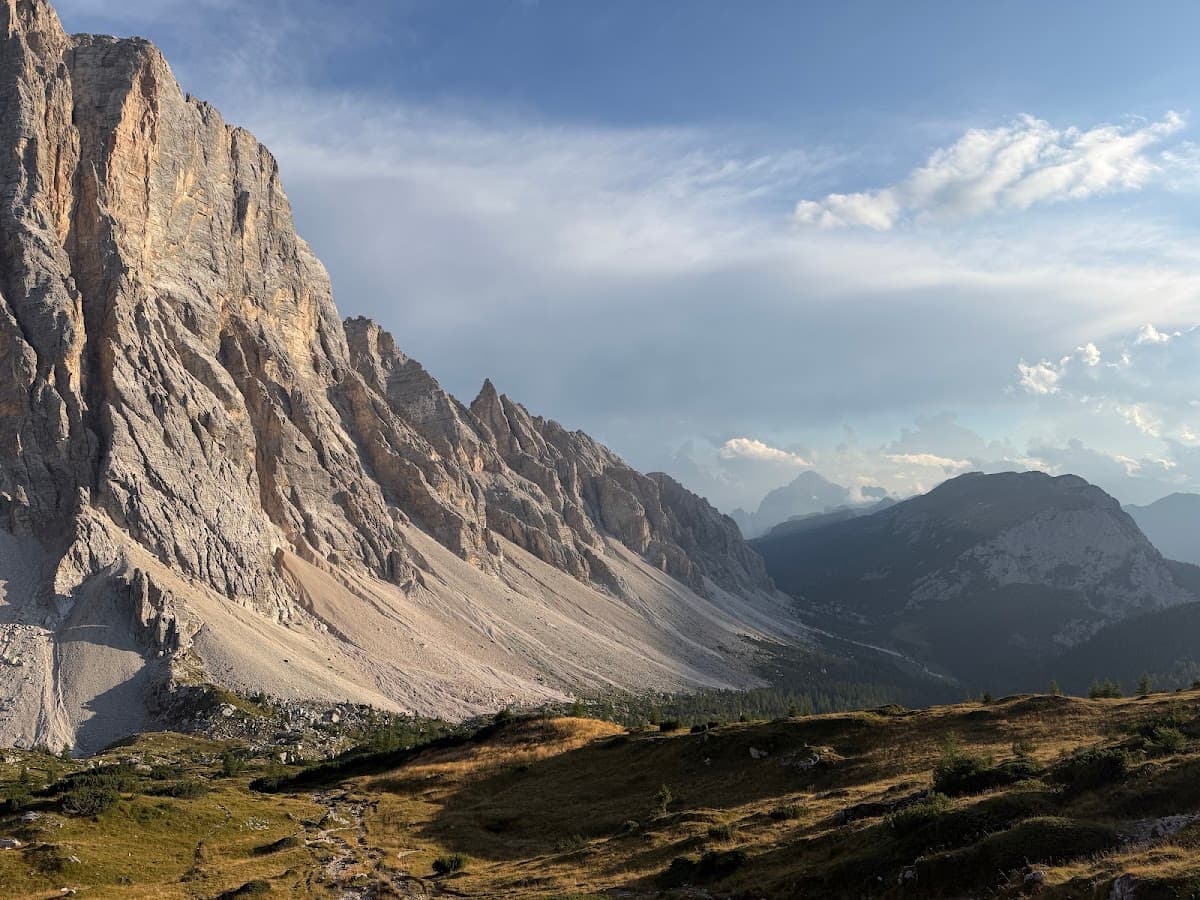
A single week can be genuinely varied, from the glacier basins of the Tour du Mont Blanc to the pale limestone of the Dolomites turning pink at sunset.
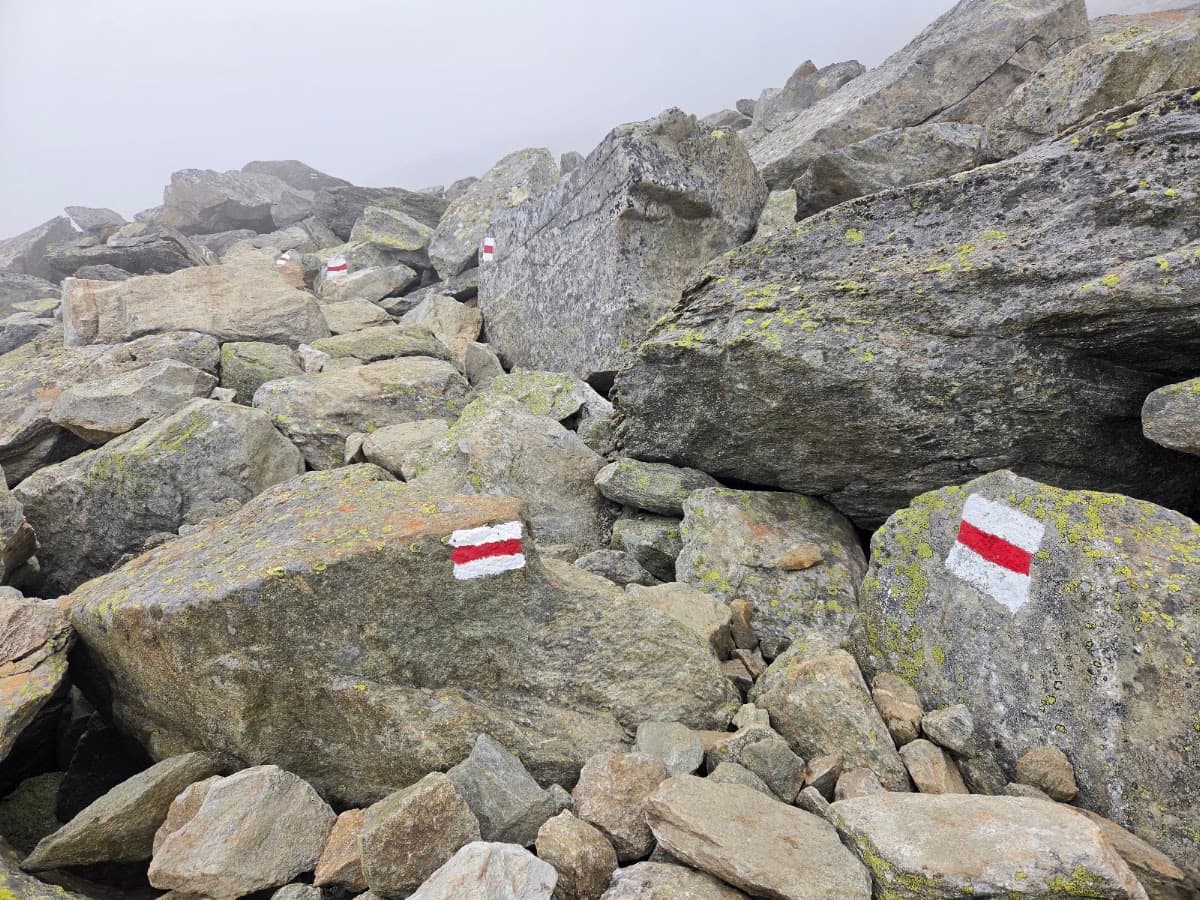
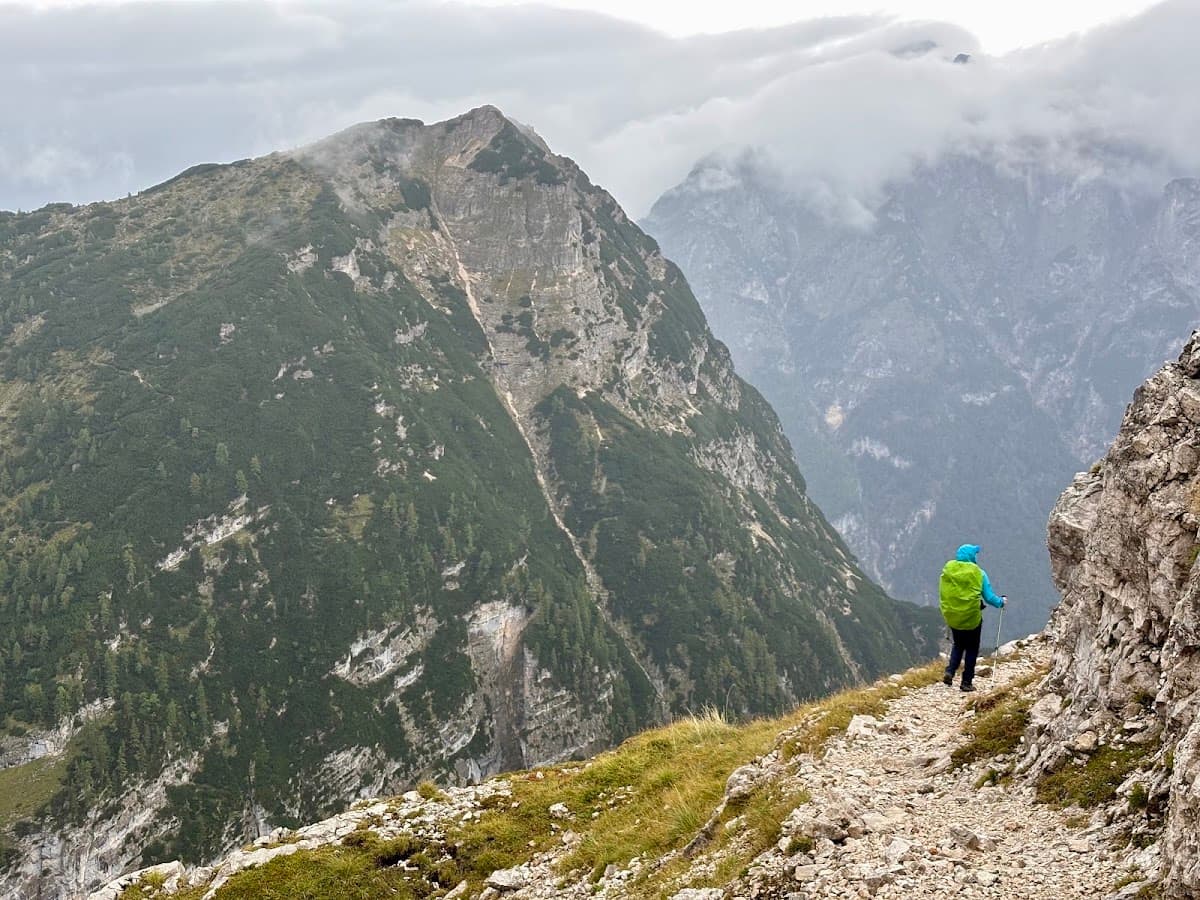
The Alps are as well equipped as mountains get, but they are still high mountains. Altitude, weather and snow on the passes are what catch people out, not the difficulty of the path, and it pays to know what the waymarks mean.
Afternoon thunderstorms are a summer fixture, so high passes are crossed in the morning, and weather can turn fast above 2,000 m.