Conquer Carpathian peaks, traverse Romania’s iconic Via Transilvanica, and uncover the legends of Dracula in this land of striking contrasts.
Highlights
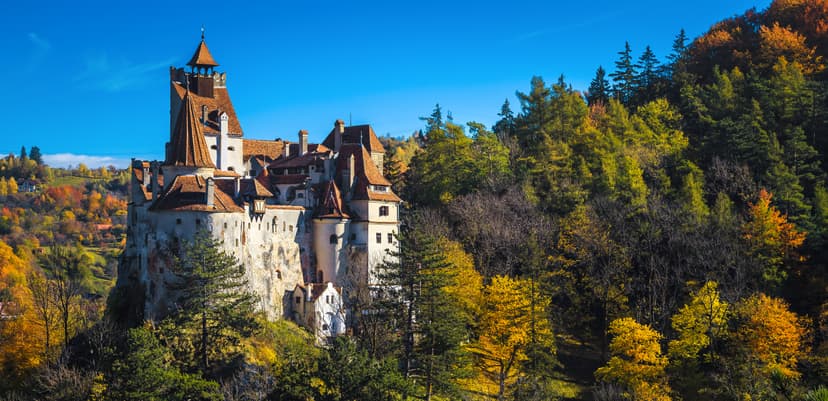
- The legendary Bran Castle, famously tied to the Dracula myth
- Bucegi Mountains’ mysterious rock formations, such as the Sphinx
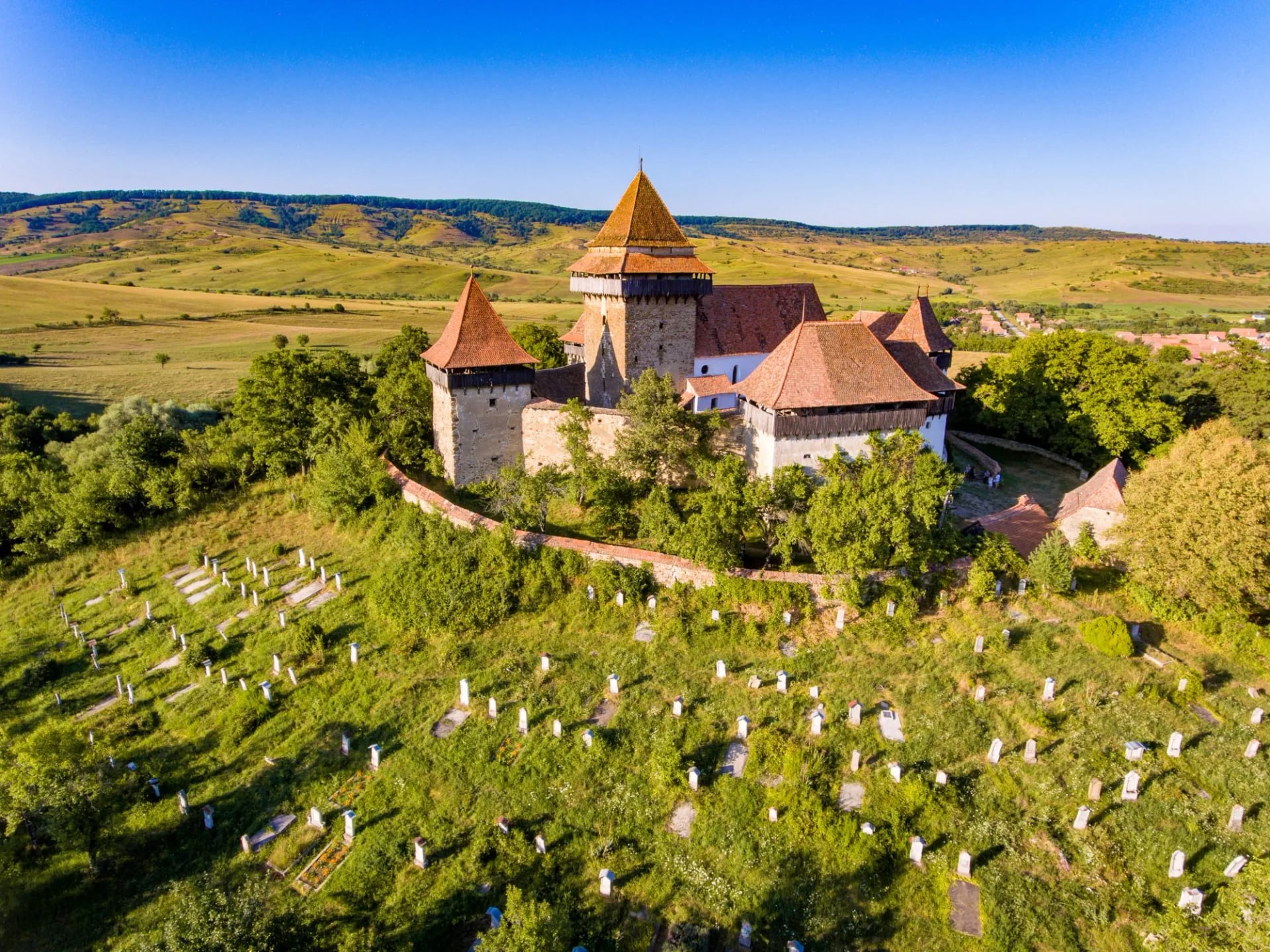
- UNESCO-listed fortified churches steeped in Saxon heritage
- Towering peaks of the Carpathian Mountains with challenging climbs
Romania Hiking Tours
Conquer Carpathian peaks, traverse Romania’s iconic Via Transilvanica, and uncover the legends of Dracula in this land of striking contrasts.
Highlights
- The legendary Bran Castle, famously tied to the Dracula myth
- Bucegi Mountains’ mysterious rock formations, such as the Sphinx
- UNESCO-listed fortified churches steeped in Saxon heritage
- Towering peaks of the Carpathian Mountains with challenging climbs
Why Visit Romania on a Hiking Tour?
Nestled in the heart of Europe, Romania is defined by the towering Carpathian Mountains, the cultural legacy of the Saxons, medieval castles, and villages frozen in time.
The country’s folklore is woven with stories of mythical creatures, not only about the famous vampire Dracula – whose home you can actually visit! – but also the ancient tales of werewolves and forest spirits.
These legends aren’t just confined to history books; they are alive in the mountains and forests you’ll explore, adding an air of mystery and enchantment to your journey.
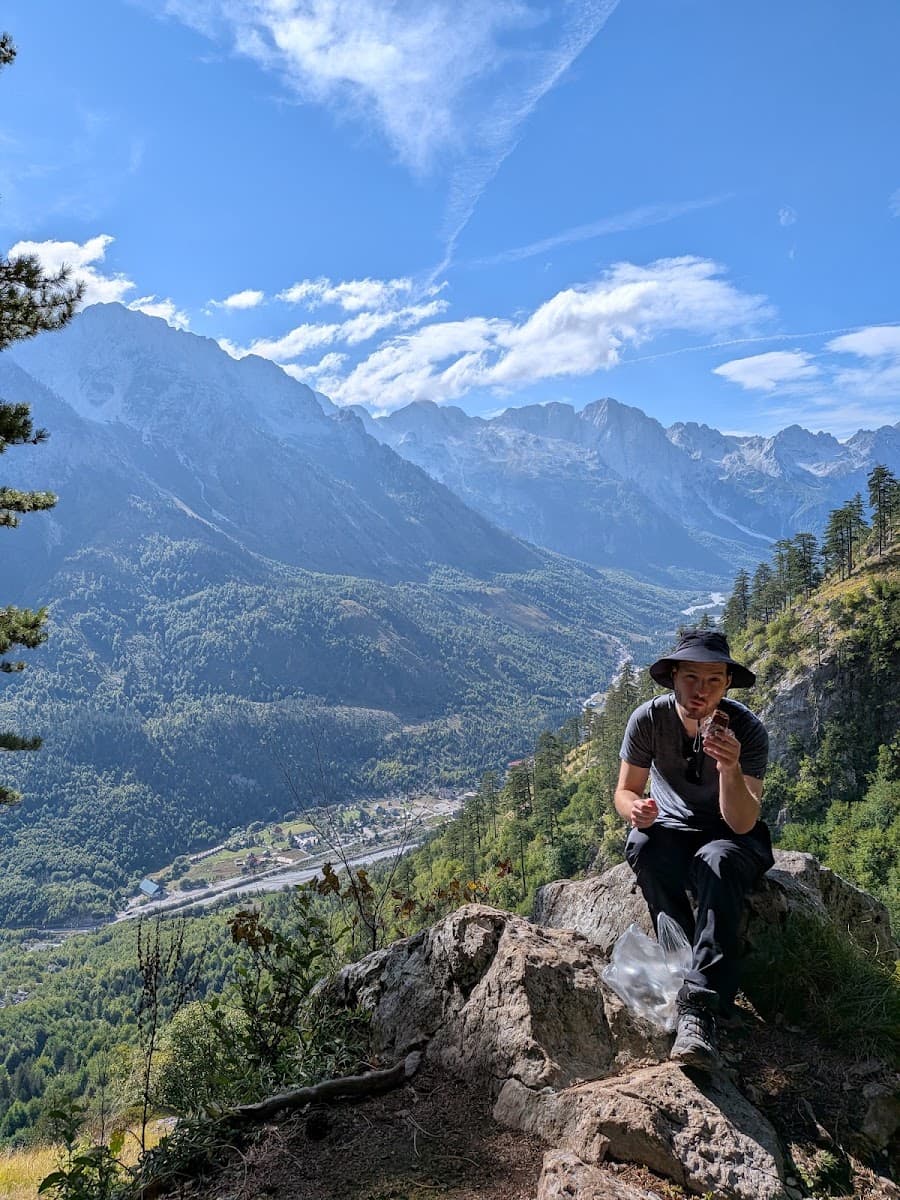
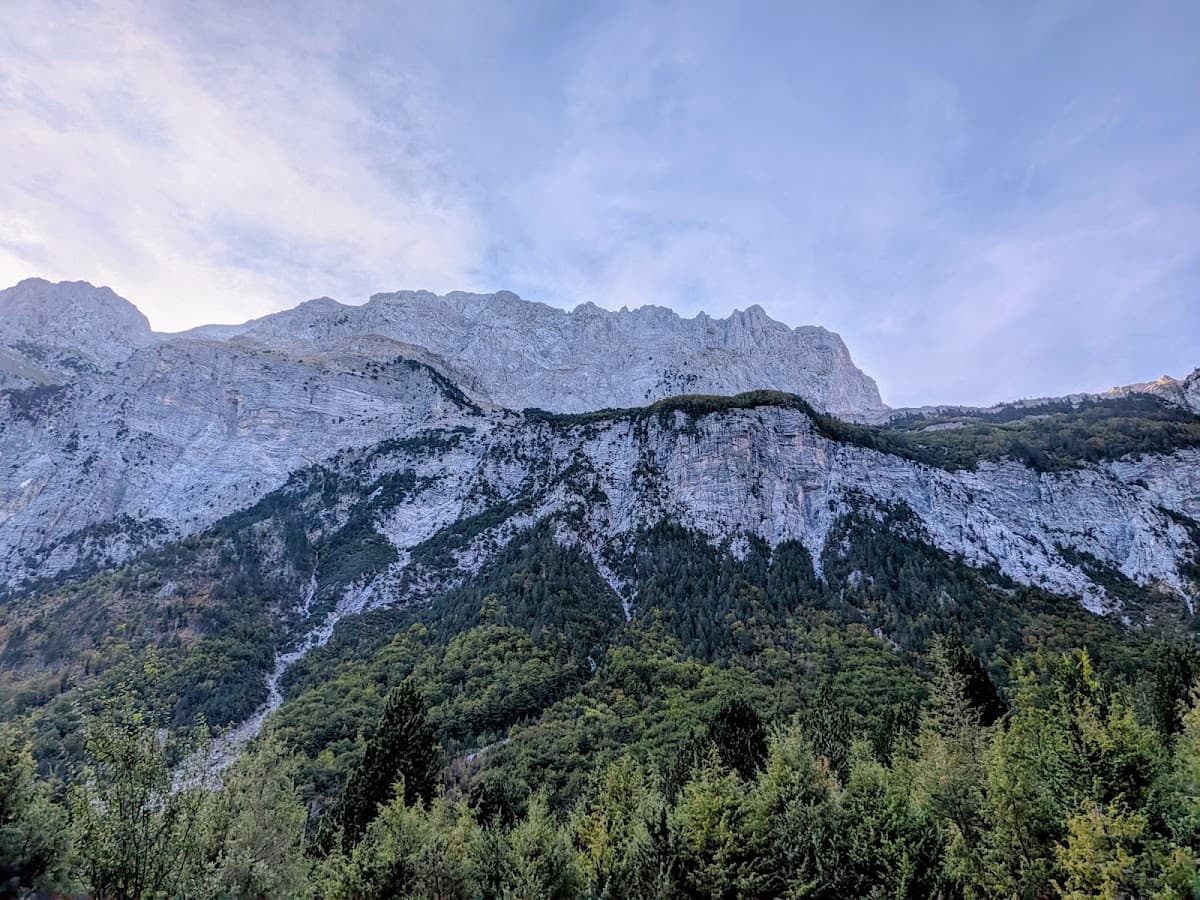
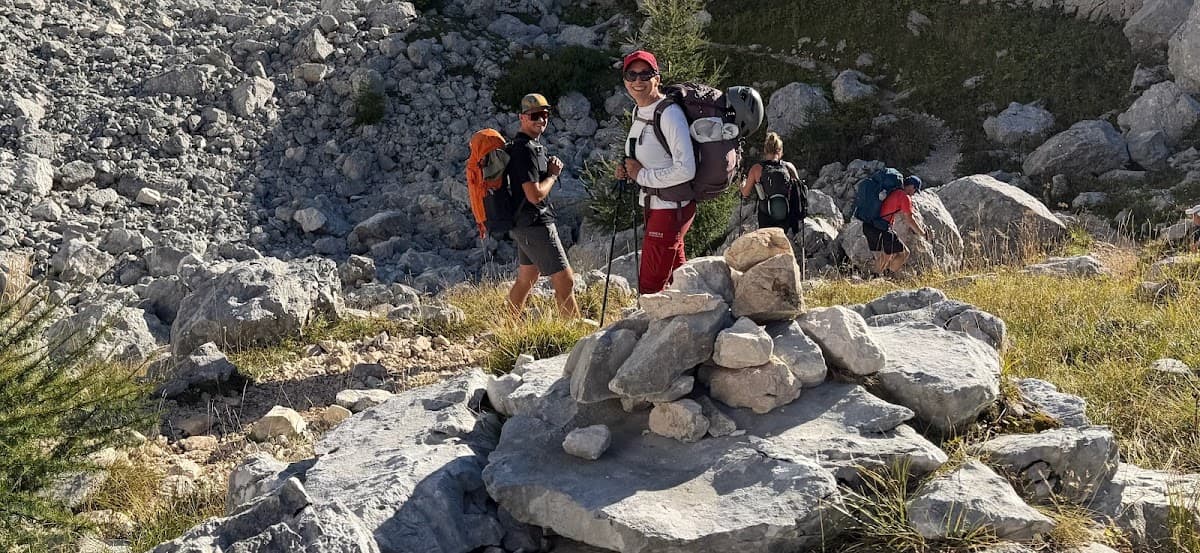
Despite being an unconventional hiking destination, Romania surprises you with its diverse landscapes and thrilling trails.
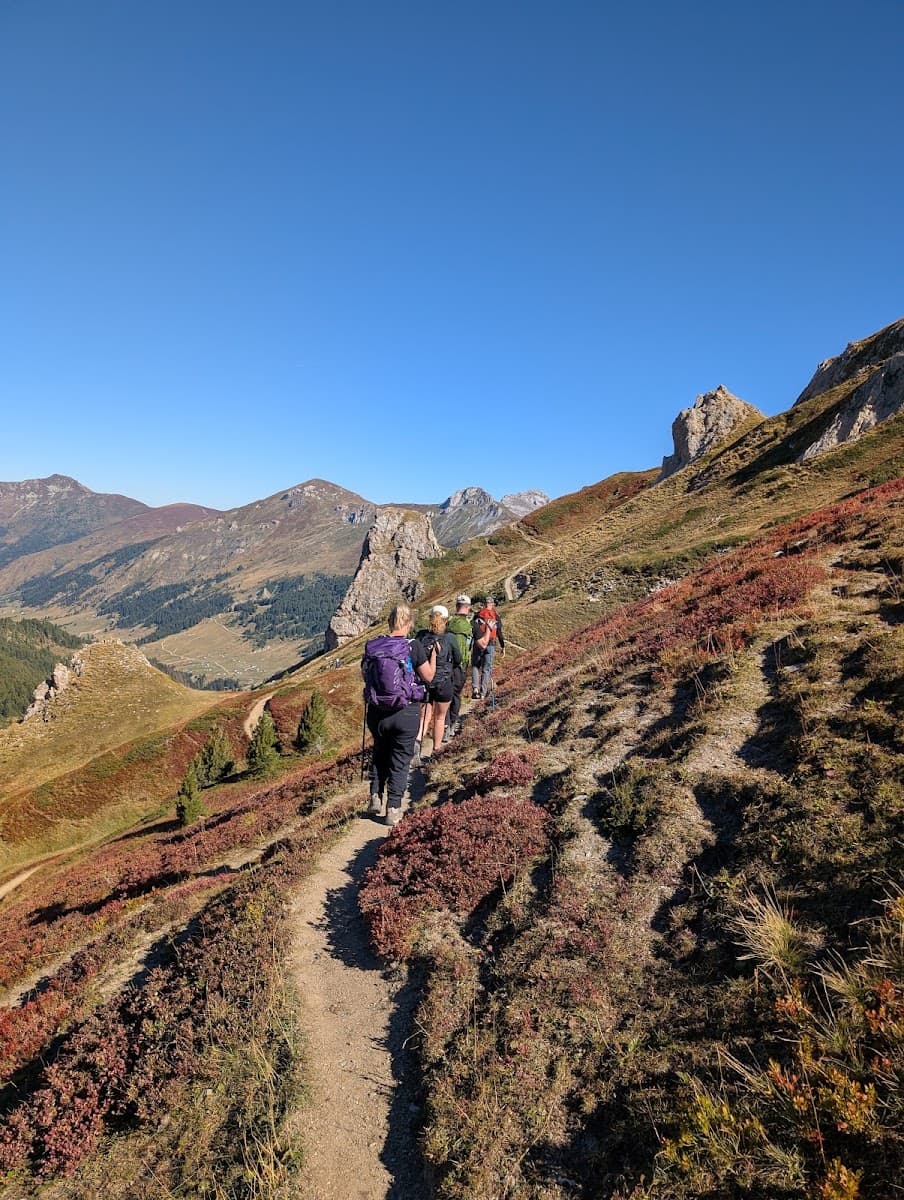
The Carpathians, spanning the country’s length, offer everything from challenging ascents in Retezat National Park to gentler, pastoral walks through Saxon villages along the Via Transilvanica, the 1,400-kilometer heart of Romania’s hiking that puts the country’s incredible heritage at full display.
From late spring to early autumn, Romania’s lush forests, pristine lakes, and majestic castles will take your breath away at every corner.
Though transport connections can be sparse in remote areas, Romania’s raw, untouched beauty and the deep sense of solitude make every step an unforgettable journey into its heart.
And everywhere you go, every trail you take, lovely local guesthouses and hotels will be waiting to welcome you into their relaxing embrace and introduce you to authentic Romanian hospitality.
About Hiking in Romania
Romania offers something the rest of the continent has mostly lost: real wildness, still intact. The country holds Europe's largest populations of brown bear, wolf and lynx, and to walk here is to move through a place where you are not the only large mammal on the mountain.
Add more old-growth forest than anywhere in Europe outside Russia, a 2,500-metre alpine spine, and Saxon villages where hay is still scythed by hand, and you have the continent's wild frontier.
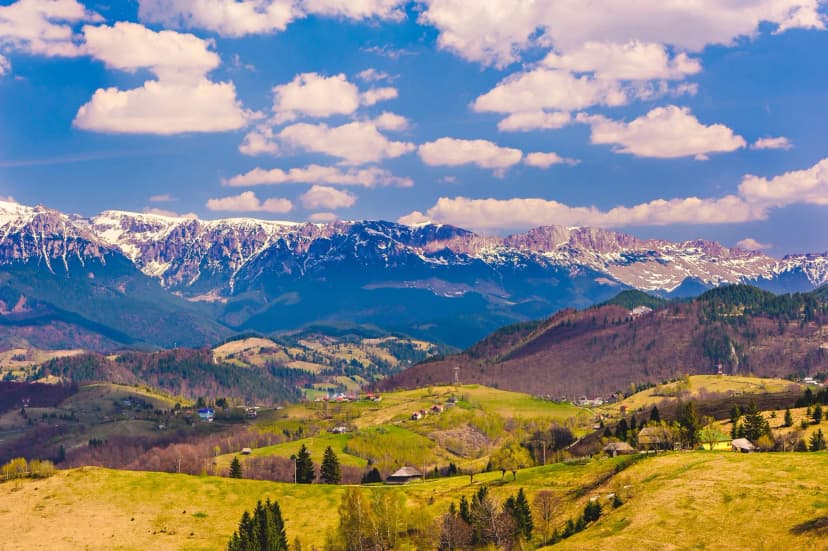
The Carpathians curve through the heart of the country and hold nearly all its walking.
The Făgăraș ridge is Romania's high alpine spine, including Moldoveanu at 2,544 m — a multi-day traverse above 2,000 m past glacial lakes and windswept cols.
The Retezat massif scatters more than eighty glacial lakes across a granite wilderness.
The Via Transilvanica runs some 1,400 km diagonally across the country, and the Bucegi plateau holds the famous wind-carved Sphinx.
The high Carpathian season is late June to late September. Snow holds on the Făgăraș ridge into June, and the mountain cabanas thin out after September.
July brings the rhododendron flowering across the Retezat, which is worth timing for.
August is warmest and most stable.
September gives clear air and autumn colour in the beech below.
Lower Transylvanian walking runs comfortably from May to October.
Romania holds the largest brown-bear population in Europe, though you are unlikely to see them. They keep to the forest and well away from people. To be sure, make some noise through the dense beech, keep food tightly packaged, and don't use earbuds while walking.
The animal you actually meet is the shepherd's dog. Carpathian flocks are worked with big livestock guardians that guard by getting between you and the sheep, so you stop rather than run, keep your poles down, and let the shepherd call them off — then walk a wide arc around the flock.
Framing the mountains is Transylvania, and the walking here is as cultural as it is scenic: fortified Saxon churches, hilltop citadels and haymeadows still cut by scythe — some of the most biodiverse grassland left in Europe.
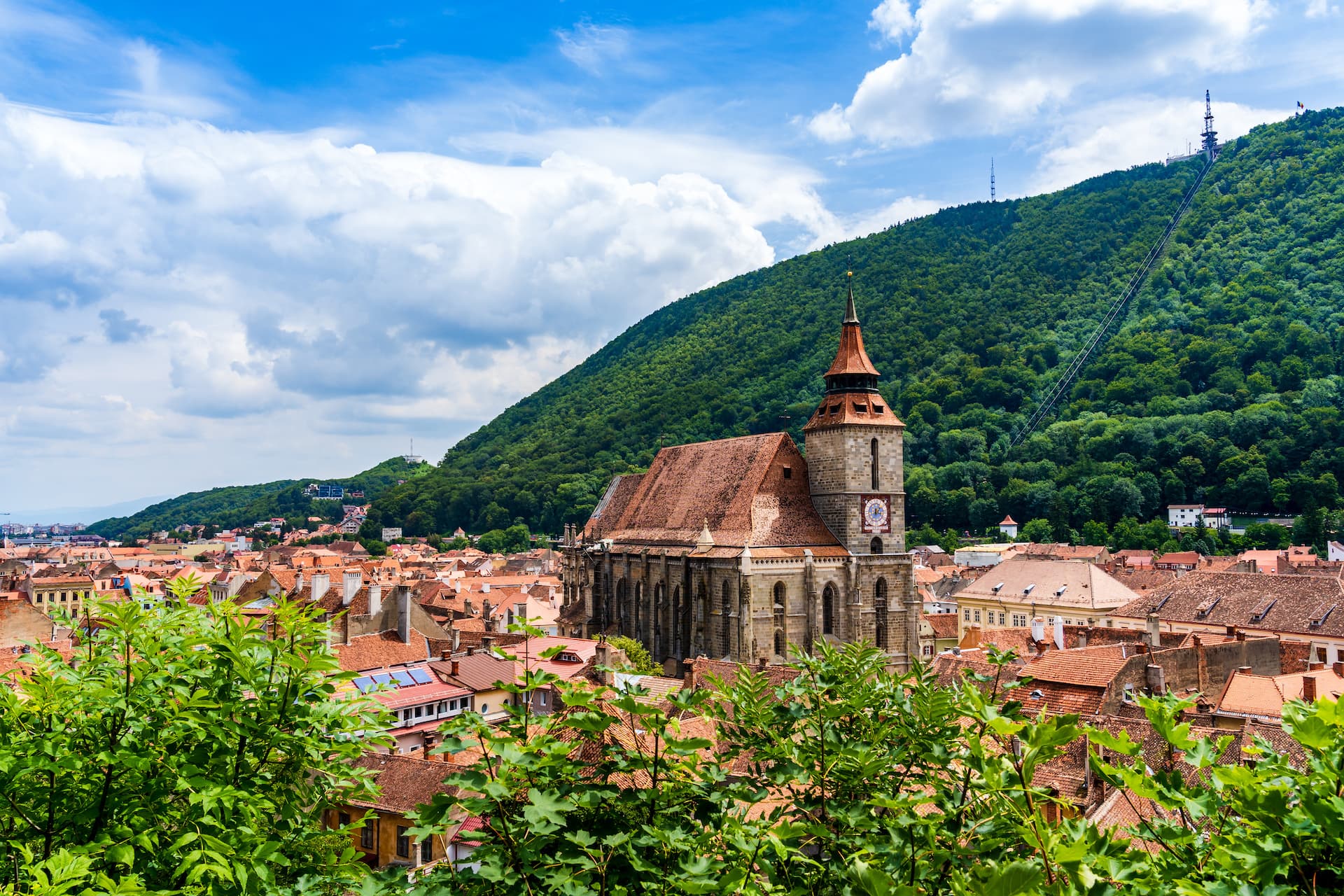
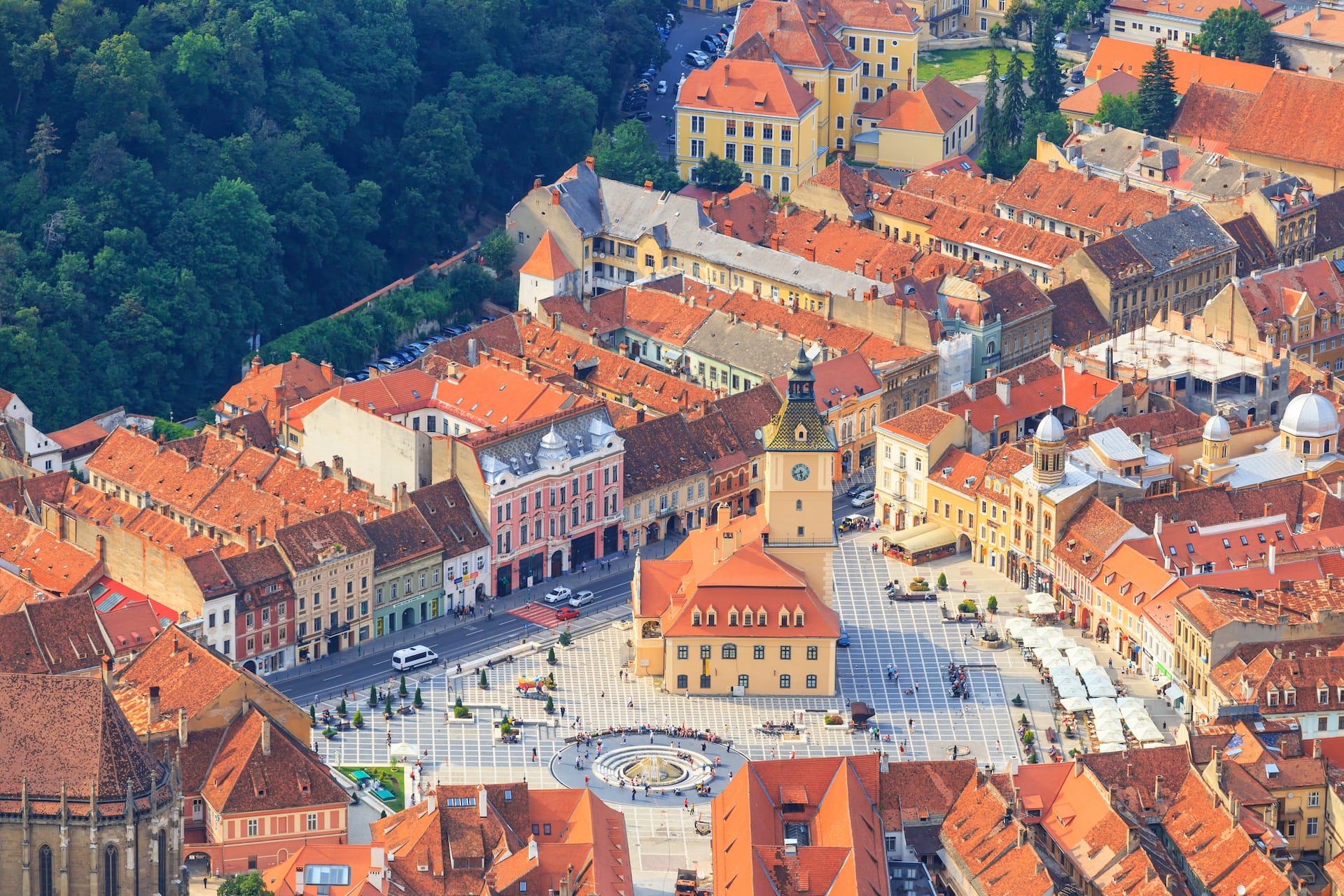
The Via Transilvanica links it all, and villages like Viscri and Criț have turned old Saxon houses into guesthouses. Add Bran Castle and the medieval centres of Brașov and Sibiu, and the non-walking days look after themselves.
A Romanian cabana is its own kind of place, not an alpine hut. Many began as state mountain chalets and are privately run now, so one night is a bunkroom with a wood stove and the next is almost a small hotel — there's no federation smoothing everything to a standard.
What stays constant is the table: sour ciorbă, polenta with sheep's cheese, a stew that arrives whether or not you asked for it. Book direct, carry cash, and let the weather on the ridge rather than the calendar decide your day.
Frequently Asked Questions



Plan with a hiking expert
Free advice from a team that knows these routes inside out - real people, not a bot
.svg)
HANDPICKED ADVENTURES
Only the best adventures across the world, cherry-picked by our team with an in-depth knowledge of the regions.
.svg)
VALUE YOUR TIME
With everything on your plate, let us handle the vacation planning, so your valuable time stays exactly where you need it.

SELF-GUIDED TRAVEL
Explore independently and with confidence while we keep everything running from behind the scenes.
.svg)
TRUSTED BY MANY
Since 2014, we have taken care of thousands of happy customers, making it our mission to put your satisfaction first.
.svg)
OUTDOOR SPECIALISTS
We are a team of outdoor specialists equipped with the knowledge and insight to bring you the best hiking experiences.