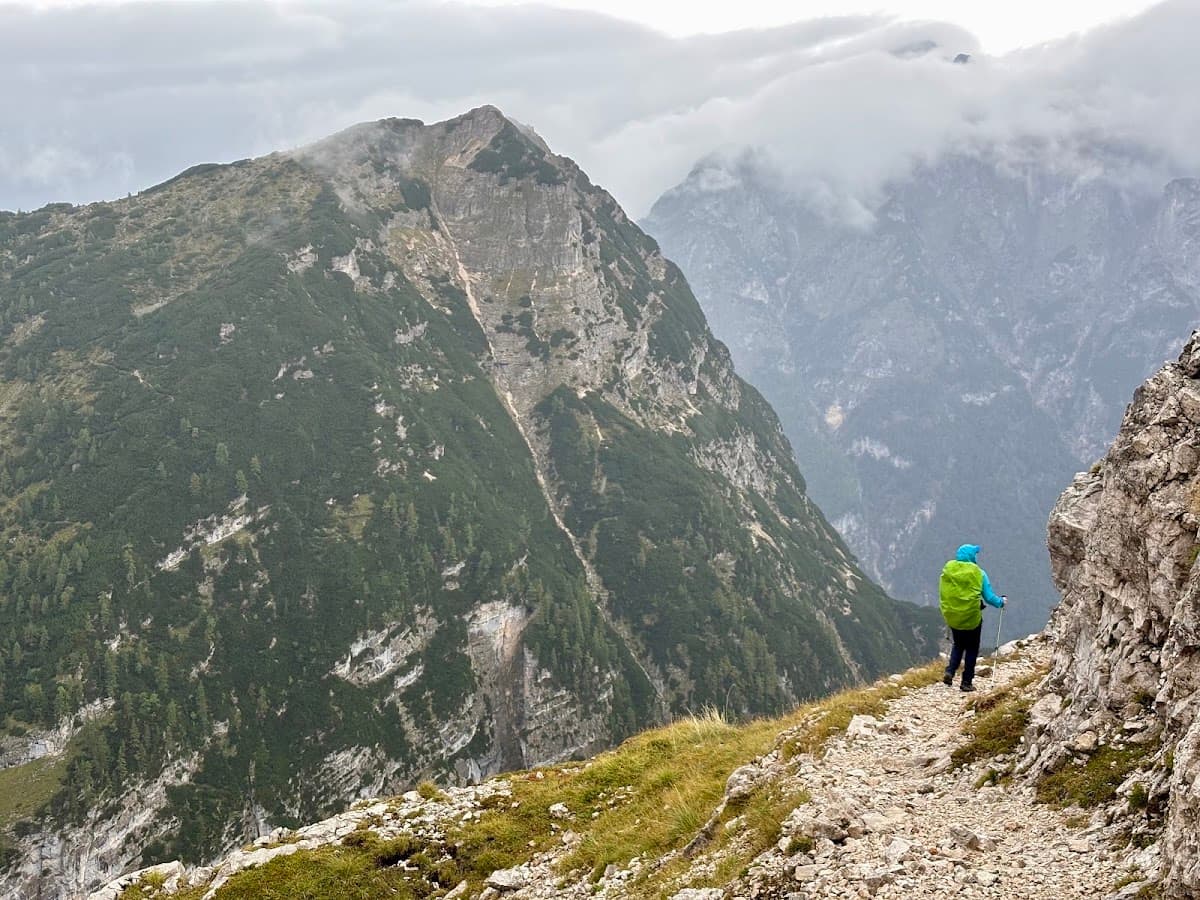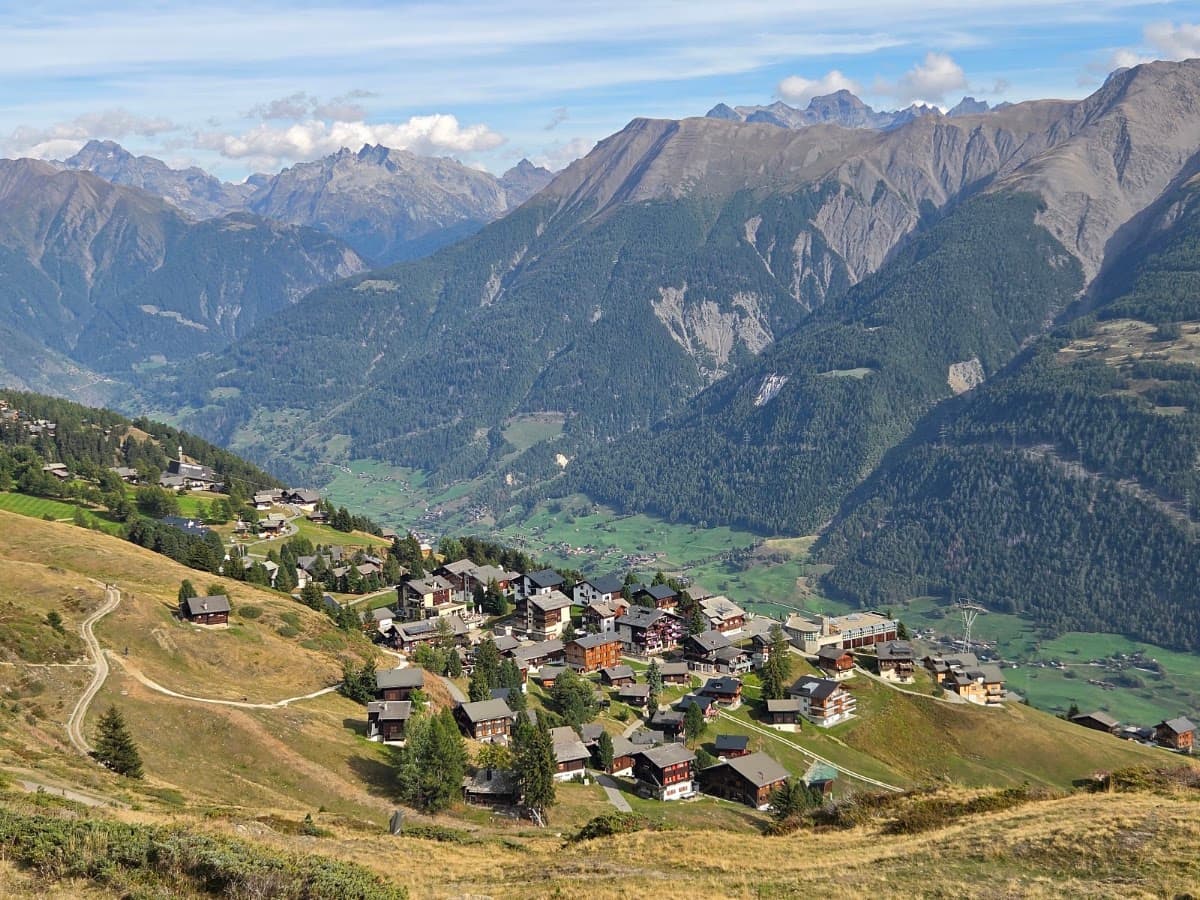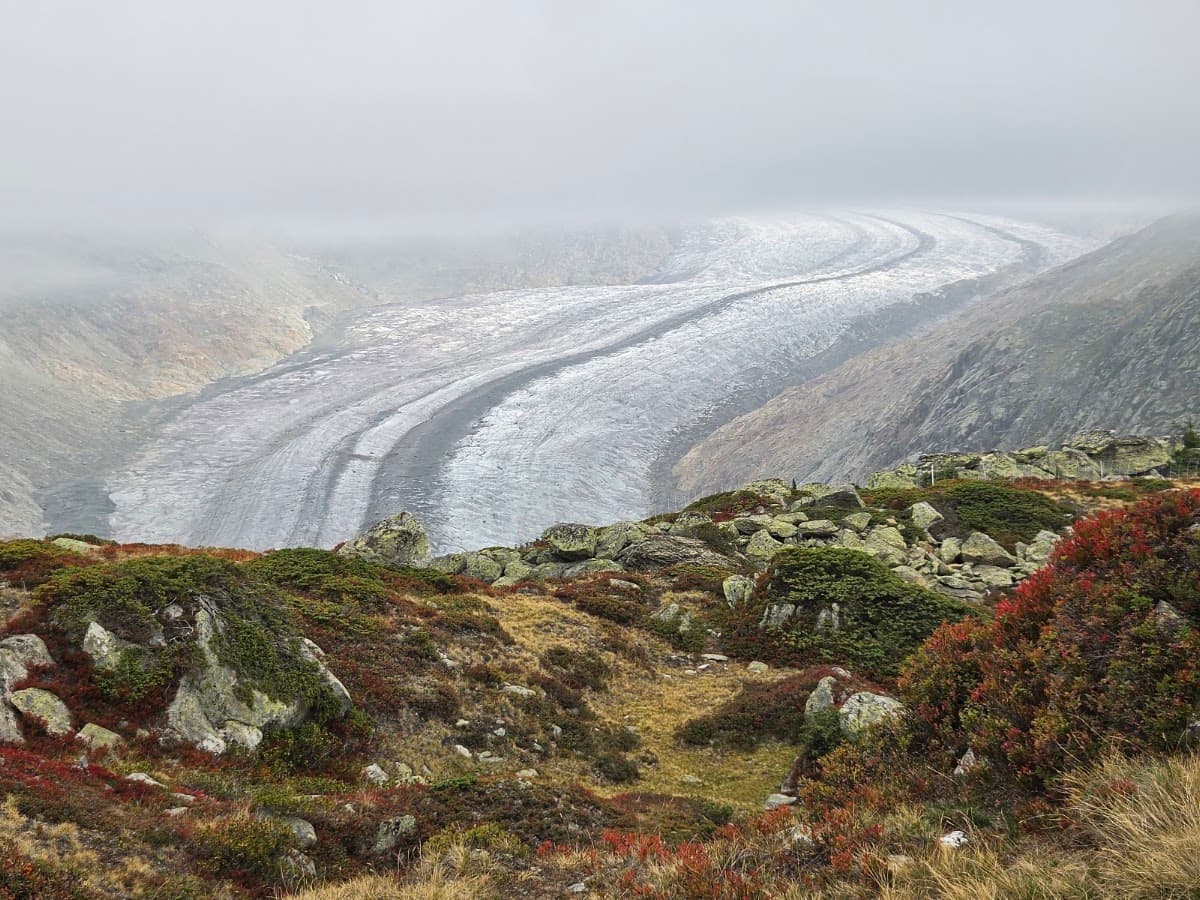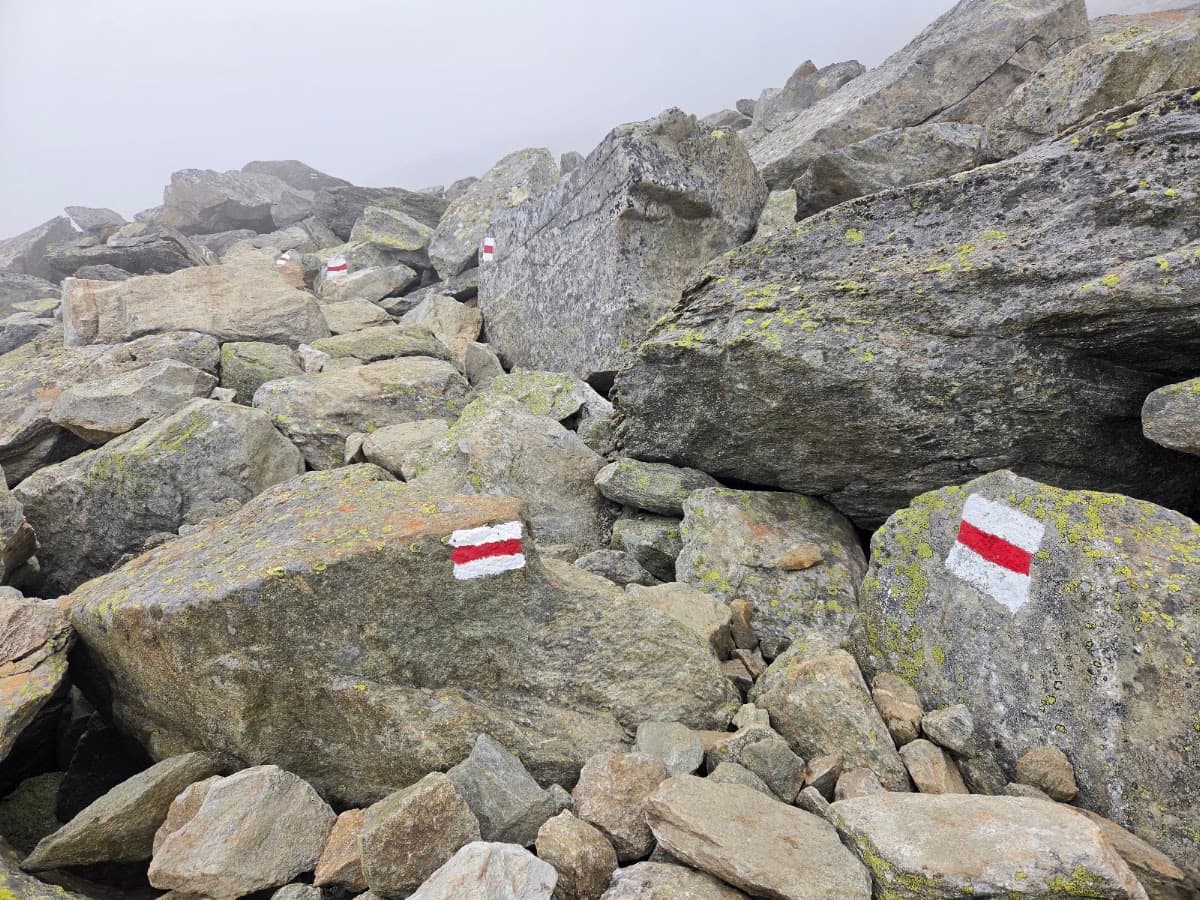
Find out why Italy captures the heart of every visitor by hiking to the viewpoints in the Dolomites, pilgrimaging to Rome, or exploring the Cinque Terre.
Highlights
- World-famous hut-to-hut hikes through the Dolomites like the Alta Via 1
- From vineyard walks in Tuscany to coastal explorations on the Amalfi Coast
- Gateway to Italian gastronomy – one of the most widely regarded in the world
- Numerous cultural stops including religious sites, architectural symbols, and towns
Italy Hiking & Walking Tours
Find out why Italy captures the heart of every visitor by hiking to the viewpoints in the Dolomites, pilgrimaging to Rome, or exploring the Cinque Terre.
Highlights
- World-famous hut-to-hut hikes through the Dolomites like the Alta Via 1
- From vineyard walks in Tuscany to coastal explorations on the Amalfi Coast
- Gateway to Italian gastronomy – one of the most widely regarded in the world
- Numerous cultural stops including religious sites, architectural symbols, and towns
Why Visit Italy on a Hiking Tour?
Framed by the Alps and the Mediterranean Sea, Italy’s diverse landscapes stir up a fantasy of ‘la dolce vita’ in many travelers around the globe. The cradle of Renaissance architecture, the artisan of distinctive wines, and the site of the world’s greatest romances – there’s much to be drawn by.
Throughout the country’s history, people have flocked to Italy to try its delectable, locally-produced cuisine – from the famous cappuccino to the finest pasta carbonara.
The rolling green hills of Tuscany invite you for a gentle walk amidst the vineyards and medieval towns, while the Dolomites challenge you to reach new heights beneath the steep rocky spires. The pilgrimages take you past the numerous religious sites interspersed across Sicily, Umbria, and Lazio.
Beyond the landscapes, Italy’s diversity extends to the accommodations and seasons. While hiking Tour du Mont Blanc and sleeping in high-altitude huts may only be possible during summer, the Amalfi Coast’s hotels and B&Bs are perfect for a shoulder-season visit.
Connecting the country’s most notable locations, the system of high-speed trains, ferry, and bus connections enables access to the main islands like Sardinia and Sicily, smaller islands like Ischia and Capri, and secluded corners like the Cinque Terre.
Now, you can put on your favorite Andrea Bocelli track and start practicing saying ‘Buongiorno,’ ‘Grazie,’ and ‘Prego,’ as you may soon be sipping an Aperol Spritz by the shores of Lake Garda.
About Hiking in Italy
Italy is strung between two seas and high Alps, and hiking here means moving between its diverse worlds rather than settling into one.
Glaciated Alps and pale Dolomite towers in the north, a green Apennine spine down the middle, cliff-hung mule paths on both coasts, and active volcanoes in the south. And at the end of every day, the culture that makes Italian walking unlike anywhere else: a coffee at the rifugio, a valley trattoria, wine handed across a communal table.
Italy's headline routes span the whole peninsula.
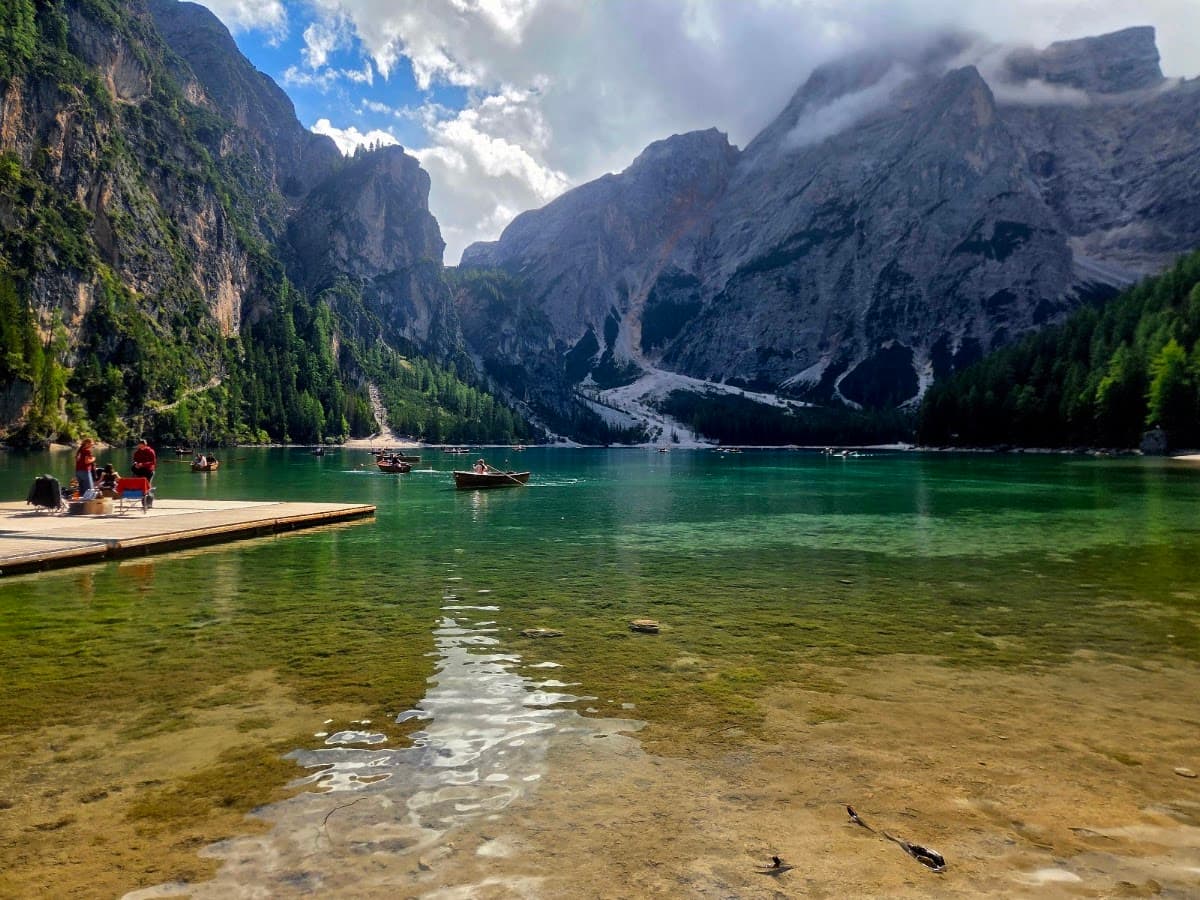
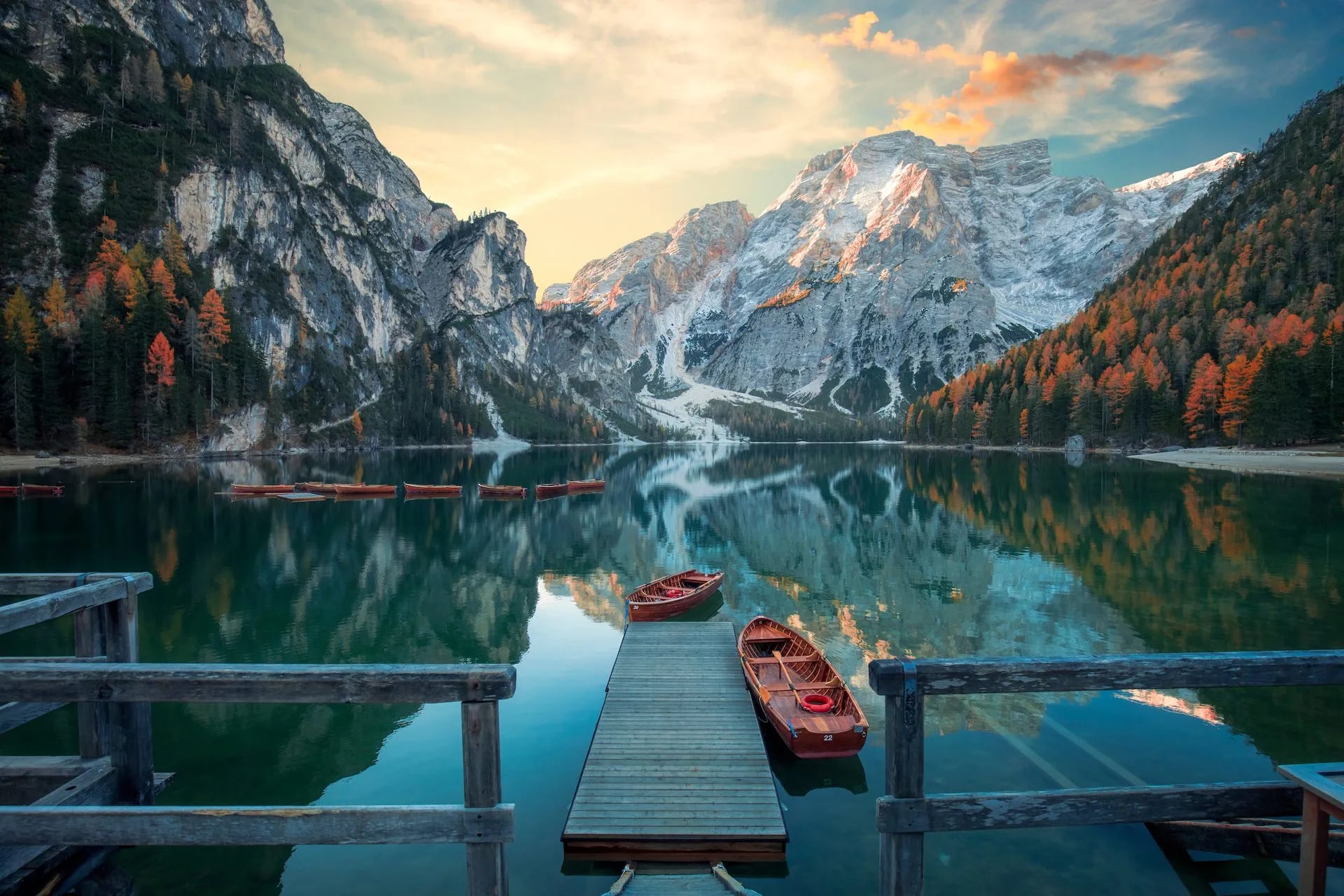
The Alta Via 1 runs about 120 km through the Dolomites from Lago di Braies to Belluno, rifugio to rifugio.
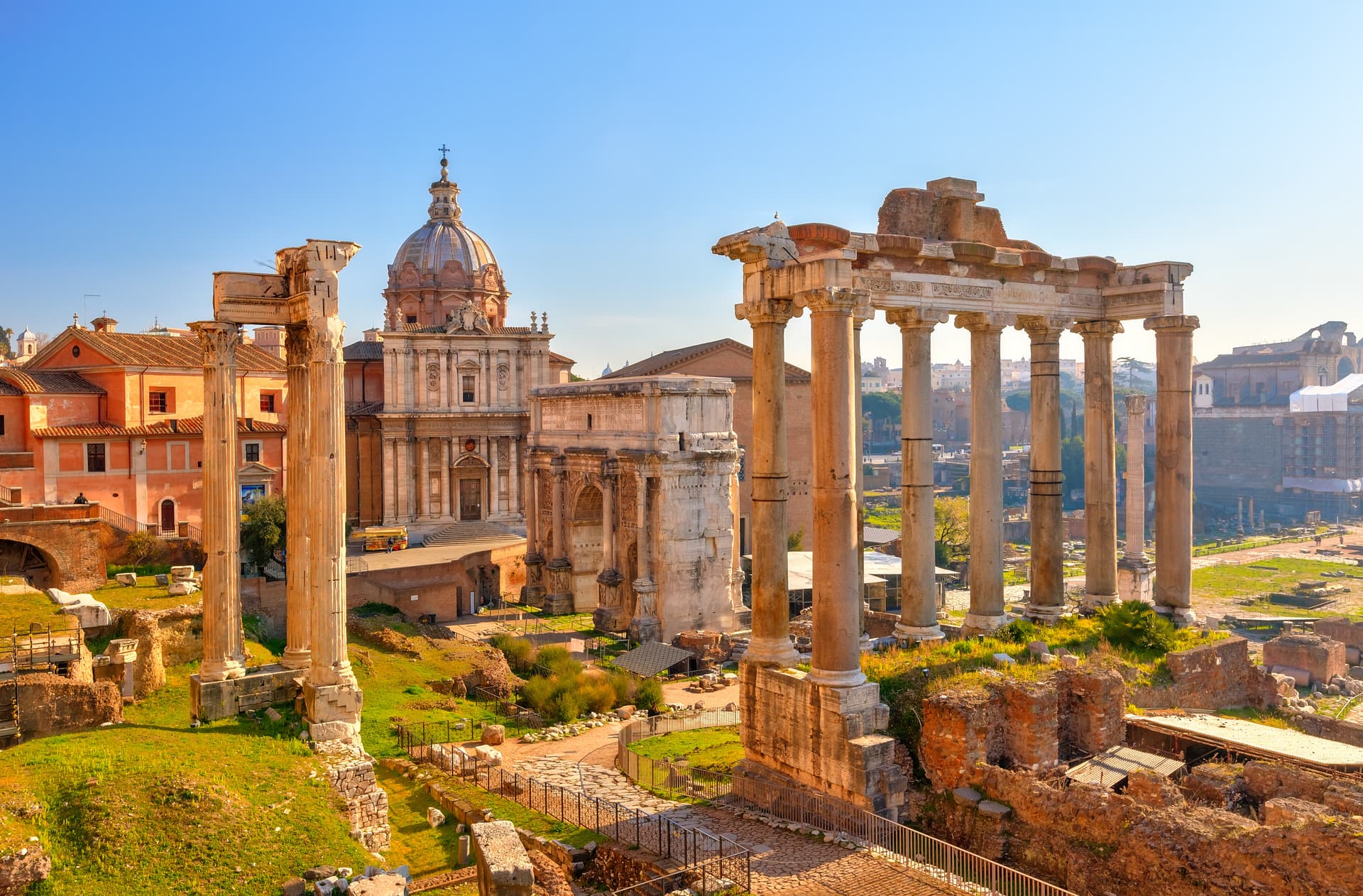
The Via Francigena is the great Italian pilgrimage, walking Tuscany's hill towns and finishing in Rome.
The Sentiero degli Dei on the Amalfi Coast and the Sentiero Azzurro in Cinque Terre hold the coastal walking, and the Magna Via Francigena crosses Sicily interior to sea.
Italy runs two calendars, and picking the right one matters more here than almost anywhere.
The mountains — Dolomites, Alps, Gran Sasso — are late June to mid-September, governed by rifugio opening and snow on the passes.
Everywhere else — Tuscany, the Amalfi Coast, Cinque Terre, Sicily, Puglia — is best in April–June and September–October. High summer on the coast and in the hills is hot enough to make a full walking day unpleasant.
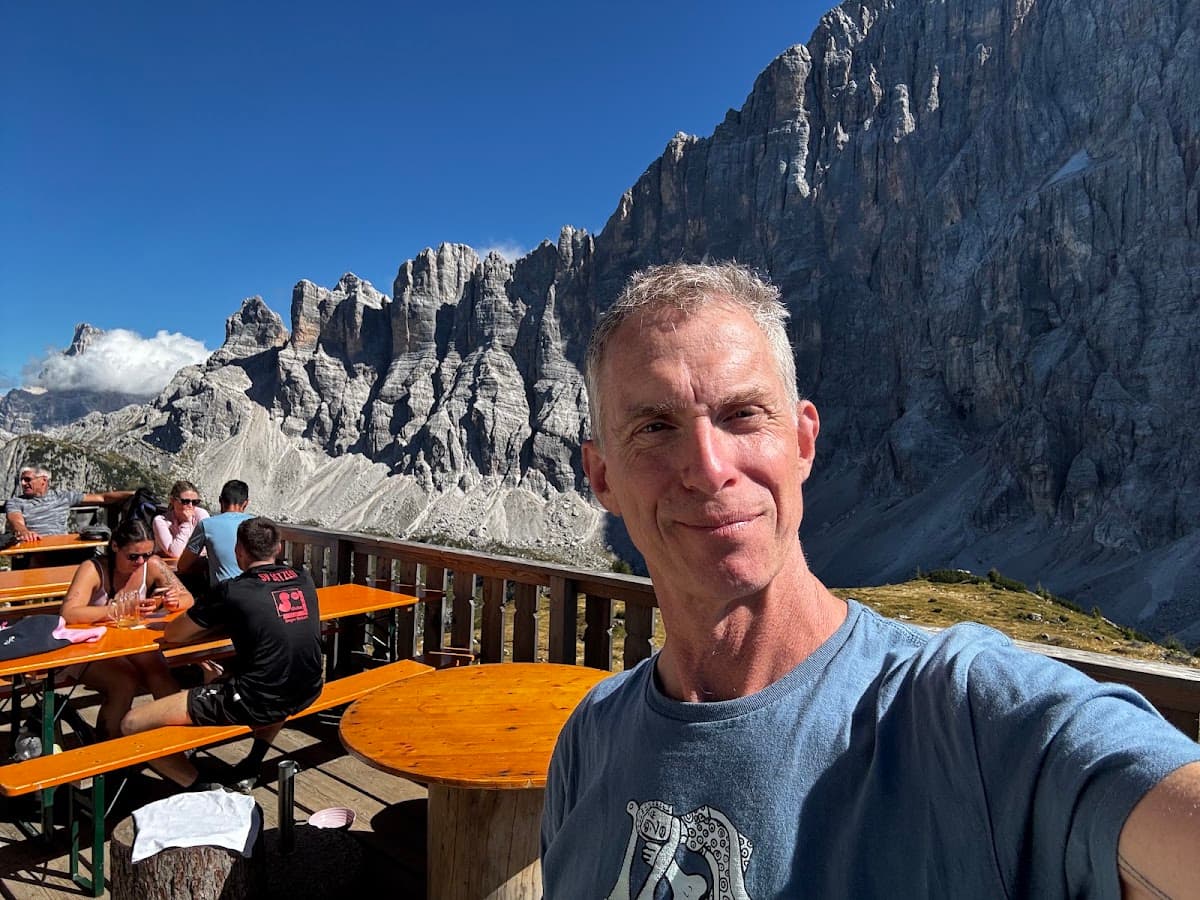
The Italian rifugio is the best-fed mountain hut in the Alps. Dormitory bunks and shared bathrooms, yes — but also a proper kitchen, a wine list, and a terrace where the afternoon disappears.
Book ahead for July and August, bring cash and a sleeping-bag liner, and accept that dinner is at a set hour and eaten together. Half board is standard, and on the Alta Via routes it is what makes a light pack possible.
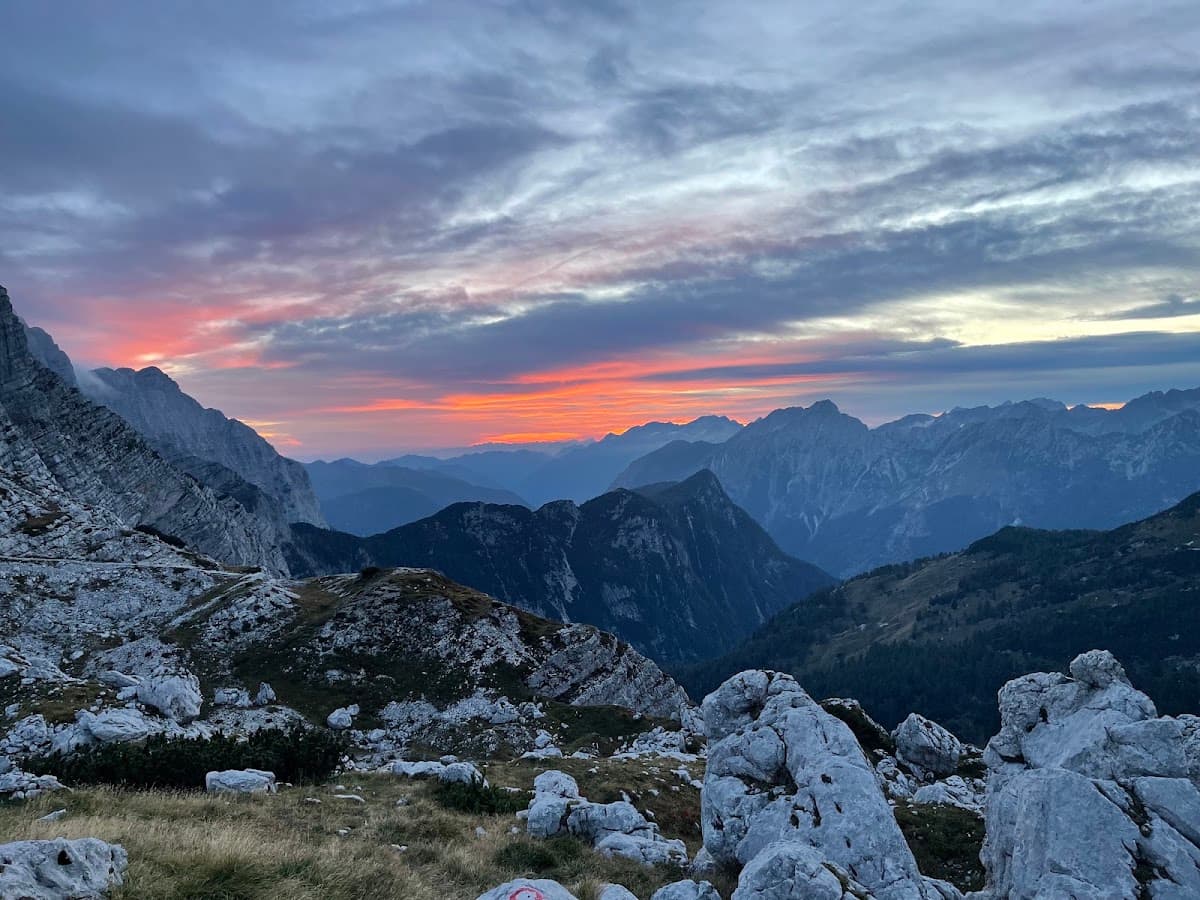
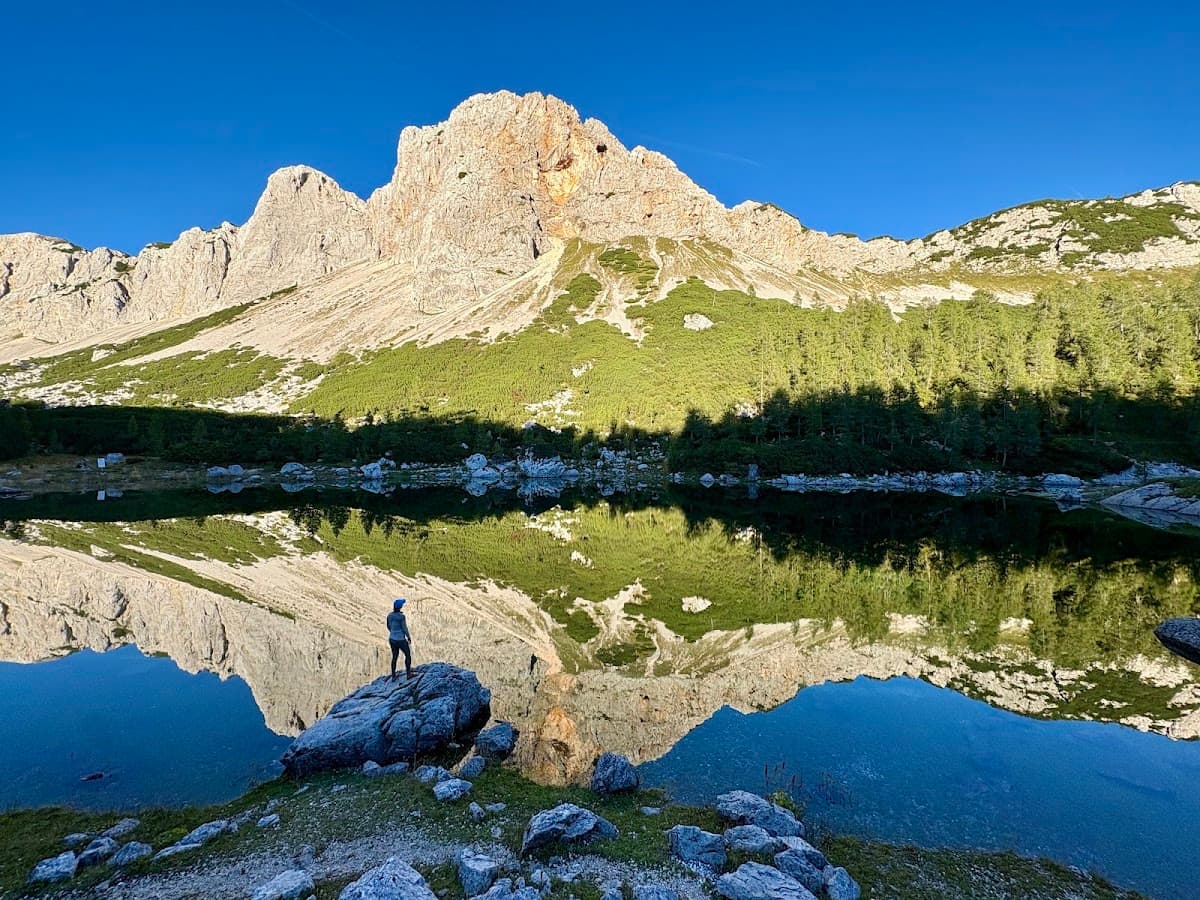
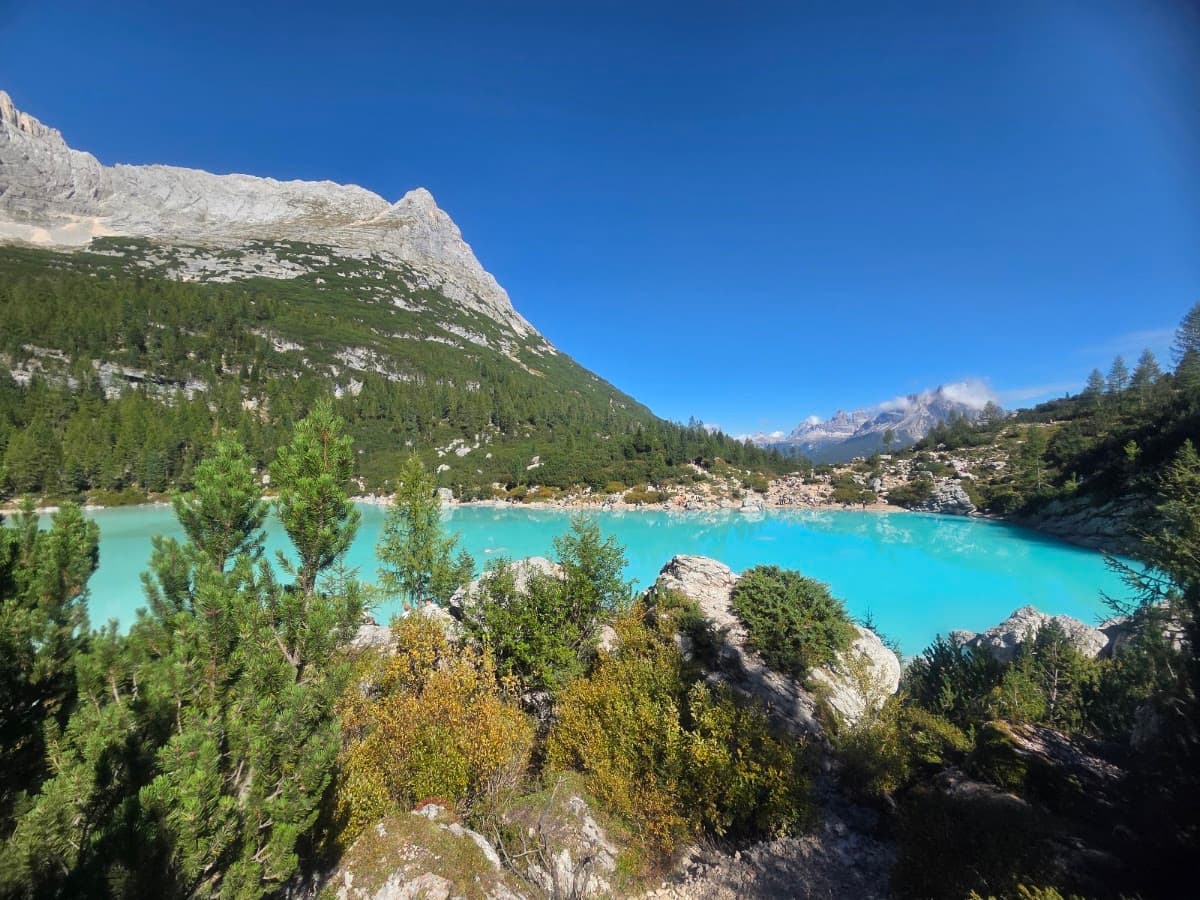
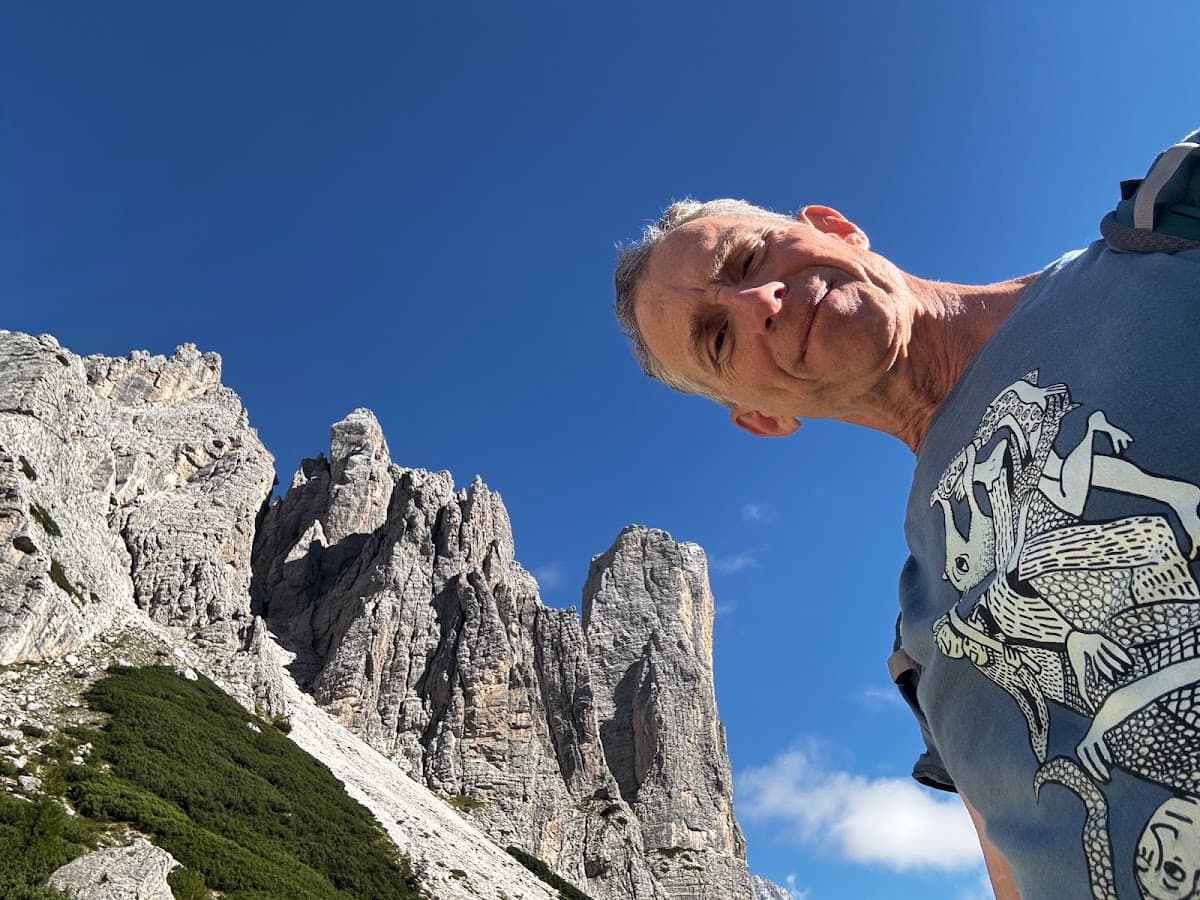
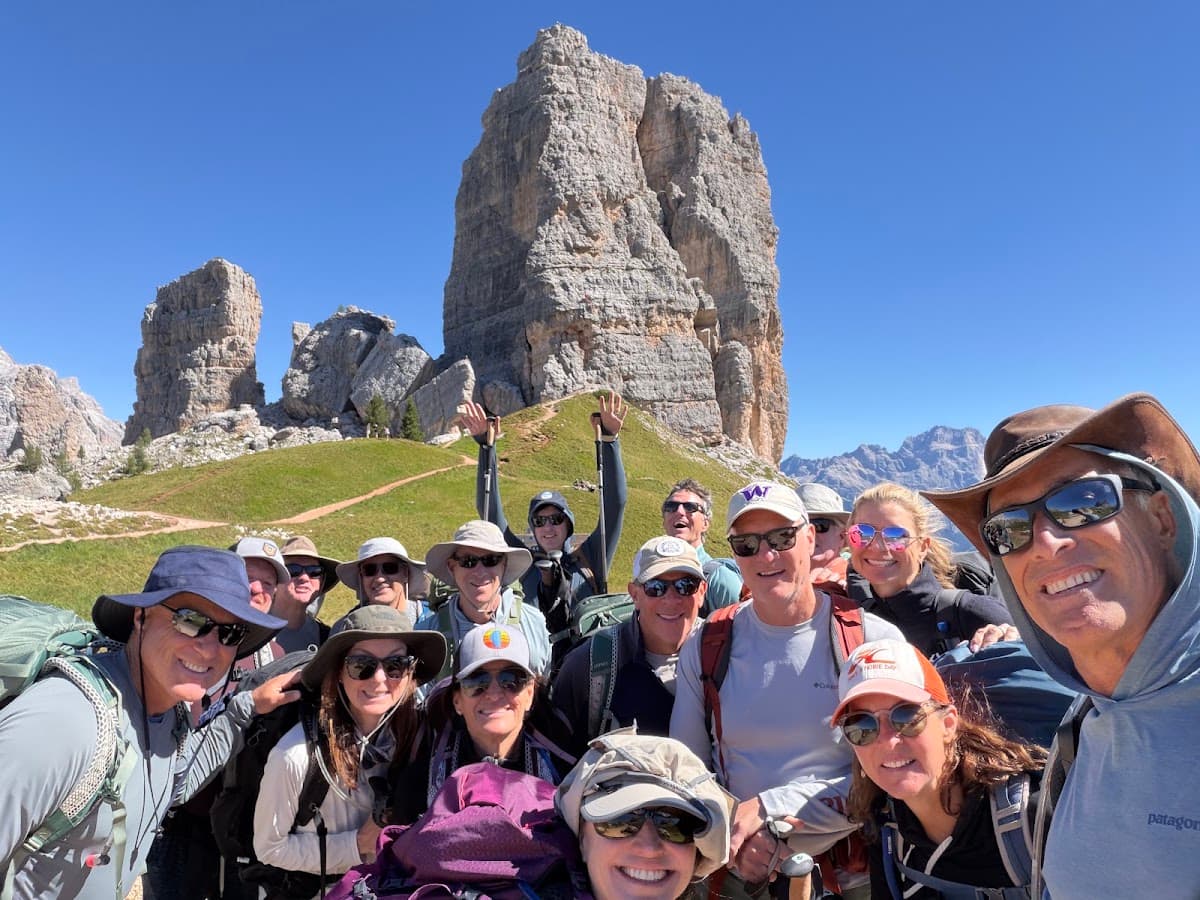
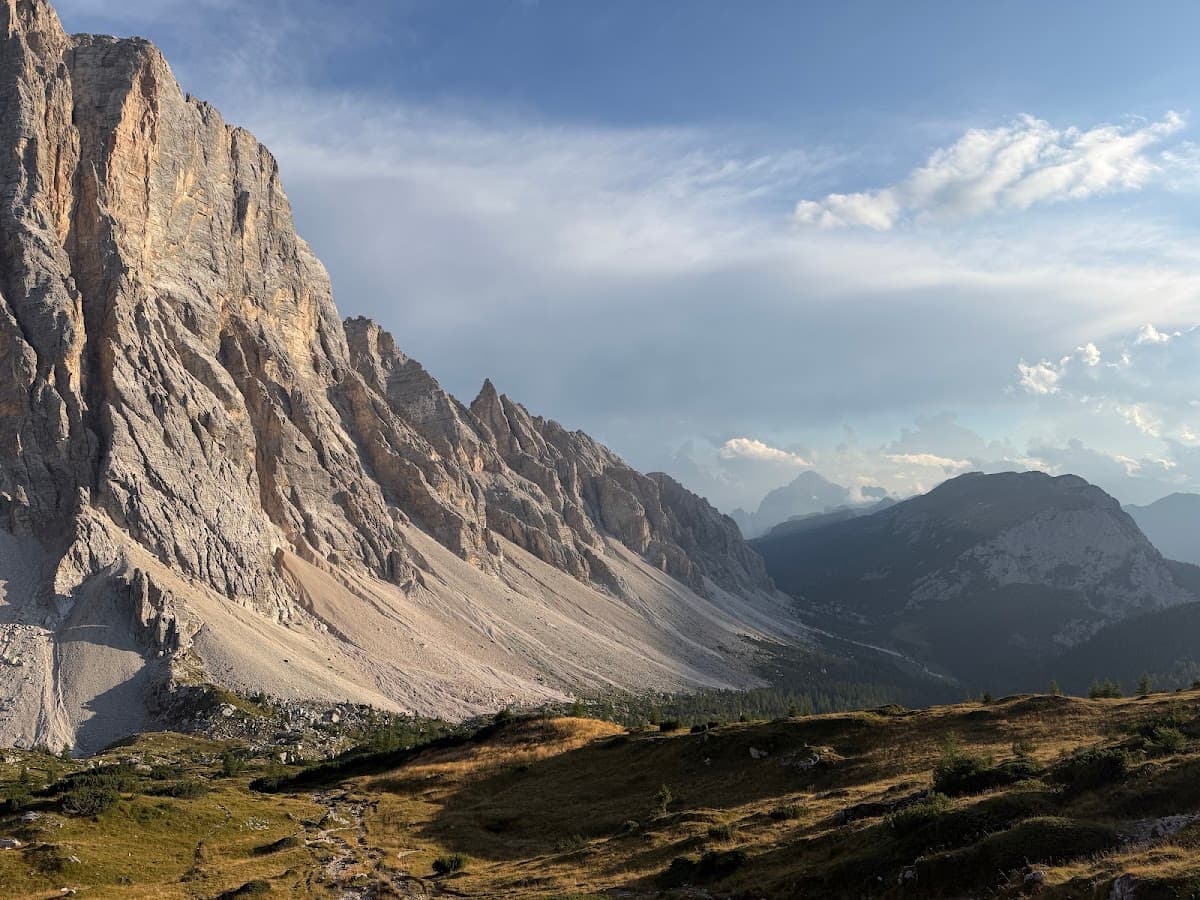
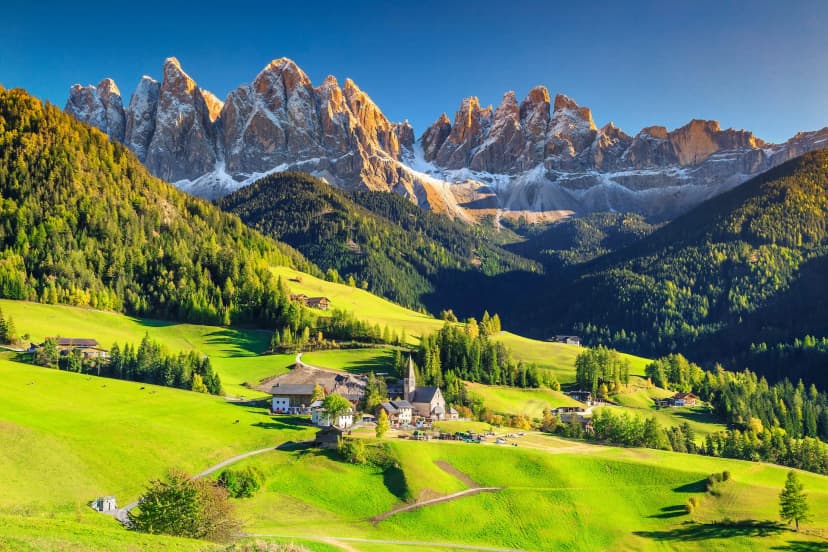
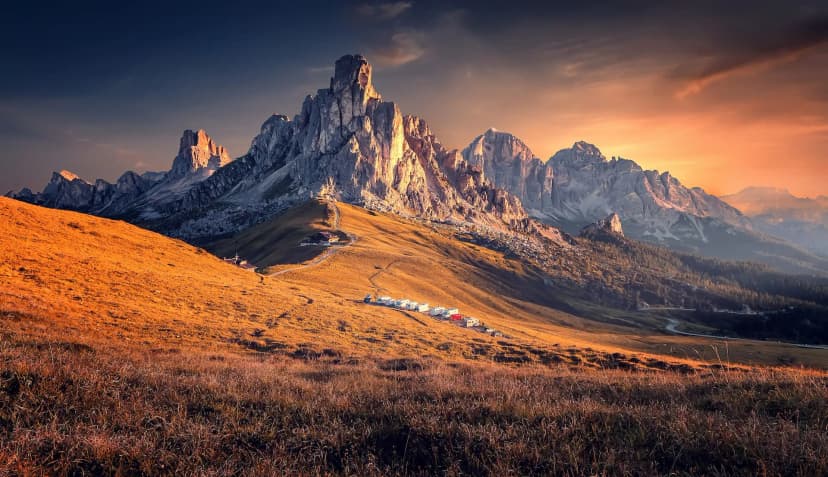
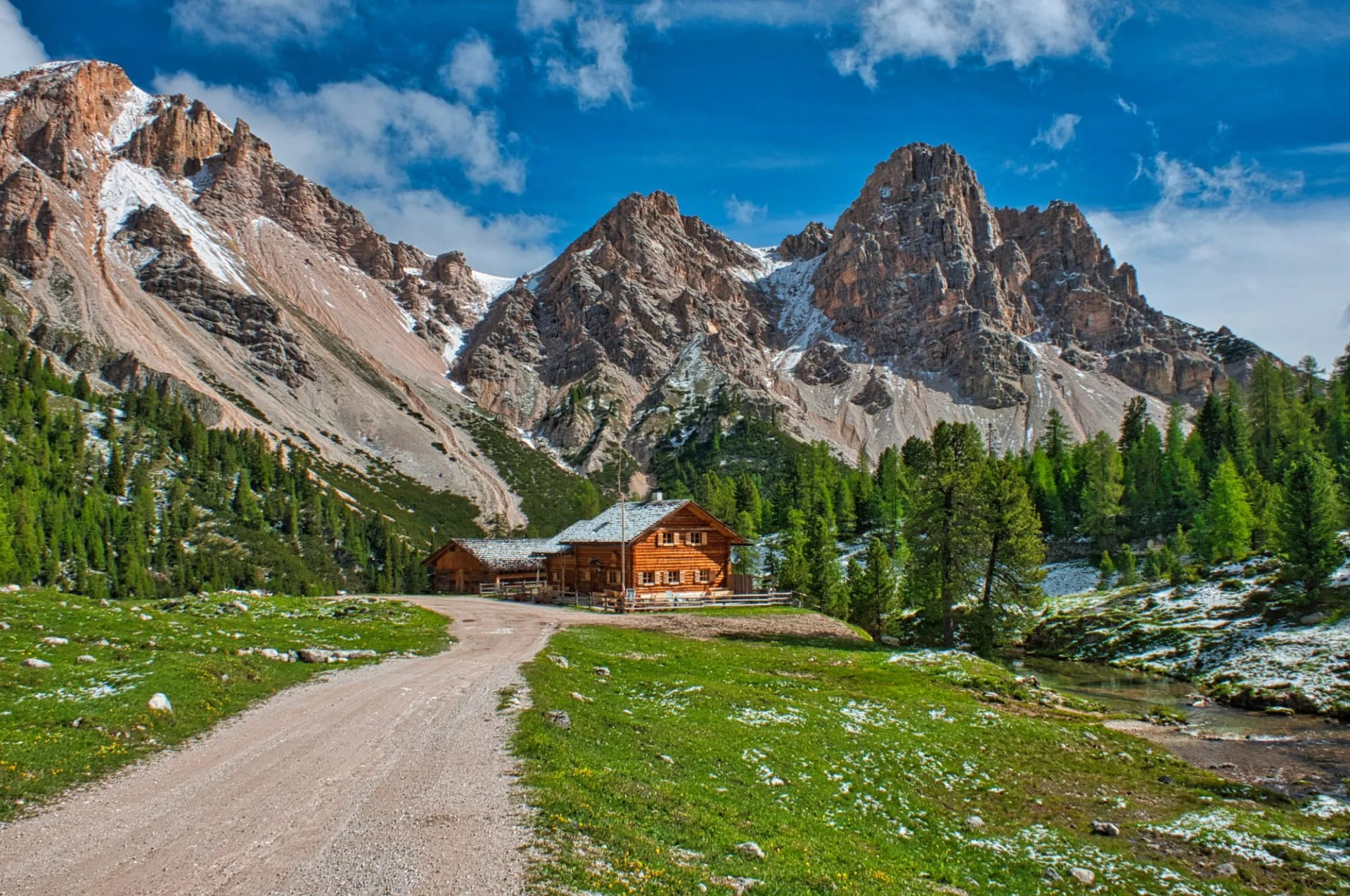
Pale limestone towers above green pasture, and at dusk they turn rose. The Dolomites are Italy's great alpine range and its best-served walking — a rifugio every few hours, trails numbered to Austrian standards, and the Alte Vie crossing the whole range north to south.
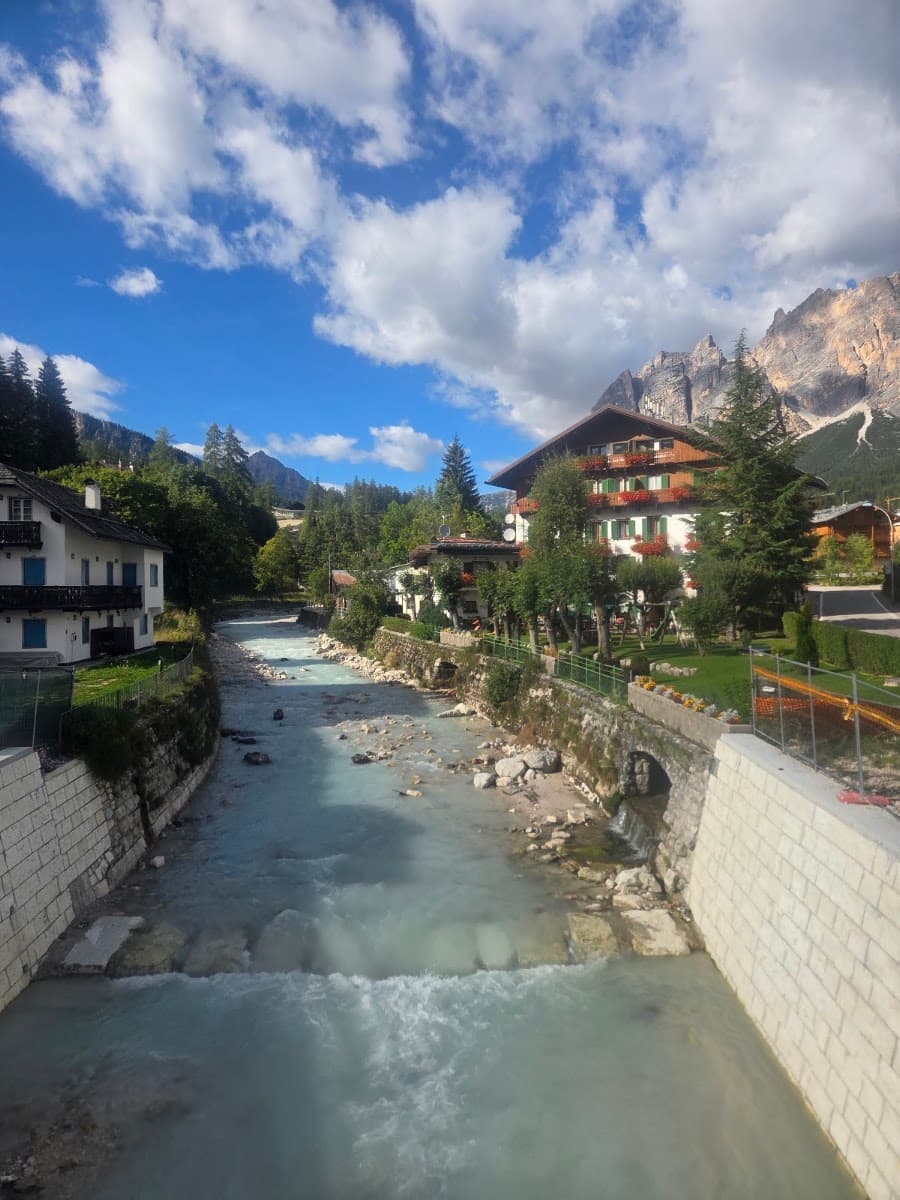
Half the valley speaks German and the menu is as likely to be Tyrolean as Italian.
Slow and golden, with no serious altitude to conquer. No glaciers and no summits — only long easy ridgelines, cypress avenues on white gravel roads, and the light painters have chased for six hundred years.
The Via Francigena crosses it, the Val d'Orcia holds the postcard, and every day ends with pecorino, wild boar ragù and a glass grown on the hill you just came down.
Five villages the color of sun-faded fruit, linked for centuries only on foot. The Sentiero Azzurro runs low along the cliffs between them; the quieter sanctuary trails climb to the hilltop chapels above, where the crowds simply vanish.
Underneath it all are the dry-stone terraces — thousands of kilometers of hand-laid wall holding a near-vertical slope in vines.
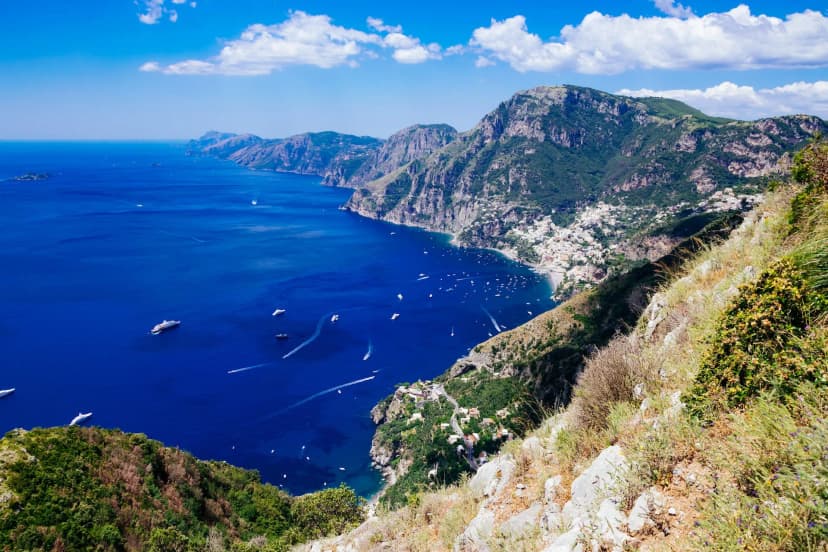
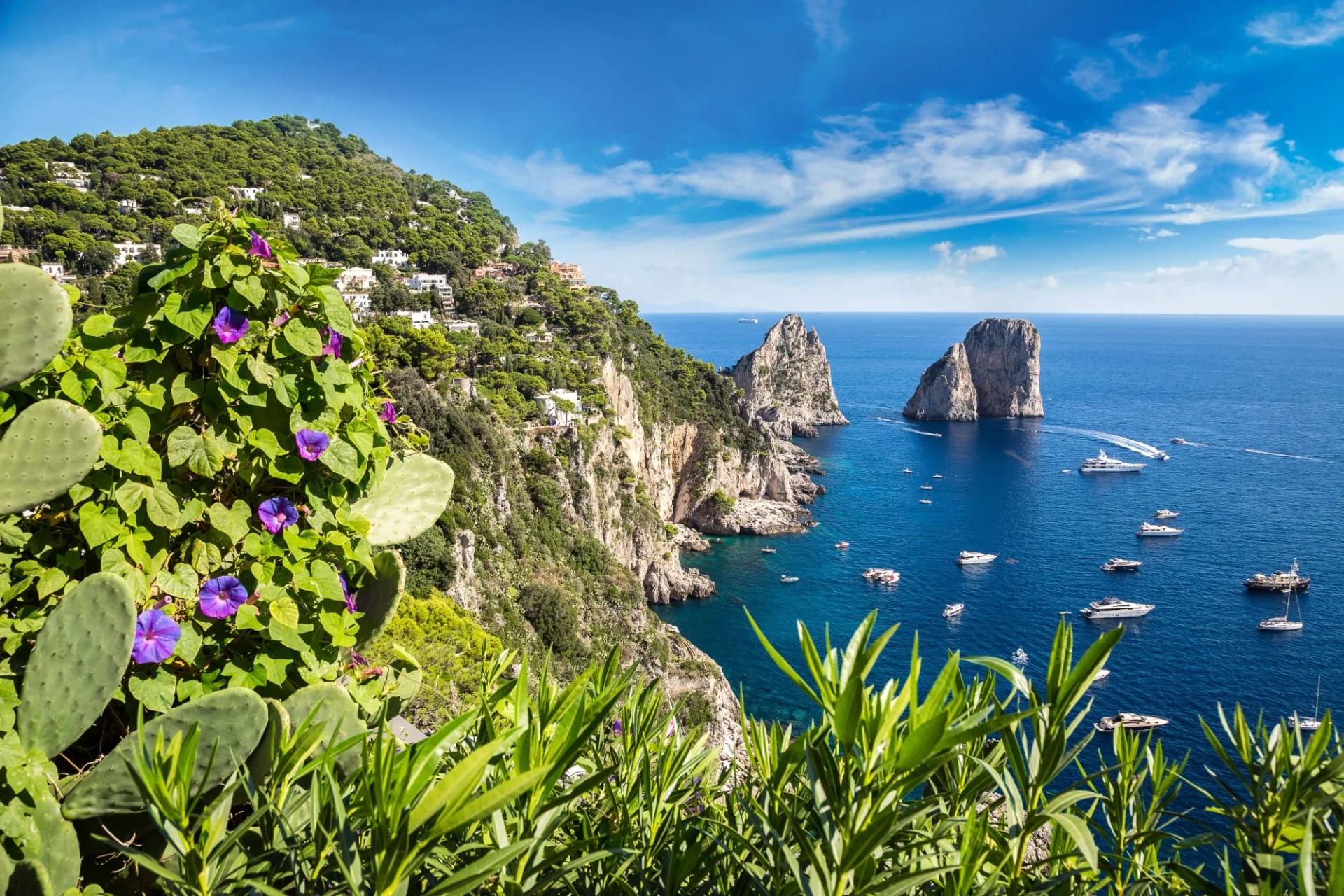
Alongside this coast, paths are pinned to almost vertical land, a thousand feet above the Tyrrhenian. The Sentiero degli Dei runs the ridge from Bomerano to Nocelle with Capri floating on the haze ahead, and every bend opens a new drop to the sea.
Between the villages run thousands of hand-cut stone steps, the only roads here for most of the coast's history.
An island built on fire, Sicily is perhaps most known for Etna, Europe's most active volcano. It can be climbed through chestnut and pine onto lunar cinder fields where the ground is still warm.
Other than volcanic paths: the glass-clear coves of the Zingaro reserve, the green beech mountains of the Madonie, and Greek temples standing in almond groves above the sea.
Frequently Asked Questions



Plan with a hiking expert
Free advice from a team that knows these routes inside out - real people, not a bot
.svg)
HANDPICKED ADVENTURES
Only the best adventures across the world, cherry-picked by our team with an in-depth knowledge of the regions.
.svg)
VALUE YOUR TIME
With everything on your plate, let us handle the vacation planning, so your valuable time stays exactly where you need it.

SELF-GUIDED TRAVEL
Explore independently and with confidence while we keep everything running from behind the scenes.
.svg)
TRUSTED BY MANY
Since 2014, we have taken care of thousands of happy customers, making it our mission to put your satisfaction first.
.svg)
OUTDOOR SPECIALISTS
We are a team of outdoor specialists equipped with the knowledge and insight to bring you the best hiking experiences.