Explore Japan’s ancient trails, from the spiritual Kumano Kodo to the rugged Northern Alps, and unwind in traditional ryokan inns with world-renowned cuisine.
Highlights
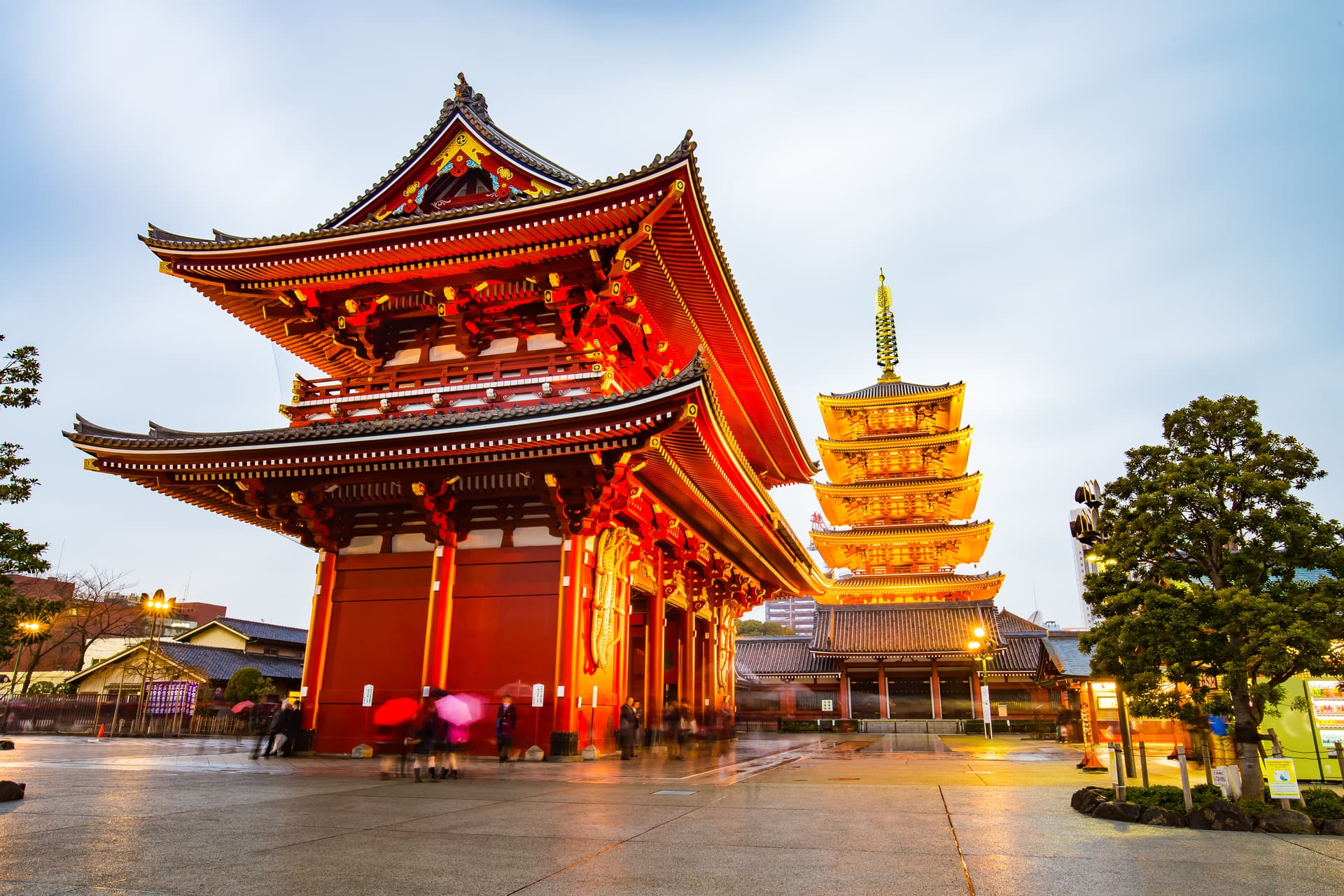
- UNESCO-listed temples, shrines, and heritage sites preserving centuries of history
- Traditional ryokan inns and mountain huts offering authentic Japanese hospitality
- World-class Japanese cuisine, from fresh sushi to hearty ramen and delicate kaiseki
- Sacred pilgrimage routes, panoramic mountain ridges and serene Zen gardens
Japan Walking Tours
Explore Japan’s ancient trails, from the spiritual Kumano Kodo to the rugged Northern Alps, and unwind in traditional ryokan inns with world-renowned cuisine.
Highlights
- UNESCO-listed temples, shrines, and heritage sites preserving centuries of history
- Traditional ryokan inns and mountain huts offering authentic Japanese hospitality
- World-class Japanese cuisine, from fresh sushi to hearty ramen and delicate kaiseki
- Sacred pilgrimage routes, panoramic mountain ridges and serene Zen gardens



Plan with a hiking expert
Free advice from a team that knows these routes inside out - real people, not a bot
Why Visit Japan on a Hiking Tour?
An ancient empire steeped in traditions and spirituality, Japan is justifiably one of the most lucrative countries in the world.
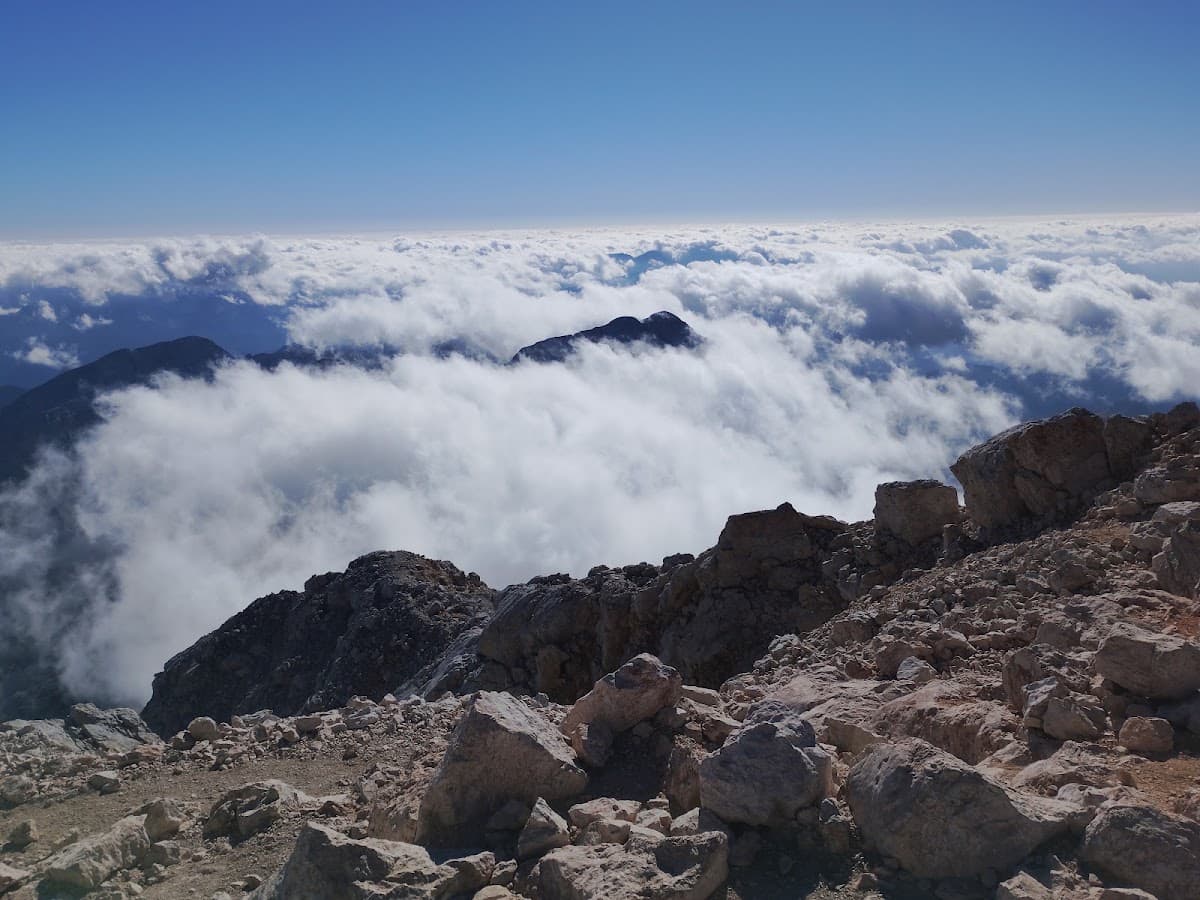
It is not only known for world-class cuisine, dedication to preserving centuries of history, and work ethic but also for mesmerizing views, from misty forests to the iconic silhouette of Mt. Fuji rising above the clouds.
Japan invites you to walk in the footsteps of emperors, samurai, and pilgrims, creating an unforgettable journey through time and nature.
Whether following the sacred Kumano Kodo, scaling Mt. Fuji at sunrise, or challenging yourself in the Northern Alps, Japan’s trails offer solitude, breathtaking views, and a deep connection with the land’s cultural heritage.
The country’s reverence for nature, combined with its impeccable organization, public transport, and well-maintained routes, makes hiking here a physical and spiritual adventure. You will soon find yourself in love with Japanese hospitality by staying in traditional Ryokan inns and mountain huts.
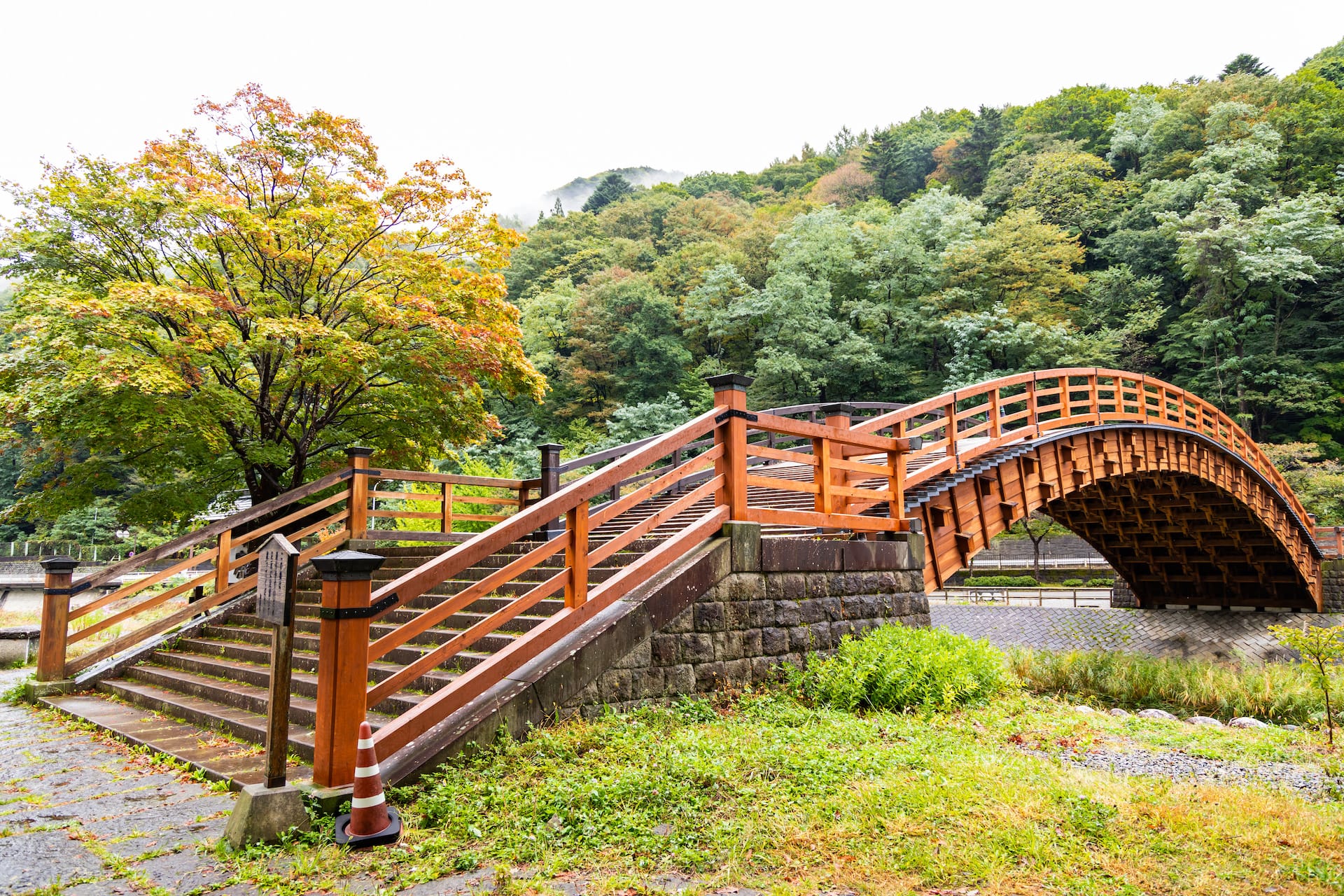
Japan will continue to surprise you and unveil its magnificence with every step you take – whether you’re marveling at the picture-perfect cherry blossoms in spring or the vibrant autumn foliage, hiking the rocky volcanic trails of Mt. Fuji’s Fujinomiya Route, or strolling the historic paths of the Nakasendo Trail.
Perhaps it’s time to brush up on your ‘Konnichiwa’ and ‘Arigato’ and start dreaming of a bowl of steaming ramen after a day of exploring Japan’s ancient trails!
.svg)
HANDPICKED ADVENTURES
Only the best adventures across the world, cherry-picked by our team with an in-depth knowledge of the regions.
.svg)
VALUE YOUR TIME
With everything on your plate, let us handle the vacation planning, so your valuable time stays exactly where you need it.

SELF-GUIDED TRAVEL
Explore independently and with confidence while we keep everything running from behind the scenes.
.svg)
TRUSTED BY MANY
Since 2014, we have taken care of thousands of happy customers, making it our mission to put your satisfaction first.
.svg)
OUTDOOR SPECIALISTS
We are a team of outdoor specialists equipped with the knowledge and insight to bring you the best hiking experiences.
About Hiking in Japan
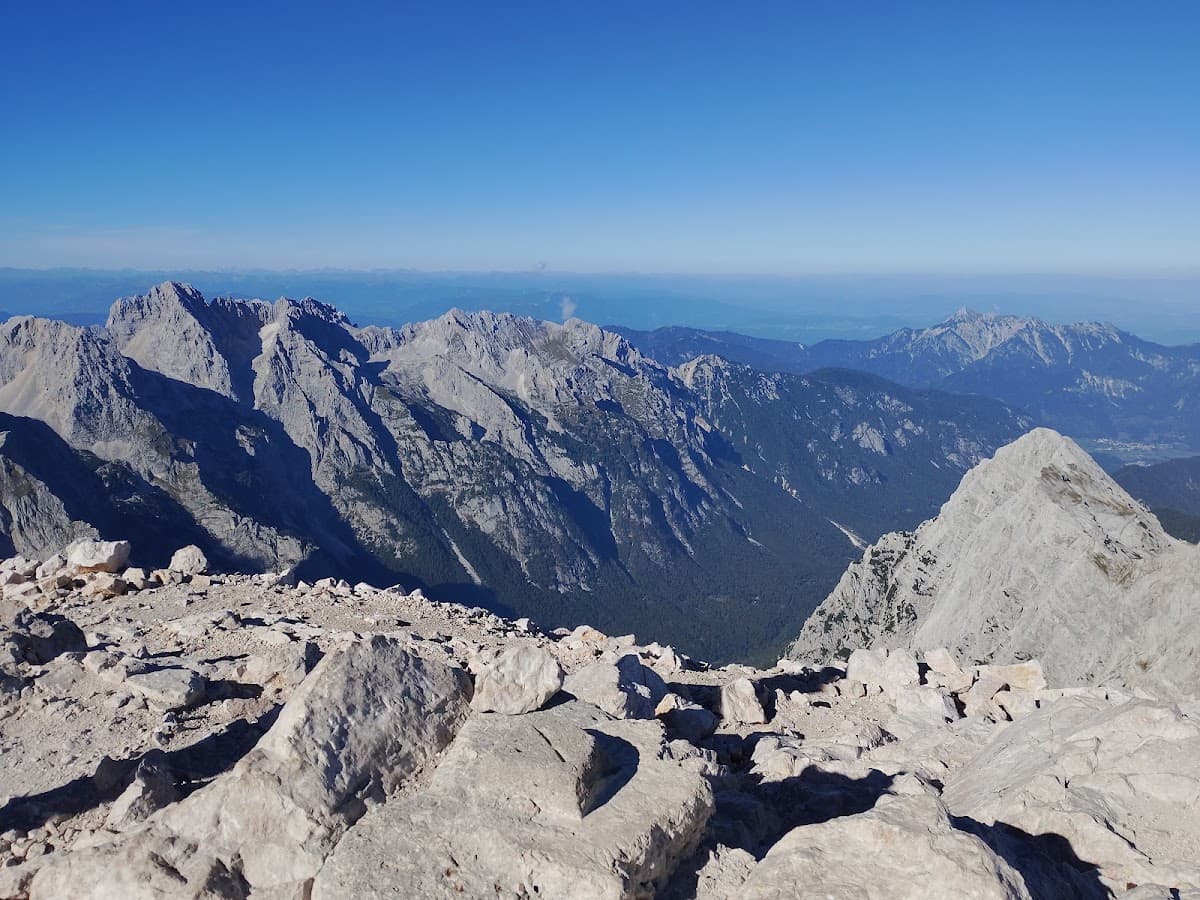
Three quarters of the country is mountain, it has 21 peaks above 3,000 metres, and the trains reach more trailheads than anywhere else on earth. Almost none of that is written down in English, which is why so many people come for the cities and leave without knowing Japan is one of the great walking countries.
Our ultimate guide to hiking in Japan covers the routes, the seasons and the booking traps.
Two cultural walks through inhabited valleys, two mountain weeks in a dormitory. That split is the whole decision.
Kumano Kodo Imperial Route: five days to the head shrine
Nakasendo Trail Trek: Kyoto to Tokyo through post towns
Panorama Ginza Trail: five days on a Northern Alps ridge
Mt. Fuji Fujinomiya Trail Trek: the shortest way up
The high alpine season is July to September, short because the huts that make the ridges walkable shut in autumn. Mount Fuji is stricter still: its trails open on 1 or 10 July and all close on 10 September, a legal season of about nine weeks.
Below the treeline it relaxes. The Kumano Kodo runs March to October and the Nakasendo April to November, and October is the pick for both. Avoid August, when humidity and typhoon risk peak together.
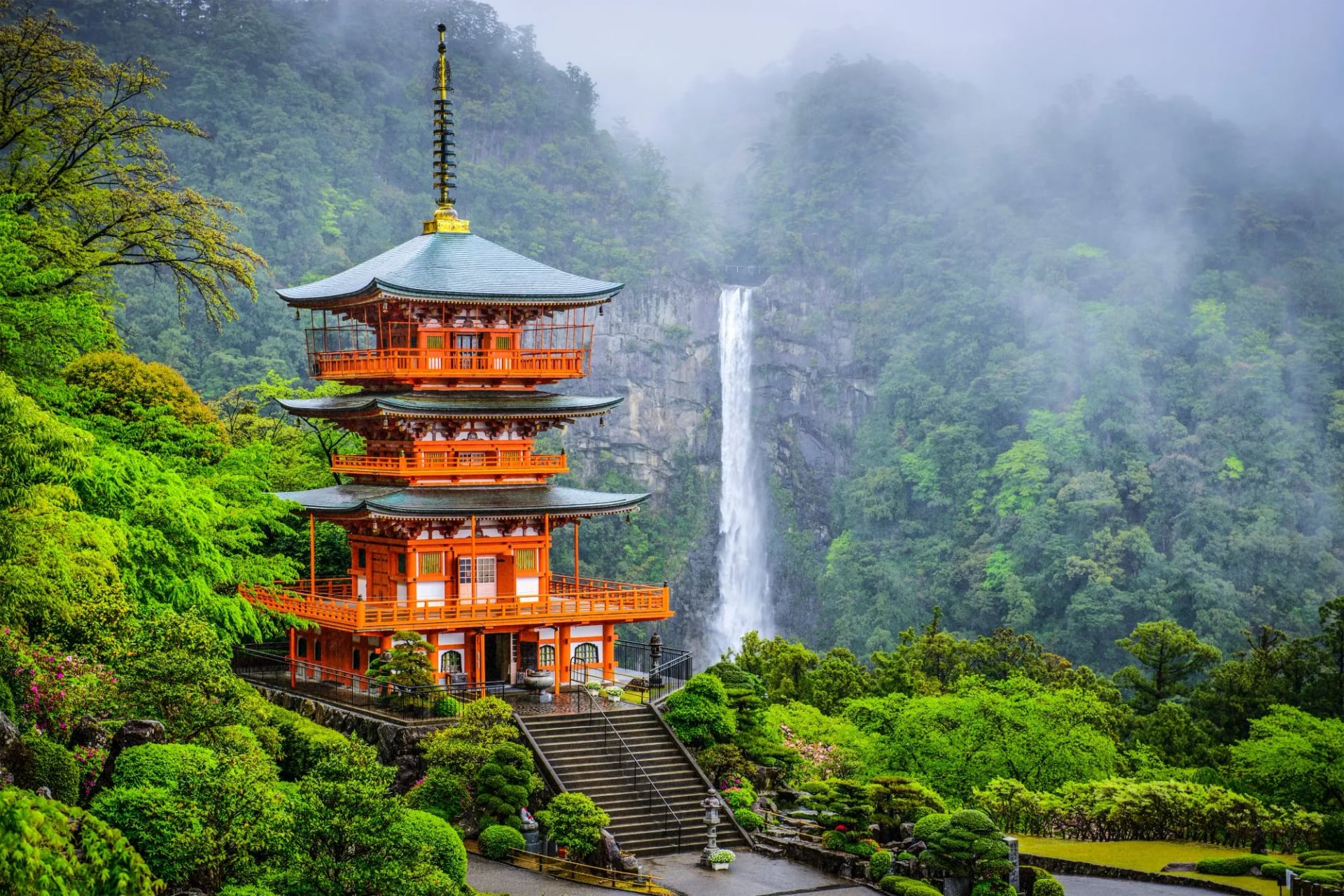
The Kumano Kodo was UNESCO-listed in 2004 and is one of only two pilgrimage routes in the world with World Heritage status. The other is the Camino de Santiago, and walking both makes you a Dual Pilgrim on a shared credential. The Nakasendo is the opposite idea, an old highway between Edo and Kyoto running 534 kilometres through 69 post towns, eleven of them in the Kiso Valley.
Full detail in our Kumano Kodo guide and our Nakasendo guide.
Everything written about Fuji oversells the walking and undersells the ground. Its four trails are nowhere near equivalent: Fujinomiya starts at 2,400 metres and Gotemba at 1,440, nearly four hours apart on the way up for exactly the same summit. Above the eighth station you are on private land owned by a Shinto shrine, and the summit runs a post office that opens for the season.
Japanese mountain huts are staffed and catered like Alpine ones, but there is no national booking portal. Each hut takes its own reservations, most opening six months ahead at nine in the morning Tokyo time, and summer weekends sell out within minutes. Expect a dorm bed with two meals, cash only, and no shower.
The lower routes swap huts for village inns, where you bathe before dinner rather than after and the futon appears while you are eating.