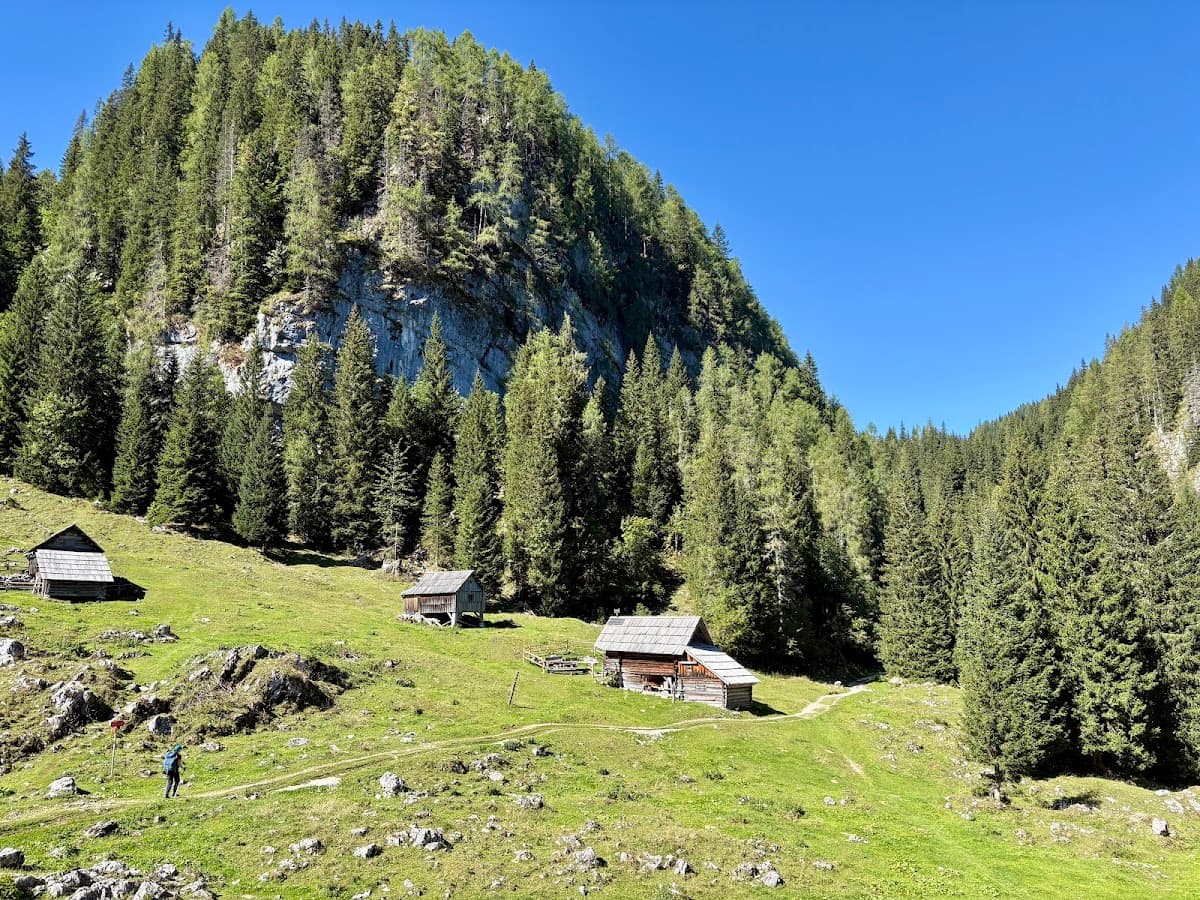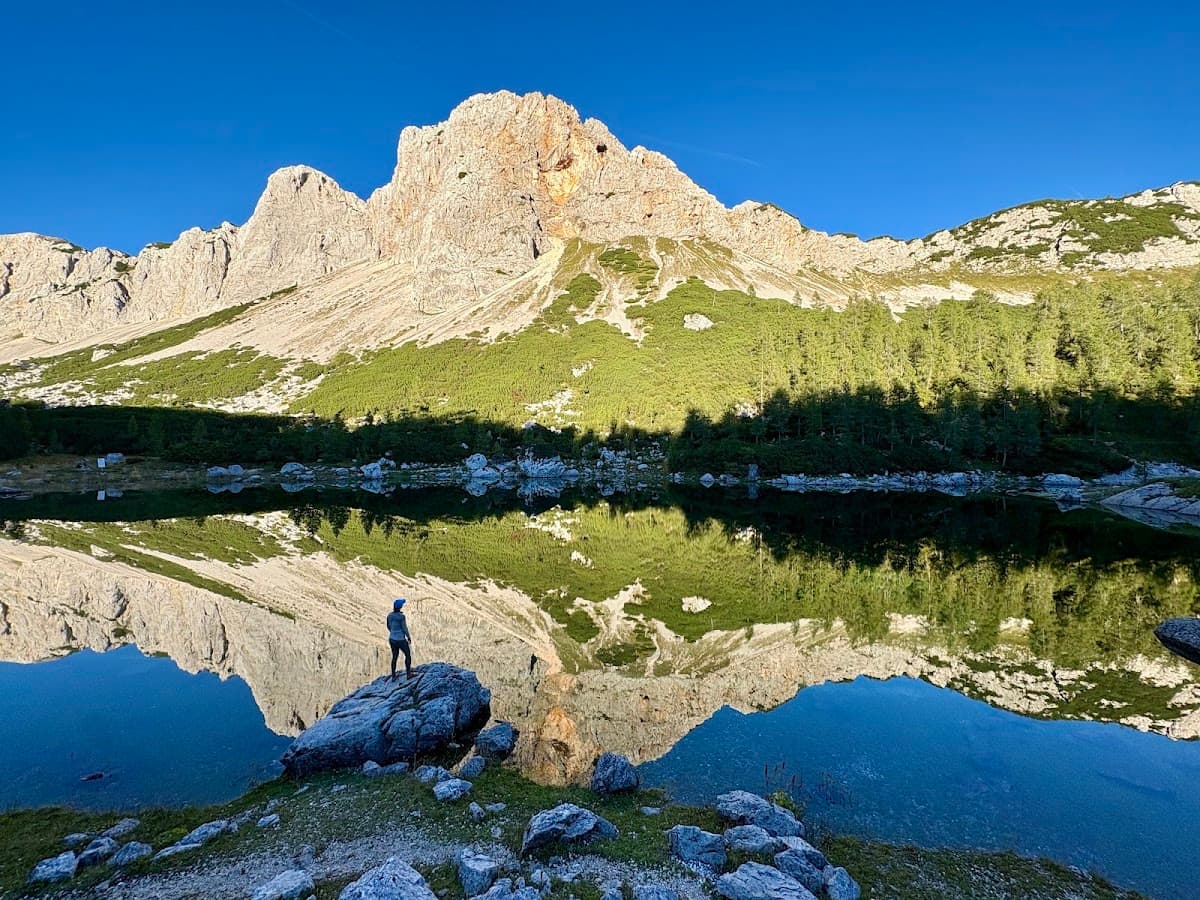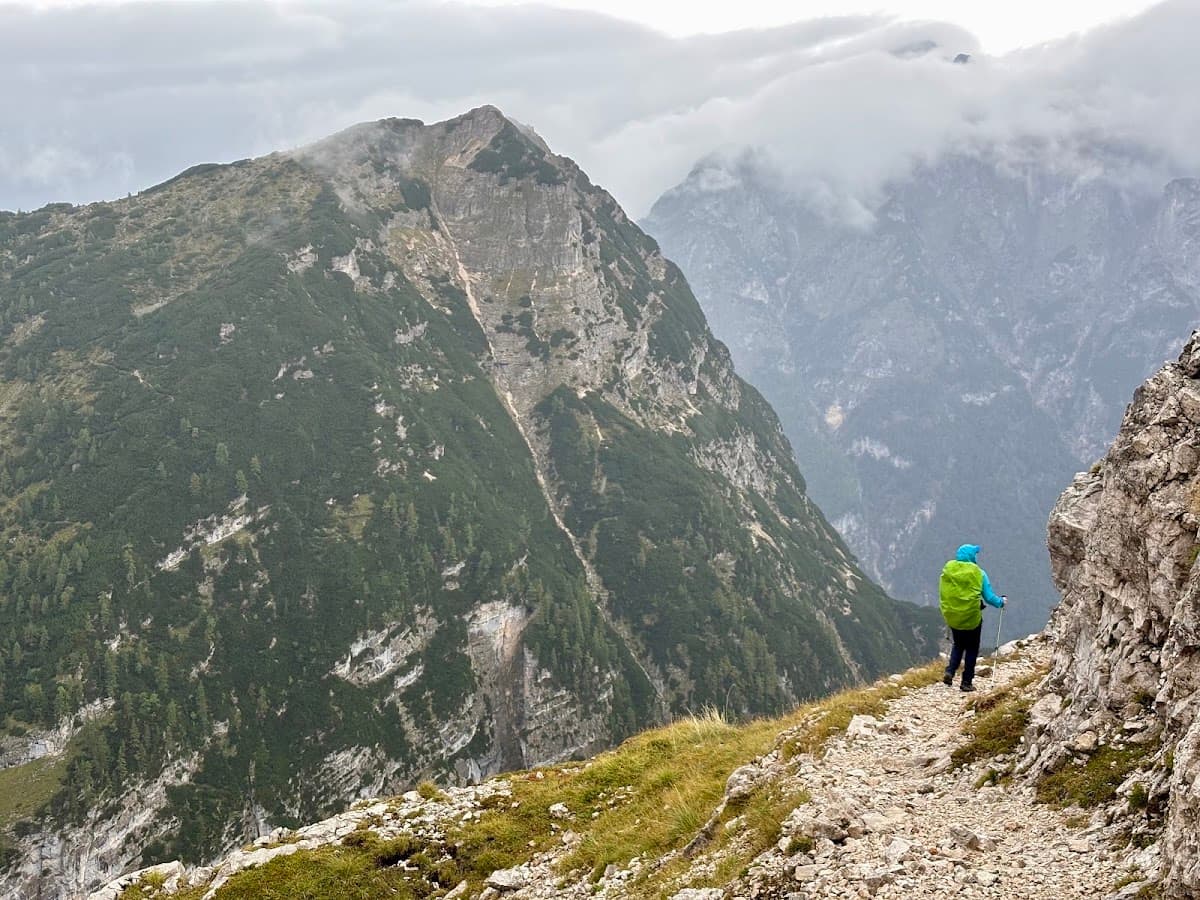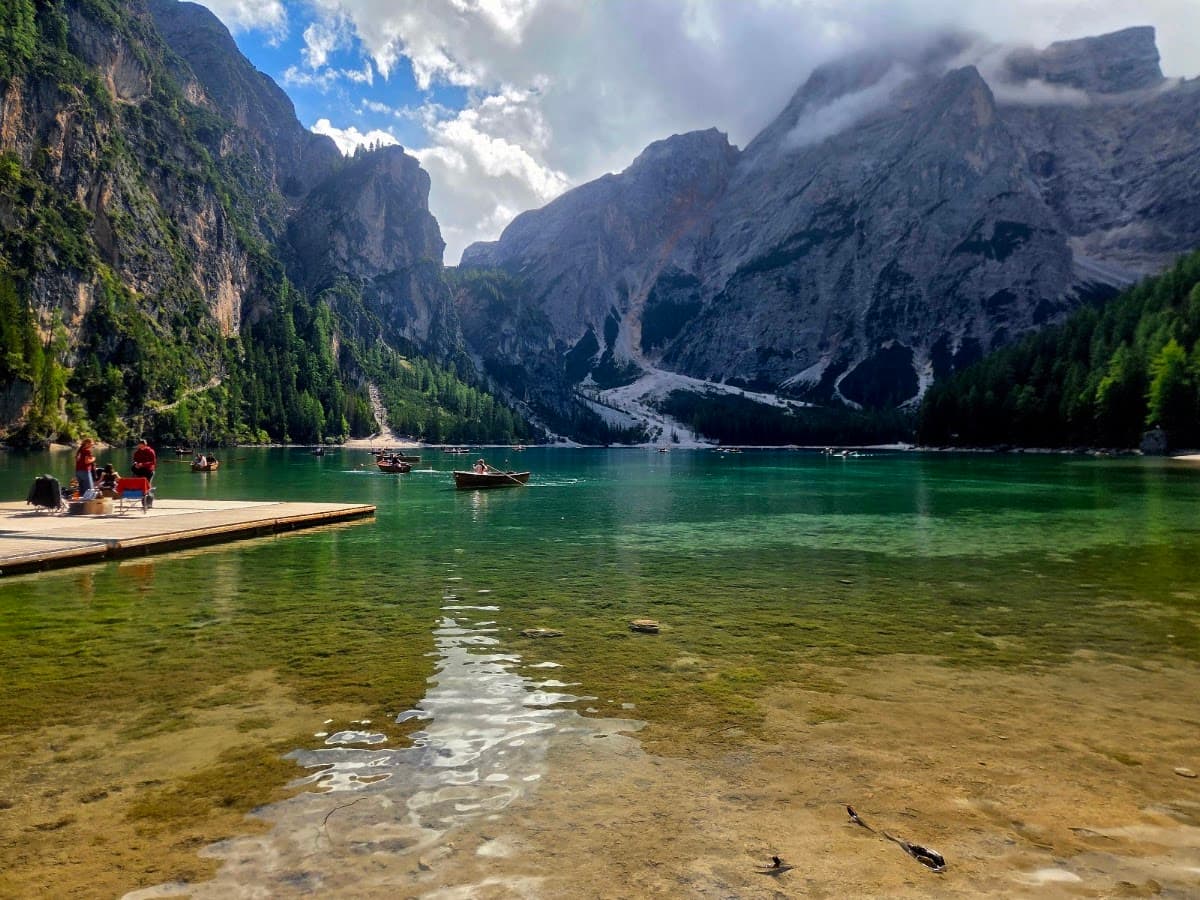
Bosnia and Herzegovina invites you to immerse yourself in its fascinating cultural setting and hike to its highest and most isolated villages in the mountains.
Highlights
- Hike to the most remote village in Bosnia – Lukomir
- Bjelašnica Mountain – the host of the 1984 Winter Olympics
- Fascinating local culture and delicious local cuisine
- Relatively cheap in comparison to its northern neighbors Croatia and Slovenia
Bosnia Hiking Tours
Bosnia and Herzegovina invites you to immerse yourself in its fascinating cultural setting and hike to its highest and most isolated villages in the mountains.
Highlights
- Hike to the most remote village in Bosnia – Lukomir
- Bjelašnica Mountain – the host of the 1984 Winter Olympics
- Fascinating local culture and delicious local cuisine
- Relatively cheap in comparison to its northern neighbors Croatia and Slovenia
Why Visit Bosnia on a Hiking Tour?
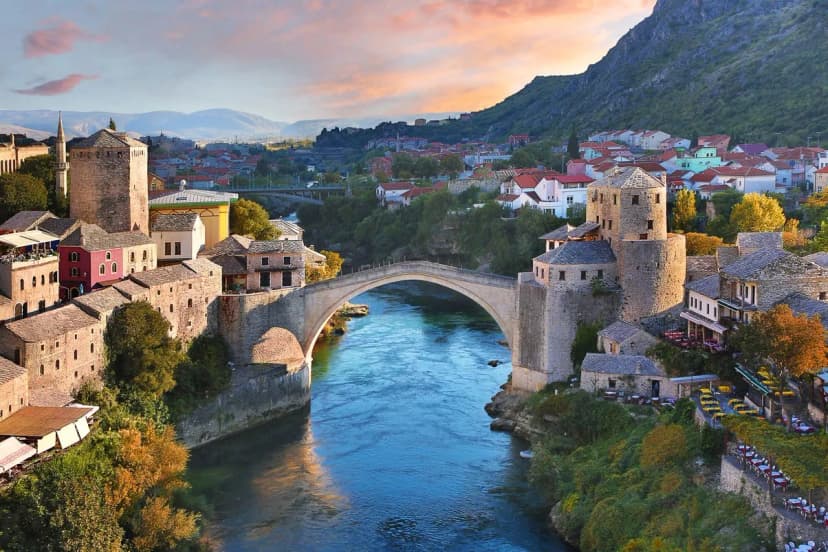
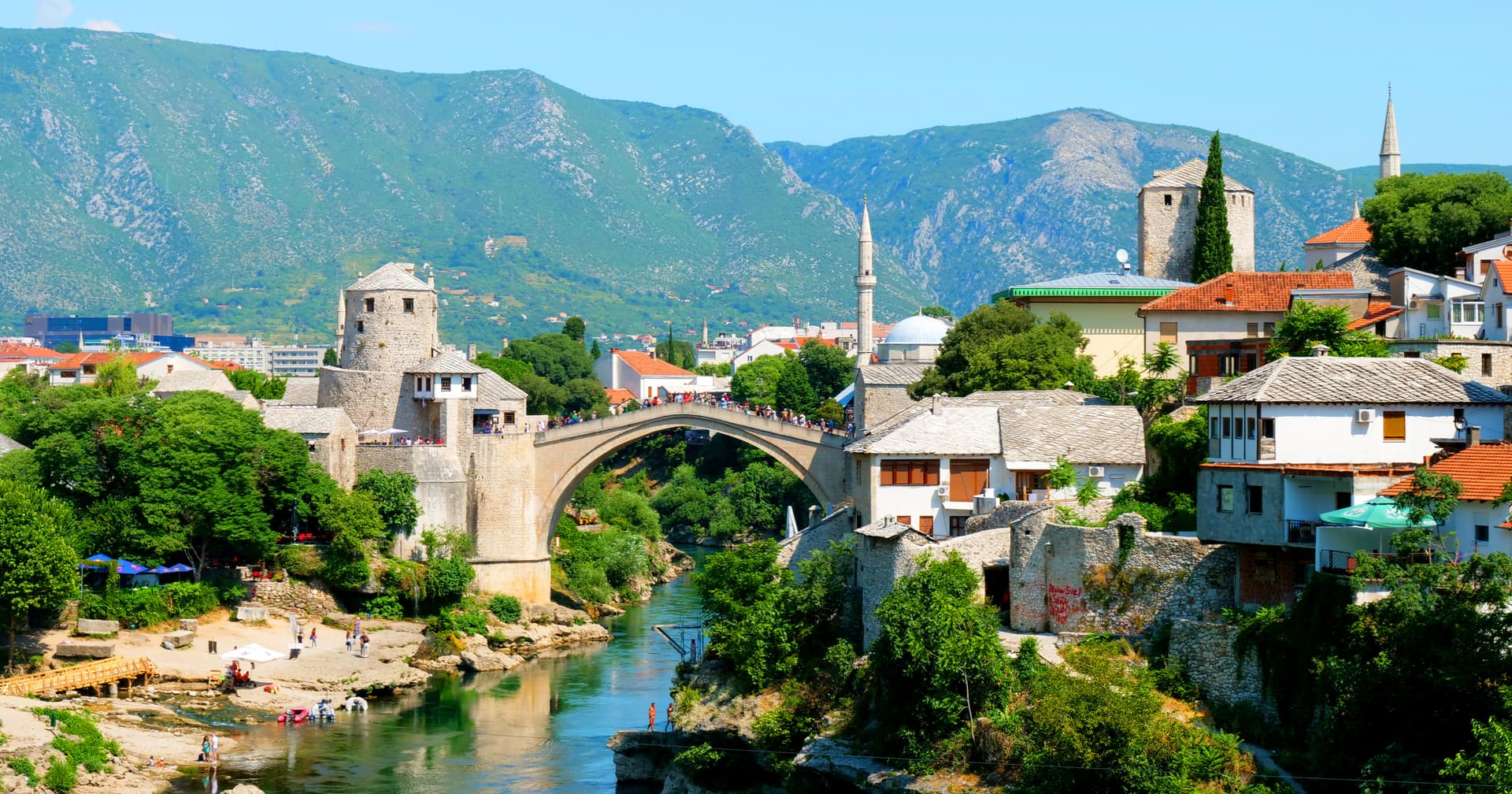
Home to the Pyramid of the Sun and the famous Mostar Bridge, Bosnia and Herzegovina is another Balkan gem damaged by being seen through the lens of its turbulent history. For hikers arriving today, any such preconceptions vanish in an instant.
The reality is serene, deeply welcoming, and astonishingly safe: a world-class outdoor destination where warm hospitality meets some of the most untouched mountain wilderness left on the continent. That collision of deep history and raw nature is what makes hiking in Bosnia and Herzegovina feel unlike anywhere else in the Balkans. Another bonus is that Bosnia is relatively cheap for tourists from more developed countries.
The heart of it is Sutjeska National Park, and inside it the forest of Perućica — one of the last primeval forests left in Europe, where beech and spruce have grown, fallen and rotted back into the soil for millennia.
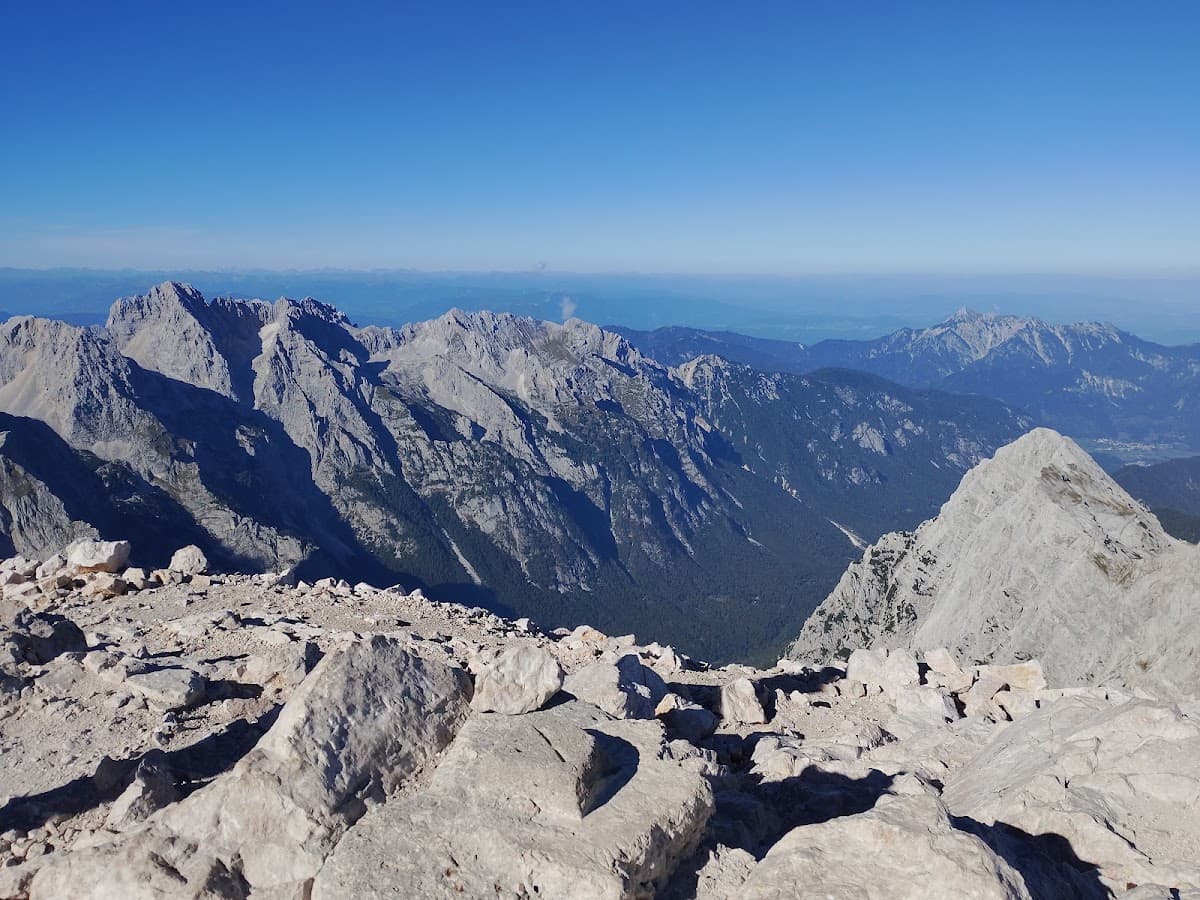
Above the trees rises Maglić, at 2,386 metres the highest peak in the country, its grey pyramid straddling the border with Montenegro. The climb is a steady haul through scree and alpine meadow to a summit where two nations and half the Dinaric Alps open out beneath you, ridge upon ridge fading into blue.
Threading through these peaks is the mega-trail Via Dinarica, a long-distance route that links the western Balkans into a single mountain journey. It carries you between shepherds' huts and highland pastures where semi-nomadic traditions and traditional cheese-making still endure.
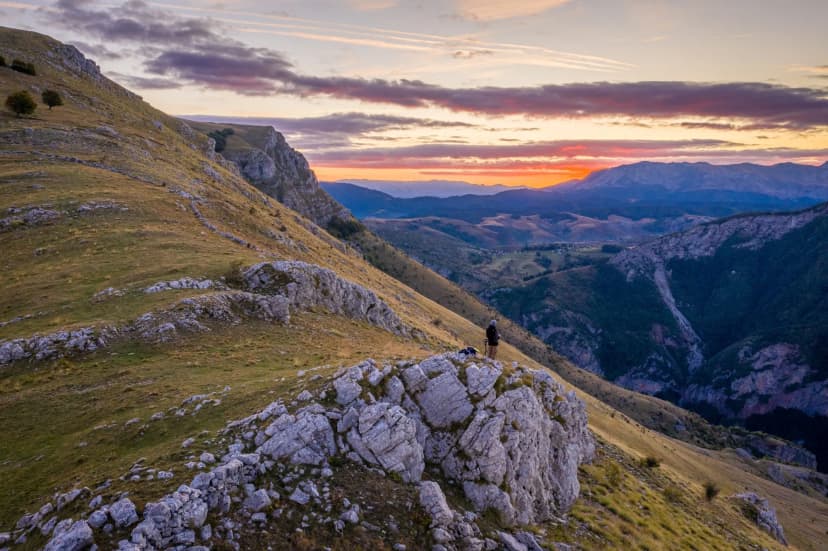
Near the capital city, Sarajevo, the ski-friendly, high plateaus of Bjelašnica guard the plunging, dramatic Rakitnica Canyon, while to the south, the emerald Neretva River carves its own gorge through the mountains. Walking here you see land untouched by human hand, full of breathtaking beauty.
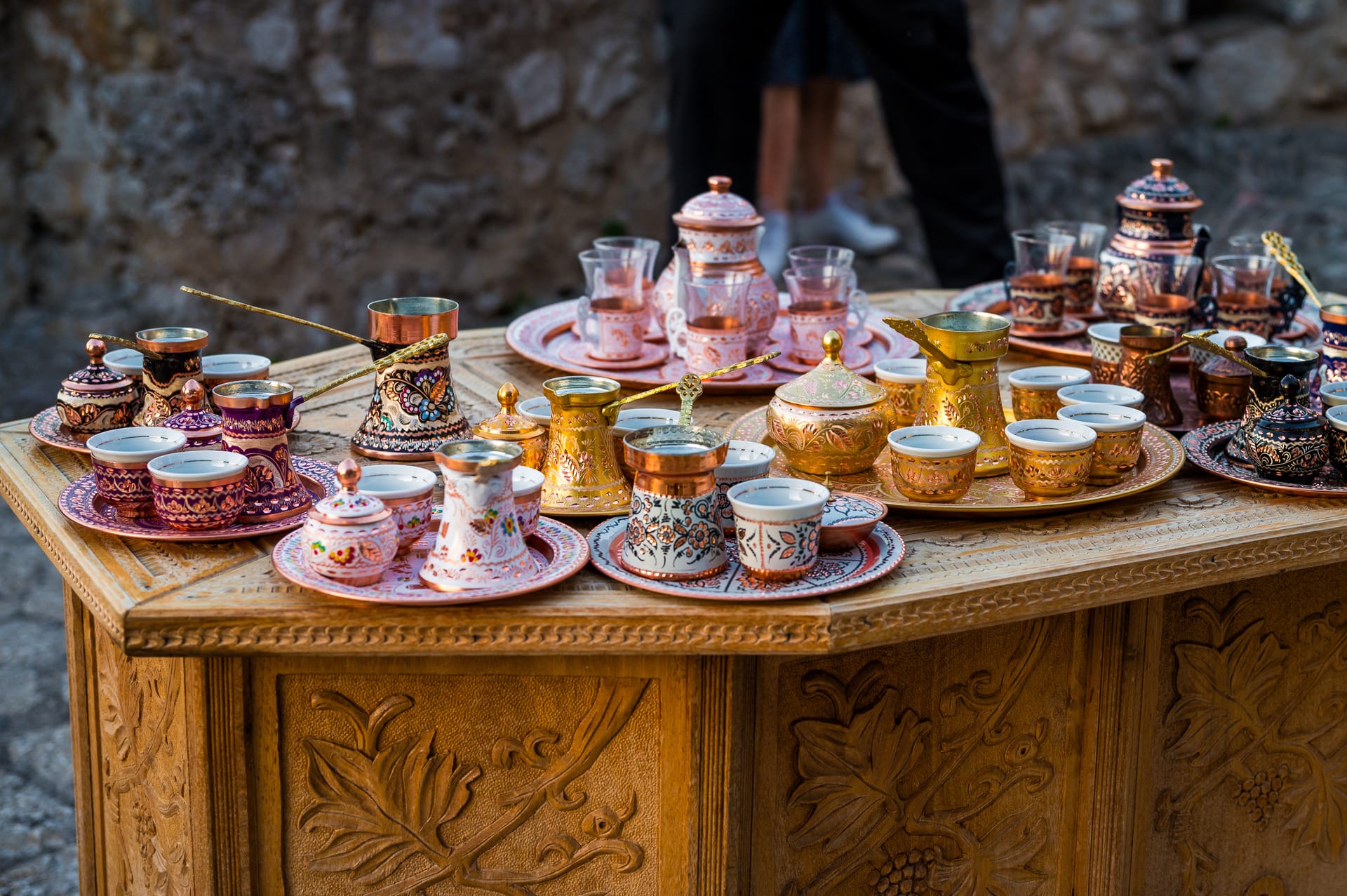
The fact that the country’s territory was a matter of constant governance shifts weaves a very diverse and compelling cultural fabric, resulting in incredible local cuisine and traditional music with a strong character.
About Hiking in Bosnia and Herzegovina
Bosnia is one of the most underestimated hiking destinations in Europe. Perception still runs a generation behind reality: what walkers actually find is serene, safe and extraordinarily welcoming, with some of the least-touched mountain wilderness left on the continent.
It is also the affordable end of the Balkans. A week of highland villages, primeval forest and 2,000-metre ridges costs a fraction of the Alps, and you will share the trail with almost no one.
Bosnia's best walking is concentrated in a handful of ranges south and west of Sarajevo.
The Via Dinarica White Trail is the country's mega-route, a waymarked spine along the highest Dinaric ground linking shepherds' huts and highland pastures.
Maglić (2,386 m), in Sutjeska National Park, is the highest peak in Bosnia — scree and alpine meadow to a summit straddling the Montenegrin border.
Prenj, the "Bosnian Alps", and Čvrsnica hold the country's most dramatic limestone.
The mountain season runs late May to mid-October, longer than most of the Alps because the high ground tops out around 2,400 m.
June brings wildflowers and full rivers;
July and August are hot in Herzegovina but pleasant at altitude;
September and early October give the most stable weather of the year and the best light on the ridges. Snow can close the high traverses from November.
Sutjeska is the oldest national park in the country and the reason many hikers come. Inside it lies Perućica — one of the last primeval forests in Europe, where beech and spruce have grown, fallen and rotted back into the soil for millennia.
Access to the forest core is restricted and guided, which is exactly why it has survived. From the viewpoint above it you look down onto an unbroken green canopy, with Maglić rising behind.
On the Bjelašnica plateau above Sarajevo sits Lukomir, the highest permanently inhabited village in the country — stone houses with cherry-wood roofs, on the lip of the Rakitnica Canyon.
Semi-nomadic traditions still hold here. Families move up with their flocks for the summer, cheese is made the way it always was, and the walking between villages like Umoljani and Lukomir is as much cultural as it is alpine.
Bosnia is a safe country to walk in, with one rule that is not negotiable: stay on marked trails. Landmine clearance from the 1990s is well advanced and all established hiking routes are cleared, but uncleared ground still poses a risk off-trail in some regions and is signposted.
Beyond that, the usual mountain sense applies — thin phone coverage in the ranges, few staffed refuges, and long gaps between villages. This is a country where a planned route and a local contact matter more than they do in the Alps.
Frequently Asked Questions



Plan with a hiking expert
Free advice from a team that knows these routes inside out - real people, not a bot
.svg)
HANDPICKED ADVENTURES
Only the best adventures across the world, cherry-picked by our team with an in-depth knowledge of the regions.
.svg)
VALUE YOUR TIME
With everything on your plate, let us handle the vacation planning, so your valuable time stays exactly where you need it.

SELF-GUIDED TRAVEL
Explore independently and with confidence while we keep everything running from behind the scenes.
.svg)
TRUSTED BY MANY
Since 2014, we have taken care of thousands of happy customers, making it our mission to put your satisfaction first.
.svg)
OUTDOOR SPECIALISTS
We are a team of outdoor specialists equipped with the knowledge and insight to bring you the best hiking experiences.