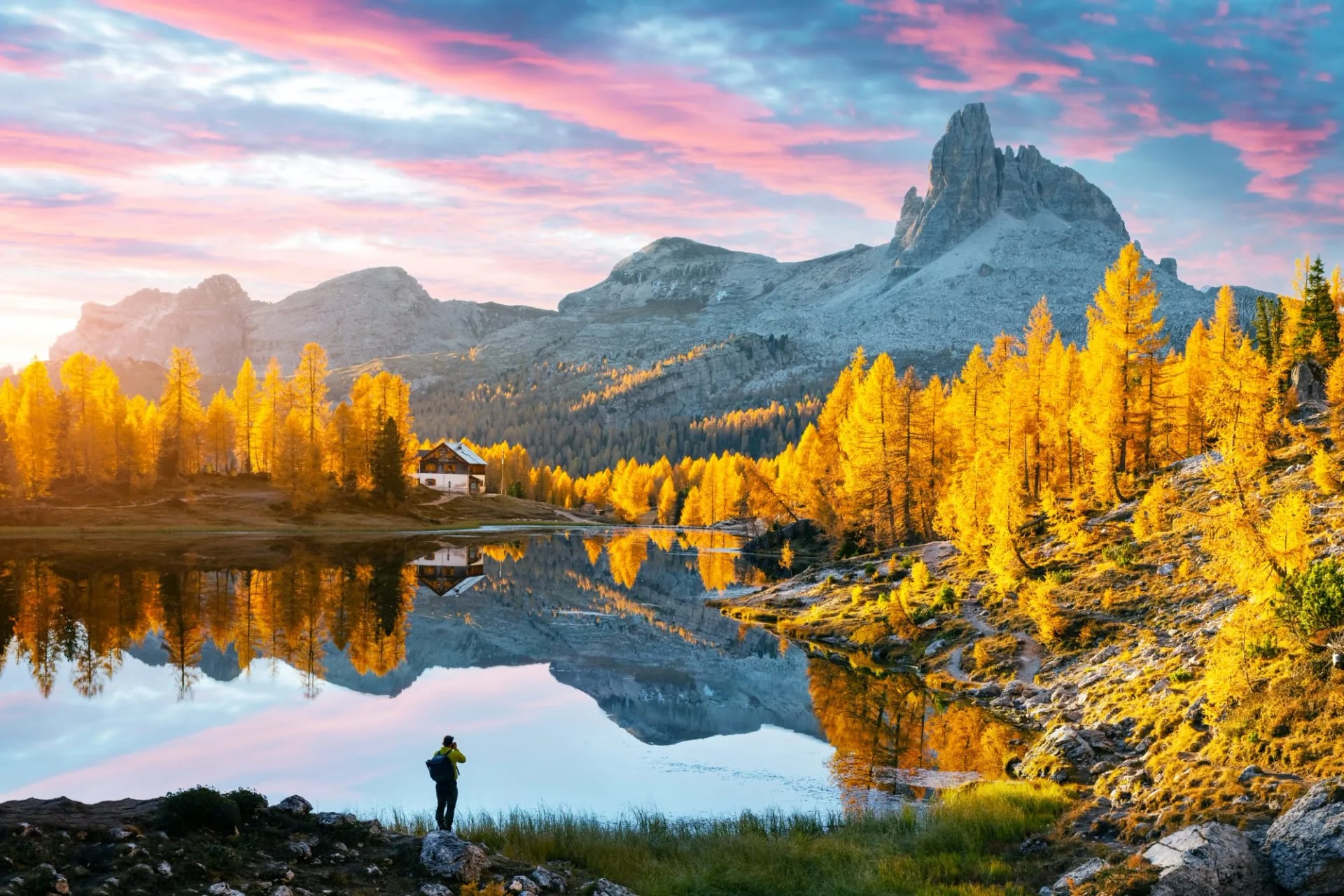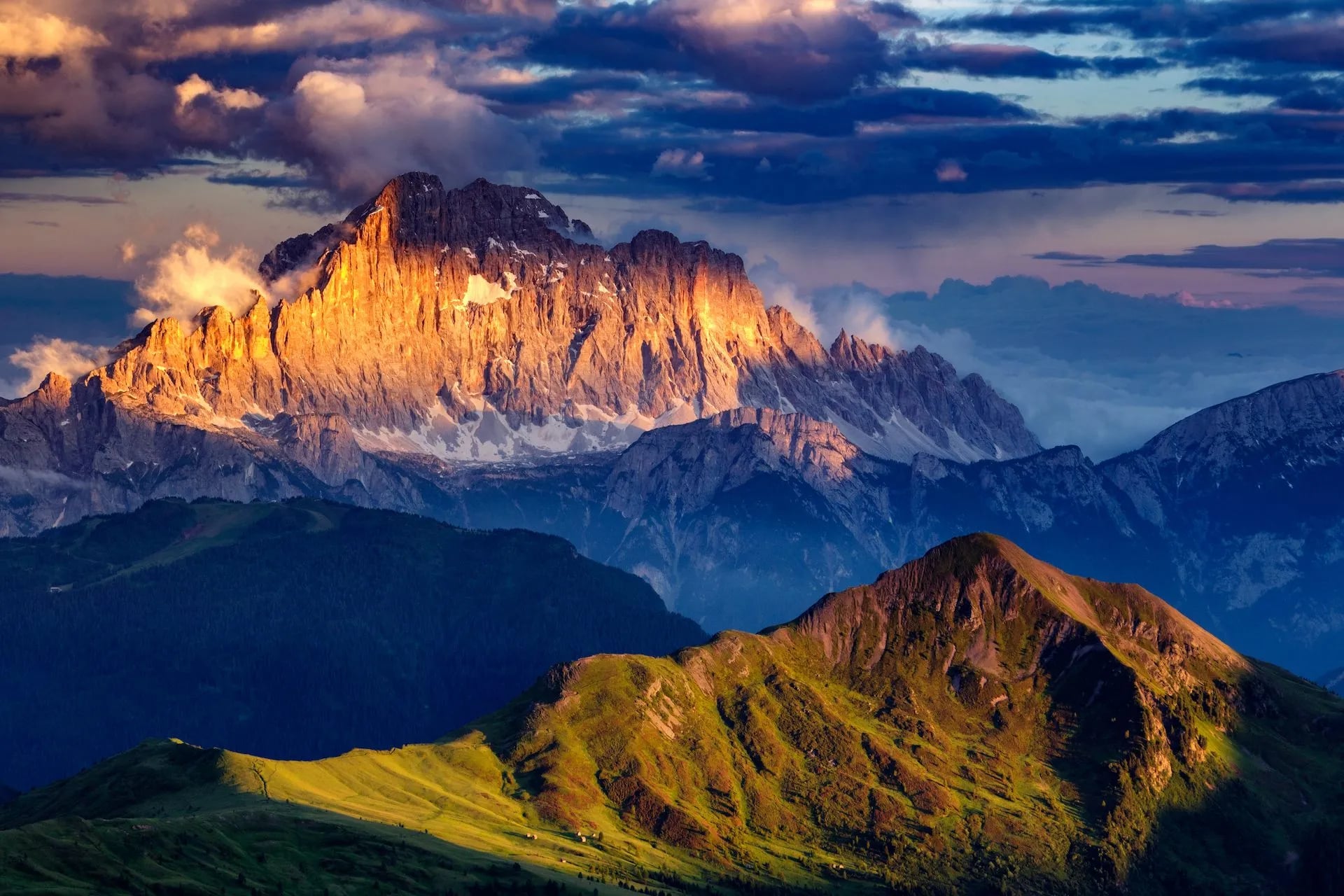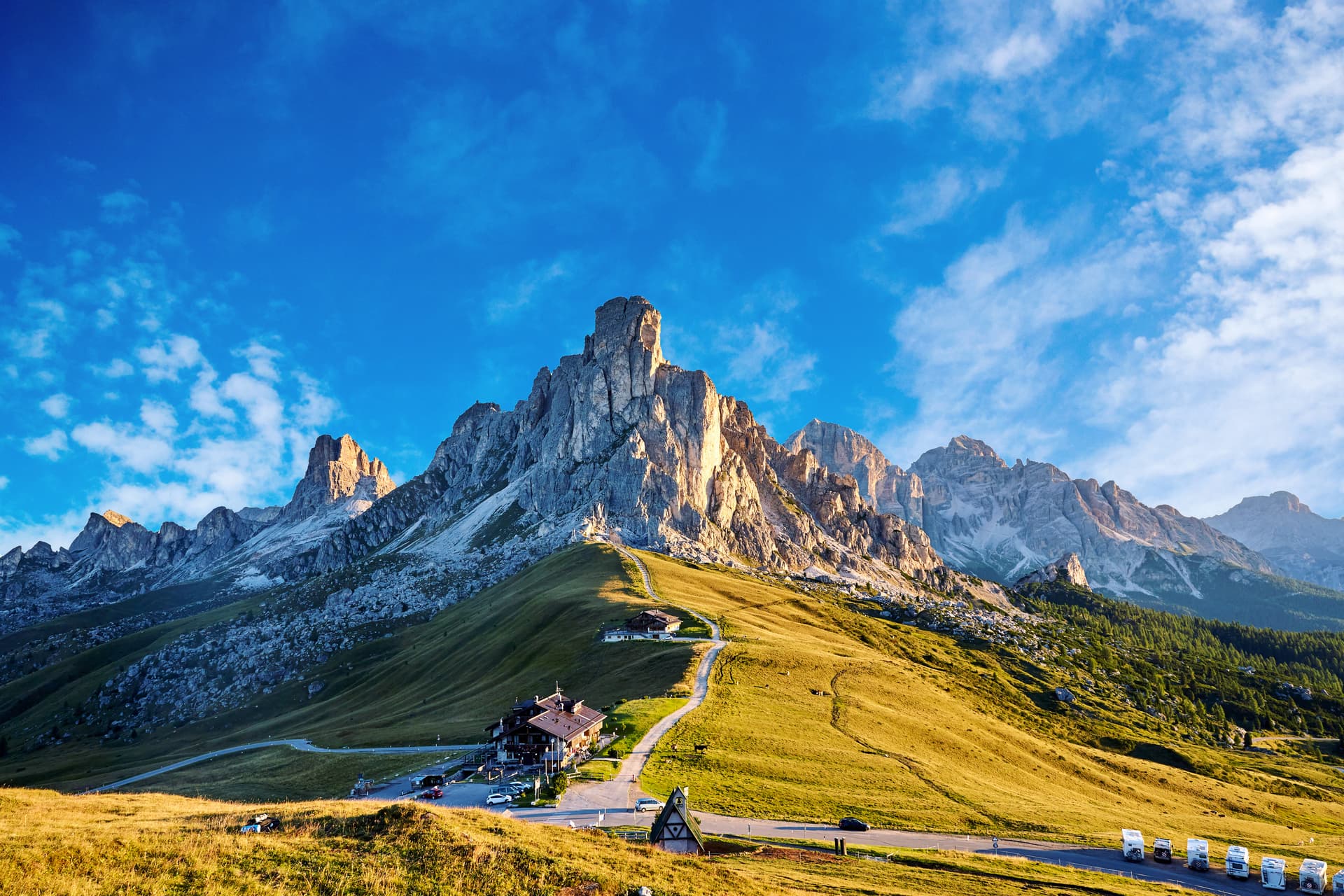
Discover the spectacularly unique landscape of the Dolomites, the land of rocky towers, green pastures, and hut-to-hut adventures like Alta Via 1.
Highlights
- Iconic long-distance trails like Alta Via 1 and Alta Via 2
- Striking locations like Tre Cime di Lavaredo, Cinque Torri, and Seiser Alm
- Authentic ‘rifugio’ experience with traditional Ladin cuisine
- Unique Dolomite landscape with rocky towers and spires
Dolomites Hiking Tours
Discover the spectacularly unique landscape of the Dolomites, the land of rocky towers, green pastures, and hut-to-hut adventures like Alta Via 1.
Highlights
- Iconic long-distance trails like Alta Via 1 and Alta Via 2
- Striking locations like Tre Cime di Lavaredo, Cinque Torri, and Seiser Alm
- Authentic ‘rifugio’ experience with traditional Ladin cuisine
- Unique Dolomite landscape with rocky towers and spires
Why Visit the Dolomites on a Hiking Tour?
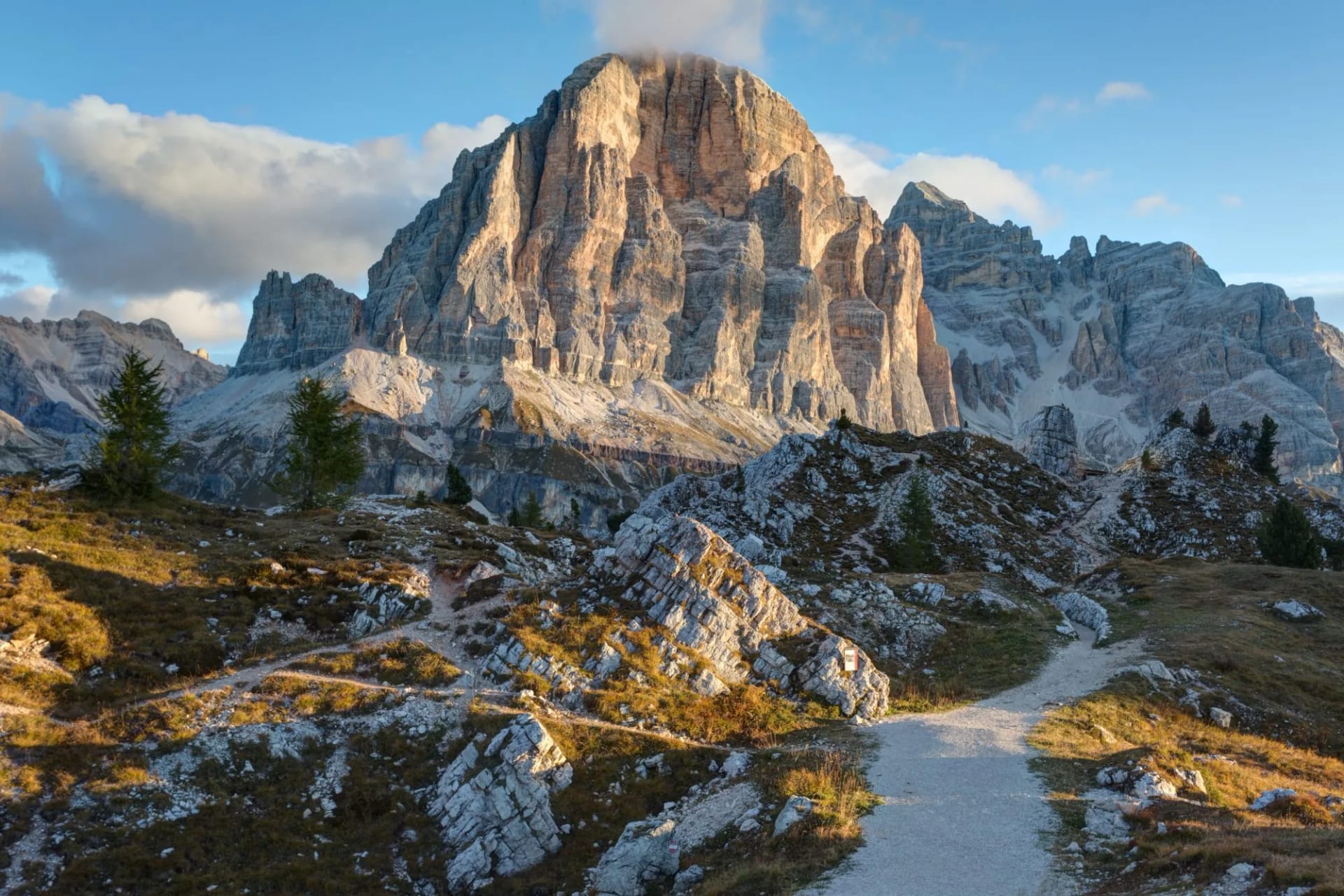
The Dolomites are a treasure trove of magical and diverse landscapes and one of the most drop-dead gorgeous parts of the Alps.
One of the most successful mountaineers of all time, Reinhold Messner, once said: “Each mountain in the Dolomites is like a piece of art.”
And he wasn’t far from the truth.
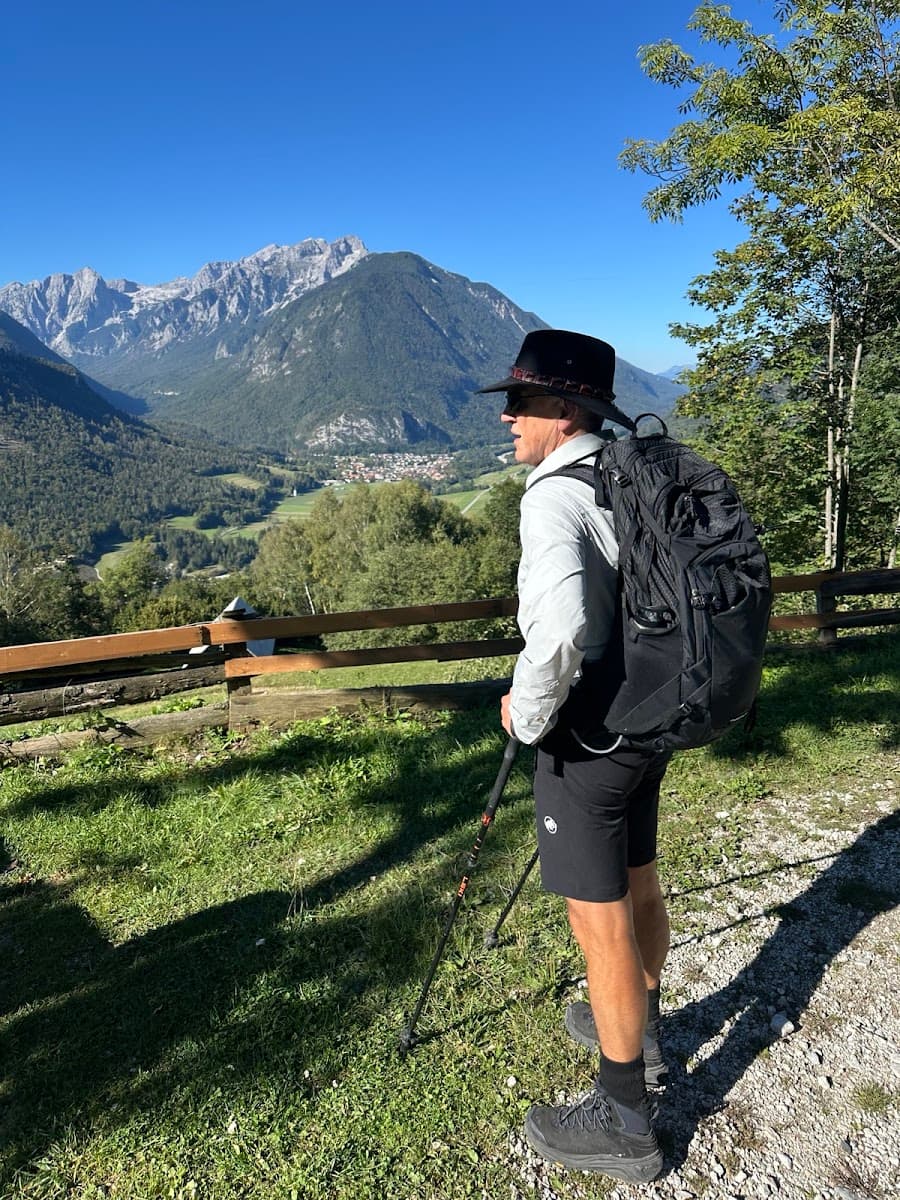
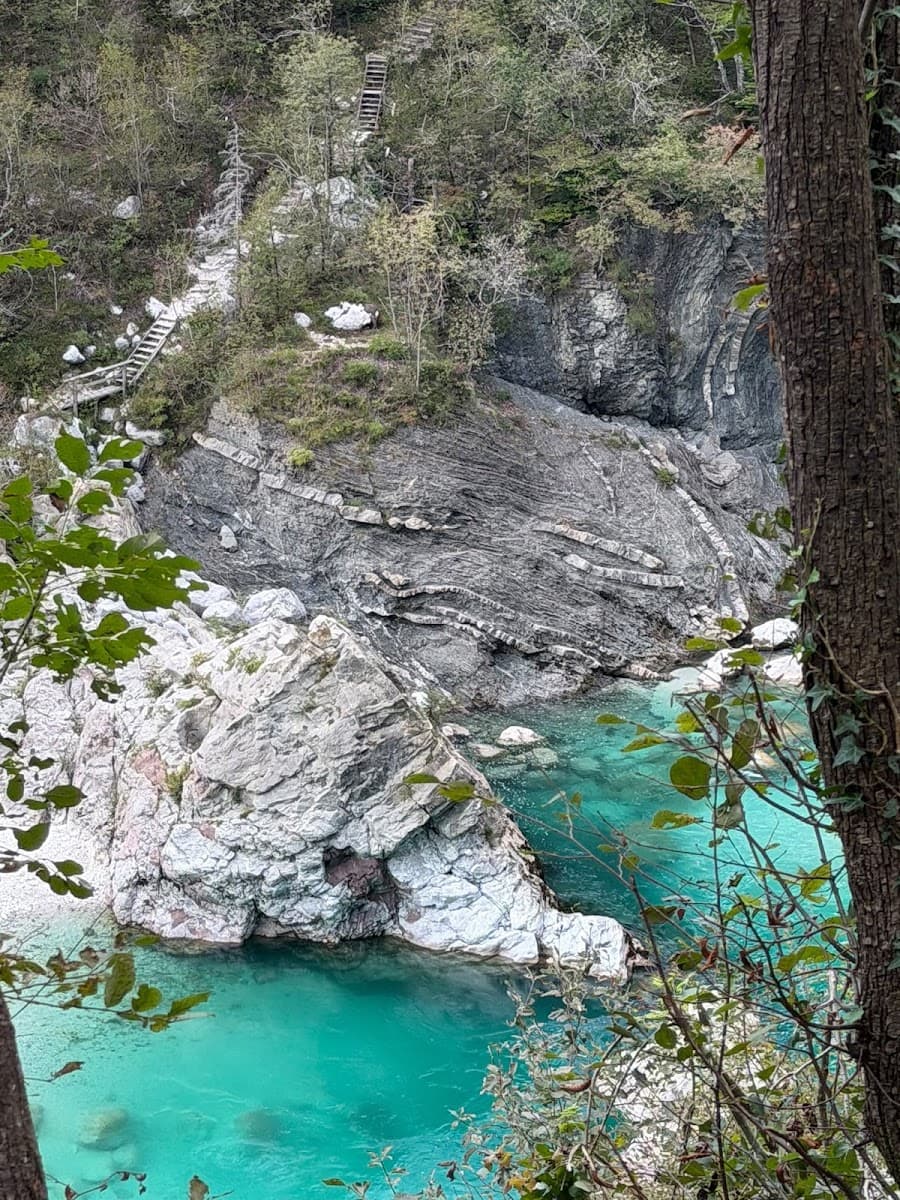
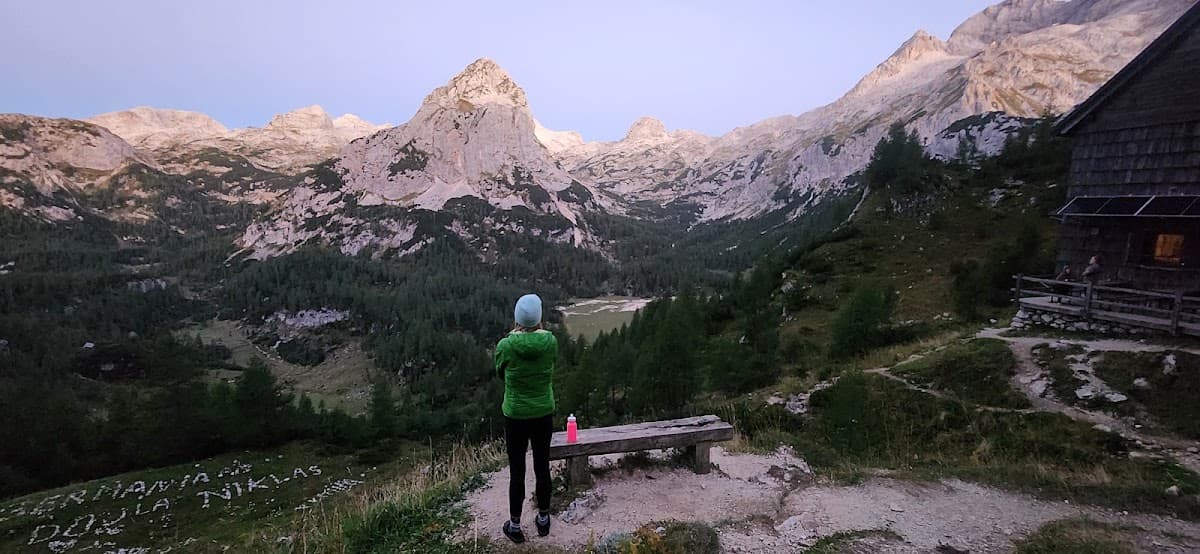
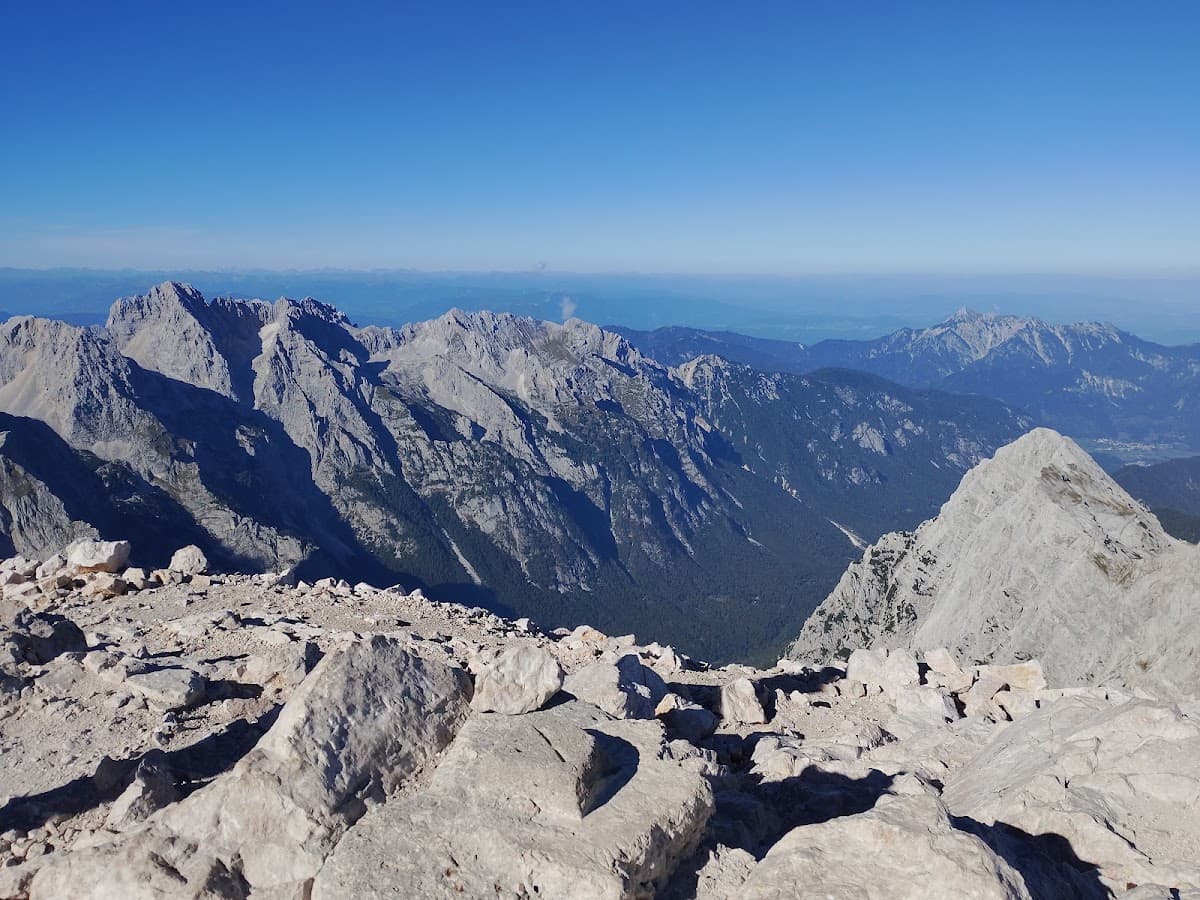
As if sculpted by humanity’s finest hands, the rocky spires of the Dolomites rise toward the sky and offer captivating views across a land streaked with green meadows, scenic mountain passes, and several streams and waterfalls.
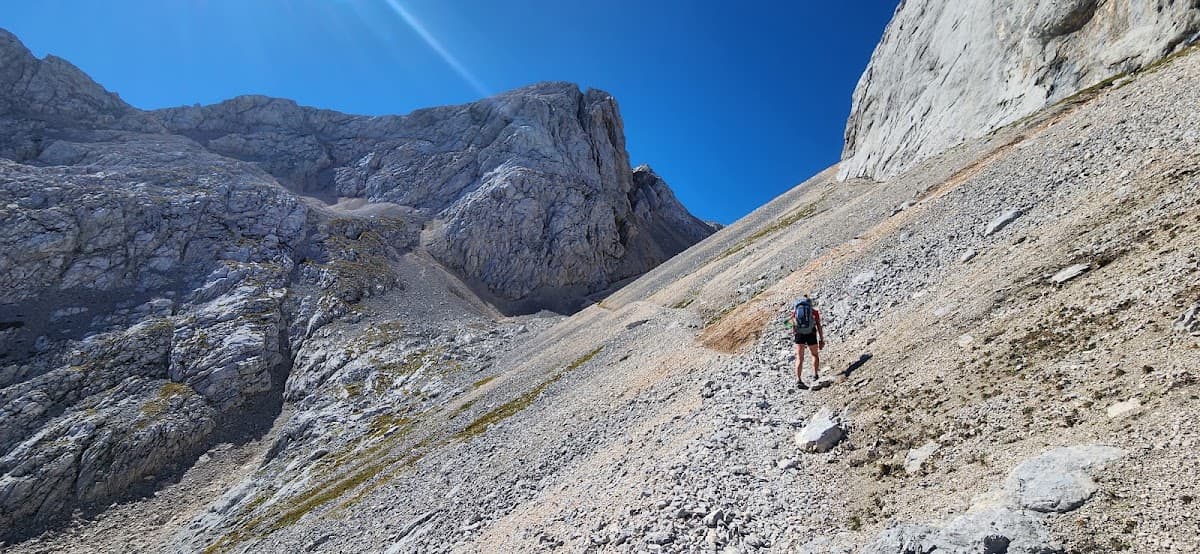
The hikes in the Dolomites are as diverse as their landscapes. The famous Alta Via 1 route stretches across the rocky world from the mountain range’s northern to its southern bounds, while the Seiser Alm plateau in the west presents a land of vast lush greenery and pleasant dirt footpaths.
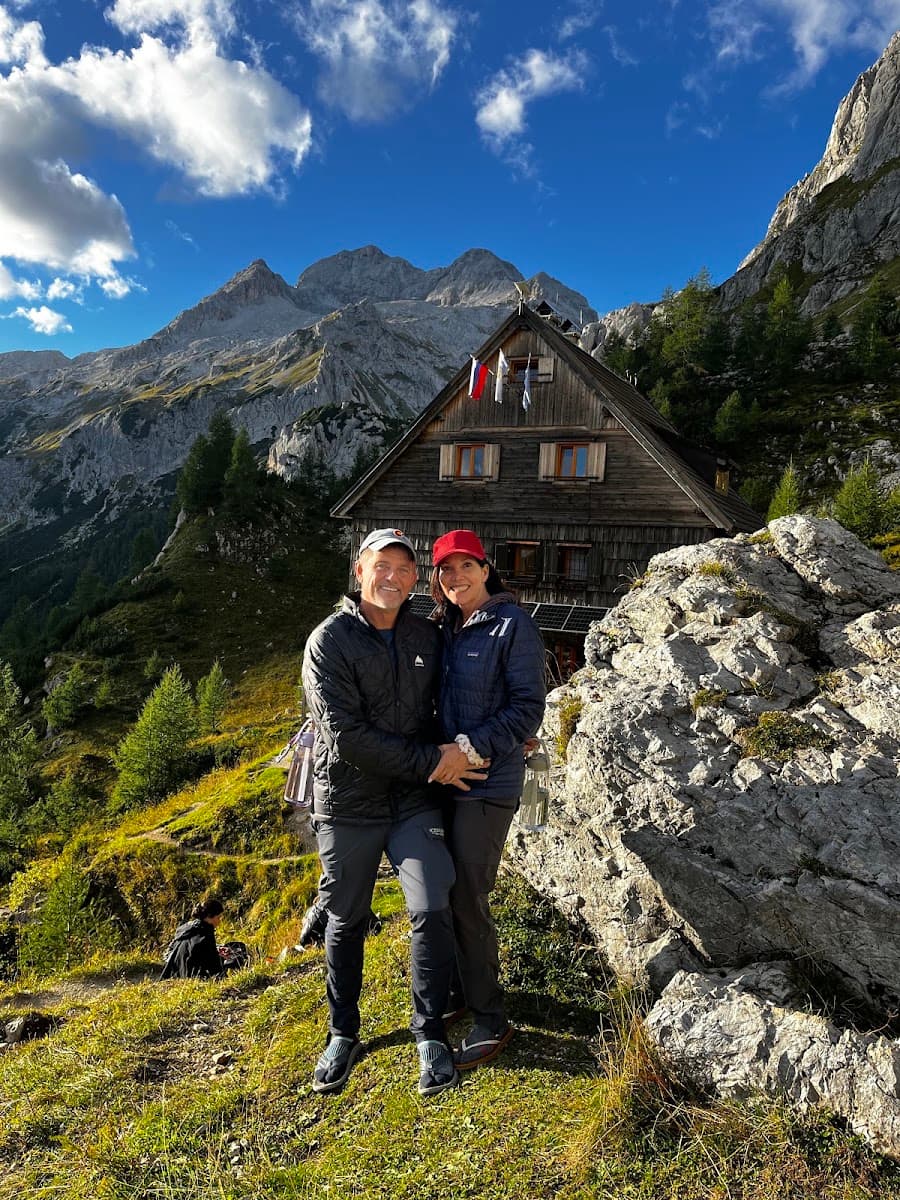
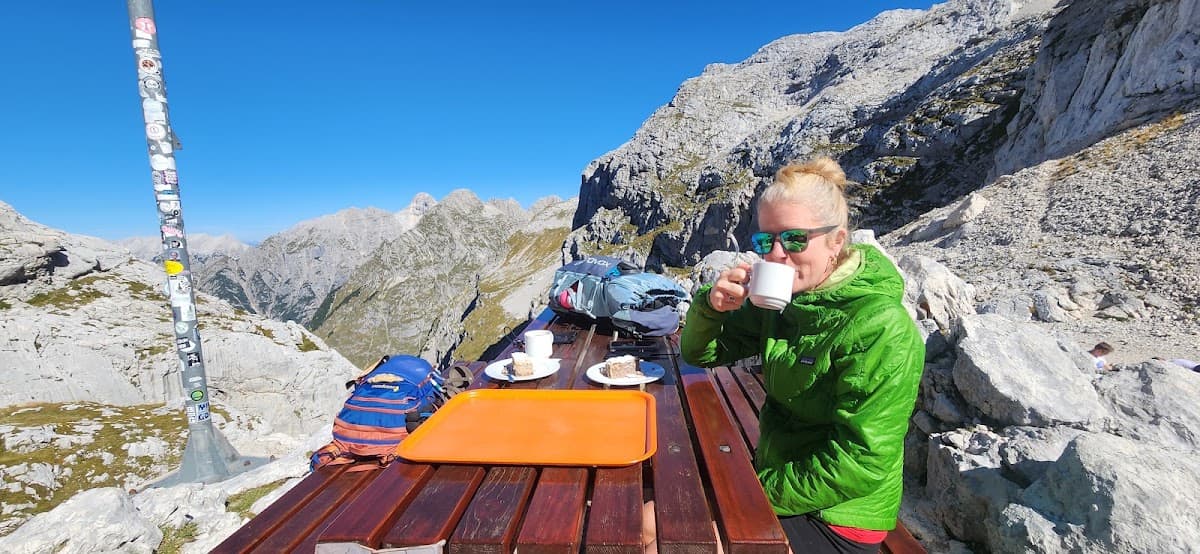
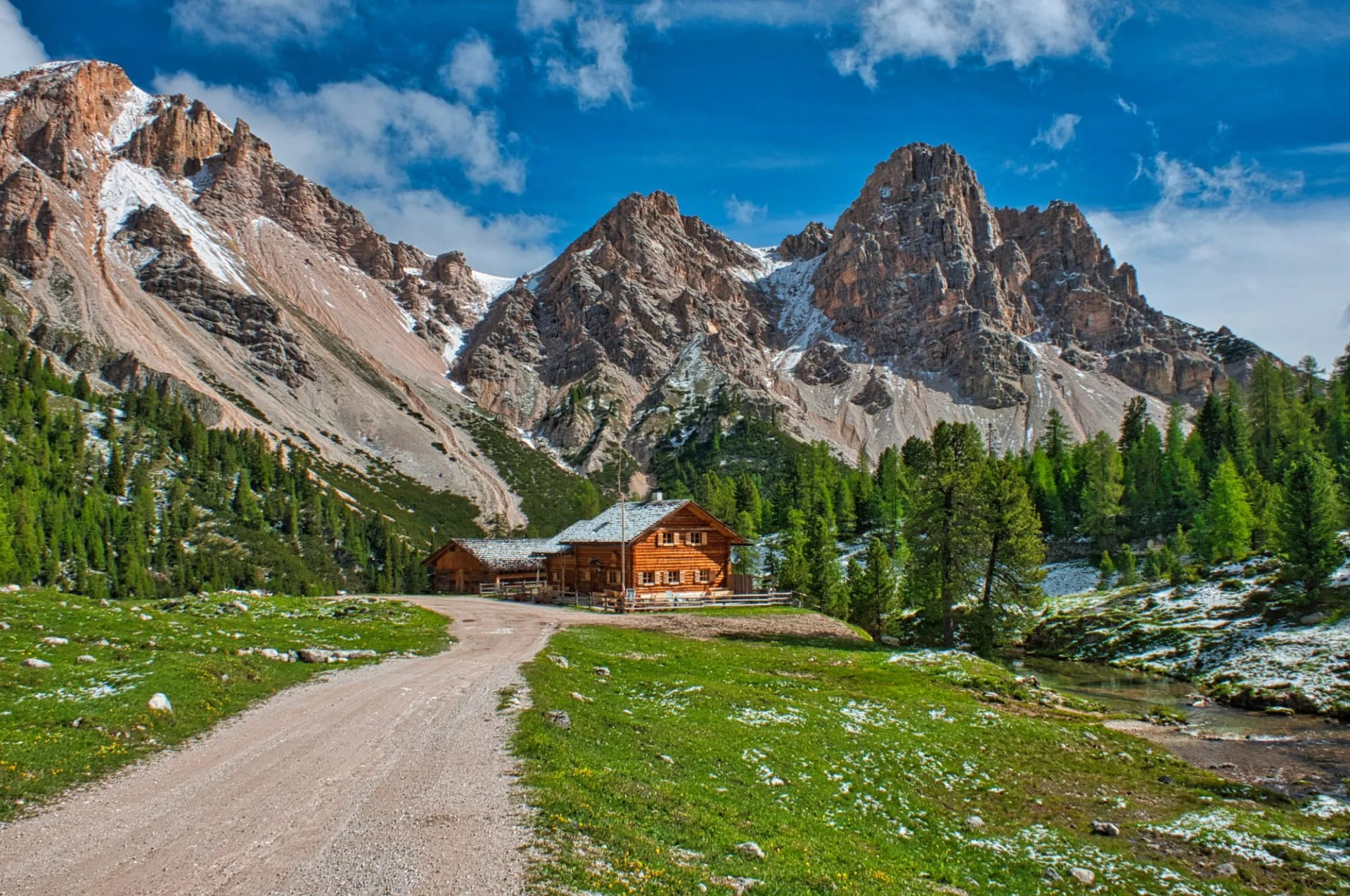
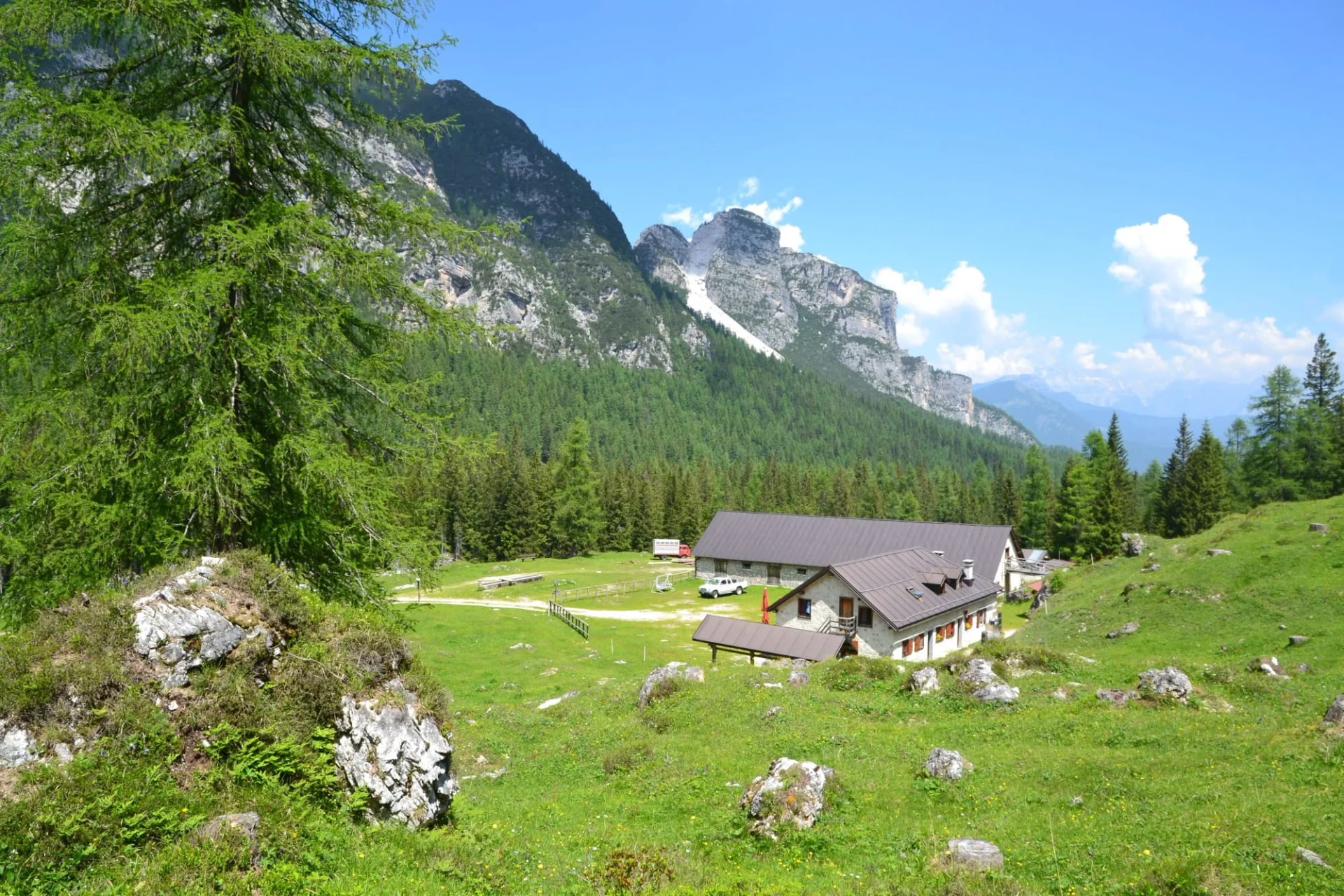
As a famous skiing destination, the Dolomites are well known for their huts or ‘rifugios,’ rustic lodges located high in the mountains. Therefore, hut-to-hut hiking is usually the preferred form of exploring Dolomite landscapes.
And yet, there’s a fair amount of luxury hotels and comfortable accommodations in the valley. While these may not allow such a thorough venture into the heart of the mountains, they offer an excellent access point to several nearby hiking options. Aside from the added comfort, that is.
Whatever your preferred form of mountain exploration is, the Dolomites won’t let you down!
About Hiking in the Dolomites
These are not ordinary mountains and they do not behave like ordinary mountains. The rock is dolomite, pale grey through the day, and at sunset it turns pink and then deep red. The locals call it the enrosadira and it is the reason people keep coming back.
The range was a front line in the First World War, and the tunnels, galleries and wire left behind are still on the paths. The via ferrata was invented here for exactly that reason.
Five trips, all of them ours.
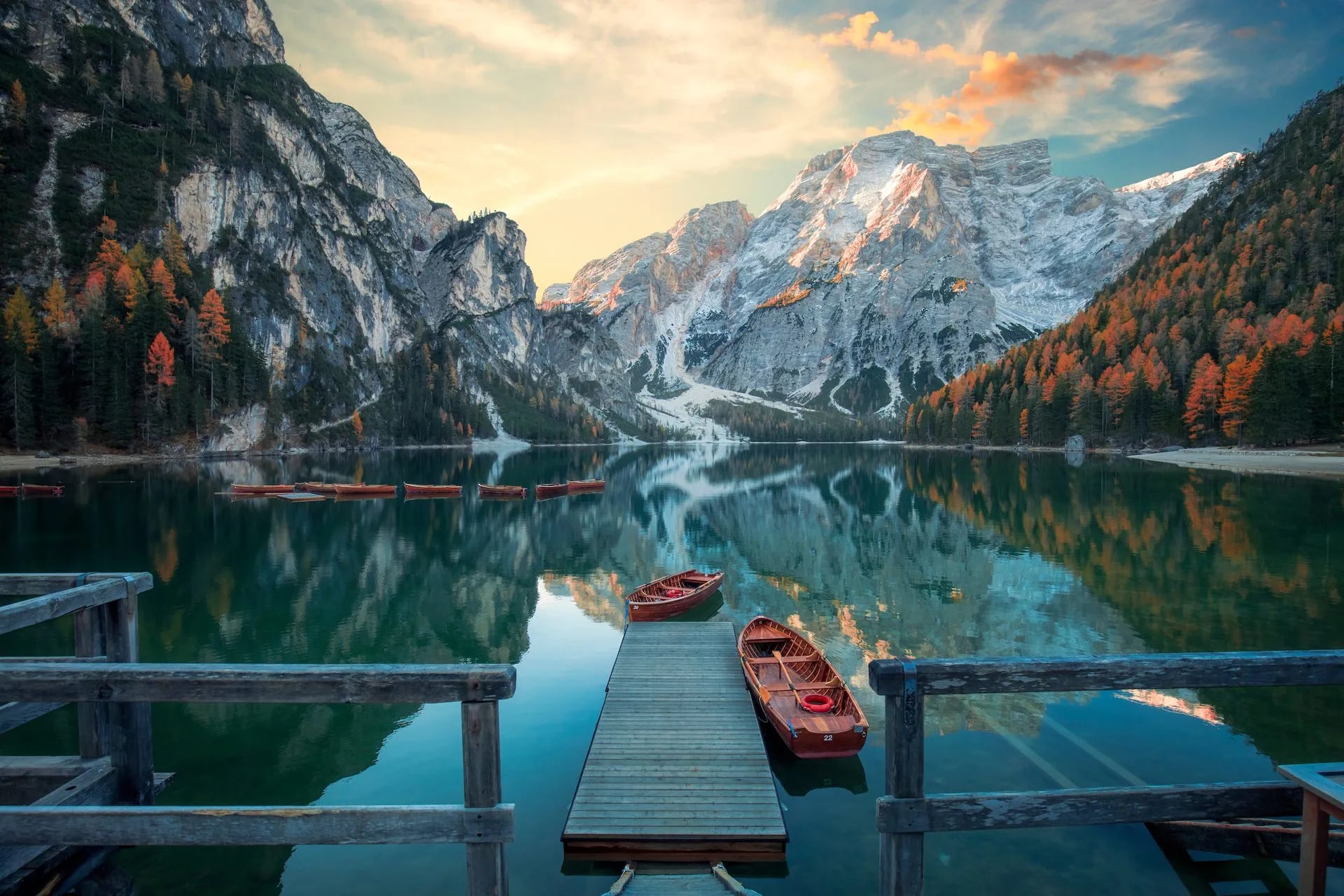
Alta Via 1, ten days from Lago di Braies to La Stanga, the easiest and most popular of the Alte Vie.
Alta Via 2, fourteen days Bressanone to Feltre at technical 5 out of 5, the serious one.
Alta Badia, seven days based in Corvara, in the Ladin-speaking valleys.
Cortina d’Ampezzo, six days of day walks from one hotel, no pack to carry.
Seiser Alm and Rosengarten, seven days across Europe’s largest high alpine meadow.
The high routes run July to September and not a week either side, because that is when the rifugi are open and the snow has cleared the passes. The lower valley trips open in June.
July brings wildflowers on the meadows and the most reliable weather;
August is warmest and busiest, with afternoon thunderstorms that build fast;
September is the quiet month, the light is best and the huts start closing from the end of it.
Alta Via 1 does not have to mean ten days. We split it four ways, so the same trail can be a long weekend or a fortnight.
Hidden Corners, three days, the quietest southern section.
Highlights, four days, Lago di Braies to Cortina.
Southern Highlights, five days, Cortina to Agordo.
South, seven days, Cortina to La Stanga.
Nights are spent in rifugi, which are nothing like a bothy: proper kitchens, wine, a warden and dormitories that sleep anything from six to forty. Dinner is half board and served at a set time, and in the Ladin valleys the cooking is genuinely worth the walk.
Beds are booked months ahead for July and August, which is the single constraint that shapes a Dolomites itinerary.
The Dolomites sit between Venice, Verona and Innsbruck, and none of our trips need a car. Trains reach Bolzano, Bressanone and Calalzo, and a dense network of valley buses does the rest, including the summer services up to the trailheads.
The awkward part is the start and finish rarely being the same place on a hut-to-hut route, which is why the transfers are built into the itinerary rather than left to you.
Frequently Asked Questions



Plan with a hiking expert
Free advice from a team that knows these routes inside out - real people, not a bot
.svg)
HANDPICKED ADVENTURES
Only the best adventures across the world, cherry-picked by our team with an in-depth knowledge of the regions.
.svg)
VALUE YOUR TIME
With everything on your plate, let us handle the vacation planning, so your valuable time stays exactly where you need it.

SELF-GUIDED TRAVEL
Explore independently and with confidence while we keep everything running from behind the scenes.
.svg)
TRUSTED BY MANY
Since 2014, we have taken care of thousands of happy customers, making it our mission to put your satisfaction first.
.svg)
OUTDOOR SPECIALISTS
We are a team of outdoor specialists equipped with the knowledge and insight to bring you the best hiking experiences.