Find out why Austria is undoubtedly among the top hiking destinations in the world by hiking one of its many long-distance mountain trails through the Alps.
Highlights
- The Alps cover around 60% of Austria’s territory
- An abundance of long-distance treks like Adlerweg, Stubai High Trail, or Salzburger Almenweg
- From beginner-friendly hikes to advanced treks on high altitudes
- One of the most tourist-friendly countries in the world
Austria Hiking Tours
Find out why Austria is undoubtedly among the top hiking destinations in the world by hiking one of its many long-distance mountain trails through the Alps.
Highlights
- The Alps cover around 60% of Austria’s territory
- An abundance of long-distance treks like Adlerweg, Stubai High Trail, or Salzburger Almenweg
- From beginner-friendly hikes to advanced treks on high altitudes
- One of the most tourist-friendly countries in the world



Plan with a hiking expert
Free advice from a team that knows these routes inside out - real people, not a bot

Why Visit Austria on a Hiking Tour?
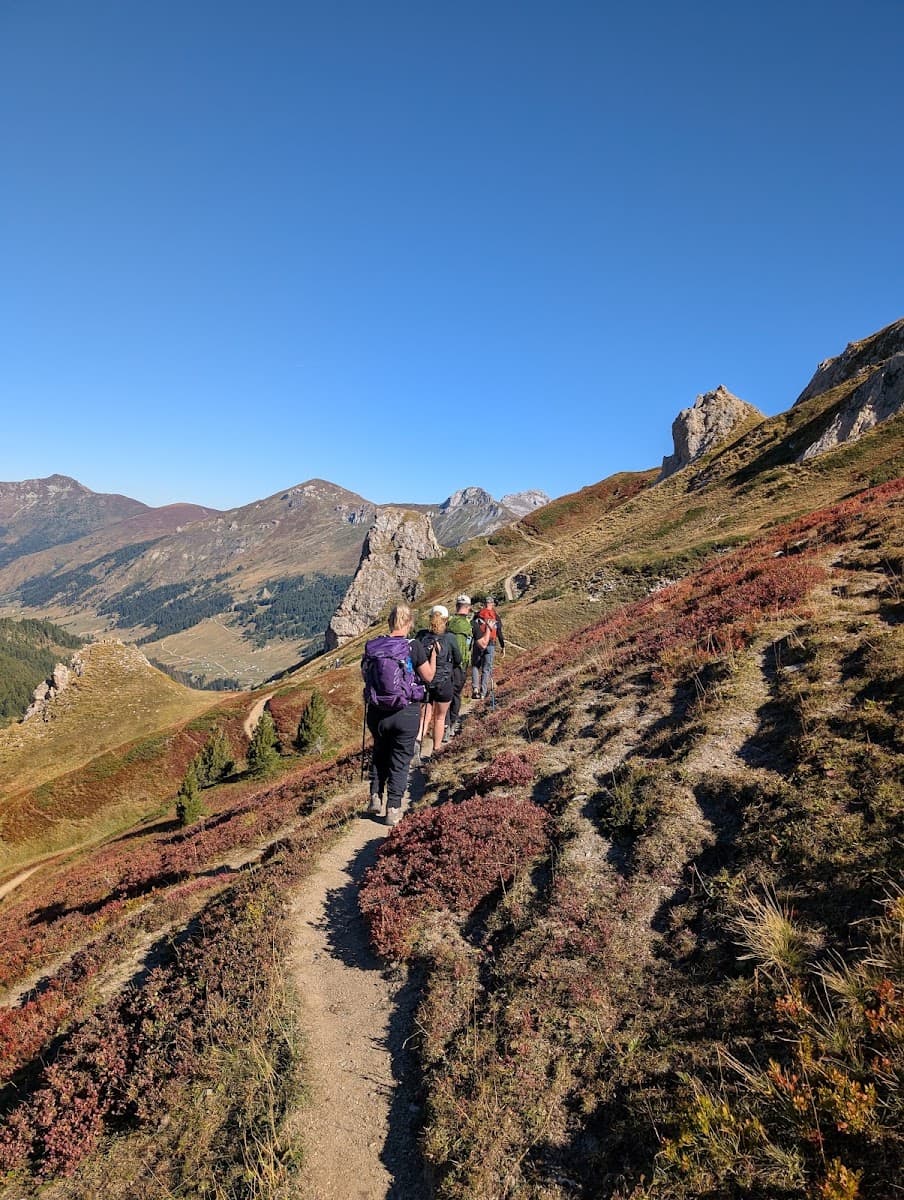
With the country encompassing the largest portion of the Alps and mountains covering more than half of the country's territory, a better argument cannot be made for why Austria belongs among the top hiking destinations in the world.
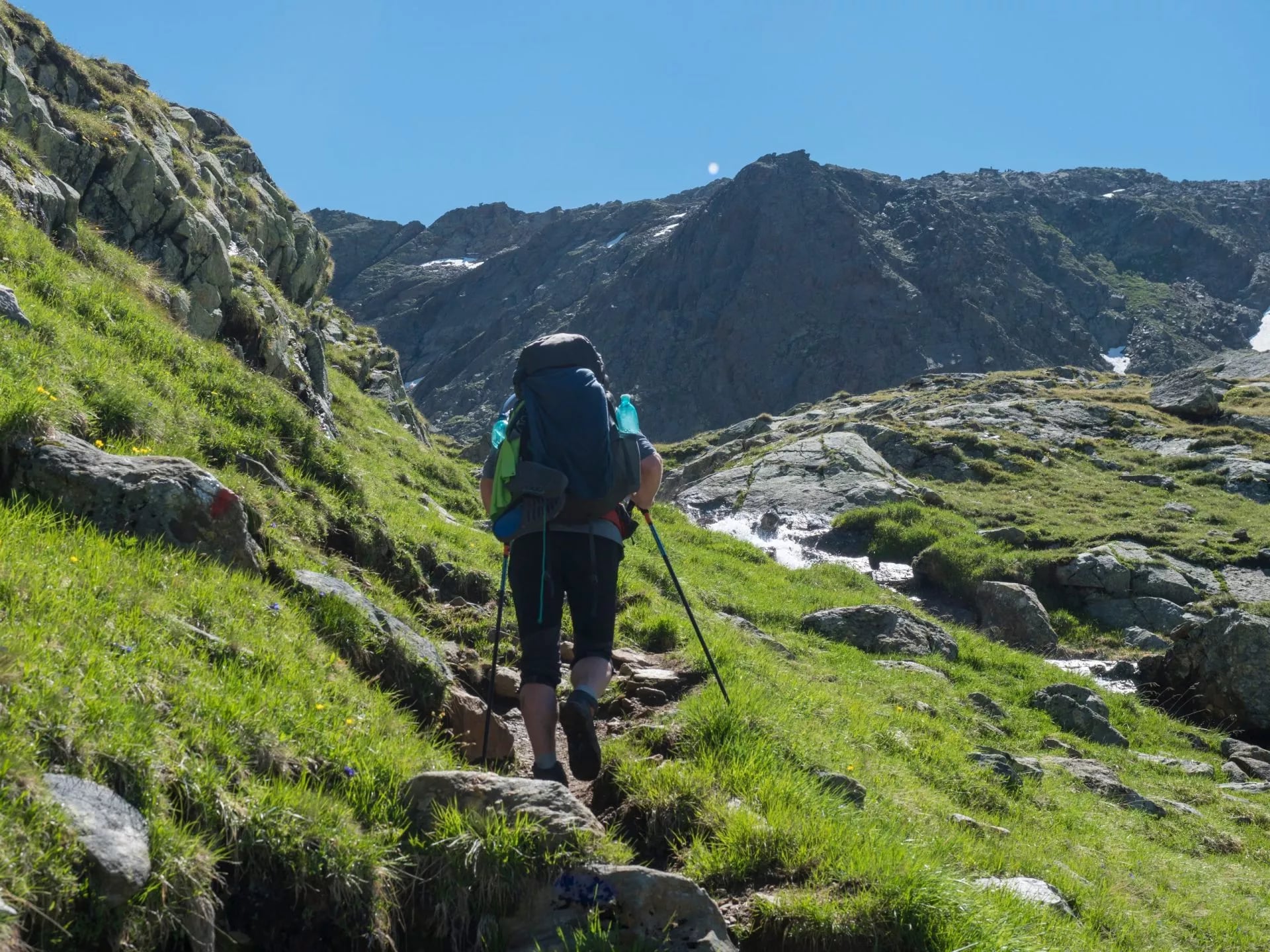
Long-distance hut-to-hut hiking trails of varying lengths and difficulties, over 500 mountain huts managed by the Austrian Alpine Club, and an excellent network of ski lifts – Austria has everything to accommodate all hikers.
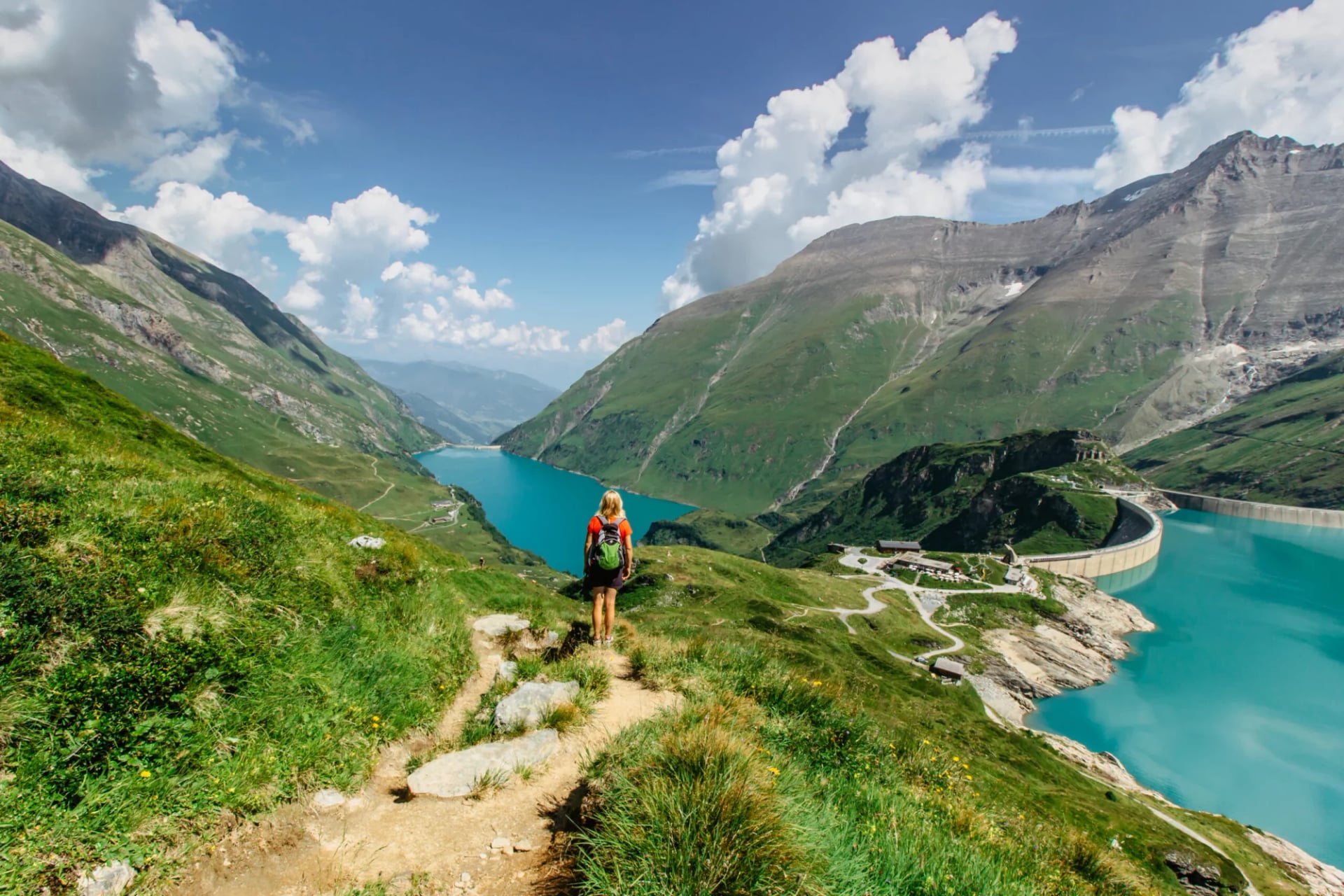
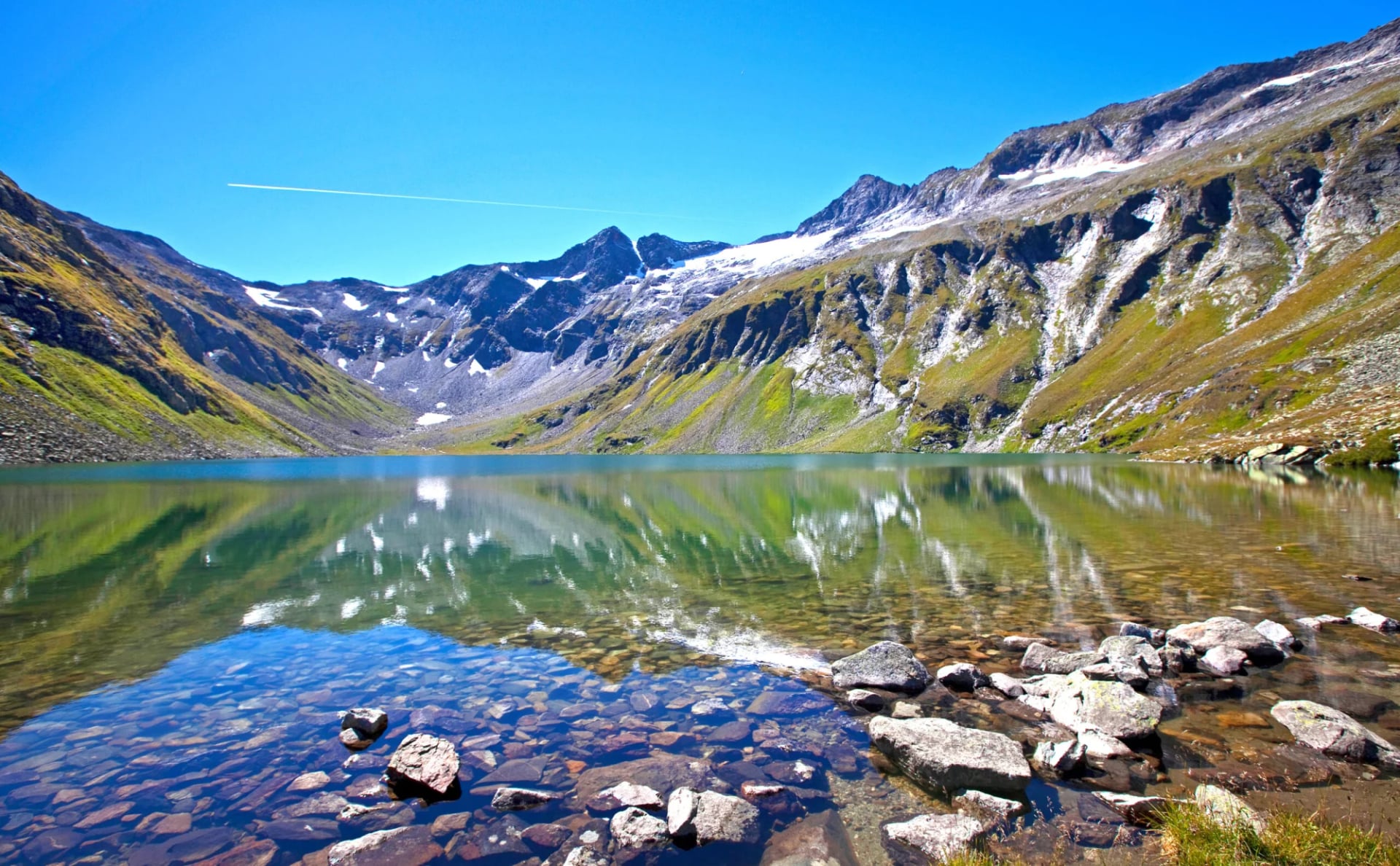
Furthermore, the diversity of its landscape is beyond doubt, ranging from the glacial vistas resembling the Himalayas of the Stubai High Trail to the green meadows with grazing cattle of Salzburger Almenweg and the lake-strewn region of Salzkammergut.
The four hiking-attractive regions, Tyrol, Salzburg, Vorarlberg, and Carinthia, cover the country's southern and western parts. With high-altitude sections comprising almost every trail, the hiking season mainly lasts from late June to late September.
The ultimate hiking experience in Austria usually includes sleeping in their rustic mountain huts. Albeit similar, they vary in capacity and comfort. On the other hand, alpine hotels and boutique guesthouses provide even more snug lodgings for those who prefer more commodities.
Additionally, Austria developed its tourist infrastructure to a high standard. Several regions, like Stubai Valley, have an integrated public transport system, including buses, trains, and gondolas.

HANDPICKED ADVENTURES
Only the best adventures across the world, cherry-picked by our team with an in-depth knowledge of the regions.

VALUE YOUR TIME
With everything on your plate, let us handle the vacation planning, so your valuable time stays exactly where you need it.

SELF-GUIDED TRAVEL
Explore independently and with confidence while we keep everything running from behind the scenes.

TRUSTED BY MANY
Since 2014, we have taken care of thousands of happy customers, making it our mission to put your satisfaction first.

OUTDOOR SPECIALISTS
We are a team of outdoor specialists equipped with the knowledge and insight to bring you the best hiking experiences.
About Hiking in Austria
The Alps cover around 60% of Austria, and the country has built everything around them. More than 500 mountain huts kept by the Austrian Alpine Club, hut-to-hut trails of every length and difficulty, and ski lifts that run all summer to save your legs where it counts.
It is the easiest place in the Alps to attempt your first hut-to-hut week, and still has enough hard ground to keep experienced walkers busy for years, across six national parks.
Austria’s long-distance routes each belong to a different region and a different kind of week.
The Adlerweg, the Eagle Walk, traces the shape of an eagle across Tyrol.
The Stubai High Trail is a demanding hut-to-hut circuit under glacial vistas that get compared to the Himalayas.
The Ötztal Trek crosses the glaciated heart of Tyrol, and the Salzkammergut lakes give the gentlest walking of all.
The Salzburger Almenweg links 120 mountain pastures across the Pongau.
The five best hut-to-hut hikes in Austria → · The peaks worth climbing →
With high-altitude sections on almost every trail, the season mainly lasts from late June to late September.
June opens the huts and brings the meadows into flower;
July and August are the reliable months for the glacier routes and the high passes;
September is the walker’s month, with stable weather, clear views and the cattle coming down from the high pastures.
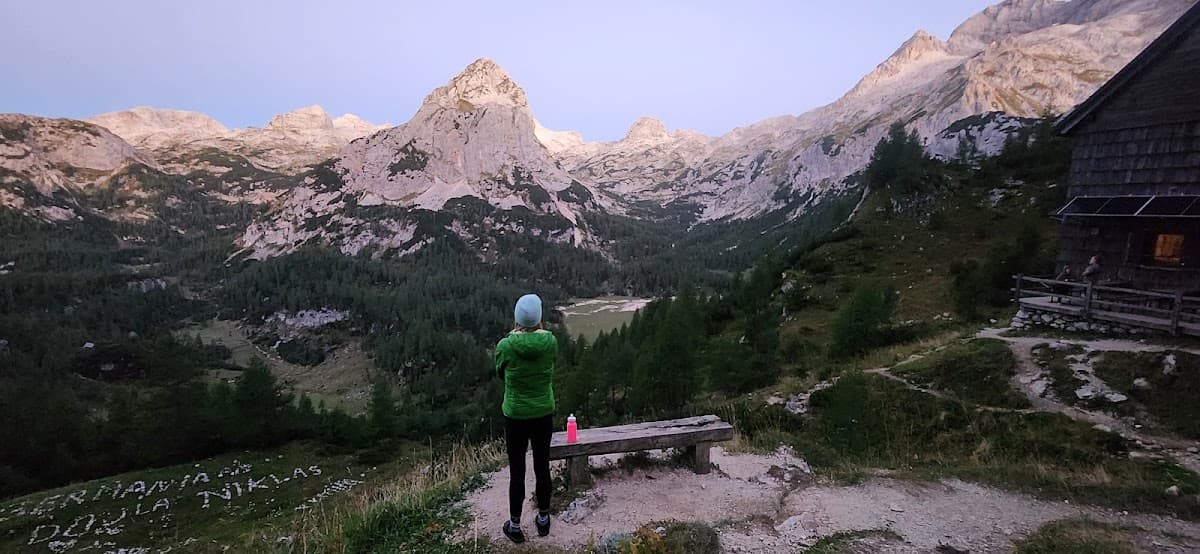
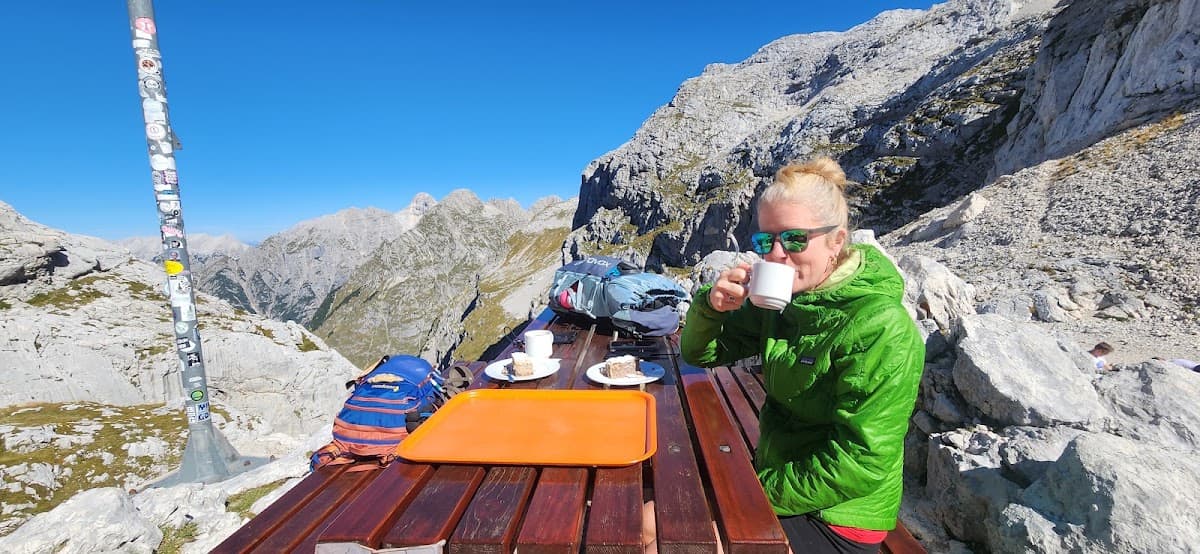
The finest Austrian nights are spent in the rustic mountain huts, where a hot dinner and a bunk come as standard and the company is everyone who crossed the same pass that day. Over 500 of them are kept by the Alpine Club alone.
For anyone who wants more comfort, alpine hotels and boutique guesthouses sit in the valleys below, and plenty of itineraries mix the two across a week.
Austria has built its tourist infrastructure to a standard few countries match. Regions like the Stubai Valley run an integrated transport system of buses, trains and gondolas that puts every trailhead within easy reach.
It means a walking week here rarely needs a hire car, and Innsbruck puts several of the best day walks in the country within half an hour of the city.
The dangers here are the ordinary alpine ones: afternoon thunderstorms, altitude and old snow lying in north-facing gullies well into July. The trails themselves are graded, waymarked and maintained to a high standard, and it pays to know what the waymarks mean.
Huts book out in season and many take no walk-ins, so a planned route matters.