Visit a boutique European pearl on the sunny side of the Alps and explore the hidden corners and quaint landscapes of the Triglav National Park.
Highlights
- Self-guided hut-to-hut hikes in the uncrowded Julian Alps
- Guided climbs of Mt. Triglav
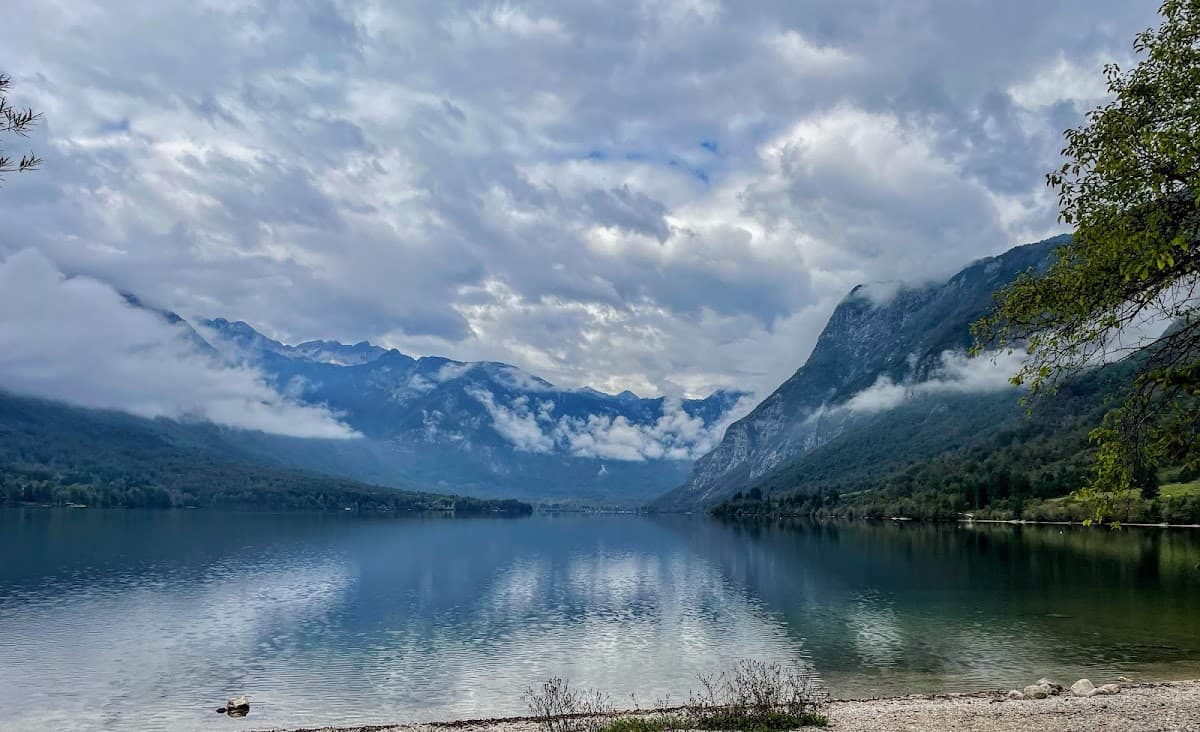
- Must-see highlights like Lake Bled, Soča Valley, and Lake Bohinj
- An up-and-coming tourist destination with extensive diversity
Slovenia Hiking Tours
Visit a boutique European pearl on the sunny side of the Alps and explore the hidden corners and quaint landscapes of the Triglav National Park.
Highlights
- Self-guided hut-to-hut hikes in the uncrowded Julian Alps
- Guided climbs of Mt. Triglav
- Must-see highlights like Lake Bled, Soča Valley, and Lake Bohinj
- An up-and-coming tourist destination with extensive diversity
Why Visit Slovenia on a Hiking Tour?
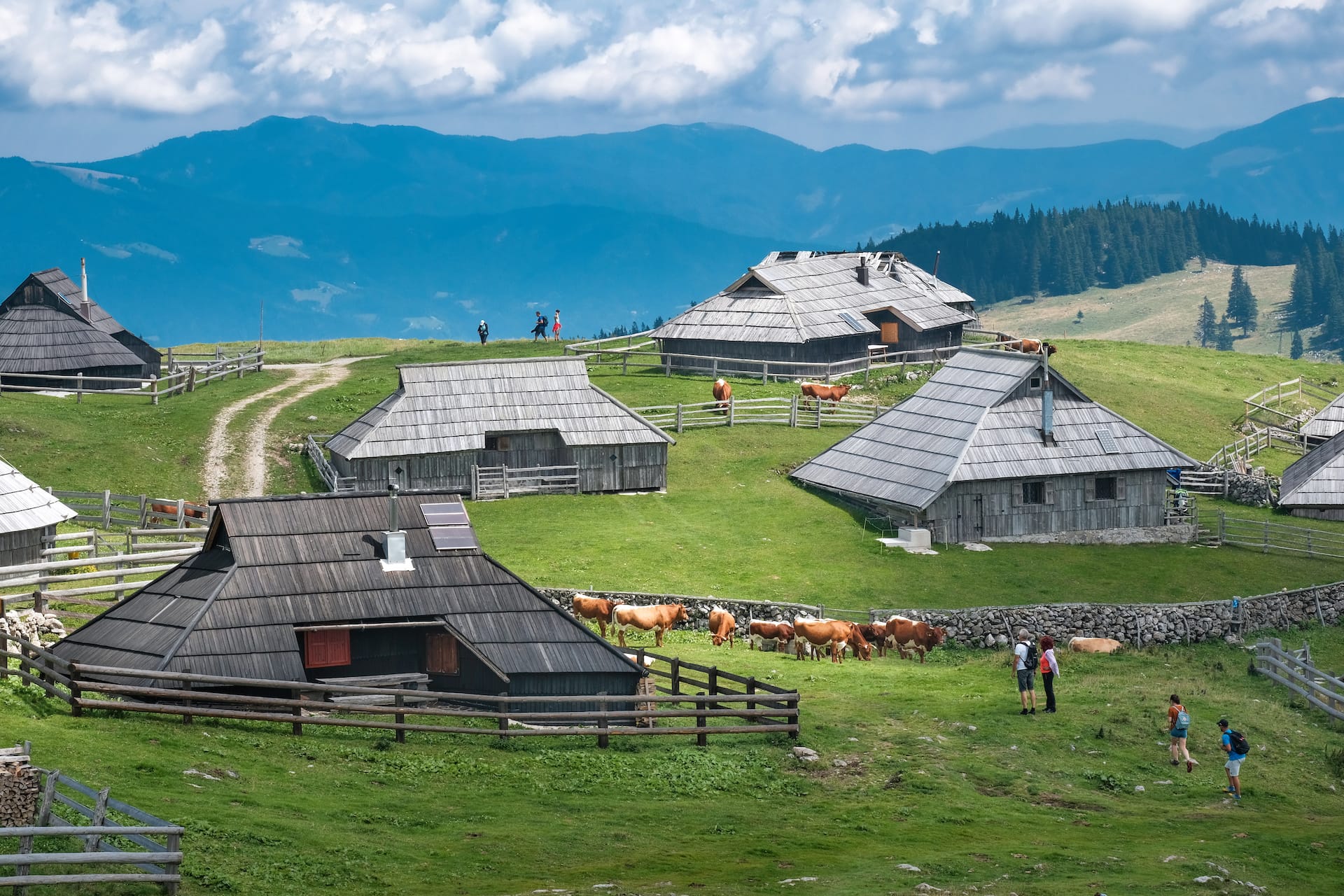
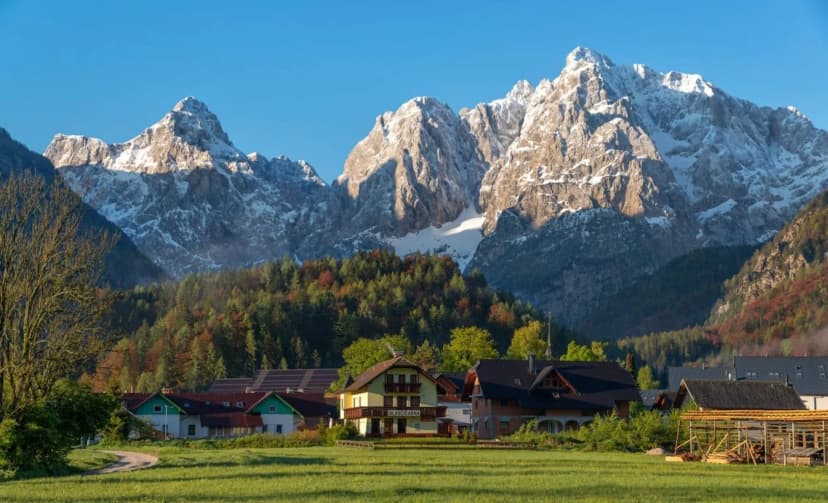
Albeit one of the smallest alpine countries, Slovenia encompasses one of Europe's most diverse and breathtakingly beautiful regions while retaining its raw authenticity.
With the Julian Alps in the north, the Adriatic Sea in the south, and fertile wine-making regions and medieval towns in between, there could barely be any more contrasts to such a little corner on the sunny side of the Alps.
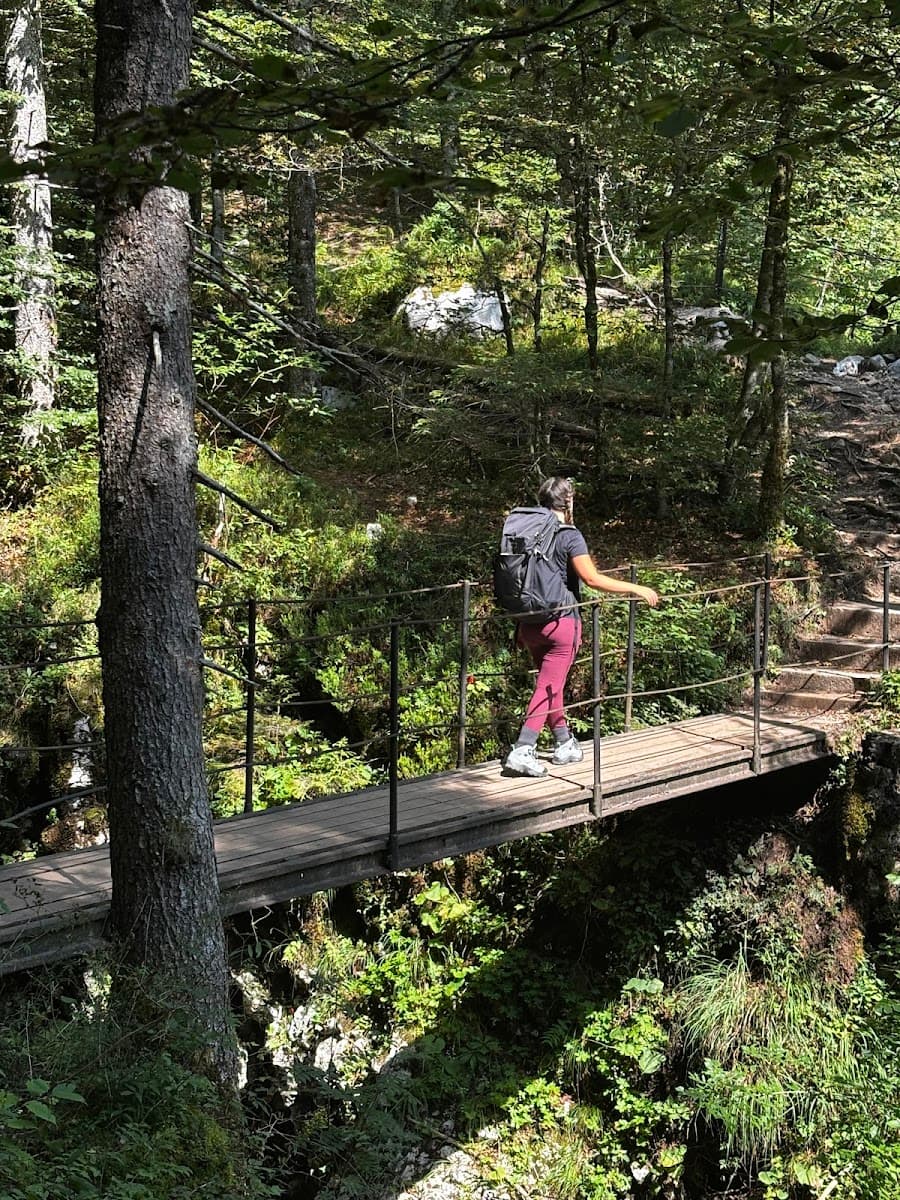
Hiking is a part of every Slovenian's DNA, expressed in a fundamental wish to summit the country's highest peak, Mt. Triglav, at least once in their lifetime. Beyond that, the mountains and pre-alpine hills are interspersed with more than 10,000 kilometers of hiking paths, connected by approximately 160 huts.
Be it a hut-to-hut hiking adventure along the Slovenian Mountain Trail, a walking holiday on the shores of the magical Lake Bled, or a thorough exploration of everything from the pristine Soča Valley to Slovenian Karst, leaving Slovenia dazzled is guaranteed.
Even though this is a boutique corner of the Alps, a large part of Slovenia's mountain world reaches above 2000 meters. Consequently, the hiking season lasts from late June to the end of September.
With short travel distances, decent public transport, delicious food, and an evolving tourism industry, Slovenia is a joy to visit. It is slowly maturing from a hidden gem to a simply must-visit destination.
About Hiking in Slovenia
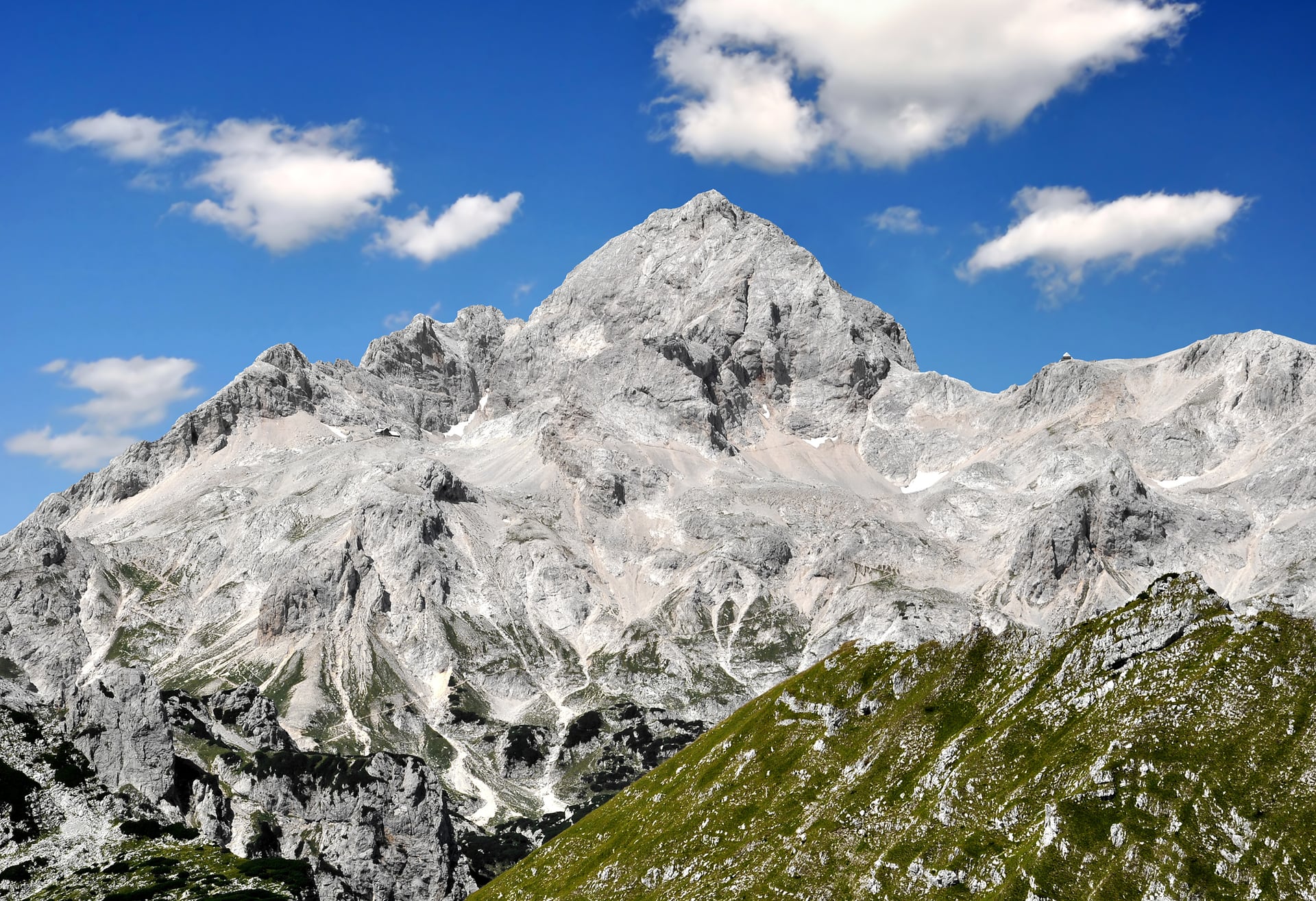
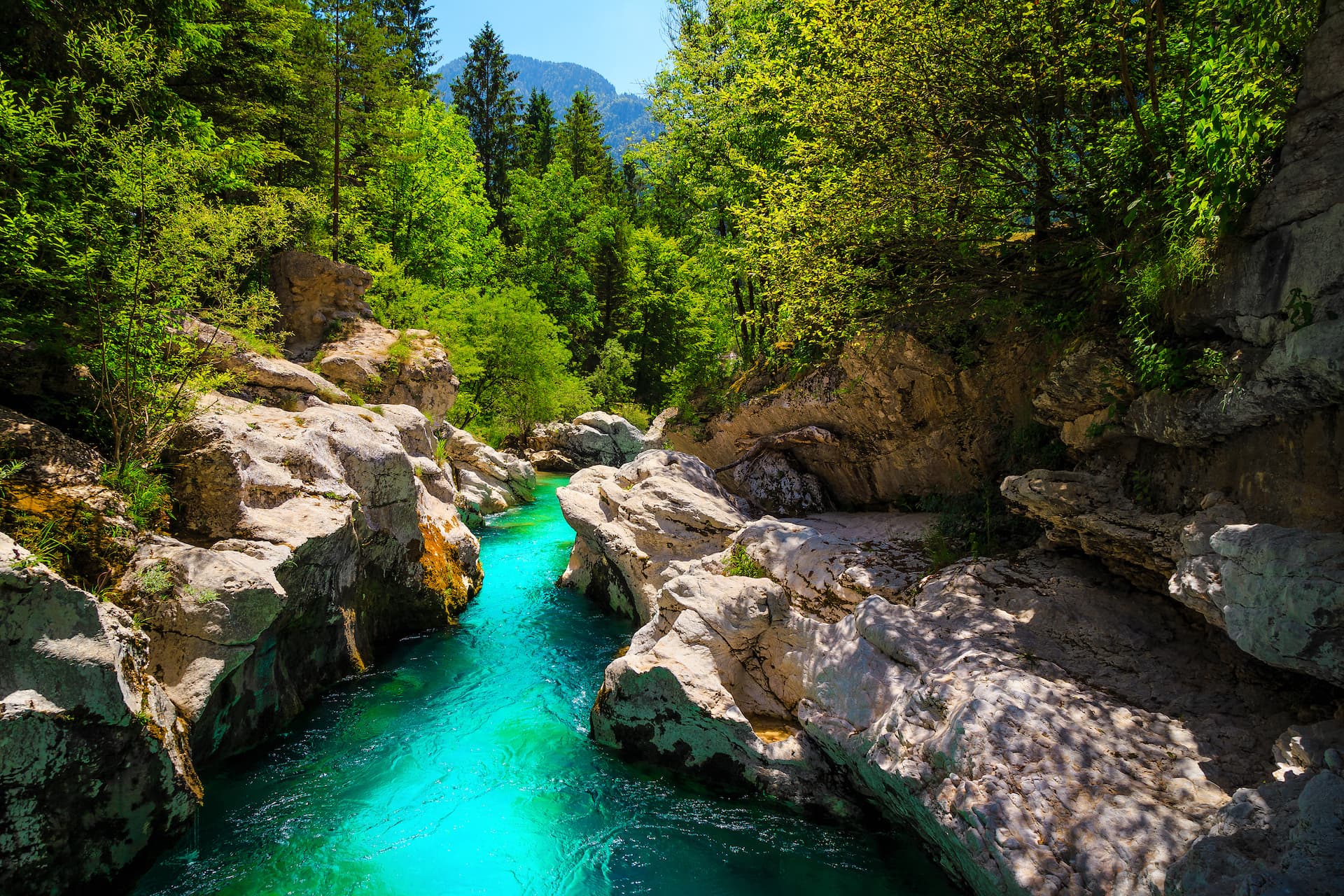
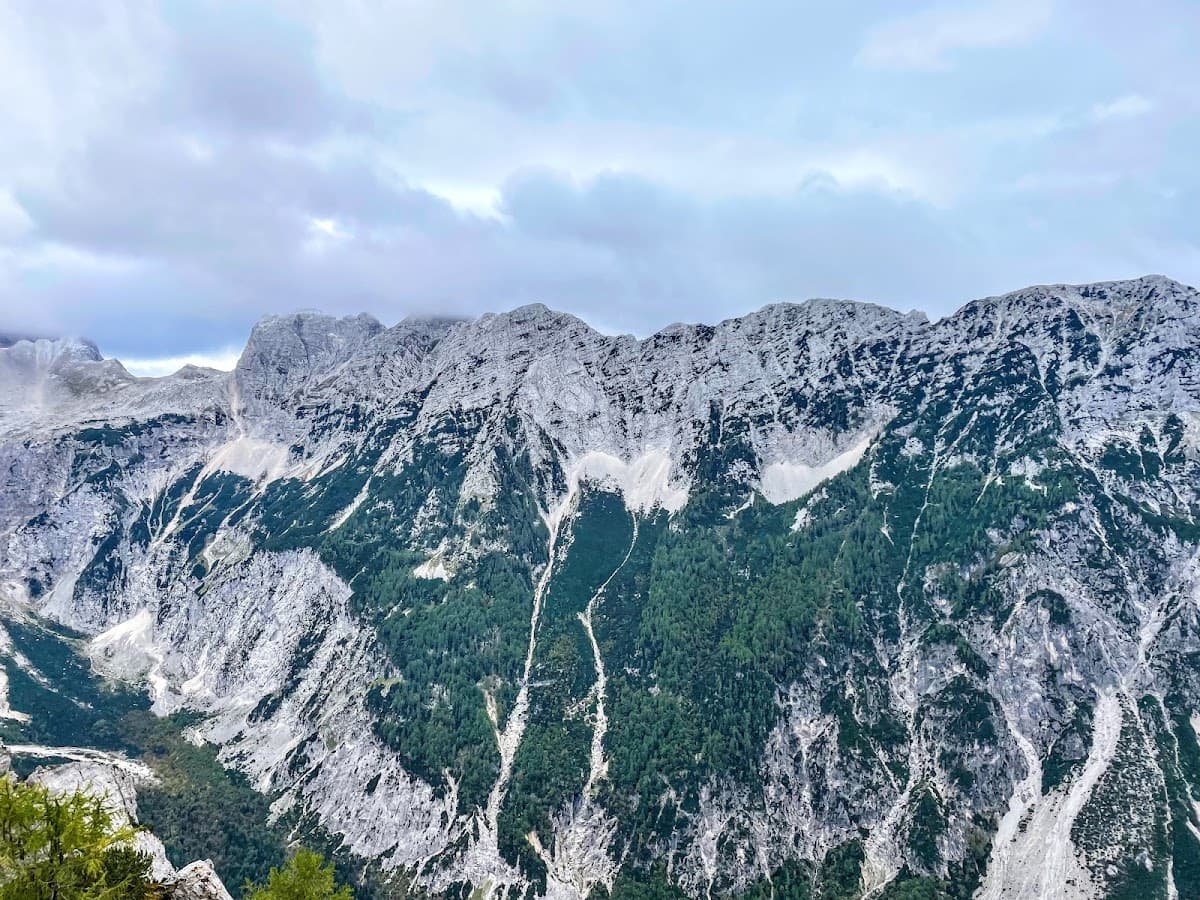
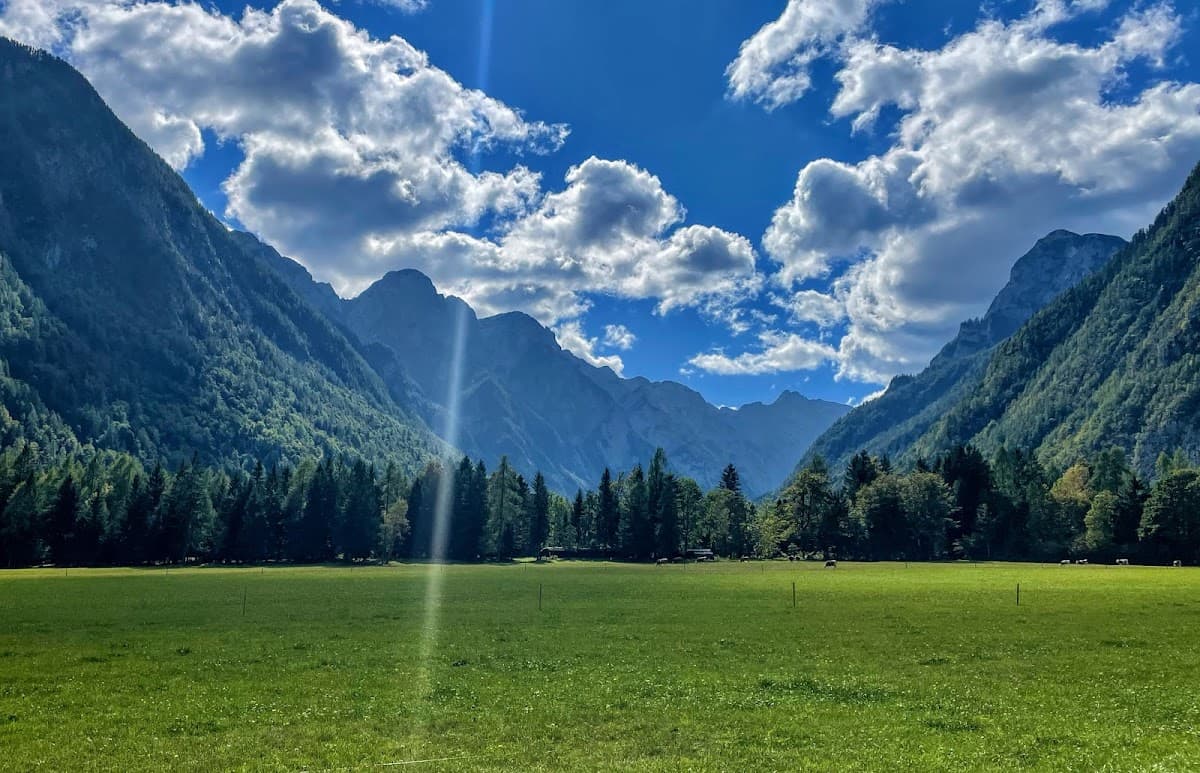
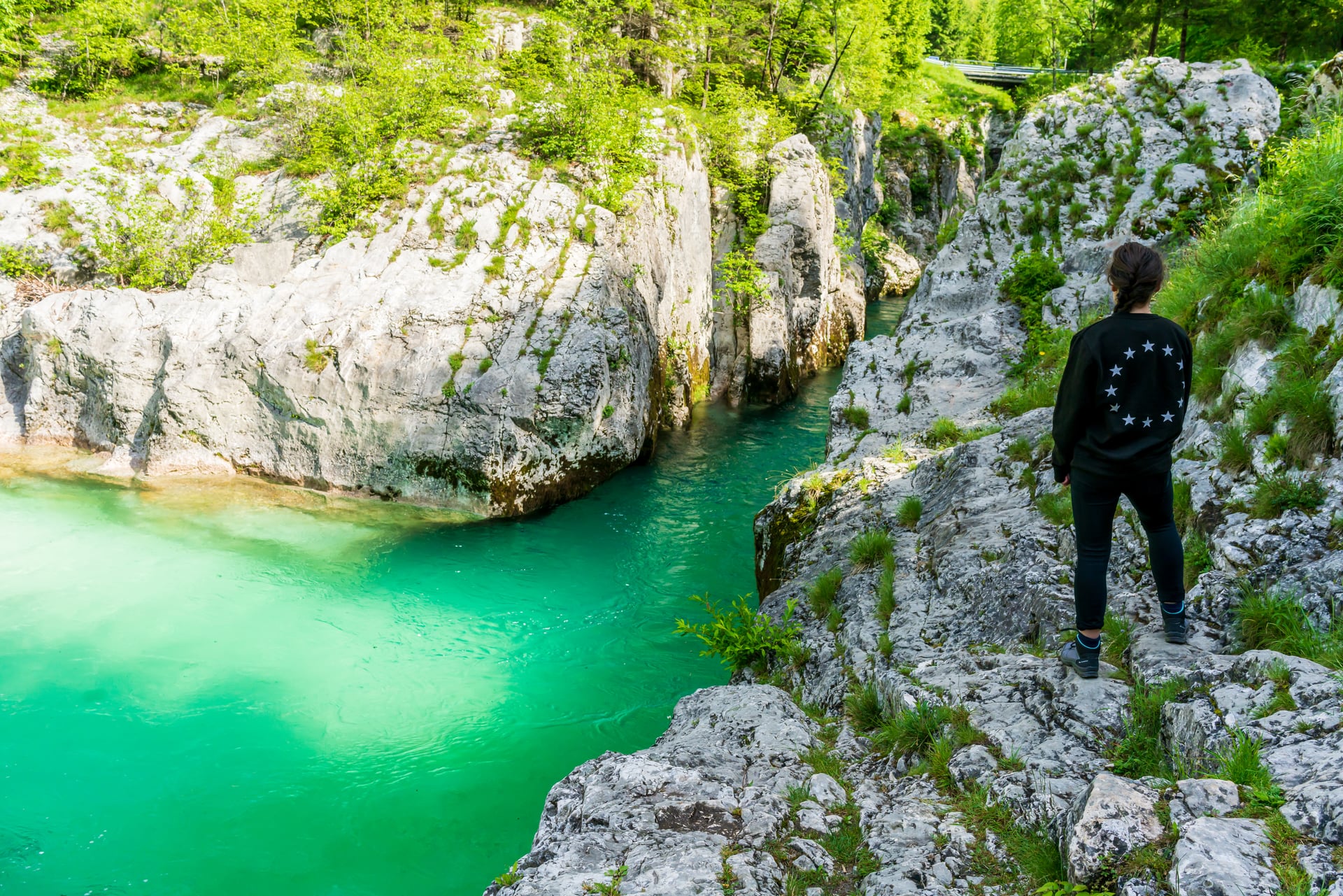
The first thing that stays with you is the colour. Pale grey-white limestone above, and below it a green so saturated it looks lit from within — meadow, beech forest, and rivers of an unreal glacial turquoise running through all of it.
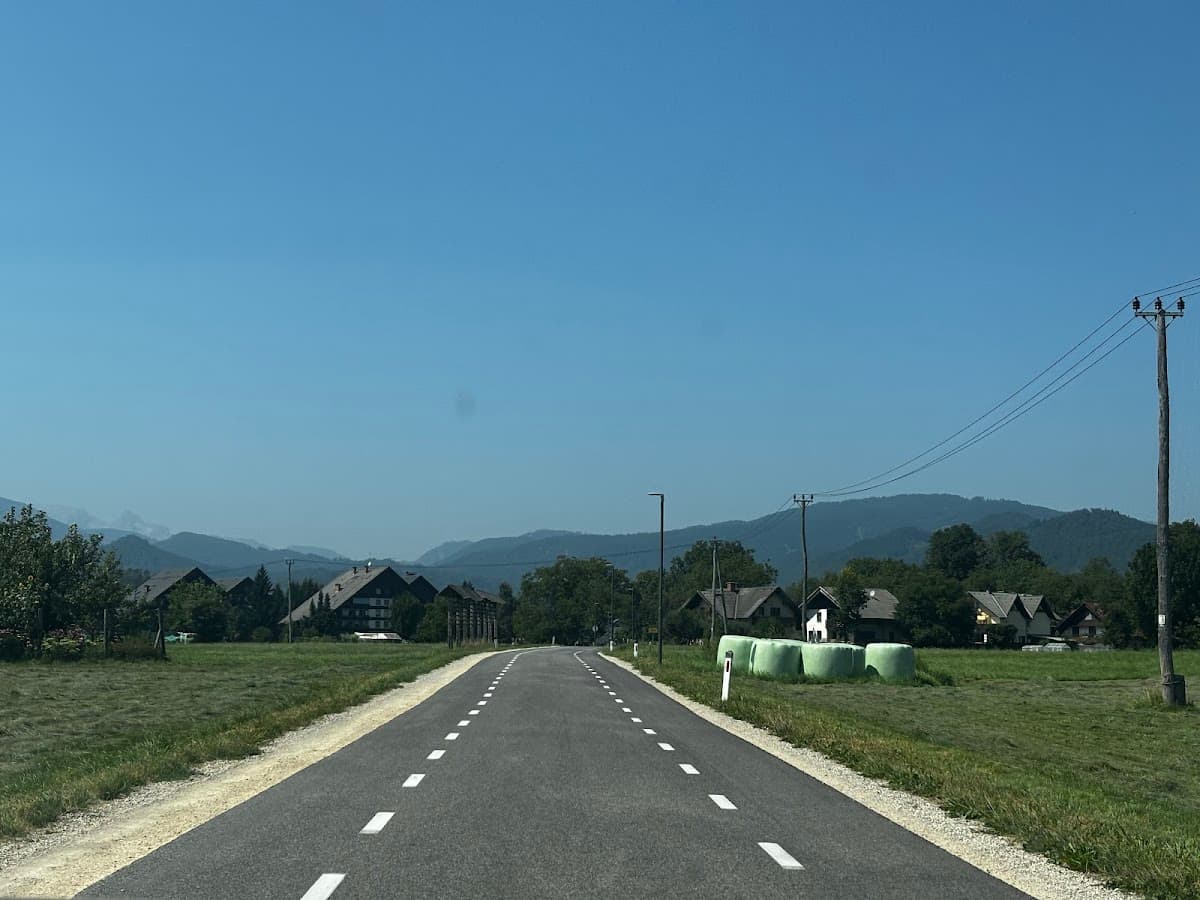
Slovenia is also small enough to be easy. The Julian Alps, Lake Bled, the Soča Valley and the Karst are all within two hours of each other, so a week here covers real alpine country without a single long transfer.
Slovenian walking is organised around one mountain and the trails that circle it.
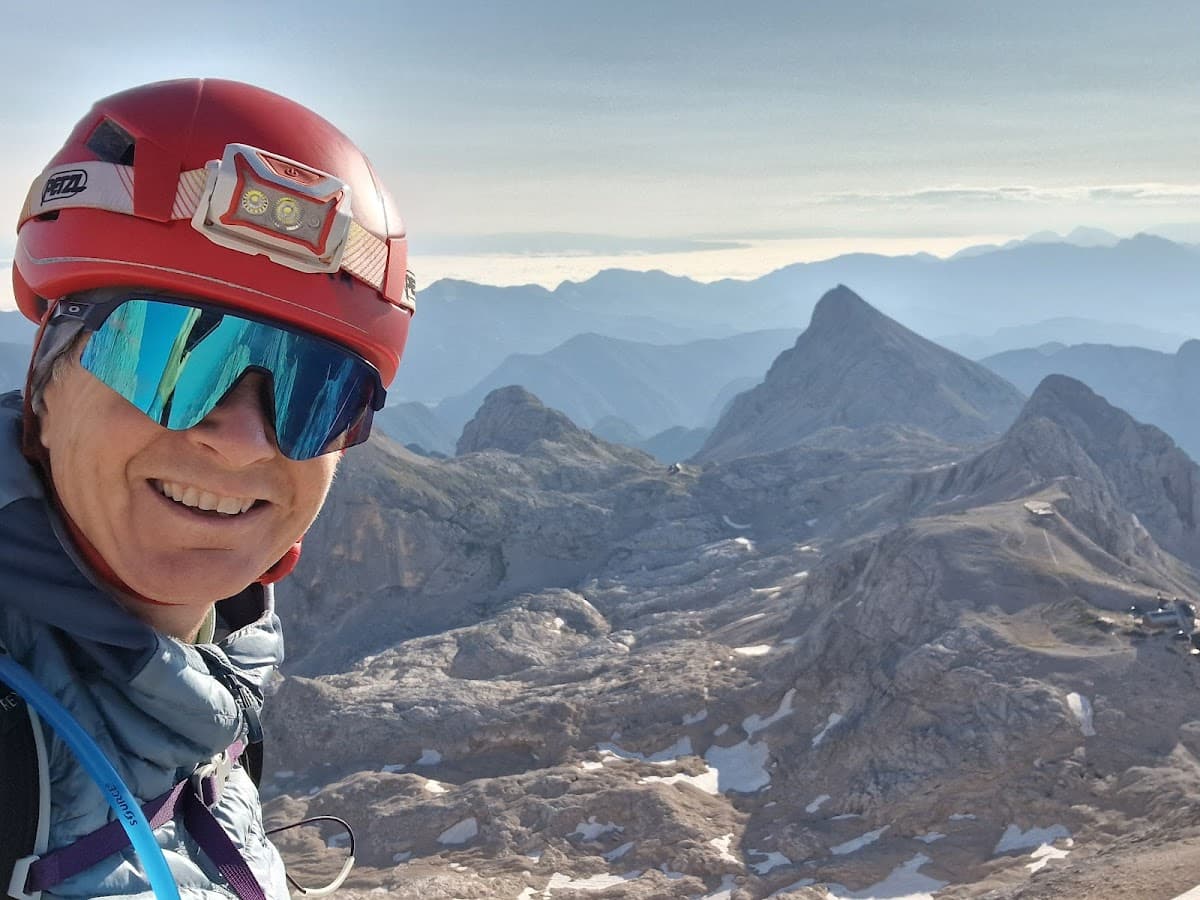
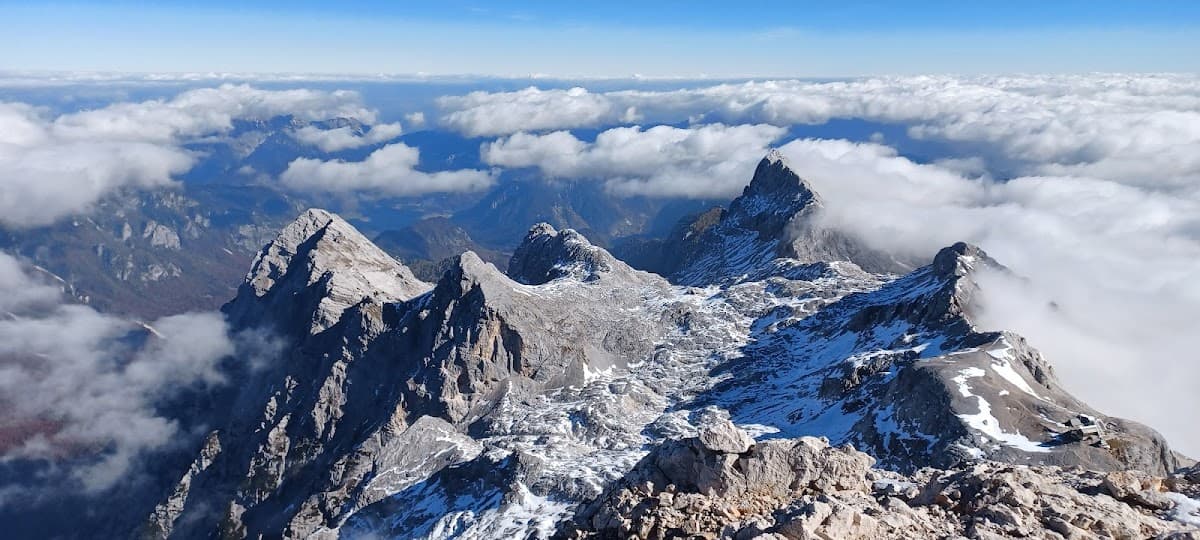
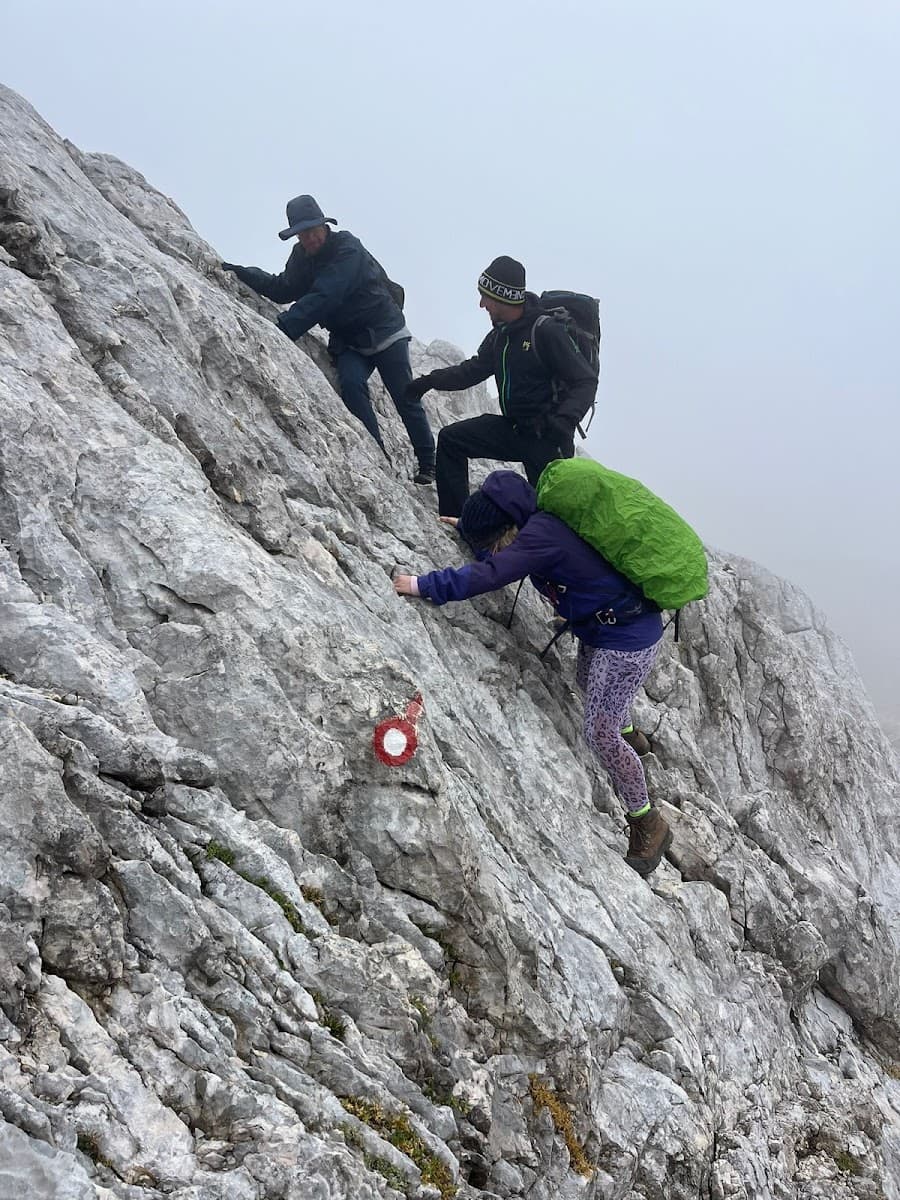
Triglav (2,864 m) is the three-headed peak on the national flag — a climb up ladders and iron pins to a cylindrical shelter on the summit, and a rite of passage for Slovenes.
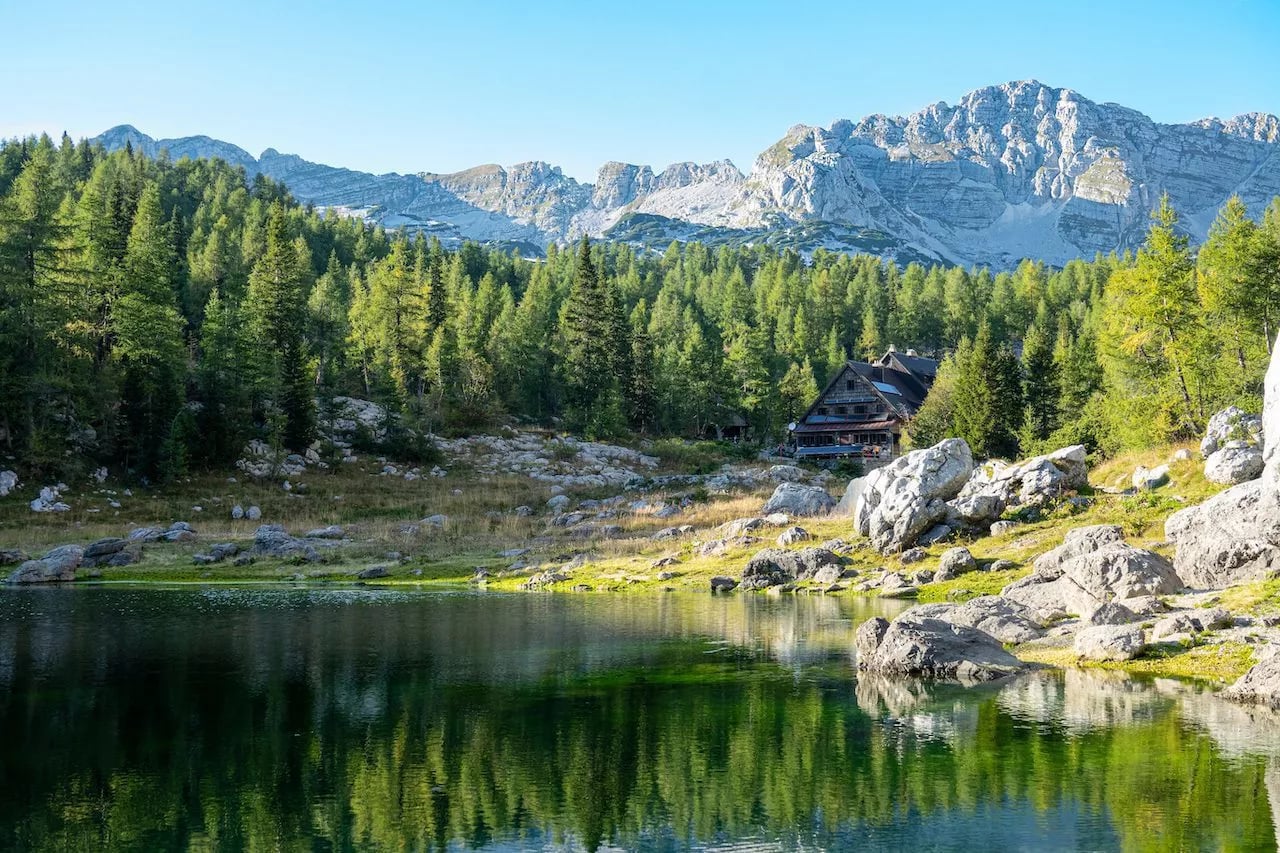
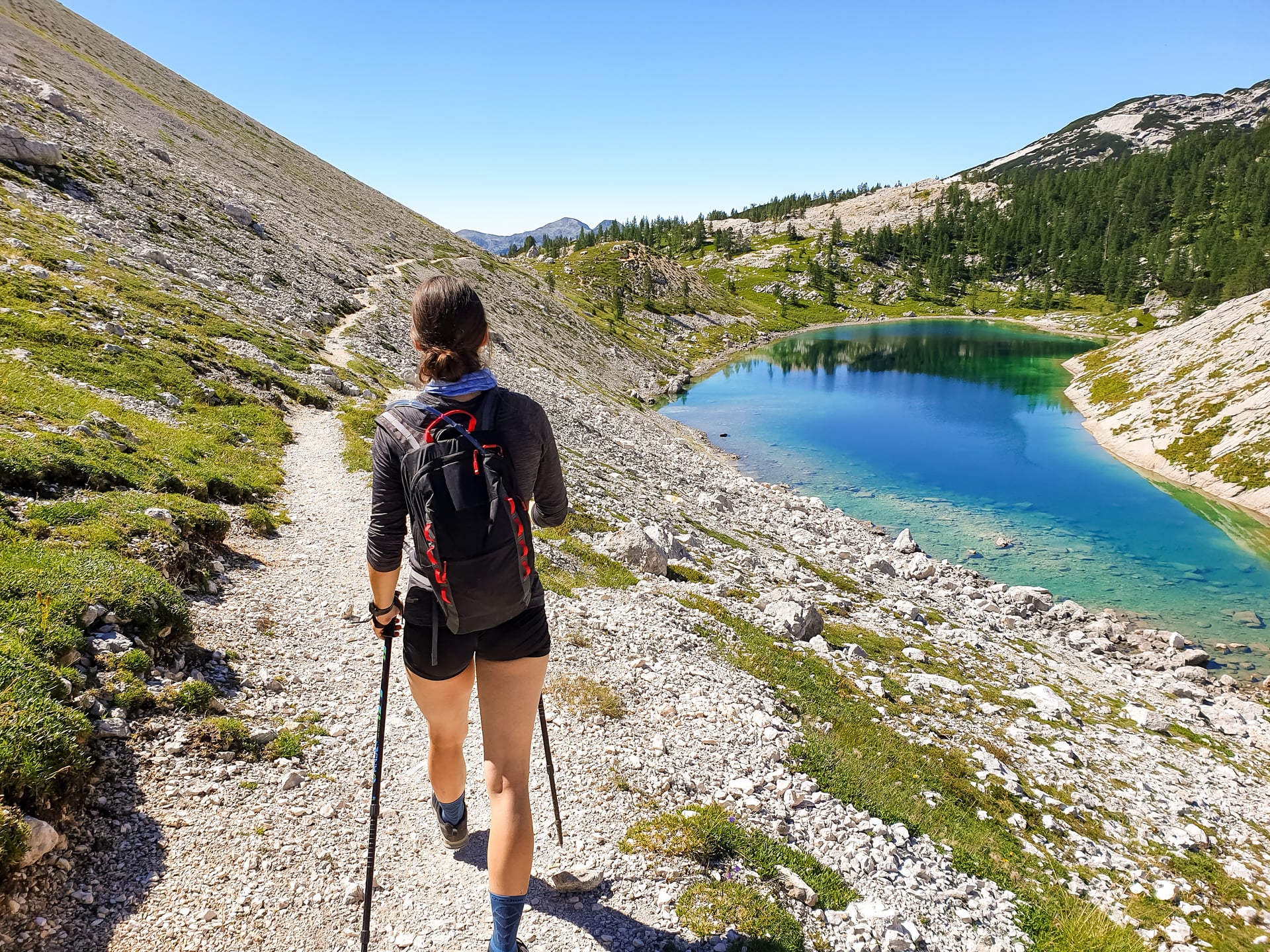
The Seven Lakes Valley is the classic hut-to-hut approach, a staircase of tarns through Triglav National Park.
The Juliana Trail loops around the range at valley level, and the Slovenian Mountain Trail crosses the whole country.
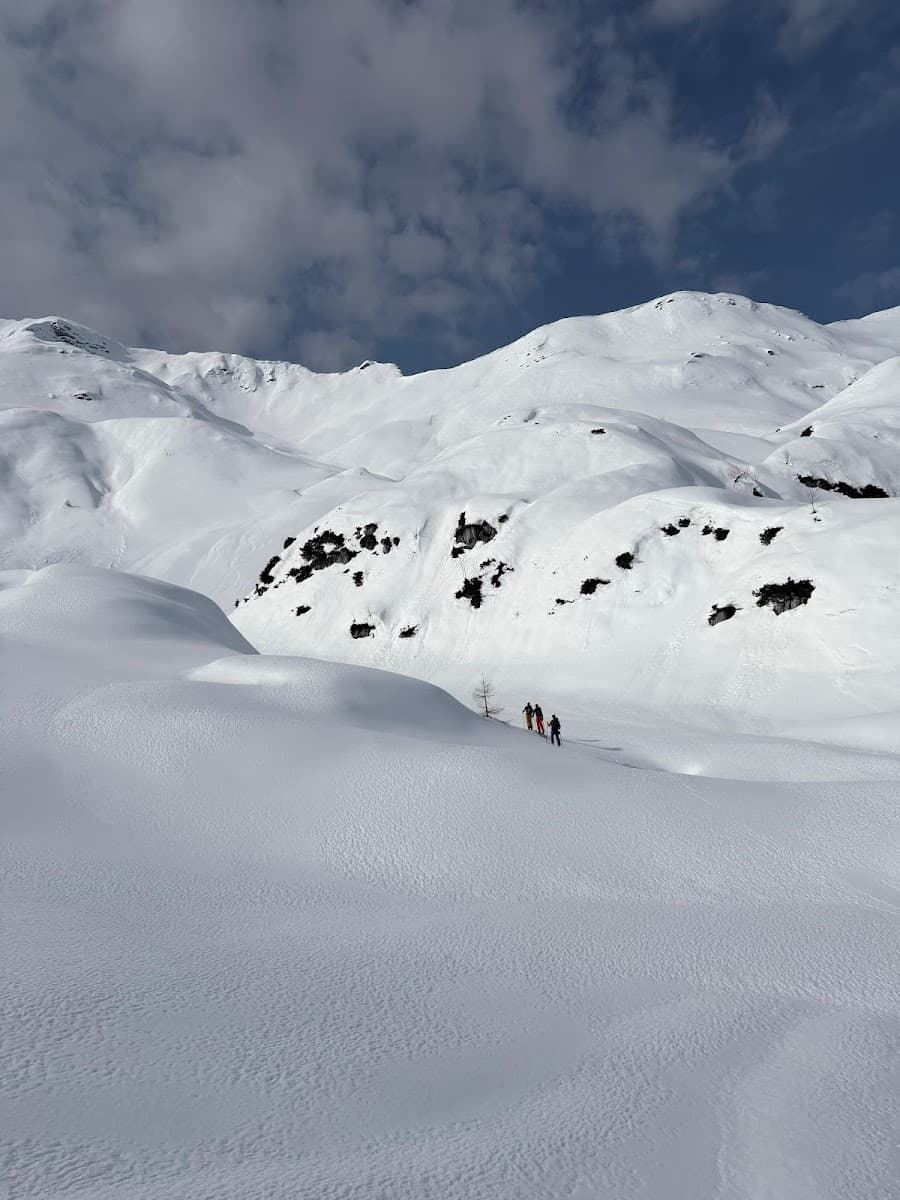
The high season runs late June to late September, set by hut opening and snow on the Triglav approaches. Attempting the summit outside that window is a mountaineering trip, not a hike.
July and August are warmest and busiest — huts on the Seven Lakes route book out. September is the pick: settled weather, the crowds gone, and the beech turning. The Juliana Trail and Soča Valley extend the season from May to October.
Slovenia's only national park is a compact wilderness of karst plateaus, high tarns and valleys hung with waterfalls, and it holds almost all of the country's serious walking.
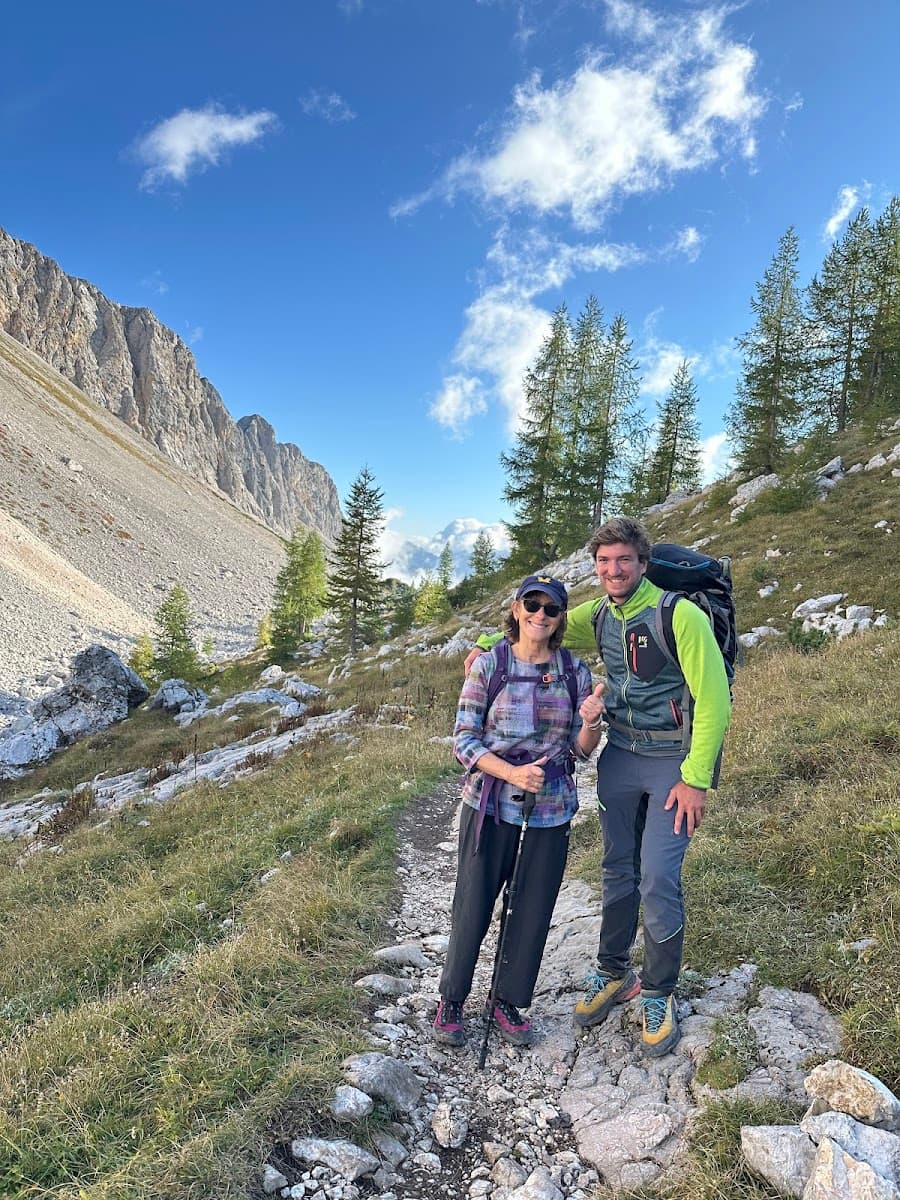
The trails climb from shady gorges into open limestone country where the rock glows almost white at midday. Above the treeline, the Seven Lakes Valley steps down in a chain of green pools, each ringed by scree and dwarf pine.
For Triglav, yes — and this is the single thing to settle before you book anything in Slovenia. Every standard route to the summit is secured with steel cable and iron pins. A via ferrata set and helmet are required equipment, not a precaution, and you should allow two days rather than one.
You do not need climbing experience or a guide, but you do need a head for exposure. Kits hire locally in Bled, Bohinj and Kranjska Gora, so there is no need to fly with one.
For everything else, no. The Juliana Trail, the Soča Valley, the Karst and most of the Kamnik–Savinja walking are ordinary hiking with no cables at all.
The parts of the country that many overlook but are spectacular to hike:
Kamnik–Savinja Alps — the second range, topped by Grintovec (2,558 m), above the glacial Logar Valley.
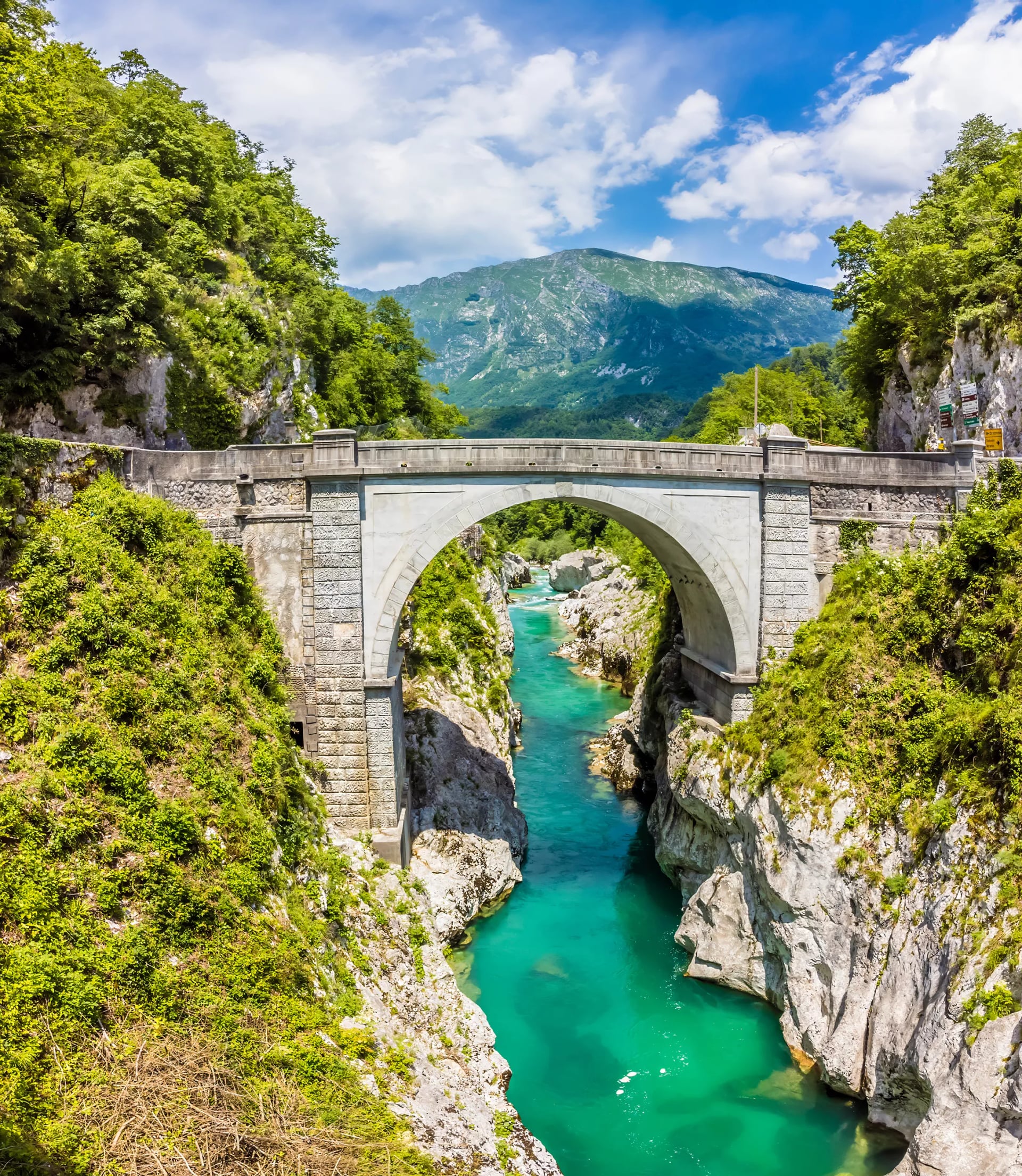
Soča Valley — the emerald river, Bovec and Kobarid, and the Walk of Peace, which follows the WWI Isonzo Front from the Alps to the Adriatic.
The Karst and the coast — Škocjan Caves (UNESCO), limestone plateau and 46 km of Adriatic shoreline.
Slovenian Istria — the Parenzana, a disused narrow-gauge railway converted to a trail, runs from Trieste through Koper, Izola and Portorož into Croatia.
Slovenia runs roughly two climates, and they are about two hours apart. The Julian Alps are properly alpine; the Karst and the coast are sub-Mediterranean.
How cold the high ground actually is: the weather station at Kredarica (2,515 m) has a daily mean of 7.5 °C in August and records 260 snowy days a year, with snow depth peaking around 3 m in April. The summer hazard there is the afternoon thunderstorm.
Down on the Karst and in the Vipava valley beware of the burja, a north-eastern wind with gusts over 200 km/h.
Frequently Asked Questions

.svg)
HANDPICKED ADVENTURES
Only the best adventures across the world, cherry-picked by our team with an in-depth knowledge of the regions.
.svg)
VALUE YOUR TIME
With everything on your plate, let us handle the vacation planning, so your valuable time stays exactly where you need it.

SELF-GUIDED TRAVEL
Explore independently and with confidence while we keep everything running from behind the scenes.
.svg)
TRUSTED BY MANY
Since 2014, we have taken care of thousands of happy customers, making it our mission to put your satisfaction first.
.svg)
OUTDOOR SPECIALISTS
We are a team of outdoor specialists equipped with the knowledge and insight to bring you the best hiking experiences.






.webp&w=1920&q=85)