Uncover the secrets of the Emerald Isle by hiking historic trails, exploring ancient ruins, and immersing yourself in Ireland's warm hospitality.
Highlights
- Immersion in the traditional Irish culture with charming towns like Dingle and Killarney
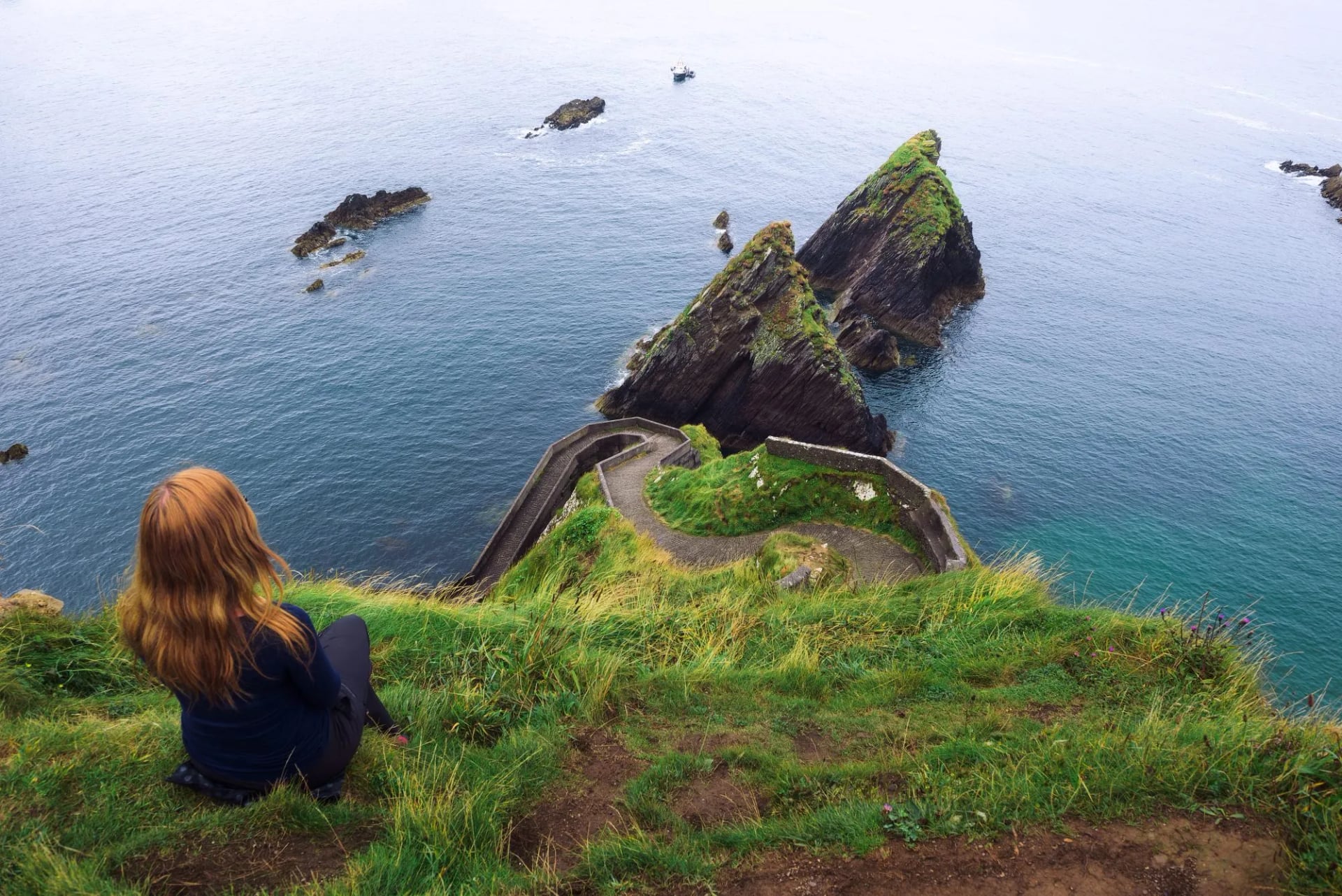
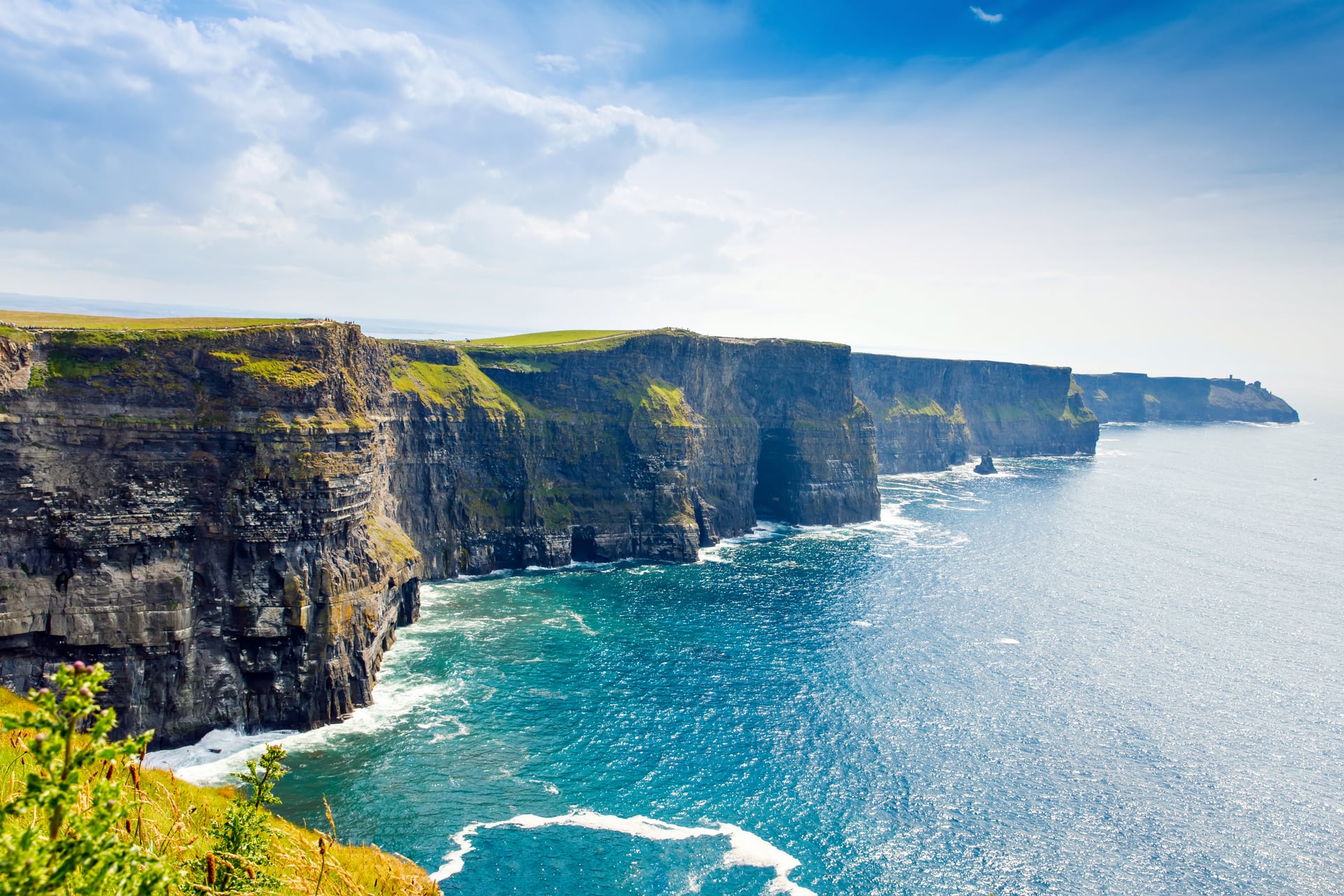
- Coastal hikes along dramatic cliffs, including the Cliffs of Moher
- Exploration of ancient archaeological sites and historical landmarks
- Iconic long-distance trails like the Kerry Way and Dingle Way
Ireland Walking Tours
Uncover the secrets of the Emerald Isle by hiking historic trails, exploring ancient ruins, and immersing yourself in Ireland's warm hospitality.
Highlights
- Immersion in the traditional Irish culture with charming towns like Dingle and Killarney
- Coastal hikes along dramatic cliffs, including the Cliffs of Moher
- Exploration of ancient archaeological sites and historical landmarks
- Iconic long-distance trails like the Kerry Way and Dingle Way



Plan with a hiking expert
Free advice from a team that knows these routes inside out - real people, not a bot

Why Visit Ireland on a Hiking Tour?
The Emerald Isle is a land of myth and magic, dotted with medieval castles, lively pubs filled with traditional music, and a rich tapestry of folklore dating back millennia.
Ancient stone forts, early Christian sites, and monastic ruins are woven into a tapestry of dramatic coastlines, misty mountains, and tranquil lakes, connecting you with legends and tales of old.
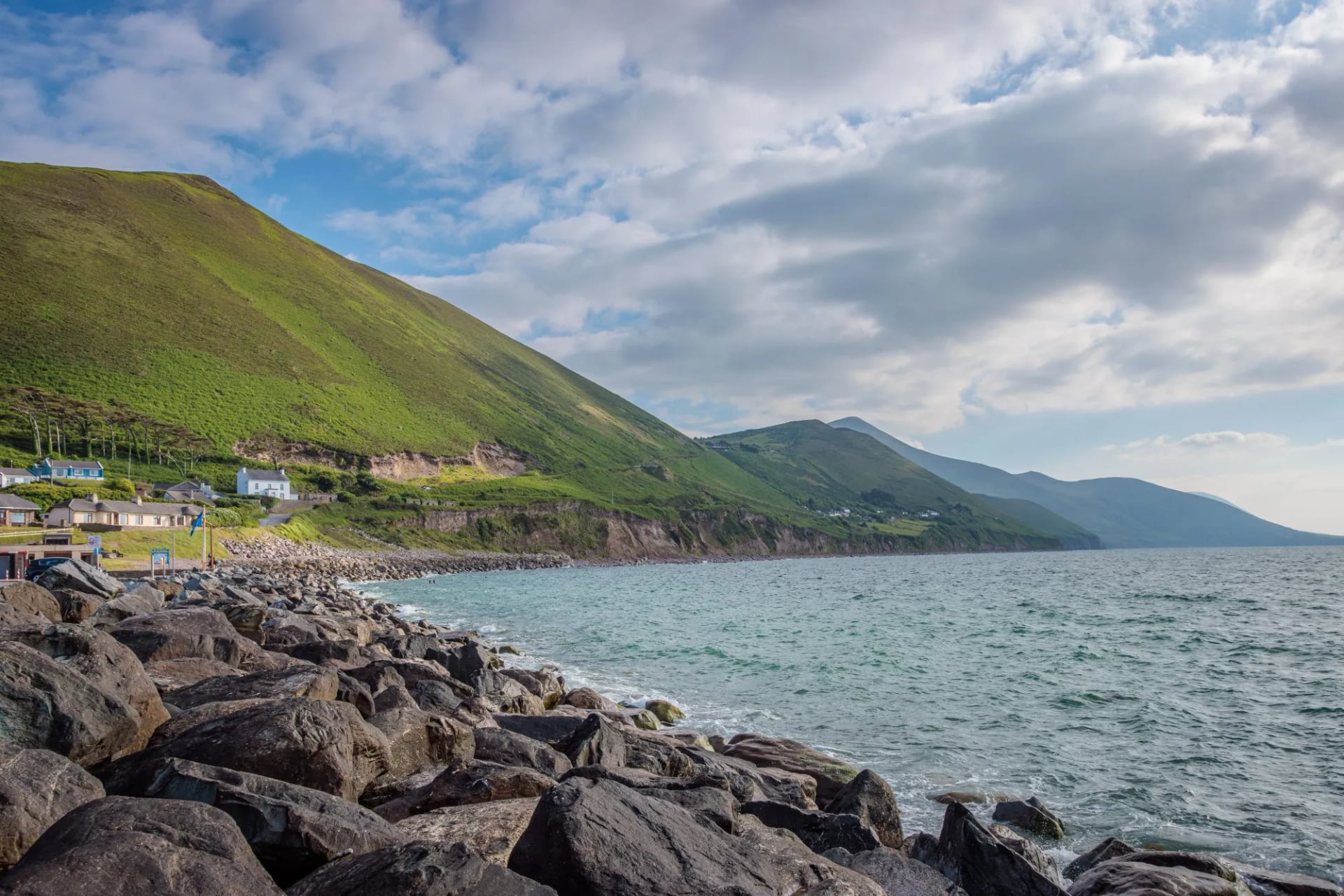
The historic Dingle Way leads you along the rugged coastline of the Dingle Peninsula, where sandy beaches meet archaeological treasures. The Wicklow Way offers a journey through the largest continuous hills and mountains in Ireland, and the Kerry Way guides you through the stunning terrains of Killarney National Park.
Exploring the Cliffs of Moher provides a chance to witness some of Ireland's most iconic natural wonders. Walking atop sea cliffs that rise dramatically above the Atlantic offers an experience unlike any other.
From spring to autumn, soft rains often lend a mystical quality to the well-marked trails, and the friendliness of the locals makes navigation a pleasant part of the adventure, especially in remote areas where public transport may be limited.
No matter which path you traverse, the famous Irish hospitality ensures you always feel at home, whether in bustling towns, traditional inns, or family-run guesthouses.
The rich culture of folklore, storytelling, and connecting over a pint of Guinness are integral parts of Irish life, and sharing in it adds a memorable dimension to your journey.

HANDPICKED ADVENTURES
Only the best adventures across the world, cherry-picked by our team with an in-depth knowledge of the regions.

VALUE YOUR TIME
With everything on your plate, let us handle the vacation planning, so your valuable time stays exactly where you need it.

SELF-GUIDED TRAVEL
Explore independently and with confidence while we keep everything running from behind the scenes.

TRUSTED BY MANY
Since 2014, we have taken care of thousands of happy customers, making it our mission to put your satisfaction first.

OUTDOOR SPECIALISTS
We are a team of outdoor specialists equipped with the knowledge and insight to bring you the best hiking experiences.
About Hiking in Ireland
Ireland is the rare walking country where the highest mountain is under 1,100 m and the weather still decides everything. Carrauntoohil tops out at 1,038 m, yet it sits close enough to the Atlantic that cloud can drop onto it in twenty minutes.
What you actually walk is coast, bog and farmland: cliff path, green road and boreen, linked by a national network of waymarked ways. Ireland has no right to roam, so those marked routes are not a convenience, they are the access.
Four routes, and we run every one of them.
The Wicklow Way, ten days from Bunclody to Dublin over the Military Road and down into the monastic ruins at Glendalough.
The Dingle Way, ten days looping out of Tralee round Mount Brandon and the Conor Pass, Ireland’s highest.
Kerry Way Highlights, six days on the old butter roads of the Iveragh peninsula, through Cahersiveen.
Cliffs of Moher, five days on the limestone of the Burren, finishing in the pubs of Doolin.
Our Irish trails run March to October, and unlike the Alps this is not a snow question. It is a daylight and ground question: the bog stays wet all year and the short days make winter stages impractical.
April and May are the driest months and the gorse is out;
June gives the longest evenings, light until well past ten;
July and August are warmest and busiest, and the midges are at their worst;
September and October bring heather, empty trails and the first Atlantic storms.
Ireland has no right to roam. The National Waymarked Trails cross private farmland by agreement with the landowners, which is why the routes zigzag, why gates matter, and why walking off the line is genuinely not done here.
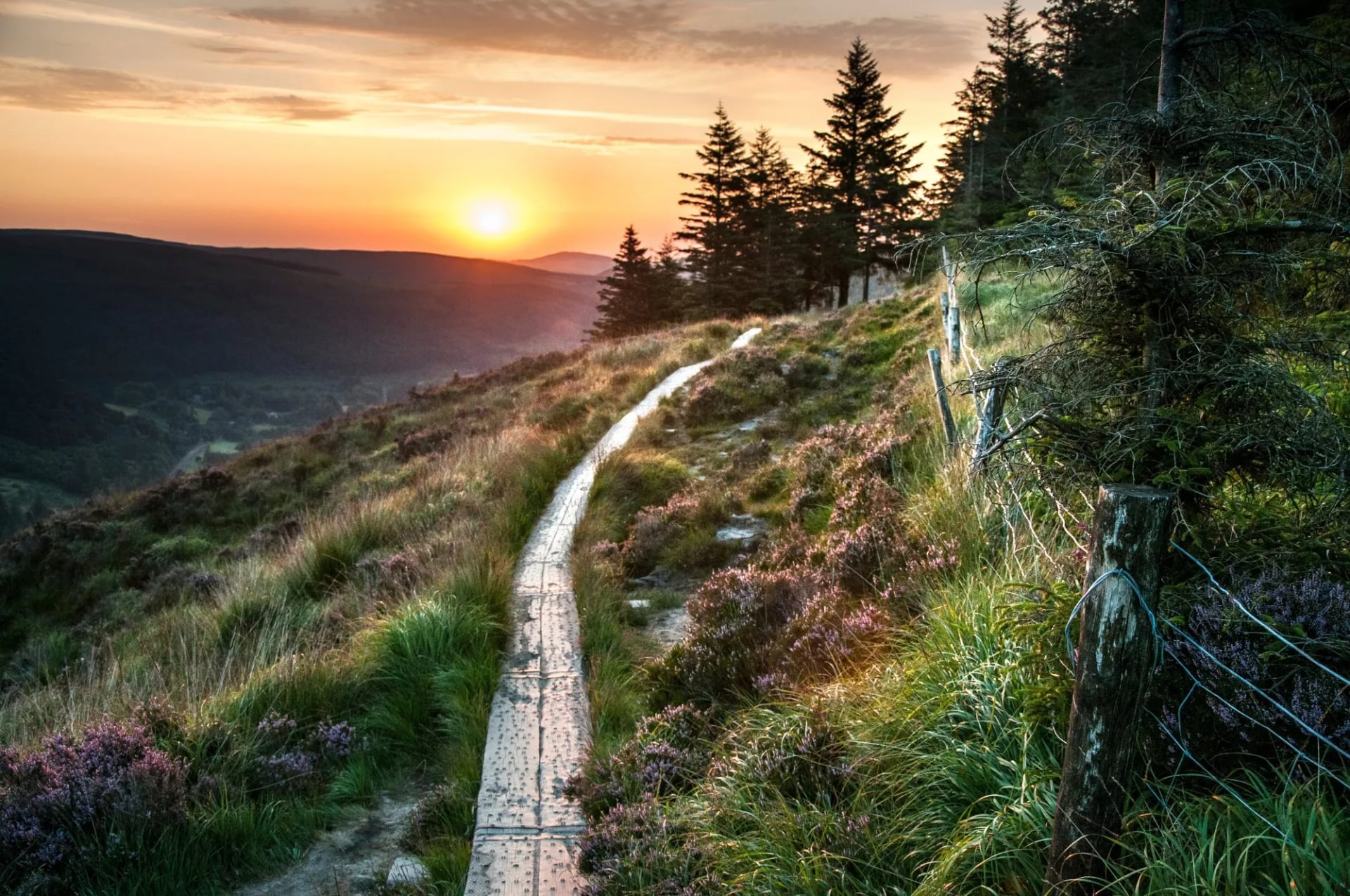
Look for the yellow walking man on a black post. Between markers the surface changes constantly: forestry track, boardwalk over blanket bog, then a boreen walled in on both sides.
There are no mountain huts in Ireland and you do not need them. Stages are built to finish in a village with a bed and a kitchen, so nights are spent in family-run B&Bs rather than dormitories, and bags move ahead by road.
The pub is usually the only shop, the dining room and the evening’s entertainment at once. Doolin has trad sessions most nights of the week, which is the reason that stage ends where it does.
Nothing here is technical, and that is exactly how people get caught out. Atlantic weather arrives without warning, mist sits on the Reeks for days, and a cloudy summit on Brandon or Djouce means navigating on compass across featureless ground.
Underfoot, blanket bog swallows a boot after rain, and rain is never far away. Midges bite from June, and ticks are present in the bracken and long grass all season.