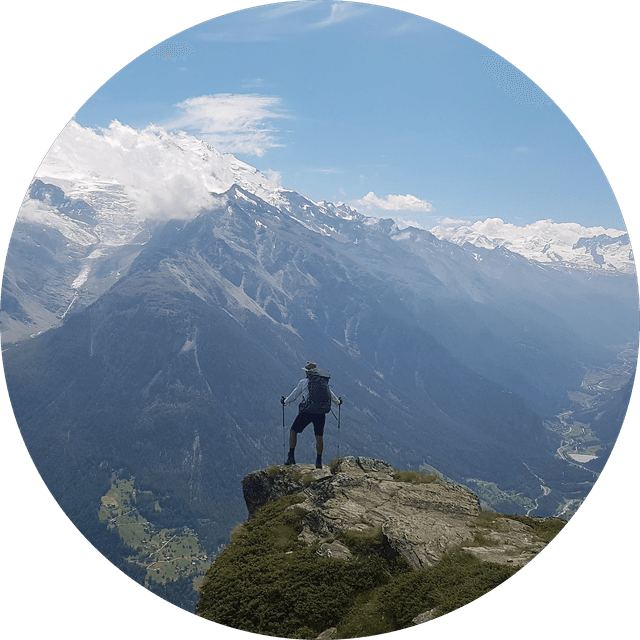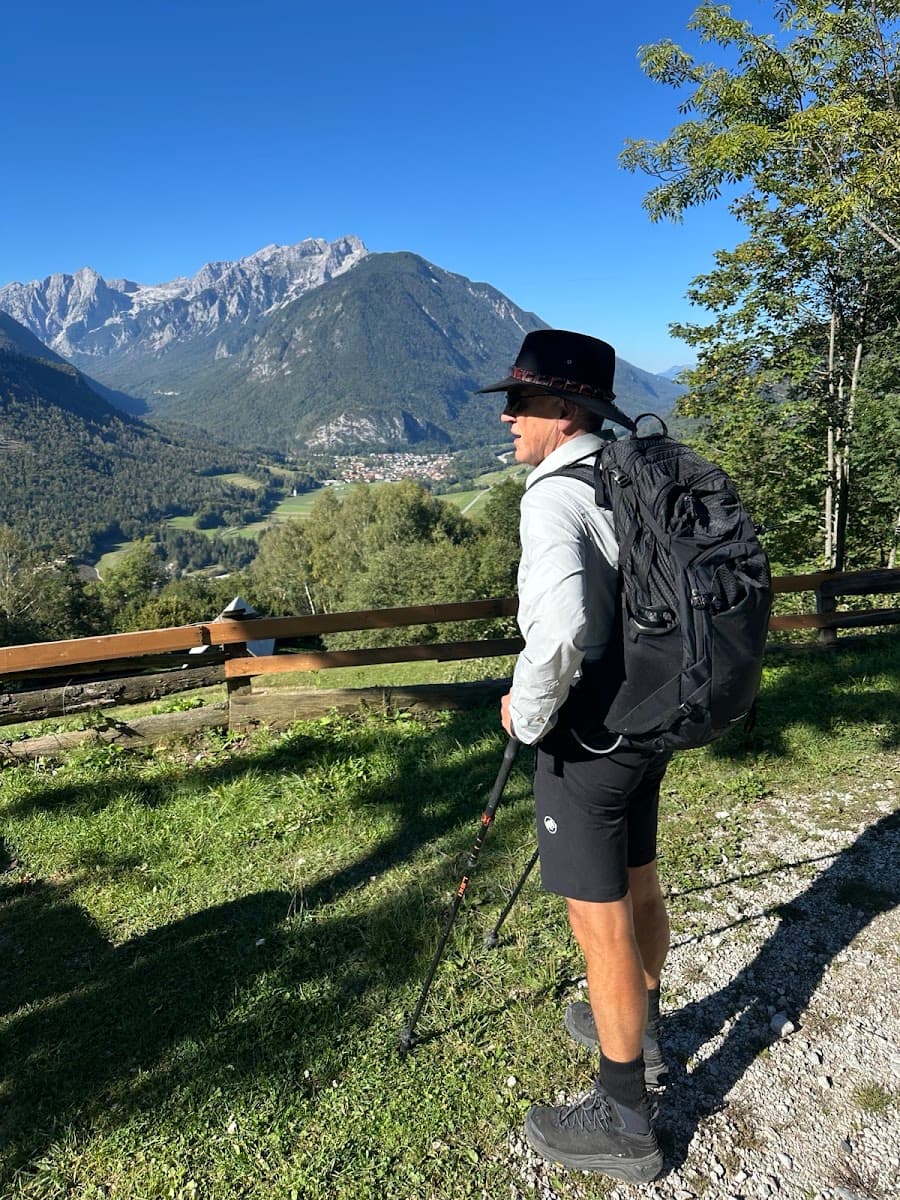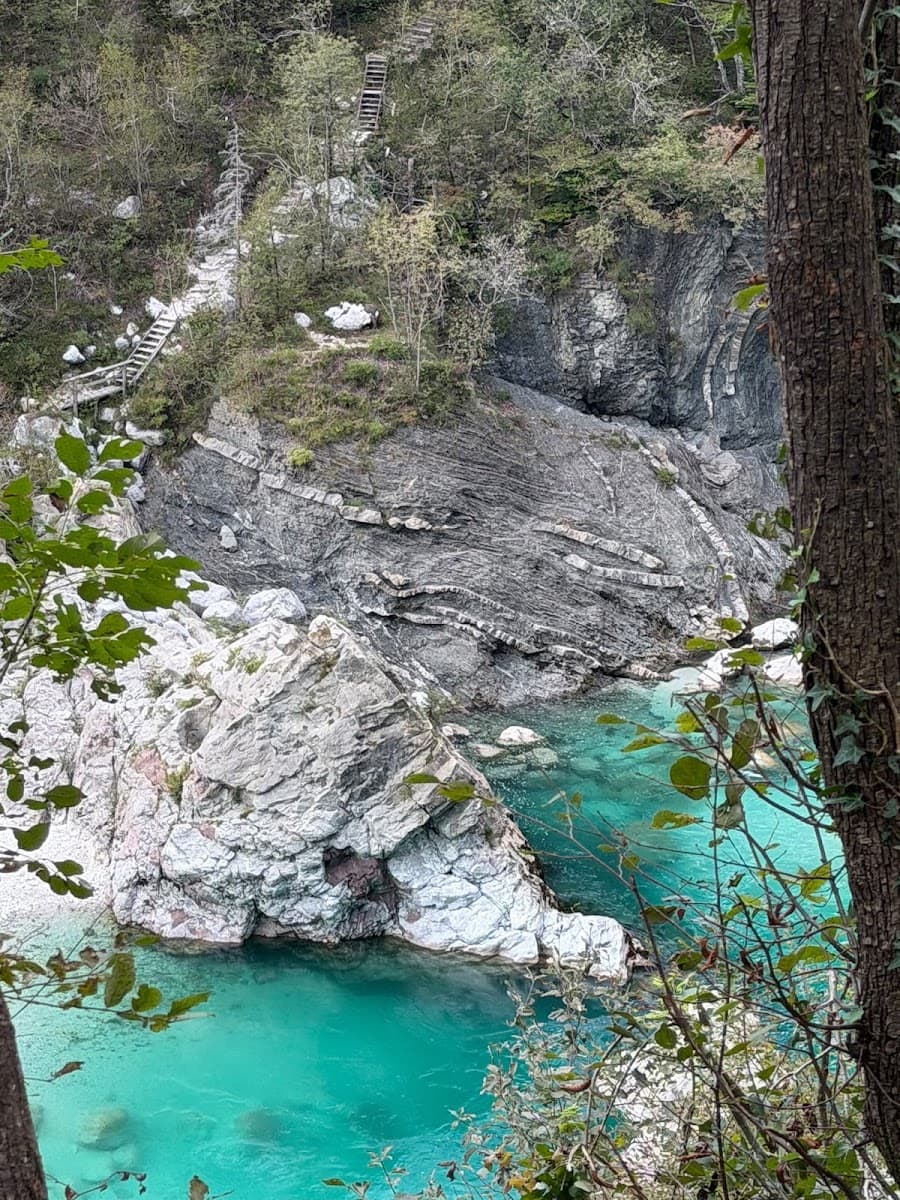
Hike New Zealand's South Island with your nights in lodges, from the bays of the Marlborough Sounds to Abel Tasman's beaches and Fiordland's south coast.
Highlights
- Your bags carried by boat between the Queen Charlotte Track's lodges
- Golden beaches on the Abel Tasman, one of New Zealand's Great Walks
- A night in a lodge on the Hump Ridge, high above Te Waewae Bay
- A glass of Marlborough Sauvignon Blanc at the end of a day on foot
New Zealand Hiking Tours
Hike New Zealand's South Island with your nights in lodges, from the bays of the Marlborough Sounds to Abel Tasman's beaches and Fiordland's south coast.
Highlights
- Your bags carried by boat between the Queen Charlotte Track's lodges
- Golden beaches on the Abel Tasman, one of New Zealand's Great Walks
- A night in a lodge on the Hump Ridge, high above Te Waewae Bay
- A glass of Marlborough Sauvignon Blanc at the end of a day on foot
Why Visit New Zealand on a Hiking Tour?
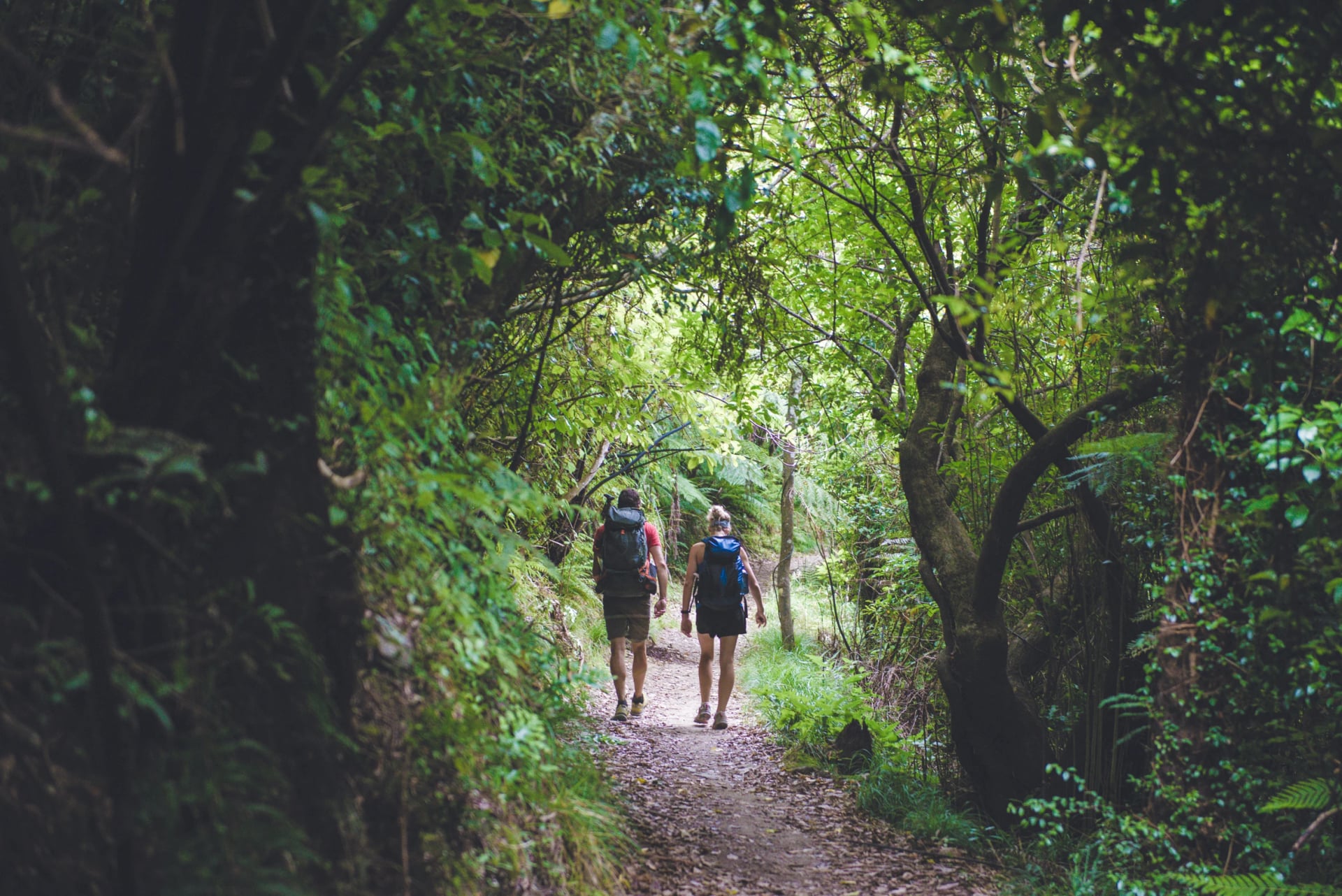
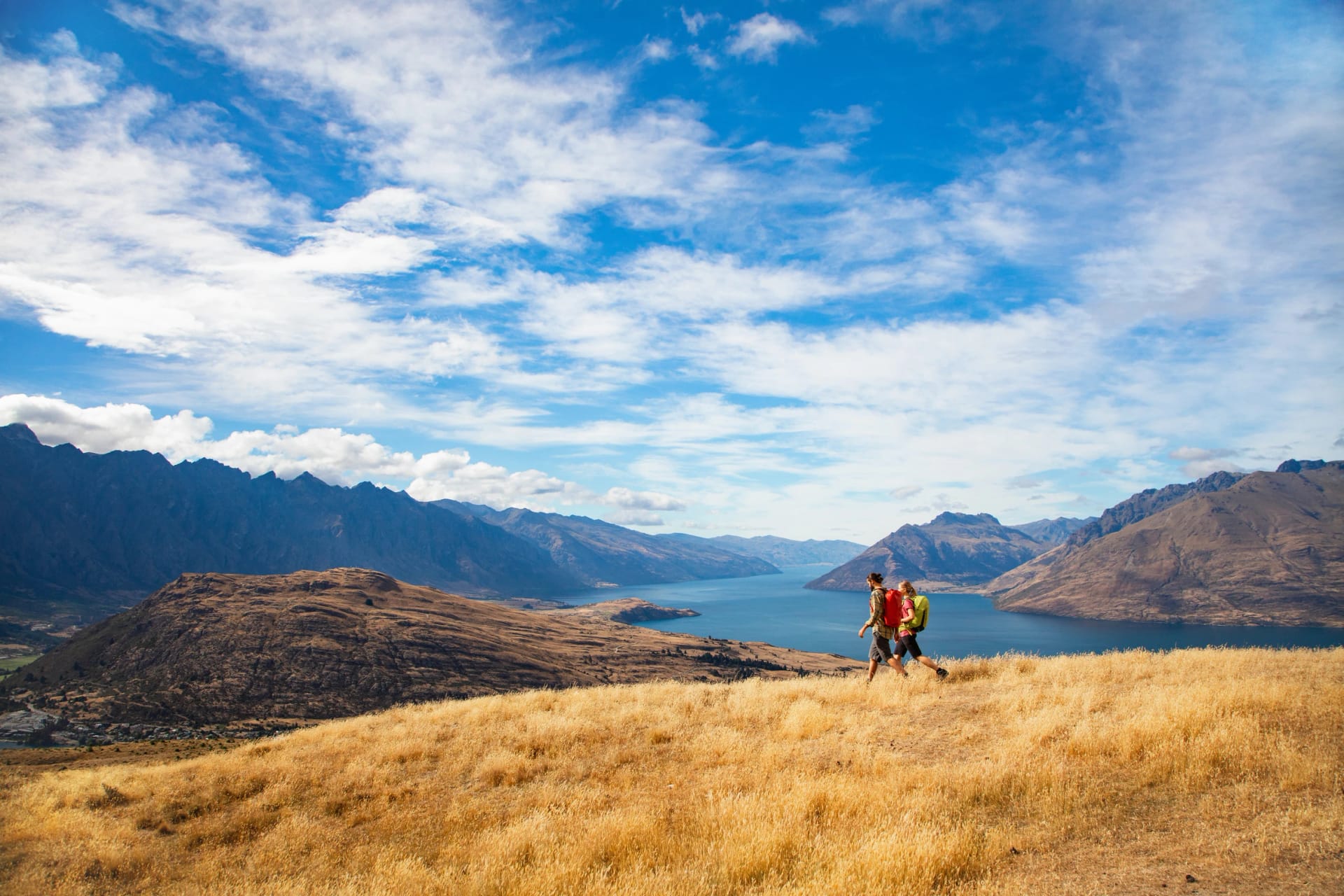
New Zealand's South Island is made for walking several days in a row. Its tracks are well formed and signposted. Long stretches have no road at all, so boats and shuttles do the work that cars do elsewhere.
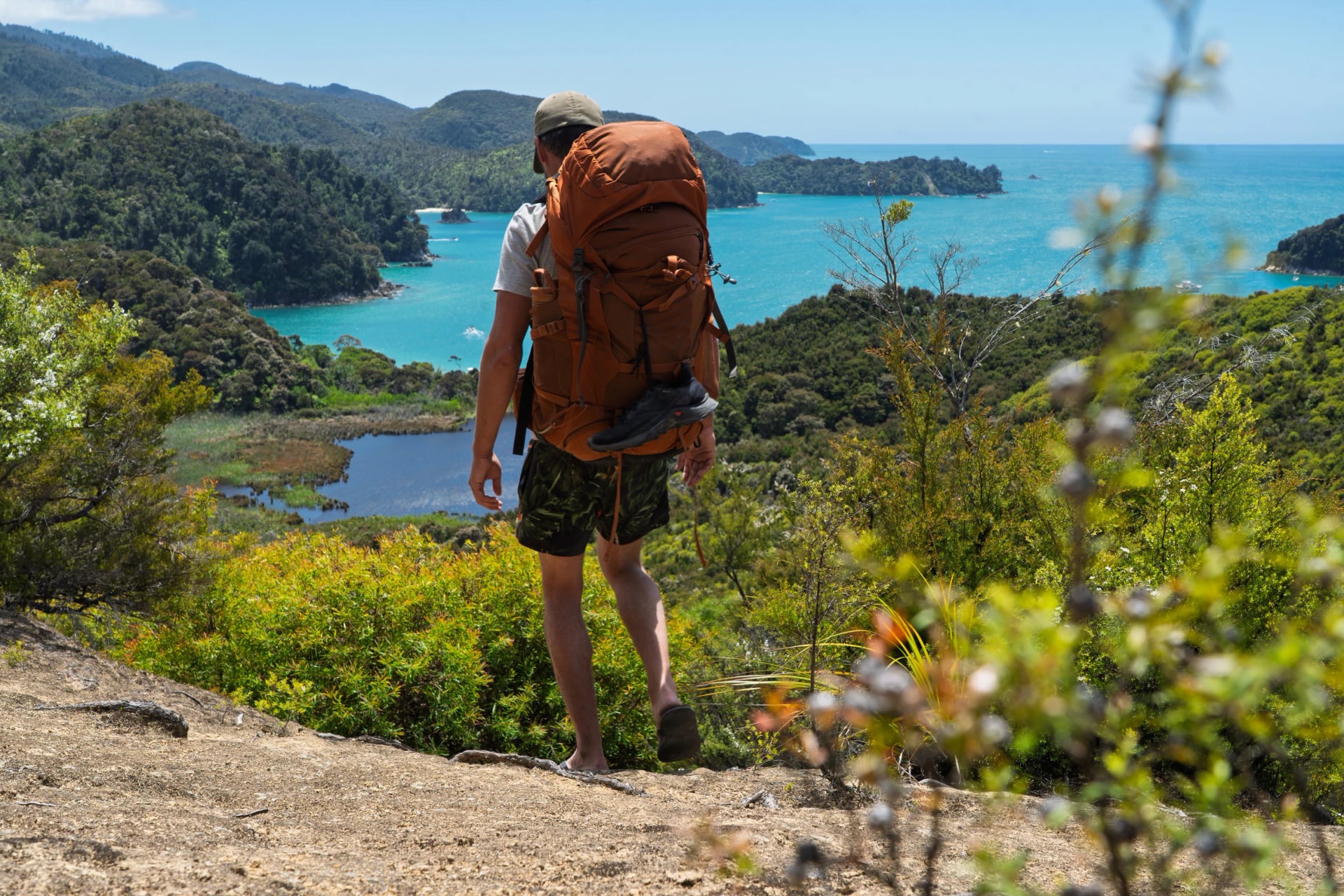
The Queen Charlotte Track runs 73.5 km along the ridges and bays of the Marlborough Sounds, from Ship Cove to Anakiwa. A boat moves your bags between the lodges, so you walk with a daypack and sit down to dinner by the water.
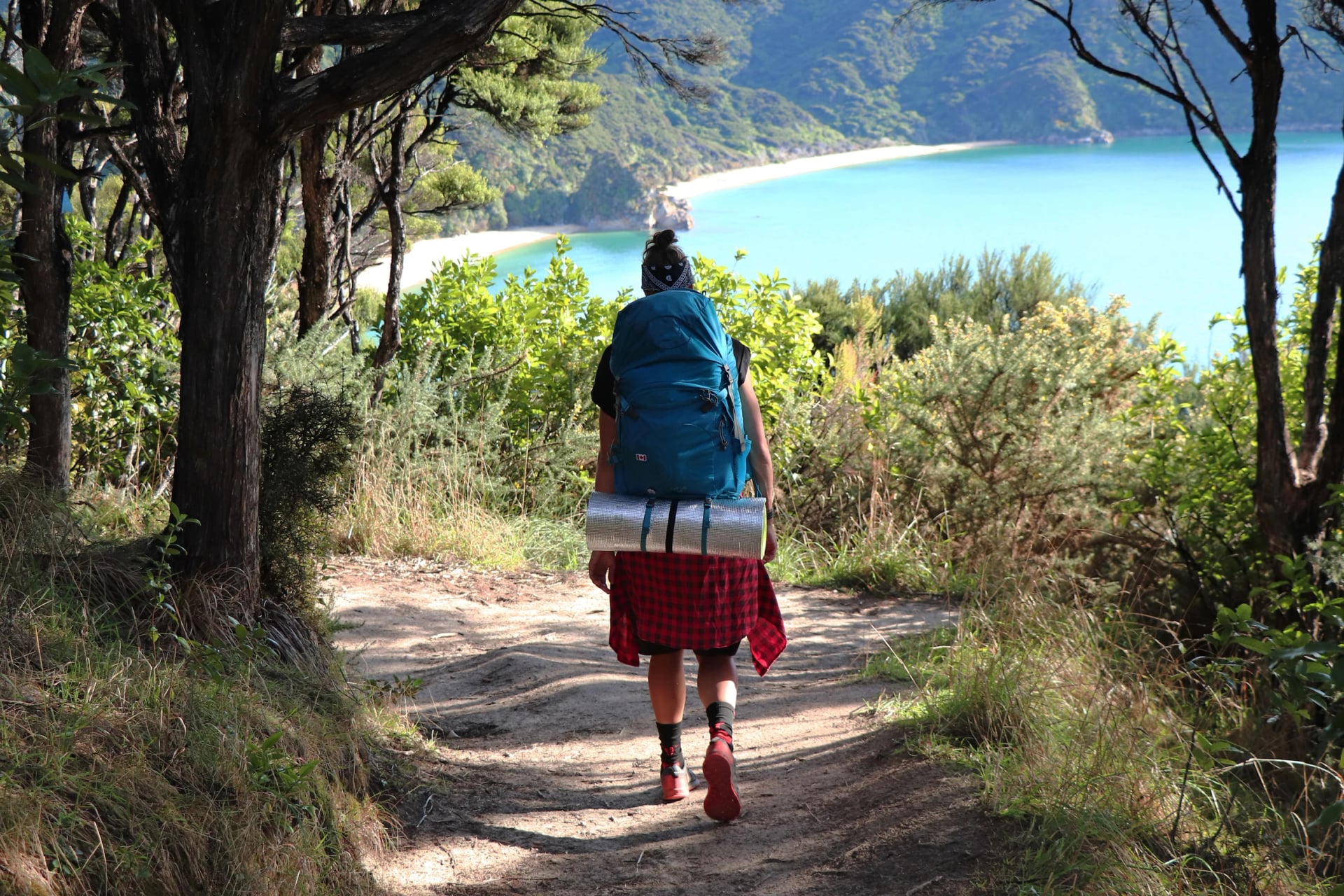
Further west, the Abel Tasman Coast Track is one of the country's Great Walks: 60 km of golden beaches and coastal forest. One inlet is only safe to cross around low tide, so the tide table sets the start time on that day.
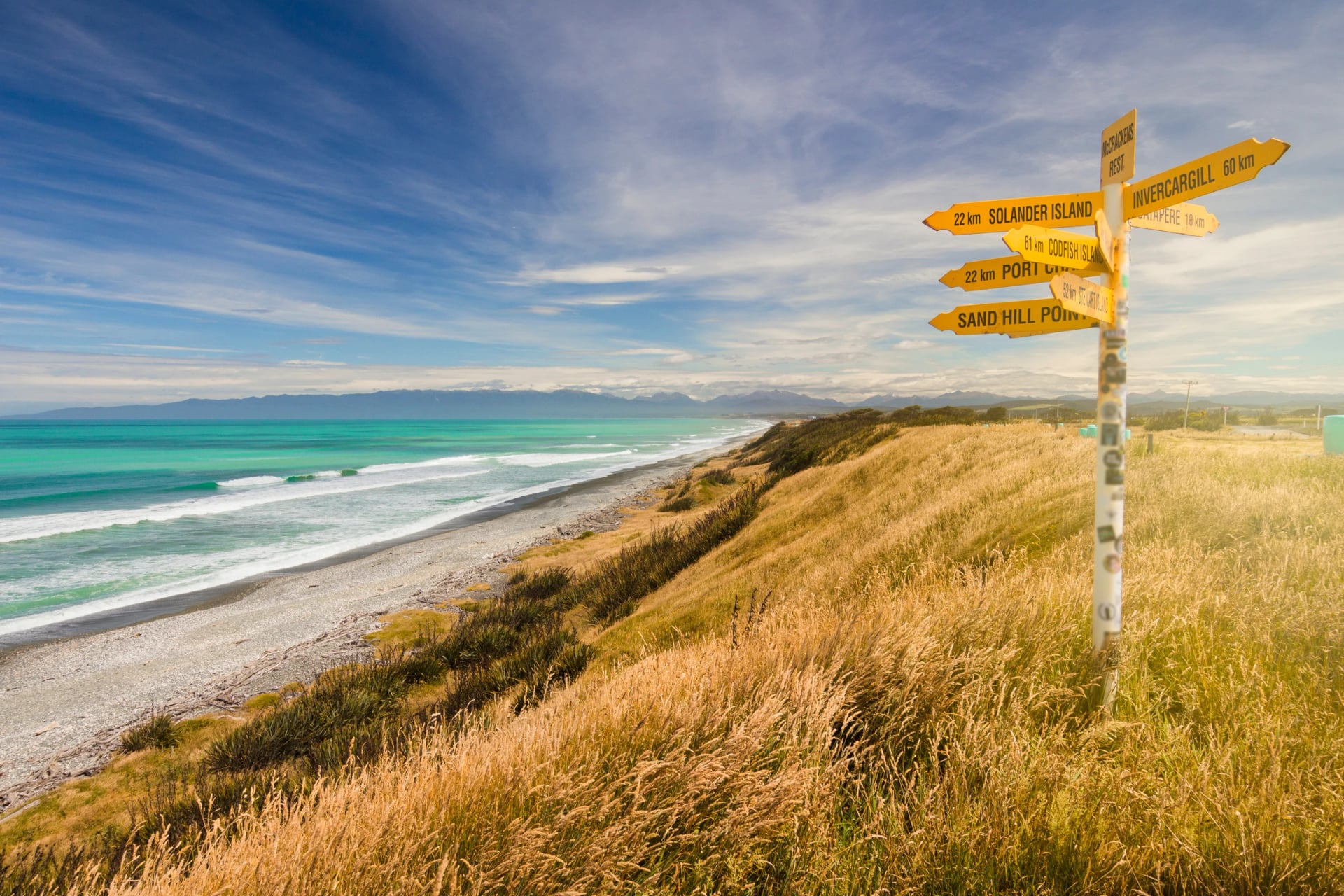
In the far south, the Hump Ridge Track is a 61 km loop over three days on the edge of Fiordland. It climbs from Te Waewae Bay to a lodge on the tops, then comes back down through coastal forest to the shore.
Want both northern coasts? The Abel Tasman and Queen Charlotte walk joins them in one trip, with a road transfer through Nelson in between.
Most hikers on the Great Walks sleep in Department of Conservation huts. You get a mattress in a bunk room, but you carry your own sleeping bag and food. Overseas visitors also pay a higher rate. Our tours use lodges instead, so you need no hut booking.
The walking season lasts from late October to April, the southern summer. February fills first. Tell us your dates and our hiking experts will suggest the right track.
About Hiking in New Zealand
New Zealand pairs wild country with easy logistics. Its main tracks are well built and clearly marked, and water taxis and shuttles reach most trailheads.
You can spend the day in beech forest or on an empty beach, then end it with a hot shower and a cooked meal. On the South Island, the walking starts about an hour's drive from airports like Nelson and Blenheim.
Three South Island tracks carry our walks:
Queen Charlotte Track: 73.5 km of ridges and bays in the Marlborough Sounds
Abel Tasman Coast Track: 60 km of beaches and coastal forest, a Great Walk
Hump Ridge Track: a 61 km loop on Fiordland's south coast, also a Great Walk
Further south lie three more Great Walks: the Milford, Kepler and Routeburn tracks.
Expect 3 main seasons:
Late October to April is the walking season, when the lodges, boats and shuttles run.
December to February is the busiest stretch. February goes first: lodges on the coast can be full for it by the previous May.
March and April are quieter, with cooler nights. The Hump Ridge closes for winter in mid-April.
On the Great Walks, the Department of Conservation runs the huts. They have bunk rooms with mattresses and heating, but you carry your own sleeping bag and food, and in summer the bunks can sell out months ahead.
Our walks use lodges. On the Queen Charlotte and the Abel Tasman you get a private bathroom. On the Hump Ridge you sleep in the Trust's lodges at Ōkaka and Port Craig, in a shared bunk room or, for an extra charge, a private room.
Most long-haul flights land in Auckland or Christchurch. From there:
Abel Tasman: fly to Nelson, an hour's drive from Mārahau
Queen Charlotte: Picton is 3.5 hours by ferry from Wellington, or a short drive from Blenheim airport
Hump Ridge: fly to Queenstown or Invercargill, then ride the Trust's van to Tuatapere
Flying from Australia? You can land straight in Queenstown.
For the details of each trailhead, see Hiking Tours New Zealand page.
New Zealand protects its farms and forests from imported pests, and hiking gear gets a close look at the border.
List used boots, poles and other outdoor gear on the NZ Traveller Declaration, and scrub every trace of soil off before you pack. Undeclared gear can cost NZD 400 on the spot, even by mistake.
Frequently Asked Questions



Plan with a hiking expert
Free advice from a team that knows these routes inside out - real people, not a bot

HANDPICKED ADVENTURES
Only the best adventures across the world, cherry-picked by our team with an in-depth knowledge of the regions.

VALUE YOUR TIME
With everything on your plate, let us handle the vacation planning, so your valuable time stays exactly where you need it.

SELF-GUIDED TRAVEL
Explore independently and with confidence while we keep everything running from behind the scenes.

TRUSTED BY MANY
Since 2014, we have taken care of thousands of happy customers, making it our mission to put your satisfaction first.

OUTDOOR SPECIALISTS
We are a team of outdoor specialists equipped with the knowledge and insight to bring you the best hiking experiences.