How to Avoid Ticks While Hiking
Ticks exist on hiking trails. Panic is optional. Learn how to avoid ticks while hiking, protect yourself, and keep your outdoor adventures itch-free.

Anja
Published February 3, 2026
Edited March 22, 2026
5 min read
Quick links
Don't want to read all this?
We've planned 2,000+ hiking trips. Send your dates, fitness and group size — we'll map the route and book every night.



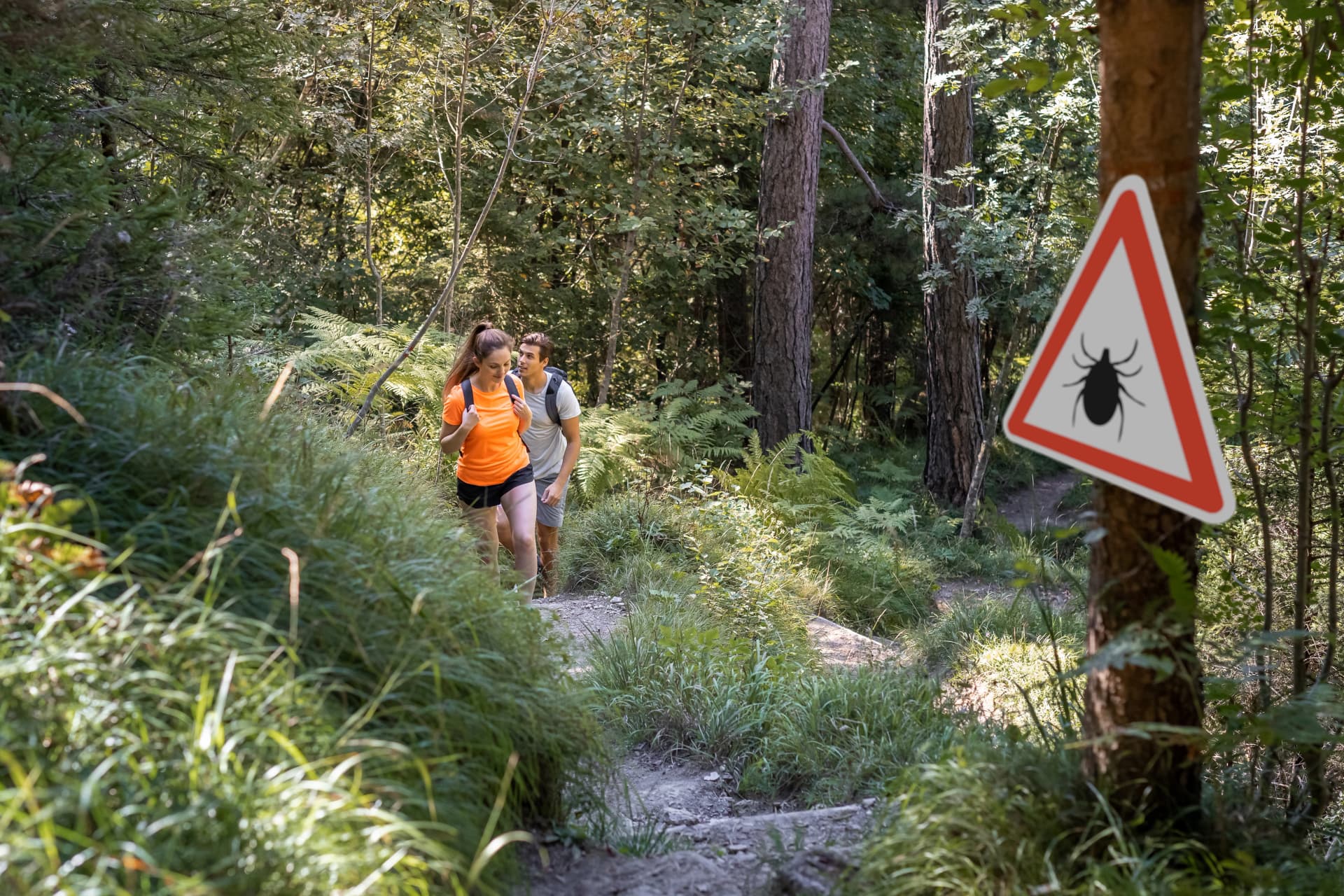
You’ve packed your backpack, laced up your boots, and set off into Europe’s beautiful wilderness. Fresh air, stunning views, peaceful forests… and tiny blood-sucking vampires waiting in the grass.
Yep. We’re talking about ticks.
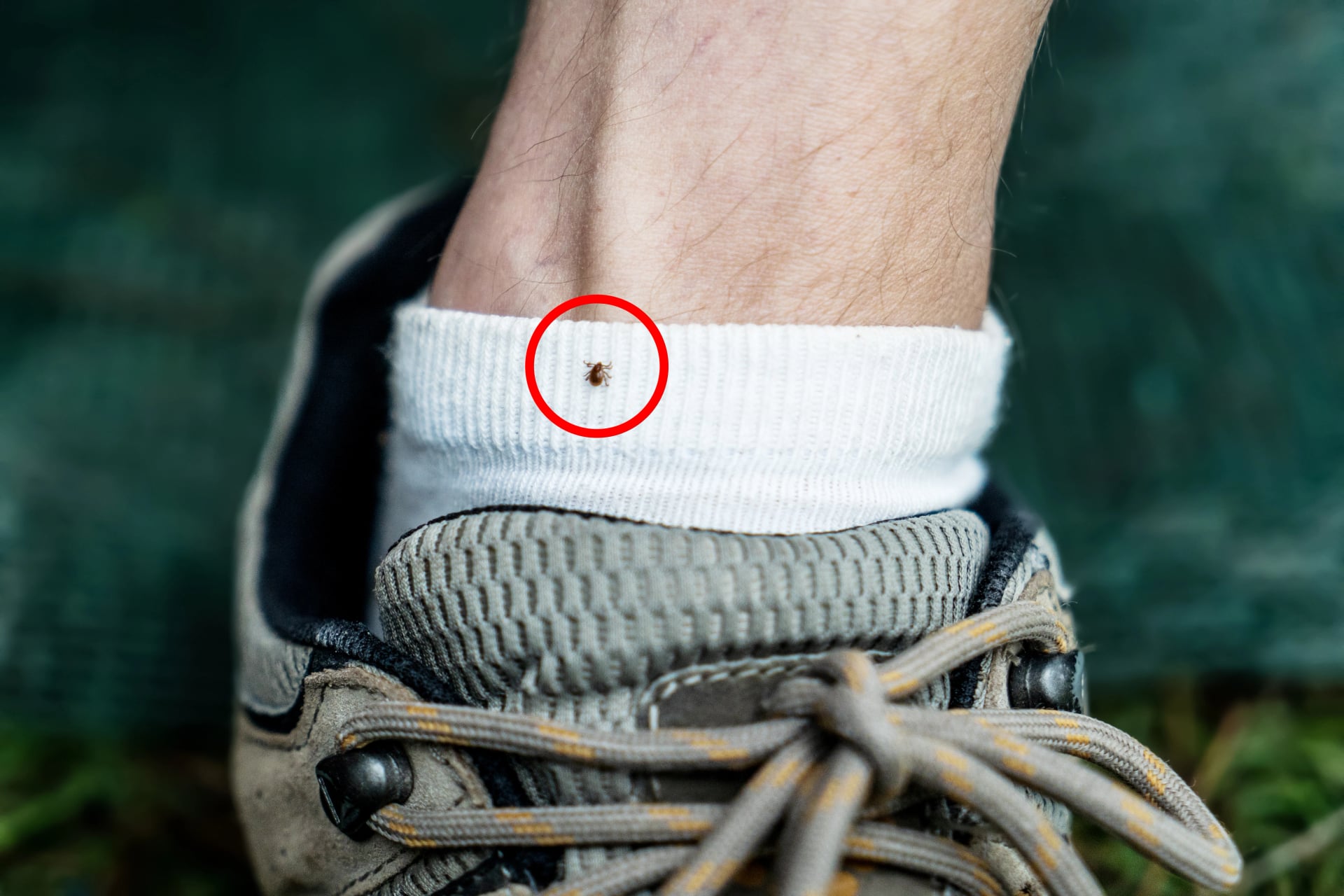
Not exactly the cutest hiking companion, but a very real one. Whether you're wandering through Alpine meadows, Scandinavian forests, or Mediterranean trails, ticks in Europe are a thing – and they’re surprisingly good at hitching a ride.
The good news? You don’t need to cancel your hike or wrap yourself in bubble wrap.
With a few smart habits, you can enjoy nature and avoid becoming a tick buffet.
What Are Ticks (and Why Does Everyone Fear Them)?
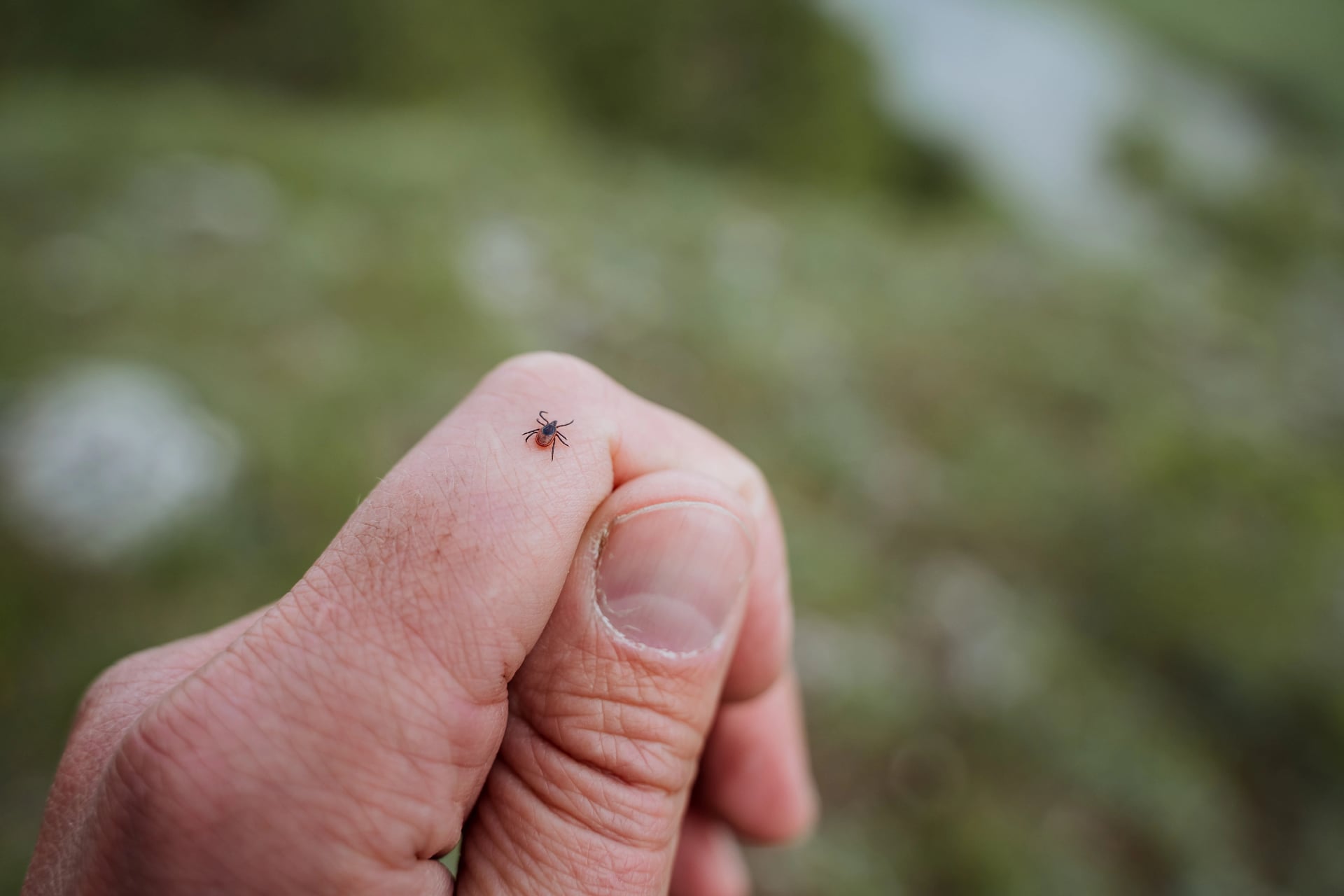
Ticks are tiny spider-like parasites that feed on blood. They don’t jump, they don’t fly – they simply wait in grass and bushes for something warm and tasty (you) to brush past.
The fear comes from what they can carry:
Lyme disease
Tick-borne encephalitis (TBE)
Other less famous but equally annoying infections
Most tick bites are harmless, but the risk is high enough that hiking and ticks are a combo worth taking seriously.
Tick Hotspots in Europe
If you’ve ever wondered, “Are there ticks in Europe?” — the answer is a very itchy yes.
Europe has ticks. Lots of them.
Ticks thrive in places with forests, wildlife, and a bit of humidity, which makes huge parts of Europe perfect for them. C
Common tick hotspots include:
Central Europe – Austria, Germany, Switzerland, Slovenia, Slovakia, Czech Republic
Scandinavia – Sweden, Norway, Finland
The Balkans
Northern Italy
The Baltics
Even parts of the UK
When Are Ticks Most Active?
Ticks may be tiny, but they’re surprisingly organized little creatures. They follow seasons, temperatures and even daily schedules.

In most of Europe, tick season runs from spring to autumn, with peak activity between April and October. As soon as temperatures rise above about 7–8°C (45°F), ticks wake up and start hunting for hosts. Warm, humid weather is their absolute favorite, which makes late spring and early summer their prime time.
That said, they’re not strictly a summer problem. In mild climates, ticks can stay active well into autumn, and during unusually warm winters, they may never fully disappear at all.
On a daily level, ticks are most active during the morning and early evening, when the air is cooler and more humid. Midday heat dries them out, so they tend to hide and wait.
How to Avoid Ticks When Hiking
Let’s get into the good stuff: how to prevent ticks while hiking without ruining your outdoor vibe.
1. Dress Like a Stylish Explorer
Clothing is your first line of defense.
Ticks love easy access. Don’t give it to them.
Best clothing strategy:
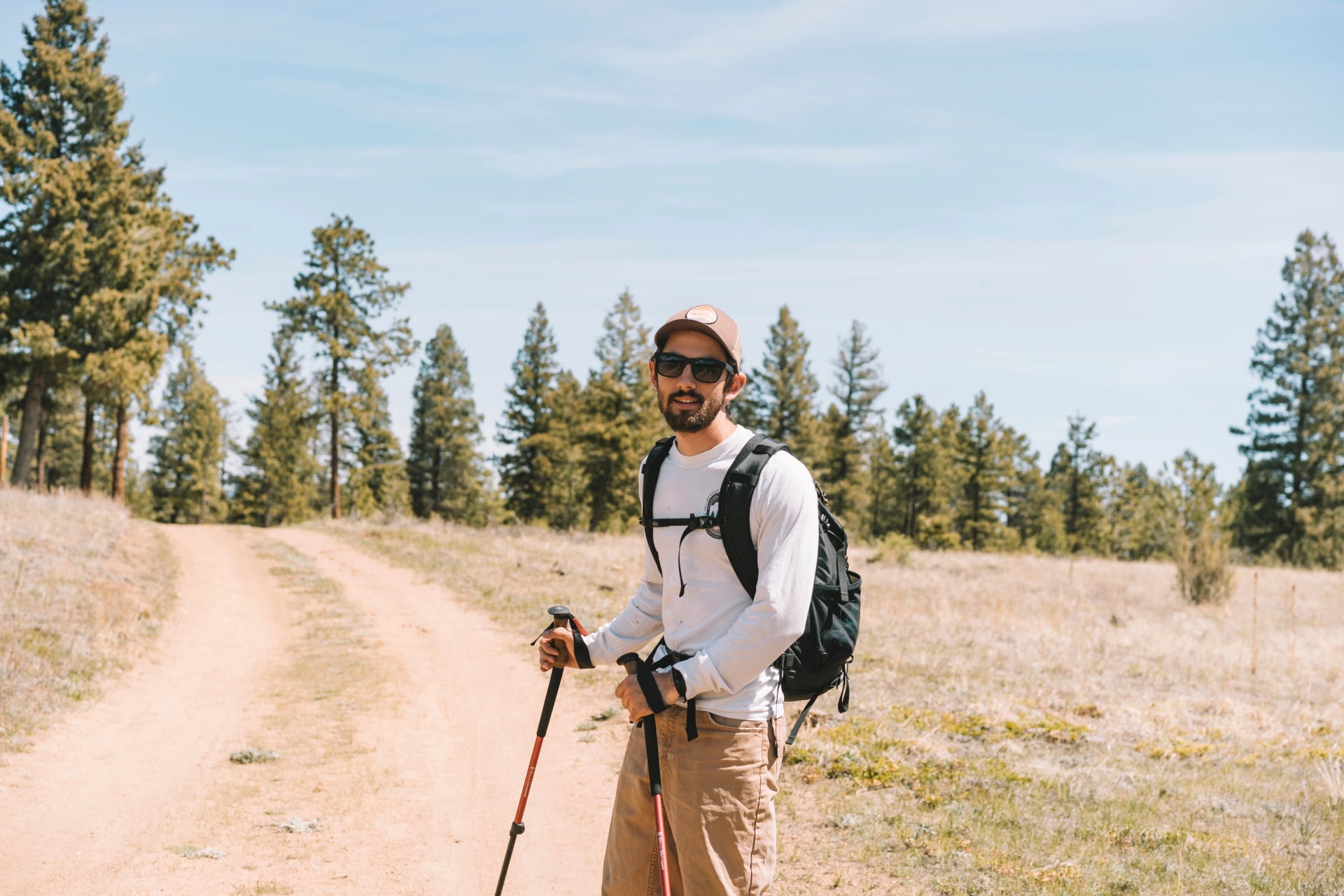
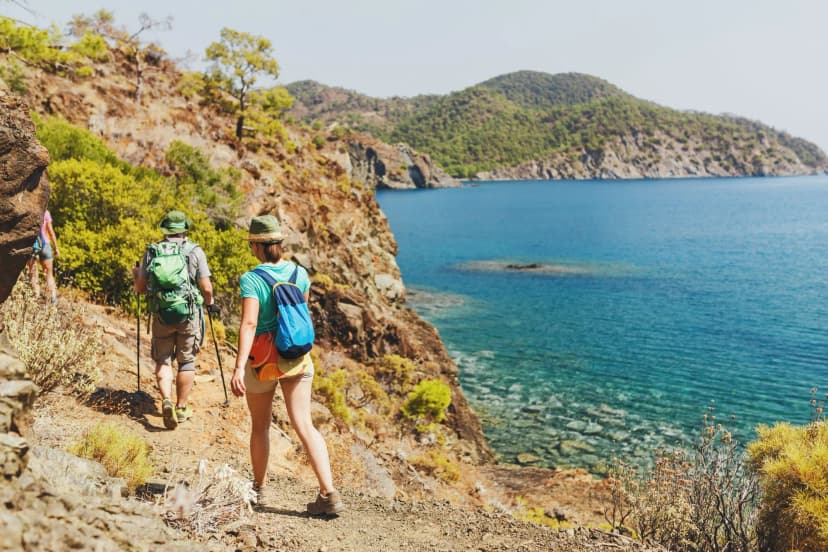
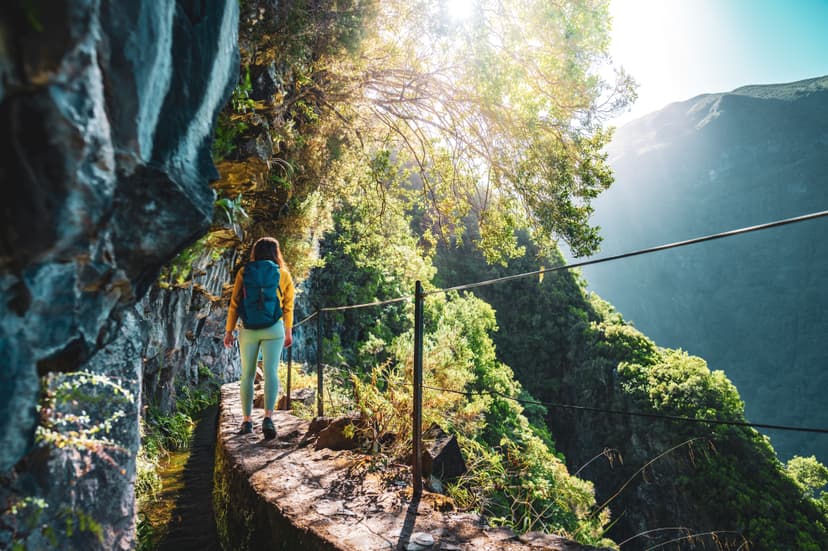
Long sleeves and long pants
Light-colored clothes (easier to spot ticks)
Tuck pants into socks (yes, it looks silly, but it works)
Closed shoes instead of sandals
All this (especially tucking pants into socks) may not win any fashion awards, but it’s surprisingly effective.
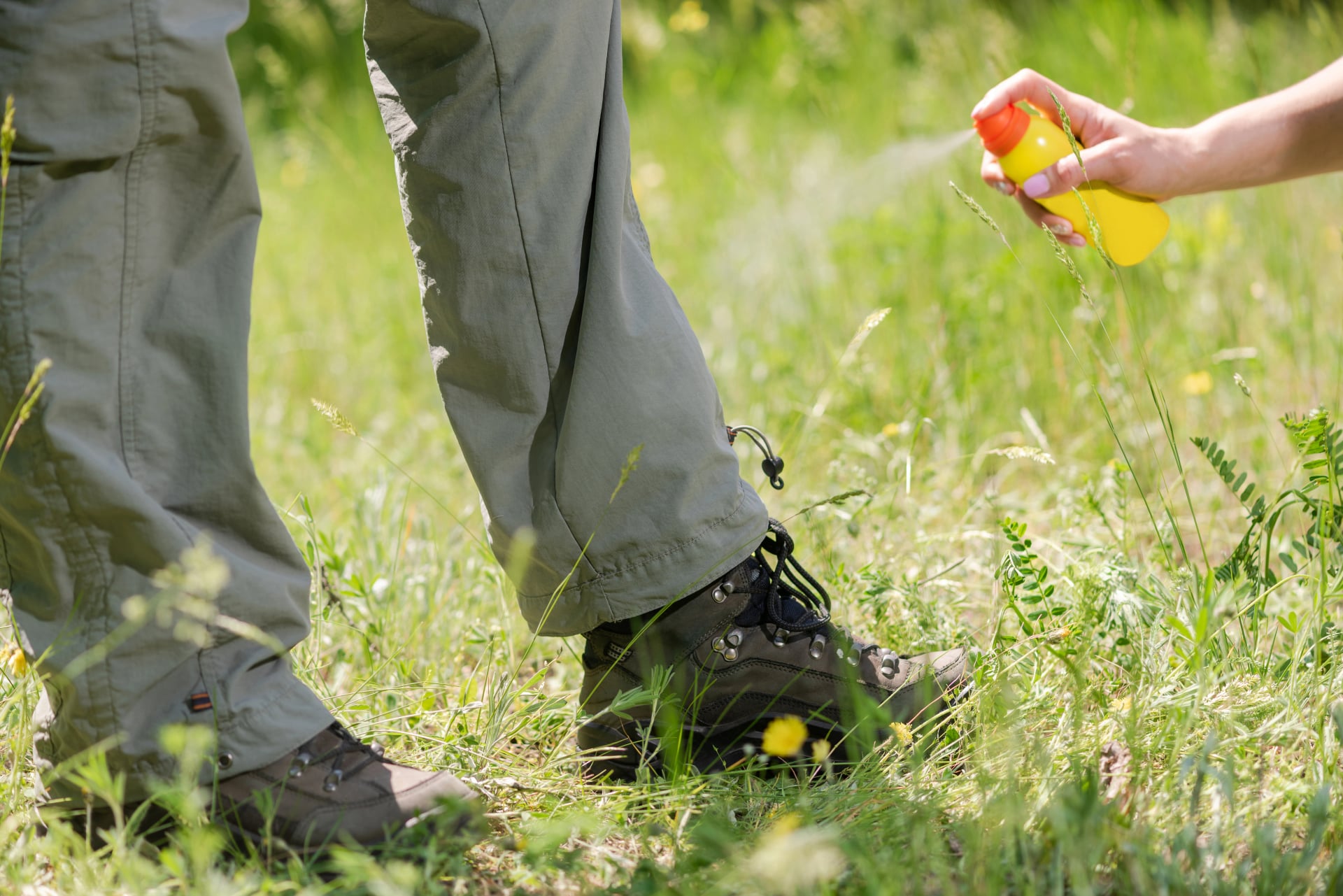
2. Use Tick Repellent for Hikers
A good tick repellent is essential to prevent ticks while hiking - it’s basically your invisible shield.
Products containing DEET or picaridin work best, but even natural options, like lemon eucalyptus, help.
Focus on ankles, calves, waistlines, and wrists — the classic tick entry points.
Basicall,y anywhere ticks might try to sneak in.
3. Stay Out of Long Grass
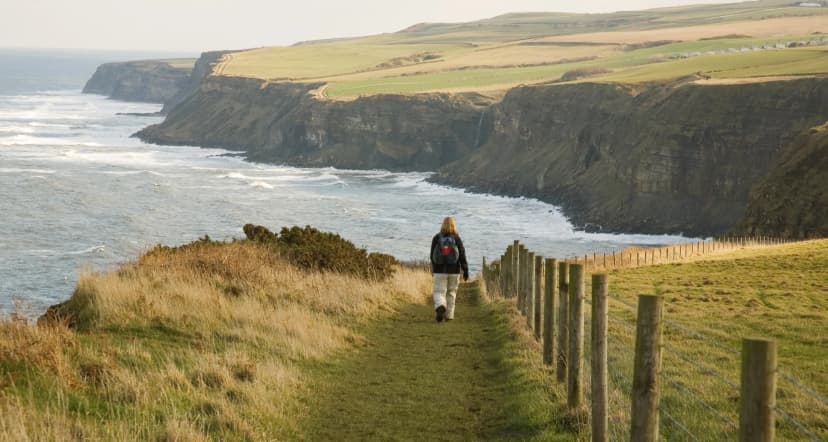
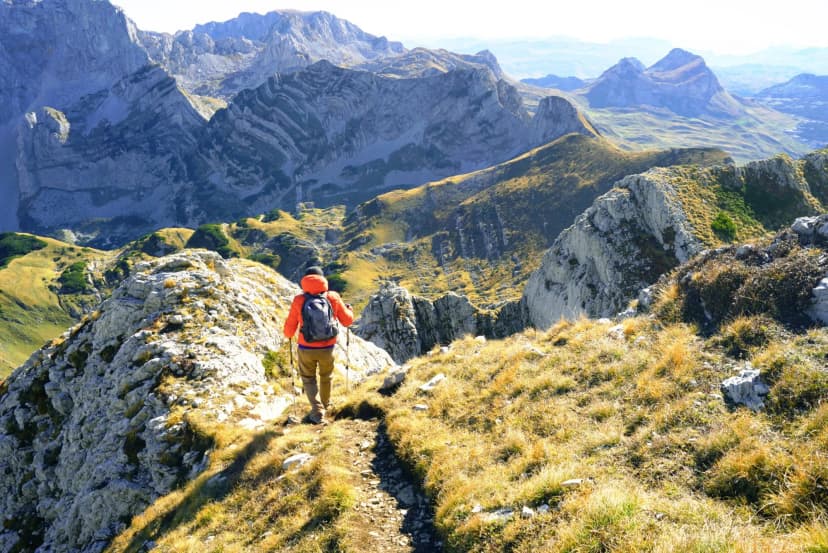
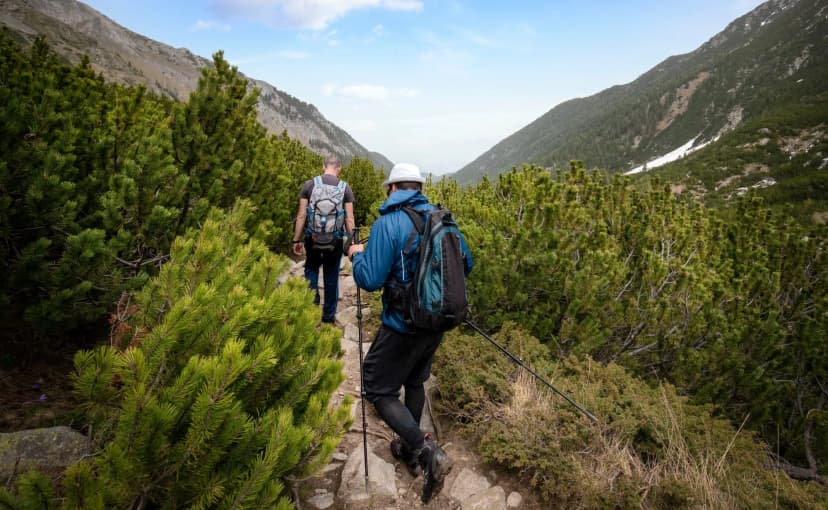
And finally, stick to the trail. Ticks love tall grass, bushes and forest edges. They’re far less common in the middle of well-used paths.
The more you avoid brushing against vegetation, the lower your chances of bringing home a tiny souvenir.

Tick Checks: Your New Post-Hike Ritual
The most underrated but most important hiking habit: checking for ticks at the end of each trail.
Do a full-body scan:
behind knees
around waist
armpits
neck and hairline
behind ears
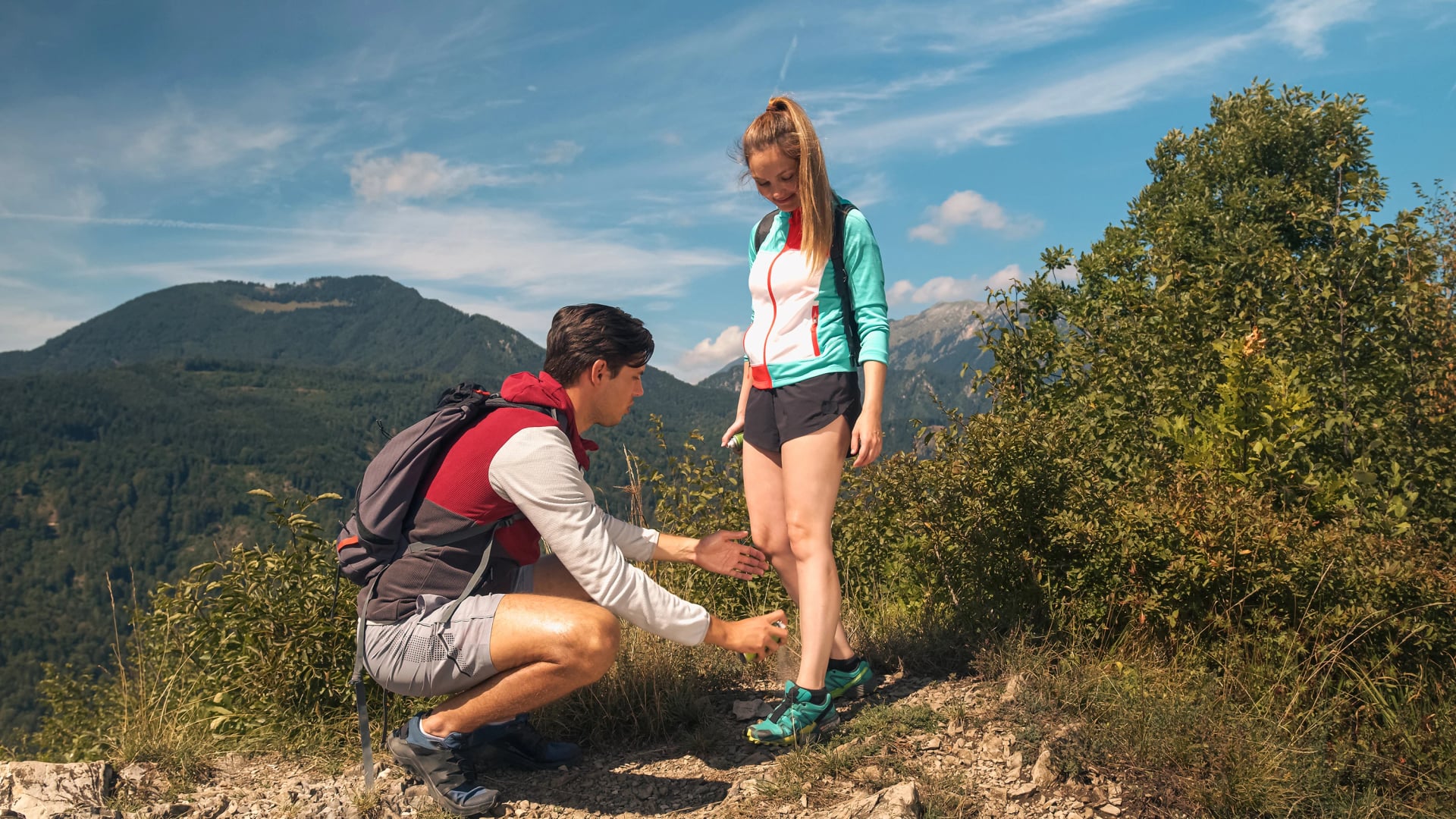
Ticks often wander for hours before biting. Catching them early = no problem at all.
Pro tip: Showering after a hike helps wash off ticks that haven’t attached yet.
Tick crawling on finger. The concept of danger of tick bite.
How to Remove a Tick (Without Panicking)
Found one? First rule: don’t burn it, drown it, or smother it in oil.
How to do it:
Use fine tweezers
grab the tick as close to the skin as possible
pull straight out, slow and steady
disinfect the area
After Symptoms or When to Pay Attention
Most bites are harmless. But keep an eye out for:
red expanding rash (bullseye shape)
flu-like symptoms
fever or fatigue
joint pain
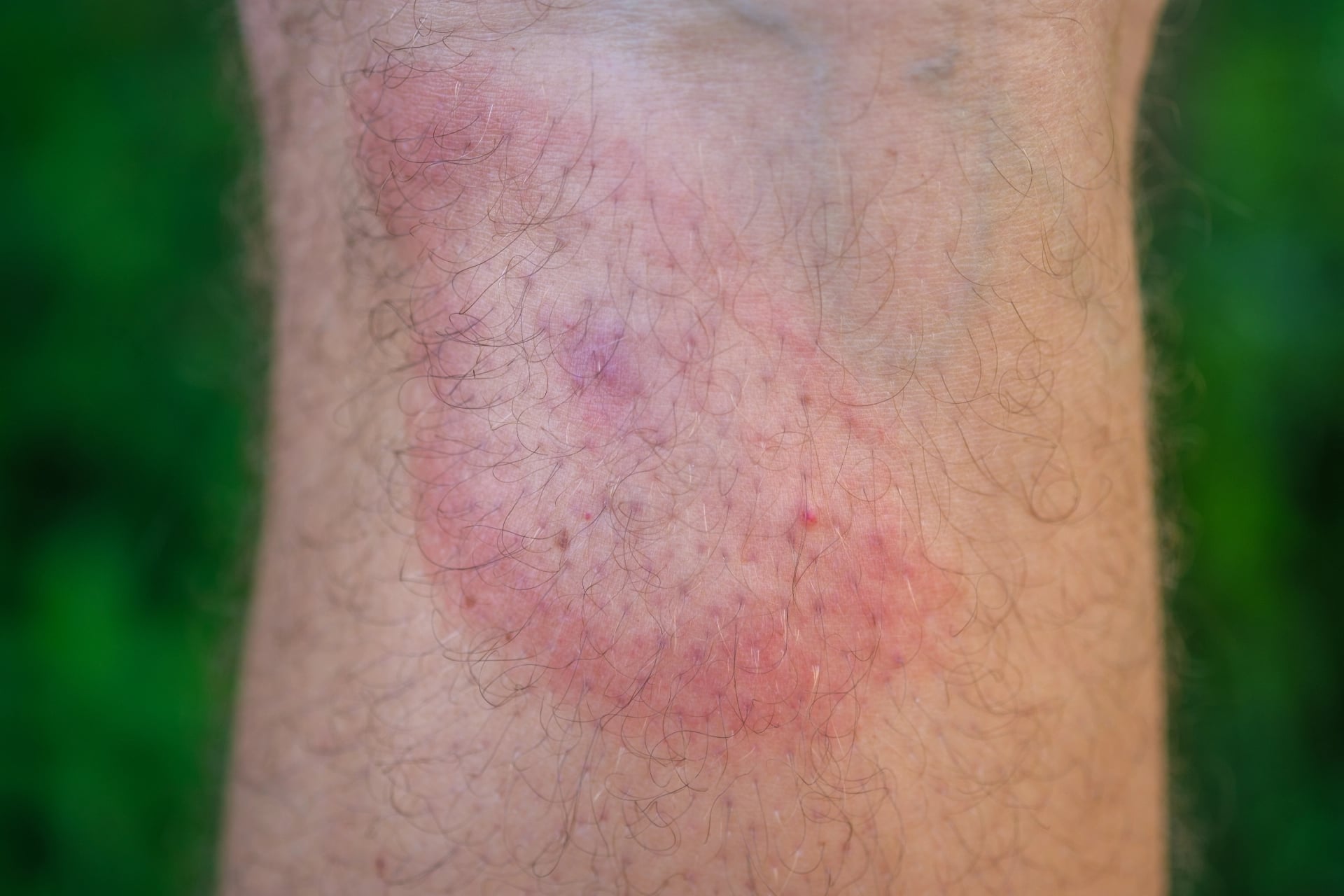
If anything feels off in the weeks after a bite, see a doctor and mention the tick.
Early treatment is simple and highly effective, and it’s always better to be safe than sorry.
Final Thoughts: Don’t Fear the Forest
Ticks exist. They always have, and probably always will. But they’re not a reason to avoid hiking — just a reason to hike smarter.
With:
smart clothing
good repellent
staying on trails
regular tick checks
…you reduce your risk to almost nothing.
So go explore those mountains, forests, and scenic paths.
Just remember: nature is beautiful – and occasionally a little bitey. 🐜

About this author
Anja is our lead travel advisor and a lifelong hiker who has planned countless adventures across Europe. She prefers sunsets to sunrises — unless coffee is involved — and, ever since her first rock-climbing course, joins friends on climbing trips whenever she can.








.jpg&w=828&q=75)

































.jpg&w=828&q=75)