How to Survive Midges on a Hike
Midges ruining your hike? Learn when they swarm, where they hide, and how to outsmart them — so you can enjoy Europe's best trails bite-free.

Anja
Published February 25, 2026
Edited March 17, 2026
7 min read
Quick links
Don't want to read all this?
We've planned 2,000+ hiking trips. Send your dates, fitness and group size — we'll map the route and book every night.



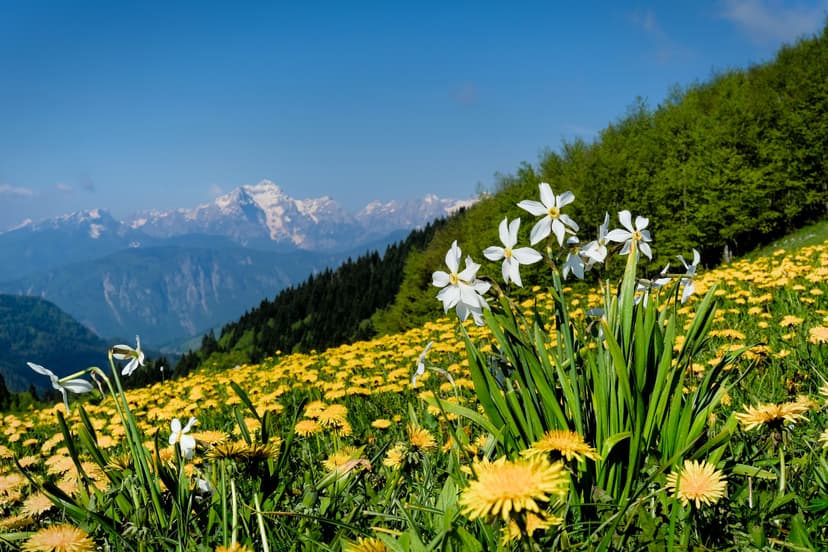
Picture this. You've trained for weeks, laced up your best hiking boots, and finally arrived at that jaw-dropping mountain trail you've been daydreaming about since January. The views are stunning. The air is crisp. The wildflowers are doing their thing.
And then — out of absolutely nowhere — a swirling little bugs descend upon your face like a living, breathing punishment for daring to enjoy nature.
Congratulations. You've just met the midges.
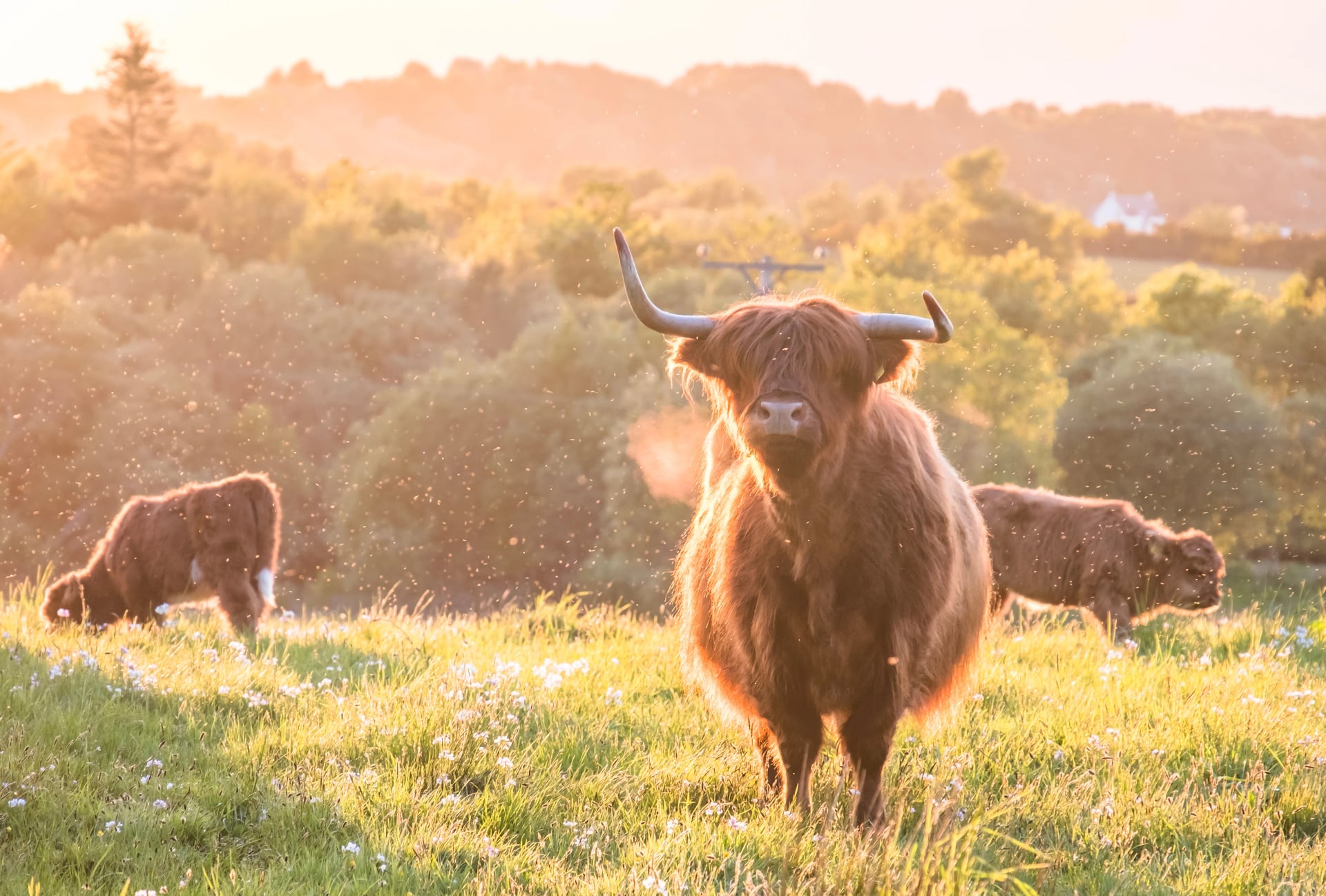
If you've ever hiked in Scotland, Scandinavia, or the lake-studded corners of Central Europe, you know the feeling.
The good news? Midges are predictable little creatures, and with a bit of know-how, you can outsmart them — all while still loving the hike.
But before we talk the plan, let’s talk the enemy.
What Are Midges?
Midges are tiny flying insects, usually so small you barely see them — which makes it even more offensive that they can ruin your entire mood in under 30 seconds.
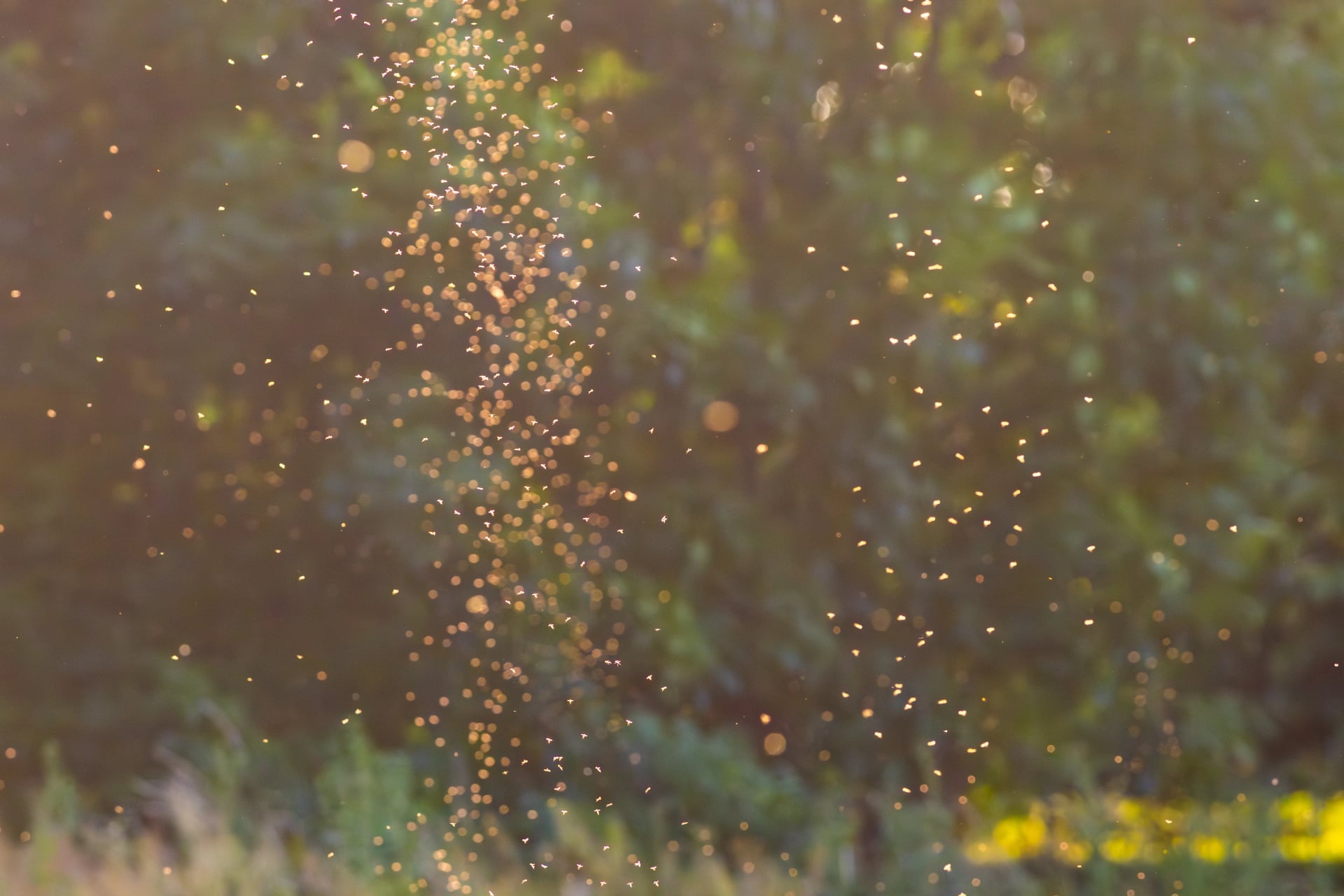
They’re not mosquitoes, although they behave like they went to the same villain school. The biting ones feed on blood, travel in swarms, and specialize in attacking exactly the parts of your body you forgot to protect.
You won’t hear them coming. There’s no dramatic buzzing. Just sudden itching and the slow realization that you are no longer alone.
They’re sometimes called no-see-ums, which feels less like a nickname and more like a threat.
Midge Hotspots in Europe
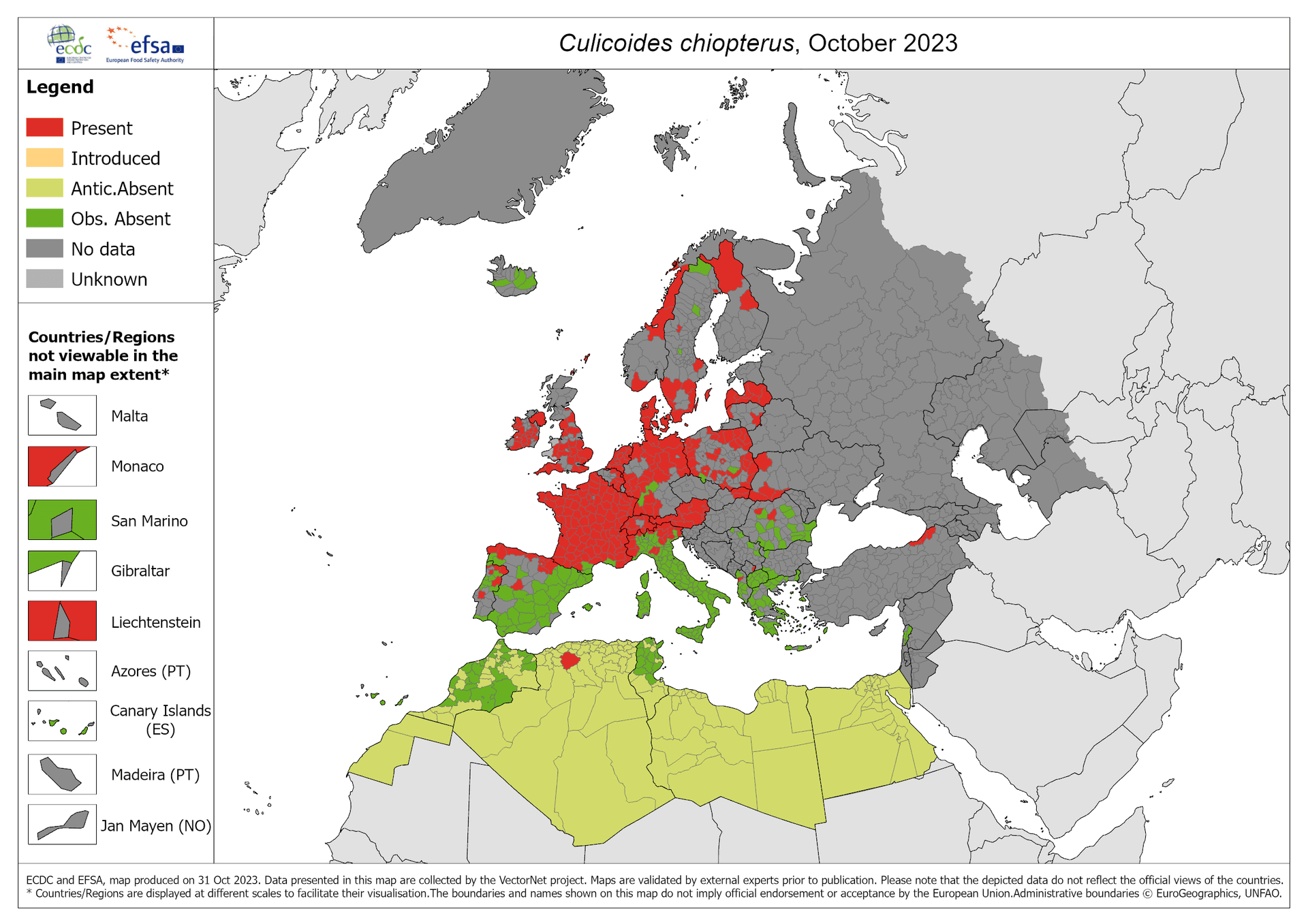
Not all hiking destinations are created equal when it comes to midges. Knowing where they thrive helps you plan smarter — or at least mentally prepare.
Scotland
The most legendary midge destination on the planet.
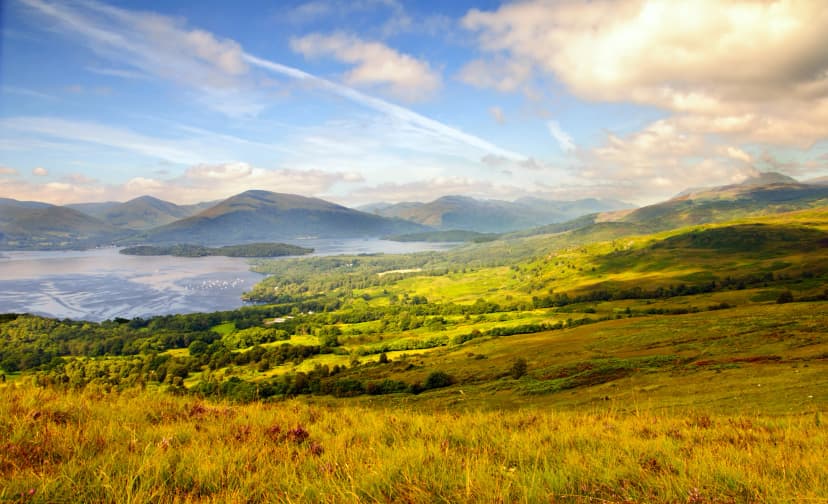
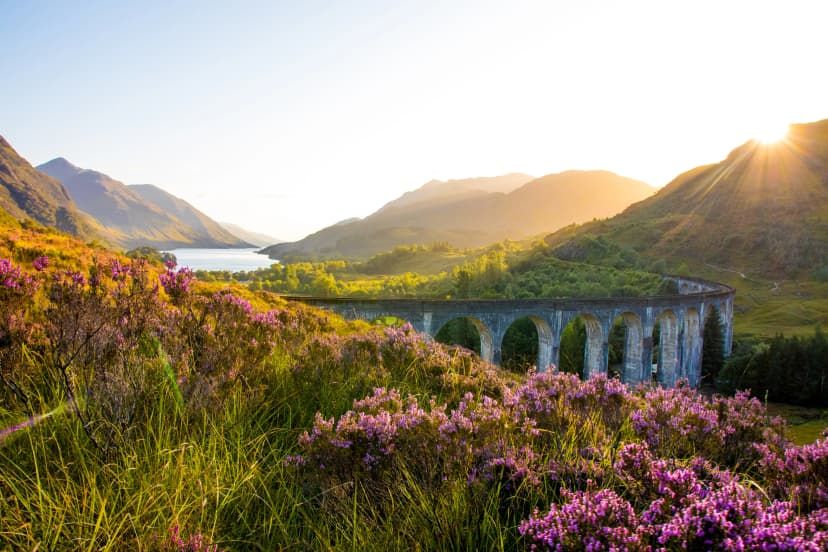
The Highlands, particularly the west coast and islands like Skye and Mull, are peak midge country from late May through September. The damp, boggy terrain and mild summers create a perfect breeding ground.
There's even a Scottish Midge Forecast — yes, that's a real thing — that hikers check like a weather report.
Scandinavia
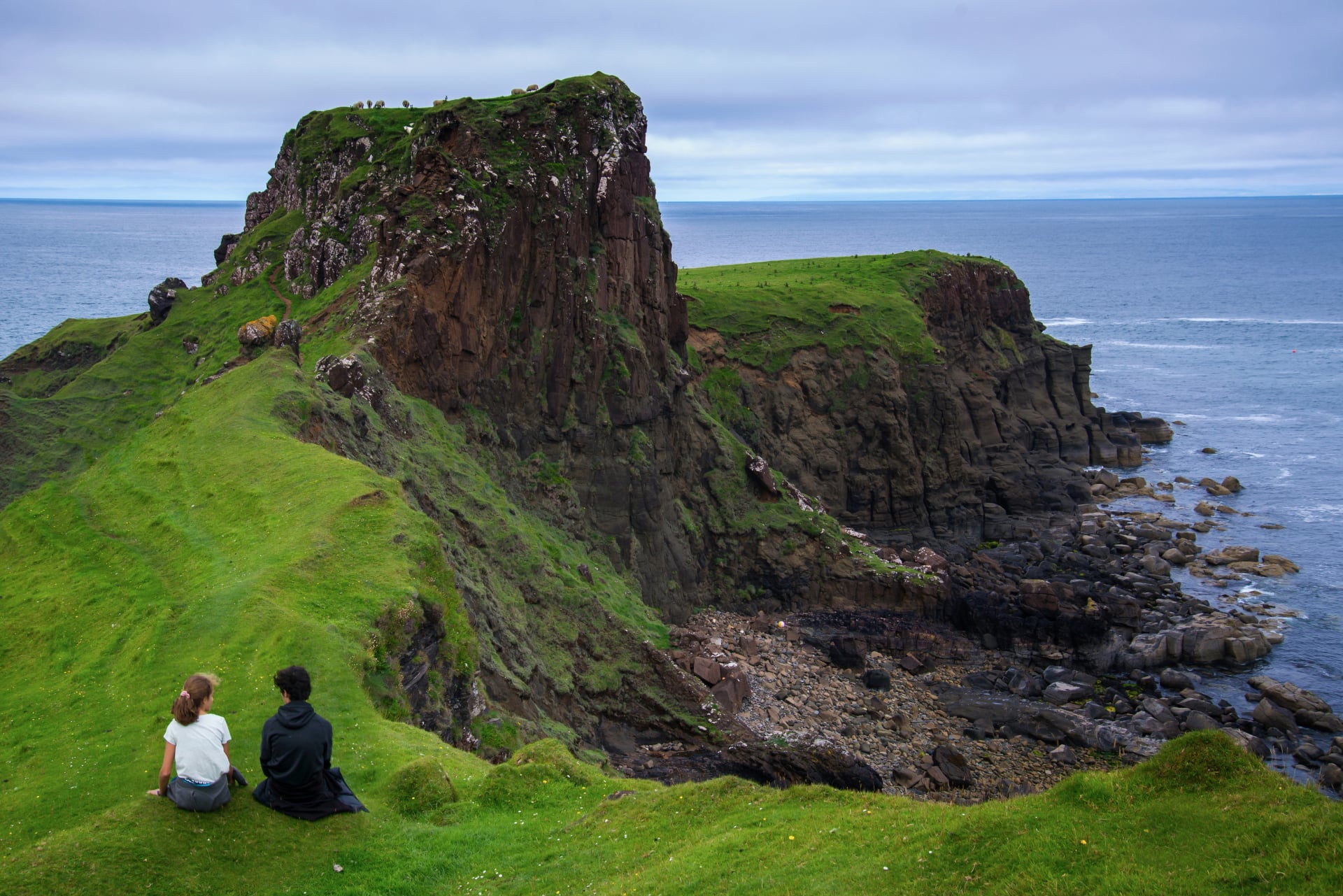
Another major hotspot. Norway's fjords, Sweden's northern forests, and Finland's Lapland all experience intense midge activity during their brief summers.
Hikers on trails like Trolltunga or the Kungsleden have reported everything from mildly annoying to genuinely miserable encounters.
Iceland
This place deserves a special mention.
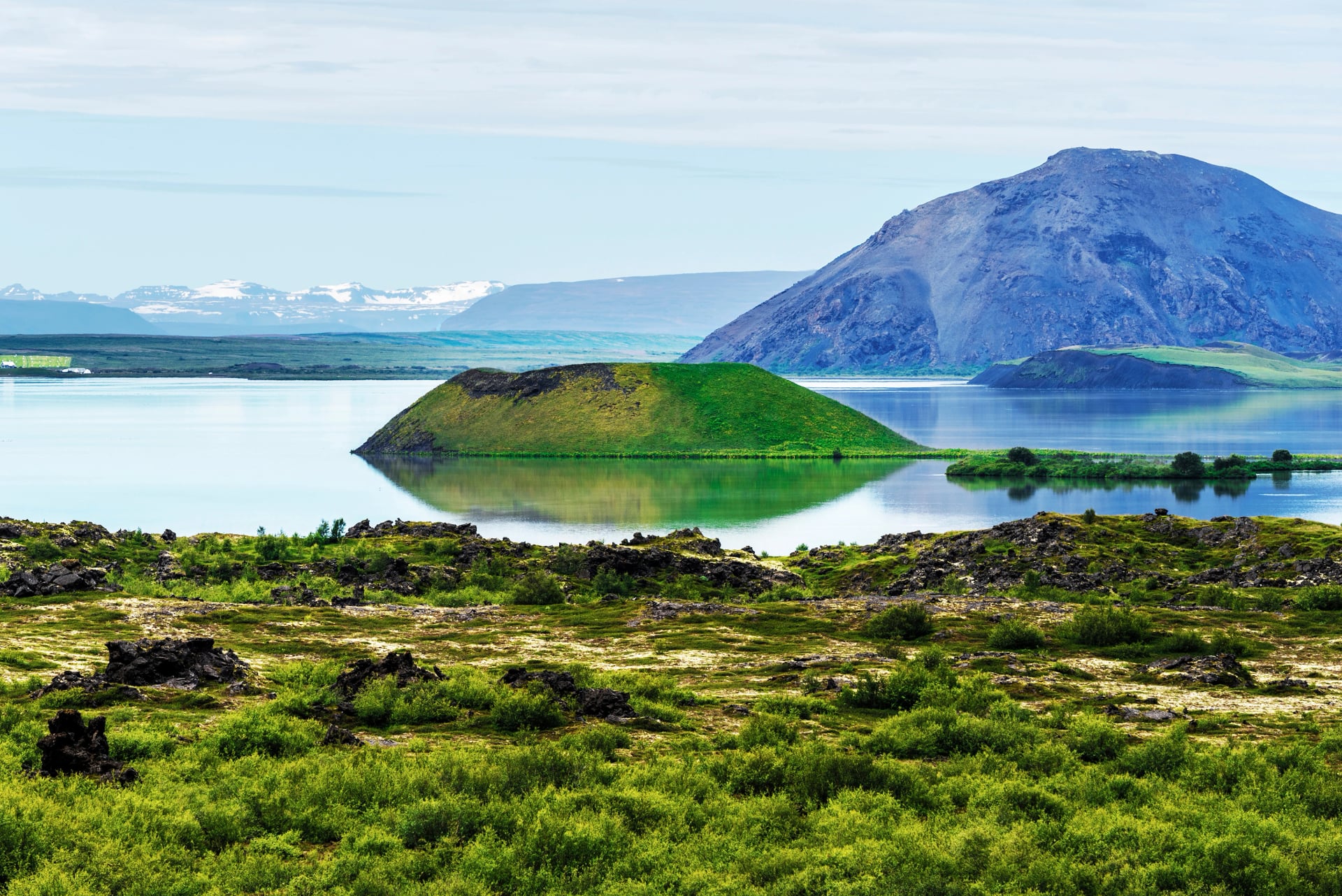
Iceland's Lake Mývatn — whose name literally translates to "Midge Lake" — is so famous for its swarms that they've become part of the local identity.
Other Countries
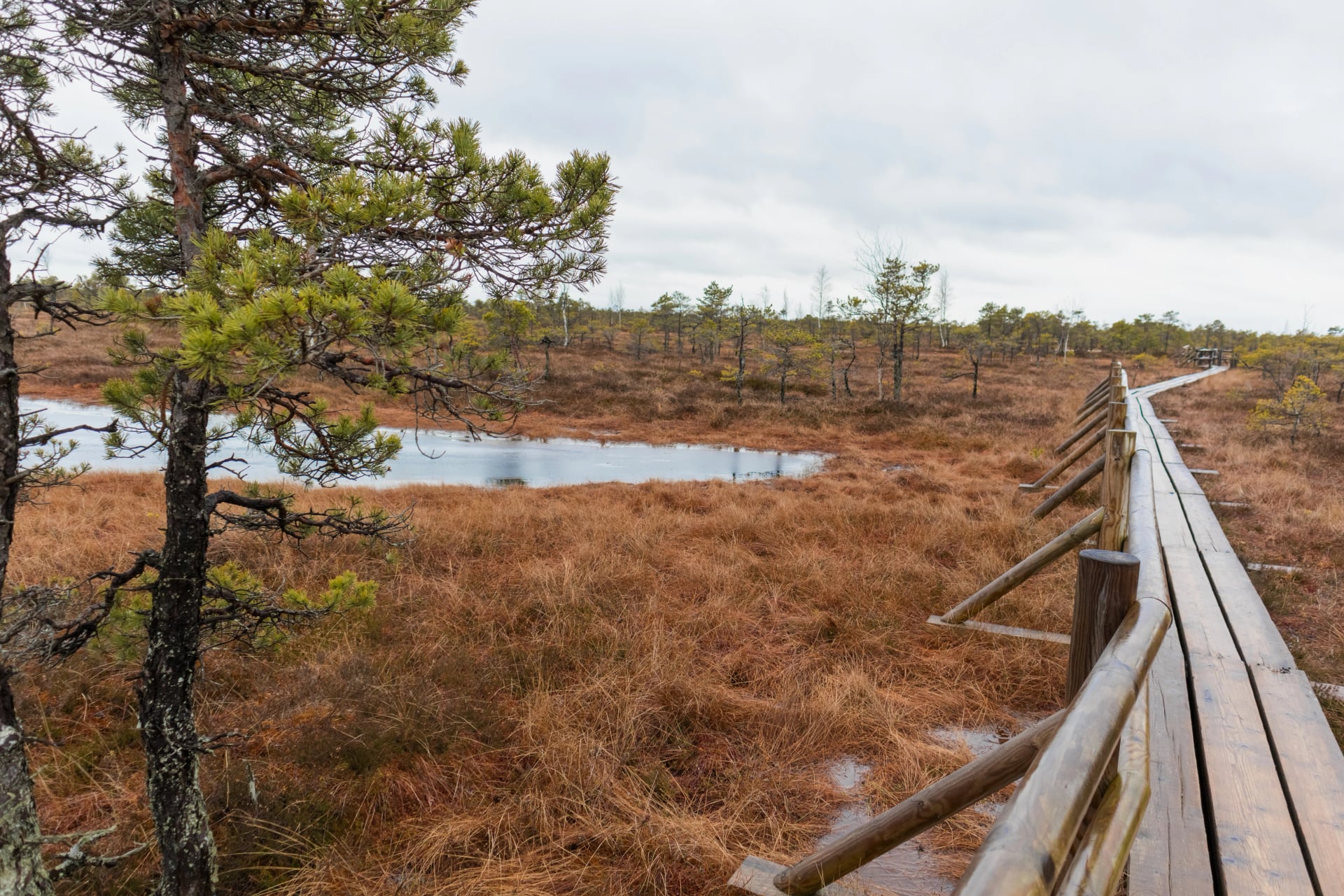
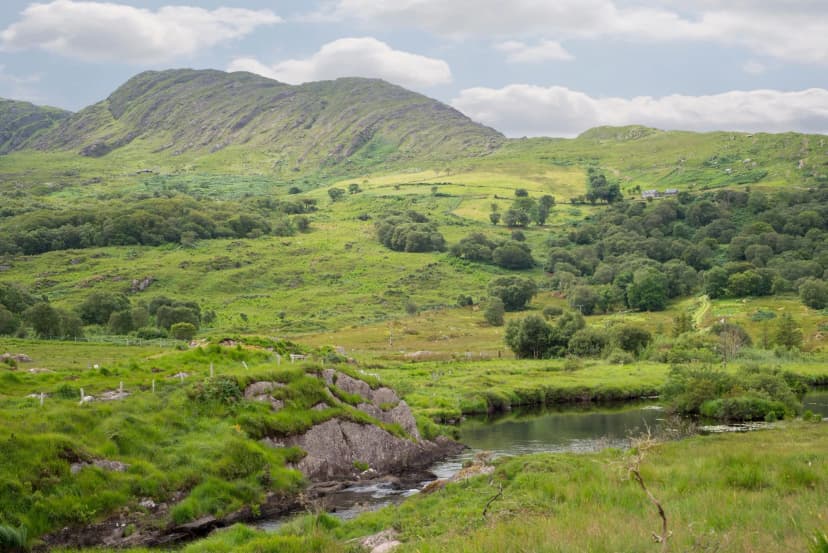
Closer to Central Europe, the lake regions of the Alps, parts of Ireland's west coast, the wetlands of the Baltic states, and the boggy lowlands of northern Germany and Poland all produce notable midge activity during peak months.
The rule of thumb: if there's standing water, peat bogs, or damp vegetation nearby, midges won't be far behind.
When Are Midges Most Active?
Understanding midge timing is half the battle. Their schedule is remarkably consistent.
Dawn and dusk are prime time. Midges are most active during low-light hours — roughly an hour before sunset to an hour after, and again around sunrise. If a perfectly pleasant afternoon hike suddenly turns into a midge gauntlet when the sun dips behind a ridge, that's no coincidence.
Warm, humid, still days are their paradise. They love temperatures between 10°C and 25°C (50–77°F) and thrive in humid air. Overcast days with no wind? That's a midge party.
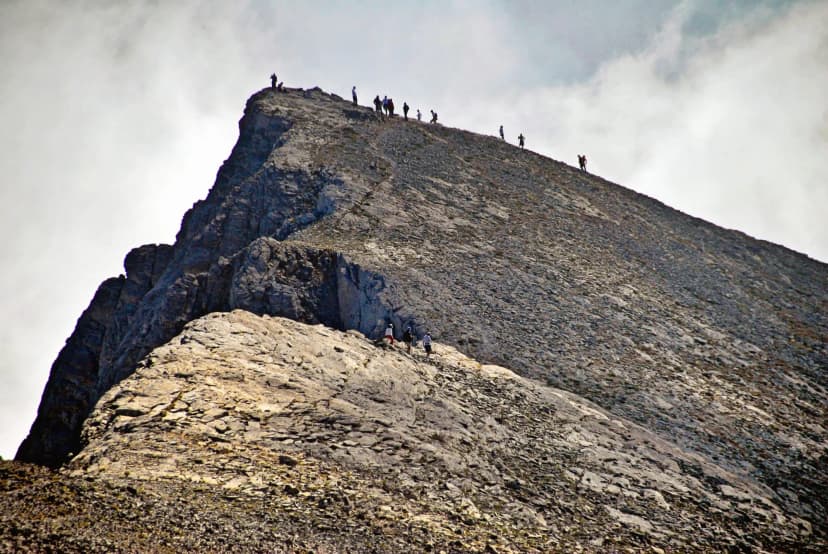
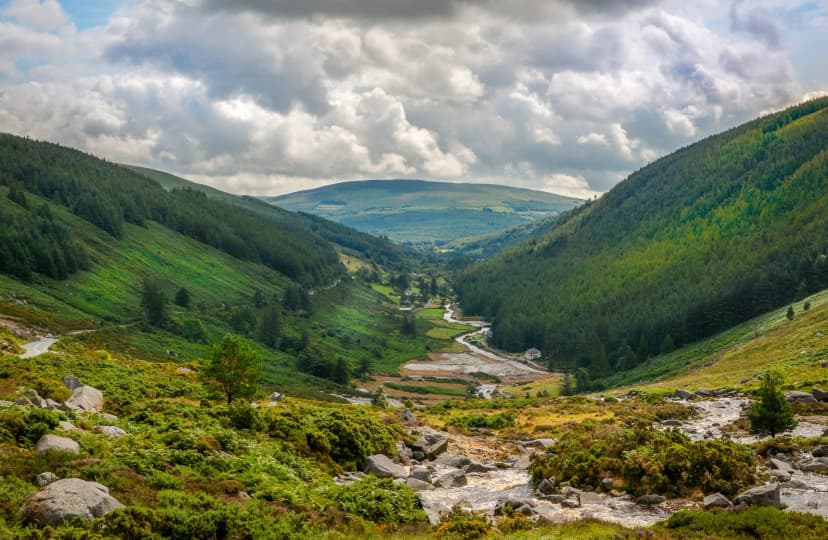
Wind is the midge's kryptonite. A steady breeze of just 6–8 km/h is enough to ground them. Hilltops and exposed ridges tend to be blissfully midge-free, while sheltered valleys and areas near water can be swarming.
Peak season runs from late May through September in most of Northern and Western Europe, with the worst usually hitting in June and July. If you have flexibility in your travel dates, early May or late September can help you dodge the worst of it.
How to Avoid Midges While Hiking
Avoiding midges entirely is a bit like trying to avoid rain in the mountains. But you can dramatically reduce your exposure with the right approach:
Pick Your Route and Timing Wisely
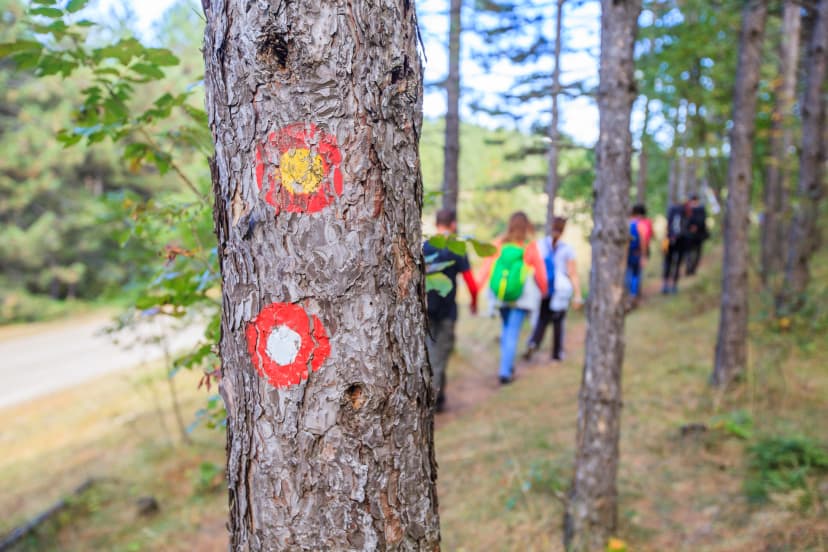
The most effective midge strategy is simply not being where they are, when they are. But does this mean you should skip hiking the iconic West Highland Way in Scotland? Or the stunning Kungsleden Trail in Sweden? Of course not!
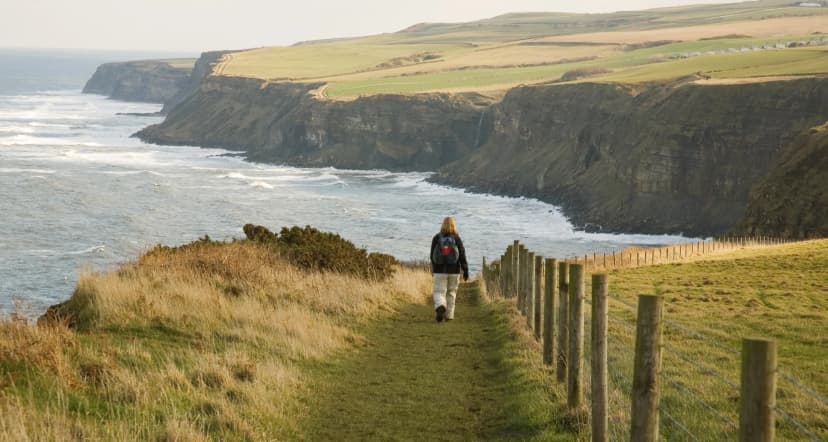
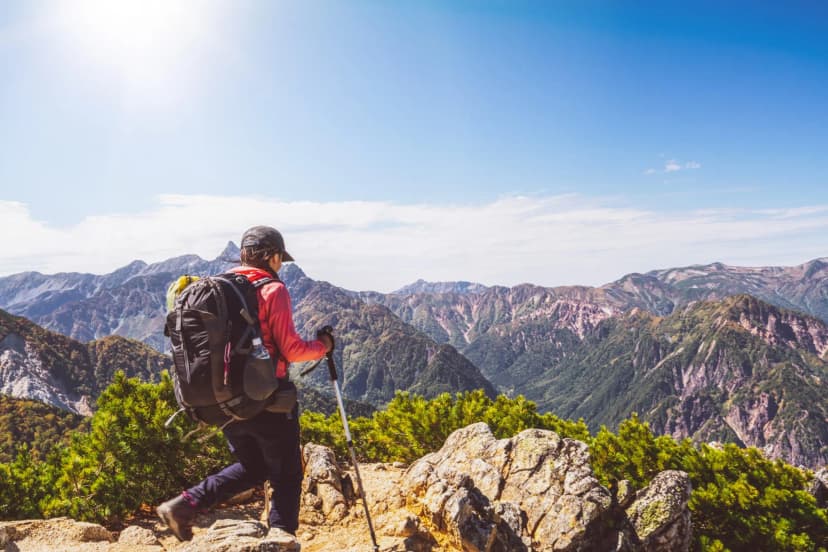
Start hikes early and aim to be at higher, more exposed elevations during the calm morning and evening hours when midges swarm lower down.
Dress Like You Mean It
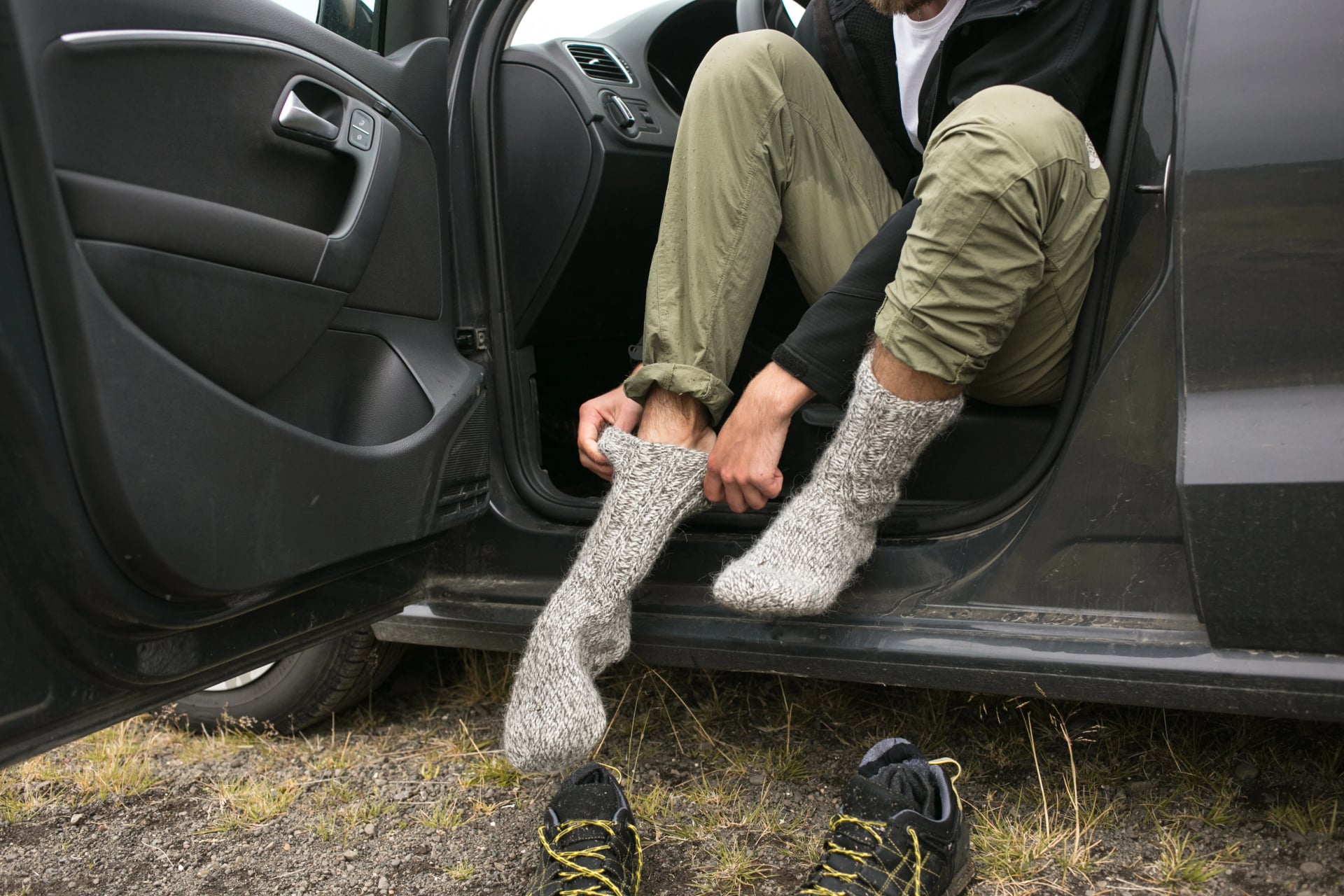
Midges have very short mouthparts — much shorter than mosquitoes — so they can only bite through thin, tight fabric or exposed skin.
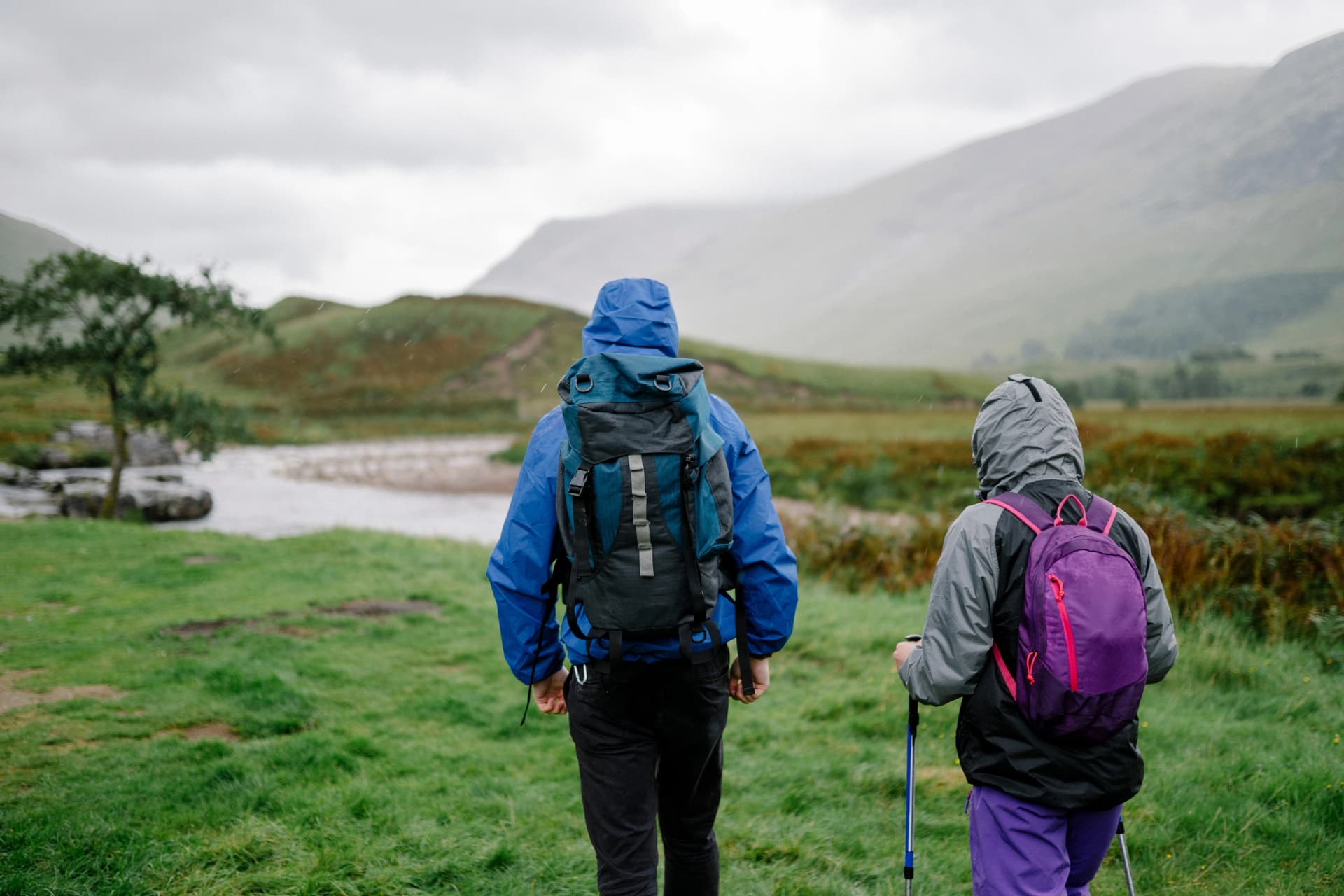
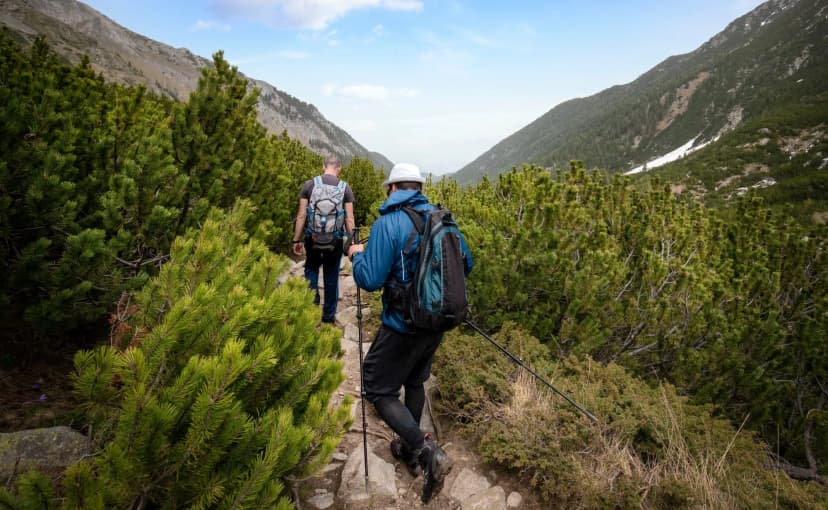
Loose-fitting, long-sleeved shirts and full-length trousers in light colours create a surprisingly effective barrier. Dark colours (navy, black, dark green) seem to attract them, so lighter shades help.
Use the Right Repellent
Not all repellents are equally effective against midges. These are considered to be the best midge repellents:
DEET (30–50% concentration) remains the gold standard. It's effective and widely available, though it can feel greasy and damage some synthetic fabrics.
Citriodiol (PMD), derived from lemon eucalyptus oil, is a solid DEET-free alternative with genuine effectiveness. Citronella smells lovely but wears off fast — better than nothing, but not by much.
Smidge is a cult favourite in Scotland, specifically formulated for Highland midges. If you're hiking there, picking up a bottle is as essential as packing a map.
Whichever you choose, reapply regularly — especially after sweating. Sweat dilutes repellent and produces lactic acid, which actually attracts midges.

Keep Moving
Midges struggle to bite a moving target. Their top speed is roughly 1.5 metres per second, so a brisk walking pace leaves them behind.
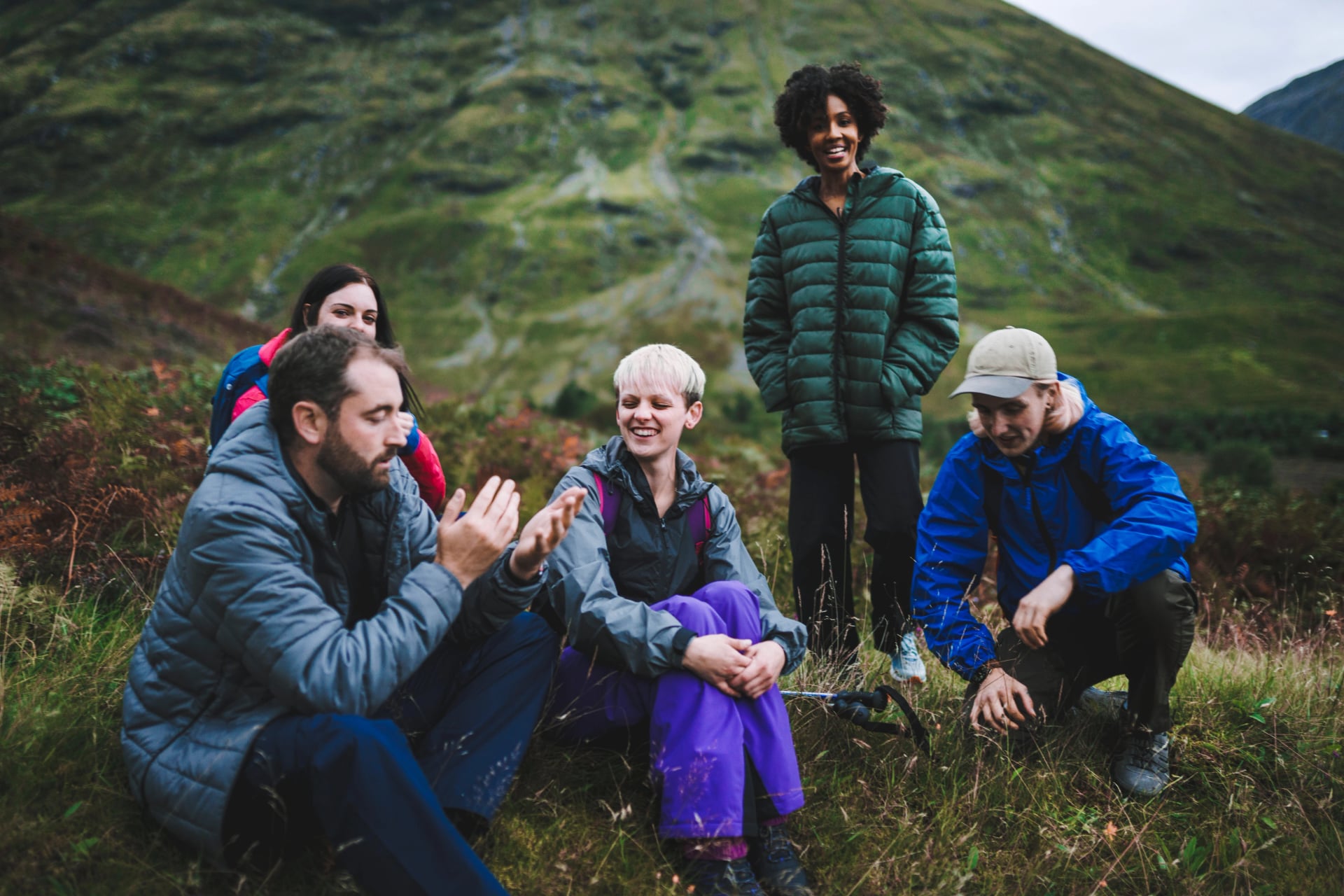
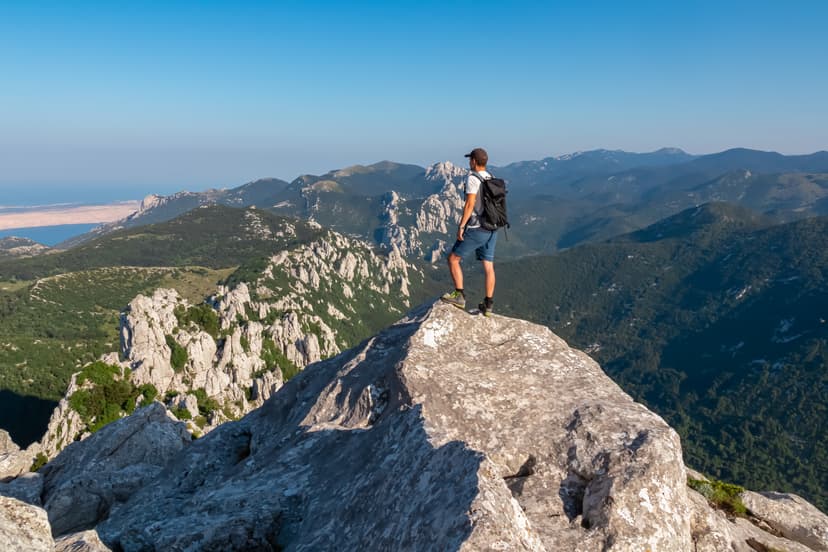
When you do stop for lunch or photos, choose exposed, windy spots over sheltered ones. A rocky outcrop with a breeze beats a cosy nook under the trees every time. If there's no wind, keep breaks short.
What to Do If You Get Midge Bites?
At some point, despite all your efforts, you might get bitten. What to do?
Don't scratch. It's the simplest and hardest rule. Scratching breaks the skin, increases inflammation, and can lead to infection — especially on a multi-day hike without easy access to clean water.
Clean the area with water and soap if available. Then apply antihistamine cream or hydrocortisone (0.5–1%) — both are small enough to live permanently in your first aid kit. For widespread bites, an oral antihistamine can help, particularly if the itching keeps you awake.
A cold compress — a wet bandana from a stream, a cold water bottle pressed to the skin — provides instant temporary relief by numbing the area and reducing swelling. Tea tree oil and aloe vera gel are lightweight additions that some hikers swear by.
Watch for infection. Most midge bites fade within a week. But if you notice spreading redness, warmth, pus, or unusual swelling, seek medical attention. Learn more about the symptoms of the midge virus.
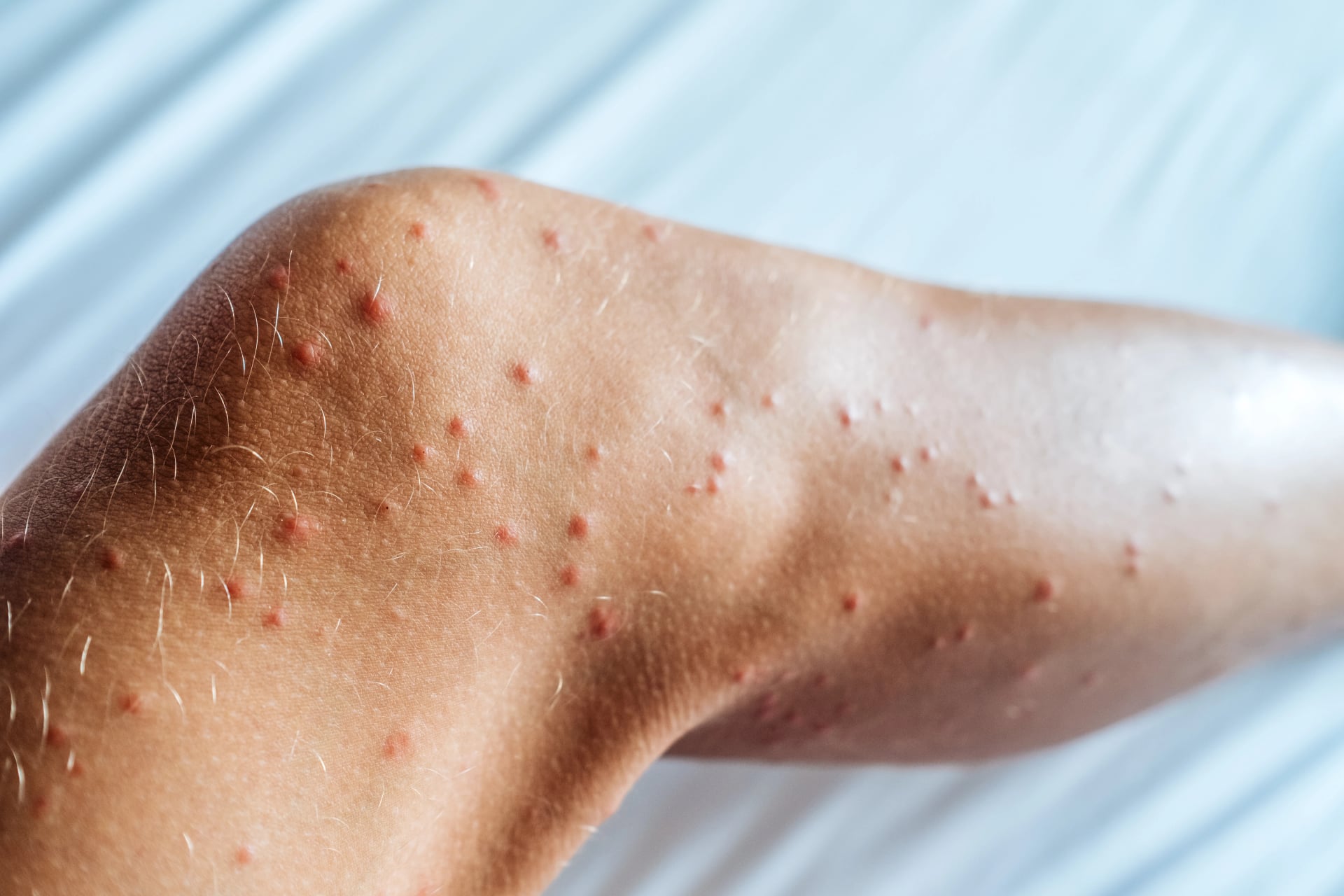
The good news: midge bites usually disappear in a few days. The bad news: those few days feel emotionally longer
Hike First, Laugh About Midges Later
Yes, the most beautiful landscapes in Europe come with a few tiny strings attached.
But once you know how to handle midges, they become less of a crisis and more of a quirky footnote in your hiking story — the kind of thing you laugh about at the pub afterwards, comparing bite counts like war veterans comparing scars.
The mountains are waiting — and so are the midges.
But hey, you're ready for them.

About this author
Anja is our lead travel advisor and a lifelong hiker who has planned countless adventures across Europe. She prefers sunsets to sunrises — unless coffee is involved — and, ever since her first rock-climbing course, joins friends on climbing trips whenever she can.

.jpg&w=828&q=75)







.jpg&w=828&q=75)