The Ultimate Guide to Hiking in Bulgaria
Everything you need to know before hiking Bulgaria — the two ranges worth your week, when to go, how difficult most hikers find it and more.

Ajda
Published August 17, 2026
Edited August 18, 2026
13 min read
Quick links
For a country still relatively unknown to the hiking community, Bulgaria packs a lot — the highest peak in the Balkans, two national parks under UNESCO protection, and a hut network you can traverse for a week without hearing a word of English at dinner. If you're looking for wild scenery without the queues at every col, this is where you go.
This guide walks you through the best hikes in Bulgaria, the mountain ranges you should know, when to go, what to pack, and how to string it all into a trip you'll be talking about for years.
If you only remember one thing from this guide, remember this: a list of top hikes in Bulgaria will largely be a split of Rila and Pirin mountains. Rila for the Seven Lakes, Mount Musala, and the famed 10th-century monastery. Pirin for Vihren's limestone summit and the string of glacial cirques below it. Everything else — the Rhodopes, the Balkan Mountains, Vitosha above Sofia — is either an add-on or a plan-B.

Why Hike in Bulgaria?
Three reasons, in order of importance.
The altitude is admirable
Musala, in the Rila range, tops out at 2,925 m — the highest peak in the entire Balkan Peninsula, higher than anything in Greece, Serbia, or Romania. Pirin's Vihren isn't far behind at 2,914 m. These are real alpine environments with real alpine weather.
You'll have the trails mostly to yourself
Even in high summer, most Bulgaria hiking trails see a fraction of the foot traffic you'd meet in Chamonix or Cortina. On weekdays outside July and August, you can walk for hours without passing another hiker.
The price-to-scenery ratio is unbeatable
Mountain huts run €15–30 a night. A hearty meal of shopska salad, grilled trout, and a glass of Melnik red will set you back less than a supermarket sandwich in Switzerland.
The trade-off is that Bulgaria's infrastructure — English signage, guidebooks in shops, credit cards at hut counters — is thinner than in France or Italy. That's what we as a self-guided operator solve, and it's the reason most first-time visitors don't try to plan the trip themselves.
Bulgarian Mountains You Should Know
Bulgaria has four major mountain systems, and each one offers a specific type of experience.
Rila Mountains
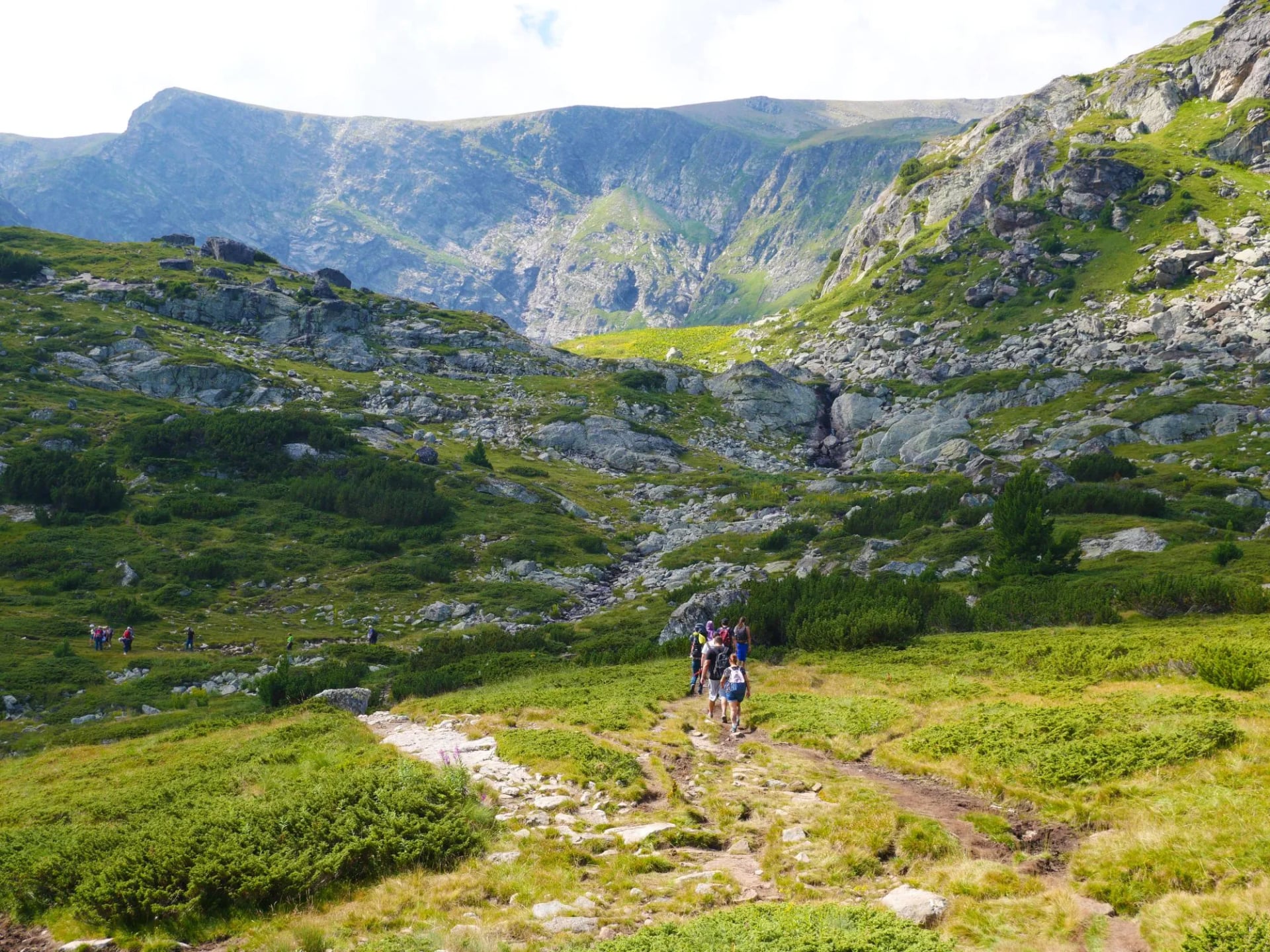
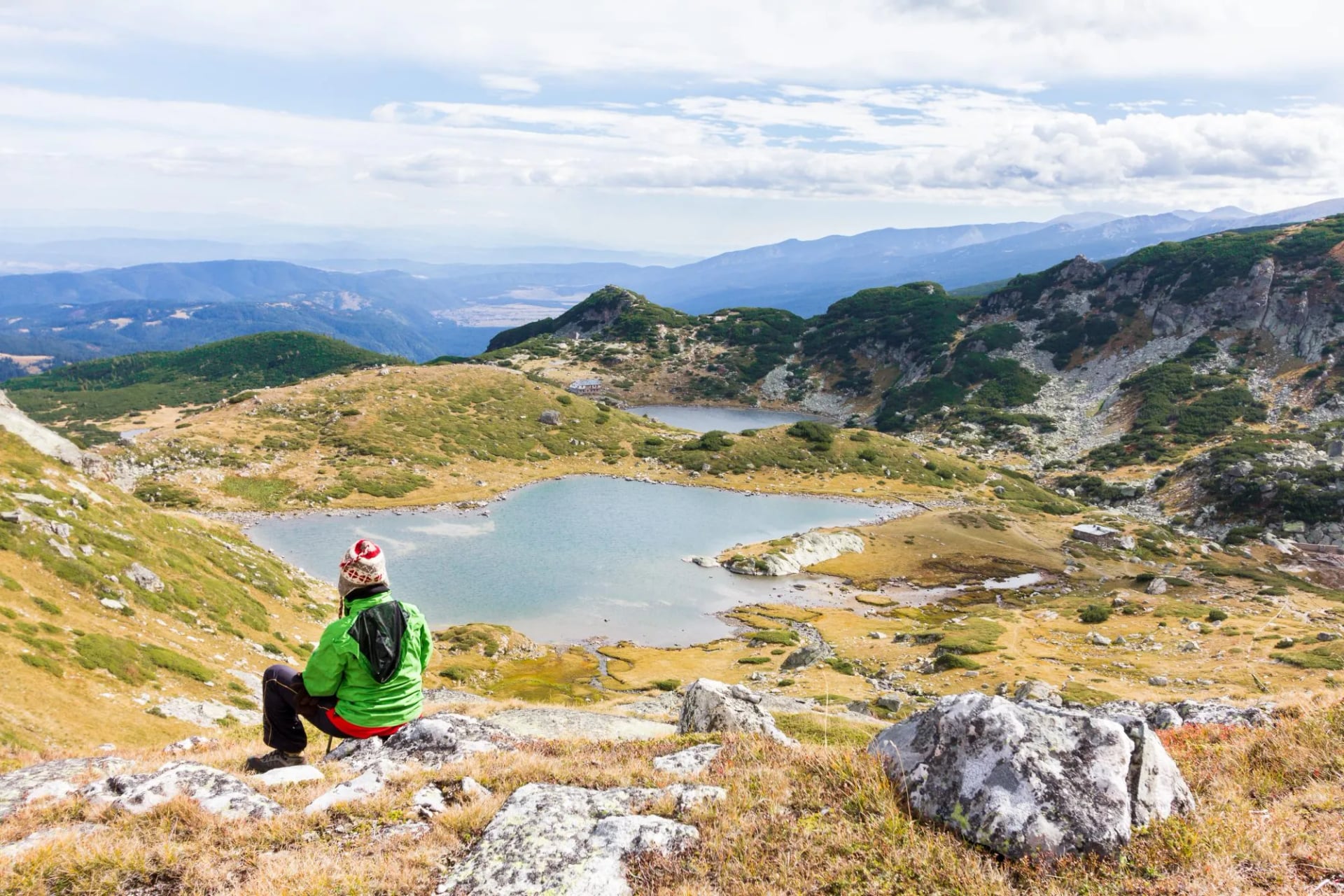
The Rila range, “the roof of the Balkans”, holds Musala Peak and the country's most photographed landscape: the Seven Rila Lakes, a chain of glacial tarns strung down a high cirque like beads on a wire. From the top viewpoint you see all seven at once — the Tear, the Eye, the Kidney, the Twin, the Trefoil, the Fish Lake, the Lower Lake. It's the single best half-day hike in the country.
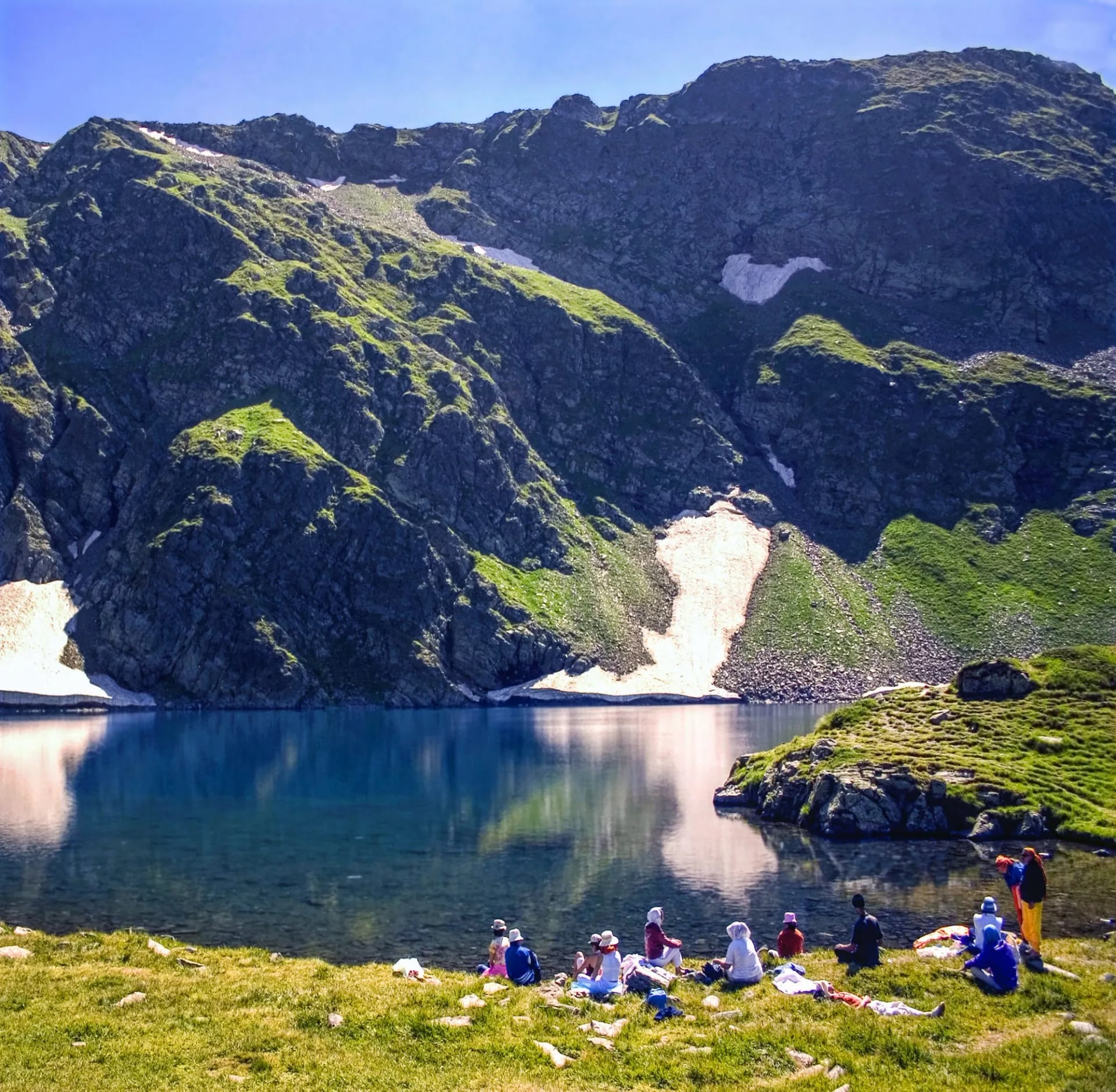
Rila is also home to the tenth-century Rila Monastery, a UNESCO World Heritage Site whose frescoes and striped arches are as much a part of Bulgarian identity as the mountains themselves. Base yourself in Borovets or the village of Rila for easy access.
Pirin Mountains
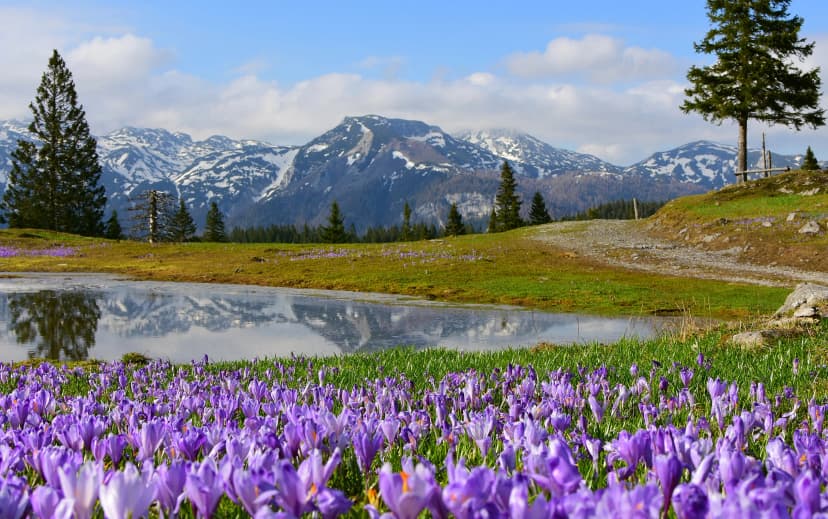
If Rila is broad and rolling, Pirin National Park is sharp and dramatic — a serrated ridgeline of pale marble and limestone, dropping into forests of Macedonian pine. Vihren is the headline summit; the Koncheto ridge is one of the most exhilarating (and exposed) walks in the Balkans.
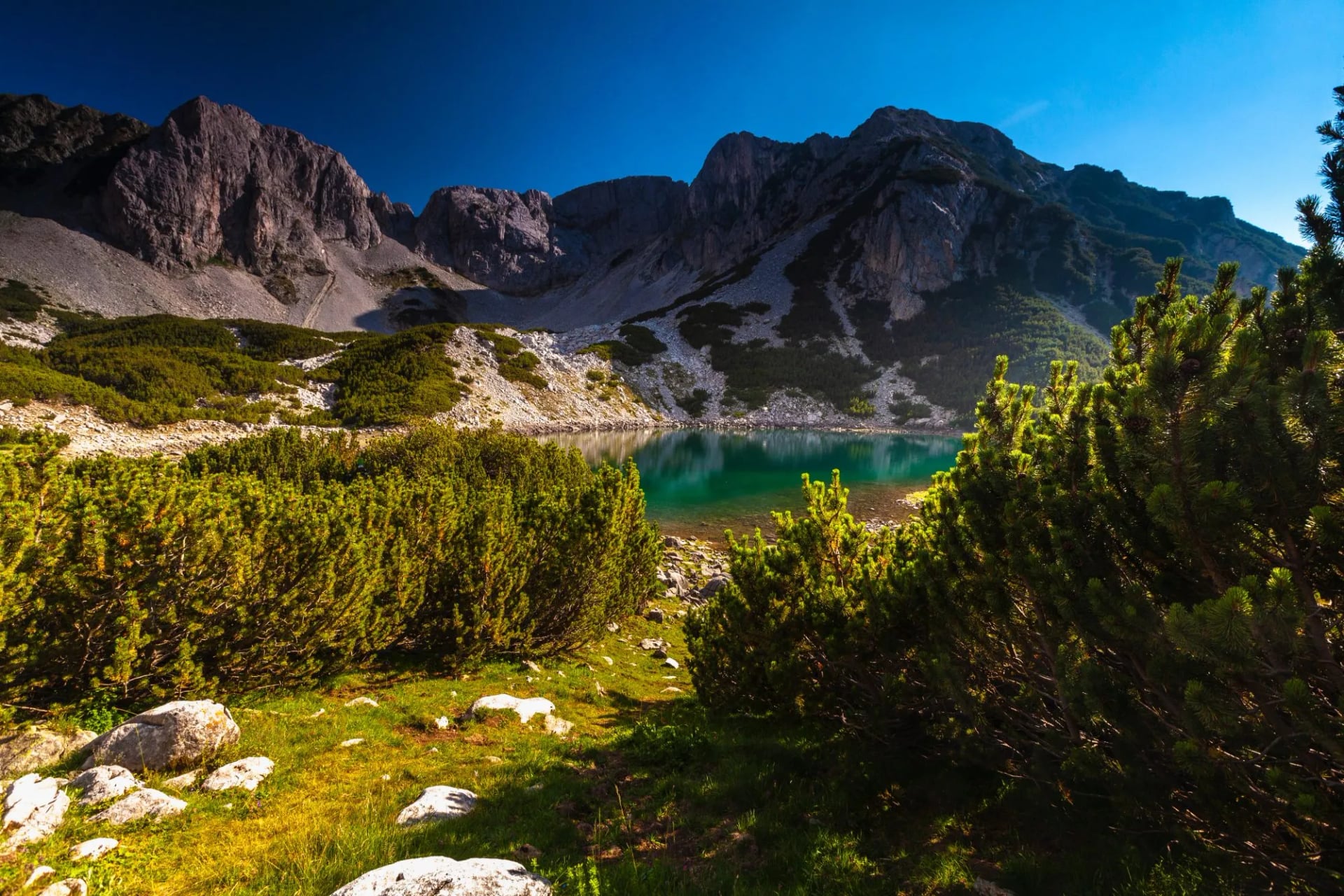
Pirin is also where you'll find Baikushev's Pine, a Bosnian pine believed to be over 1,300 years old — one of the oldest trees in the world. The trailhead town of Bansko doubles as a ski resort in winter and a hiker's basecamp in summer.
Balkan Mountains (Stara Planina)
The Balkan Mountains run east to west across the middle of the country and give the peninsula its name. Central Balkan National Park protects the highest section, including Botev Peak (2,376 m) and the Raysko Praskalo waterfall — the tallest in the Balkans at 124 m. Trails here are quieter than Rila or Pirin, and the terrain is greener, more forested, and rich with brown bears and wolves (you almost never see them; they hear you first).
Rhodope Mountains
The Rhodopes sprawl across the south, lower and more heavily wooded than the granite ranges to the north. This is where you go for gentle, multi-day walks between mountain villages, past thermal springs, karst gorges, and Thracian sanctuaries. Perfect for shoulder-season hiking when the high peaks are still under snow.
Rila or Pirin: How to Choose Between the Two
If you have a full week, you don't have to choose — the two ranges sit side by side and combine into a natural loop. If you have four or five days, though, the choice matters. Here's how to think about it.
Choose Rila if you want culture, effort and variety. The range gives you alpine lakes, a genuine 2,900-metre summit, and a walkable descent to a 10th-century UNESCO monastery in the same itinerary. It's the more culturally rounded of the two, and the ascent to the Seven Lakes ridge is the single most photogenic day of hiking in the country. Rila also holds Mount Musala, so this is where the peak-baggers go.
Choose Pirin if you want charm and altitude in a compact package. Pirin is smaller than Rila but more concentrated — more than a hundred glacial lakes packed between limestone spires, with Vihren looming over the whole thing. The scenery is more dramatically alpine than Rila's rolling summits, and Bansko as a base is more polished than Govedartsi. The trade-off is less cultural depth (there is no monastery to walk to) and fewer beginner-friendly options.
If you're new to European hut-to-hut hiking, start with Pirin. If you've already walked the Dolomites or Tour du Mont Blanc and want something with more scale, go straight to Rila.
The Best Hikes in Bulgaria: 8 Trails Worth Planning a Trip Around
Here are the routes that most consistently make it onto shortlists of the best hikes in Bulgaria — a mix of day walks, hut-to-hut circuits, and one serious thru-hike.
Half a day, moderate. Take the chairlift up from Panichishte, then loop the seven lakes on a well-marked path. The climb to the viewpoint above the top lake is short but steep, and the payoff is one of the most photographed views in Eastern Europe.
A long day, strenuous. Ride the gondola from Borovets to Yastrebets, then follow the ridge past Musalenski Ezera and up to the summit. On a clear morning you can see all the way to Greece.
A hard day, technical in places. The standard route from Vihren Hut climbs a steep, scree-filled couloir known as the "concrete." Save it for settled weather.
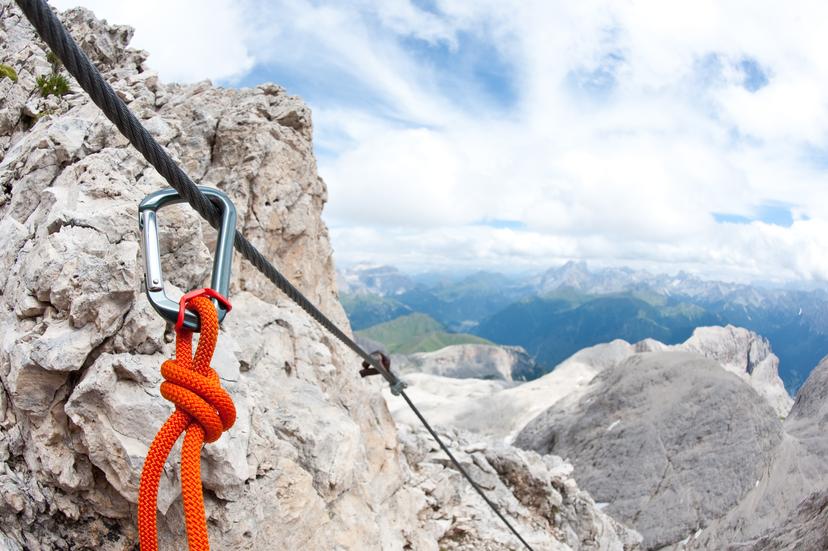
Not for the faint-hearted. A knife-edge ridge in Pirin with cables in the exposed sections — spectacular, and best done as part of a multi-day hut traverse.
Two to three days, hut-to-hut. Walk from the UNESCO monastery up through beech forest and across alpine meadows to Malyovitsa Hut and beyond. Combines culture, forest, and high-country lakes in one route.
Five to seven days, moderate to hard. A hut-to-hut walk along the top of Stara Planina, taking in Botev Peak and the Raysko Praskalo waterfall. Some of the emptiest trails in the country.
Day hikes, easy to moderate. In the Rhodopes, a network of trails links these two dramatic karst gorges with the Devil's Throat Cave — a Thracian site tied to the Orpheus myth.
Bulgaria's great thru-hike. Roughly 600 km along the Balkan Mountains from the Serbian border to the Black Sea, part of the European E3 long-distance path. Three to four weeks for fit hikers.
When to Go
The hut season in Bulgaria's high mountains runs roughly from mid-June to mid-September, with shoulder days on either end depending on the year's snowfall.
June is when the snow finally clears from the north-facing gullies below the 2,700-metre peaks. Early June still has snow patches on the Musala approach and on the Kabata saddle below Vihren. The wildflower meadows in the Pirin valleys are at their best. Hut availability is good, prices are lower, and the trails are quieter.
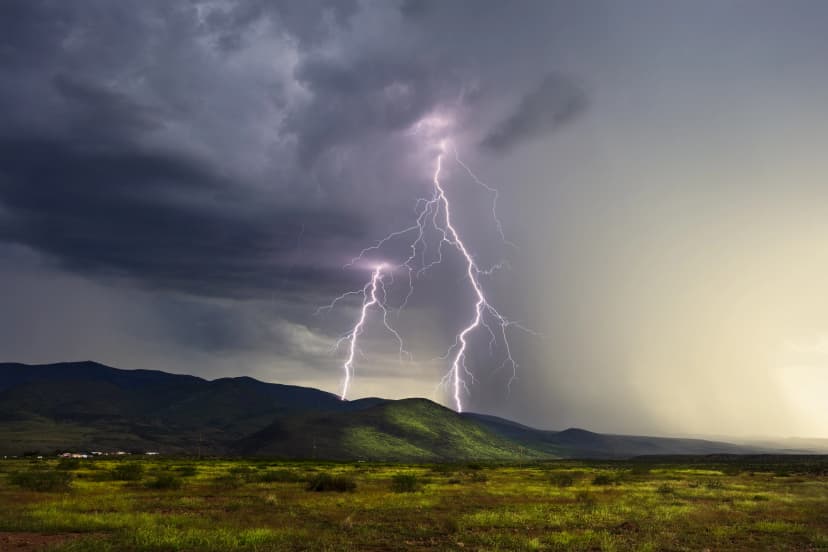
July and August are the reliable months. Days run long, weather patterns stabilise, and every hut opens at capacity. Book Rila Lakes Hut and Vihren Hut two to three months ahead if you want private rooms — dorms are usually still available closer in. Afternoon thunderstorms are to be expected on high ridges.
September is the answer to the question “when is Bulgaria's hiking at its objective best?” Days cool, air dries, the beech forests below the ridges start to turn, and the peak-season crowd thins to almost nothing. The trade-off is that hut services start winding down after the 15th and some smaller huts close entirely from about the 20th.
October through May is off-season as winter turns Rila and Pirin into serious ski-touring terrain. Some huts convert to winter-only skiing access, and most close. May and October themselves are shoulder months and lovely for the Rhodopes and lower Balkan hills.
Getting There
Fly into Sofia for Rila, the Central Balkan, and the western Rhodopes.
Fly into Plovdiv for the central and eastern Rhodopes.
Fly into Burgas or Varna for the Black Sea end of the Kom–Emine.
Three hiking-base cities and towns to get familiar with:
Sofia (Sofia Airport, SOF)
Sofia is Bulgaria's capital and the practical gateway for almost every hiking itinerary. The airport sits on the eastern edge of the city, twenty minutes by metro from the centre. Direct flights connect from most major European hubs, and Sofia makes a natural spot to spend a night on either end of a mountain trip.
Bansko
Bansko is the Pirin base town — an old ski and ranger settlement at the foot of Vihren. The centre is cobbled, the guesthouses run to stone-and-timber, and the mehanas serve the grilled meat and bean stews that fuel a hut week. Most Pirin itineraries start and end here, and it counts as the best-organised trailhead town in the country.
Govedartsi
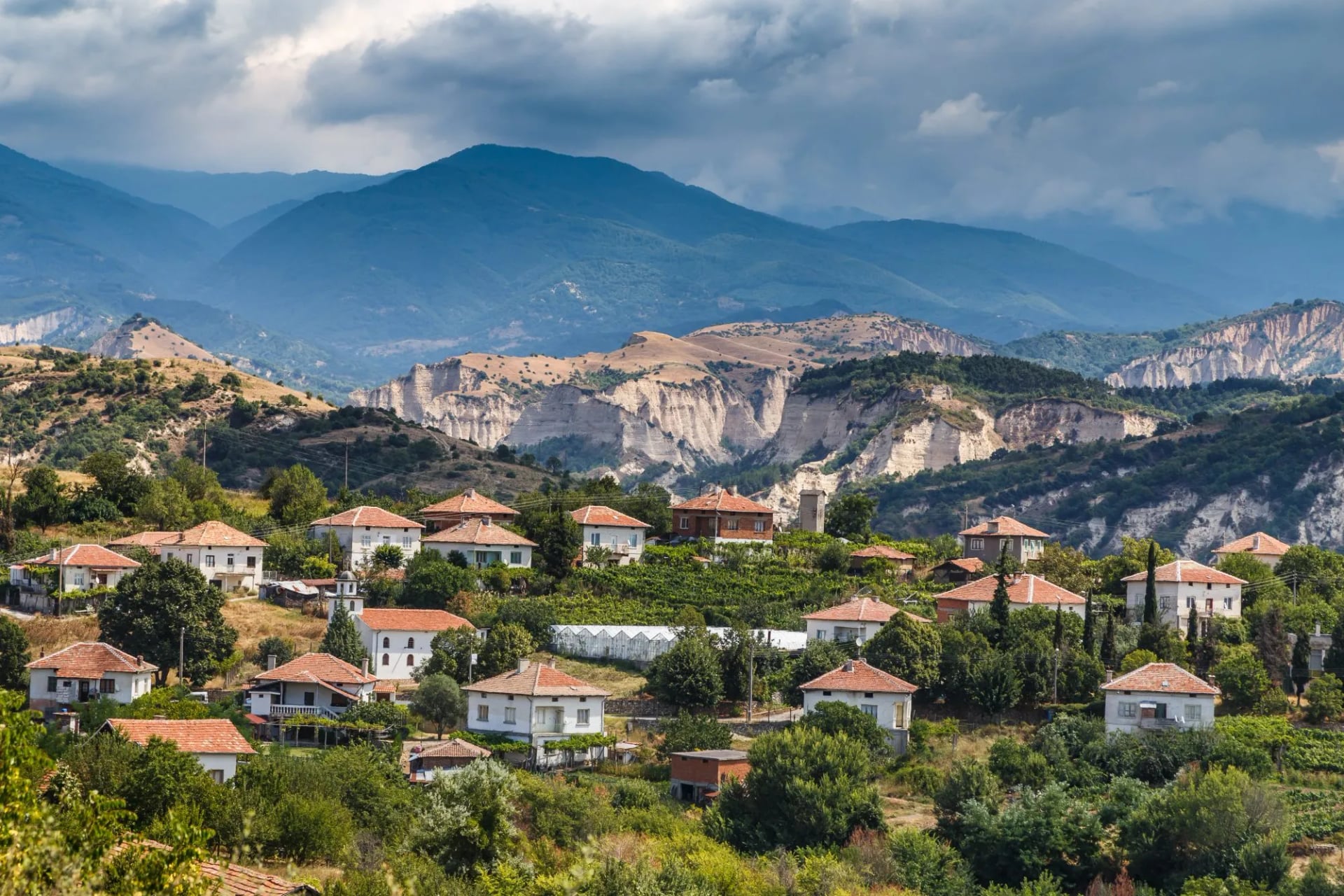
Govedartsi is the Rila base village — smaller and quieter than Bansko, with a handful of family-run guesthouses at the head of a wooded valley. It serves as the launch point for most Rila hut traverses, including the itinerary that finishes at the Rila Monastery. It is less polished than Bansko and more atmospheric for it.
Sleeping on the Trail: Bulgarian Mountain Huts and Lodges
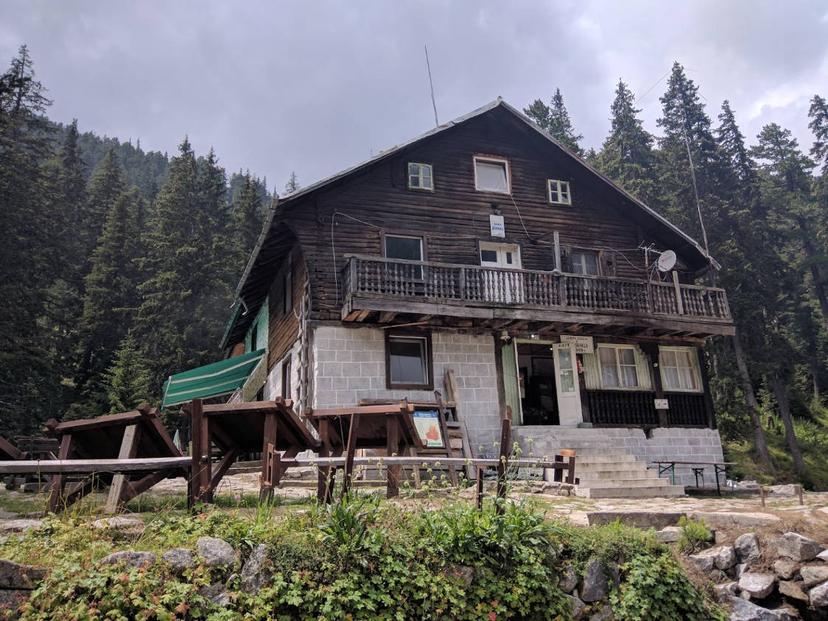
Bulgarian mountain huts (hizhi) sit somewhere between an Italian rifugio and a Scottish bothy. They're simpler than Alpine refuges — expect dorm beds, a wood stove, a shared bathroom, and hot food if you're lucky — but they're inexpensive and warmly staffed.
Shared dormitories of six to twenty bunks are the standard and half-board is commonly included in a hut booking. Showers exist but the water isn't always hot. Bring a sleeping liner; most huts don't provide sheets, and you'll want a layer between you and the blanket.
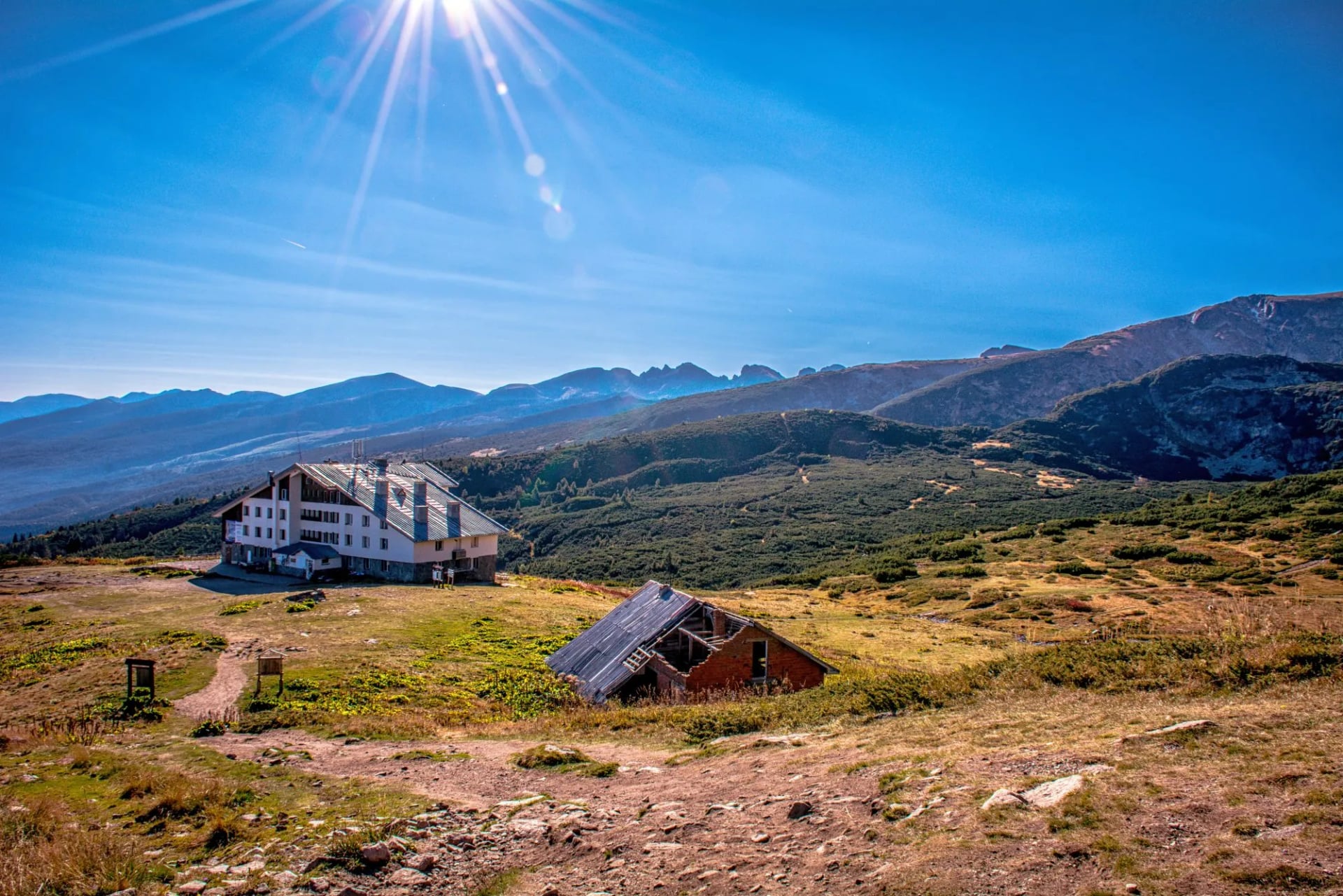
The most useful huts for planning a hut-to-hut trip:
Rila range: Malyovitsa, Ivan Vazov, Rilski Ezera (Seven Lakes), Musala.
Pirin range: Vihren, Demyanitsa, Tevno Ezero, Yavorov.
Central Balkan: Rai, Vasil Levski, Dobrila.
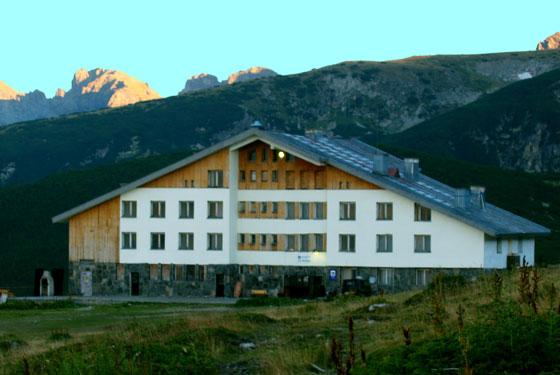
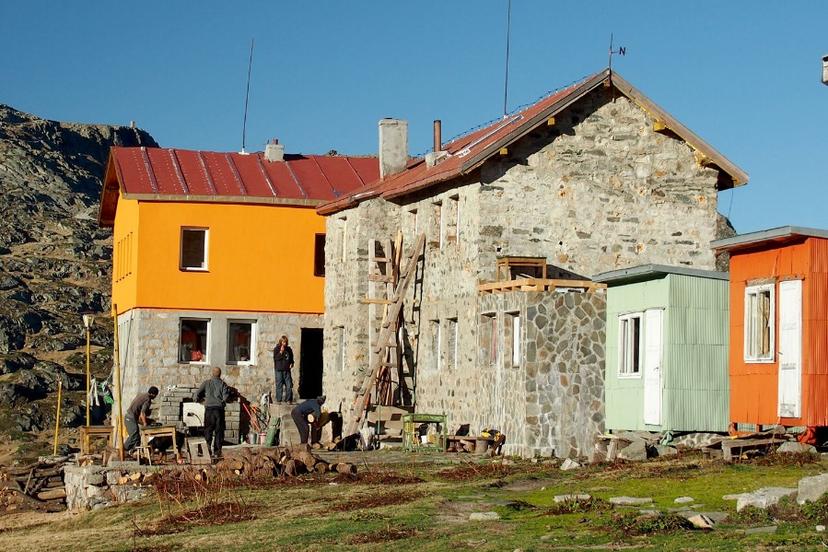
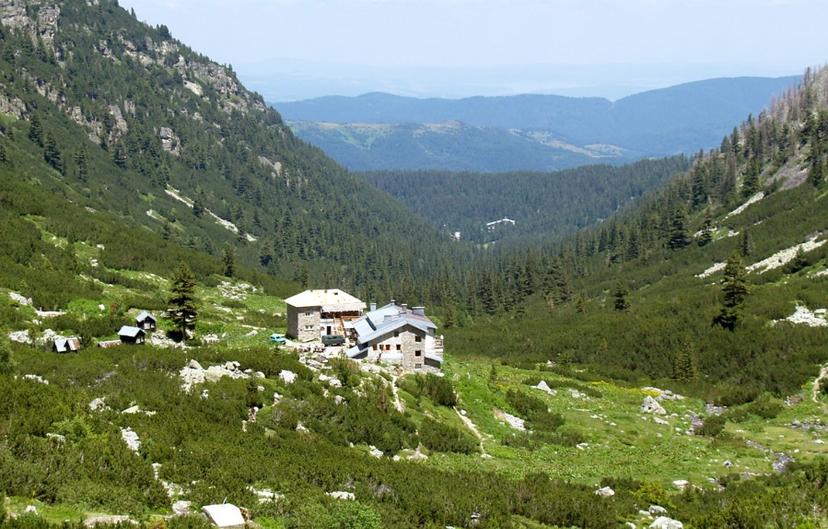
Below are the five mountain huts a long-distance trek in the Bulgarian Pirin or Rila Mountains is most likely to run through.
Safety
Overall, Bulgaria is a well-established hiking destination with no unusual risks for a prepared hiker. The main risks for hikers are practical rather than security-related.
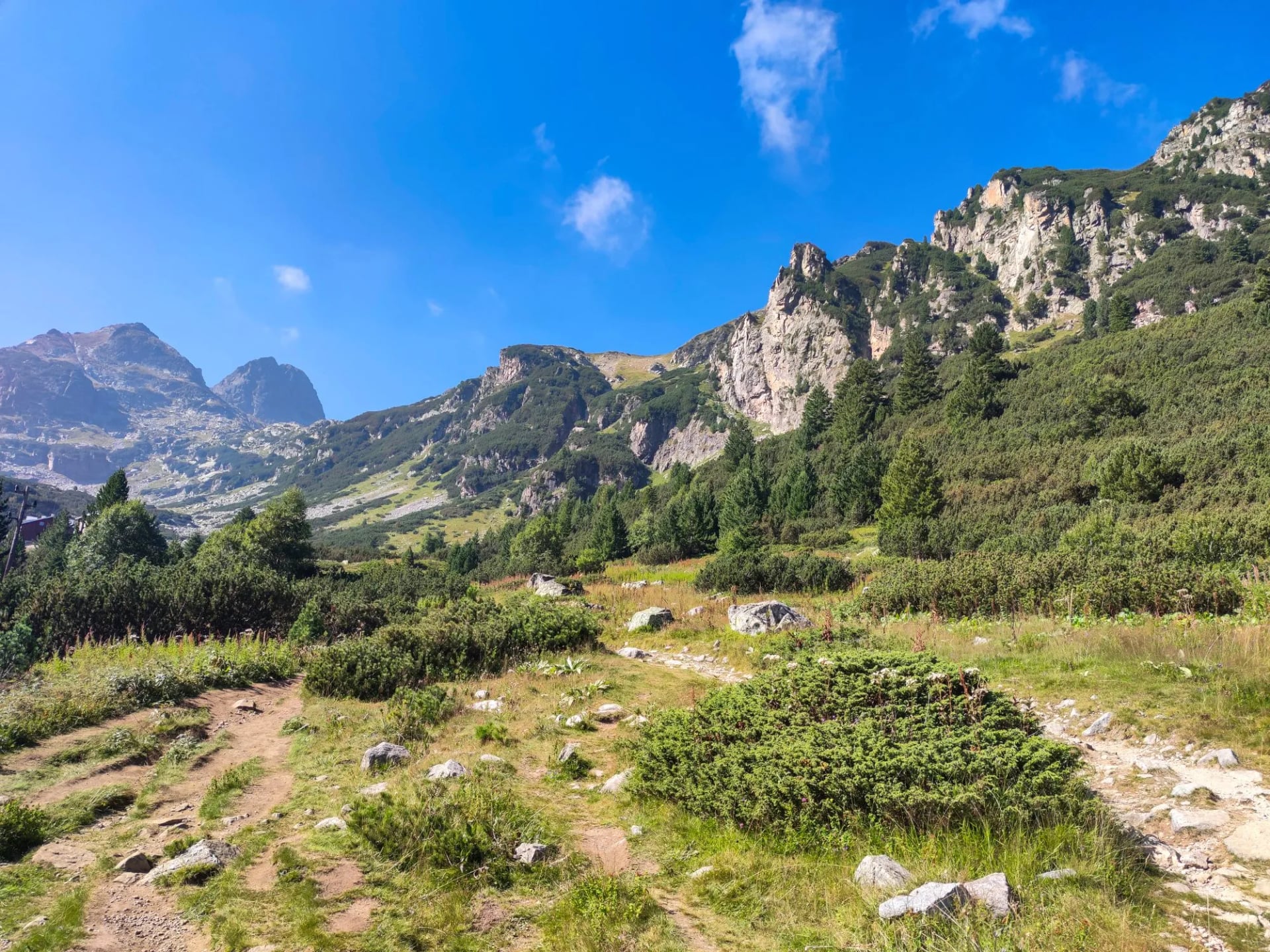
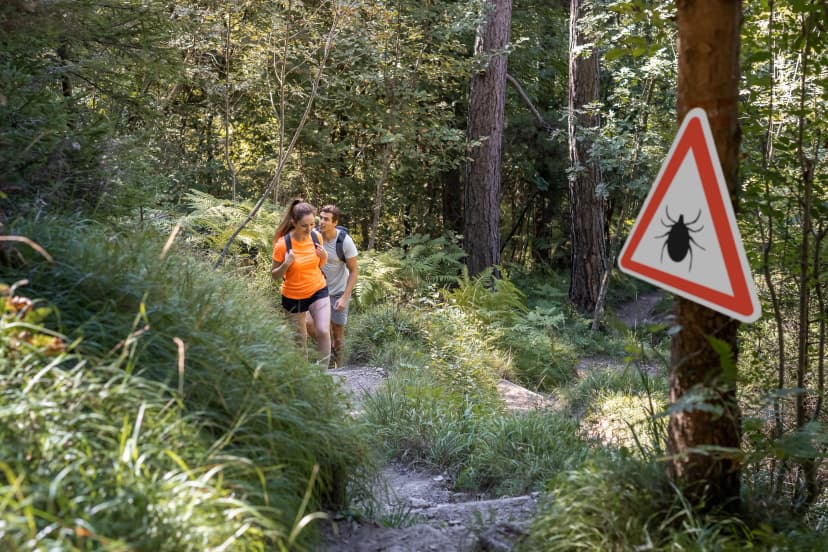
The three things worth planning for in Bulgaria's mountains are weather, wildlife, and the number you can call for help. Weather turns fast on high ridges, so start early and turn back the moment a storm builds in the afternoon. Brown bears, wolves, and horned vipers are all present, but encounters are rare and the animal almost always moves off before you notice it. Save 112 — the pan-European emergency number, which dispatches Bulgaria's Mountain Rescue Service anywhere in the country.
Practicalities
Trail marking
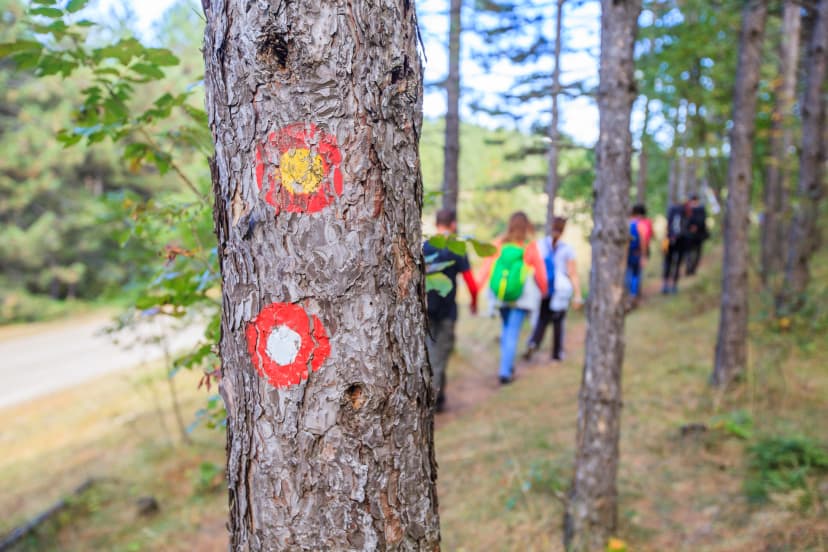
Bulgarian summer waymarks are the standard three-line band: a central orientation stripe in red, blue, green, or yellow, flanked by two white attraction stripes that catch your eye from a distance. Where the stripes bend into an arrow or curve, the trail is turning. Two markings to recognise but not follow: a black stripe between two white stripes is a forestry boundary, not a route, and a yellow-and-black chequered board warns of avalanche danger on the valley or path ahead.In winter, the summer blazes give way to black-and-yellow striped pillars with 20 cm bands, often carrying azimuth boards that give the bearing and distance to the next post.
Water
Streams in the high country above 2,000 m are usually drinkable, but filter or treat anything below the treeline or downstream of grazing pastures. Every hut has a tap or a spring, so refill before you set out.
Language
Younger Bulgarians in Sofia and tourism towns like Bansko usually speak solid English; village guesthouses, rural bus stations, and hut kitchens often don't, though hut wardens have enough English to handle menus, keys, and the weather forecast.
Regarding written communication, Bulgaria writes in Cyrillic, and trail signs, hut menus, and bus timetables mostly do too. Download offline maps with English labels before you go, and screenshot the Cyrillic name of any place you'll need a taxi to reach.
Currency
The cash rule matters more than the currency. Carry cash for every hut night, every trailhead meal, and every taxi. Card machines exist in Bansko and Govedartsi. They do not exist at Vihren Hut. Bulgaria joined the Euro zone by adopting the euro as its official currency on 1 January 2026, so this is the currency you will be expected to pay with.
Where to Next
The two ranges most people fall for on a first trip are Rila and Pirin, and both are hikeable as guided or self-guided multi-day tours. If you'd rather not stitch huts, transfers, and logistics together yourself, our Bulgaria hiking tours — including the Best of Rila Mountains and Pirin's Glacial Trails — package the best of it up with digital guidebooks, GPS tracks, and pre-booked accommodation, so all you have to do is walk.

About this author
Ajda is our travel advisor, raised in a village surrounded by mountain peaks. Hiking entered her life early on and remains her favorite way to reconnect with nature.

.jpg&w=828&q=75)