Why and How to Hike in Albania: All You Need to Know
Wild peaks, remote villages, and uncrowded trails, all still affordable and incredibly welcoming. Here’s what else to expect on the trails in Albania.

Jon
Published August 13, 2026
Edited August 13, 2026
15 min read
.jpg&w=1920&q=75)
Quick links
Don't want to read all this?
We've planned 2,000+ hiking trips. Send your dates, fitness and group size — we'll map the route and book every night.



“Morn dawns: and with it stern Albania’s hills… Robed half in mist, bedewed with snowy rills.” — Lord Byron, Childe Harold’s Pilgrimage
Not many travelers, even European, are closely familiar with Albania, the Land of the Black Eagle. With a population of just over 2.3 million and a compact area of 28,748 square kilometers, this small Balkan nation can easily fly under the radar.
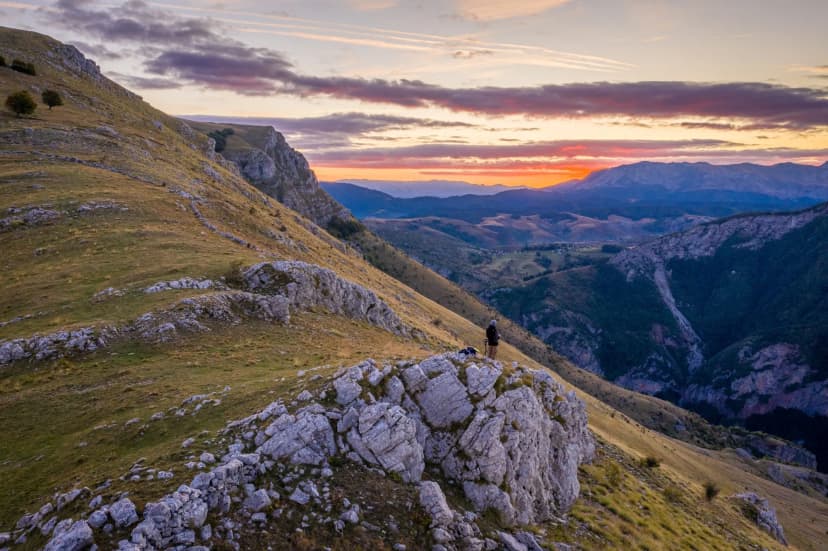
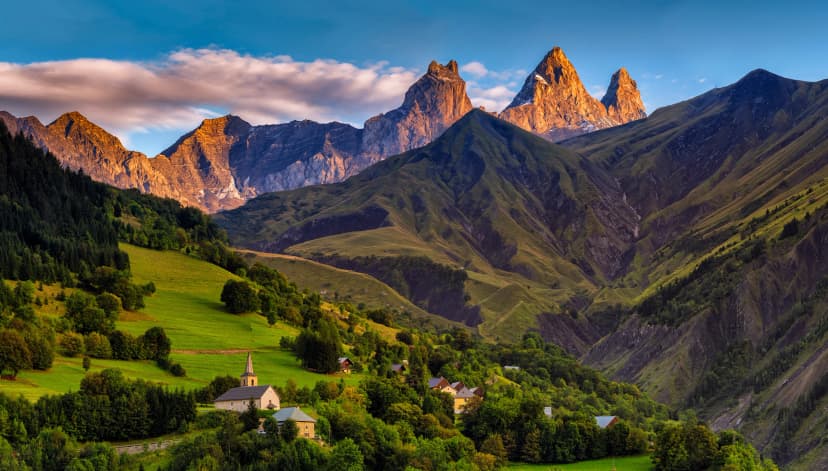
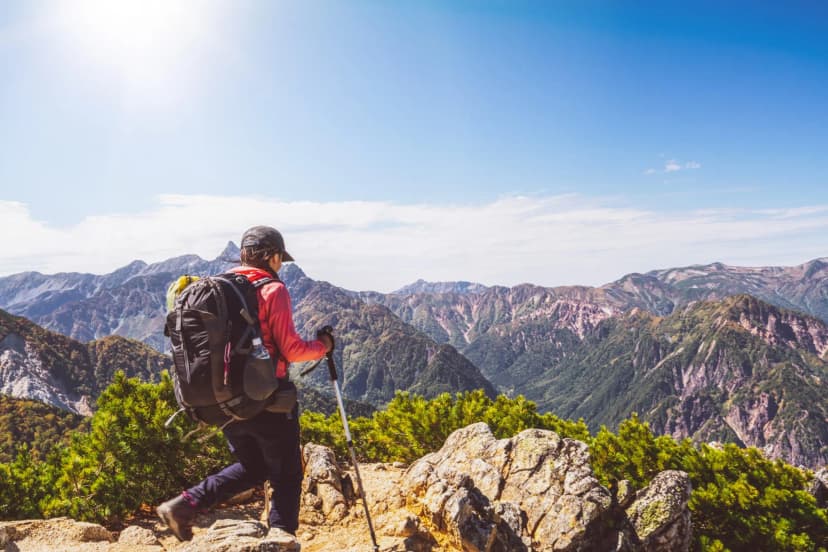
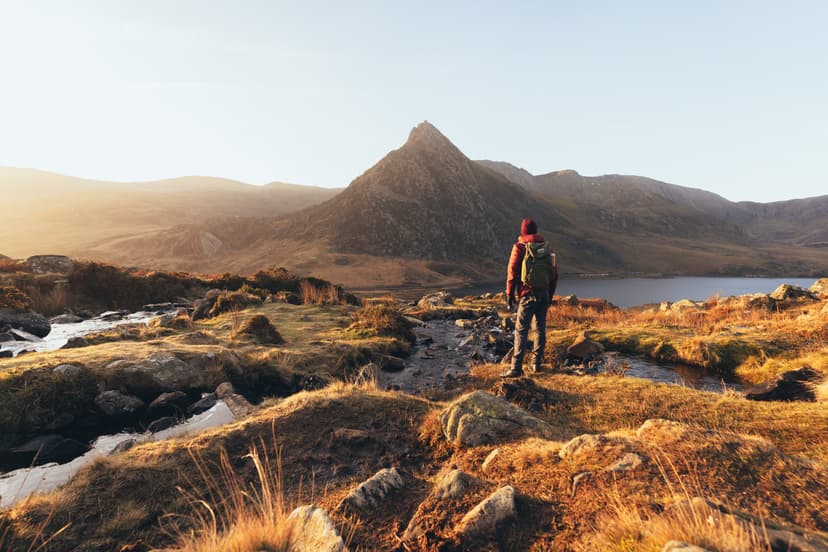
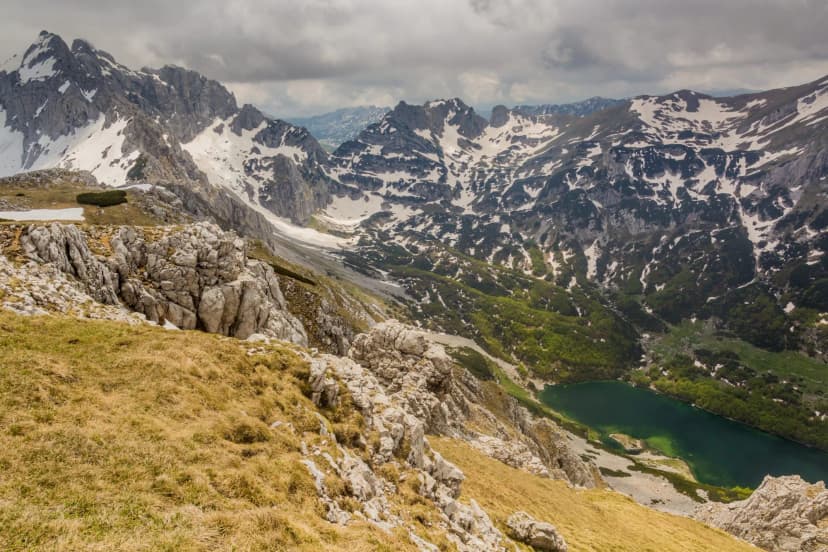
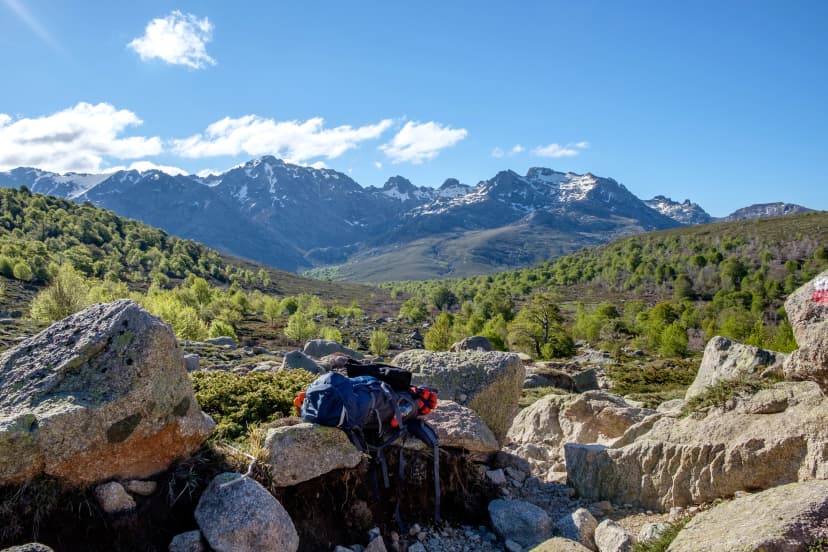
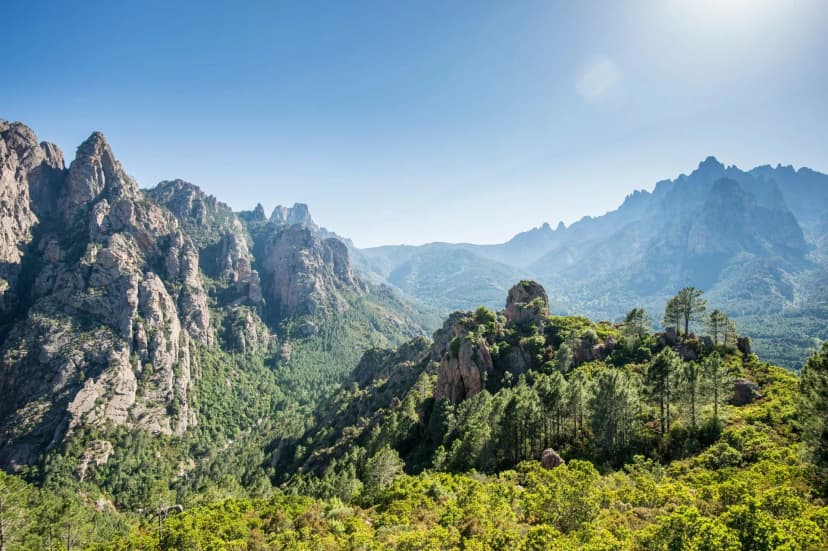
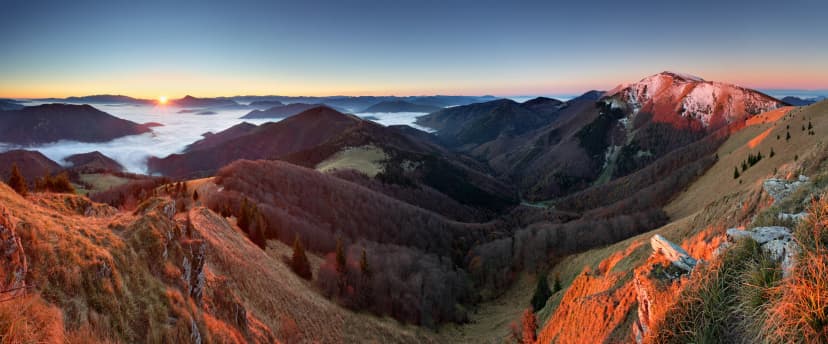
But for outdoor enthusiasts, leaving Albania off the map is an absolute mistake. For those seeking raw, untouched wilderness, jagged limestone peaks, and treks that feel like Europe did fifty years ago, Albania’s hiking trails should take a spot at the very top of the bucket list.
Why Hike in Albania?
If you’ve already ticked the Swiss Alps or the Dolomites off your list, you might wonder if Albania’s hikes can even compete. The short answer is yes, but it feels like a different genre of hiking. Walking the trails there is part outdoor adventure, part cultural immersion.
What Albania has to offer and what draws in hikers from all around:
Untamed landscapes
The peaks here are just as dramatic as Western Europe's finest, but without the paved paths, heavy crowds, and cable cars.
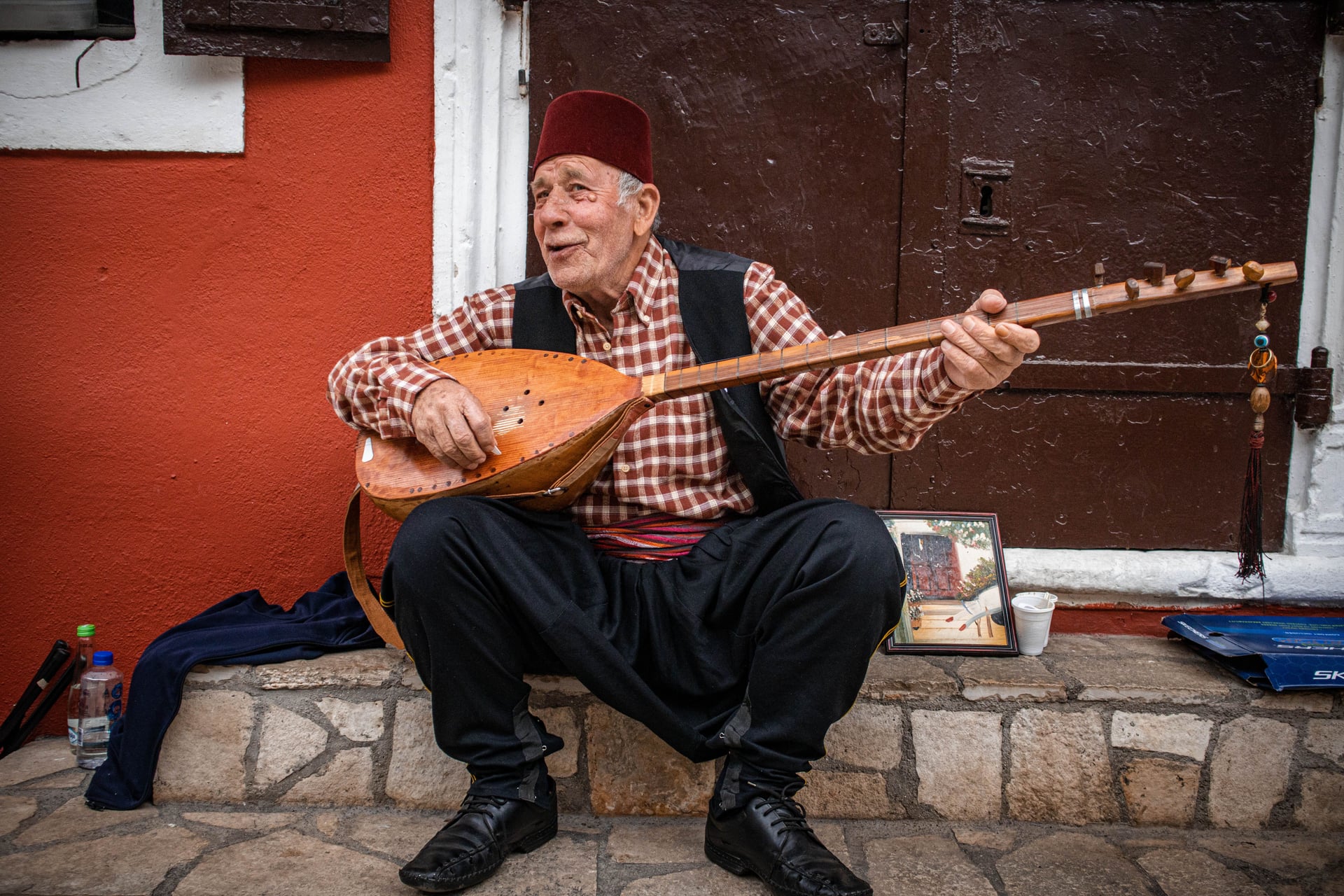
Hospitality
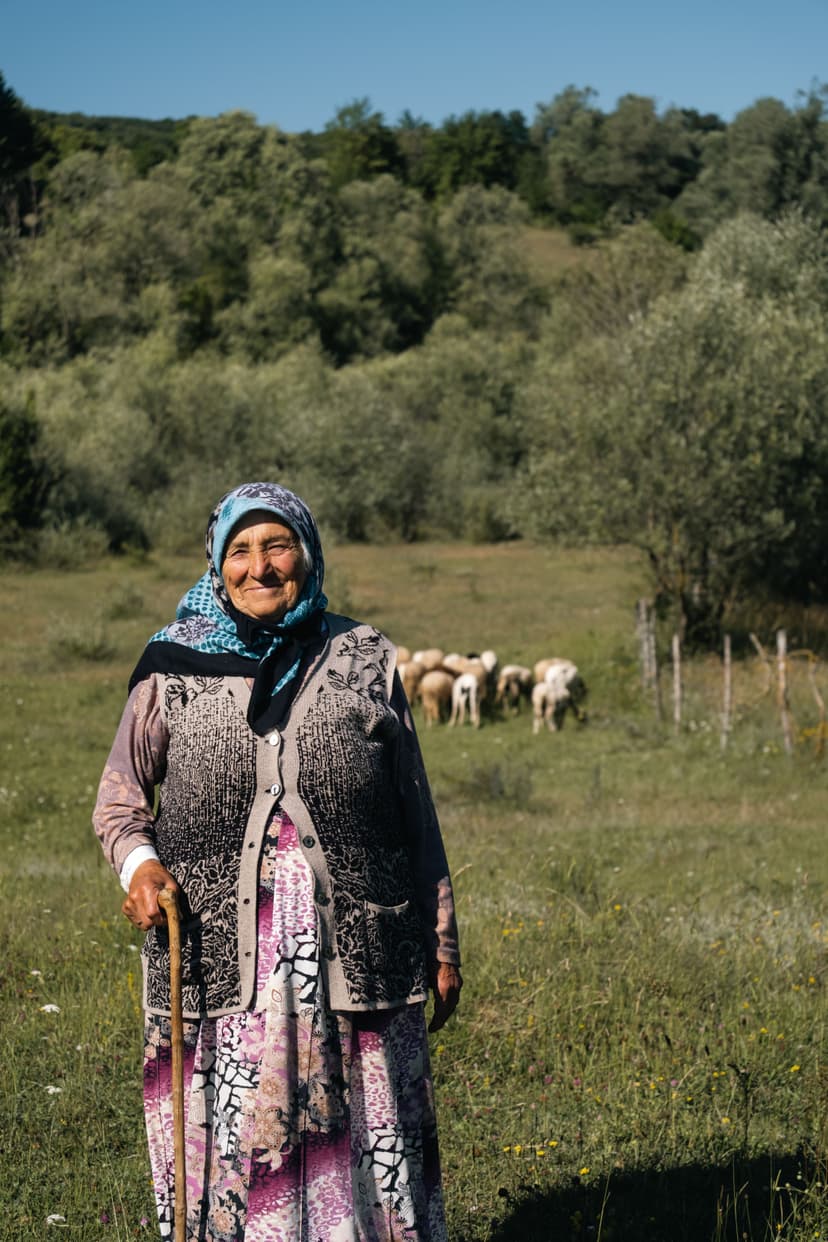
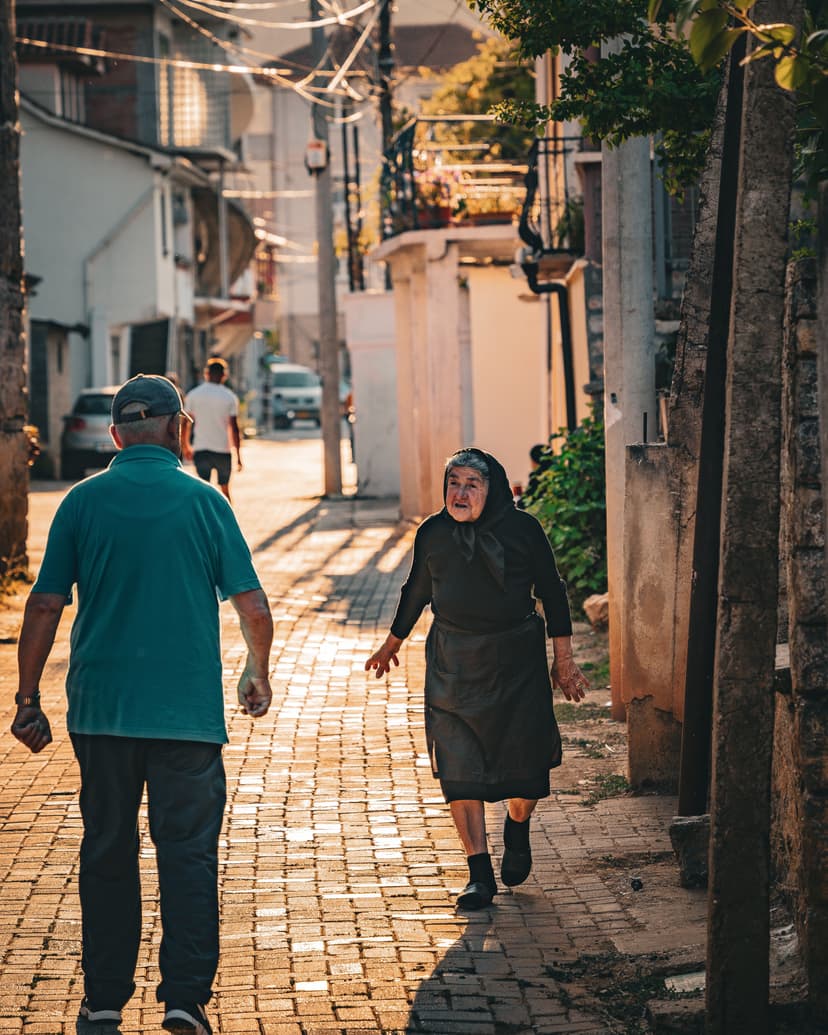
Albanian culture is governed by Besa, ‘a solemn oath’ or a code of honor which their renowned hospitality stems from. Guests are warmly greeted, well cared for and treated with respect, so you will feel welcome at every turn.
Unbeatable diversity
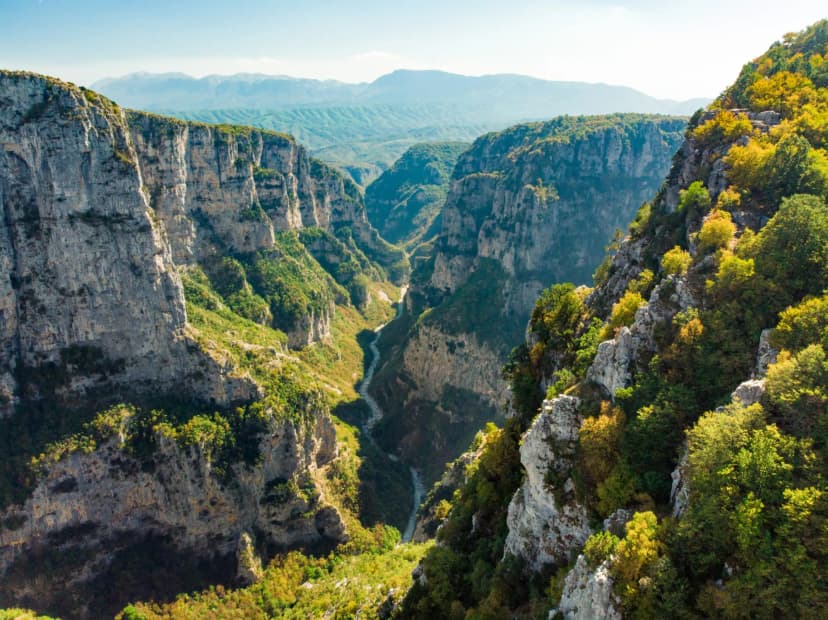
The country is roughly 70% mountainous, and several great Balkan trails run the full length of it — from snow-capped alpine passes, through traditional Ottoman stone villages, to the turquoise waters of the Mediterranean. The variety makes Albania an incredibly rewarding hiking country.
Exceptional value
Guesthouses with all meals run roughly €25–40 a night, and a multi-day Albanian Alp trip can cost a fraction of an equivalent in the Western Alps.
Easy hut-to-hut culture
A network of family guesthouses means you can do multi-day treks without a tent or cooking, sleeping in villages and eating hearty home-cooked food.
World-class long-distance hiking
The cross-border Peaks of the Balkans loop ~192 km for 10-13 days worth of walking through Albania, Montenegro, and Kosovo — one of Europe's finest multi-day treks.
Best Hiking Regions
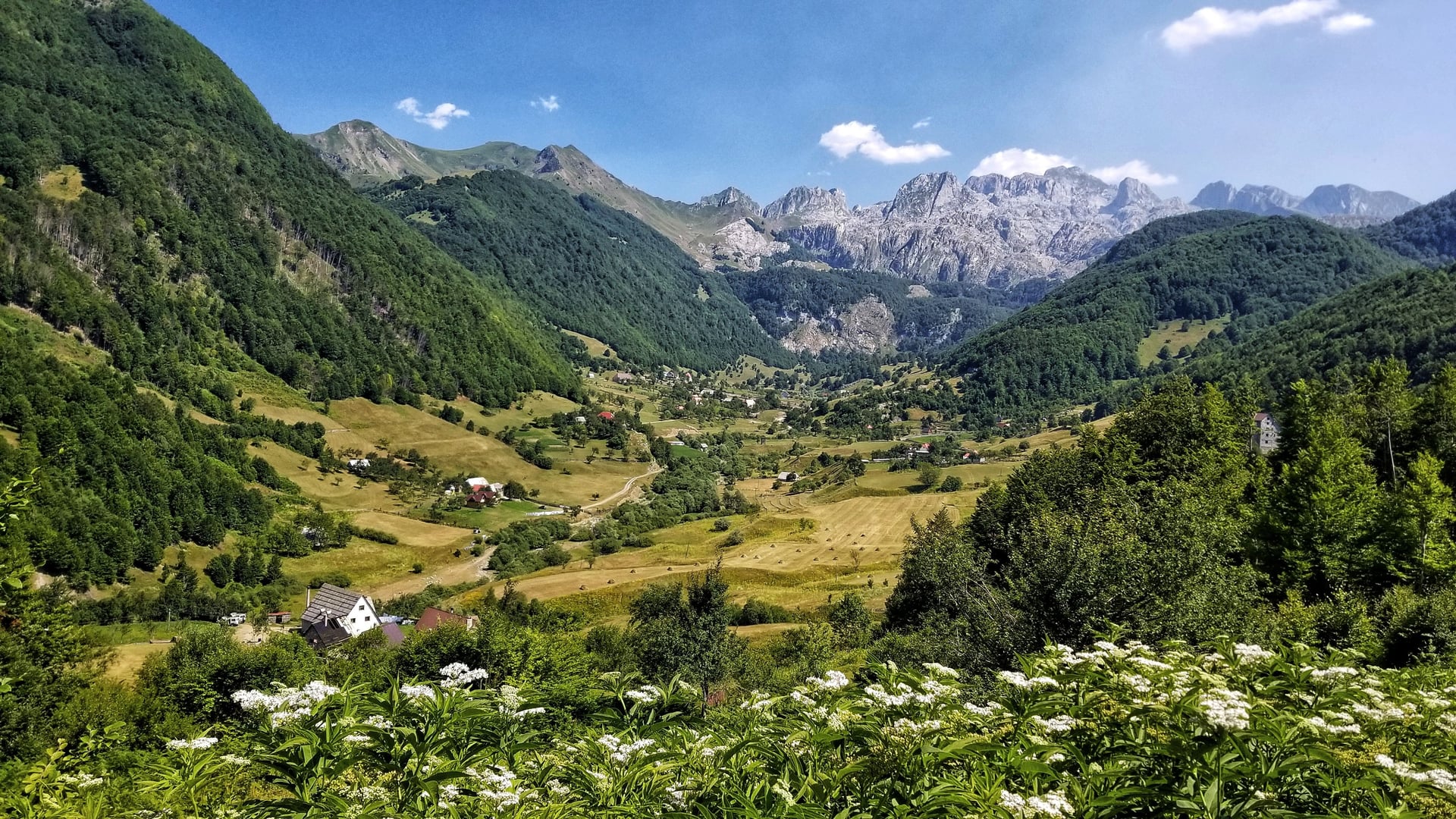
The country is broadly split into three distinct hiking regions:
Region | Highlights | Best for |
|---|---|---|
The North (Alps) | Valbona, Theth, Peaks of the Balkans | Rugged Alpine trekking |
The South (Riviera) | Mount Çika, Canyons | Coastal and cultural views |
The Center | Mount Korab | Peak bagging and meadows |
1. The North
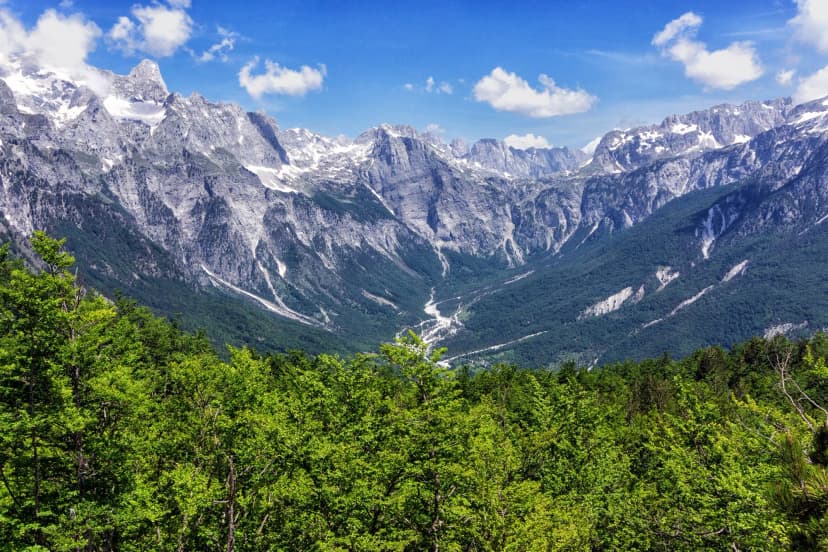
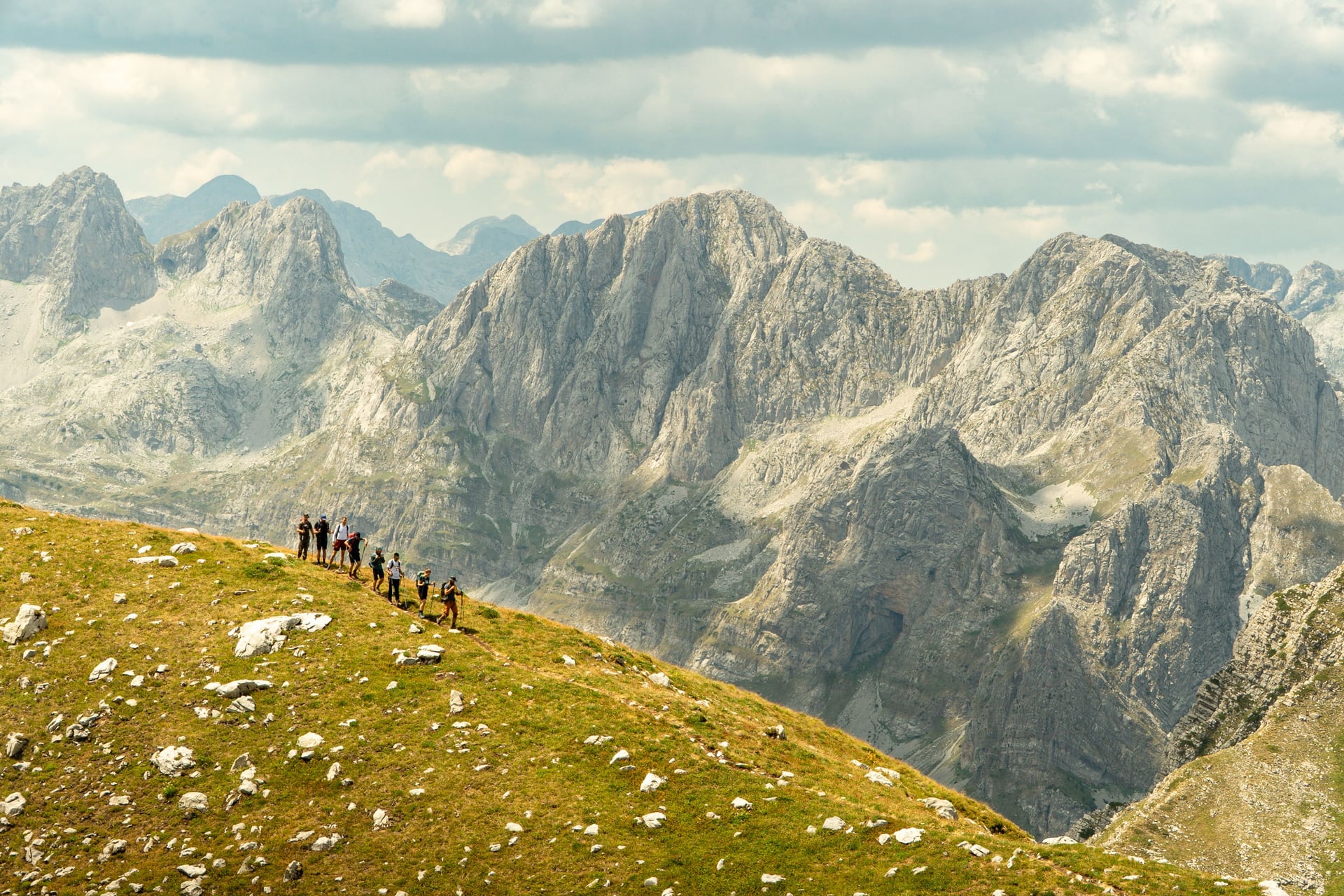
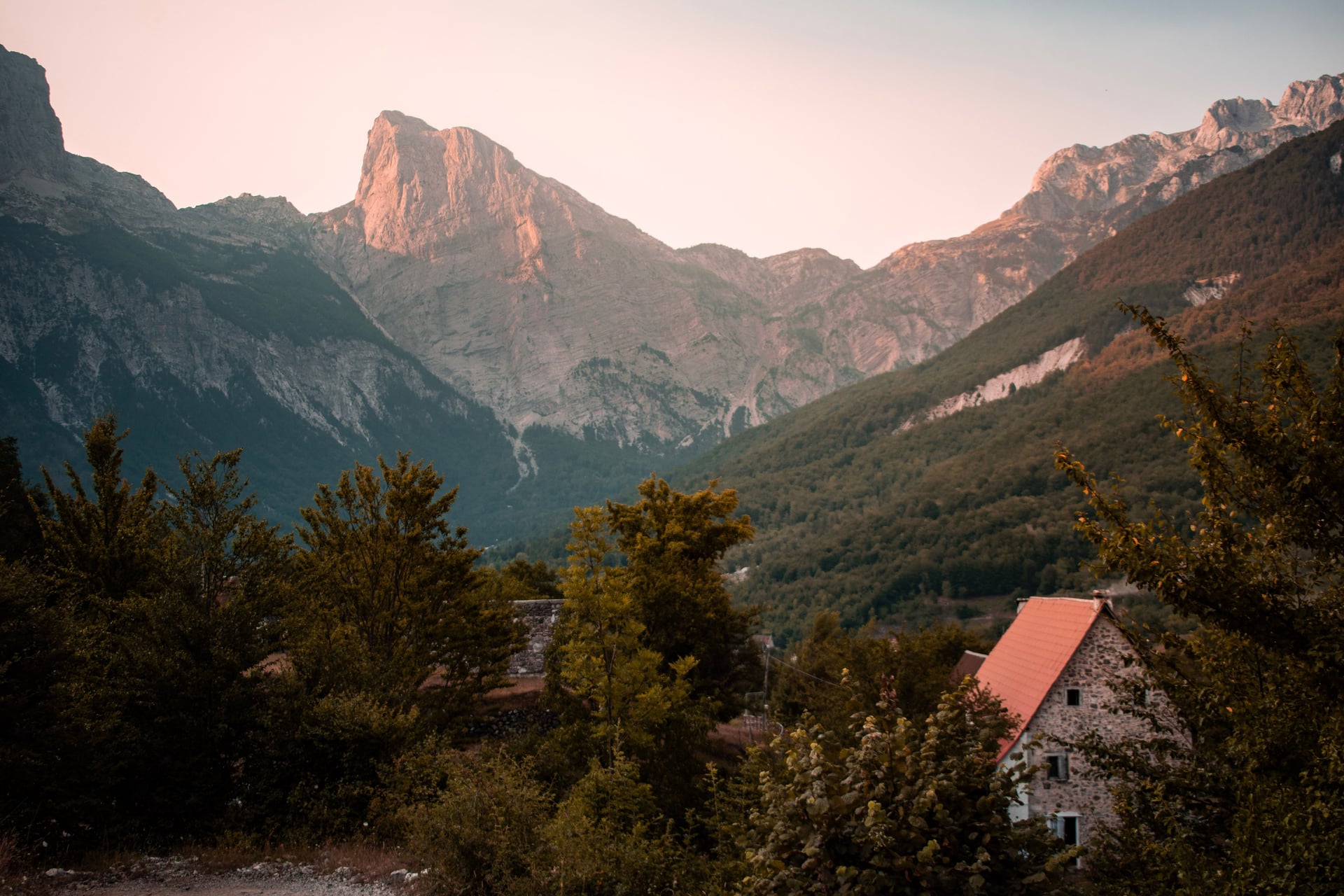
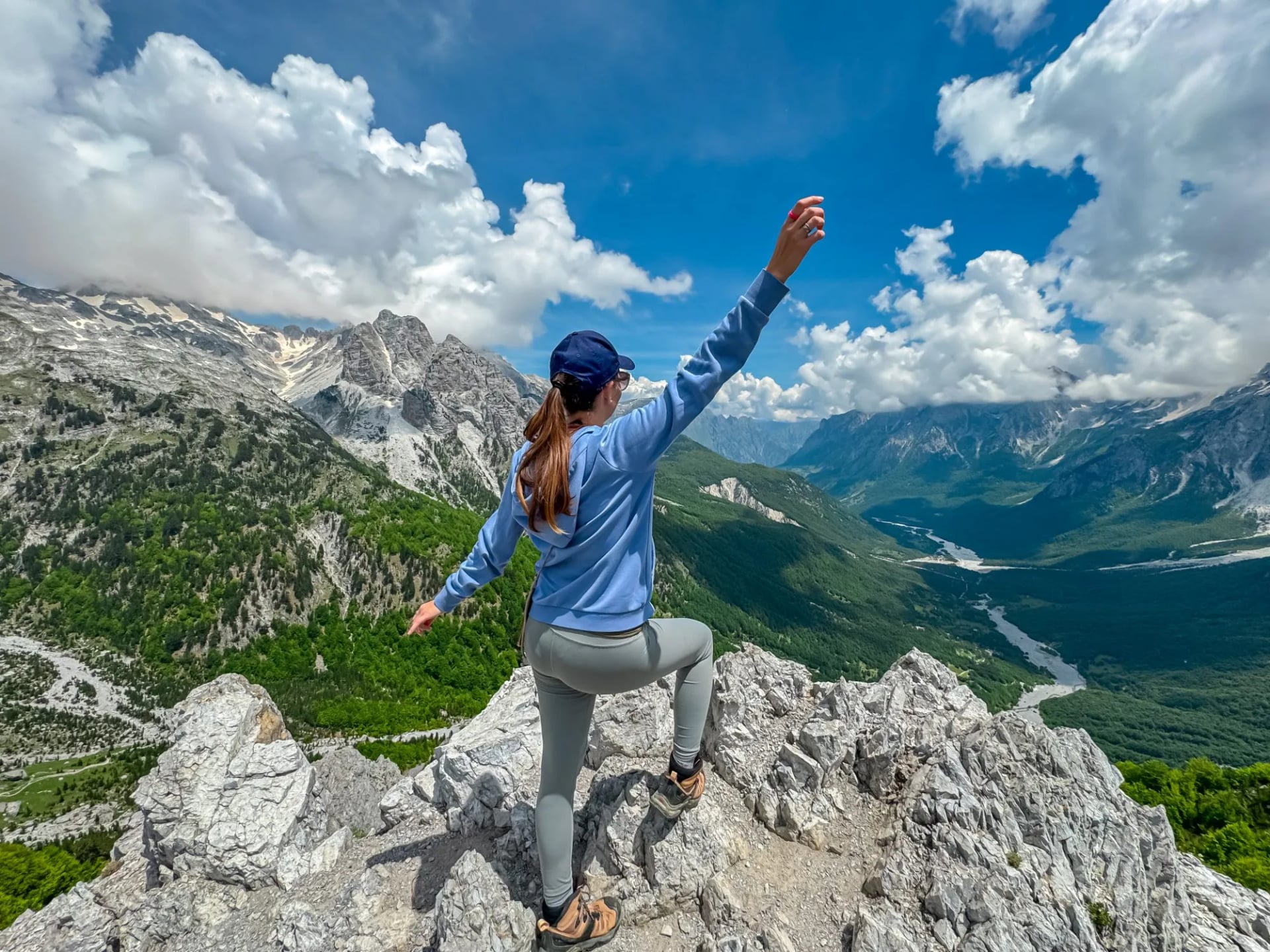
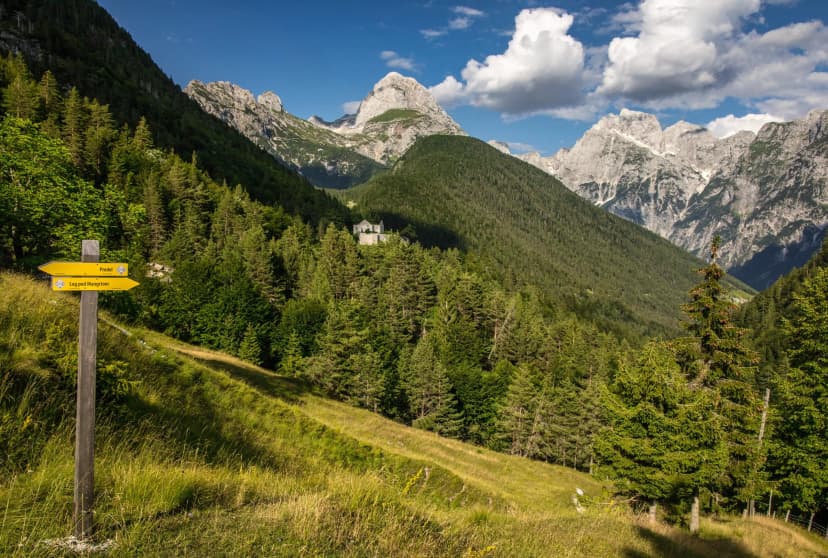
The heart of Albania hiking is the far north, where the Albanian Alps — better known by their evocative local name, the Accursed Mountains (named Bjeshkët e Nemuna in Albania, Prokletije in Montenegro) — form the highest and wildest stretch of the Dinaric Alps.
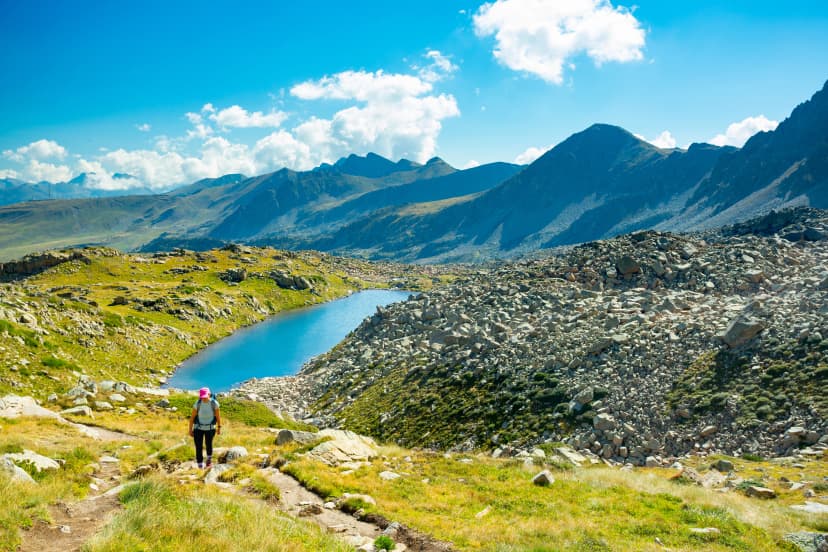
The most famous route here is the classic pass between the villages of Valbona and Theth with many day hike options on the way. The whole landscape is defined by towering limestone walls, deep green valleys, and charming mountain communities.
The Accursed Mountains are also a common gateway and large part of the legendary Peaks of the Balkans trail, an epic cross-border route that winds through Albania, Kosovo, and Montenegro. It is the crown jewel of the Balkan trekking scene.
Wish to dive deeper? Read our detailed guides to hiking the Accursed Mountains (Prokletije) for tips and in-depth information.
2. The South
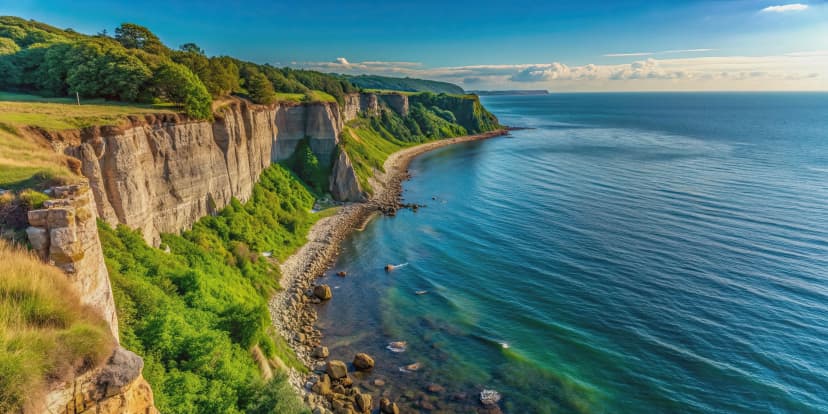
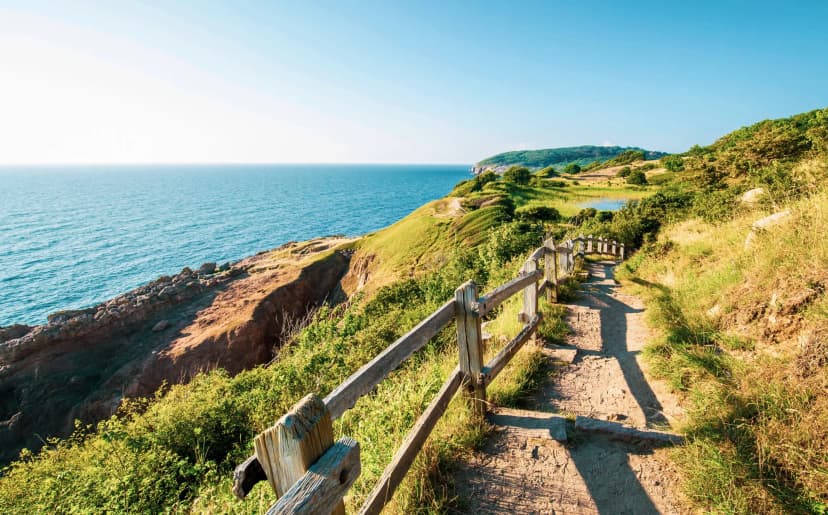
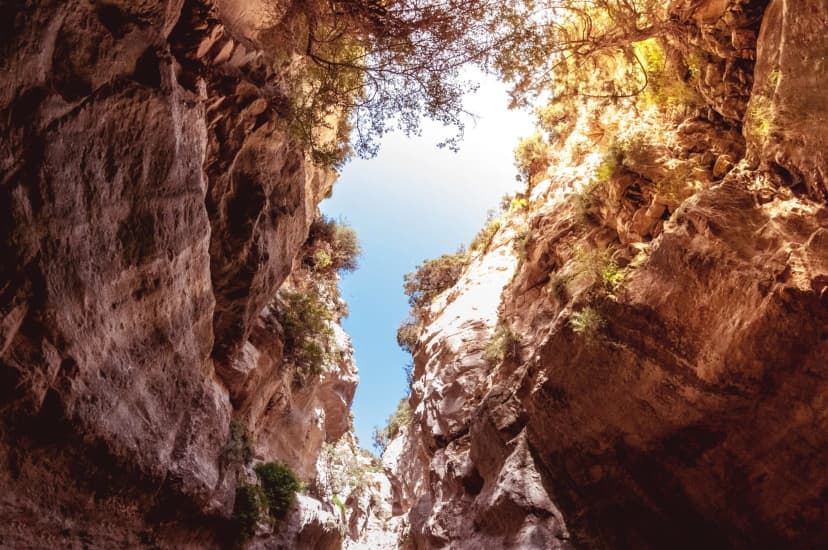
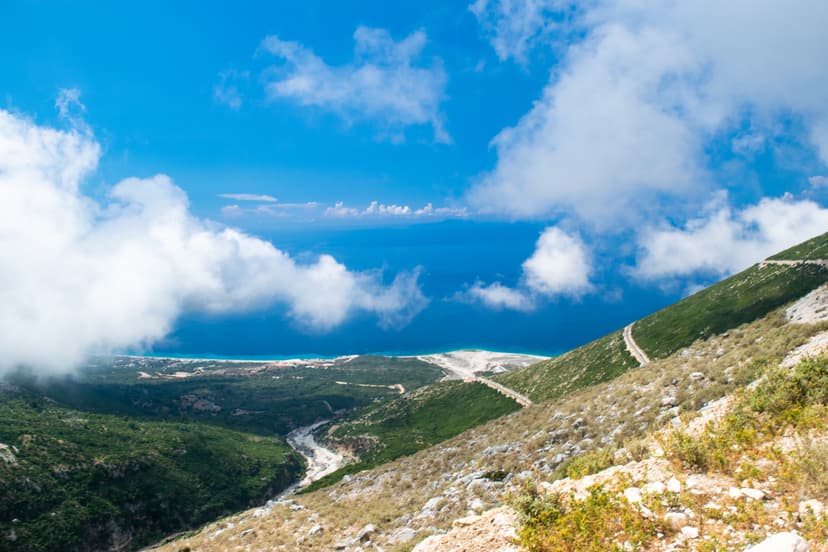
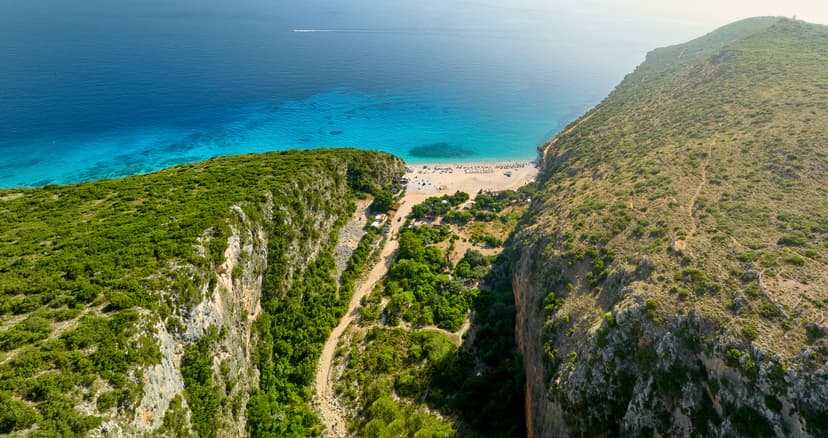
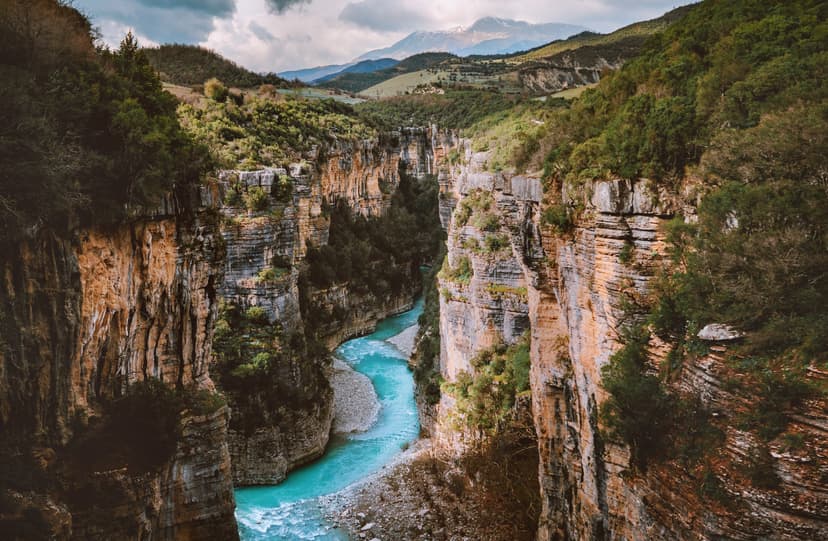
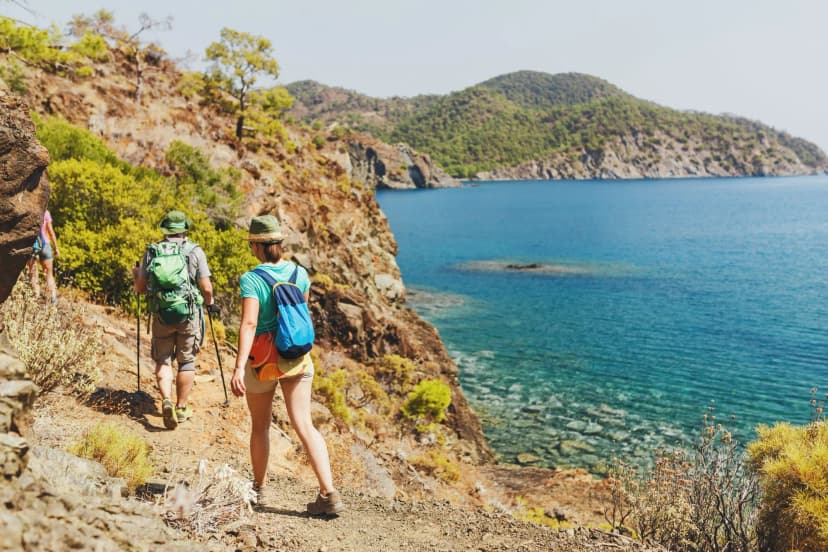
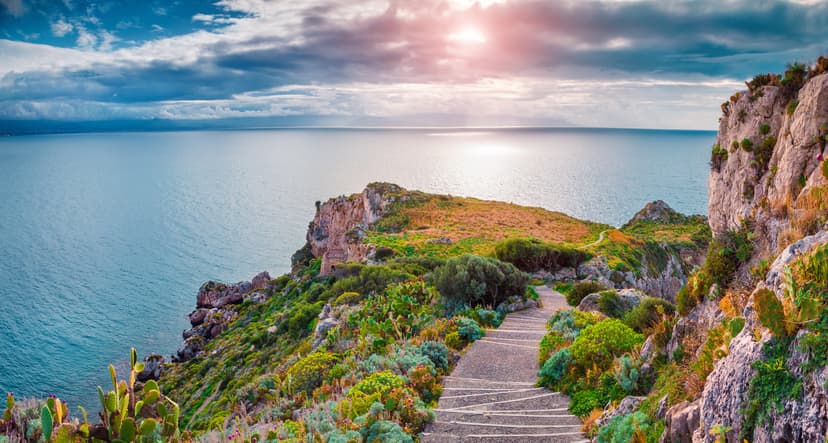
If you prefer your hikes shorter and your mountain views with a side of coastal breeze, the south is where you should go. Here, the mountains literally dive into the Ionian Sea and offer many great day hikes:
3. The Center-East
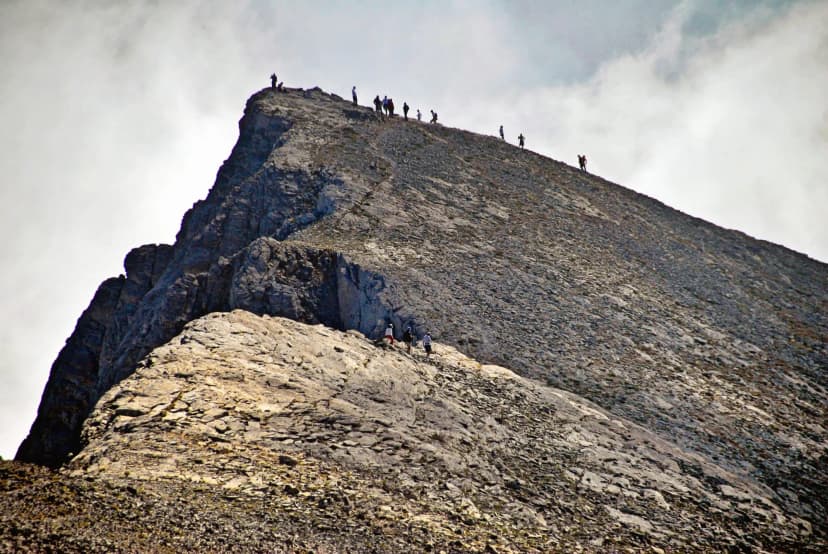
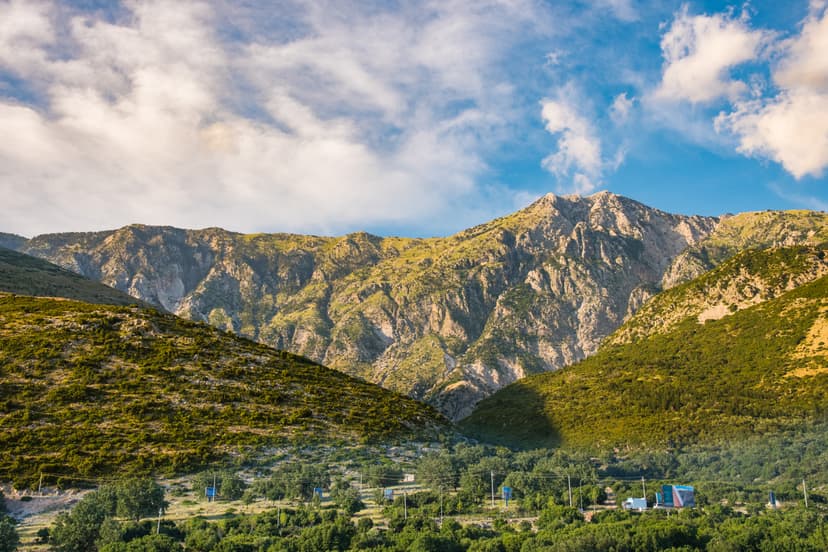
For peak-baggers, Central and Eastern Albania offers Mount Korab in the eponymous mountain range. Standing at 2,764 meters and sitting directly on the border with North Macedonia, it is the highest peak in both Albania and North Macedonia.
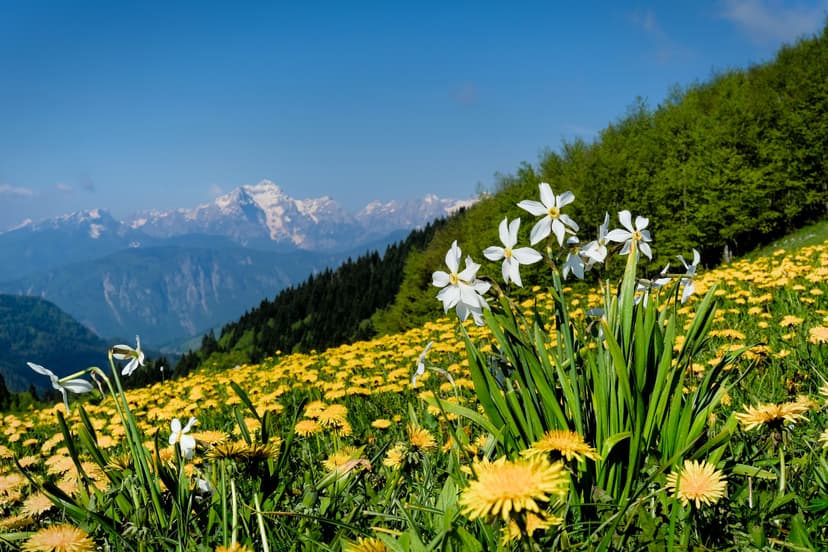
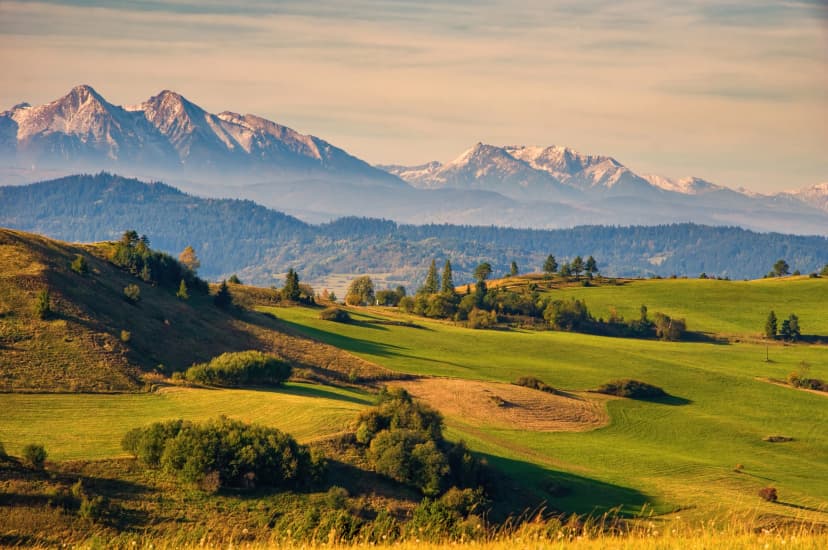
The summit trek is around 15 km round trip with about 900 m of ascent, typically a long seven-to-nine-hour day. The terrain here is gentler and rolling compared to the jagged peaks of the north, covered in vast alpine meadows that burst with wildflowers in the early summer.
How Difficult Are Hikes in Albania?
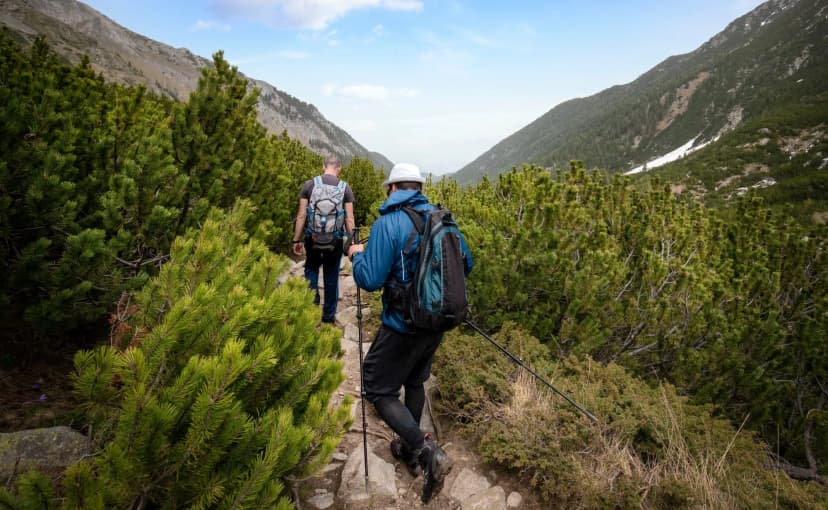
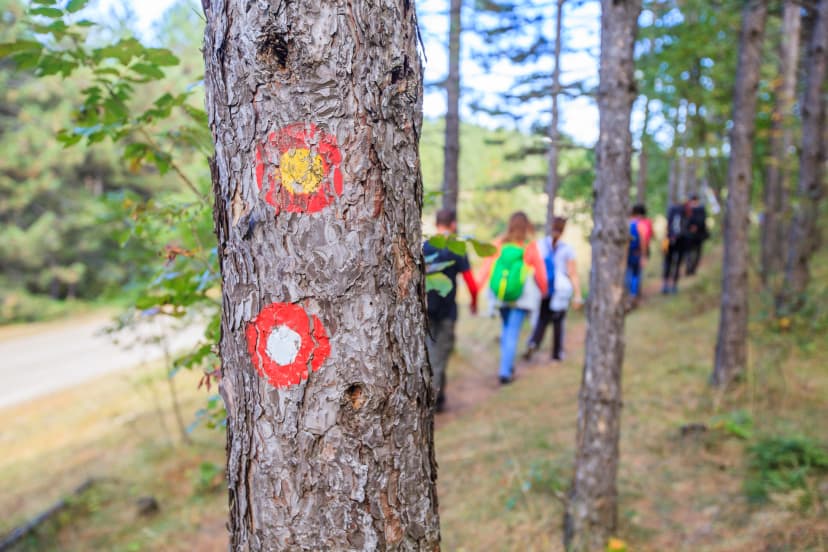
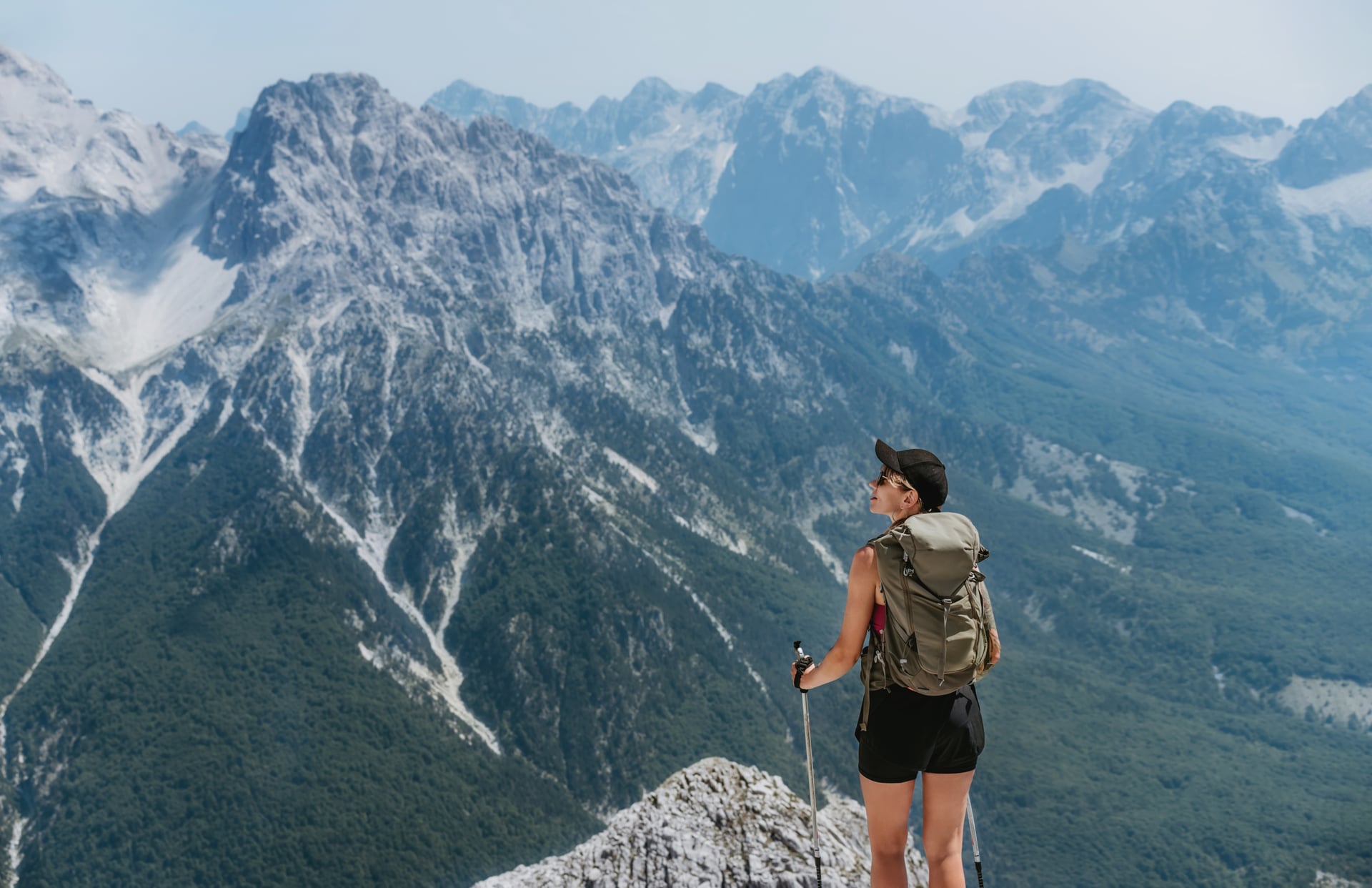
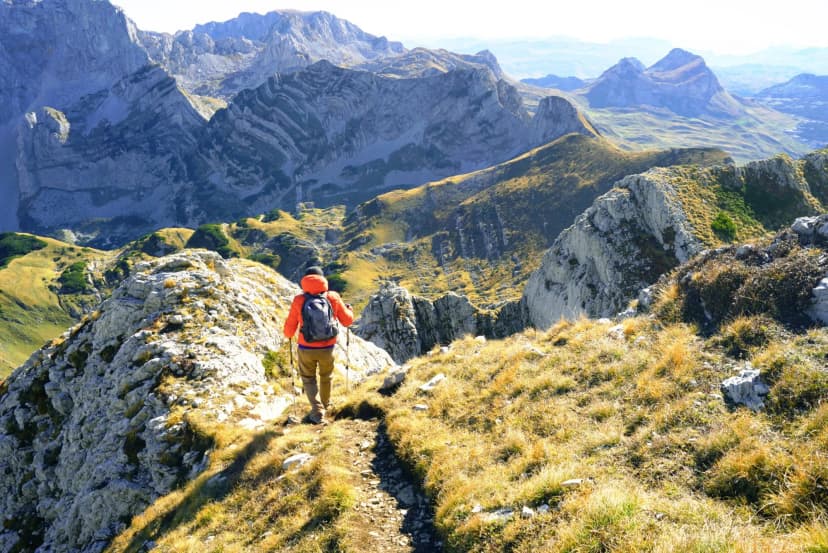
Trekking in Albania is entirely manageable for anyone with a good baseline of fitness, but the terrain requires respect. Albania has no national difficulty grading. The red-and-white blazes painted on the rocks tell you where the path goes, not how hard the day will be — a well-marked trail here can still cross an hour of loose limestone scree with no shade and no water.
In practice the country's trails sort into four categories, and knowing which one you have signed up for matters the most.
Valley and village walks
Mostly a couple of hours on gentle ground, usually under 300 meters of climbing: the path up the Theth valley to the Grunas waterfall, the flat riverbed walks around Valbona, the short approach to the Blue Eye. If you walk regularly at home, you will be comfortable in trail shoes.
Pass crossings
The classic Albanian hiking day, and the one most visitors come for. Valbona to Theth over Qafa e Valbonës (around 1,800 meters) covers roughly 17 kilometers with about 1,000 meters of ascent and a similar descent, and takes 6 to 8 hours. Nothing on it is technical, but the climb is relentless, the limestone underfoot is loose, and the upper section is fully exposed to the sun.
Multi-day routes
Pass days, one after another. Our Peaks of the Balkans itinerary covers 137 kilometers and roughly 9,500 meters of ascent across 11 hiking days, with individual days ranging from 10 to 22 kilometers and 600 to 1,500 meters of climbing. The difficulty here is cumulative — no single day is beyond a fit hiker, but the ninth one arrives on tired legs.
Summits and scrambles
Maja Jezercë (2,694 meters), the highest peak in the Dinaric Alps, and Mount Korab (2,764 meters) on the North Macedonian border are a different proposition: route-finding, exposure and loose rock, with sections that need hands. These are mountaineering days rather than hiking days, and they are best done with a guide.
On our own tours we rate every trip for fitness and technical difficulty on a scale of 1 to 5.
The Accursed Mountains tour sits at 3/5 for both, which puts it within reach of anyone comfortable on a long hill day at home. The Peaks of the Balkans Trail is 4/5 fitness, 3/5 technical — the ground is no harder, there is simply much more of it.
Neither asks you to be an elite athlete, but both assume you can walk 6 to 8 hours a day on consecutive days.
On the Trail: Safety & Etiquette
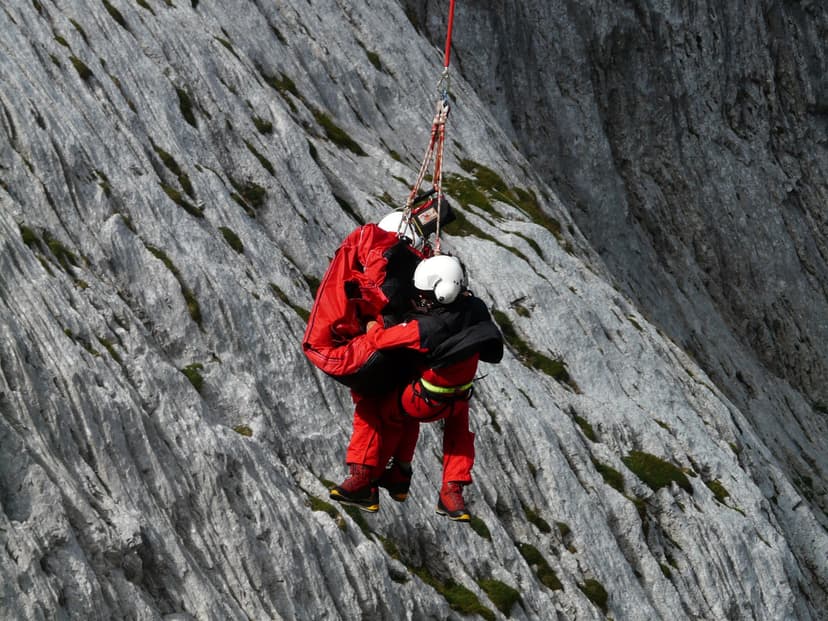
Albania is an incredibly safe and welcoming country for travelers. However, the wilderness here is raw, and there are unique regional factors to keep in mind that you won't find in standard hiking brochures.
Universal hiking sense applies everywhere, so here we focus on the things that are genuinely specific to Albania — the ones that catch out visitors who've hiked plenty elsewhere.
Best Season & Weather
Timing your trip is everything, especially if you have your sights set on a high-altitude multi day hike in Albania. The mountain passes dictate the trekking calendar.
Summer
Mid-June to September is the absolute best time to hike in Albania if you want to tackle the high passes like the Valbona Pass or the Peaks of the Balkans. By mid-June, the snow has usually melted enough to make the trails safe without specialized alpine gear.
The weather is warm, sunny, and dry with over 20°C in the valleys and cooler up high. This is also when the trails are liveliest, but "crowded" in Albania is nothing compared to the traffic jam of the famous Alpine trails in Western Europe.
Spring & Autumn
A beautiful but unpredictable time to visit.
May, early June: The valleys are bursting with spring wildflowers, but the highest passes are often still blocked by steep snow walls.
September, October: A lovely second shoulder season, with September still similar to May in temperature and quieter than August. The autumn colors in the beech forests are spectacular, and the summer heat breaks. However, days are shorter, and you run the risk of sudden, freezing mountain rainstorms or the first autumn snowfall on the high passes.
Winter
Between November and April the high-altitude trails are completely buried in snow, transforming the Accursed Mountains into a playground strictly for experienced winter mountaineers with avalanche safety training, crampons, and ice axes.
For the Accursed Mountains specifically, the safe, reliable window is narrow — roughly late June to early September.
How to Get There & Around
Getting deep into the Albanian wilderness is half the adventure. Albania’s infrastructure is developing rapidly, but mountain transit still requires careful planning.
Car rental vs. public transport
For the northern Alps, renting a car is usually unnecessary: the Theth–Valbona hike is point-to-point, the roads are slow, and the ferry charges far more for vehicles. A car only earns its keep in the south — Llogara, the canyons, the coast — so many hike the north car-free, then rent for a southern loop.
Should you choose to drive, the US Embassy in Albania publishes helpful driving information, or check with your own country's nearest embassy. Crossing into Montenegro or Kosovo? Tell the rental company in advance for the cross-border insurance "green card" and fee.
Public transport relies heavily on furgons (local buses and minibuses). For major hiking destinations, there are reliable daily departures from gateway hubs. There is rarely a bus terminal in remote areas — vehicles gather at a square or gravel lot, and Maps.me is recommended for finding these. Mountain buses have fixed schedules but often leave whenever full, so arrive at the stop early and build some slack into any transfer day.
Payment is cash-only (Lek or Euros) paid directly to the driver. While it is possible to buy a ticket on platforms like Gjirafa Travel, you should always have your ticket printed; and don’t expect a reserved seat.
Keep in mind that while main highways are smooth, the roads leading deep into the mountain valleys can be narrow, winding, and rugged. If needed, bring medicine against motion sickness.
Getting from the airport to trailhead
This is the most common sequence for hikes in the northern part of the country:
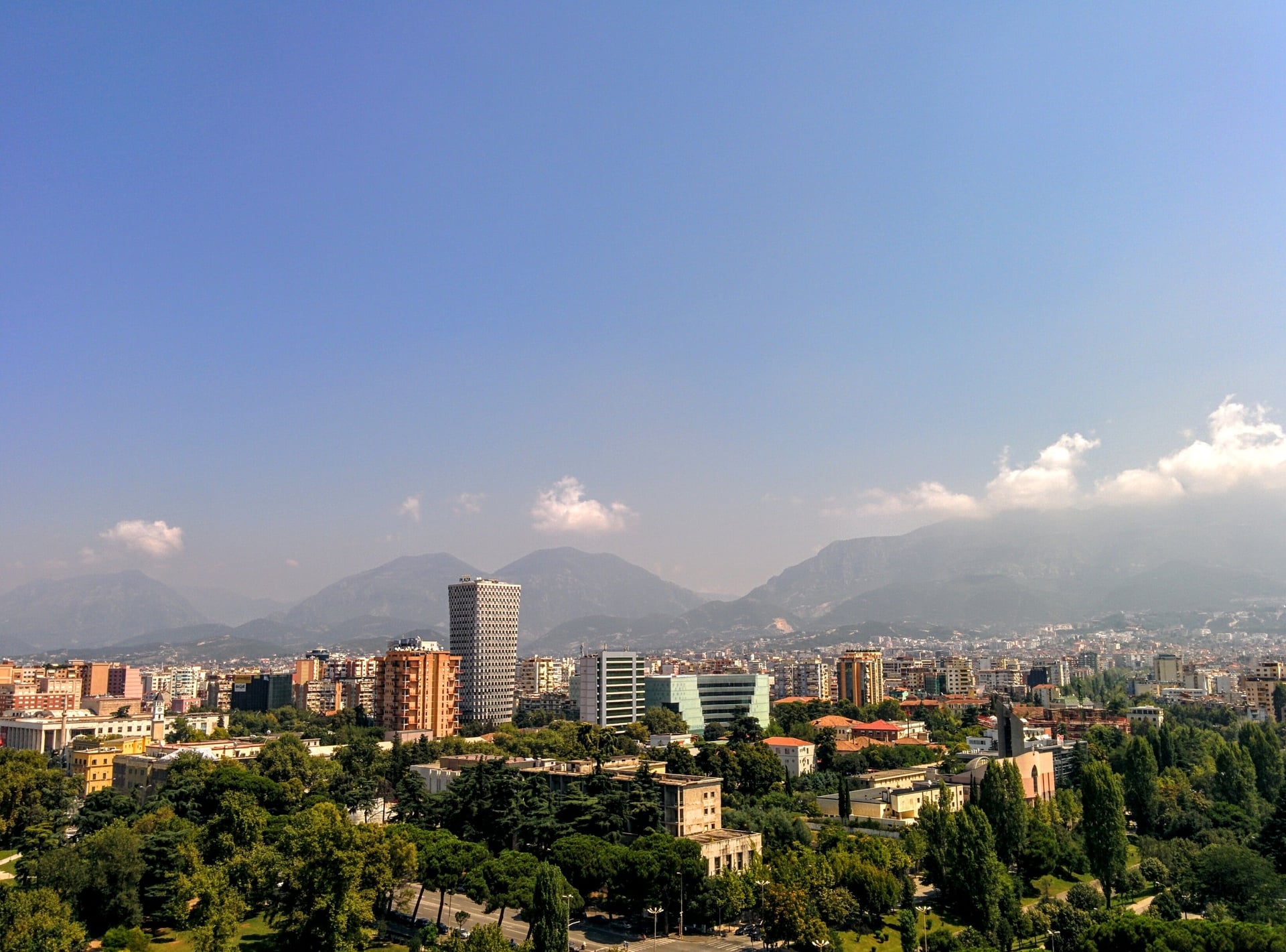
Most people fly into Tirana (TIA), the main airport, about two hours from Shkodër. Podgorica in Montenegro is actually closer to the Alps and worth checking; Pristina in Kosovo only makes sense if you're starting the Peaks of the Balkans from that side.
From Tirana, an intercity bus or a shared minibus takes about 2 hours and costs around €3–10, with some direct services from the airport. A private transfer or taxi runs €65–90 — faster and door-to-door. It's worth a night in Shkodër to break the journey and stock up on cash.
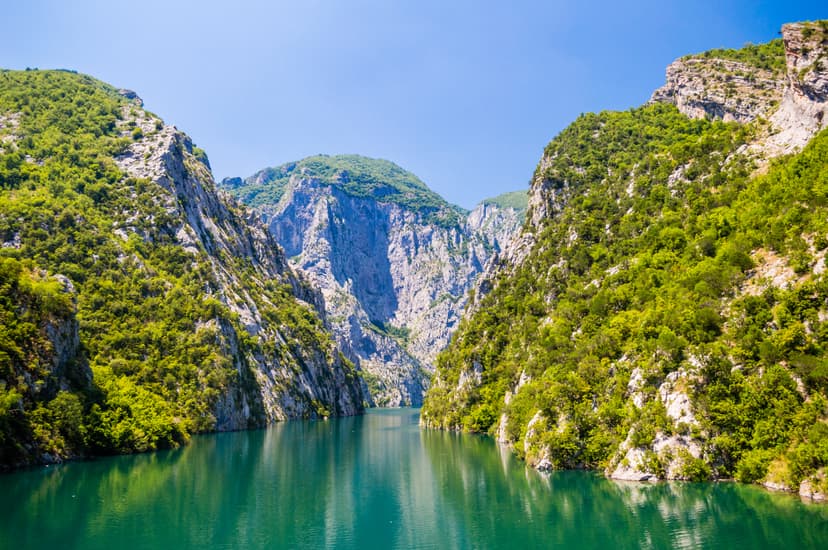
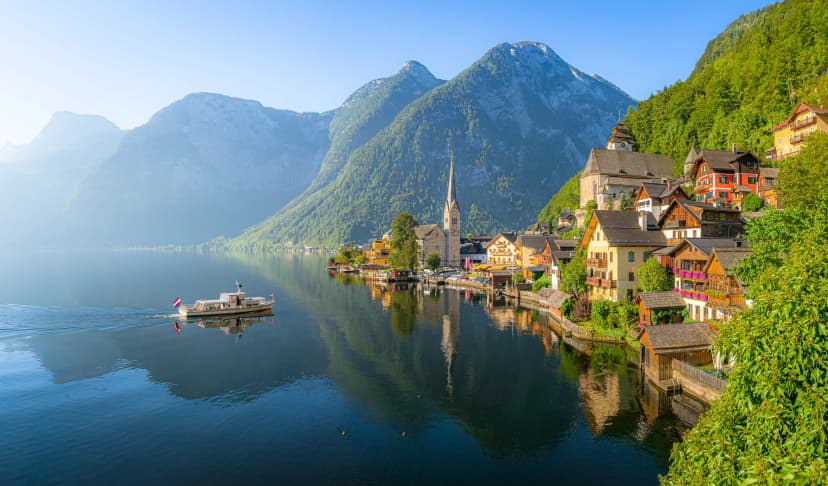
The northern Alps are the only region with a proper hiker-transport network: Theth has a daily minibus from Shkodër (~3 hours, €10–15) and Valbona is reached via the scenic Lake Koman ferry that is reminiscent of sailing the Norwegian fjords. A popular plan is to ferry into Valbona, hike the pass to Theth, and minibus back.
Elsewhere the rule is the same: base yourself in the nearest hub town and arrange the final leg locally, as public transport thins out near the trailhead. For the remote routes, a local guide or driver often saves a lot of hassle.
Regardless of your chosen transport type, if your route is the Peaks of the Balkans, the single most important piece of planning is the cross-border permit. Because you'll sleep overnight in Albania, Montenegro, and Kosovo, you need permits for the border crossings where you stay over. You can find the most useful and reliable information on the official Peaks of the Balkans website.
Accommodation
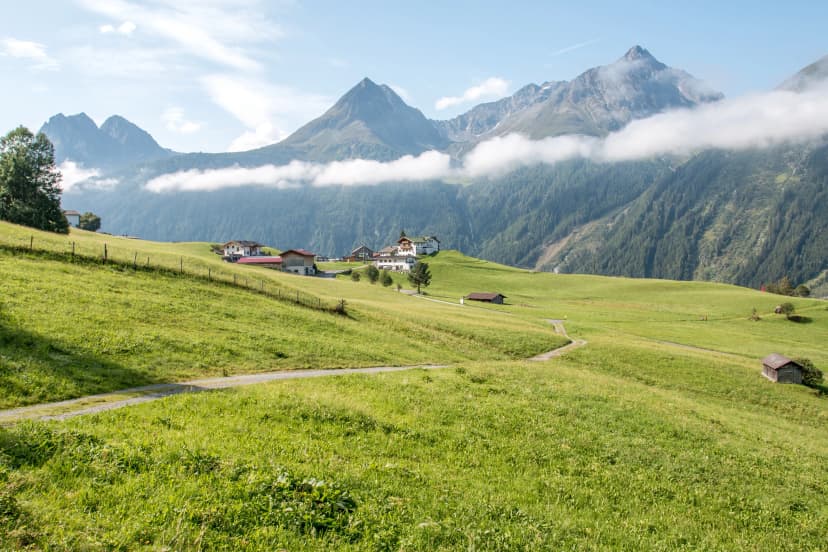
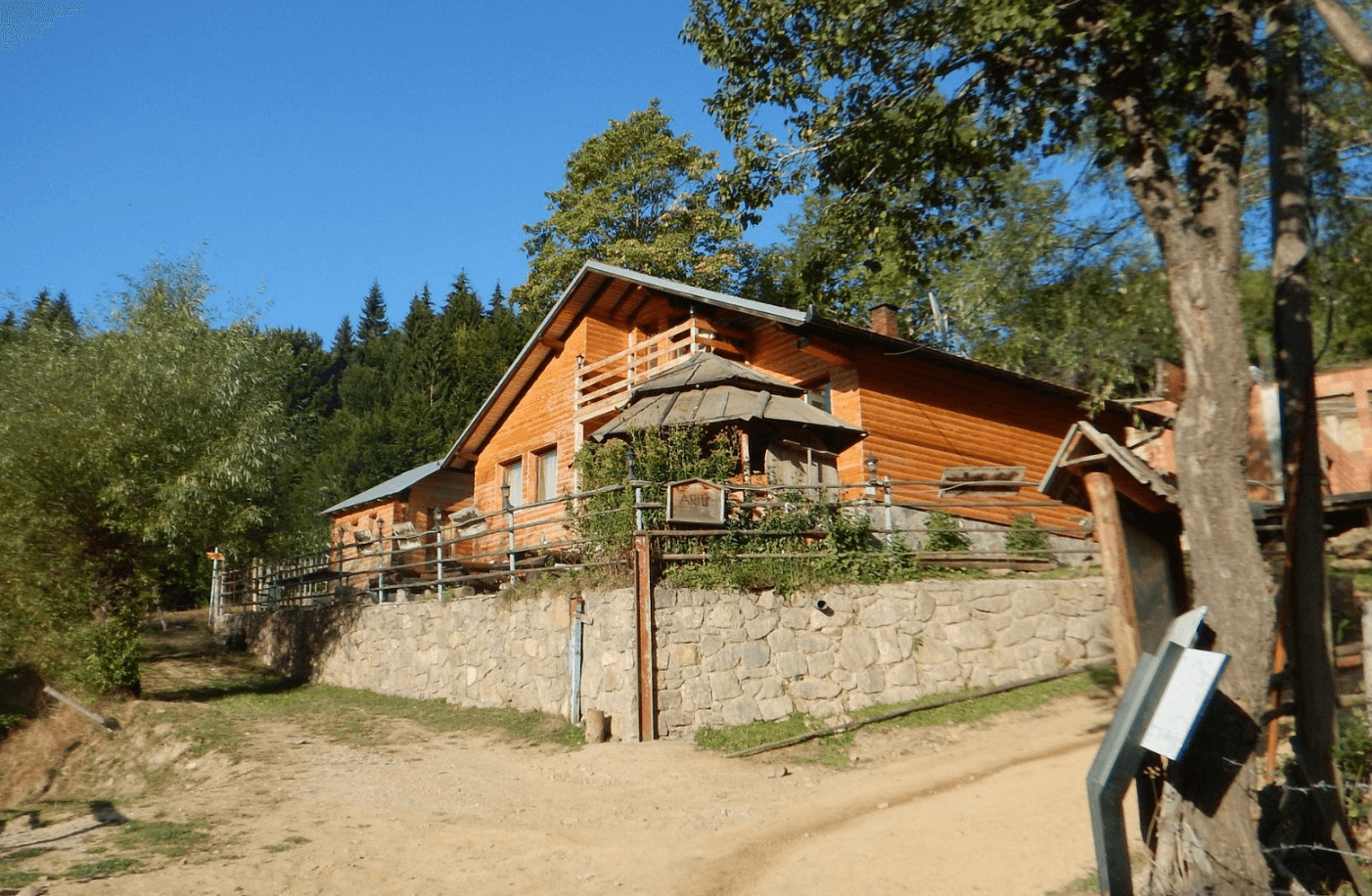
One of the best parts of trekking in Albania is that you can leave your tent and heavy sleeping pad at home. The remote valleys are anchored by a network of cozy and welcoming mountain guesthouses.
What to Expect
Shared or private bathrooms
Thin wooden walls & rustic vibes
Family-run, authentic atmosphere
Unmatched local hospitality
Authentic and filling meals
These are family-run homes where you are treated less like a customer and more like an honored guest.
The food alone is worth the trek. Guesthouses typically serve hearty meals: farm cheeses, delicious bread, slow-cooked meats, stuffed vegetables, and plenty of local honey. Upon request they will also pack a picnic lunch for your day on the trail.
.jpg&w=1920&q=85)
On the Trail: Safety & Etiquette
Albania is an incredibly safe and welcoming country for travelers. However, the wilderness here is raw, and there are unique regional factors to keep in mind that you won't find in standard hiking brochures.
Universal hiking sense applies everywhere, so here we focus on the things that are genuinely specific to Albania — the ones that catch out visitors who've hiked plenty elsewhere.
What to Pack
You already know to bring reliable, broken-in hiking boots, moisture-wicking layers, a warm upper layer and a solid waterproof jacket. But to fully enjoy a hiking trip in Albania, you need a few highly specific items some hikers might otherwise leave behind:
Your passport (and border permit) on the trail, not in your accommodation. On the Peaks of the Balkans you cross international borders mid-hike, so your passport and approved cross-border permit travel with you in your pack.
Plenty of cash. Always ensure you carry enough cash (also the official currency, Albanian lek, as euros may not be accepted everywhere, or the exchange rate can be poor) before leaving Shkodër or Tirana to cover any personal expenses, trail snacks, or transport. Bring small denominations; change for large notes is scarce.
Earplugs. Accommodations in Albanian hiking trails are tidy, relatively spacious and comfortable compared to mountain hut systems. However, you might want earplugs to block out the sounds of early-rising hikers, housekeeping and local fauna.
A dry bag to protect documents and electronics on the ferry or in summer storms.
.jpg&w=1920&q=85)
Local Laws and Rules
While Albania is incredibly welcoming, navigating its legal framework as an independent hiker requires a bit of foresight. Breaking these rules—even accidentally—can result in hefty fines.
Carry identification at all times: By law in Albania, tourists are required to carry a valid ID or passport at all times. Local authorities do have the right to ask for it.
The border permits: If you are tackling a multi-day route that clips the borders of neighboring Montenegro or Kosovo (like the Peaks of the Balkans), you must apply for and receive the border crossing permits from respective authorities before your trip.
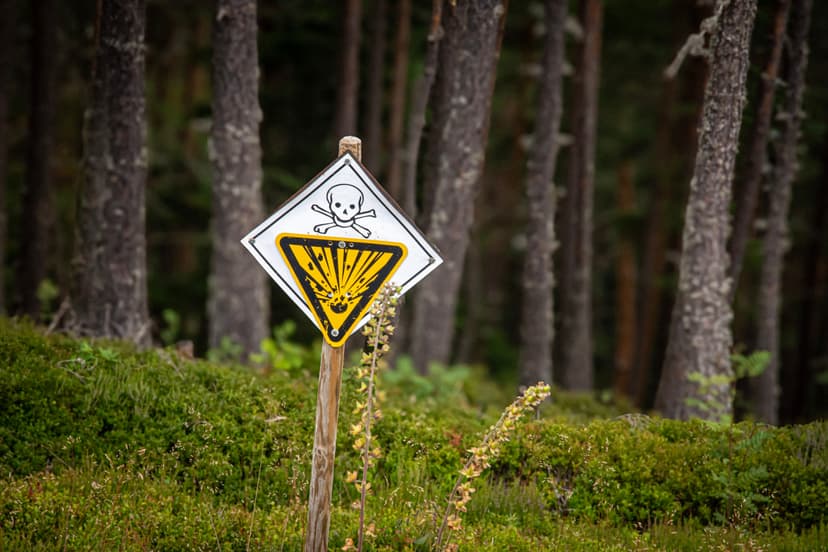
Strict drone regulations: Albania’s dramatic peaks are a dream for drone photography, but the country has strict drone aviation laws. Drones must be registered with the Albanian Civil Aviation Authority (ACAA), and recreational flights require an official flight permit. Furthermore, flying anywhere near military installations, government buildings, airports, or core national park zones is illegal and actively enforced.
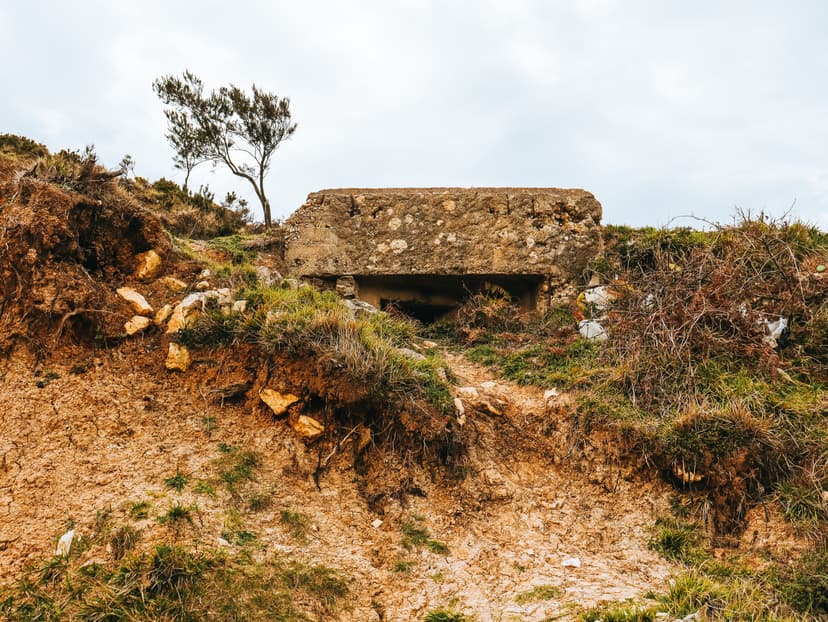
Photography restrictions: It is strictly illegal to take photos or videos of military sites, personnel, or active government installations. Keep your camera trained on the breathtaking peaks, and if you aren't sure what a specific concrete building or fenced area is, keep it out of the frame.
Is Albania Next on Your List?
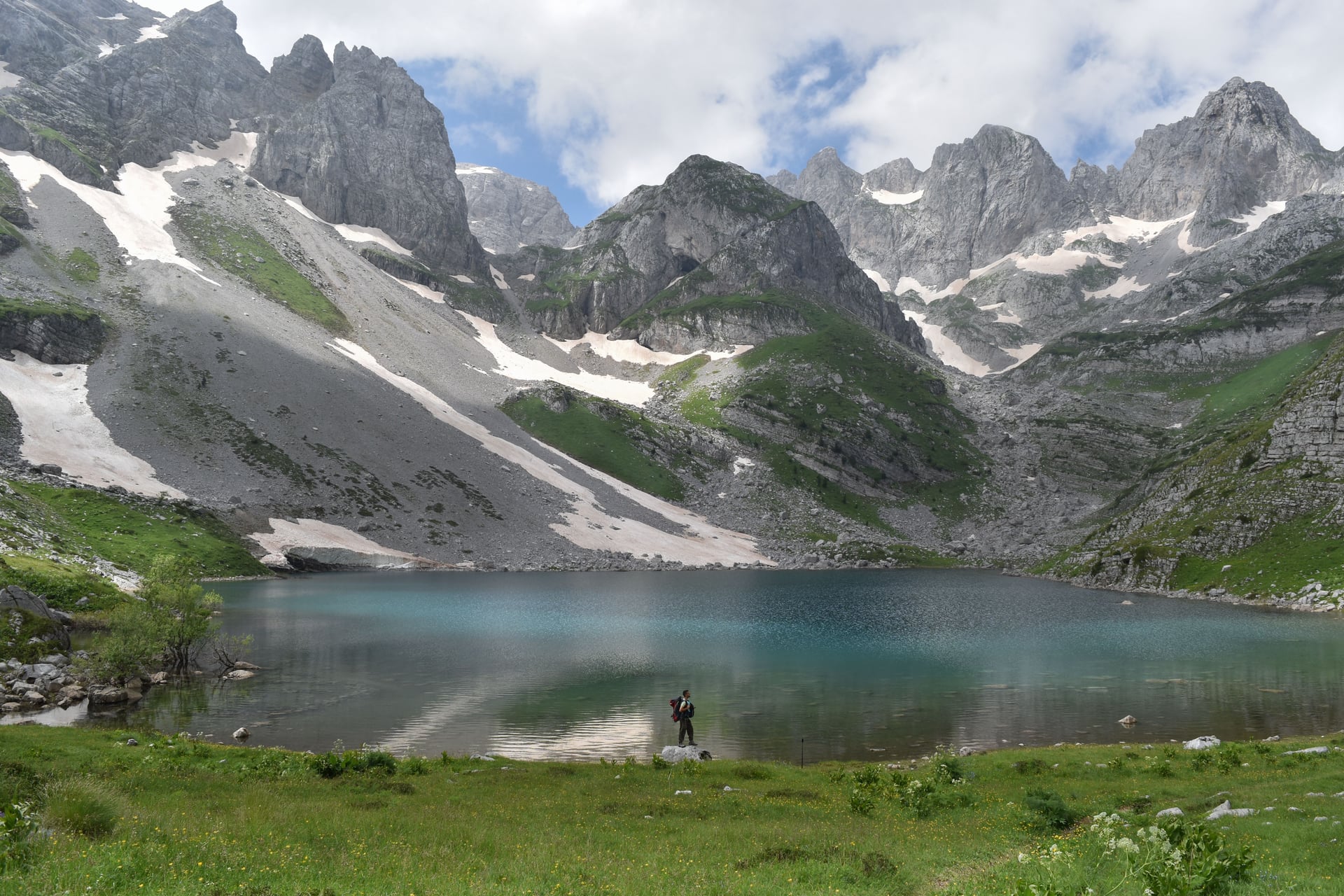
Albania rewards hikers who plan a little and stay humble in the mountains. Do so, and you'll find a country that's still wild, still affordable, and astonishingly generous to the people who walk through it.
If you are ready to experience the raw beauty of Europe’s last wild frontier but want to skip the logistical headaches of planning it yourself, consider booking one of our self-guided Albania hiking tours.
Choosing a self-guided adventure gives you the ultimate freedom to explore these spectacular landscapes at your own independent pace, backed by the safety net of our expert planning. When you book with us, you get:
Handpicked accommodations: Rest easy knowing your stays in local guesthouses or valley bases are completely pre-booked and secured.
Hassle-free planning: We take care of all the logistics, scheduling, and local transport details, saving you hours of research time.
Complete navigation confidence: Receive a comprehensive digital guidebook packed with detailed route notes, offline GPS tracks, and local insights so you never lose your way—even without cell service.
Leave the coordination to the outdoor specialists so you can focus entirely on the trail ahead. Check our self-guided itineraries in Albania and start planning your next grand adventure!
Frequently Asked Questions

About this author
Jon is our travel advisor and an outdoor adventurer who is happiest on the move. While mountain biking is his personal passion, he thrives on crafting hiking adventures for others — planning routes and adding the little touches that turn a trip into a core memory.
.jpg&w=828&q=75)