The Best Time to Hike the Alps
A month-by-month breakdown of the Alps walking season, from hut opening dates and lingering snow to crowds, weather and the weeks that actually deliver.

Jon
Published July 8, 2026
Edited September 8, 2026
10 min read
Don't want to read all this?
We've planned 2,000+ hiking trips. Send your dates, fitness and group size — we'll map the route and book every night.



Ask ten guides when to hike the Alps and you'll get ten slightly different answers, because the Alps aren't one mountain range with one season. They're eight countries, thousands of huts, and trails that sit anywhere between 800 m and over 3,000 m, so the best time genuinely depends on which part of the Alps you mean.
There is still a usable answer. The walking season runs from mid-June to late September, and what matters more than chasing a single best date is what each month inside and around it actually delivers. If you're still deciding where in the Alps to go, our ultimate guide to hiking in the Alps covers the ranges, the routes and the huts in one place.
The Best Months to Hike the Alps
The full season runs from mid-June to late September. Inside it, early July to early September is the safest bet: huts are fully staffed, buses and lifts are running, and high passes are clear of snow on all but the highest routes.
July and August are the most reliable weeks and the busiest. September is quieter and often more stable, though huts start closing from the middle of the month, and late June rewards hikers who don't mind residual snow and unpredictable footing in exchange for empty trails and peak wildflowers.
It is worth knowing what the staffed season actually buys you. A staffed hut cooks dinner and breakfast and provides blankets, so you carry a liner rather than a sleeping bag and can walk on a light pack. Outside that window, on the routes that stay open, you carry your own food and bedding and plan around whatever transport is still running. Everything outside mid-June to late September is a real trade-off between access and solitude, and each one is worth understanding before you book.
Early Season: May and June
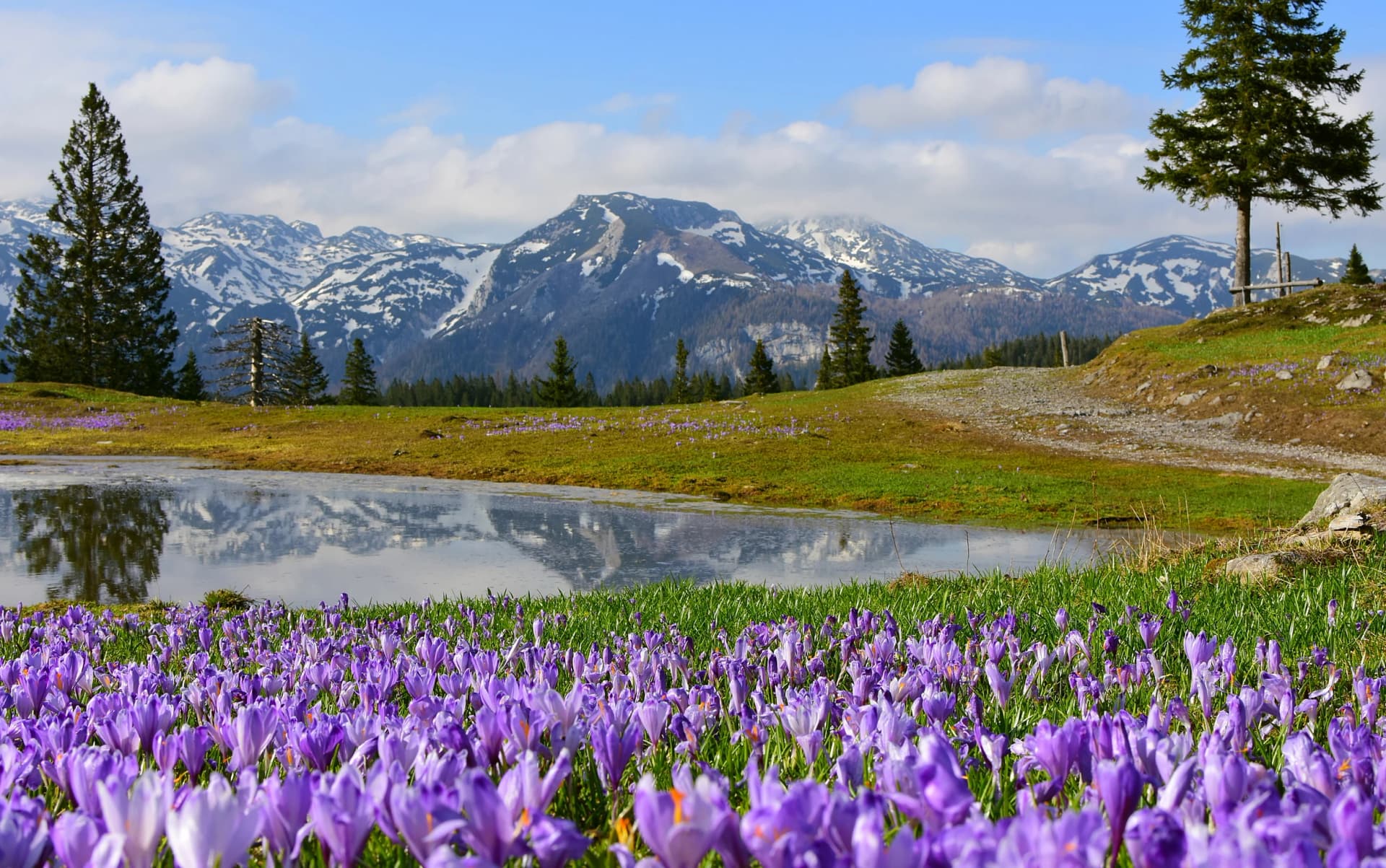
May is not really an Alps hiking month, whatever the valley weather suggests. Snow lingers on higher terrain, many mountain hotels haven't reopened, and the hut networks are largely shut, so it works for lower valley walks and not for anything resembling a hut-to-hut route.
June is where the season properly begins, and it begins unevenly. Huts open on a rolling basis from around mid-June, and how much snow is left on the high passes depends heavily on that year's winter. In the Dolomites the Alta Via 1 rifugi generally open from the middle of June, the Tour du Mont Blanc refuges from mid-June, and the Swiss Alpine Club's staffed season on most huts starts around the same point. The huts in the central Julian Alps often wait until the last week of June.
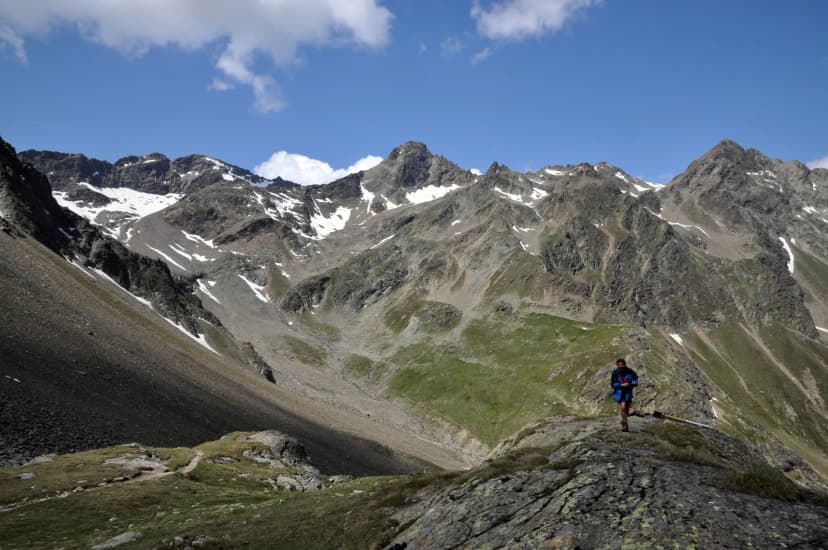
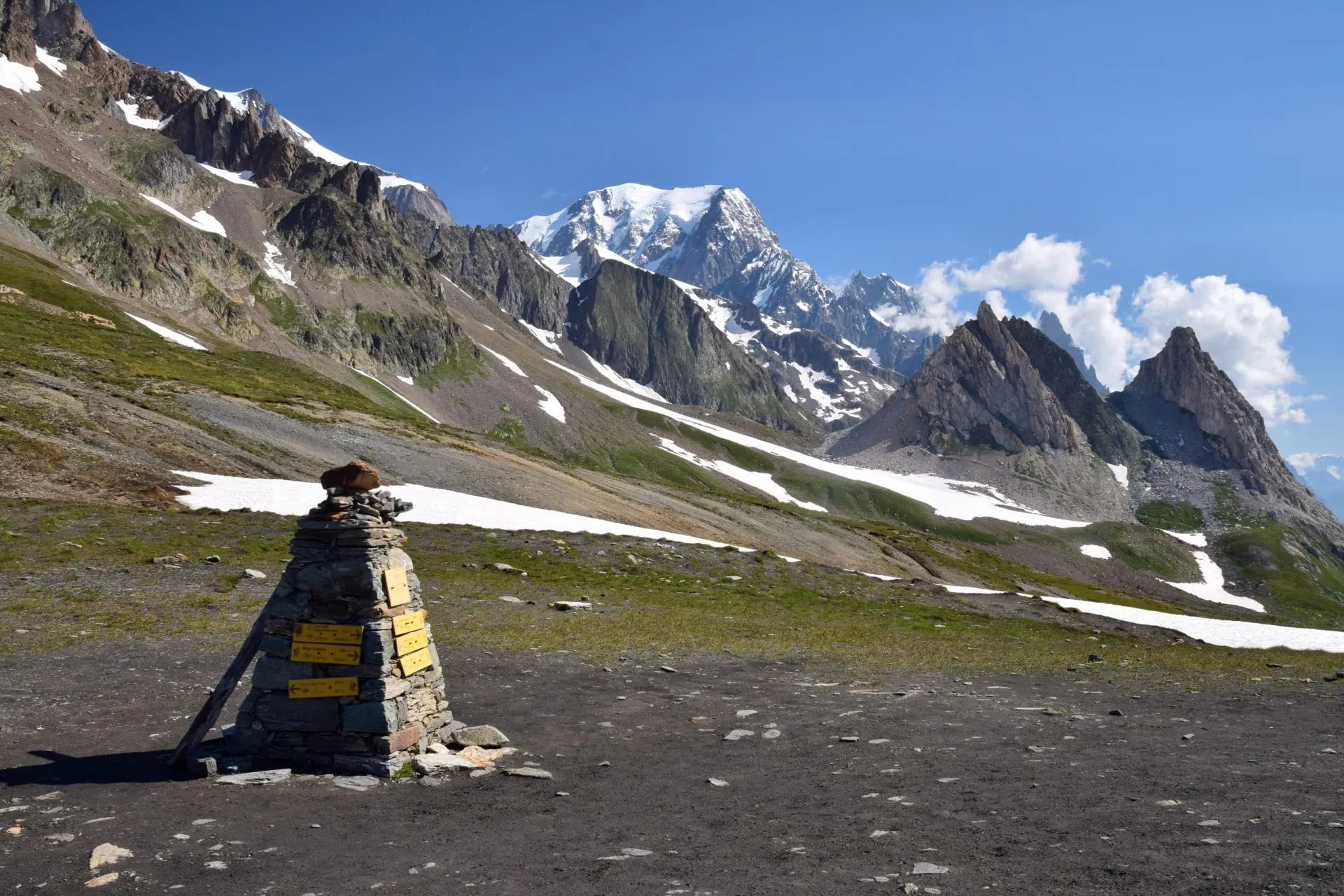
Lower and mid-level trails in the Bavarian Alps, the Austrian Alps and the Julian Alps in Slovenia tend to clear first. High-altitude classics like the Tour du Mont Blanc or the Walker's Haute Route usually need until late June, sometimes later, before their highest cols are safely passable without mountaineering kit. Two passes usually decide the date: the Col de la Seigne at 2,516 m, one of the snowiest on the Tour du Mont Blanc and often still in winter condition in early June, and the Fenêtre d'Arpette at 2,665 m, crossed early on the Walker's Haute Route and regularly the last to clear.
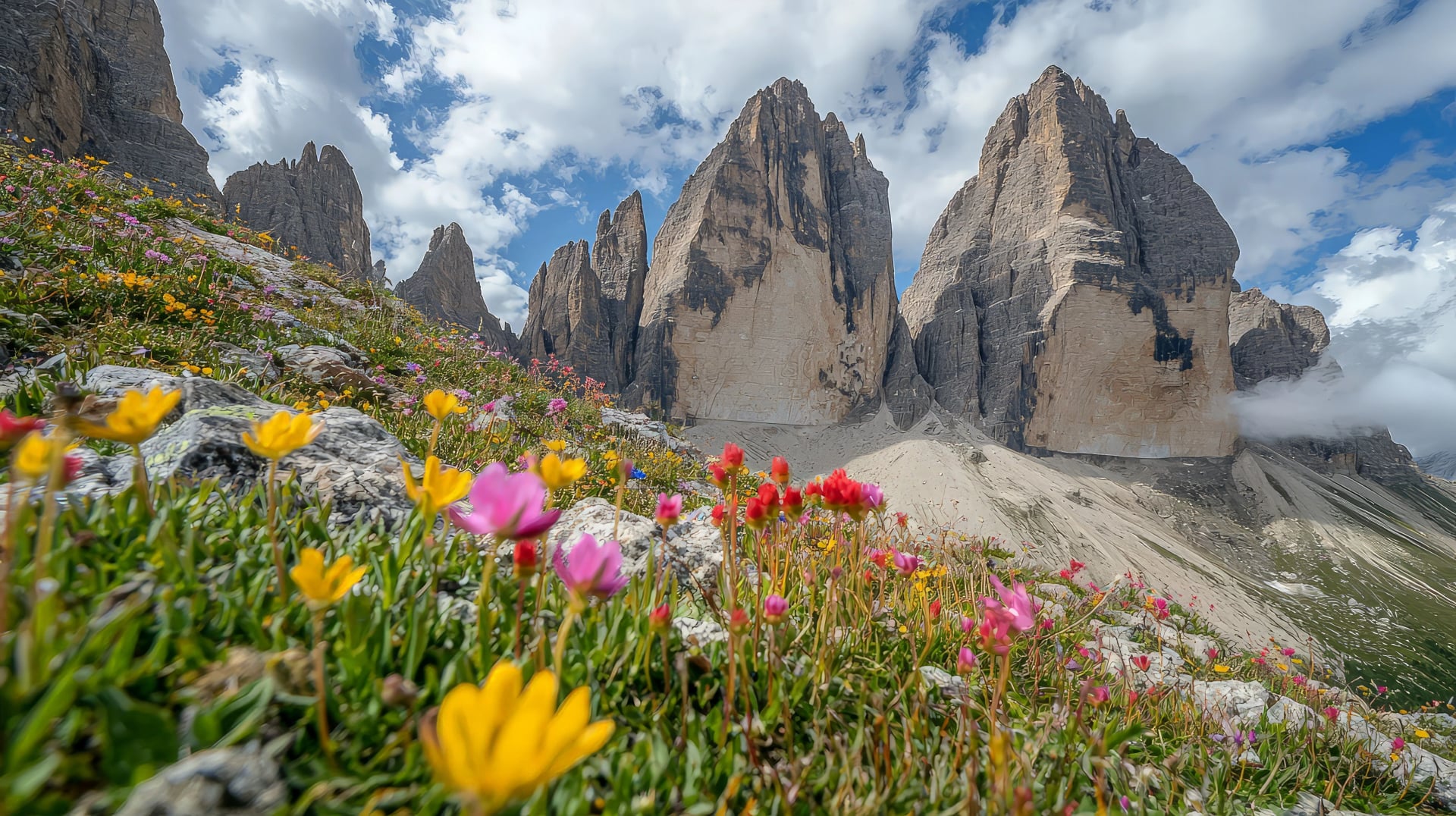
What June trades in certainty it gives back elsewhere. Wildflowers are at their best, streams run full with snowmelt, and trails that will be crowded by August are close to empty. Beds are easier to get at both ends of the season: for late June or mid-September, four to six weeks of notice is usually enough on the Tour du Mont Blanc, which is the opposite of what July and August demand. Poles earn their place on soft snow, and on the higher cols in a heavy year microspikes are worth the weight.
If you're flexible on route and comfortable adjusting your plan around conditions, late June is one of the most rewarding times to be in the mountains. Austria shows how much this varies from one country to the next, and our guide to the best time to hike in Austria breaks the Tyrolean season down in more detail.
Peak Season: July and August
July and August are peak season for a reason. By early July, the vast majority of huts are open, lifts and shuttle buses are running on their full summer timetable, and the high passes on all but the most exposed routes are snow-free. Valley temperatures typically sit between 21–26°C (70–79°F), with cooler, more changeable conditions once you climb above 2,000 m.
The trade-off is crowds and booking pressure. Popular huts on routes like the Tour du Mont Blanc and the Haute Route fill up months ahead, and dormitories on the busiest stages can be fully booked before you've finalised your dates.
If a specific route or specific huts matter to you, book as early as the reservation window allows. The calendars open earlier than most people expect: the Alta Via 1 rifugi take bookings from around December to February and their July and August dates are commonly gone by March, most Tour du Mont Blanc refuges open in January, and a few accept reservations from the previous autumn. That is the kind of logistics an operator can take off your hands. We handle the hut reservations on your behalf as soon as the booking window opens, so get in touch if you'd rather not be refreshing a booking page at midnight.
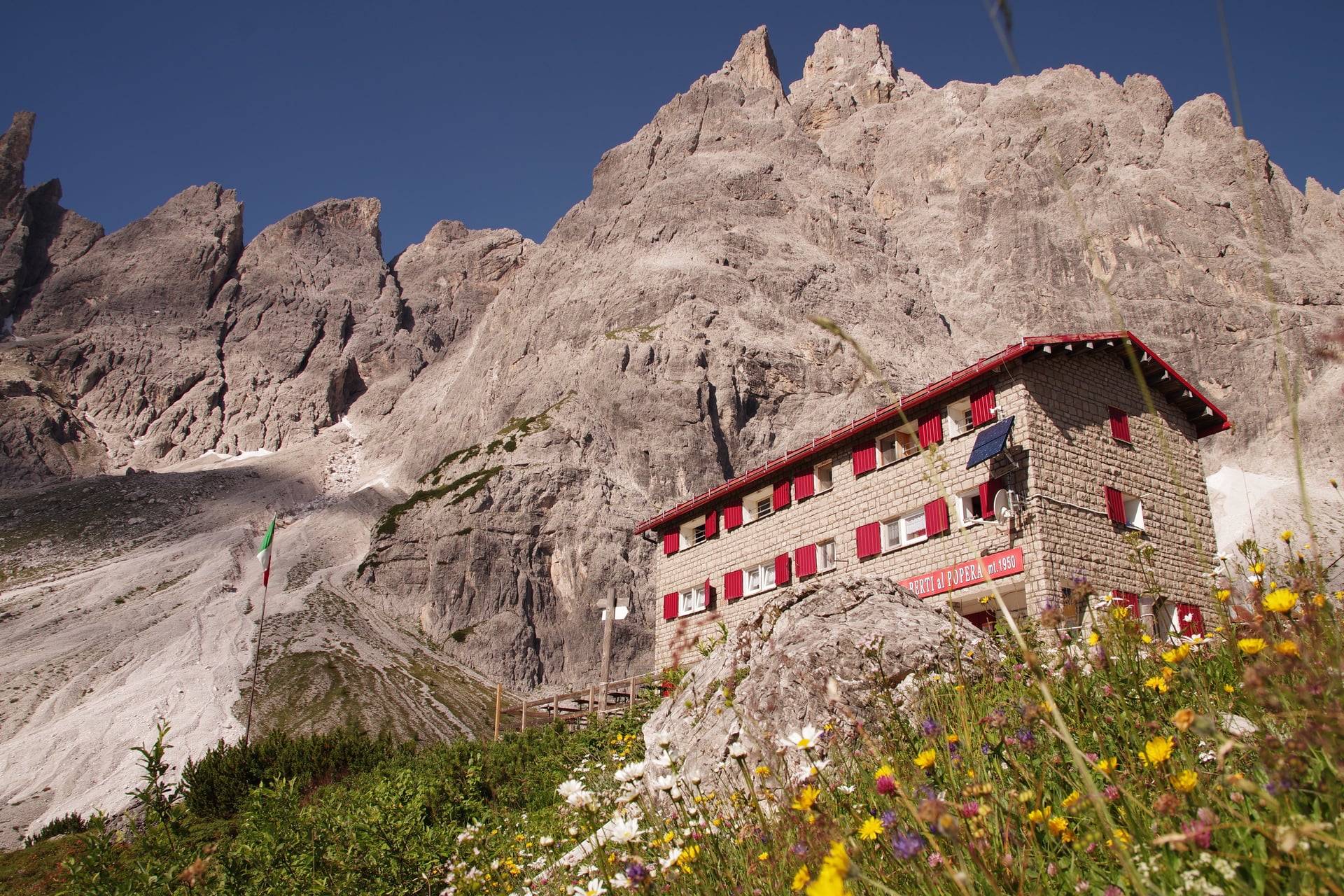
Two dates are worth marking on your calendar if you're hiking around Chamonix or the Dolomites in late summer. The 15th of August is a public holiday across much of the Alpine region, which draws extra day hikers onto the lower, more accessible trails. The last week of August belongs to the UTMB ultra-race around Mont Blanc, which brings more than 10,000 runners across its eight races into Chamonix along with everyone supporting them, so it is worth planning around rather than being surprised by.
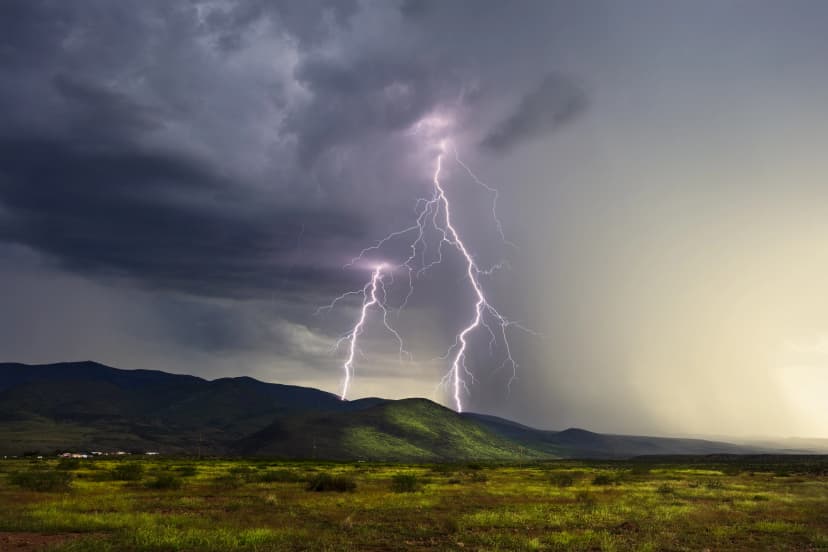
Afternoon thunderstorms are also a genuine feature of July and August in the high mountains, not just an occasional inconvenience. The standard Alpine habit of starting early and being off exposed ridges by early afternoon is worth adopting properly during these two months.
Shoulder Season: September
Early in the month, conditions are often at their best all year. The passes are clear, the worst of the crowds have gone home with the end of the school holidays, and the light across larch forests and open pasture is noticeably sharper than in midsummer.
The trade-off arrives as the month goes on. Huts begin closing from around the middle of September, with the highest ones shutting first and most closed by the 20th. The Tour du Mont Blanc's refuge season effectively ends in mid-September, the Swiss Alpine Club's staffed period on most huts finishes at about the same time, and the Alta Via 1 rifugi in the Dolomites run to roughly the end of the month, with a handful going later in a good year. Some lifts and shuttle services wind down on the same schedule, and an early snowfall on the high passes is a real possibility from mid-month.
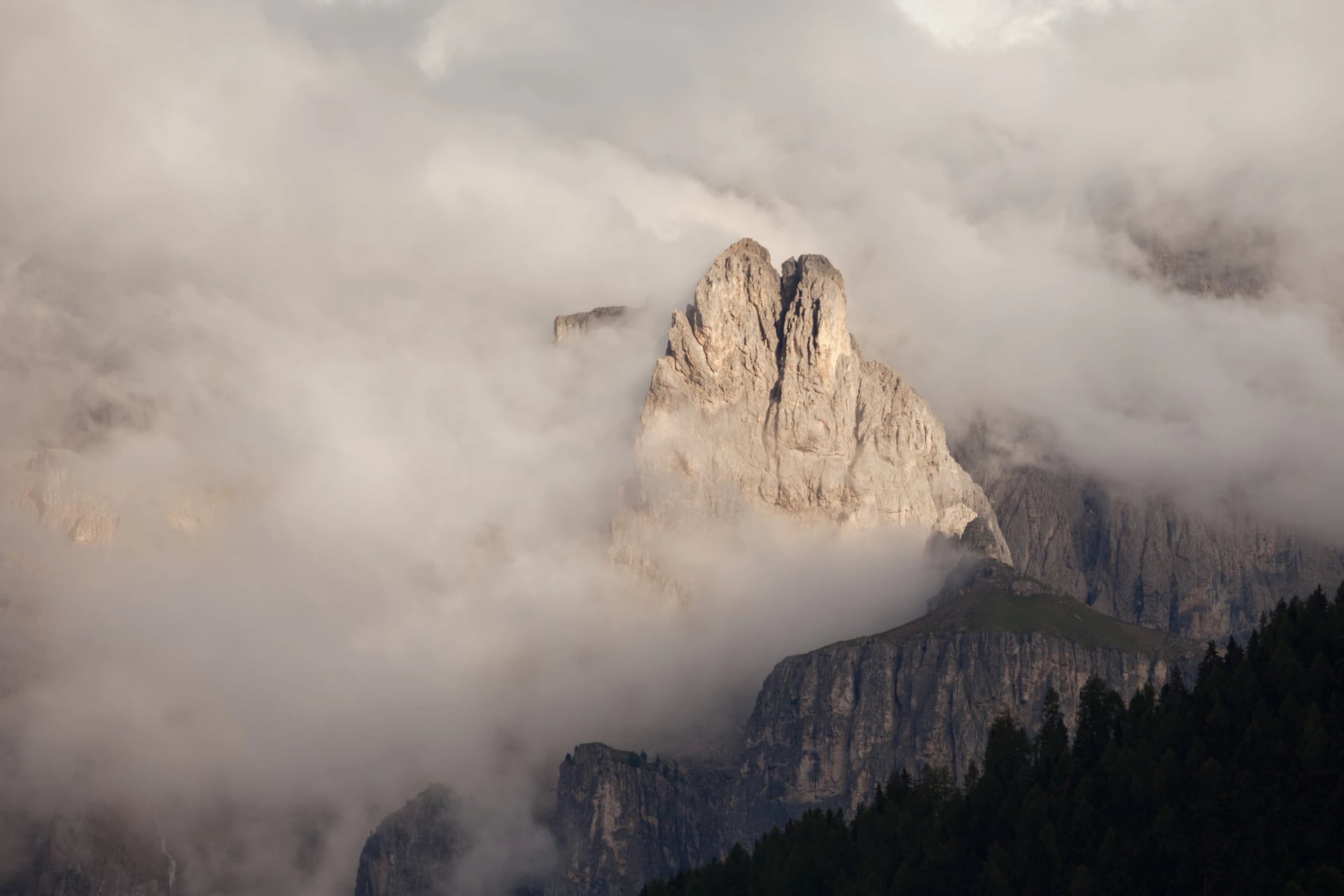
Early September, then, can be the best week of the year to be on trail. Late September is a different proposition, and only really suits hikers who are self-sufficient, flexible on route, and prepared for the huts they'd planned around to already be shut.
Planning a late-September trip is a different exercise from planning a July one. Check each hut's own dates rather than the route's, because closing days vary by hut and by year, and leave yourself a fallback that needs no bed at altitude: a valley base with day walks, or stages short enough to finish in a village. The huts that stay open longest are the lower ones, which is why the Dolomites hold on later than the high French and Swiss cols.
Late Season and Off-Season: October to April
By October, the supported hiking season is effectively over across most of the Alps. The huts that make hut-to-hut hiking possible are closed, cable cars and shuttle buses have stopped for the season, and snow is settling in above 2,000 m. A handful of lower routes in the Dolomites, including sections of the Alta Via 1, sometimes stay open into mid-October, but they're the exception rather than the rule.
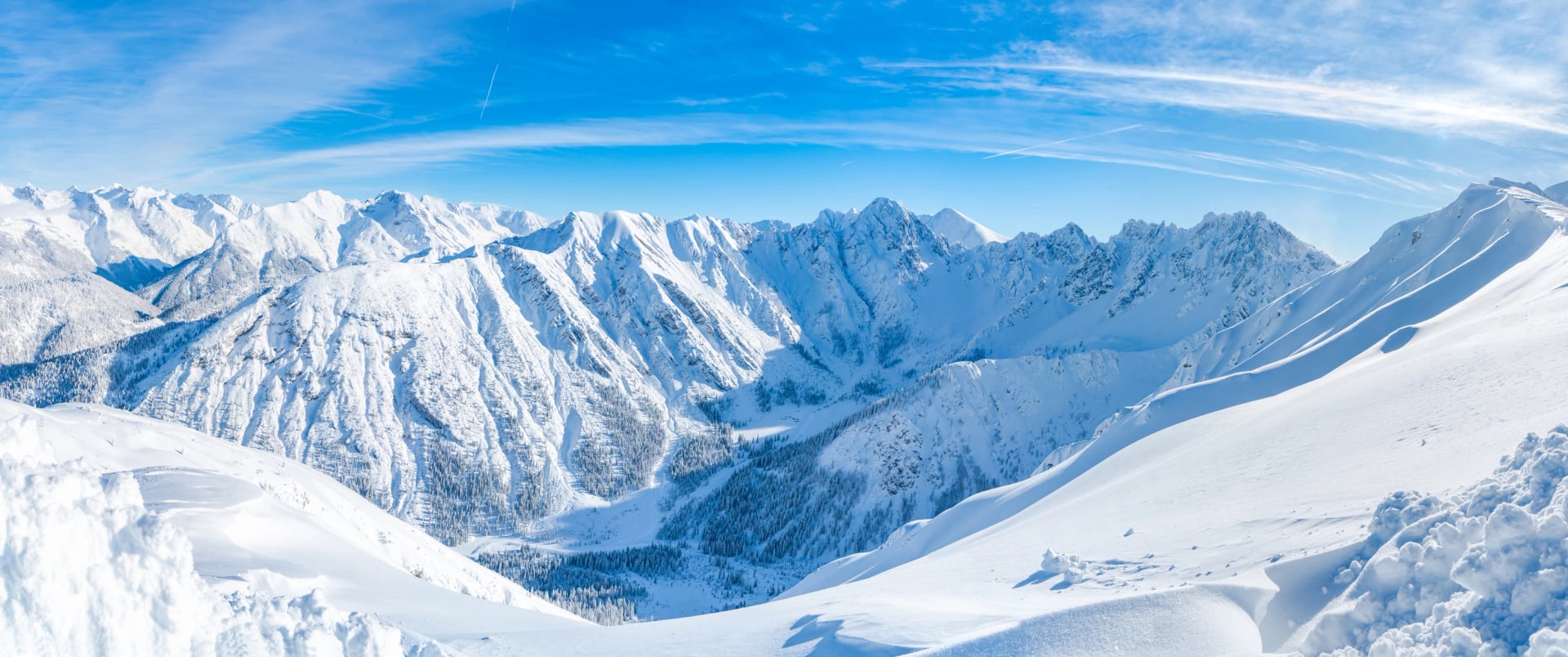
From November through to April the high routes aren't hiking terrain at all. This is ski season, and the valleys that host summer trekkers switch over to skiing and snowshoeing instead. It is also the window in which to book next summer's huts: most reservation calendars open between December and February, a few Tour du Mont Blanc refuges take bookings from the previous autumn, and the best-placed huts on the popular routes fill within weeks of opening.
How the Season Changes by Region
Everything above describes the Alps in general terms, but "the Alps" covers a lot of ground, and some corners run on a different clock. For the Swiss end of the range, our Switzerland hiking seasons guide walks through the same question valley by valley.
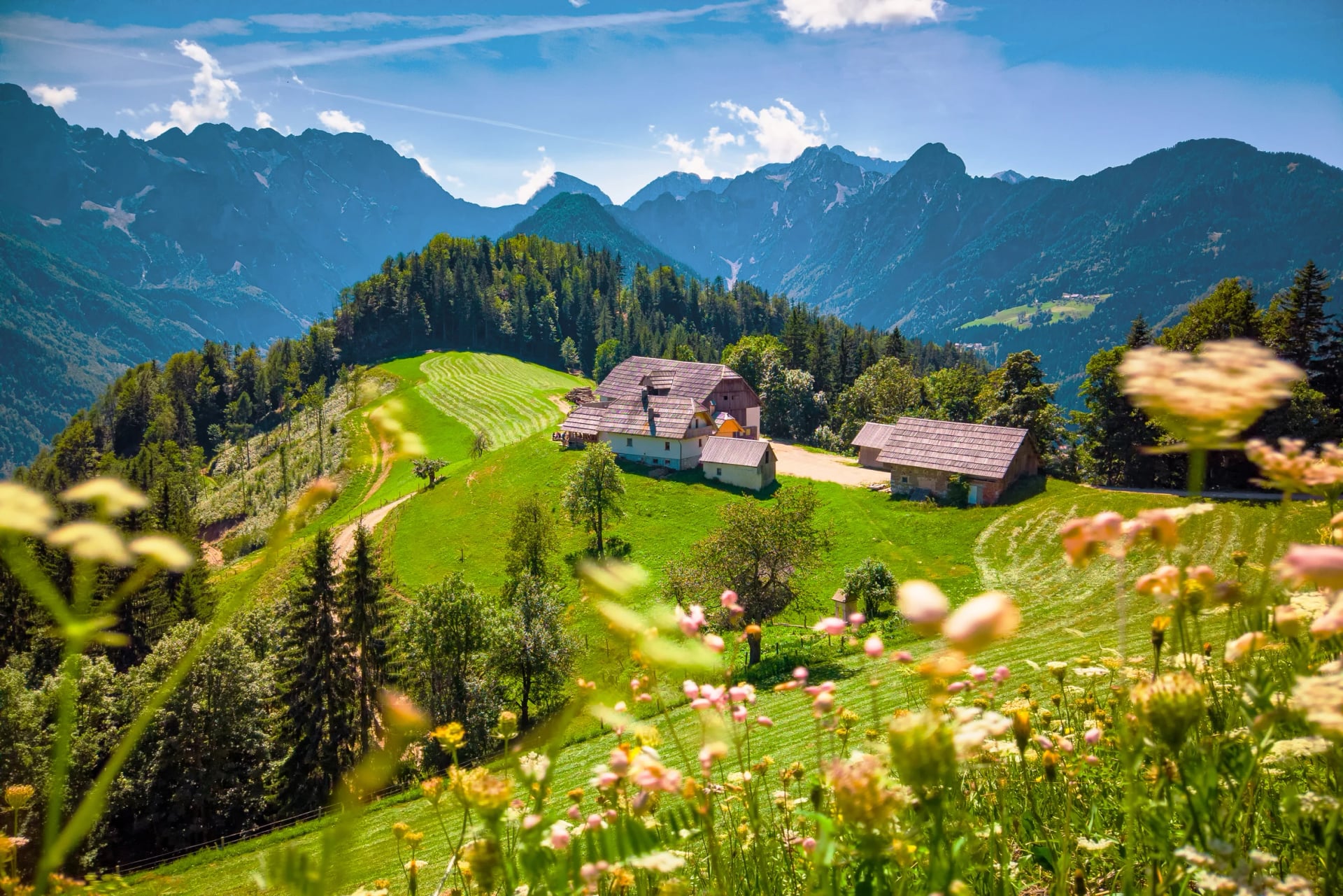
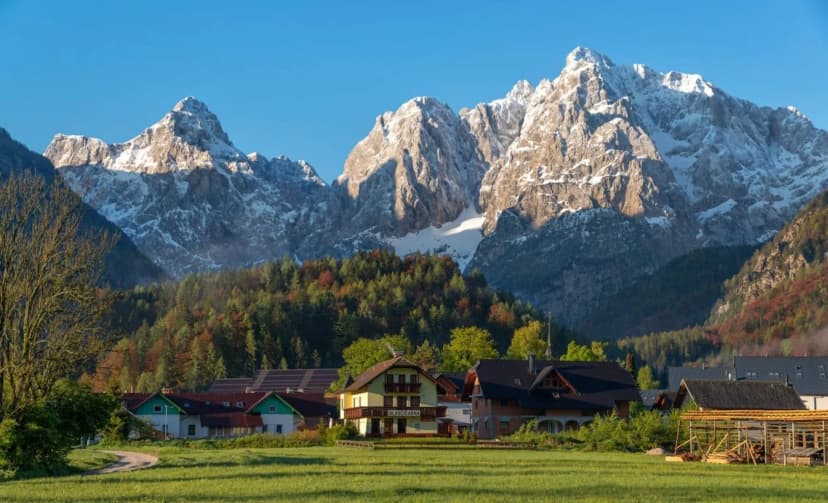
Lower-altitude, valley-based routes in Bavaria, the Austrian Tyrol and Slovenia's Julian Alps are hikeable earlier in June and later into autumn than high-mountain classics like the Haute Route, simply because they don't depend on snow-free passes above 2,500 m. The Julian Alps are the clearest exception to the standard season: Triglav itself reaches 2,864 m, but much of the walking sits below the altitude that keeps the French and Swiss cols shut, and the huts in the central range typically run from the last week of June to late September.
Routes like the Triglav Panorama hike are built to work in the shoulder season, which is why they are still walkable after the higher French and Swiss routes have effectively closed for the year. If your dates are fixed outside the core window, this kind of regional variation is worth building your trip around rather than working against.
Frequently Asked Questions
Ready to Plan Your Alps Trip?
Browse the full range of hiking tours in the Alps to see what fits your dates, fitness level and the kind of trail you're after, or get directly in touch and we'll gladly help you find it.

About this author
Jon is our travel advisor and an outdoor adventurer who is happiest on the move. While mountain biking is his personal passion, he thrives on crafting hiking adventures for others — planning routes and adding the little touches that turn a trip into a core memory.
.jpg&w=828&q=75)


.jpg&w=828&q=75)