Hiking Southern Italy: Trails, Crowds, and Best Timing
Which coastal trails, volcanic peaks, and quiet national parks are worth your week — and which ones ask more from you than the postcards let on.

Ajda
Published August 20, 2026
Edited August 20, 2026
9 min read

Quick links
Don't want to read all this?
We've planned 2,000+ hiking trips. Send your dates, fitness and group size — we'll map the route and book every night.



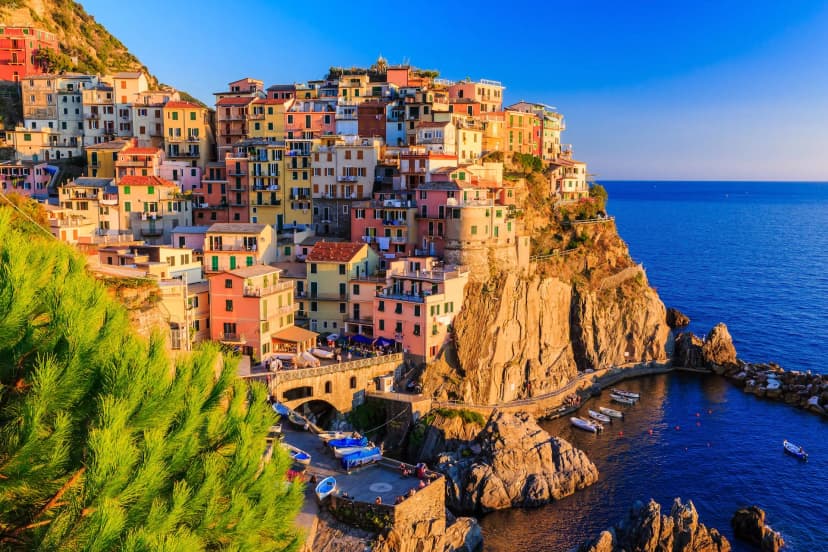
Southern Italy starts where the autostrada (highway) south of Naples forks: one arm curls along the cliffs of the Amalfi Coast and the Sorrento Peninsula, the other runs down through Calabria and Basilicata to the ferry crossing at the Strait of Messina and Sicily. It is not one hiking destination but several, stitched together by heat, coastline, and a shared disregard for straight roads.
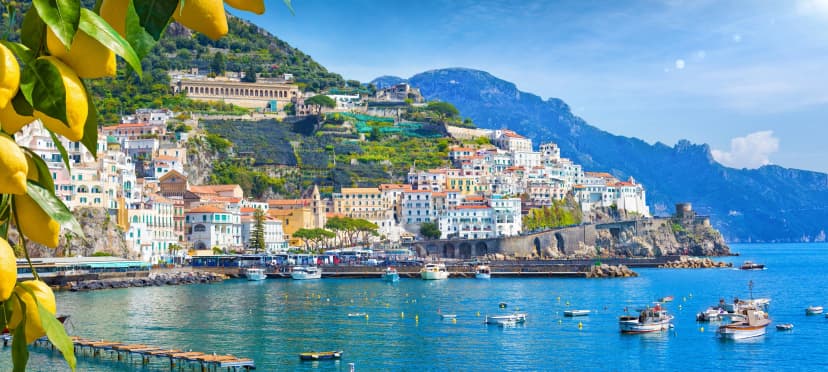
For a first trip, the Amalfi Coast and Sorrento Peninsula give you the best trail-to-effort ratio in the country — ancient mule paths a few hundred meters above the water, reachable without a rental car. Sicily earns a second week, mostly for Mount Etna and the coast west of Palermo. May, June, September, and October beat July and August on every trail south of Rome, when heat and coach traffic turn the coastal paths into a queue.
The essentials:
Base: Sorrento, Positano, or Praiano for the Amalfi Coast trails; add Cilento or Sicily for a second, quieter week
Difficulty: Most day hikes run 2/5 to 3/5 fitness level, with Etna and Aspromonte pushing higher
Best season: April–June or September–October, not August
The map
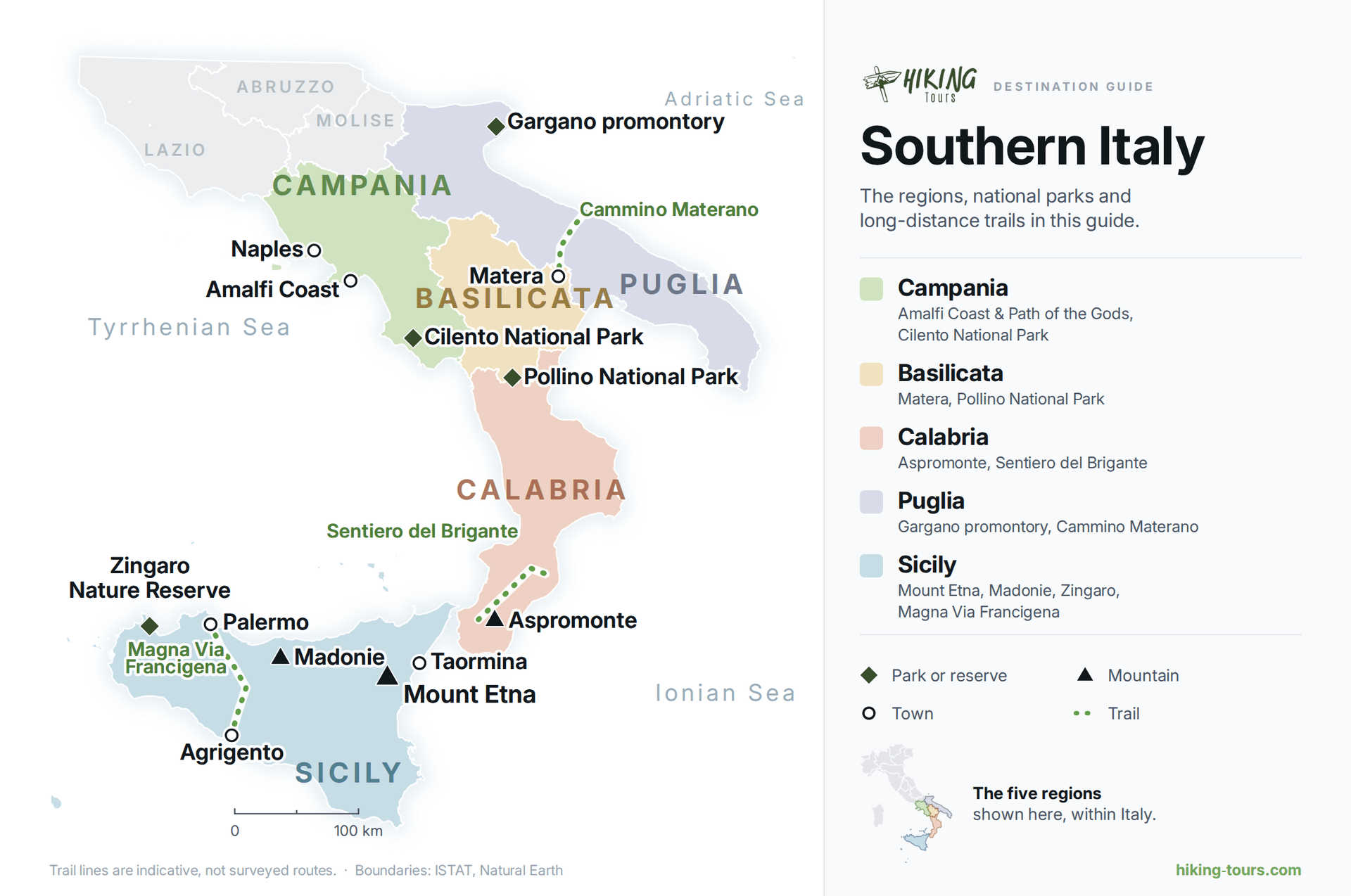
At a Glance: Southern Italy by Regions
Campania (Amalfi Coast, Sorrento Peninsula, Capri): the Path of the Gods and the Monti Lattari ridge, reached by SITA bus or ferry. Best for a first trip — short, scenic, well-marked.
Cilento & Vallo di Diano National Park: a large mainland national park, with Greek ruins at Paestum, sea cliffs at Punta Licosa, and a fraction of the Amalfi Coast's foot traffic.
Calabria & Basilicata: the Aspromonte massif, Pollino National Park, and the long-distance Sentiero del Brigante — the wildest, least developed hiking ground on the mainland.
Puglia: mostly flat, but the Gargano promontory and the Cammino Materano's final stages into Matera add walking days to a road trip.
Sicily: Mount Etna's volcanic slopes, the car-free Zingaro Nature Reserve, and the Madonie mountains inland.
The Best Hikes in Southern Italy
Three areas carry almost all of the walking trails worth planning a trip around: the Amalfi Coast and Sorrento Peninsula for the classic ridge trails, Cilento for the same coastline without the crowds, and Sicily for a genuinely different island. Here's what each one actually asks of you.
Campania: Amalfi Coast & Sorrento Peninsula
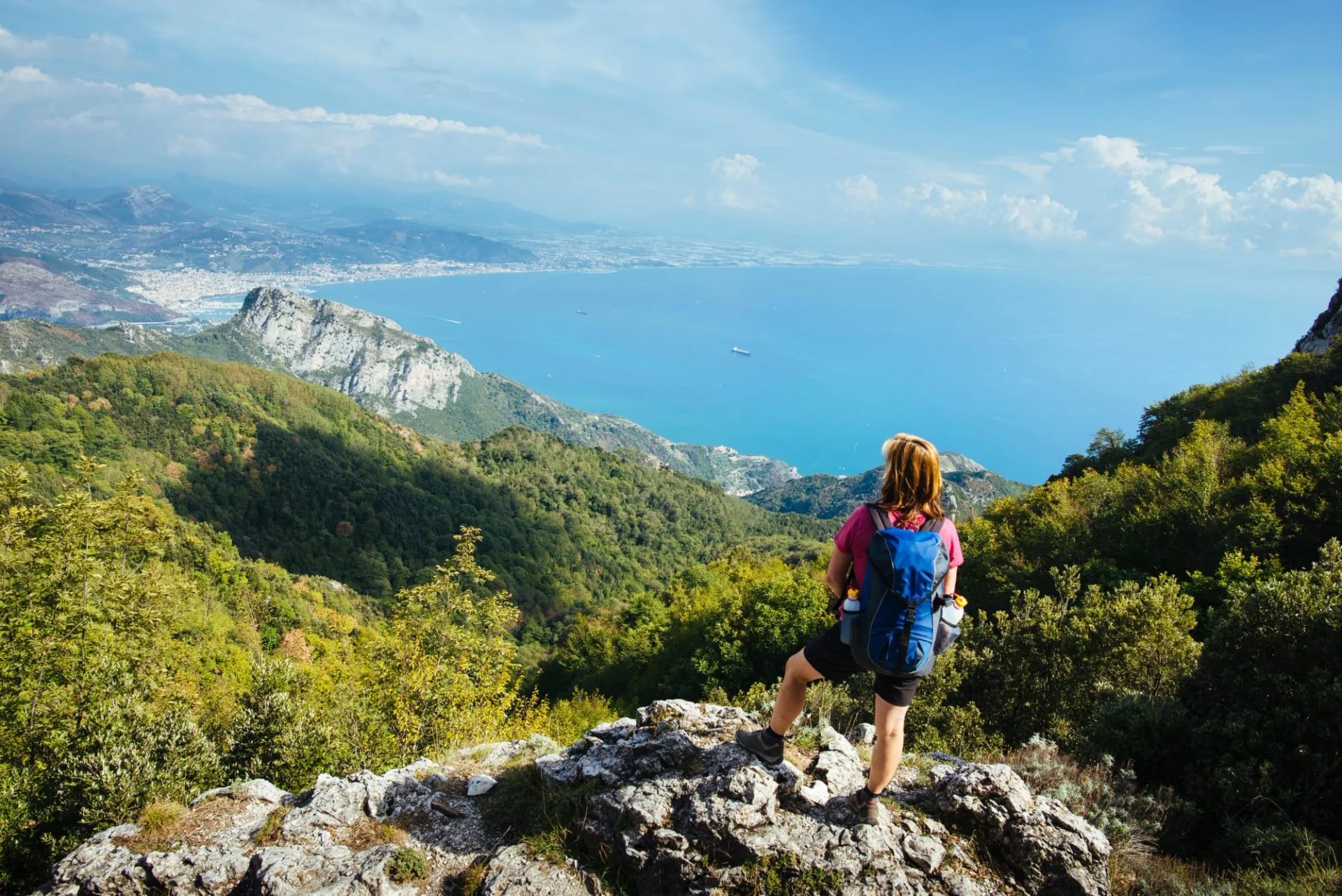
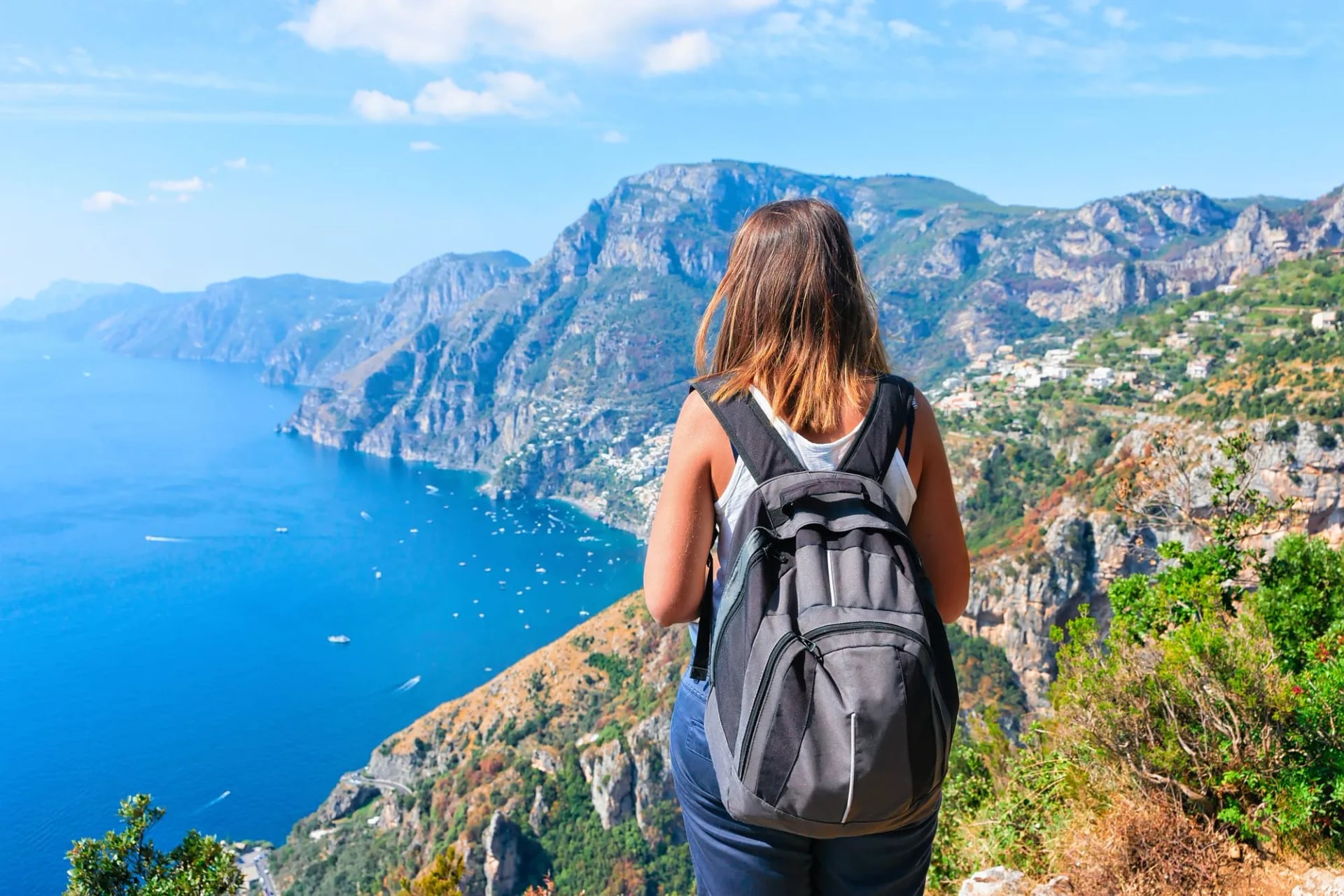
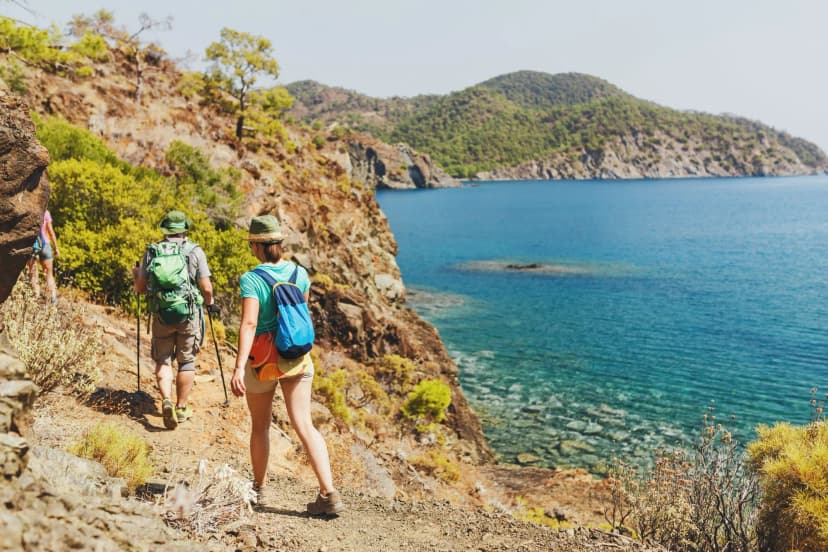
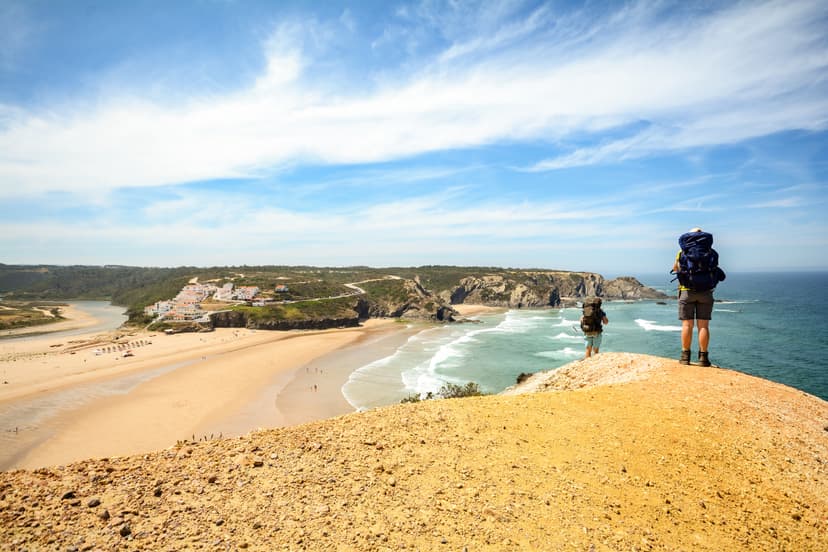
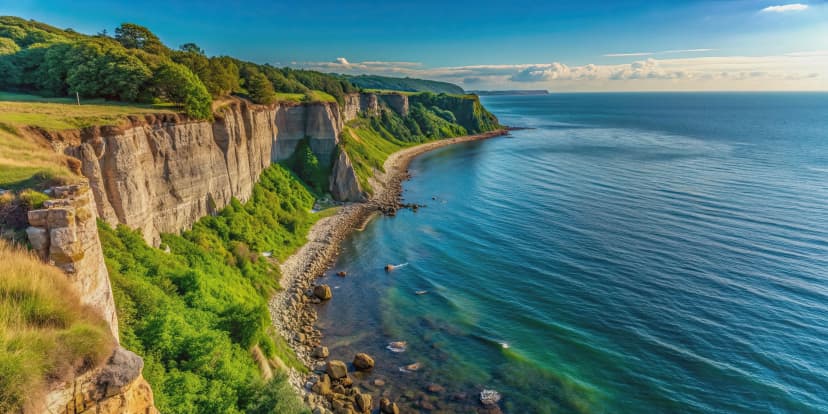
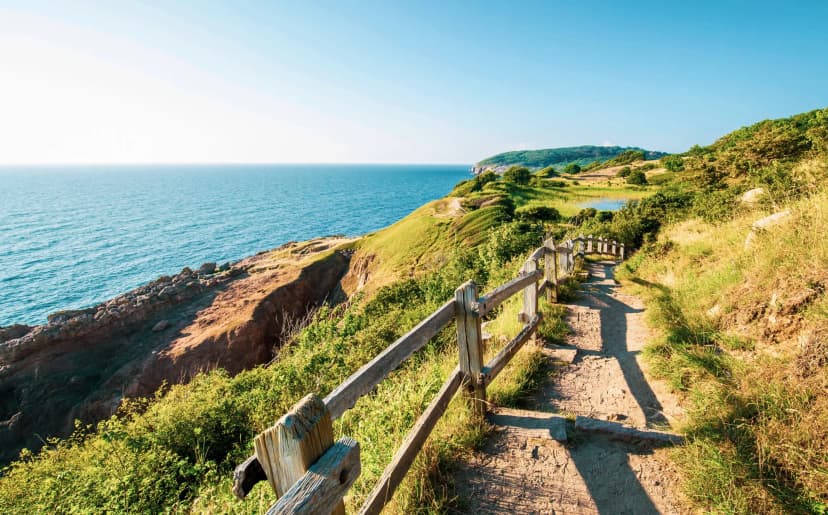
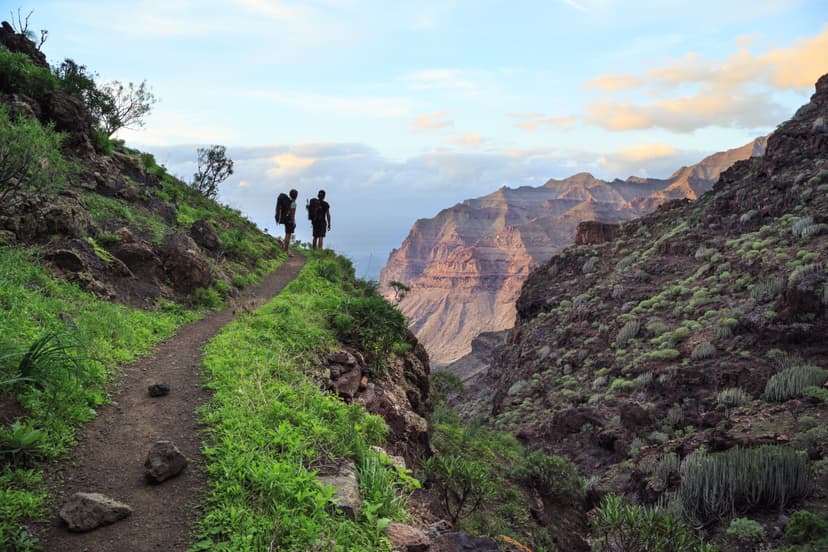
The Path of the Gods, or Sentiero degli Dei, is the trail everyone names first, and it earns the reputation: roughly 4.5 km along a limestone shelf between Bomerano and Nocelle, with the Li Galli islands and the Tyrrhenian laid out below. It is not technical, but it is exposed, shadeless for long stretches, and busy enough by mid-morning in summer that starting before 8 a.m. changes the experience entirely.
It is also one stage of the longer Alta Via dei Monti Lattari, the ridge trail running the length of the Sorrento Peninsula. Walking two or three linked stages instead of the single famous one gets the same views with noticeably fewer people, since most day-trippers only do the headline section.
Two recommended trails, beyond the Path of the Gods itself:
Getting between trailheads in Campania has its own quirk. The SITA bus is the only public transport along the coast road. SITA (Società Italiana Trasporti Automobilistici) is one of Italy's long-established intercity/regional bus operators. Their buses don't take reservations, and in July and August they fill at the first stops and drives past everyone waiting further along the route. Build in a buffer if a trailhead depends on a specific departure, or walk point-to-point and use the bus only to get back.
Ferries between Salerno, Amalfi, Positano, and Capri run more often from Easter to October and are often faster at peak times. Cash matters just as much: many trailhead cafés and the Amalfi–Positano ferry ticket machines don't reliably take cards, and the nearest ATM can be a bus ride away outside the main towns.

If you'd rather have the logistics handled for you, a self-guided itinerary through the range does the planning without the group-tour pace.
For a gentler introduction that trades some of the ridge walking for Capri and the coastal towns, a broader Campania itinerary spreads the difficulty out over more days.
For an easier first taste of the Amalfi ridge without the longer routes above, a shorter itinerary covers the highlights at a gentler pace.
Cilento: Where the Crowds Dissipate
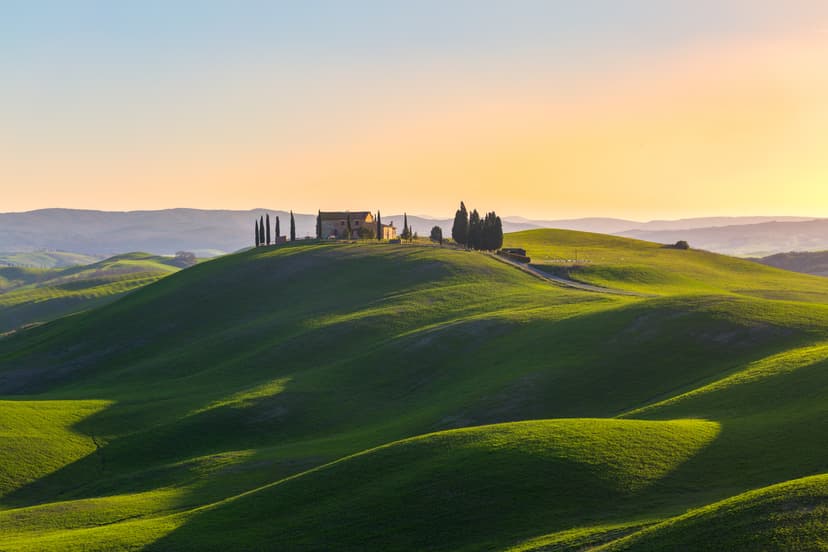
South of Salerno, the coast road drops its tour buses and the trails empty out considerably. Cilento and Vallo di Diano National Park is a national park in mainland Italy an hour south of Salerno with much less foot traffic than Amalfi Coast.
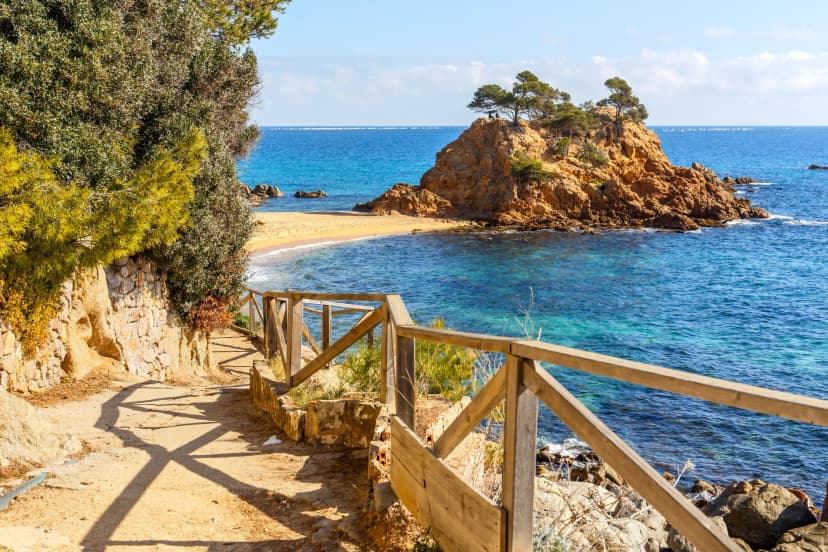
The coastal trail to Punta Licosa, a headland and marine reserve near Castellabate, threads through pine forest and scrub with none of the exposed limestone of the Amalfi ridge. Inland, the park's mountains rise past 1,700 meters around Monte Cervati, with quieter beech-forest routes that see a fraction of the Path of the Gods' traffic even in August.
The trade-off is infrastructure: fewer marked trailheads, thinner public transport, and guesthouses that lean cash-only and phone-ahead rather than online booking. It rewards a rental car and slower planning, but delivers the version of the coast that existed before the Amalfi towns became a cruise-ship stop.
Sicily: A Different Kind of South
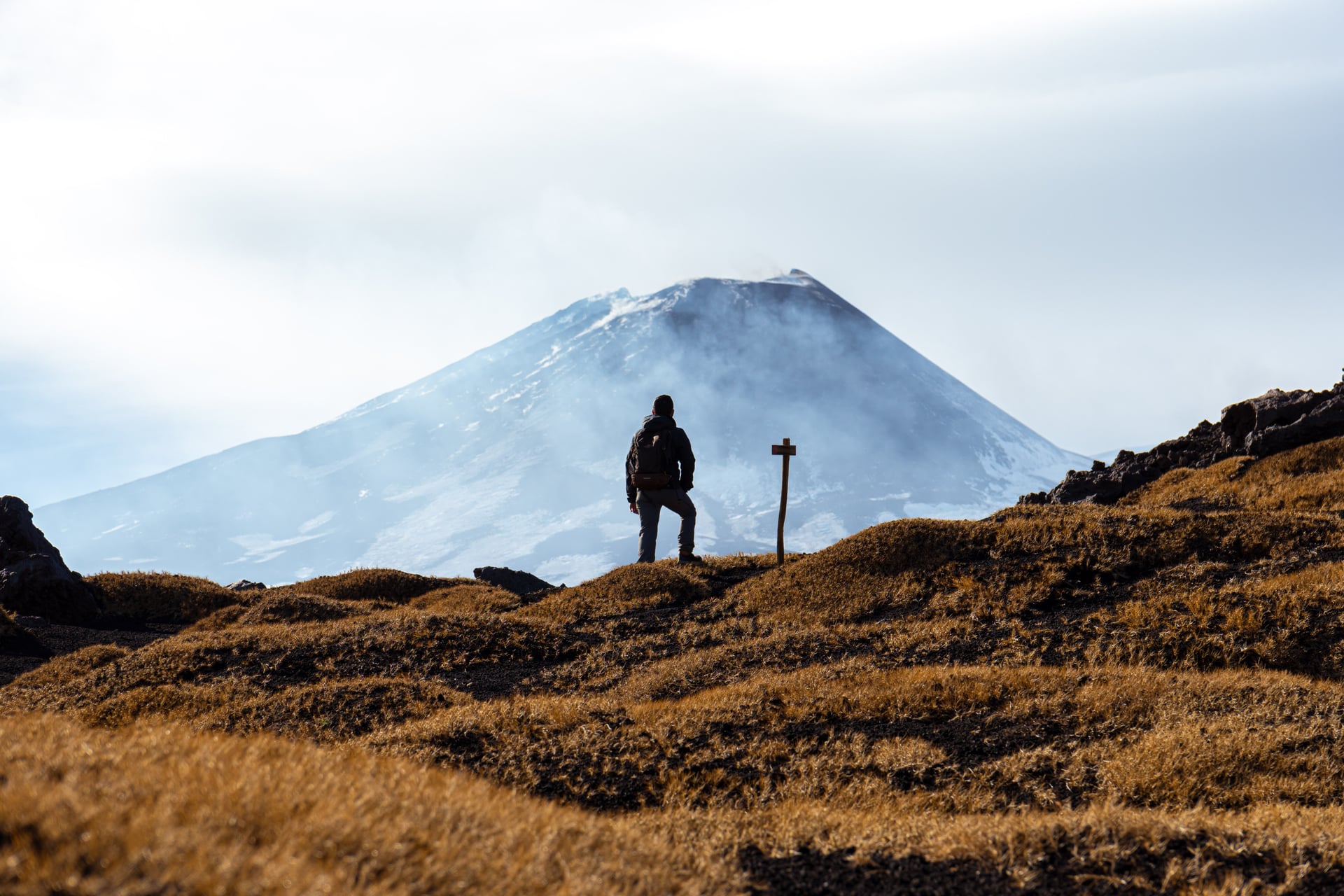
Sicily is not an extension of the Amalfi Coast experience — it is a different island with different geology, and treating it as an afterthought undersells it. Mount Etna, at around 3,400 meters, is Europe's most active volcano, and its lower slopes offer day hikes through lava fields and chestnut forest with no equivalent elsewhere in Italy. Reaching the summit craters requires a guide when the volcano is active; the lower trails around the Sapienza refuge need neither permit nor guide.
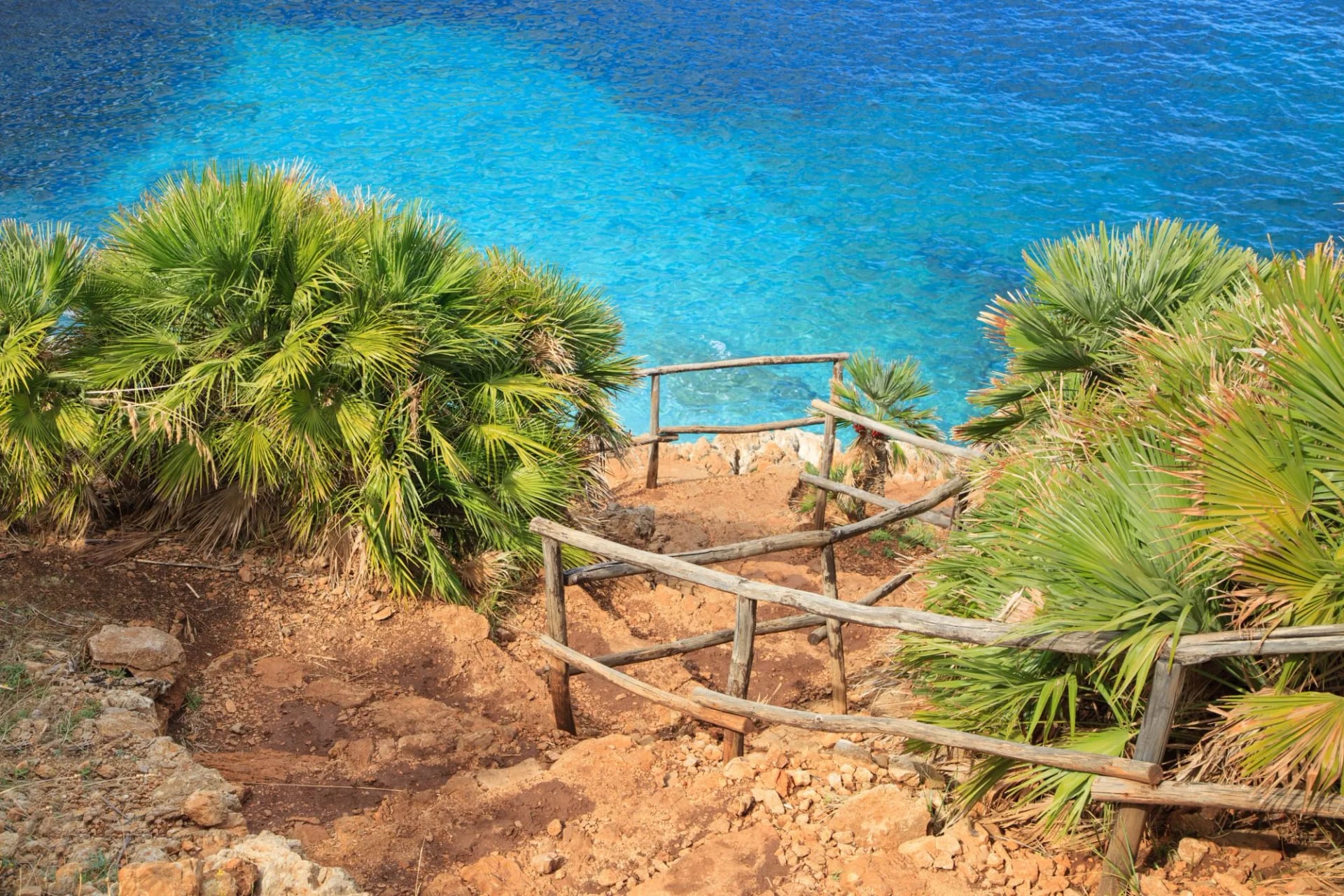
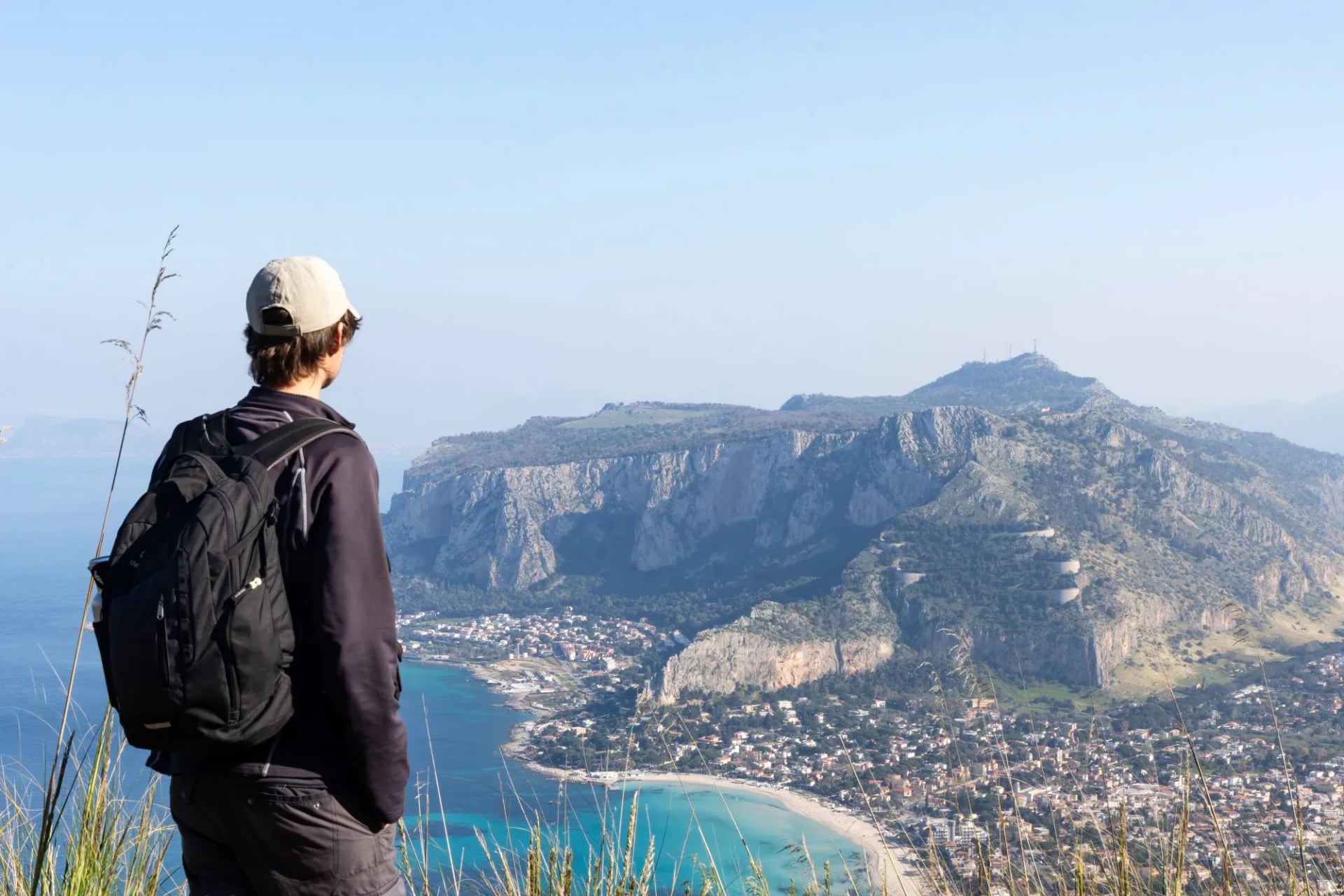
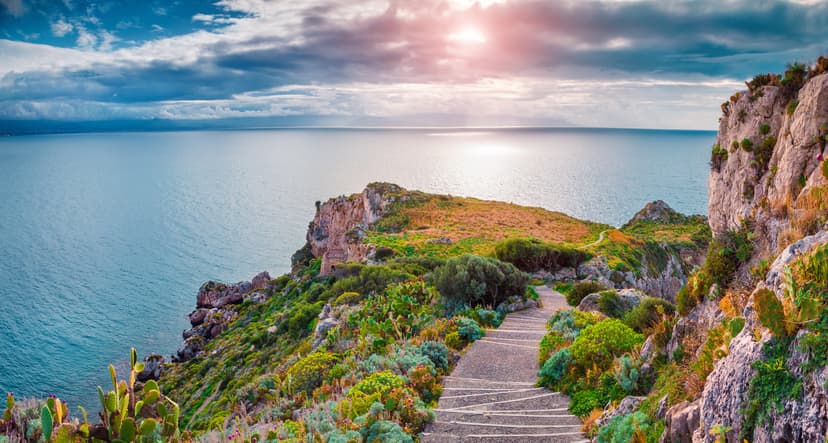
On the northwest coast, the Zingaro Nature Reserve bans cars entirely, so the only way to reach its seven coves is on foot — the closest thing on this list to a car-free hiking day with a swimming reward at the end. Cefalù and Taormina make the two best bases: Cefalù for the Madonie mountains, Taormina for Etna's eastern approach and short walks around Isola Bella.
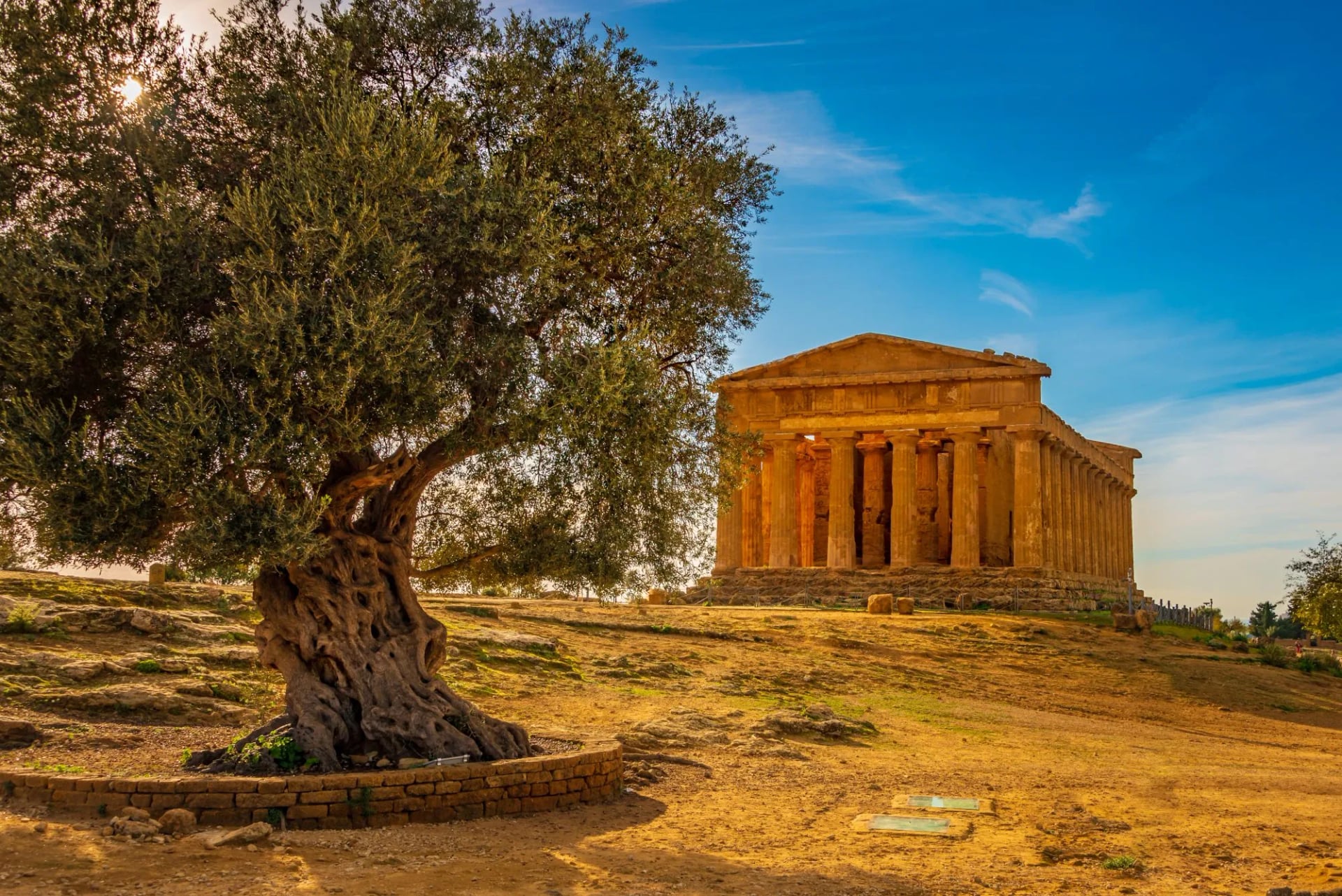
For a longer, more demanding route with a cultural throughline instead of a coastal one, the pilgrim road from Palermo to Agrigento crosses the island's interior.
When to Go: The Two Good Windows
Southern Italy hides its best walking at the shoulders of the year. The same heat that empties the trails in high summer is exactly what makes spring and autumn so rewarding — two long, generous windows when the light is soft, the sea is warm enough to swim, and the paths belong to you rather than to the midday sun.
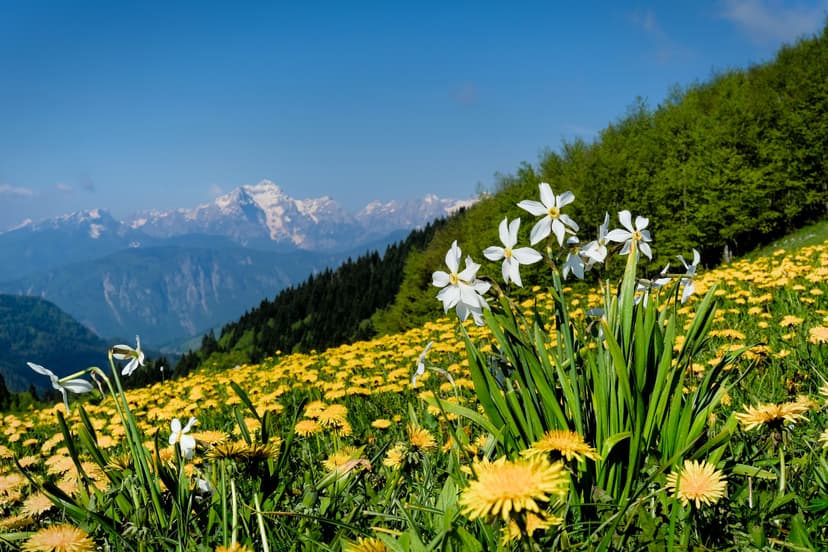
Brings wildflowers to the Amalfi ridge and Cilento's inland trails, cool sea temperatures, and thinner crowds.
Aren't off-limits, but they demand a dawn start and an afternoon at the coast rather than on it — Sicily runs hotter and drier still, with Etna's higher slopes the only real relief once the valleys climb into the low 30s.
Trades the wildflowers for warm sea water and harvest season in the region's vineyards, with hiking temperatures that stay comfortable into early afternoon.
Safety and Difficulty: Heat Beats Everything Else
Heat, not altitude or exposure, is what actually hurts people on these trails. Amalfi and Cilento's coastal paths carry almost no shade, temperatures on the limestone run several degrees above the forecast air temperature, and July–August afternoons regularly hit the mid-30s Celsius on stretches with no water source for hours. Start before 8 a.m., carry at least a liter and a half per person for anything over two hours, and treat a coastal hike after midday in summer as a mistake rather than a challenge.
The second, less-discussed hazard is closure. Heavy autumn and winter rain triggers landslides on the steep Amalfi and Cilento slopes most years, and sections of the Path of the Gods and other ridge trails close with little warning. Check trail status through your accommodation or the local tourist office the day before you walk, rather than trusting a blog post or a map app that may be a season out of date.
Most signature routes here sit at a medium difficulty: full days with meaningful elevation change, but no technical terrain or equipment required.
Etna's lower slopes and the Magna Via Francigena push toward 4 out of 5 through distance and heat, and Aspromonte's remote routes in Calabria ask for genuine mountain experience and, often, a local guide. None of it needs via ferrata gear or scrambling — the real demands are heat management, navigation on less-marked routes, and stamina for consecutive full days.
Use the shade, sit down for good meals and fill up the water supplies in the village fill up before you climb, because the trails above often offer neither.
Ready to Walk Southern Italy?
Planning a trip across the Amalfi Coast, Cilento, and Sicily means juggling three transport systems, cash logistics, and a landslide-and-heat calendar — exactly the coordination that eats into a week you'd rather spend on the trail. On our self-guided tours, we handle the accommodation, the digital guidebook and GPS tracks, luggage transfers, and on-trip support if plans change.
Our full Italy hiking tour range covers every region above, from the Amalfi Coast to Sicily, and our hiking difficulty guide breaks down what those ratings mean before you book. The trails south of Naples reward the people who show up early, carry cash, and check the weather before they check the view.
Frequently Asked Questions

About this author
Ajda is our travel advisor, raised in a village surrounded by mountain peaks. Hiking entered her life early on and remains her favorite way to reconnect with nature.


.jpg&w=828&q=75)


.jpg&w=828&q=75)