From Cliff to Caldera: Hiking in Portugal by Region
Portugal has coast, mountain, wine and island hiking packed into one small country. Here's how to pick the part that fits your season, pace, and appetite.

Jon
Published August 21, 2026
Edited August 21, 2026
11 min read
Quick links
Portugal is a country whose walking landscapes could easily belong to five different ones. Sea cliffs above the Atlantic, wet forest in a granite national park pressed against the Spanish border, terraced vineyards above the Douro river, and a green-cratered volcano out in the mid-Atlantic distinguish the four of the country's six walking regions, and any of them is worth a serious week away.
Which region is right for you depends on the season, on how strenuous a week you're up for, and on which of those landscapes you'd choose first — coast, mountain, wine country, or islands. The guide below covers all six in the order most travellers will find useful, with the practical detail you'll want when narrowing them down.
Portugal's Six Hiking Regions
Sort the country by what each region is actually good for before you start picking a hike.
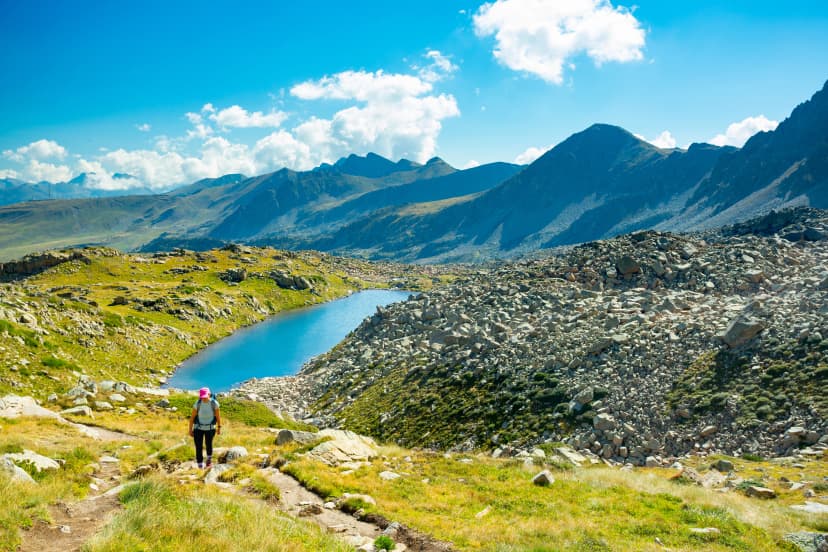
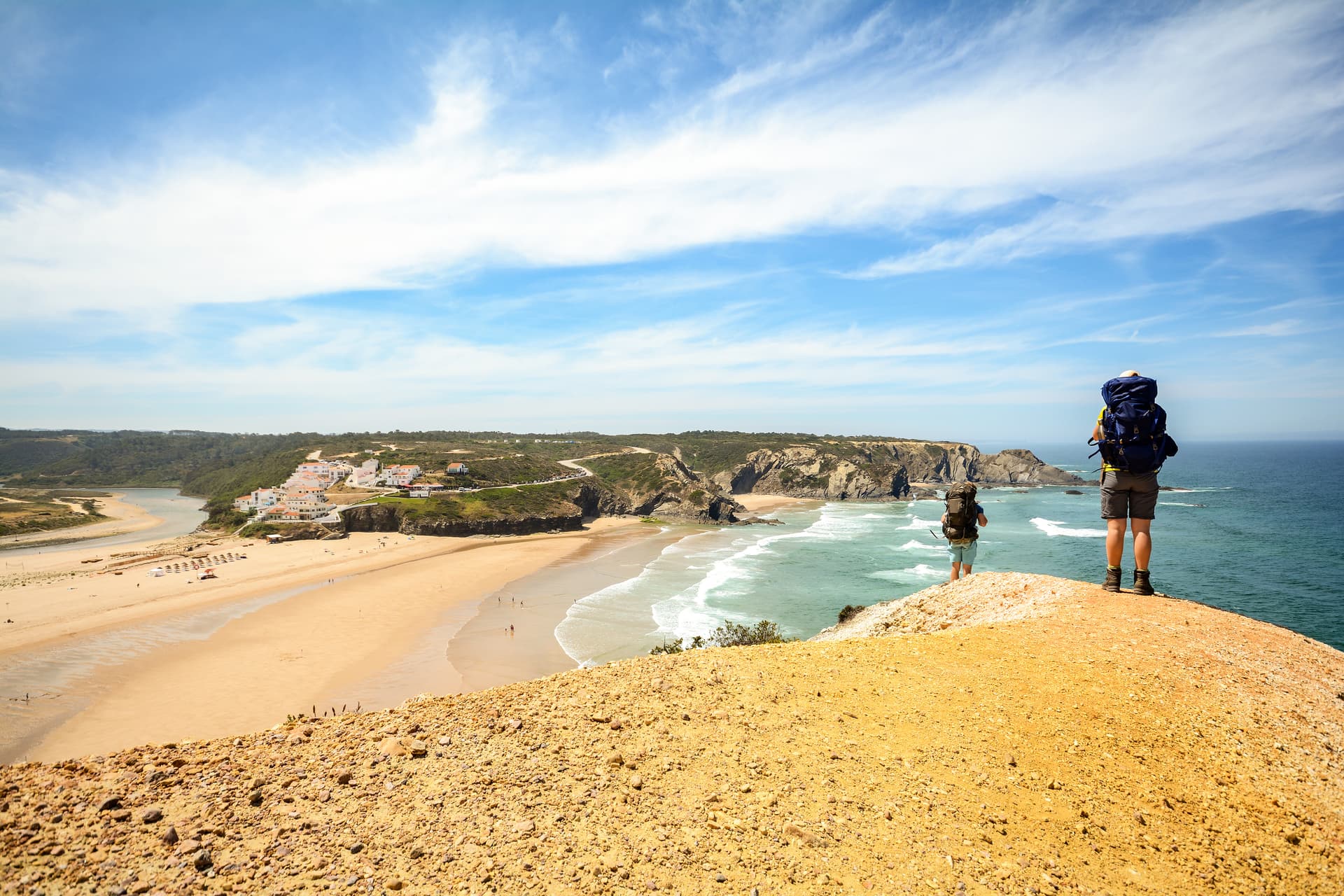
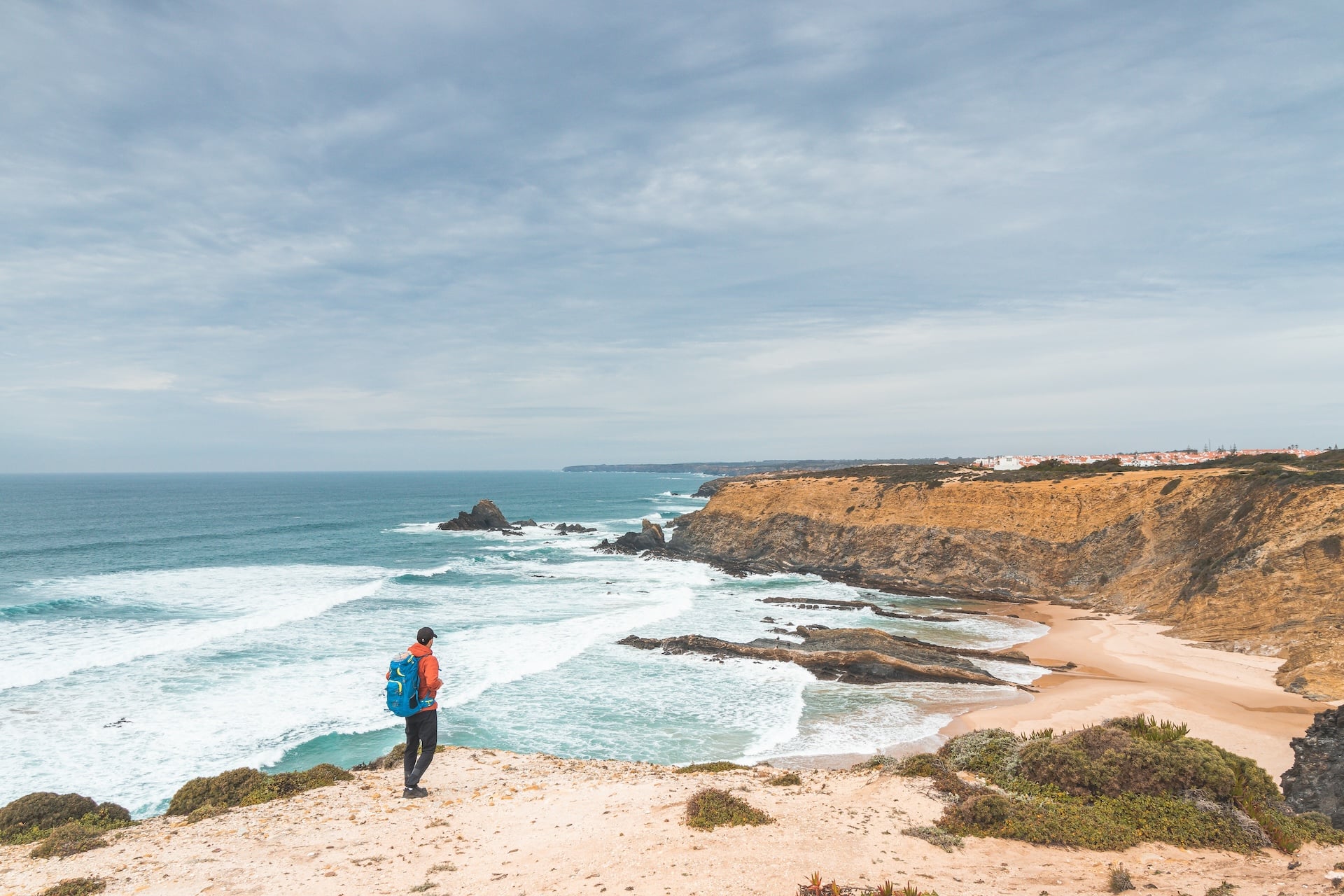
The cliff top the Fishermen's Trail follows south
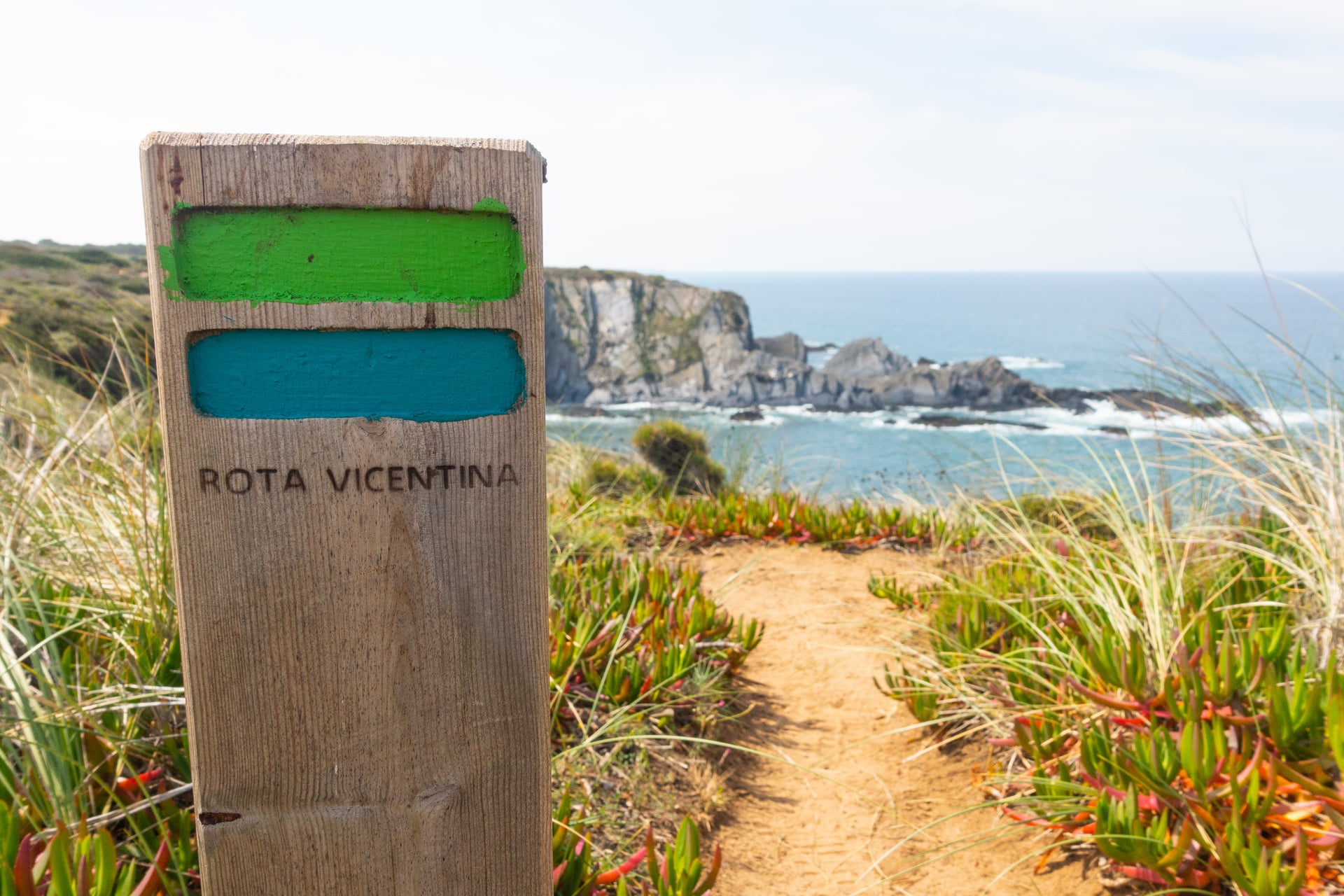
Two long-distance trails, the Fishermen's Trail on the cliff edge and the Historical Way through the cork oak interior, share a park and a waymarking system. This is the flagship walking in Portugal and the one the "portugal hiking trails" search is usually chasing. Walk it between March and May, or in October — never July or August.
The cliff top the Fishermen's Trail follows south
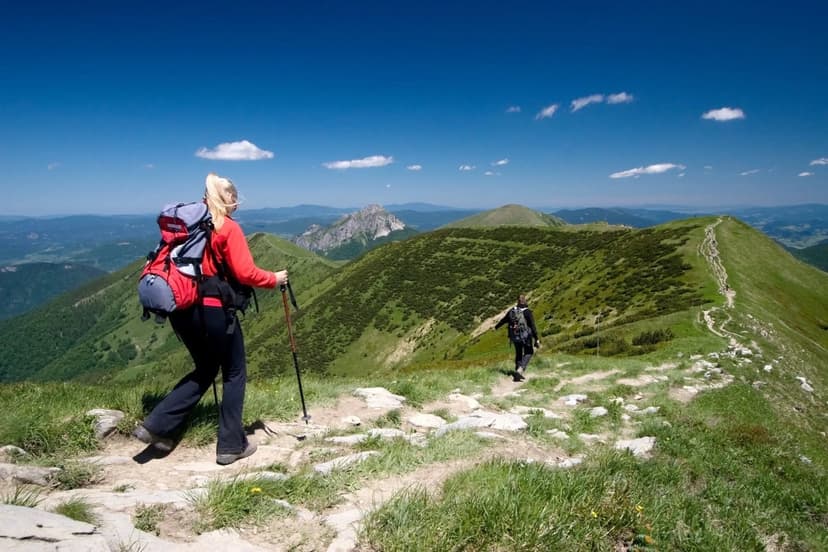
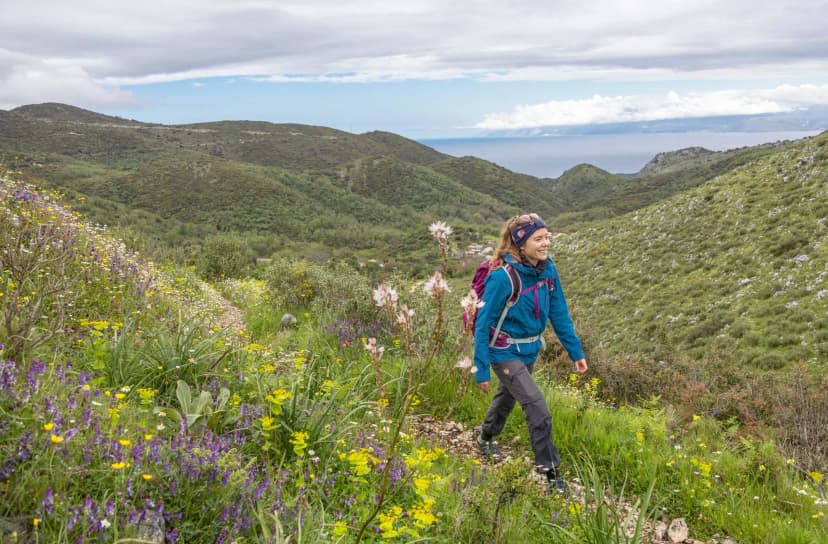
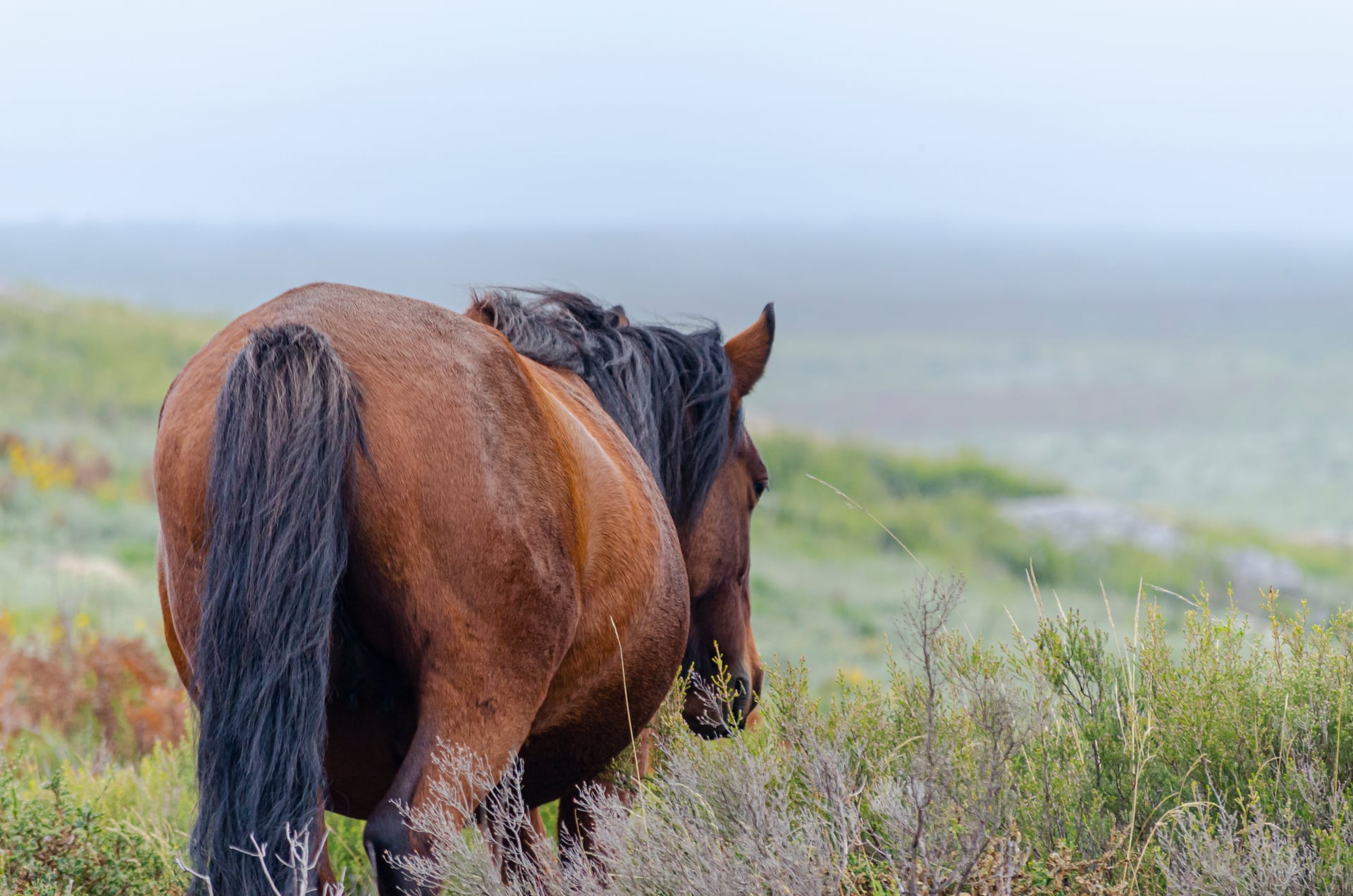
Green ridges running to the Spanish border
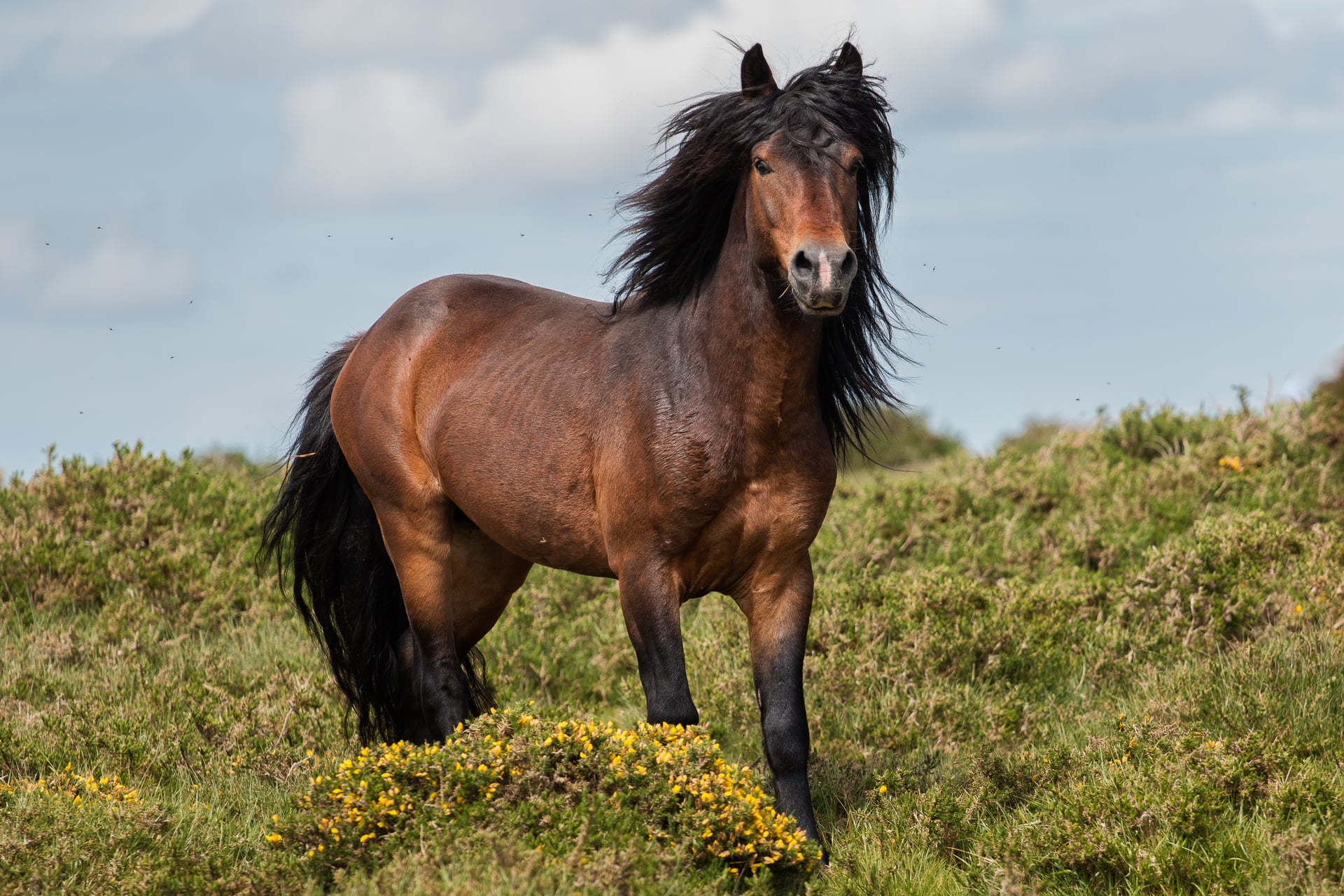
Portugal's only national park, pressed against the Spanish border. Granite peaks, wild Garrano horses, ancient Roman roads through the forest, and villages that feel unchanged. Wetter and cooler than the south, and the walking window is late spring through early autumn.
Green ridges running to the Spanish border
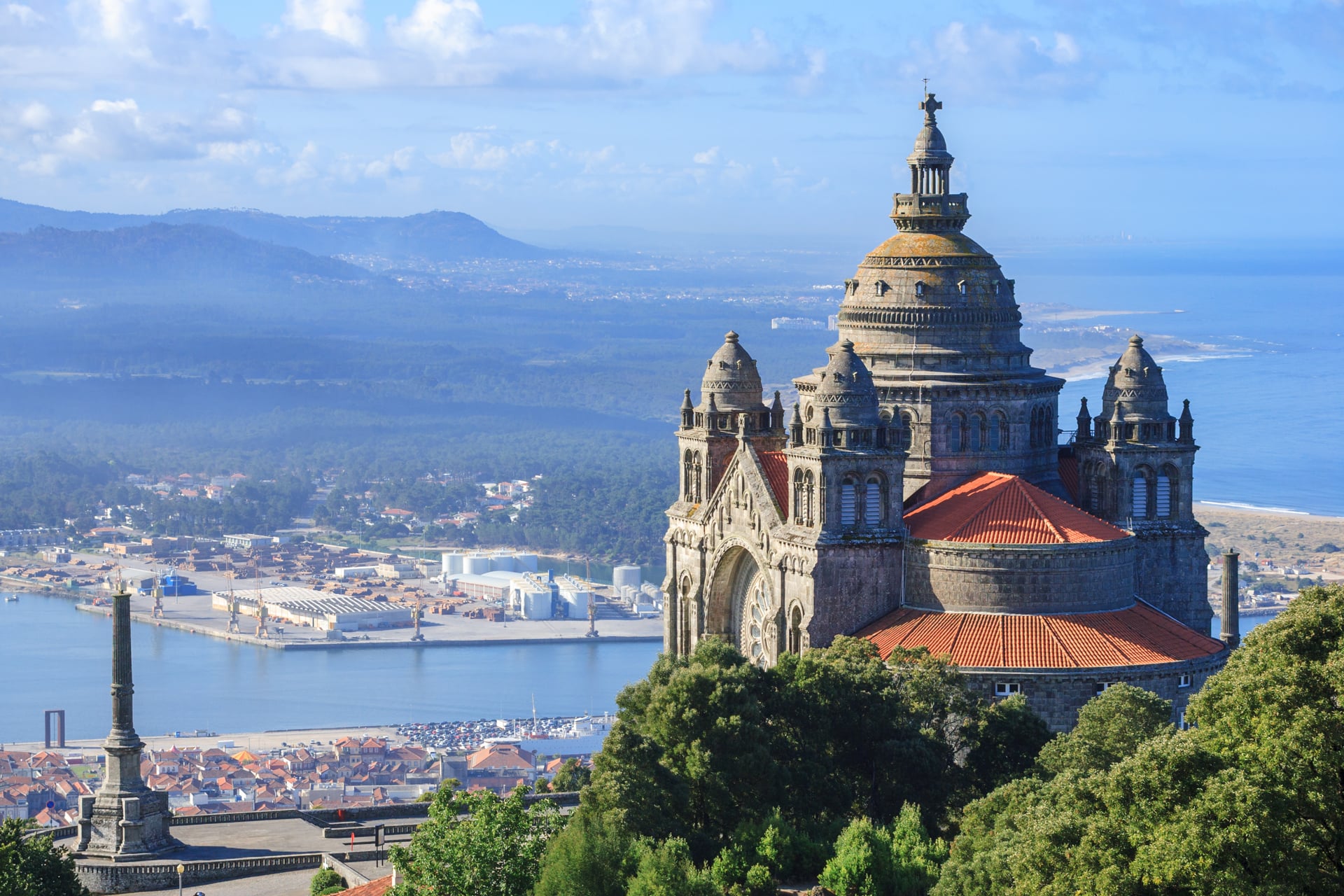
Pena's red and yellow wings above the plain
An hour outside Lisbon by train, built around a small mountain range, a fortress-topped ridge, and the palace-strewn town of Sintra itself. Best as a shorter week or as an add-on to a city trip. Walkable most of the year — the wettest weeks are December–February.
Pena's red and yellow wings above the plain
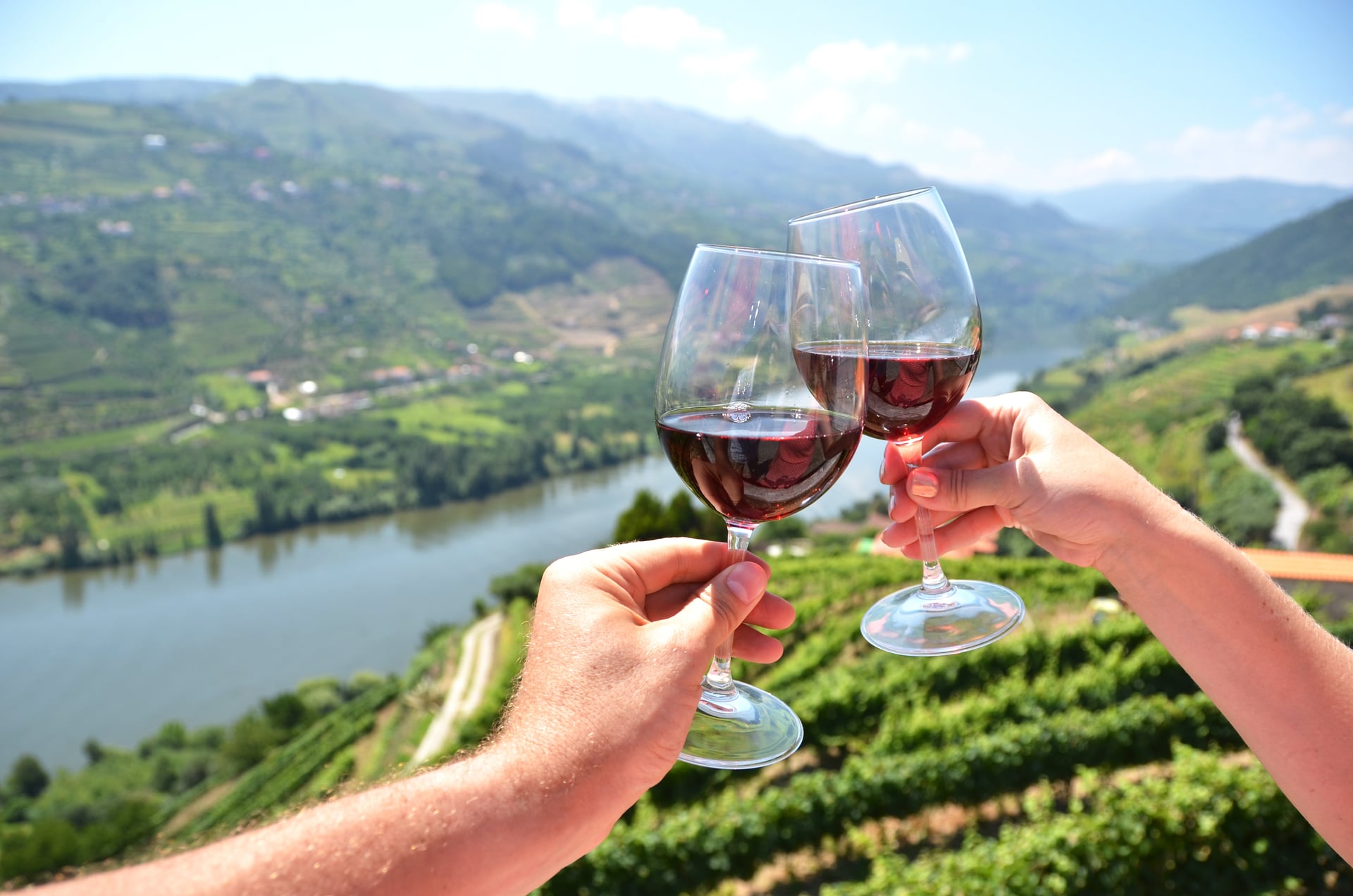
Terraces and olives stepping down to a quinta village
A UNESCO World Heritage cultural landscape of terraced vineyards along the Douro river. Not a mountain destination, and the daily distances are short — this is a walking-and-tasting trip, not a trek. May–October.
Terraces and olives stepping down to a quinta village
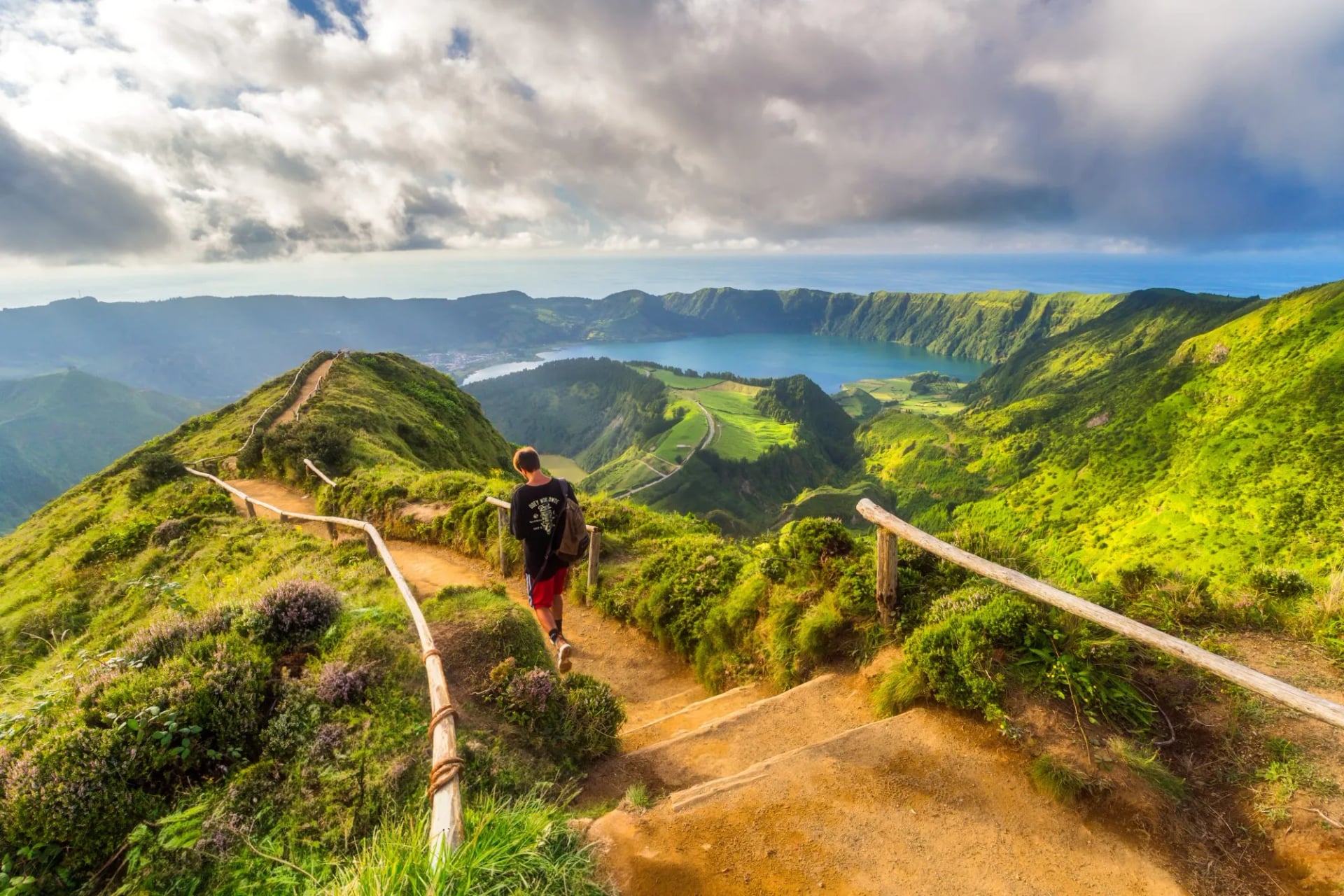
Sete Cidades with the cloud already building
Nine mid-Atlantic volcanic islands with green-cratered volcanoes, hot springs, and constantly-shifting weather. São Miguel is the usual entry point. Excellent hiking, poor visibility guarantees. Any month works, but pack for four seasons in a day.
Sete Cidades with the cloud already building
Madeira's levada trails follow the water
Subtropical, mountainous, and defined by the levada system — narrow irrigation channels the trails follow along the contour. A different holiday from any of the above, and outside the scope of this guide.
Madeira's levada trails follow the water
The Southwest Coast
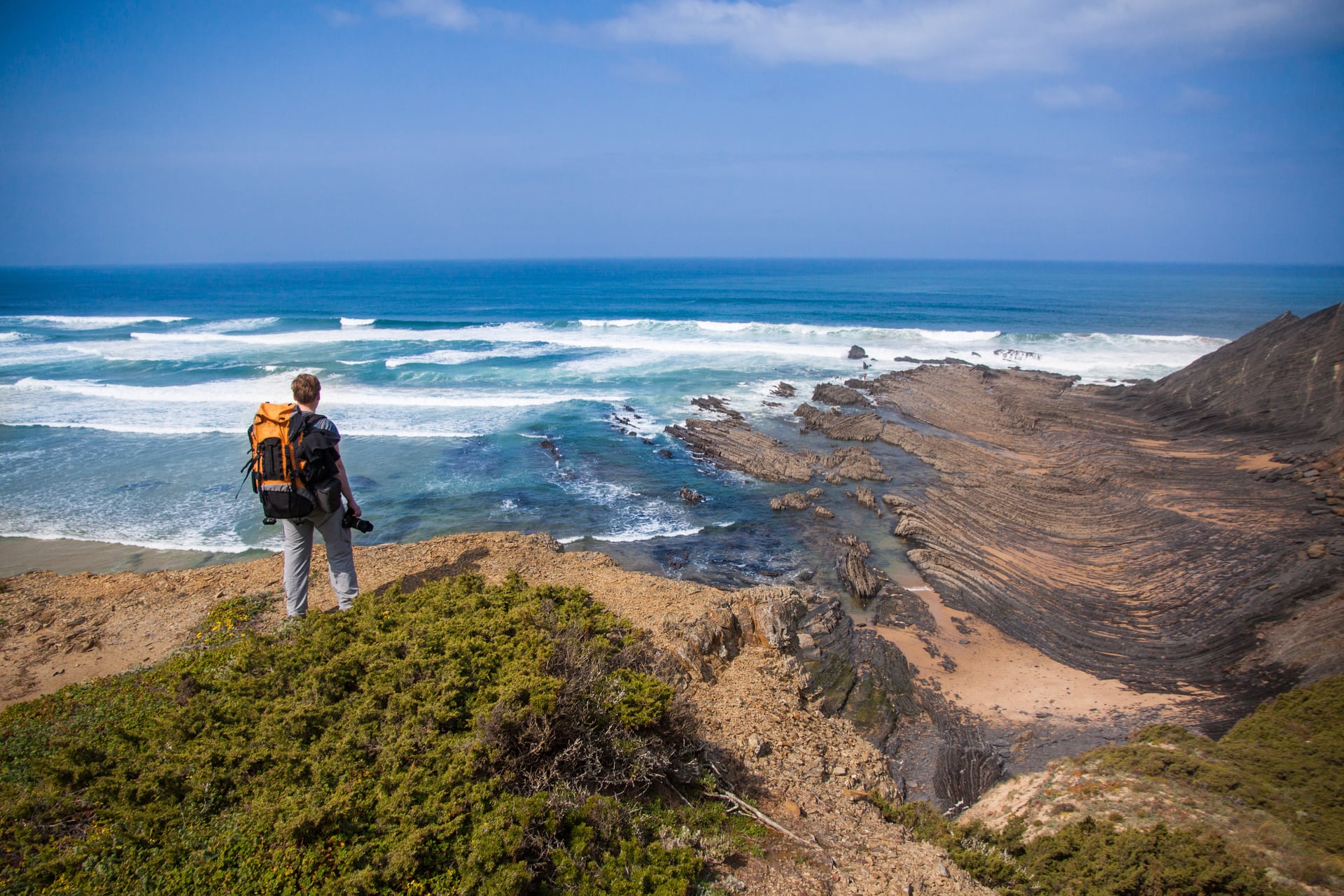
The stretch of coast from Porto Covo down to the westernmost point of the Algarve is Portugal's most famous walking, and for good reason: the Fishermen's Trail runs 226 km along the cliff edge, and the parallel Historical Way (Rota Vicentina Historic Trail) runs a similar distance through the interior of the same protected park. Both are inn-to-inn, both are well-waymarked in green-and-blue, and both stitch small fishing and farming villages into one continuous route.
The Fishermen's Trail is a coastal path, and long sections cross soft sand along the cliff-top or the beach itself. Walking on sand takes roughly twice the effort of a compact trail — a 15 km stage on this route feels closer to a 22 km stage in the Dolomites. Wide-basket trekking poles help, and long trousers with sock cuffs keep the sand out of your boots. The best months to walk the trail are spring and October. Between June and September, the combination of coastal heat and sand becomes uncomfortable and, on the hottest days, can be unsafe.
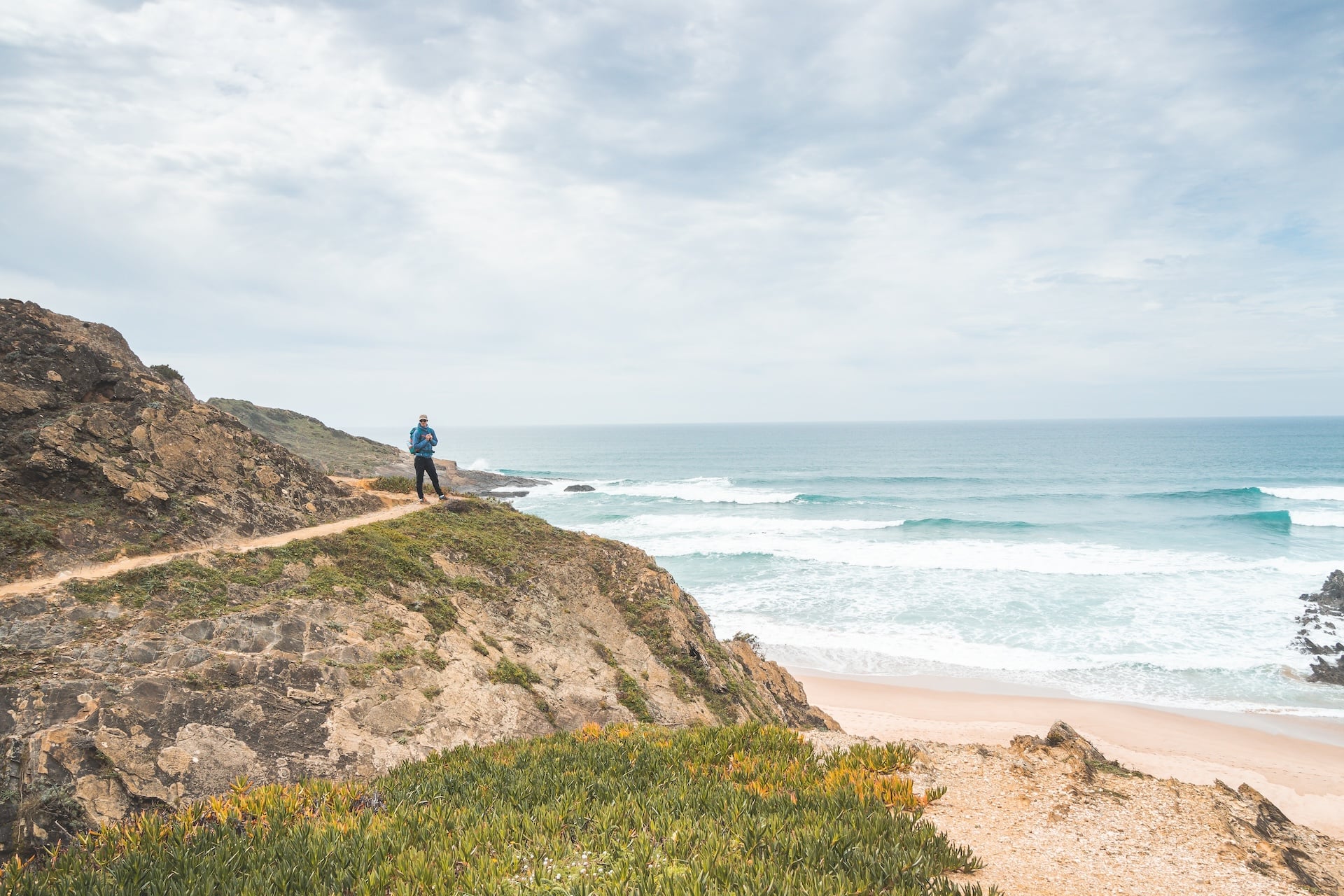
The Historical Way is the answer if you love the region but want less sand and more shade. It stays inland through cork oaks and holm oaks, connects the same villages as the Fishermen's Trail, and you can hop between the two networks where they cross. It's a slightly harder trail for fitness (more gradient) and a much easier trail for feet.
If you'd like the highlights in six days rather than the full fortnight, our shorter tour covers the finest cliff sections between Porto Covo and Odeceixe and stops before the warmer Algarve stages. It concentrates on the northern half of the trail, where the cliffs are most dramatic and the sand-to-firm-ground ratio is friendliest.
For walkers who want to complete the route end-to-end, our full Fishermen's Trail itinerary follows the length of the Alentejo and Algarve coast. It stays on the cliffs the whole way and finishes at Cabo de São Vicente, the south-western tip of continental Europe.
The Historical Way follows shaded inland paths between the same villages, so you keep the region while swapping the sand for cork forest. It's a good option for anyone whose knees prefer firmer ground.
The Wild North
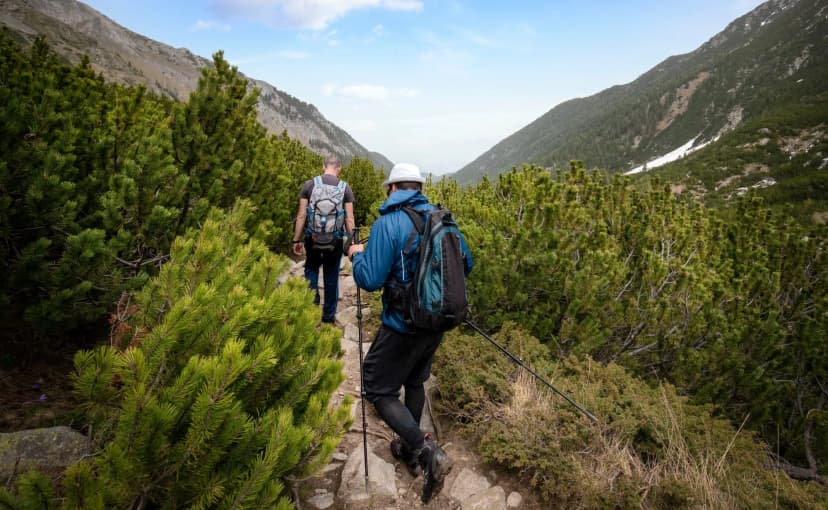
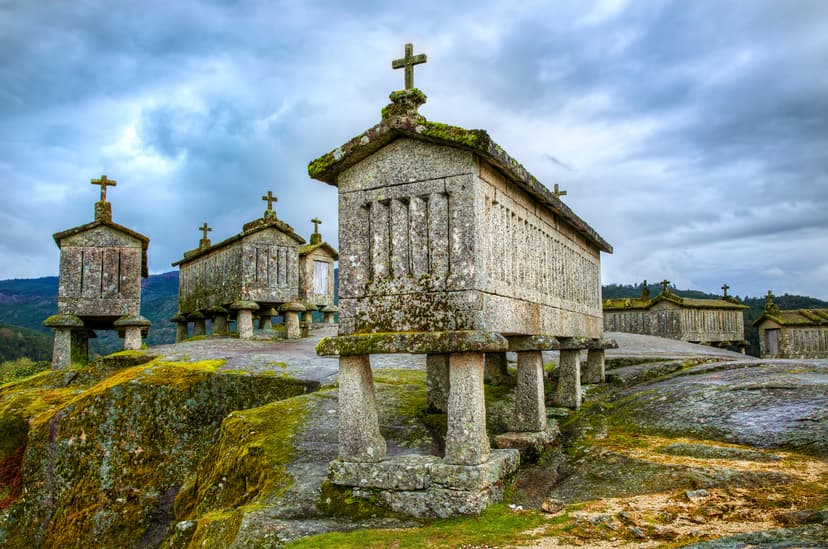
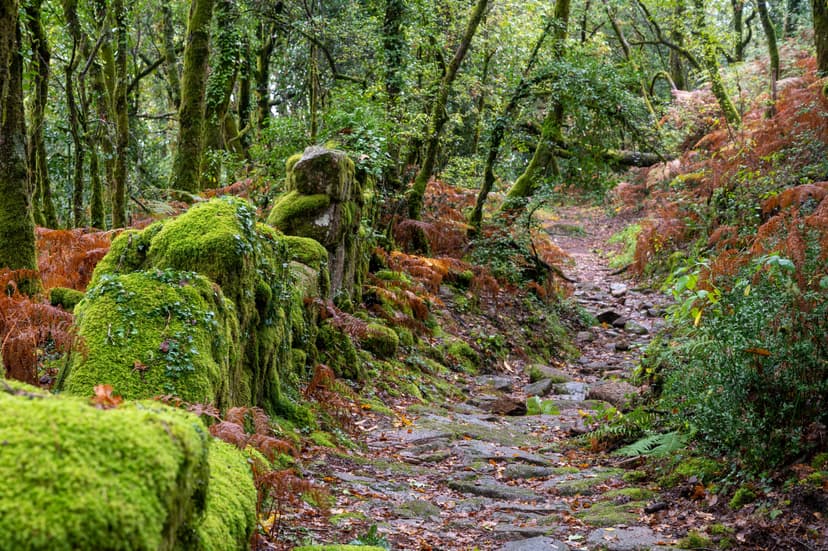
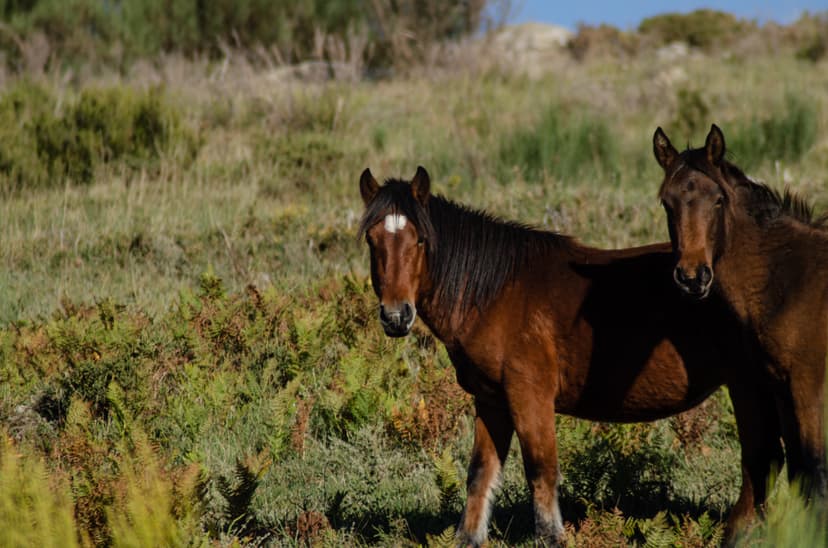
Portugal's only national park sits in the far north, pressed against the Spanish border, and the walking here has nothing in common with the coast. Peneda-Gerês is around 700 km² of granite peaks, oak and pine forest, waterfalls, and long-abandoned Roman roads. The signature sight is the Garrano — small semi-wild horses grazing the high pastures — and the signature feel is that you're in a corner of Europe most walkers never reach.
The northern walking window is late April through late October. Winter is wet and cold; midsummer is warm at valley height but comfortable at trail altitudes. Most stages are 12–20 km on marked paths, but waymarking is patchier than on the Rota Vicentina — a GPS track is worth having.
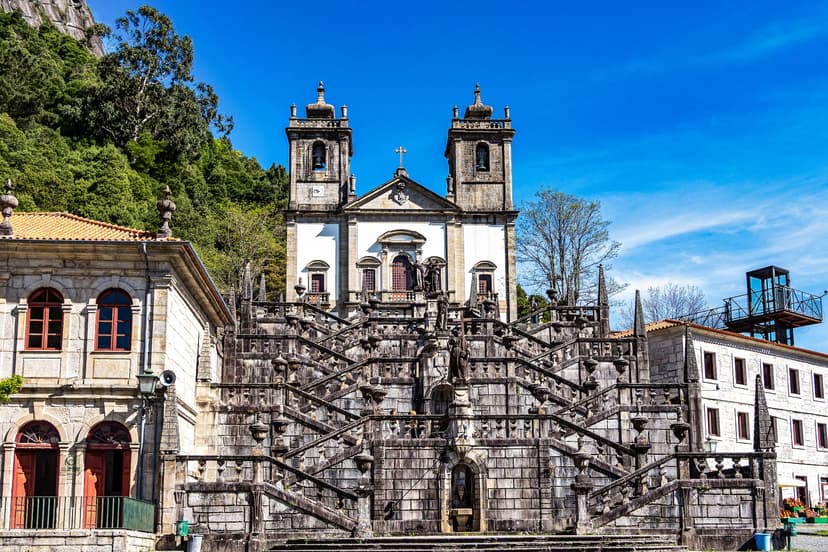
Four places in the park worth planning a walk, a rest, or a meal around:
The 14-day Peneda-Gerês trek is the deep option — a proper thru-hike across the range, guesthouse-based, with the Roman road, the horses, and the Peneda sanctuary all on the itinerary.
If you want the north but on a lighter fitness budget, the Best of Northern Portugal tour covers nine days between the Peneda-Gerês edge and the Portuguese Coastal Camino, ending on the Spanish border. It's the option to pick if you want variety inside one region without the daily-elevation demand of the ultimate trek.
Sintra and Lisbon
Sintra sits half an hour by train outside Lisbon, and the small mountain range behind the town — the Serra de Sintra — is dense with forest paths that connect Moorish castles, the yellow-and-red Pena Palace on the ridge, and the wilder Cabo da Roca headland to the west. Cabo da Roca is continental Europe's westernmost point, and the microclimate is one of the most walkable on the Atlantic seaboard.
This is the pick if you have a week and don't want to leave Lisbon behind entirely. A base in Sintra or nearby Cascais gives you three or four hiking days out of the Serra, plus the Atlantic clifftops between Cabo da Roca and Praia da Ursa, plus half-days in the palaces themselves. The forest paths are cool and shaded even in July — Sintra's microclimate is famously cooler than Lisbon by 5–10°C on hot days.
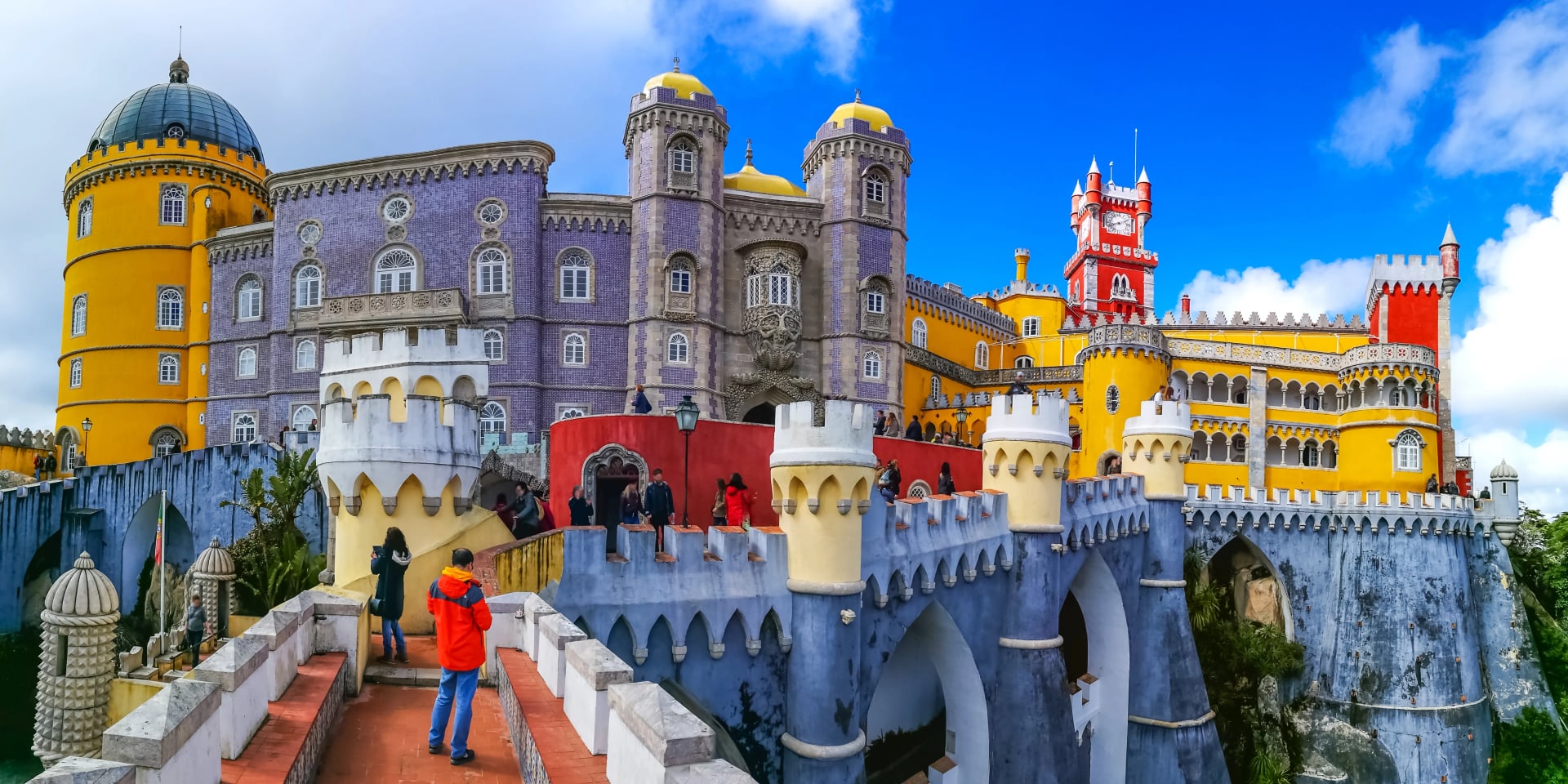
If Sintra is the reason you're in Portugal, the seven-day tour below bases you in the area and walks the Serra ridge, the Cabo da Roca headland, and the palace grounds themselves — a compact week that pairs naturally with a Lisbon start or end.
The Douro Valley
The Douro is a wine trip that happens to involve walking. The valley is a UNESCO cultural landscape — declared in 2001 — of terraced vineyards climbing the schist slopes above the Douro river, and the wine grown here is turned into Port and, increasingly, into serious dry table wines.
The daily distances are short, the pace is intentionally unhurried, and the walks link between quintas (wine estates) with tastings at each. Fitness demand is low. Best months are May, June, September, and early October — July and August are hot in the valley bottom, and some estates close their vineyards to walking during the September harvest window.
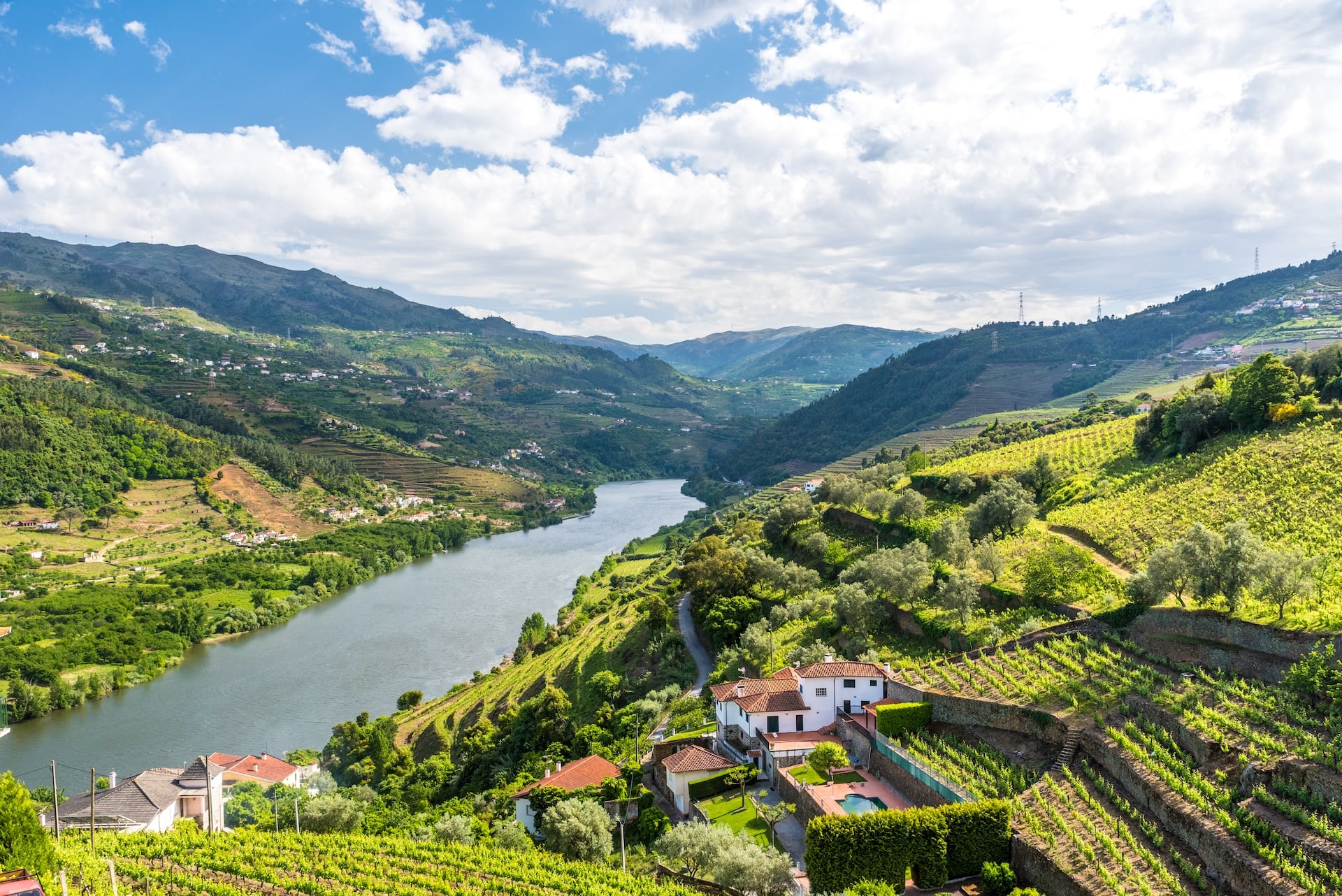
The six-day Walk & Wine tour bases you in the valley and walks between quintas each day, with tastings at three or four working wineries and a final evening in the town of Pinhão.
The Azores
Nine volcanic islands in the mid-Atlantic, closer in feel to a small Pacific archipelago than to Lisbon. First-time visitors nearly always hike São Miguel — a green-cratered island with the twin-lake Sete Cidades caldera, the Furnas hot springs, and marked island trails ranging from 5 to 20 km.
The Azores weather rule is that the weather changes. Rain, cloud, sun, and wind can trade places in a single afternoon, especially at the crater rims where visibility can drop to zero without warning. Check the São Miguel webcams the morning of each hike — the classic Sete Cidades panorama is only worth walking to when the rim cam is clear. Otherwise, drop into the Furnas valley and walk there instead.
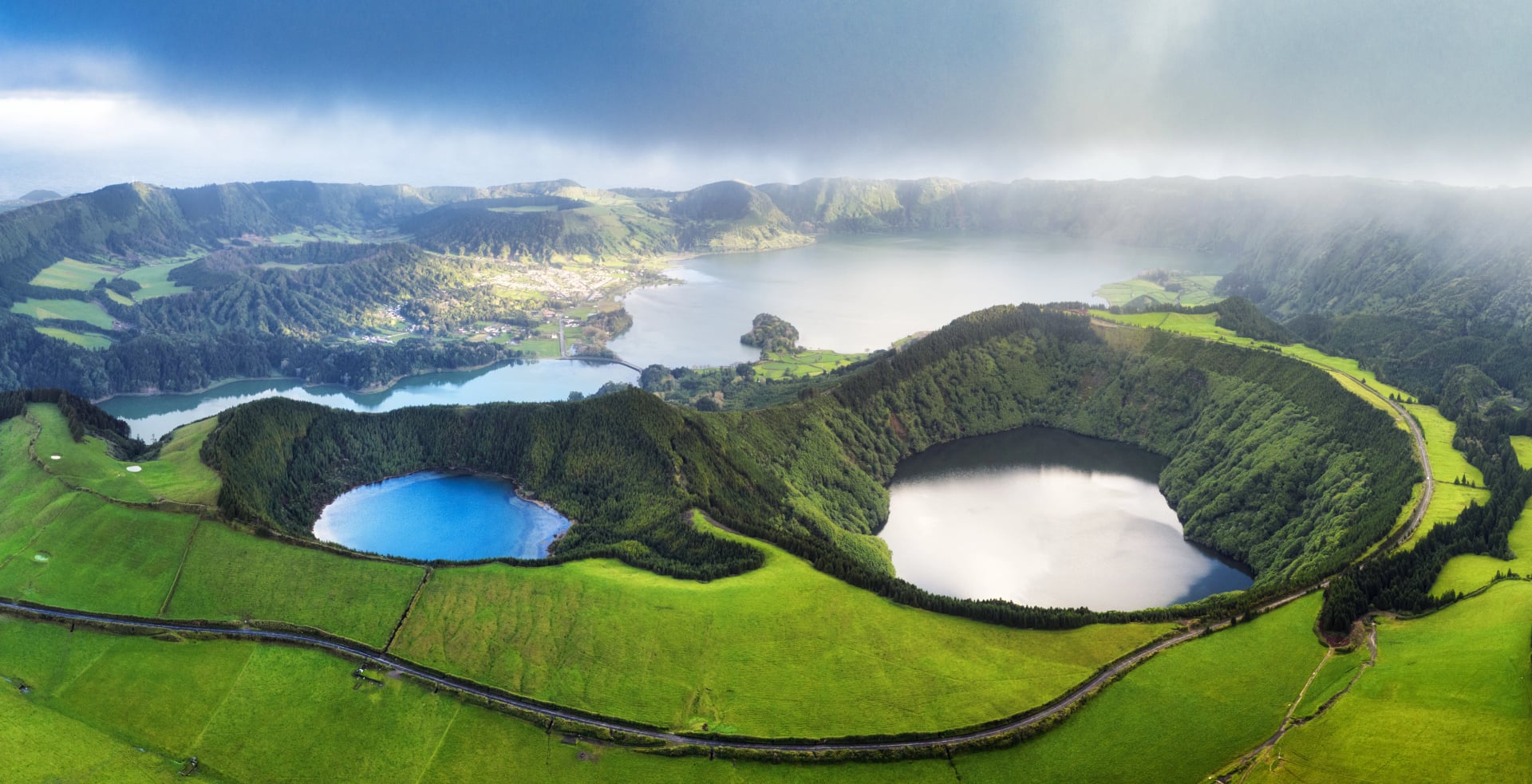
Our seven-day Azores tour is based on São Miguel and covers Sete Cidades, Furnas, the tea plantations of Gorreana, and the volcanic lakes of Fogo. The hikes themselves are moderate at 2/5 fitness — what you'll want to bring is patience with the weather, which can change several times in a single afternoon.
When to Hike in Portugal
Portugal's climate splits sharply by region, and picking the right month matters more here than in most of Europe.
March–May. The best months for the southwest coast — mild, low rain, wildflowers on the coastal cliffs. Peneda-Gerês is still cold at altitude until late April.
June. The coast becomes hot by mid-month. Peneda-Gerês and the Douro are ideal.
July–August. Avoid the southwest coast — the sand-and-sun combination is dangerous, not scenic. Peneda-Gerês valleys are hot but the trails at altitude stay comfortable. The Azores are workable but often cloudy.
September. The best all-round month — coast walkable again, Douro harvest on, Peneda-Gerês still open, and the Azores at their clearest.
October. The southwest coast at its most beautiful. The light softens, the crowds thin, and Peneda-Gerês stays walkable until the mid-month rains arrive.
November–February. Sintra and the Azores stay walkable. Everywhere else is out of season or difficult.
One rule worth knowing before you plan: wild camping is illegal in Portugal's protected natural areas — including Peneda-Gerês, the Rota Vicentina park, Sintra-Cascais, and the Azores volcanic parks. Fines are enforced, and the parks are actively patrolled in high season. All of our Portugal tours are inn-to-inn or guesthouse-based, which is how long-distance walking in Portugal is normally organised.
Because these are broad windows and Portugal's regions rarely share the same week's weather, the official Portuguese weather service — IPMA — is worth bookmarking once you've picked a month. Its companion app covers over 300 locations in Portuguese territory.
Which Region is Best for You
Here is a quick overview of the six hiking regions in Portugal to help you pick the right for you:
Region | Terrain | Best Time | Difficulty | Best For |
|---|---|---|---|---|
Southwest Coast | Coastal cliffs & sandy paths | Mar–May, Oct | Moderate | Coastal, long-distance trekkes, ocean scenery |
Wild North | Granite peaks & forest trails | Late Apr–Oct | Moderate to Hard | Strong hikers, nature lovers, mountain scenery |
Sintra & Lisbon | Wooded hills, coastal paths & estate gardens | Year-round (excl. winter rain) | Easy to Moderate | Sightseeing, families, short escapes, cultural trips |
Douro Valley | Terraced vineyard slopes | May–Jun, Sep–Oct | Easy | Cuisine & wine enthusiasts, relaxed walkers, seniors |
The Azores | Volcanic craters & lush green trails | Year-round | Moderate | Island lovers, volcanic scenery, adventurous travellers |
Madeira | Levadas & steep mountain ridges | Year-round | Moderate to Hard | Subtropical scenery, dramatic heights, levada walking |
Traveling With Ease
Our Portugal collection covers all six regions above, and every tour is self-guided — you follow the route at your own pace, while we take care of the planning and logistics behind it:
Accommodation booked in the villages and towns where each stage ends.
Luggage transfers between stages, so you walk with just a daypack.
A digital guidebook with maps, GPS files, day-by-day route notes, and emergency contacts.
Support by phone or WhatsApp throughout your trip, in case anything comes up along the way.
When you're narrowing down, we recommend starting with the season, then the region, and finally the specific tour. Here are some collections that can help:
The Portugal destinations page lists every walking tour we currently offer in Portugal.
Our Best for Beginners selection is a good place to start if this is your first inn-to-inn walking trip.
The Coastal Hikes category groups our seaside walking tours across Europe.
Our Hiking Difficulty Guide explains how we rate the technical and fitness levels of each tour.

About this author
Jon is our travel advisor and an outdoor adventurer who is happiest on the move. While mountain biking is his personal passion, he thrives on crafting hiking adventures for others — planning routes and adding the little touches that turn a trip into a core memory.



.jpg&w=828&q=75)