Mount Olympus Hike: A Guide to Greece's Highest Peaks
Everything you need to know before hiking Mount Olympus in Greece — from the Mytikas scramble to Skolio's easier summit, refuges, season, and route.

Ajda
Published September 17, 2026
Edited September 17, 2026
12 min read
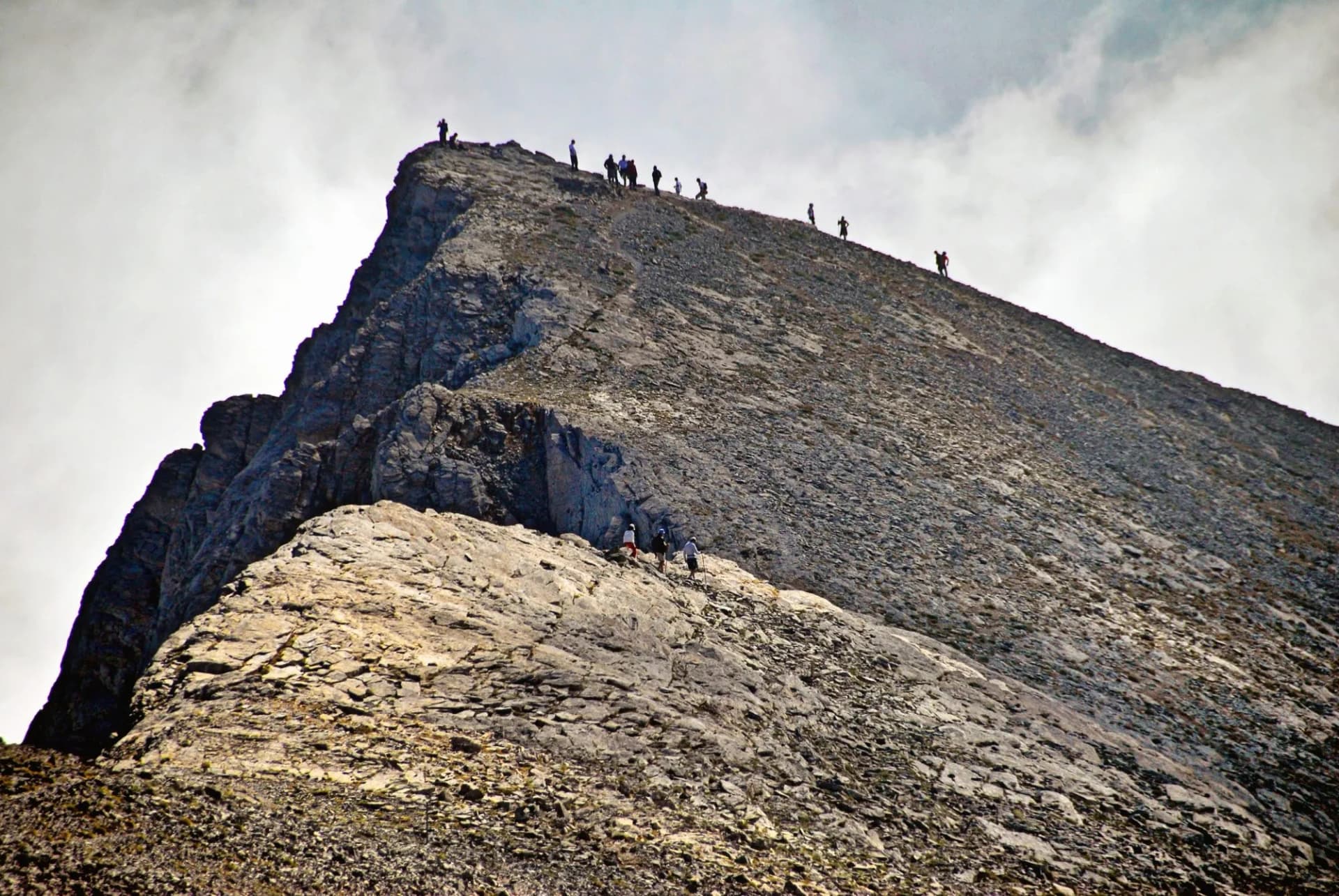
There's a specific moment on Skala, the 2,882-metre ridge point where every Mount Olympus summit day pivots, when you stop and turn east. Below your boots, the Aegean is a strip of blue. Behind you, Mytikas — the highest point in Greece — is a jagged spine of pale rock. You understand, standing there, why the ancient Greeks put Zeus and eleven other gods on this mountain and no other.
Mount Olympus rises to 2,918 metres in northern Greece, on the border of Thessaly and Macedonia, roughly 80 km southwest of Thessaloniki. It is the tallest mountain in the country, the mythological home of the Olympian gods, and — practically speaking — a serious multi-day hike that ends with a decision most guides won't let you skip: do you scramble the last 36 metres to Mytikas, or do you turn left for the easier Skolio summit? This guide answers that, and everything you need to plan around it.
Quick facts:
Location: northern Greece, in Olympus National Park (the country's first, established 1938)
Highest peak: Mytikas at 2,918 m — the tallest point in Greece
Difficulty: strong hiking fitness required; the final push to Mytikas is a YDS Class III rock scramble
Optimal season: June to mid-October; snow-capped above 2,000 m for around nine months of the year
Meet The Mountain
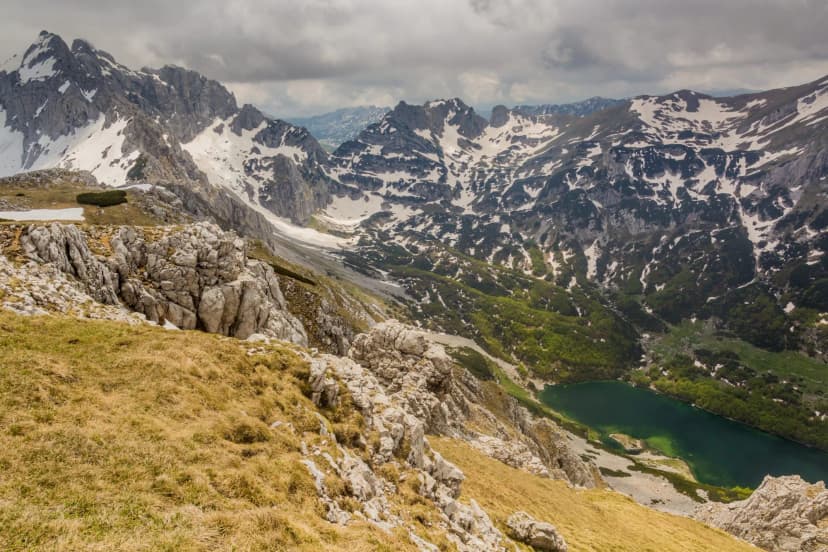
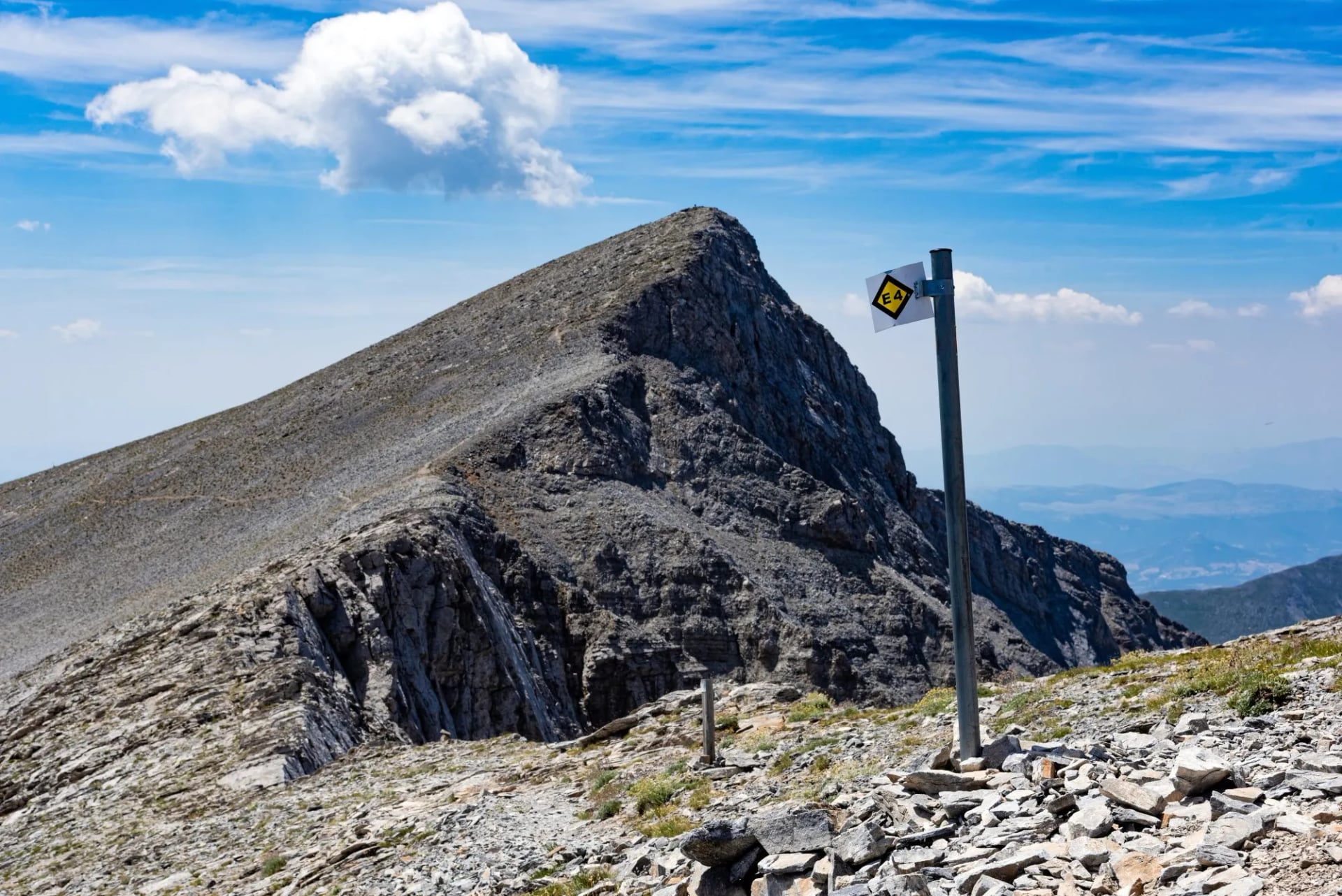
Olympus is a limestone massif with more than 50 named peaks, formed by tectonic uplift and shaped by a million years of glaciation, wind, and rain. The four peaks most hikers come for — Mytikas, Stefani, Skolio, and Skala — cluster in a single amphitheatre at the top of the range, ringed by the deep Kazania cirque.
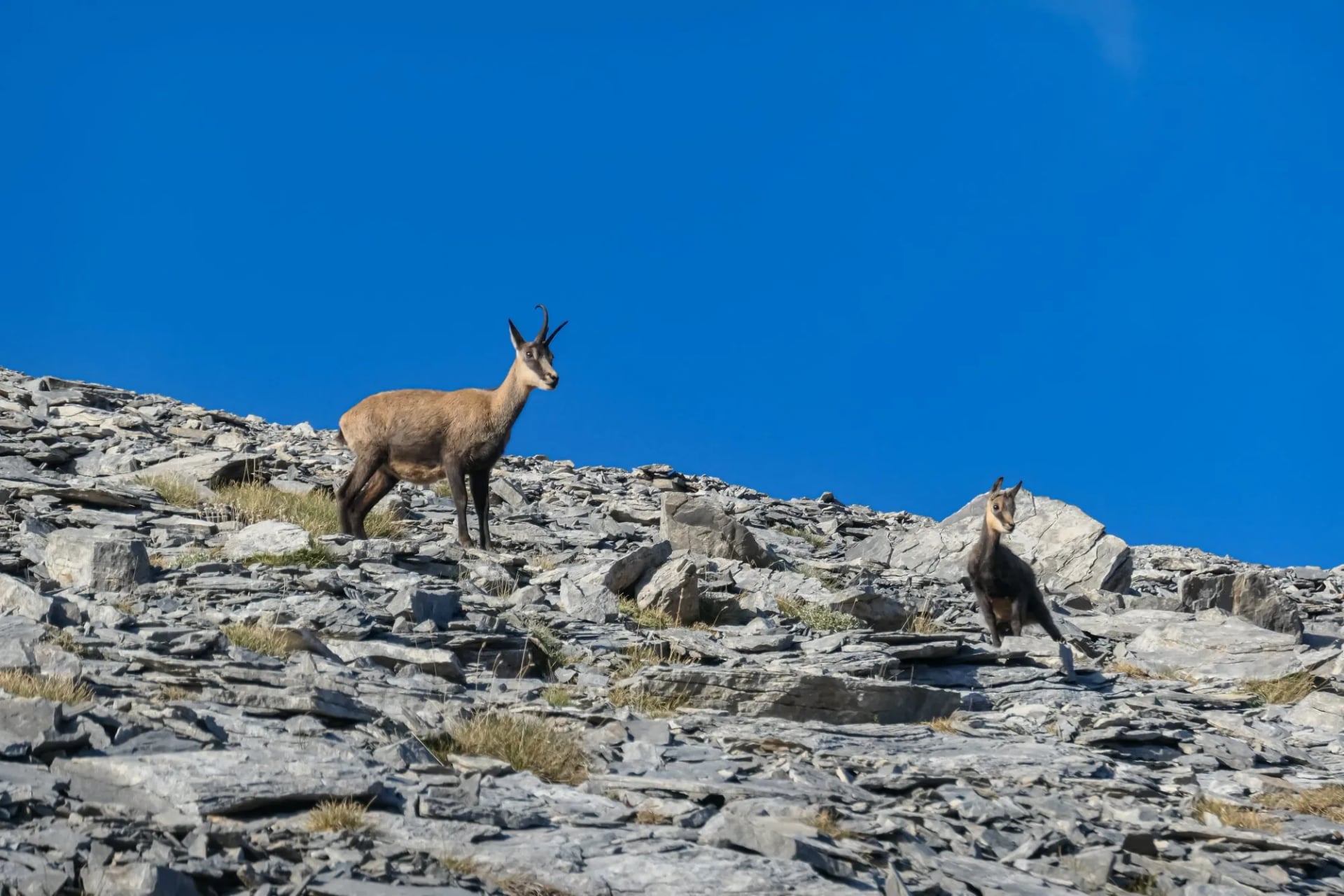
The whole area is protected as Olympus National Park, Greece's first, gazetted in 1938 and later designated a UNESCO Biosphere Reserve in 1981. Inside its 238 square kilometres you'll pass through black pine forest, Bosnian pine at higher elevations, alpine meadows, and finally the bare limestone of the summit zone. Around 1,700 plant species have been recorded here, including several found nowhere else on Earth. Wildlife includes chamois, roe deer, foxes, and — if you're lucky and quiet at dusk — the occasional wolf, though sightings are rare.
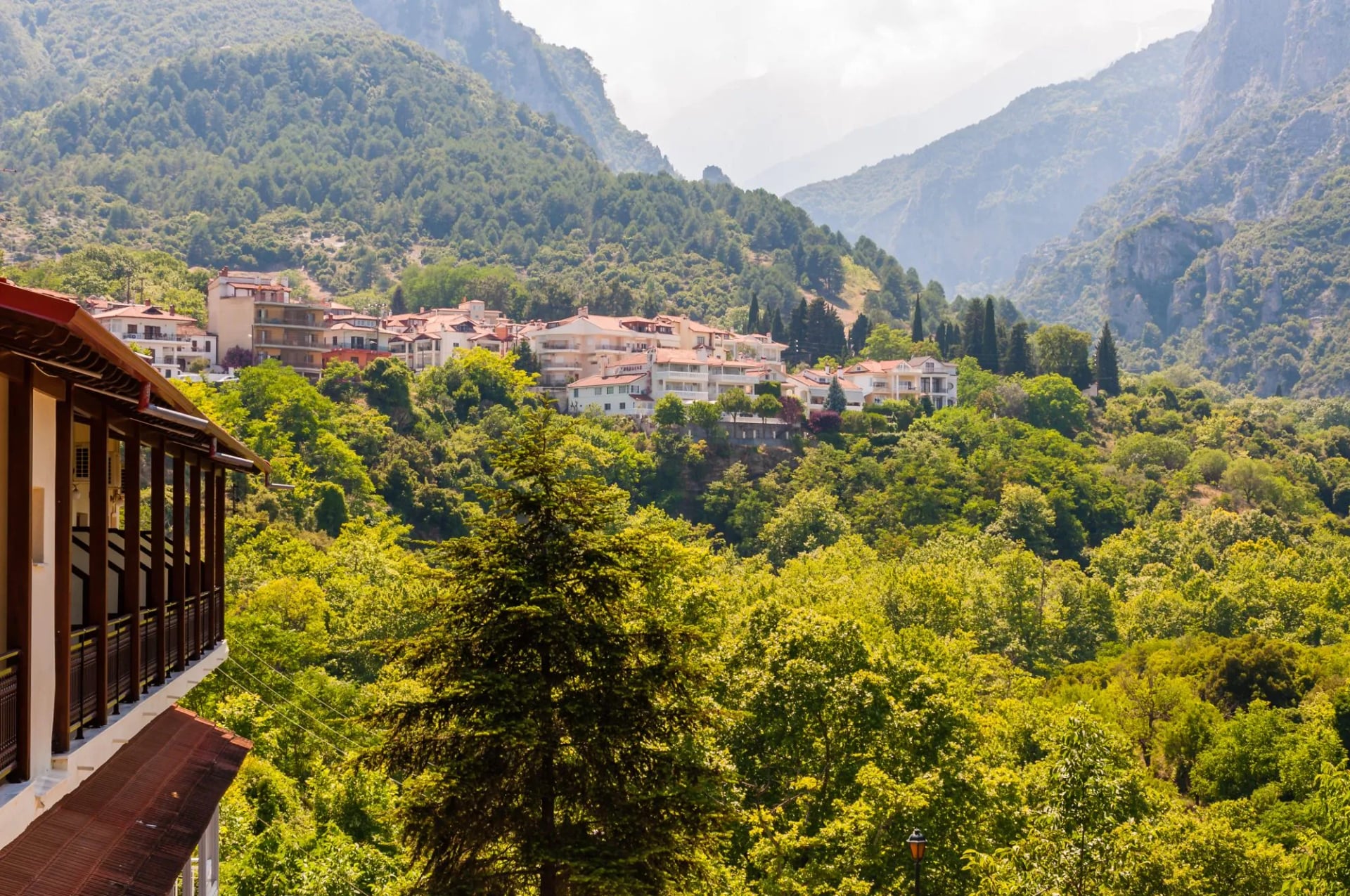
The base town is Litochoro, whose name loosely translates as “the city of the gods.” It sits at about 300 m on the mountain's eastern flank, a 90-minute drive south from Thessaloniki. Most Mount Olympus hikes begin with a short road transfer from Litochoro up to the Prionia trailhead at 1,100 m, the highest point you can reach by car and the start of the classic E4 route.
The Peaks
Four summits do most of the work on Olympus. Know the differences before you commit to an itinerary.
Mytikas (2,918 m)
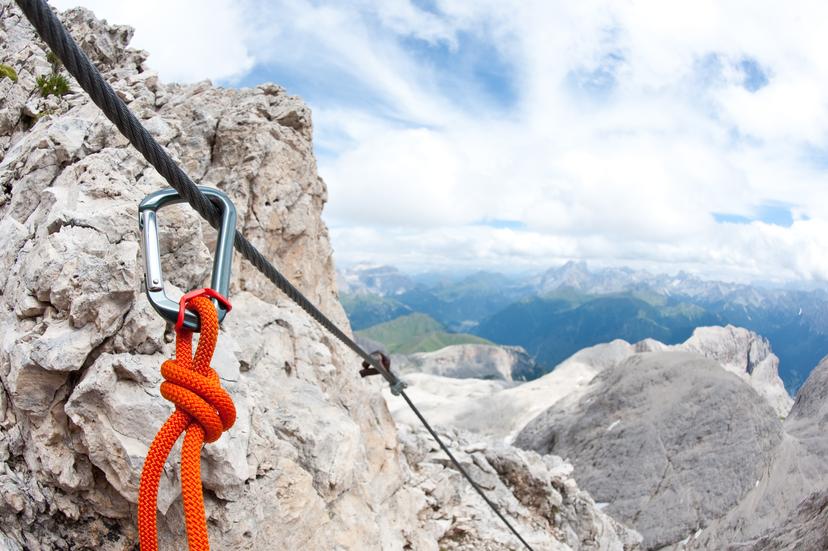
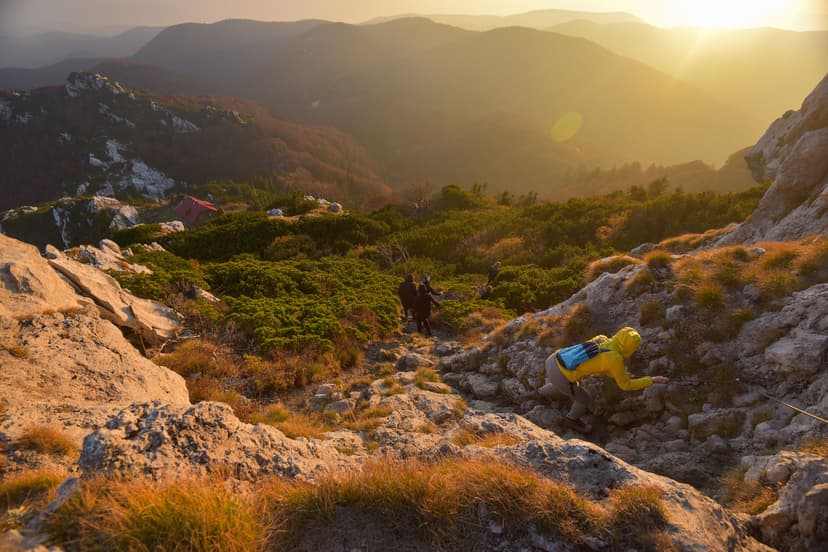
The highest point in Greece and the classic summit target. The final stretch from Skala to Mytikas is a YDS Class III rock scramble on loose stone with real exposure — steady hands and feet, no fear of heights, and a helmet strongly recommended because of rockfall from parties above. It's short (about 36 metres of vertical and roughly 30 minutes each way), but a fall could easily be fatal, and guided groups turn back here whenever the rock is wet or the weather is closing in.
Stefani (2,909 m)
The “throne of Zeus” — a dramatic rock spire immediately west of Mytikas. It looks like the highest peak from many angles but isn't, and it involves harder scrambling than Mytikas itself. Most parties skip it or link it only with a guide.
Skolio (2,911 m)
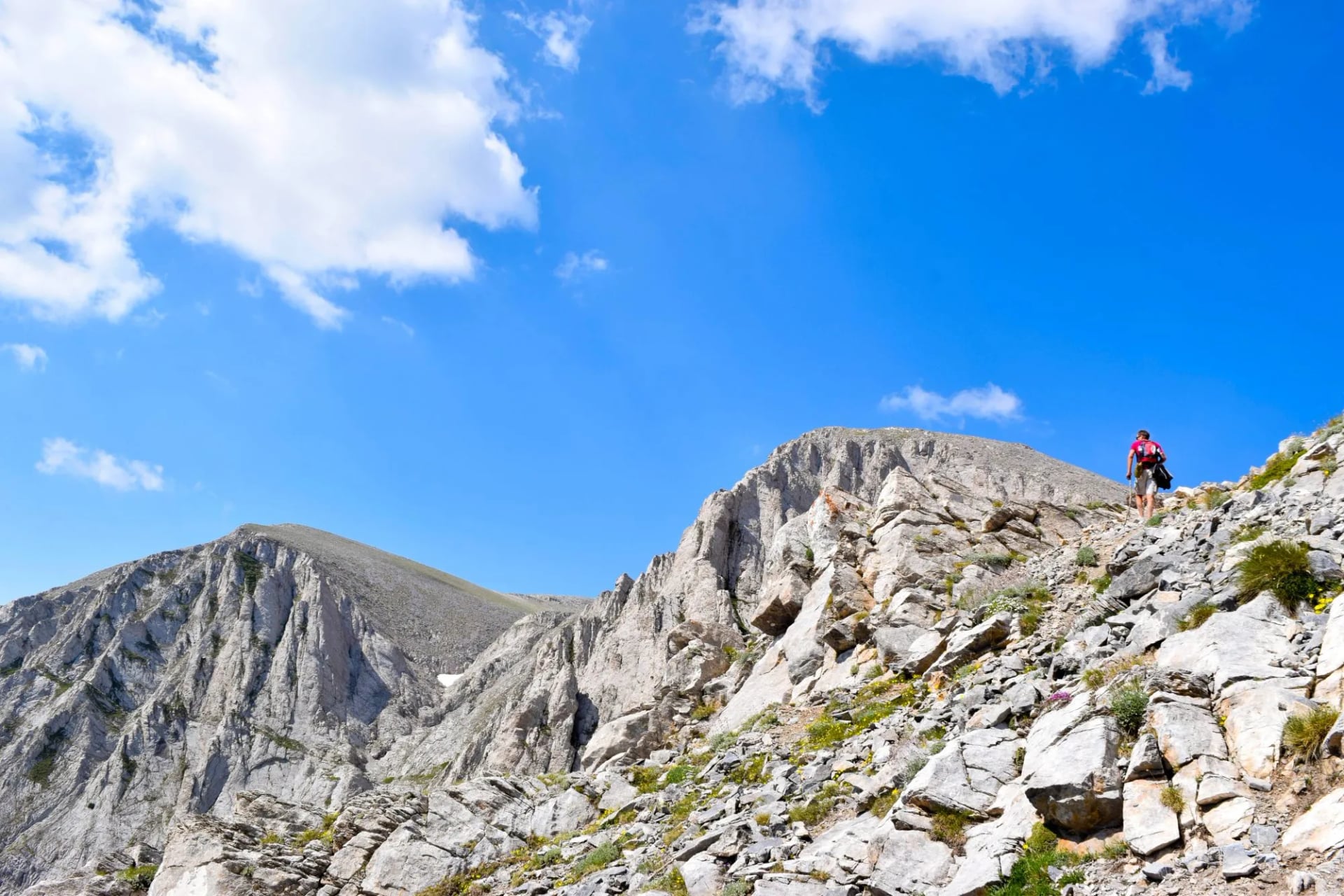
The runner-up peak and the honest hikers' summit. From Skala, you turn left along a broad ridgeline for a straightforward walk with no hands-on climbing. The vast majority of the roughly 10,000 people who summit Olympus each year top out here, not on Mytikas — and the view across the Kazania cirque toward Mytikas and Stefani is arguably the best on the mountain.
Skala (2,882 m)
Not a destination in itself, but the pivot every summit day turns on. You arrive at Skala from the Spilios Agapitos side, catch your breath, and choose: right and up for the Mytikas scramble, or left along the ridge for Skolio.
Mytikas or Skolio?
This is the single most useful question to answer before you book anything, so let's be direct.
Choose Skolio if you're a strong hiker with no scrambling background. The route from Skala is a fair-weather walk — steep in places, but hands stay in your pockets. You'll still stand on a 2,911-metre summit in Greece, still see the Aegean, and still bag one of the highest points in the Balkans. For most fit but non-technical hikers, this is the smarter and more enjoyable summit.
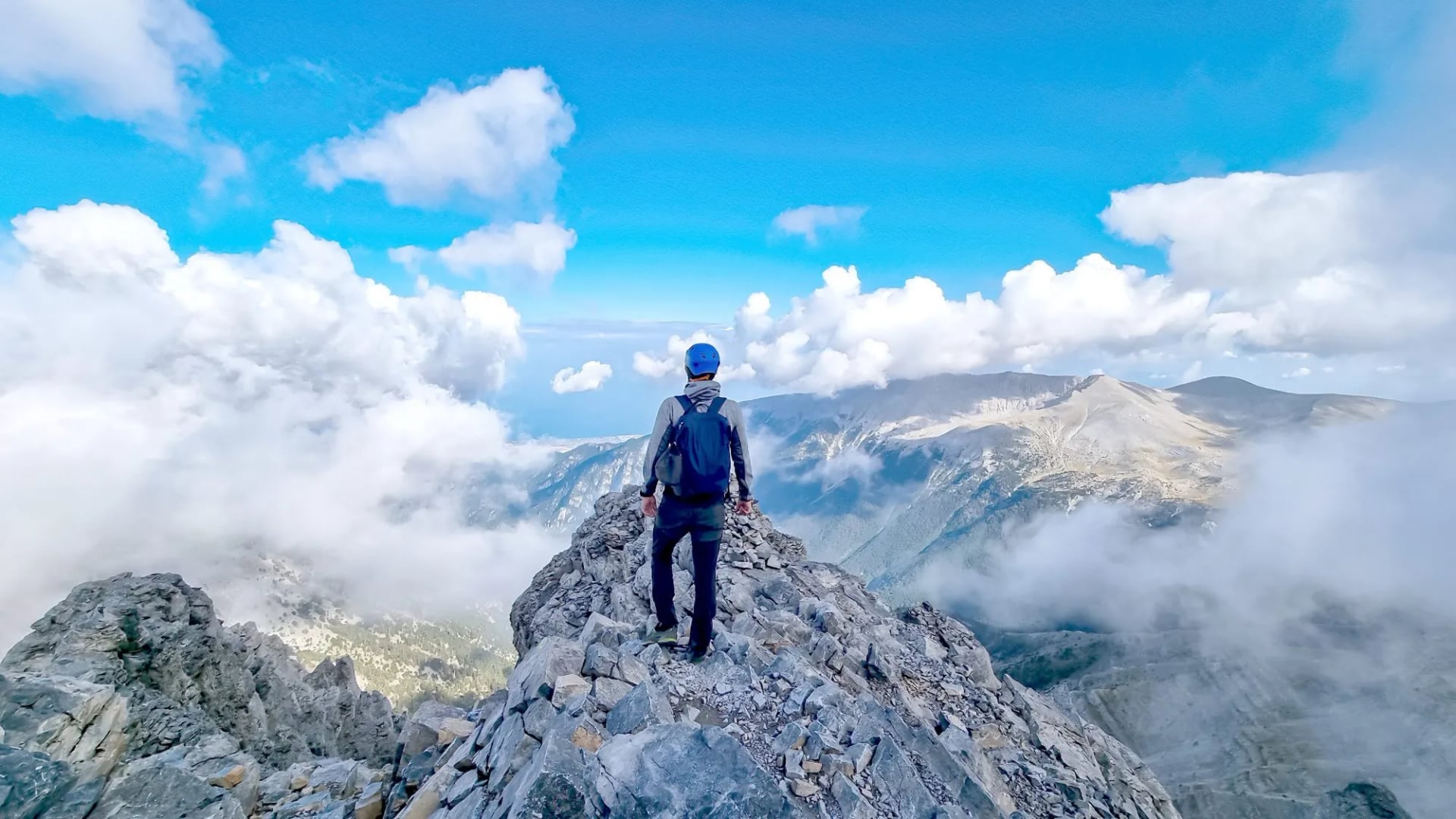
Choose Mytikas if you're comfortable on exposed rock and can accept a weather-dependent plan. The scramble itself isn't long, but it demands calm feet on loose limestone with 500 metres of nothing on one side. In summer, storms build quickly over the ridge from around midday, and any responsible guide will pull the plug on the Mytikas section if the forecast turns. A helmet is close to non-negotiable, and going up with a mountain guide who ropes exposed sections is the sensible default for anyone without their own scrambling experience.
Our tour on Olympus is deliberately built around Skala and Skolio rather than Mytikas — you get the summit day, the ridge views, and both nights in the high refuges, without gambling a holiday on 36 metres of loose rock.
The Route from Prionia
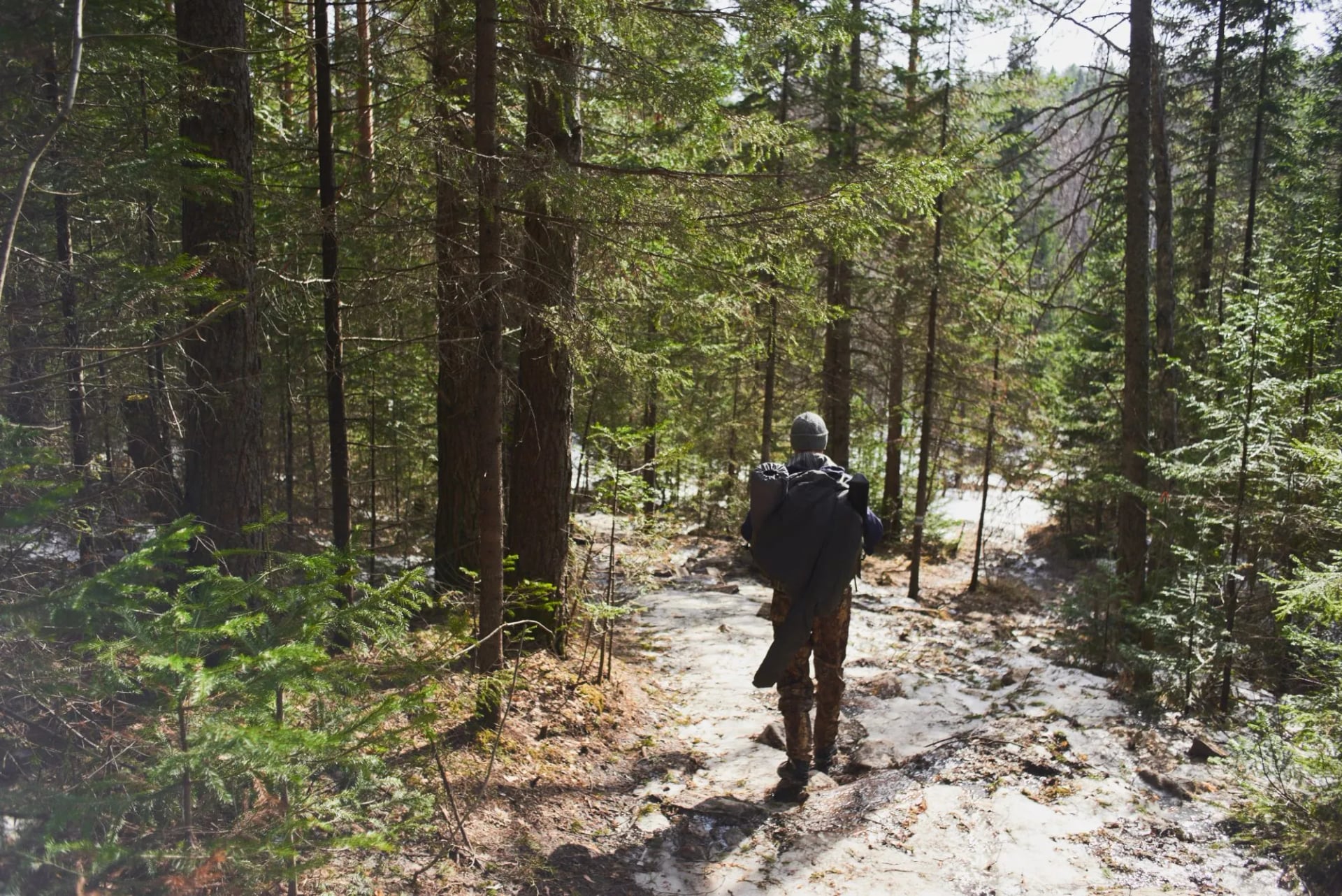
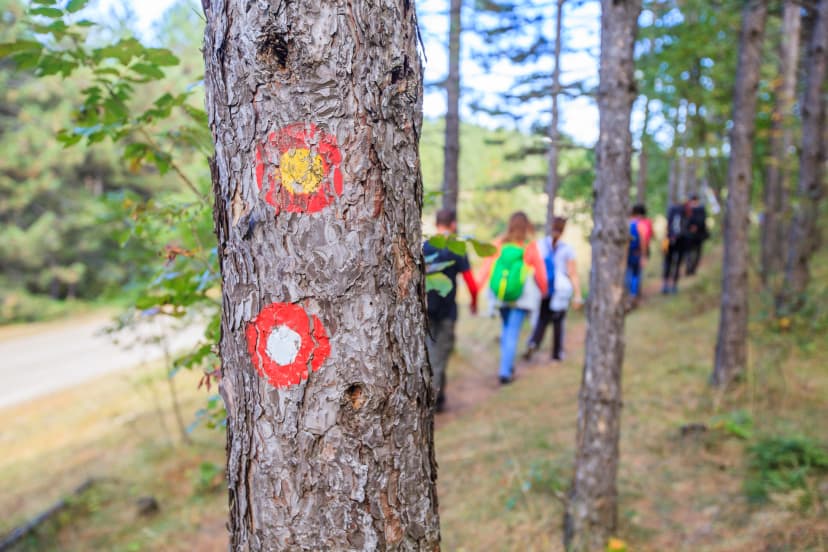
The classic ascent starts at Prionia (1,100 m) and follows the E4, one of Europe's long-distance paths, up through the Enipeas gorge into the summit amphitheatre. It's well-marked with red-and-white blazes, and in high season it's the busiest corridor on the mountain.
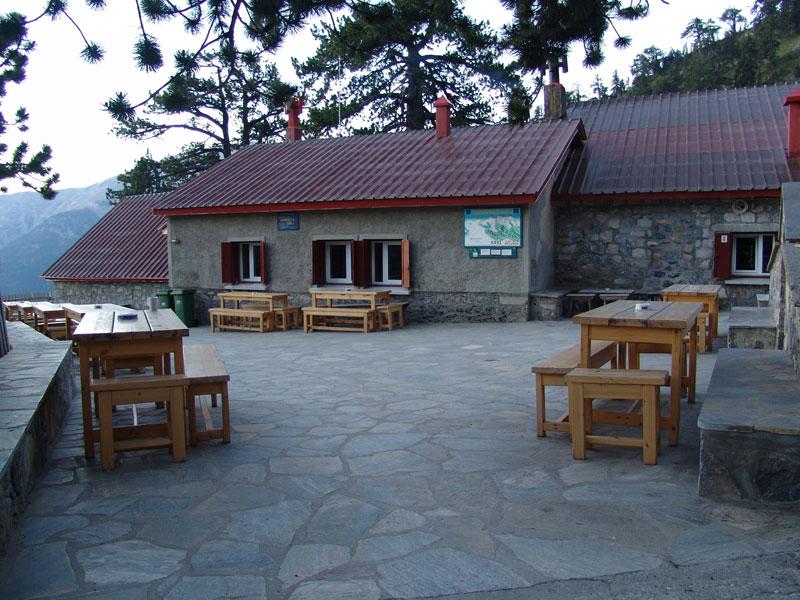
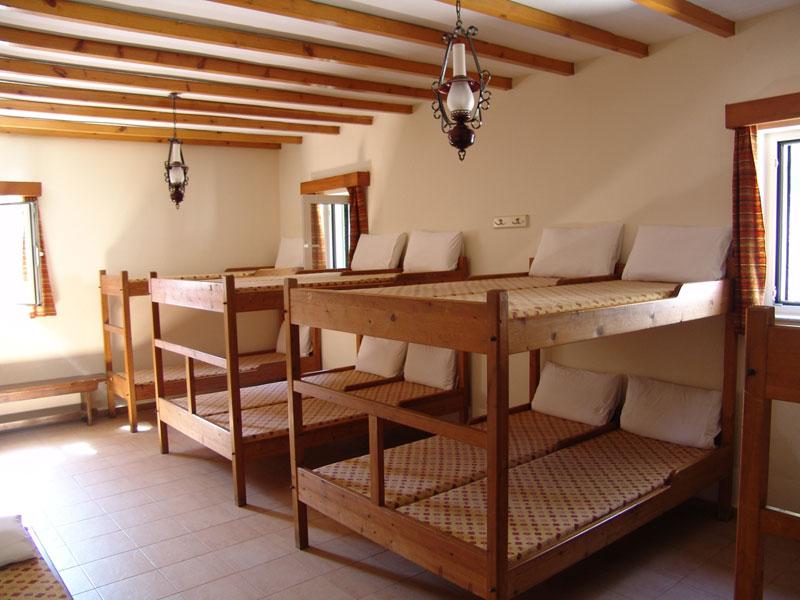
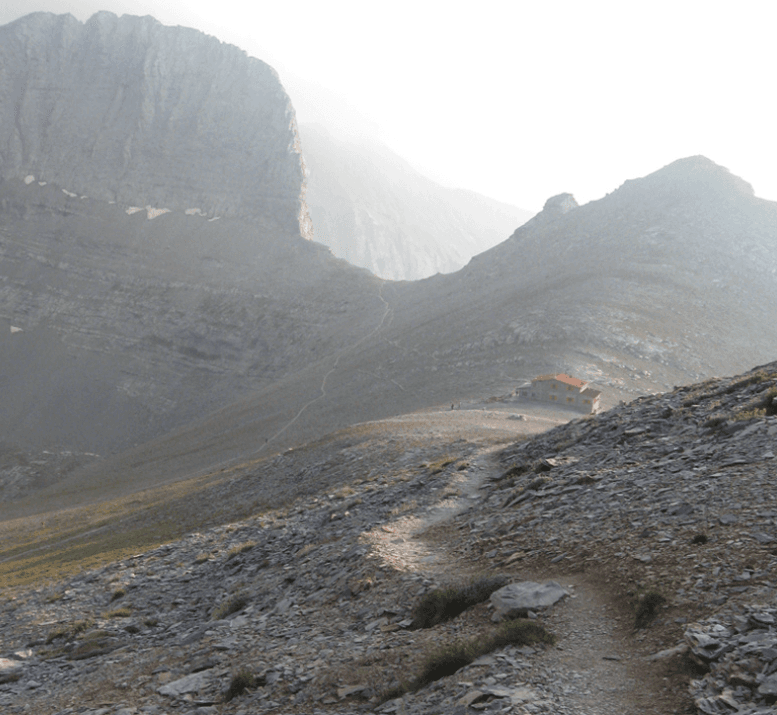
Day one: Prionia to Spilios Agapitos Refuge. Around 6.5 km and 1,000 m of ascent through dense black pine forest, then higher up into Bosnian pine and the first alpine meadows. Expect three to four hours at a steady pace. The refuge, known locally as Refuge A, sits at roughly 2,100 m and is the biggest and most organised hut on Olympus — hot meals, coffee, cold drinks, and dormitory beds. Water is available.
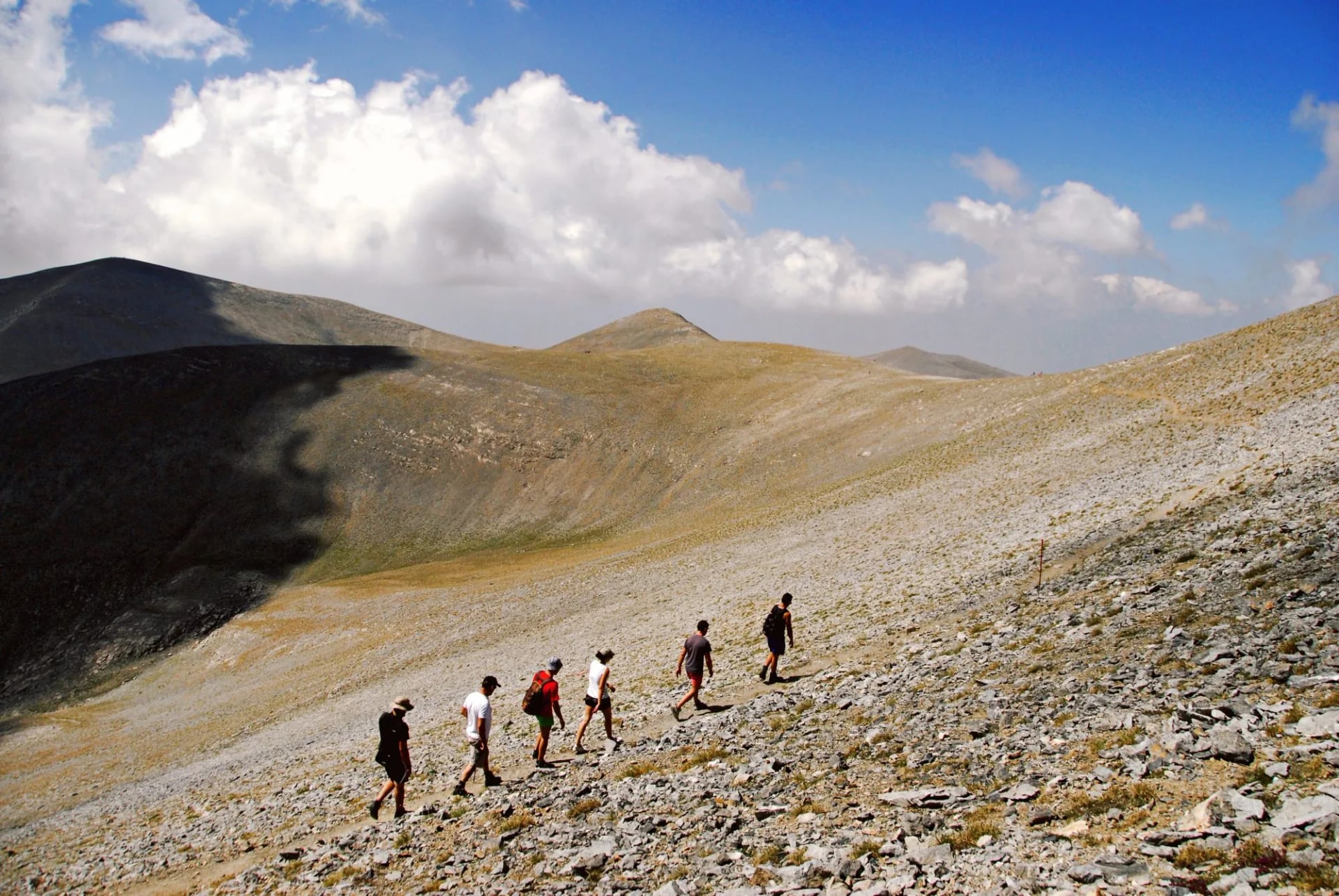
Day two: Spilios Agapitos to Skala, then Skolio (or Mytikas), then Muses Plateau. This is the summit day and the hardest of the trip — steep switchbacks up to the Zonaria traverse, then a slog on scree up to Skala, from where you choose your peak. After the summit, you descend north across the ridge to the Muses Plateau (~2,600 m), a rolling high-alpine bowl studded with wildflowers in July. You'll sleep at either Giosos Apostolidis Refuge (2,697 m) — the highest mountain hut in the Balkans — or the smaller Christos Kakkalos Refuge nearby.
Day three: Muses Plateau down to Stavros Refuge or Litochoro. A long descent (roughly 1,600 m down) on the Gkortsia trail through pine forest and alpine meadow, with the Aegean framed in the gaps between ridges. Most itineraries break at Stavros Refuge (930 m) for a final night, then walk the last easy stretch back to Litochoro on day four.
The descent is as rewarding as the ascent. Coming down through the trees with the sea in front of you is one of the most memorable hours of walking anywhere in Greece.
The Refuges
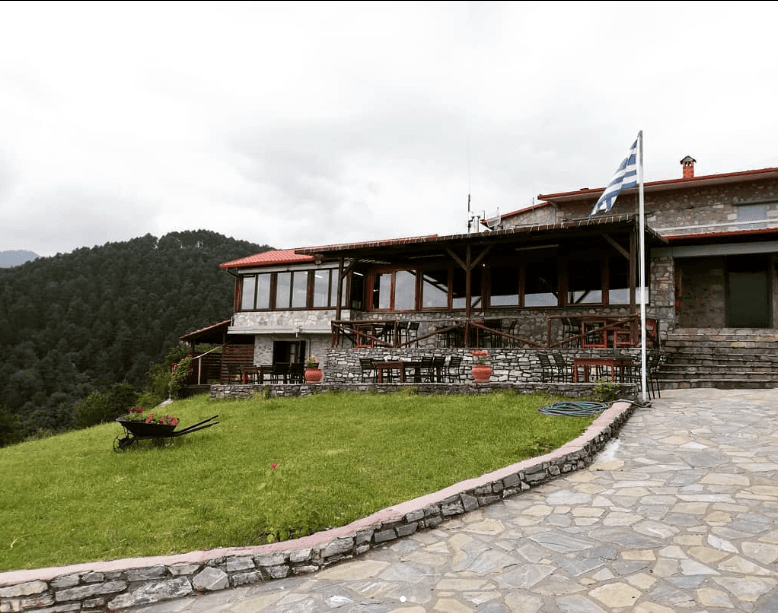
Sleeping on the mountain is half the reason to hike it. The huts are simple — think shared bunk rooms, communal dinners, and cold-water washbasins — but the setting and the food make them memorable.
Three huts do most of the work on the classic Olympus itinerary. Book Spilios Agapitos well in advance — in July and August the refuges are the bottleneck on the mountain, not the trail.
When to Go
The hiking season on Olympus is short and non-negotiable: June to mid-October. Outside those months the high refuges are shut, the summit is under snow and ice, and the last kilometre to Mytikas becomes proper winter mountaineering terrain.
Late June and July are the warmest and most reliable weeks, with long daylight and wildflowers at their peak on the Muses Plateau. This is also when the huts are busiest, so book two to three months out.
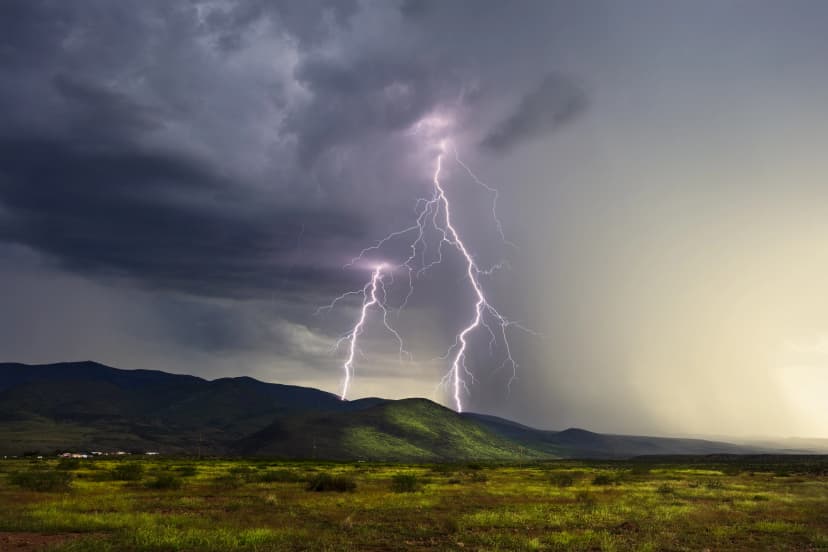
August is hot in the valleys and prone to afternoon thunderstorms up high. Start early — 7 a.m. from the refuge — and be off the exposed ridge before 2 p.m., which is the pattern most guides live by anyway.
Early to mid-September is arguably the sweetest window: stable weather, thinning crowds, cool nights, and the first hint of autumn colour in the pine forest below. Days shorten quickly after the equinox.
October can still deliver brilliant blue-sky summit days, but the season closes for a reason — the first serious snow can arrive any time from mid-month, and refuges shut in stages from late September onward.
Whichever month you choose, treat the Olympus weather as its own hazard. Summer storms build fast and hit hard, and above 2,500 m there is nowhere to hide. Our guide to handling extreme mountain weather is worth an evening's read before you fly.
Getting to Litochoro
The gateway city is Thessaloniki (SKG), Greece's second-largest, roughly 80 km northeast of the mountain. It's a lively coastal city in its own right and worth a night on either end of the hike.
By train. The most civilised approach. Direct services run from Thessaloniki to Litochoro station in about 45 minutes to an hour for a handful of euros — check the Hellenic Train timetable. From the station, taxis to town take five minutes.
By bus. KTEL intercity buses run from Thessaloniki's Macedonia bus station to Litochoro roughly hourly in high season, taking about 90 minutes.
By car. The E75 motorway from either Thessaloniki (~1 hr) or Athens (~4.5 hrs) drops you at the Litochoro exit. Rental is useful if you want to combine Olympus with the Meteora monasteries or the Halkidiki coast on the same trip.
From Litochoro to Prionia trailhead is about 45 minutes by shuttle taxi up a narrow mountain road. If you're on a guided or self-guided tour with us, this transfer is arranged for you.
For flights, most international visitors route through Athens (ATH) and connect by domestic flight or train to Thessaloniki. Direct international arrivals at Thessaloniki work well from most of Europe in season.
What to Pack
The kit list for Olympus isn't unusual for a European multi-day mountain hike, but a few items deserve underlining because first-timers regularly regret leaving them at home.
Sleeping bag liner. The refuges provide blankets, not fresh linen. A silk or cotton liner is small, cheap, and non-negotiable.
Cash in euros, small denominations. Refuge kitchens, drinks, and any extras are cash-only up on the mountain — there are no card readers above the treeline. Bring more than you think you need.
A proper mid-layer and shell. Even in August, the Muses Plateau at 2,600 m can drop below 5 °C at dawn, and afternoon rain is common.
A head torch. Refuge dorms wake at 5 a.m. for summit day, and dawn starts on the ridge are the norm.
Hiking poles. The descent from Muses Plateau via Gkortsia is 1,600 m down on stony trail. Your knees will thank you.
Sun protection. High altitude, thin air, and reflective limestone add up to a serious burn if you skip sunscreen and a brimmed hat.
A helmet if you're attempting Mytikas. Rockfall from parties above is the single biggest risk on the scramble. Guided groups will provide one; independent hikers should bring or hire.
If you're building your fitness in the months before the trip, our training plan for multi-day hiking is a solid starting point. Two thousand metres of ascent in a day is not to be improvised on the day.
Ready to Meet the Gods?
Standing on Skolio at dawn, with the Aegean glowing pink two kilometres below and Mytikas throwing its shadow toward the Balkans, is the sort of hour that reorders a person's sense of what a mountain is for. That's what you're actually paying for on this trip — the walk to the gods' front door.
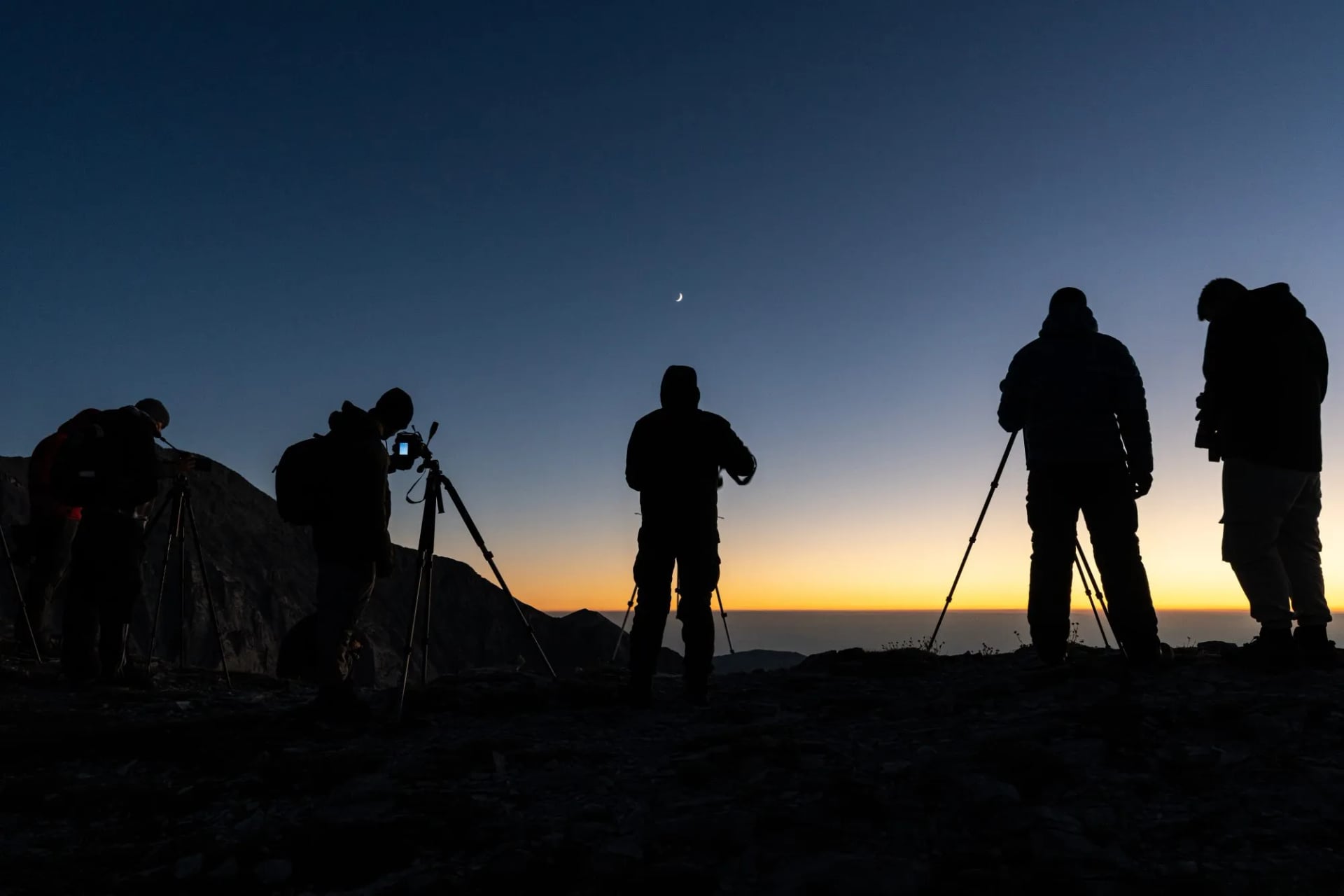
If you'd rather not spend two months piecing together refuge bookings, transfers, and GPS files, we've done that work for you. Our Mount Olympus Summits tour is a four-day, self-guided walk from Litochoro that puts you on Skala and Skolio at the right moment of the day, sleeps you in Spilios Agapitos and Giosos Apostolidis, and hands you a digital guidebook with the route, the mythology, and the small logistical answers you didn't know you'd need.
We handle:
Refuge bookings on the mountain, including the high-demand August dates
Transfers between Litochoro and the Prionia trailhead
A detailed digital guidebook, offline GPS files, and route notes
On-trip support by phone or WhatsApp, seven days a week
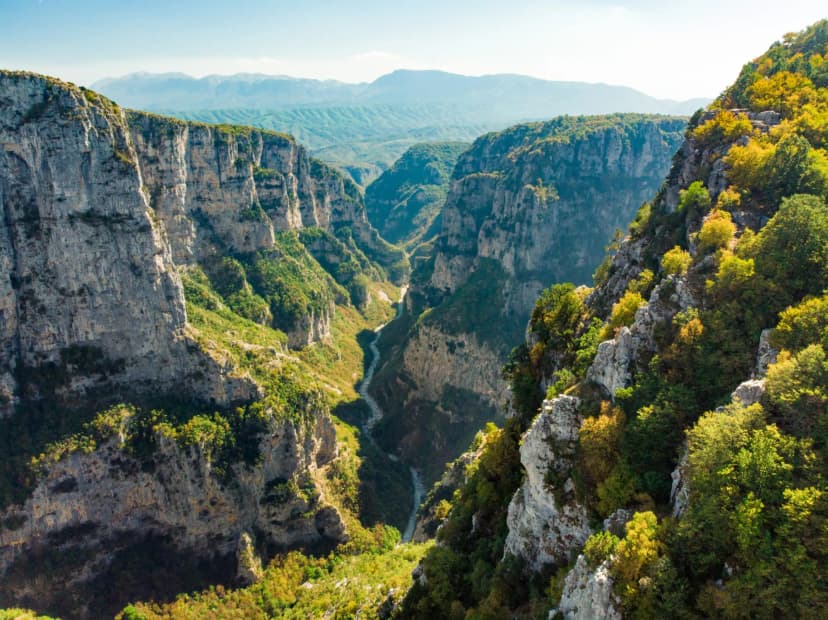
If you fall for hiking in Greece — and most people do — consider extending your trip on the Menalon Trail in the Peloponnese or the wilder Pindos Mountains and Vikos Gorge. Or browse the full range of our Greece hiking tours and pick the perfect plan for you.

About this author
Ajda is our travel advisor, raised in a village surrounded by mountain peaks. Hiking entered her life early on and remains her favorite way to reconnect with nature.




.jpg&w=828&q=75)