Rila Mountains: Hiking the Roof of Bulgaria Explained
Everything you need to know before walking the highest alpine range on the Balkan Peninsula.
Ajda
Published September 21, 2026
Edited September 21, 2026
11 min read
Quick links
Most European hikers can name three great alpine ranges by heart — the Alps, the Dolomites, the Pyrenees. Rila makes four. The highest mountain range in the entire Balkan Peninsula sits less than two hours south of Sofia, holds over 200 glacial lakes, and rises above a UNESCO-listed monastery founded in the 10th century.
Almost nobody outside the region talks about the Rila Mountains, but that's changing. Well-marked trails, a working hut network, and prices that still feel like the Alps in 1998 are making Rila the smart hikers' pick for a European summer week.
How do I experience it best?
There is no one recipe, but possibly the most proven and reliably enjoyable plan is spending three to four days on the trail linking the Seven Rila Lakes, the ridgelines above Malyovitsa, and the descent to Rila Monastery — done between mid-June and late September, when the huts are open and the snow is gone.
Here's what actually matters when you're planning it.
The Range
Highest peak: Musala (2,925m) — the highest point in the entire Balkan Peninsula.
Glacial lakes: 200+
Signature route: Seven Rila Lakes → Ivan Vazov Hut → Rila Monastery → Malyovitsa Hut, roughly 50 km over five walking days.
Cultural highlight: Rila Monastery, UNESCO-listed, founded circa 927 AD.
The Starting Point
Trailhead village: Govedartsi, about 90 minutes from Sofia by transfer. Regional airport: Sofia (SOF). Nearest real town: Samokov — petrol, ATMs, a supermarket, and the last café before the mountain.
The Best Season
Huts open: mid-June to late September. Best weather window: mid-July to early September. Storm risk: afternoon thunderstorm cells are the rule in July.
The Cost
Cash on the mountain. Bulgarian huts don't take cards. Nightly hut cost: roughly €25–€35 with dinner and breakfast. Full 6-night self-guided tour with logistics handled: from €669 per person.
why Rila is Worth the Trip
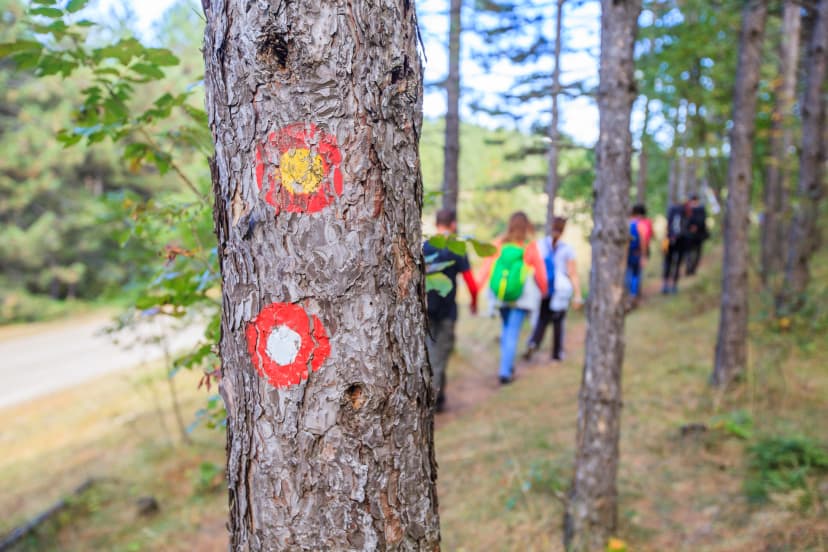
Rila reads like the Alps twenty-five years ago. Trails are cleared and painted with a colour band between two white ones — the same logic as the Dolomites' red-and-white flashes, with the colour telling you which route you're on. Huts serve hot dinners and beer. Peaks touch three thousand meters. But you won't queue for a photo. You won't share a dormitory with a coach group. And the total cost of a week — flights, transfers, huts, meals, guidebook — often runs half of what the equivalent week in the Alps or Pyrenees now costs.
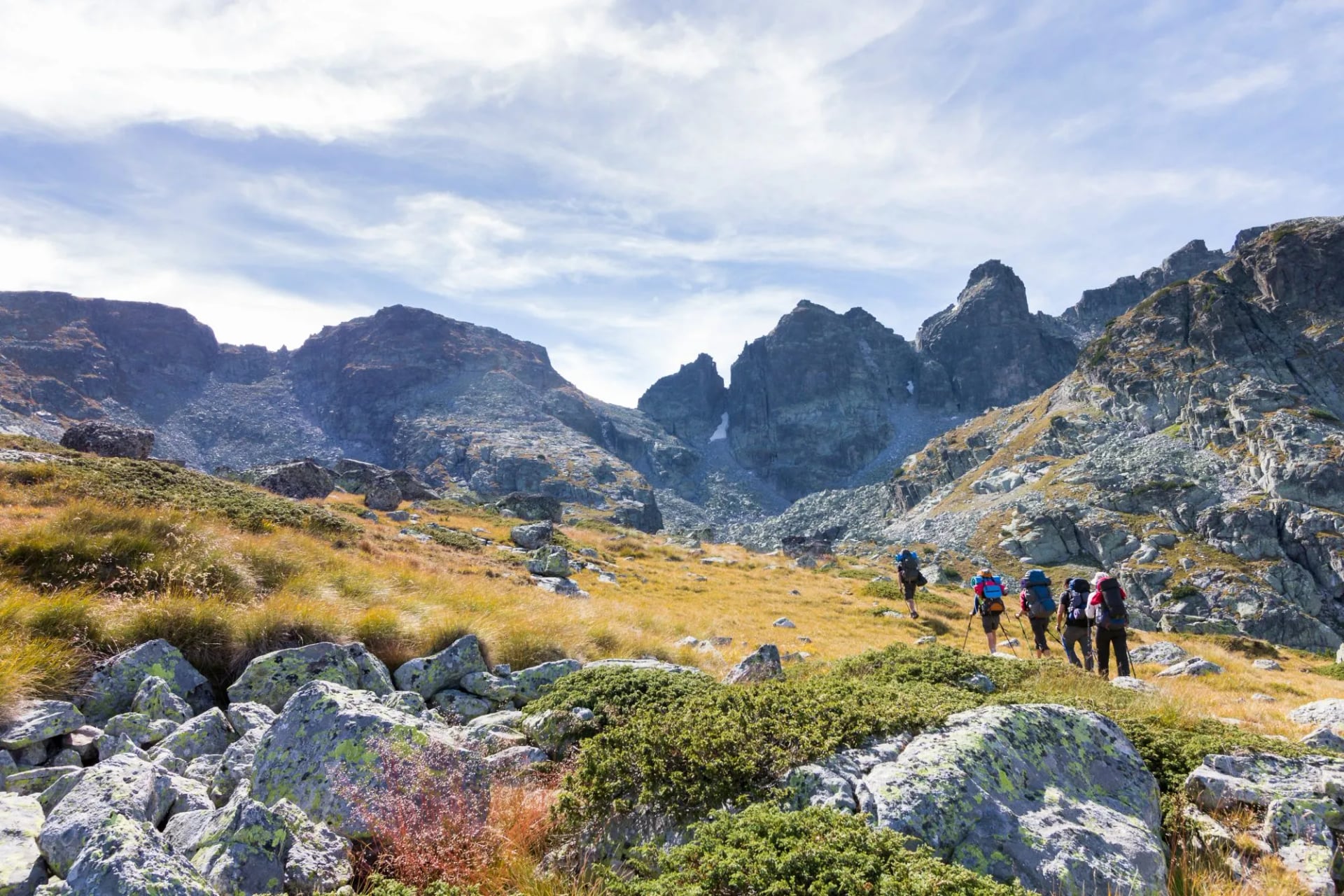
The reason is boring: Rila is inside the EU but off the Western European hiking-media map. Bulgarian and Serbian hikers know it. Israeli hikers know it. Everyone else is late. That gap is this article's whole reason for existing — Rila is not a budget compromise. It's a genuinely great mountain that hasn't been marketed.
The Seven Rila Lakes, Honestly
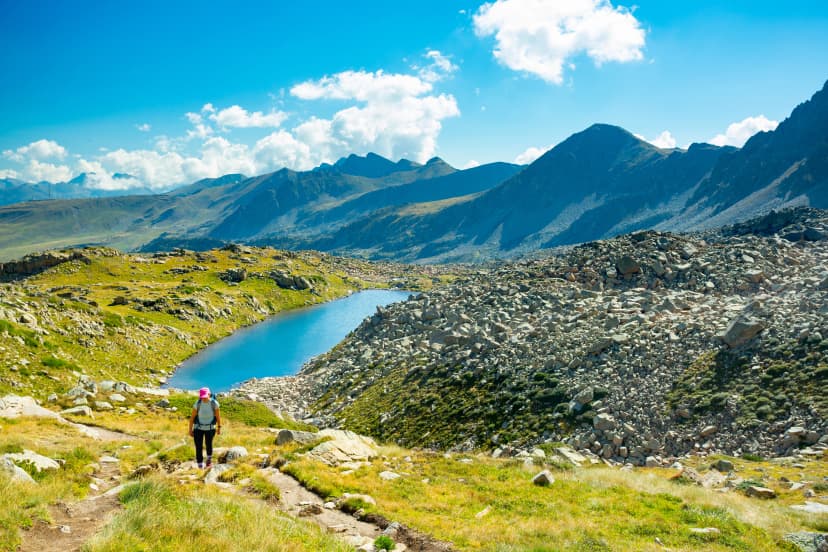
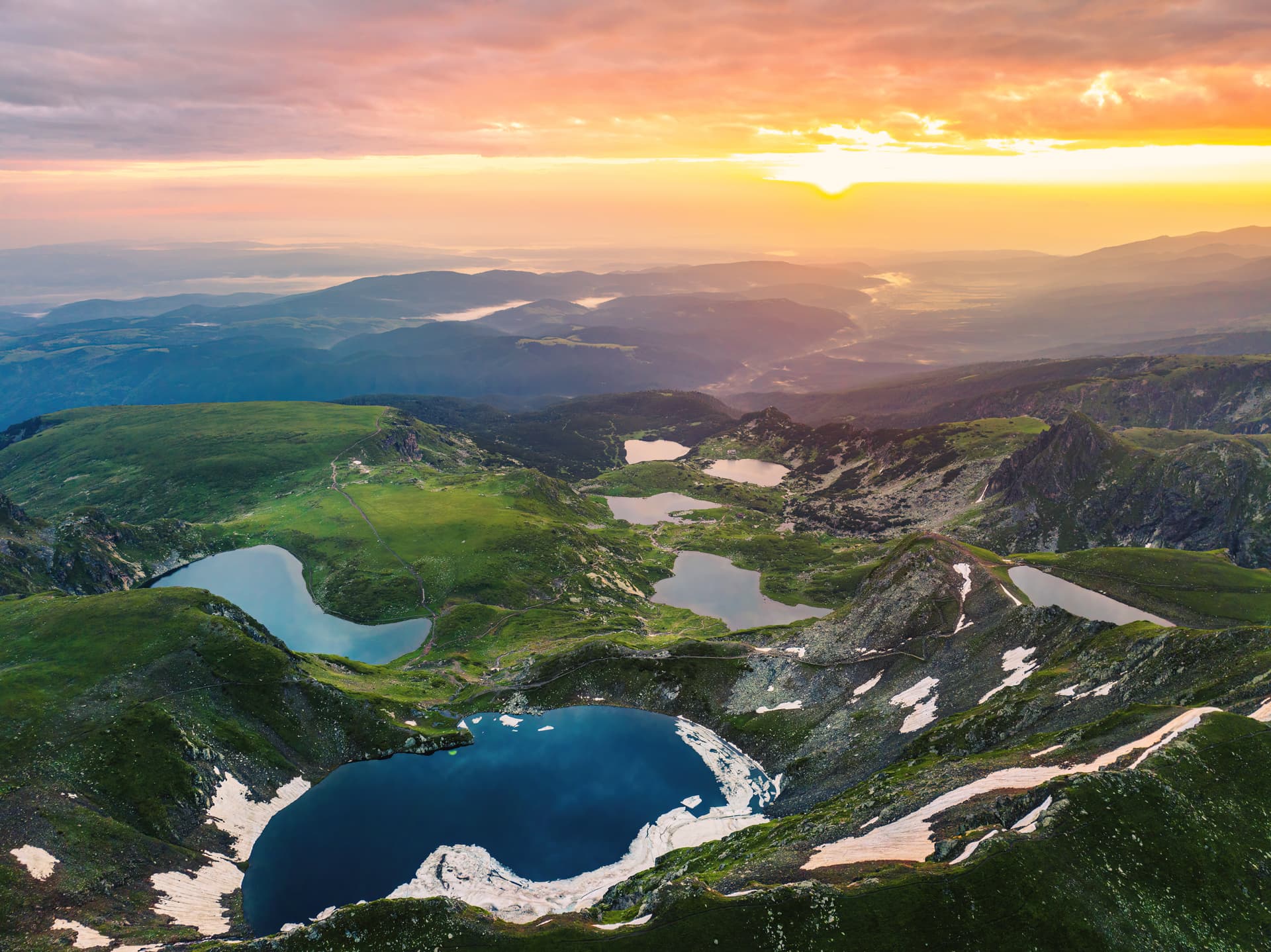
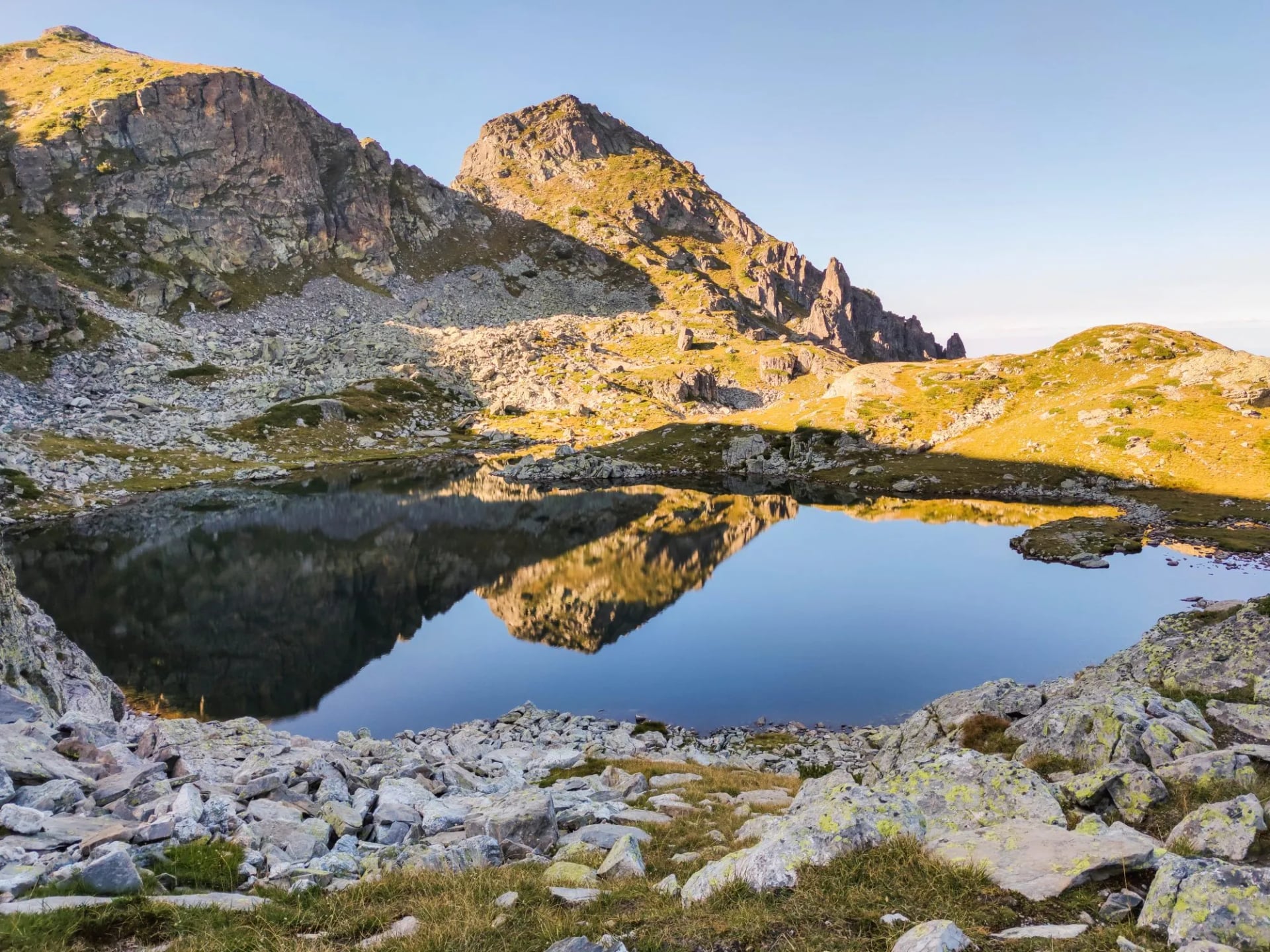
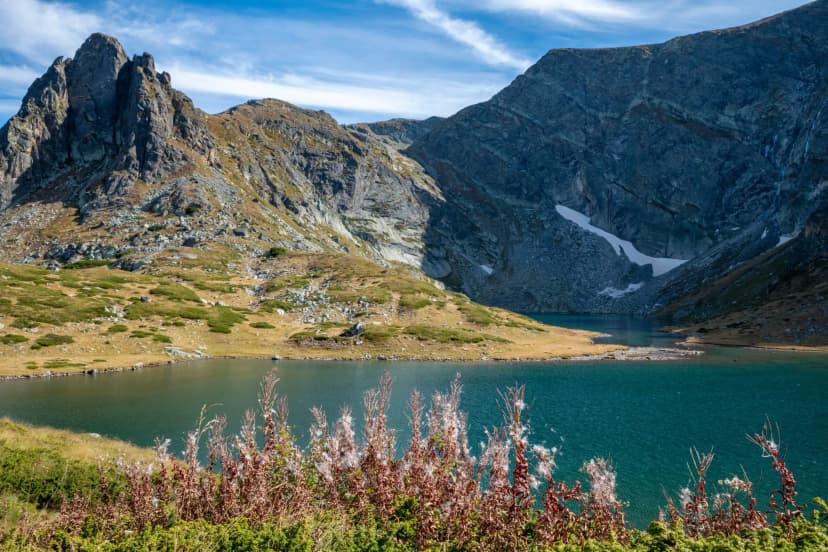
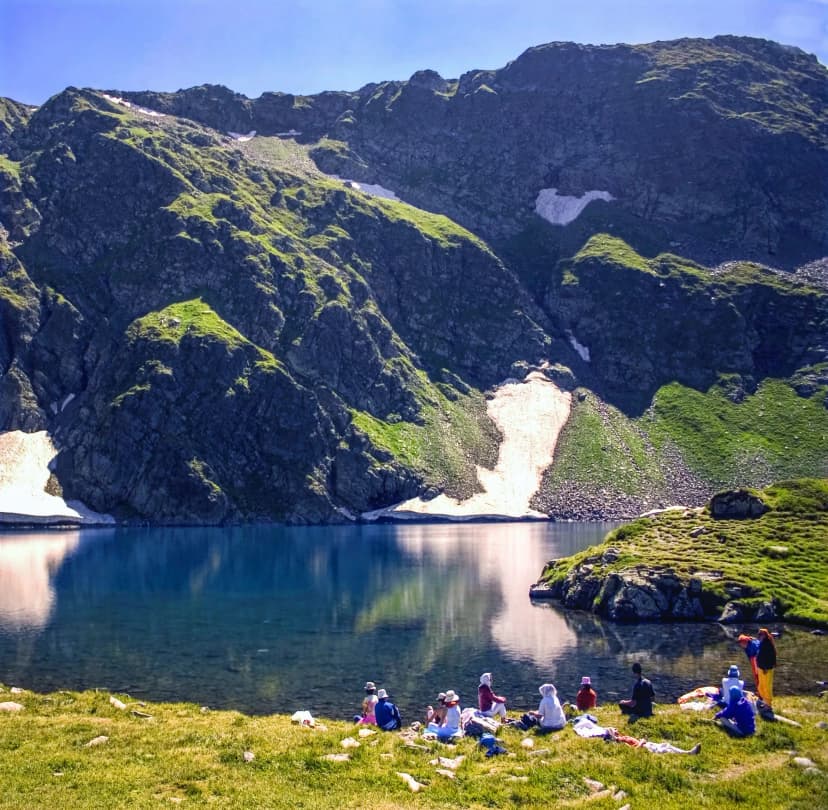
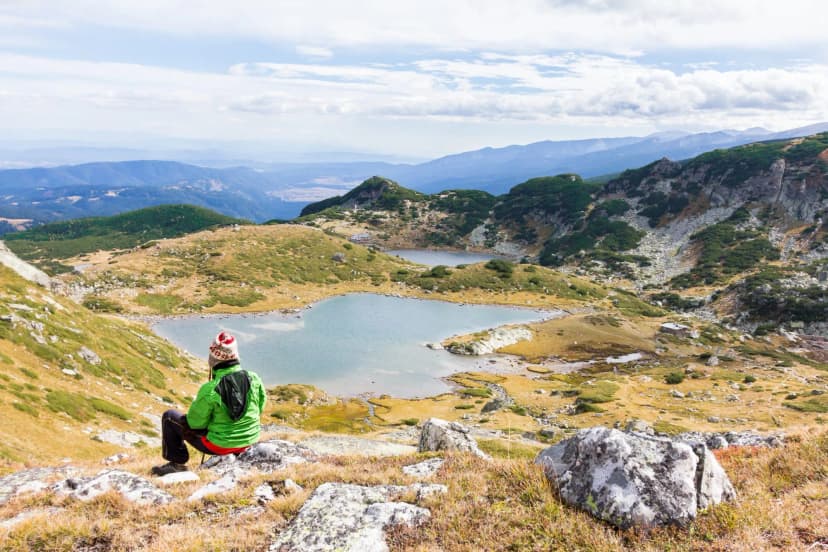
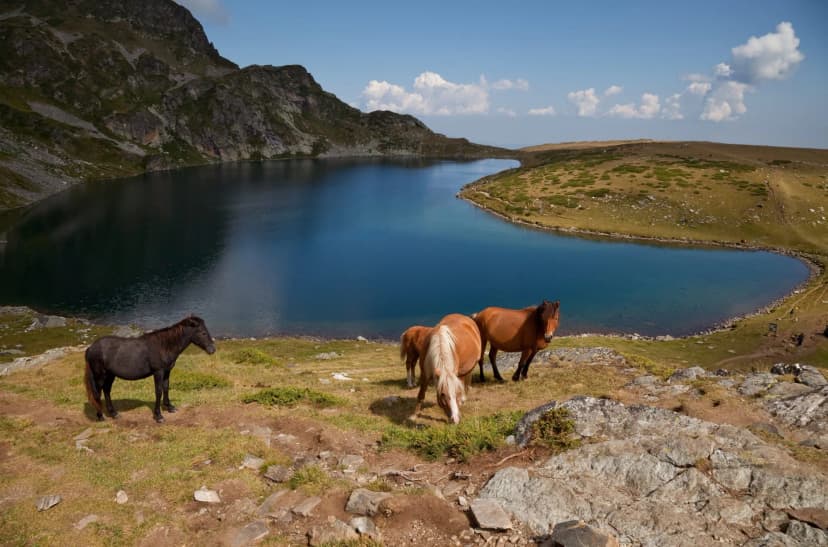
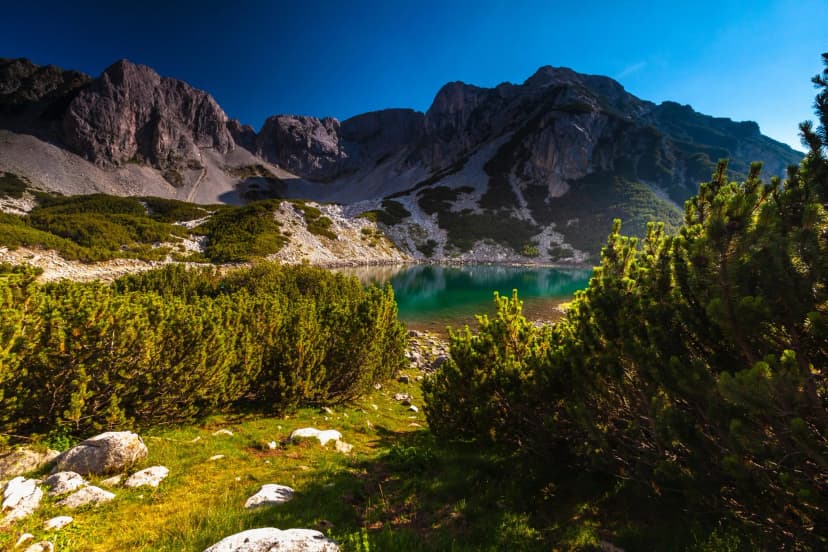
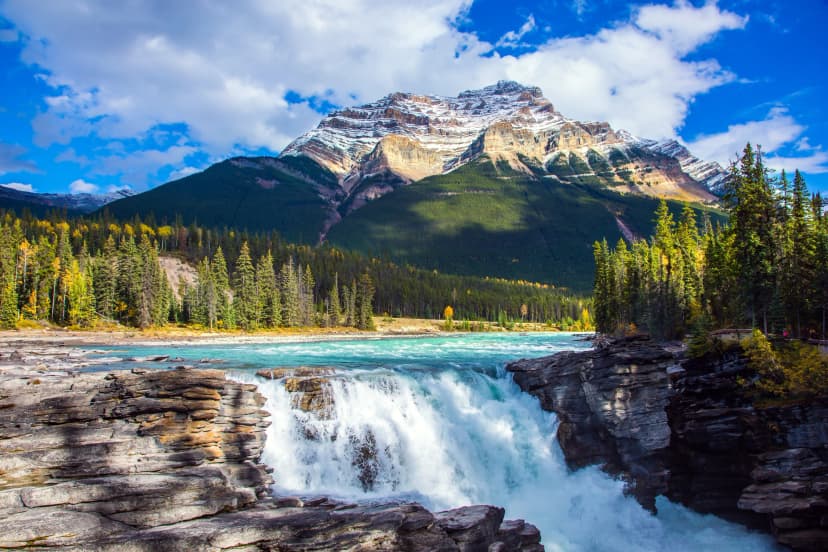
The Seven Rila Lakes are a popular postcard motif, and they earn it. Seven glacial lakes are strung up a single high valley between 2,095 and 2,535 metres, each named for its shape — the Tear at the top, the Kidney and the Eye in the middle tier, the Fish Lake below. On a still morning the top three sit under the ridge like a set of dropped mirrors.
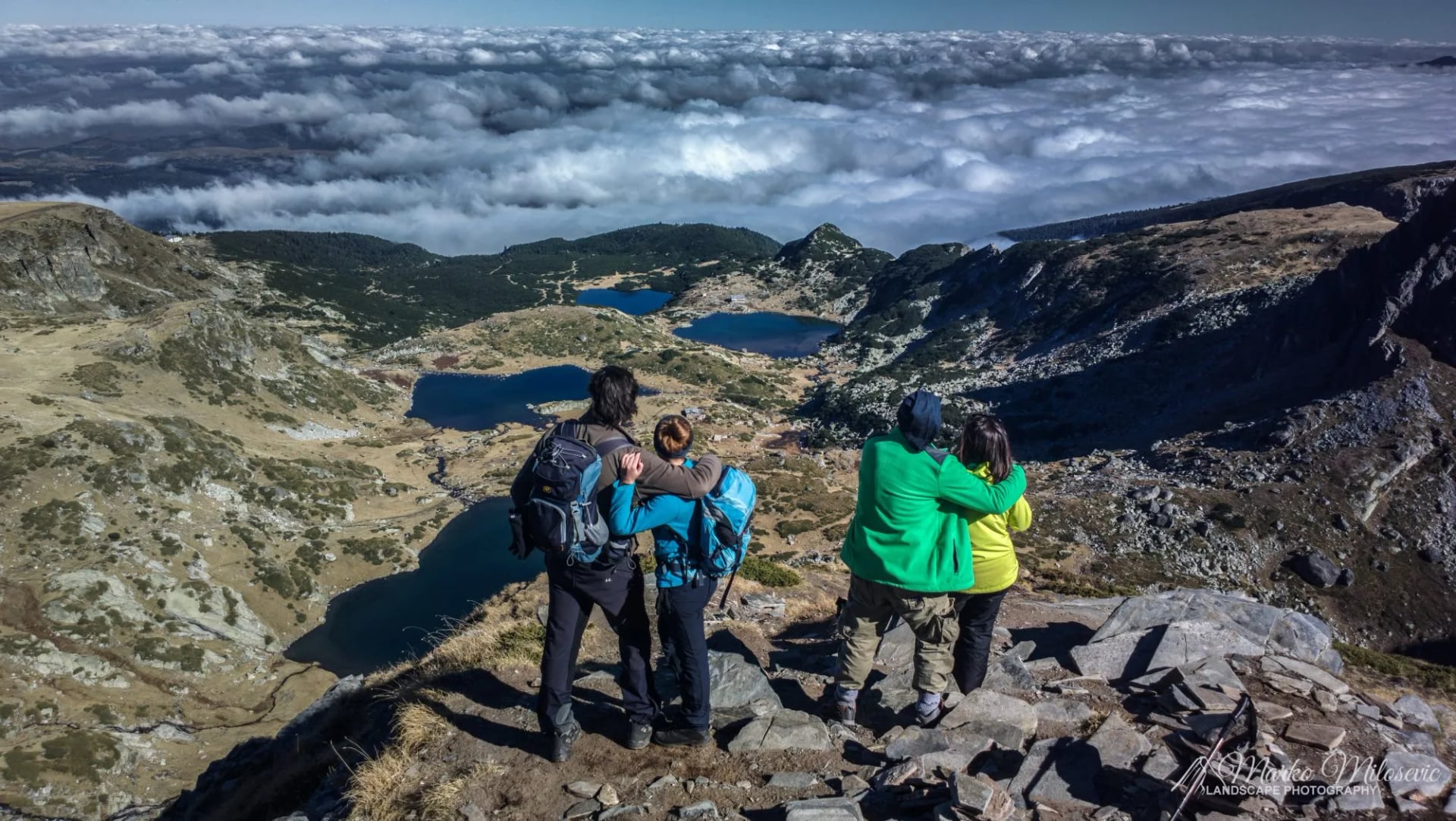
Here's the honest part. The lakes are also the busiest single spot in the whole range. A chairlift from Panichishte carries day-trippers up to a viewpoint above the Kidney Lake every summer weekend, and the trail from that viewpoint to the top of the Tear can look like a low-alpine Camino in July. The fix is trivial: sleep at Rila Lakes Hut and start walking at 6am. By 8am the ridge is yours. By 10am, when the first chairlift disgorges, you're already dropping into the Elenino valley toward Ivan Vazov Hut.
The full circuit past all seven takes about four hours at photo pace. Do it on your acclimatisation morning — day one at altitude — so the harder push toward Ivan Vazov Hut on day two is on rested legs.
Musala and Malyovitsa: The Peaks That Anchor Rila
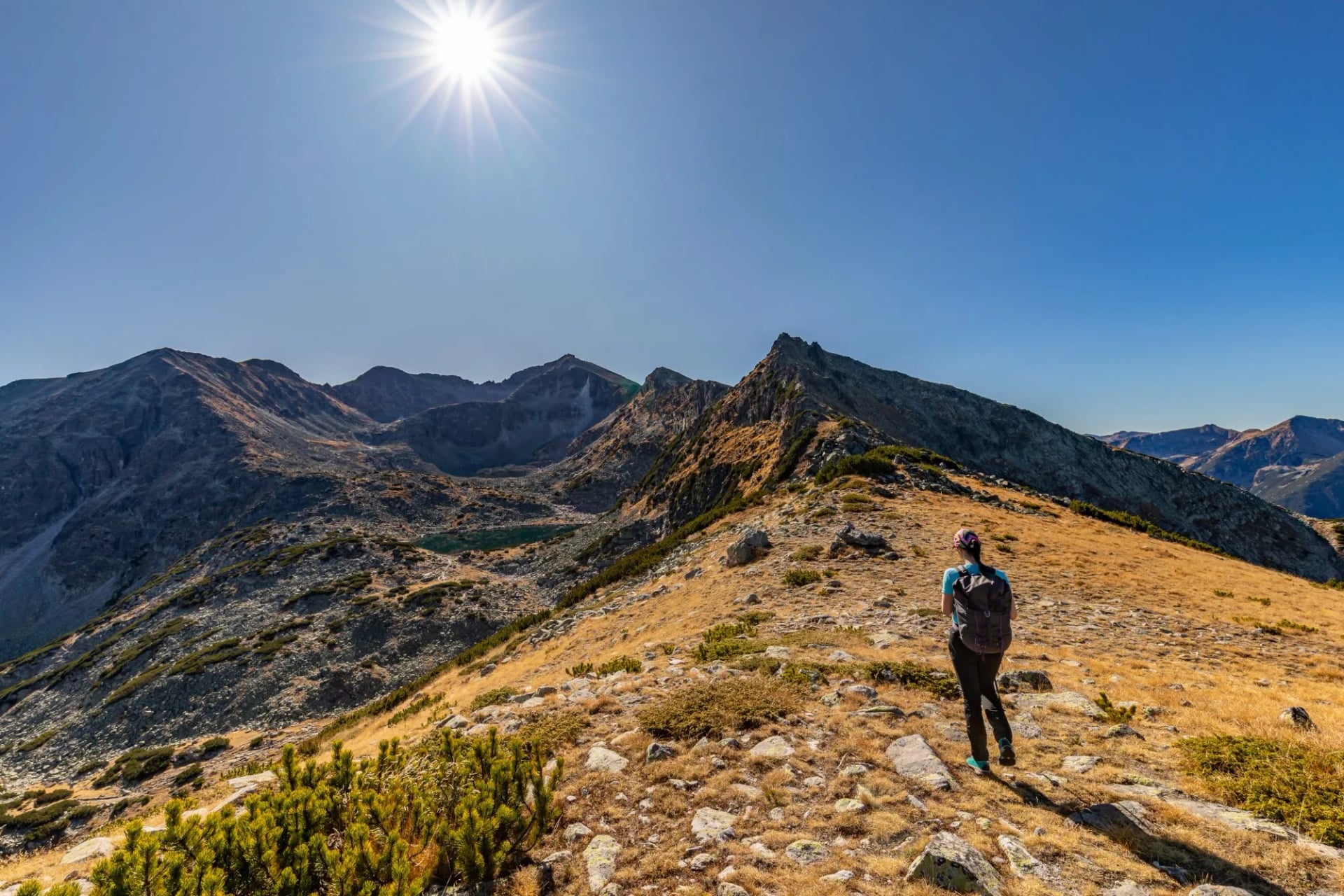
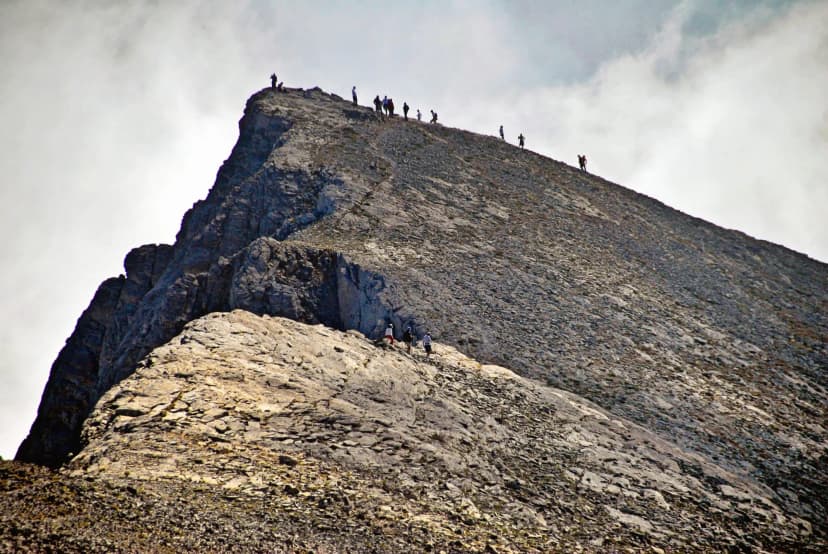
If the Seven Lakes are Rila's postcard, Musala and Malyovitsa peaks are what hikers seek to conquer. Musala at 2,925m is the highest point in the Balkan Peninsula — higher than anything in Greece, Serbia, or Romania — and technically walkable from the ski resort of Borovets in a long, cabled-in day. Most hut-to-hut hikers don't. The standard Rila traverse passes under Malyovitsa instead: 2,729 m, sharper profile, and directly above the hut circuit.
Malyovitsa Peak has a genuine scramble at the top, and it's a worthwhile add-on for anyone with scrambling experience and a settled day. Our route doesn't take it: the trail crosses the ridge beneath the summit, past Elenino Lake, and sleeps at the hut below. That ridge traverse is what the 3/5 technical rating reflects — rocky, exposed in places, but walking rather than climbing throughout.
Rila Monastery
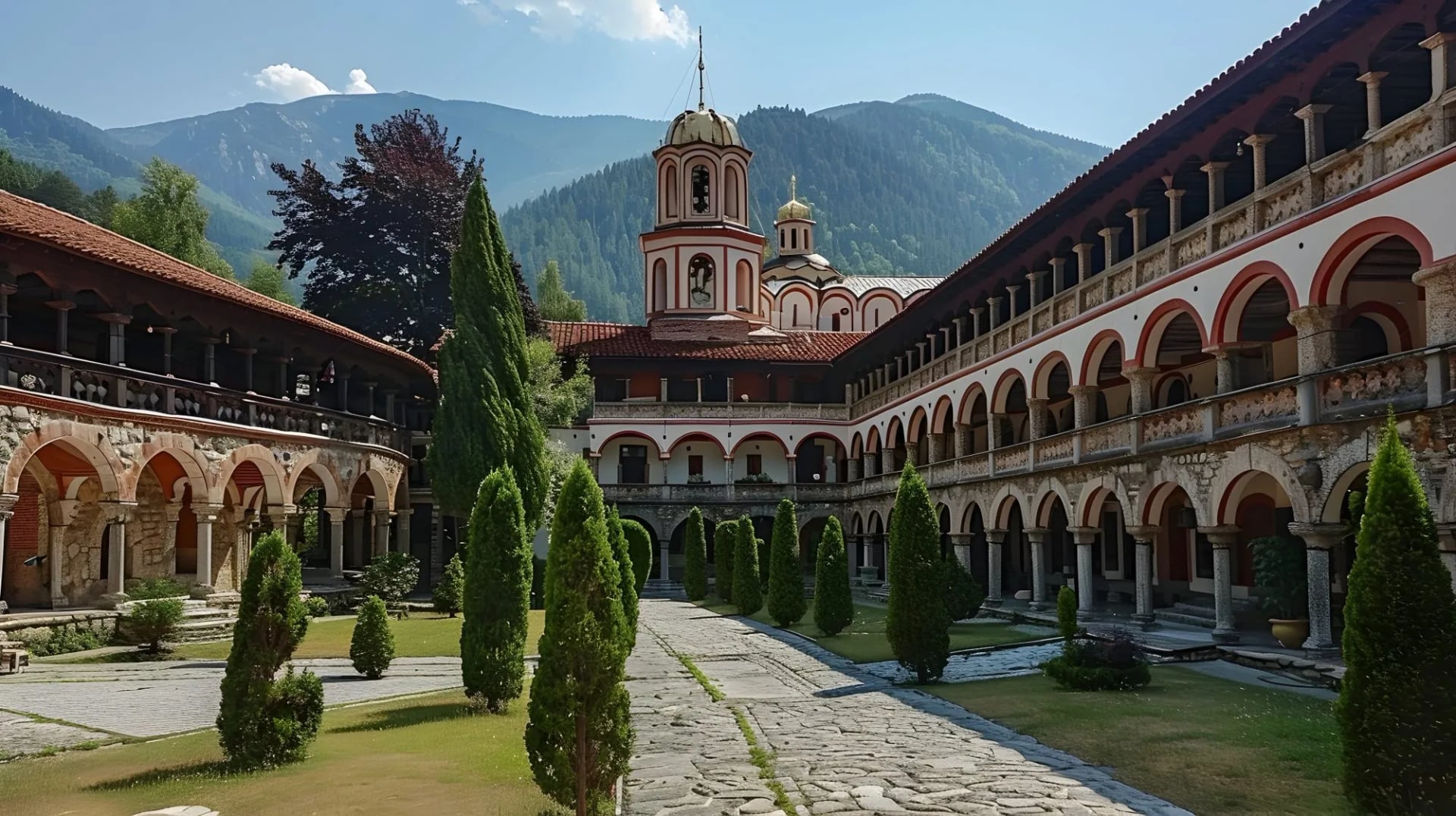
The classic Rila traverse descends into a 10th-century monastery built by a hermit-monk named Ivan of Rila and rebuilt, expanded, and repainted over the following thousand years. UNESCO listed it in 1983. Walking down to it from the ridge is the emotional pivot of the week: you've been out in glacial silence for three days, and suddenly there's a courtyard of ochre-and-black-striped arcades, a bell tower, and monks doing what monks have done here for a millennium.
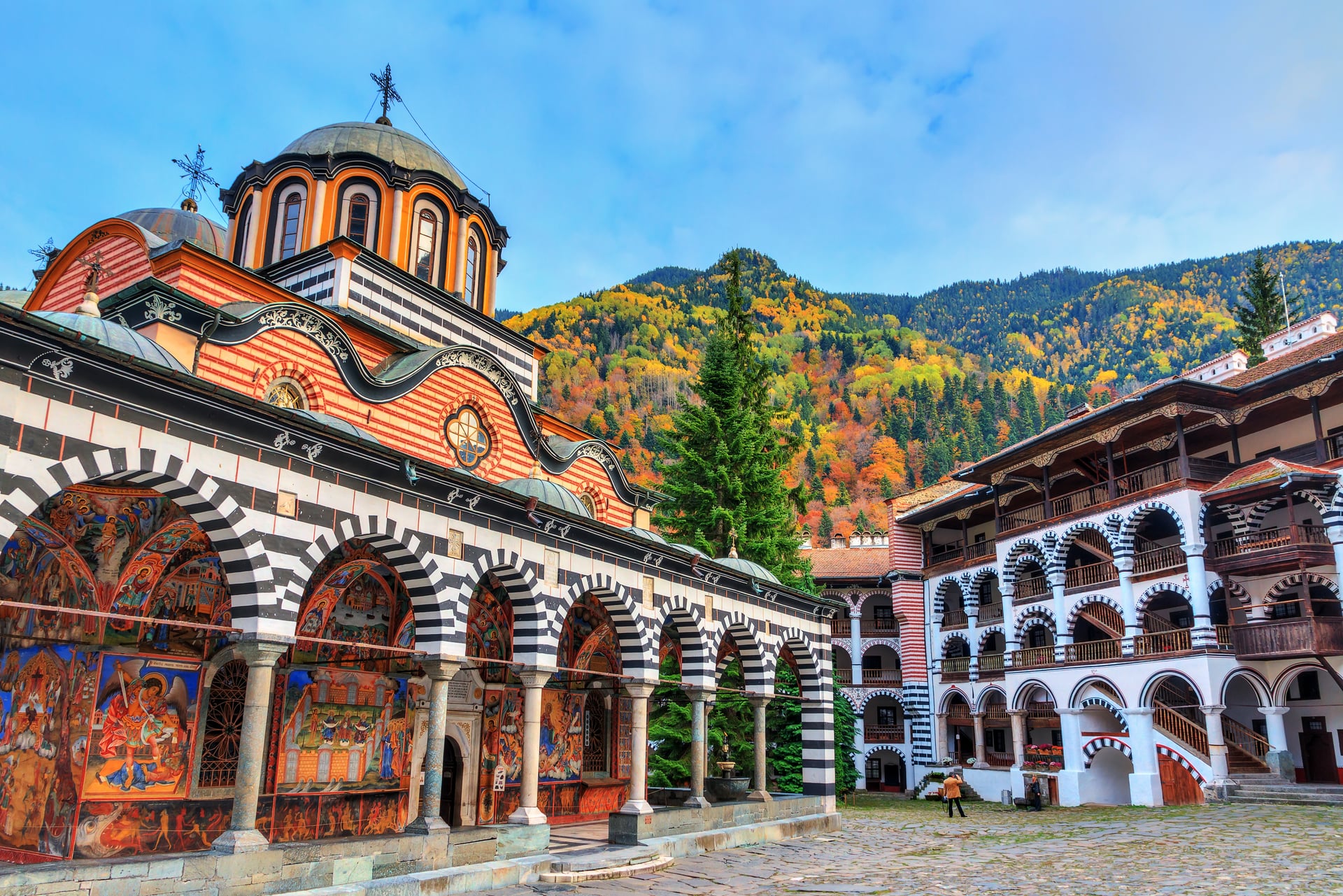
Give it time. A twenty-minute walkthrough sells the place short. The frescoes inside the Church of the Nativity — 1,200 painted scenes, mostly nineteenth-century but on a template a thousand years older — repay a slow hour. Then the small ethnographic museum, then a coffee across the road. The bus back to Sofia leaves in the late afternoon; there's no need to hurry.
See it all in our tour:
Rila Hut System
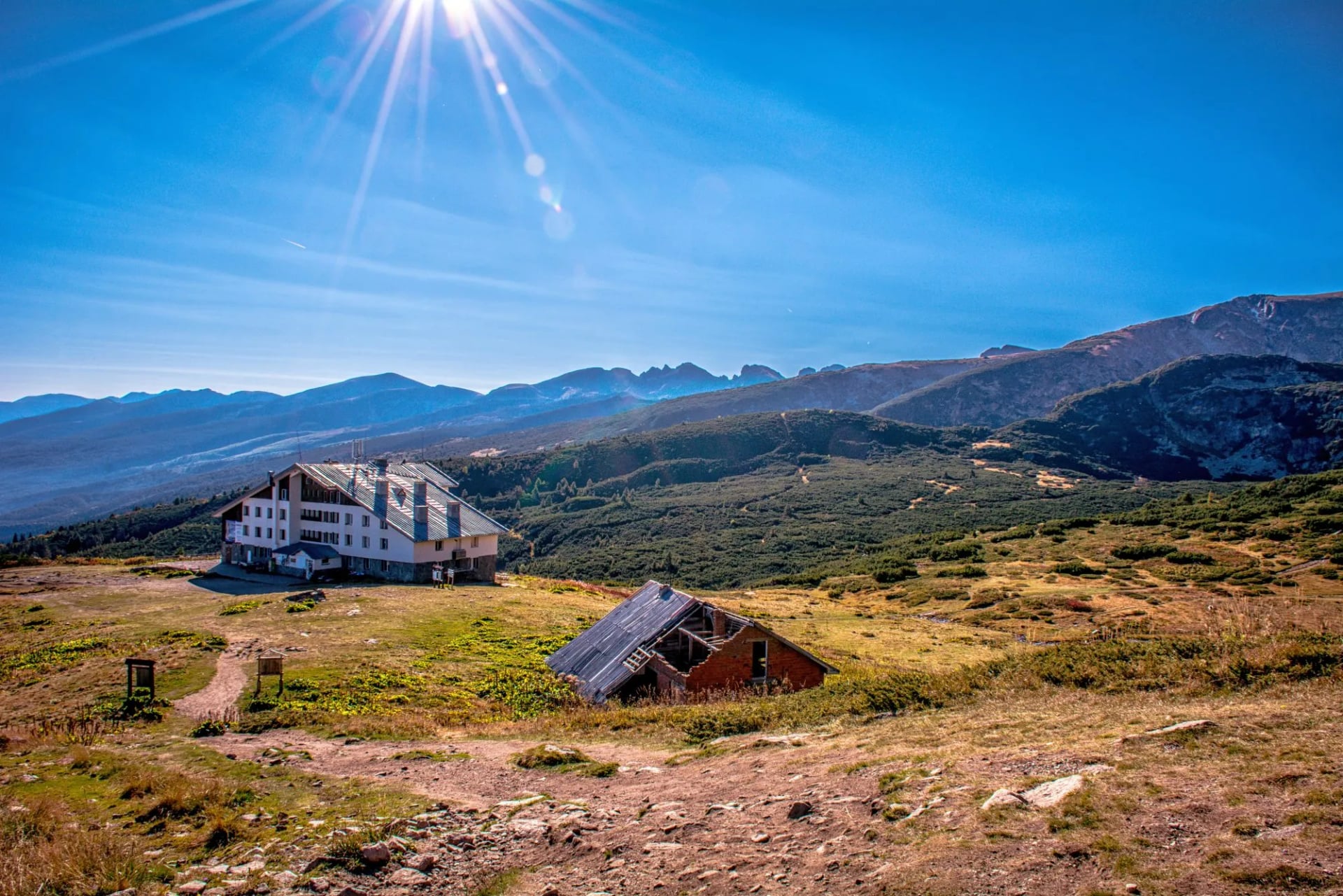
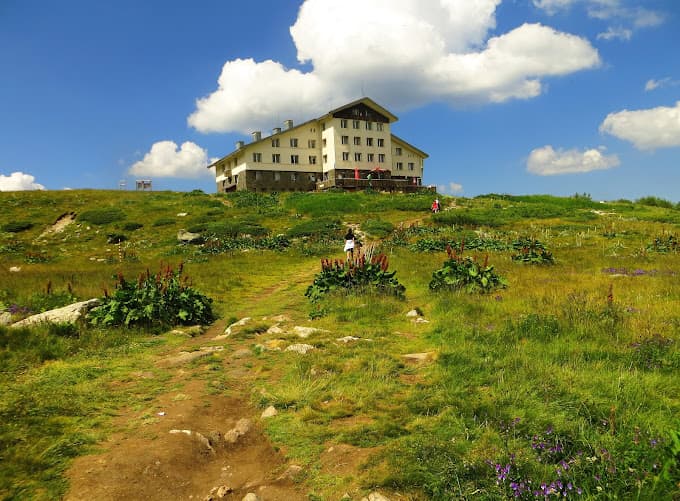
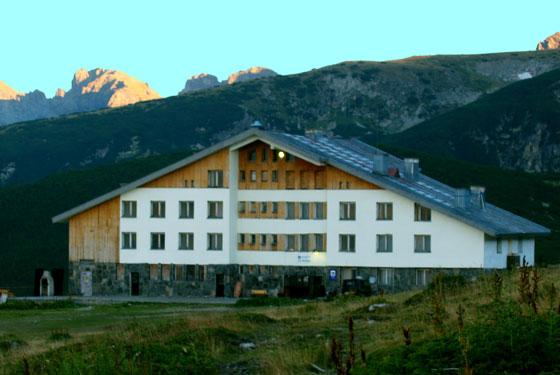
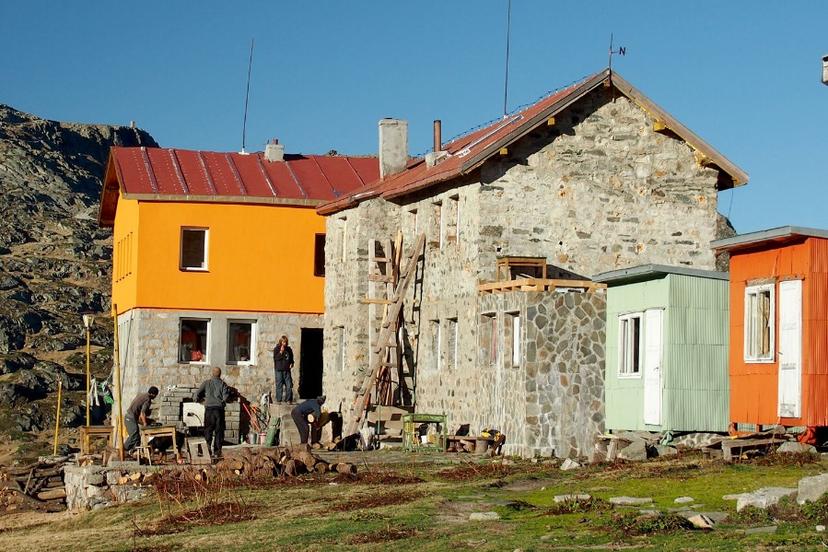
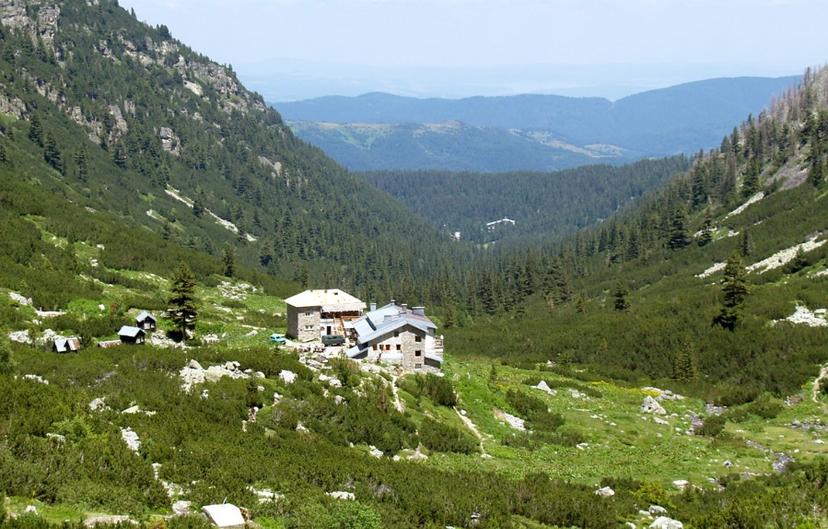
The Bulgarian mountain hut network is the reason a self-guided week works here at all. It's less polished than the Swiss SAC huts but every bit as functional — beds, hot food, a wood stove, and someone at the door who knows the weather.
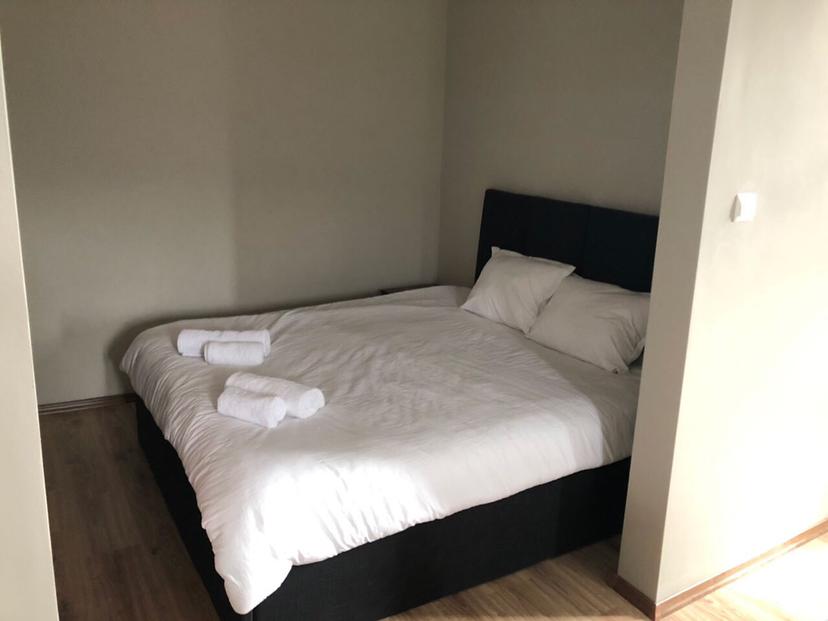
Expect shared dorms by default, with a handful of huts offering private rooms if you book early. Bedding is usually provided; some smaller huts still ask you to bring a sleep sheet. Dinner is served at a set hour and it's substantial — a bean soup or lentil stew, bread, sometimes grilled meat, always something warm. Most huts still don't take cards, and the nearest ATM might be a two-hour drive from the trailhead.
Below are the three mountain huts a long-distance trek in Rila Mountains is most likely to run through.
All three fill fast in August. Unless you're choosing a self-guided tour package, book direct by phone in June — English is inconsistent but mostly functional, and payment is on arrival in cash.
Wild Camping
Rila is a national park, so wild camping inside its boundaries is prohibited. The one legal alternative is a single-night bivouac on the designated ground next to a mountain hut, with no fire and everything packed out by morning. If a full wild-camp week is what you want, look outside Rila — this range is built around its huts, and using them is half the point.
When to Go — and What the Season Actually Means
The huts open in mid-June and close in late September. That's the season. But the inside of that season matters more than the season itself.
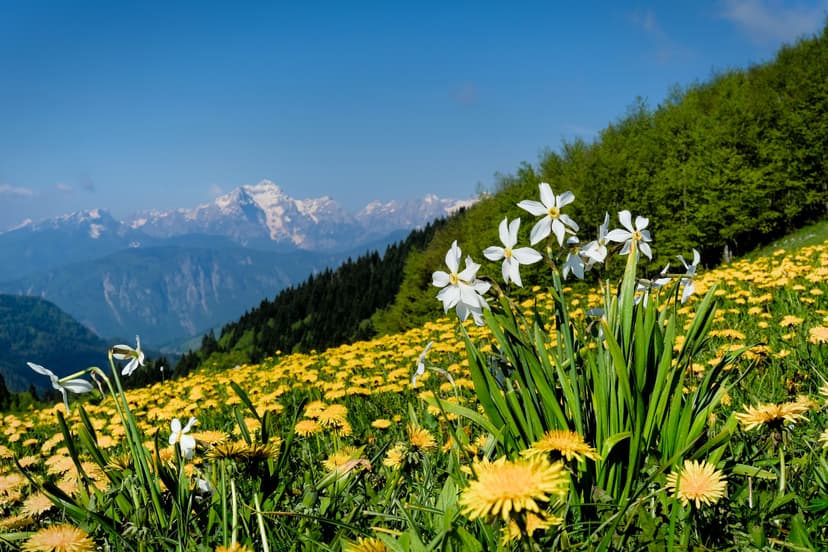
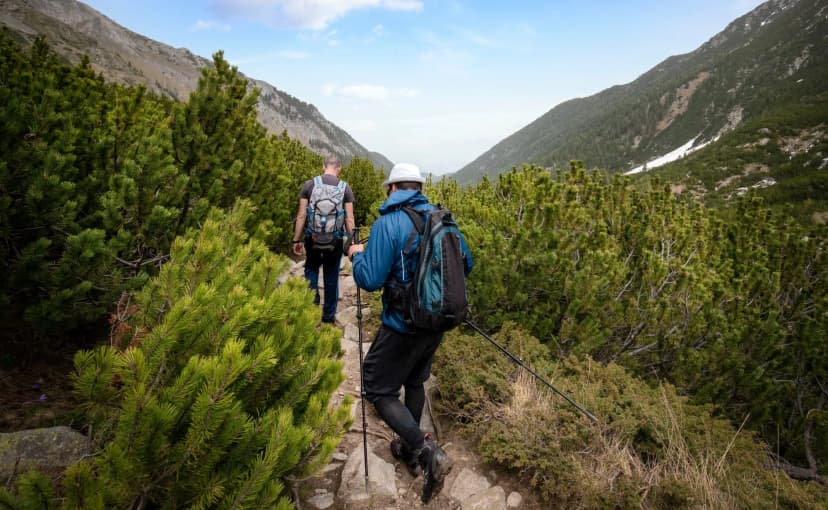
Mid-June to early July. Snow patches still hold on the north-facing ridges below Malyovitsa. Wildflowers explode. Fewer hikers. Longer daylight. Some hut water sources are still frozen — check ahead.
Mid-July to mid-August. Peak weather, peak crowds at the Seven Lakes, near-daily thunderstorm cells in the afternoons. Start early — 6am walking, off the ridge by 1pm. Book huts a month ahead.
Late August to mid-September. Our pick if you're deciding. Weather stabilises, crowds drop after the Bulgarian school holidays end, and the light turns gold on the ridgelines. Nights get sharp — a down jacket is not optional.
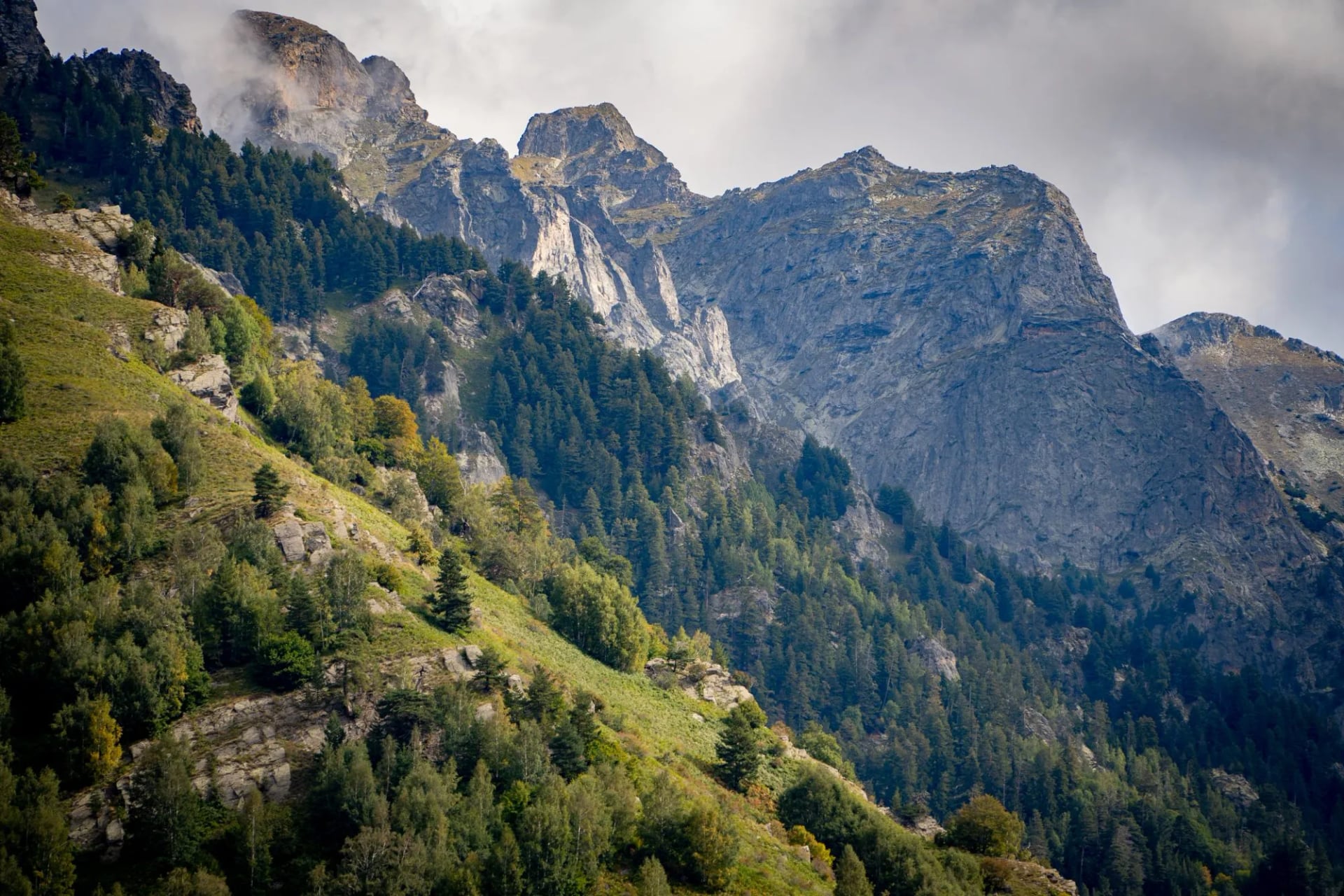
Late September. Some huts close mid-month. Snow can return to the peaks. Beautiful and empty when it works; a whiteout risk when it doesn't.
Safety and the Weather
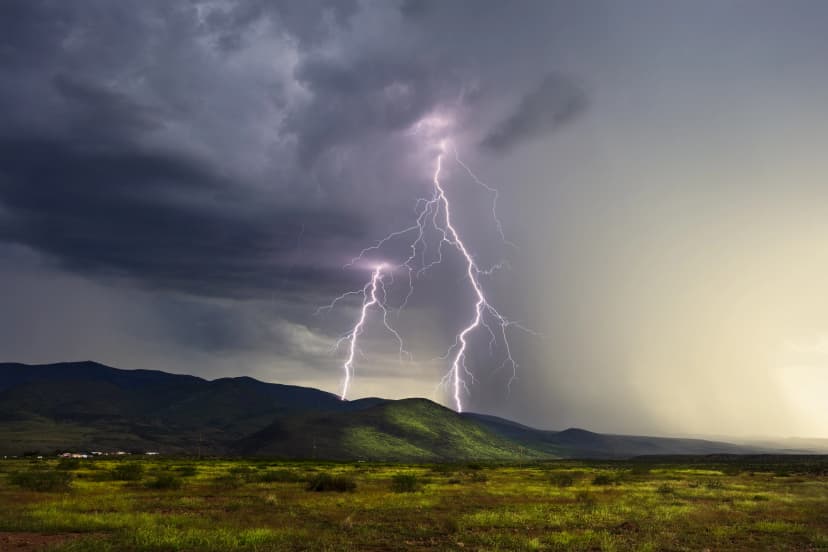
Rila is safer than it looks but less forgiving than it feels. The main risk is the afternoon thunderstorm: from mid-June through August, expect a bright morning, cloud build-up by 11 a.m., and lightning by 2 p.m. — start at first light and be off summit ridges by early afternoon. Fog above the treeline can drop visibility to fifty metres in minutes, so carry an offline GPS map and a warm layer whatever the morning looks like.
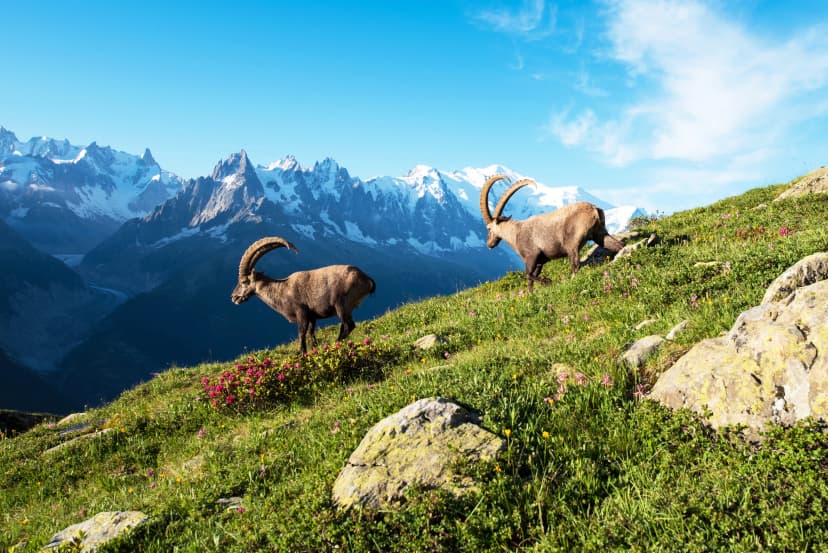
Rila has brown bears, wolves, and horned vipers, but encounters are rare and almost always end with the animal walking away first. Save 112 as your emergency contact — it routes to the Mountain Rescue Service, run by the Bulgarian Red Cross and staffed mostly by volunteers. Rescue is not free — the casualty is expected to cover the cost of the operation, so trekking insurance that covers mountain evacuation is the thing to sort before you fly.
Prepare for the Hike: Conditions, Difficulty, Gear, and the Cash Rule
Difficulty
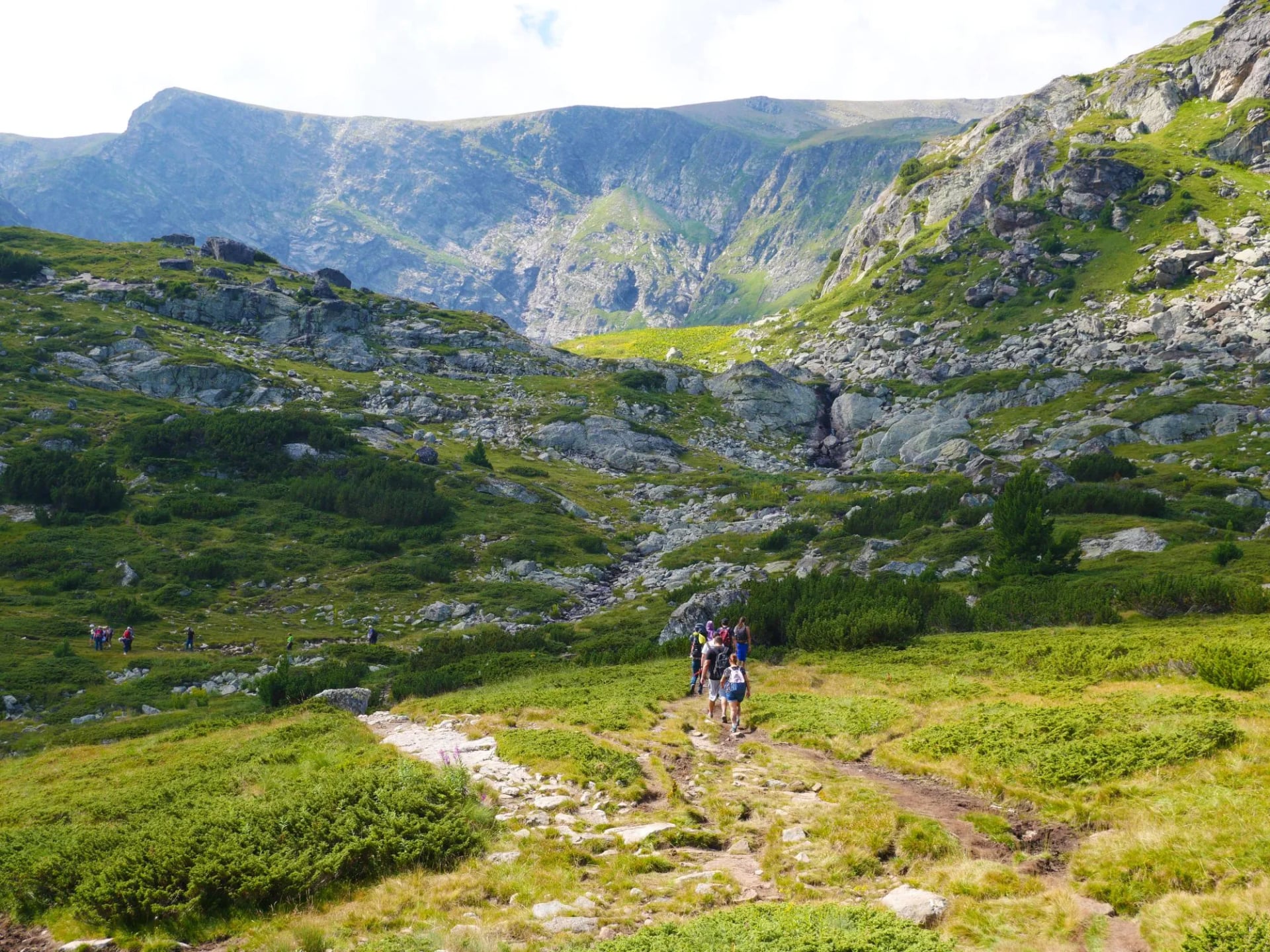
Rila is not a beginner range. A 4/5 fitness level is honest: expect 8–16 km days, with climbs ranging from almost nothing to a 1,600 m ascent out of the monastery valley on the fifth day — the hardest single stage of the week, and the one to arrive rested for. If you've walked the Alta Via 1 in the Dolomites or the Tour du Mont Blanc, Rila is that. If your reference point is a Peak District weekend, build up first.
Gear
Standard alpine-summer, with a couple of Rila-specific asks:
Broken-in hiking boots (not trail runners — the scree fields chew through mesh)
Waterproof jacket and pants, a mid-layer, a down jacket for hut evenings
Sleeping liner, headlamp, hiking poles, small first-aid kit
Sunscreen and sunglasses — you're above 2,000m for most of the traverse
Payments
The one thing every seasoned Rila hiker will tell you and no first-timer expects: bring more cash than you think. Bulgarian mountain huts don't take cards. Meals, drinks, extra nights, tips — all cash — and the nearest ATM to Rila Lakes Hut is a two-hour descent to Panichishte or a full day back down to Samokov.
Bulgaria adopted the euro in January 2026, so there is no lev to change any more. Take euro notes in small denominations. Rule of thumb: €40 per hut night in cash covers dinner, breakfast, a beer, and a coffee, with margin for the unplanned second beer.
Getting There: Sofia to Trailhead
Sofia Airport (SOF) will be your anchor. It's on the direct-flight map of every major European hub — London, Frankfurt, Amsterdam, Milan, Warsaw — and often for under €80 return in high summer. From the airport, Govedartsi is a 90-minute private transfer, or a bus-plus-taxi combination via Samokov (cheaper, slower, only worth it if you enjoy public transport as a category). Rila Monastery also has a direct bus back to Sofia; the last one leaves in the late afternoon, so budget the museum visit accordingly.
Decided to Walk Rila?
You could piece this together yourself. Hut phones, transfer bookings, GPS files, currency logistics, the language, the map that no shop stocks. Or you could let us handle the logistics and just walk.
Our Best of Rila Mountains self-guided tour links the Seven Lakes, Ivan Vazov Hut, the descent to Rila Monastery and the climb back over to Malyovitsa across 7 days — with hut and hotel nights pre-booked, GPS tracks in your phone, and on-trip support if a hut door doesn't answer.
What we handle:
All hut and hotel bookings, sequenced to your start date
Detailed digital guidebook, route notes, and GPS files
On-trip WhatsApp support during your hike
Airport transfers on request and luggage transfer where the terrain allows
If Rila fits your style but you want more range, our Pirin mountains tour. For easier choice, read through our Hiking Difficulty Guide that explains the fitness and technical scales in detail.
You can read more about hiking in Bulgaria in general in our ultimate guide.
About this author
Ajda is our travel advisor, raised in a village surrounded by mountain peaks. Hiking entered her life early on and remains her favorite way to reconnect with nature.



.jpg&w=828&q=75)