The Best Time to Hike in Montenegro
Montenegro's mountain and coastal seasons don't overlap by much. Let’s help you decide which one fits you best, and when to visit

Ajda
Published October 1, 2026
Edited October 1, 2026
10 min read
Don't want to read all this?
We've planned 2,000+ hiking trips. Send your dates, fitness and group size — we'll map the route and book every night.



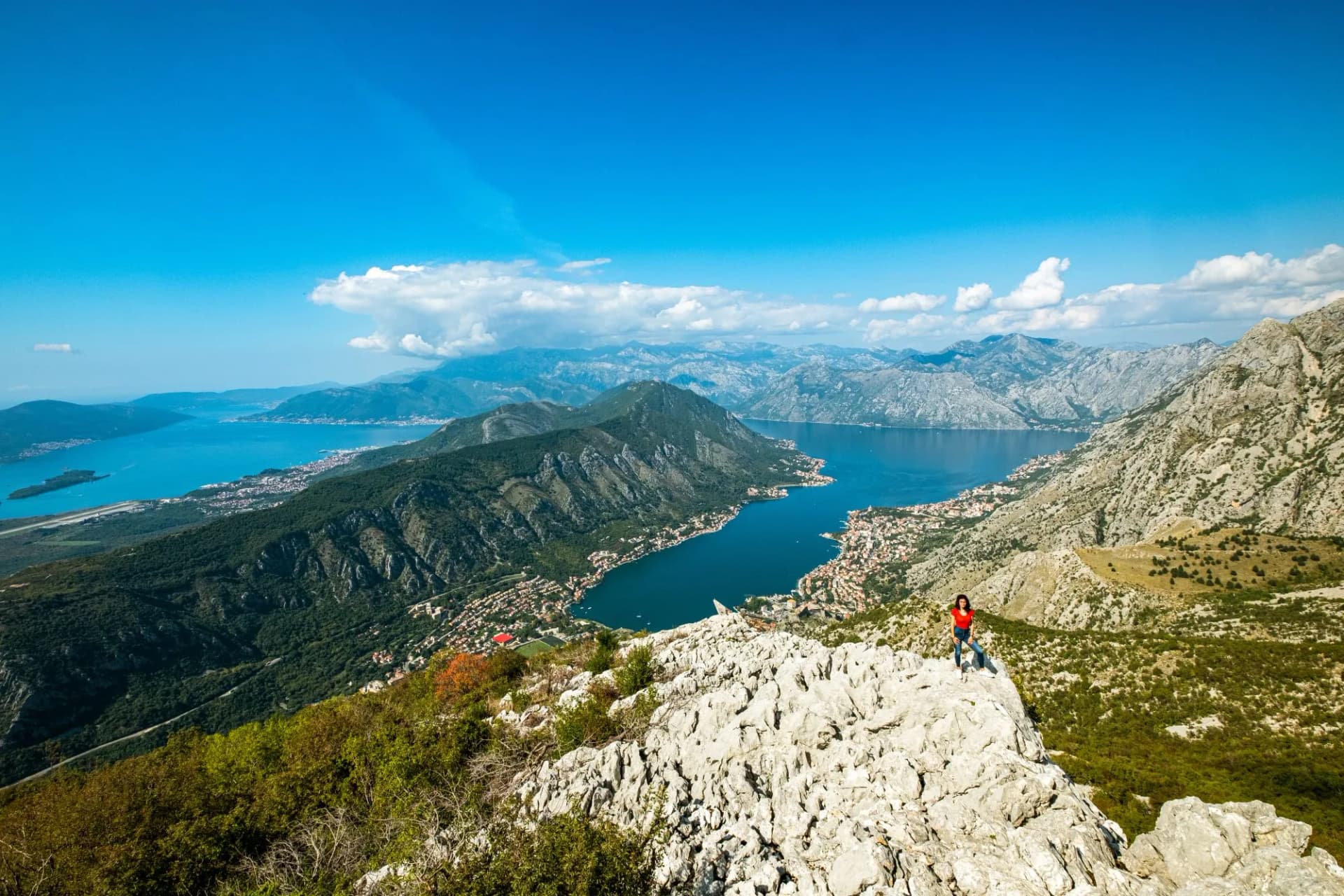
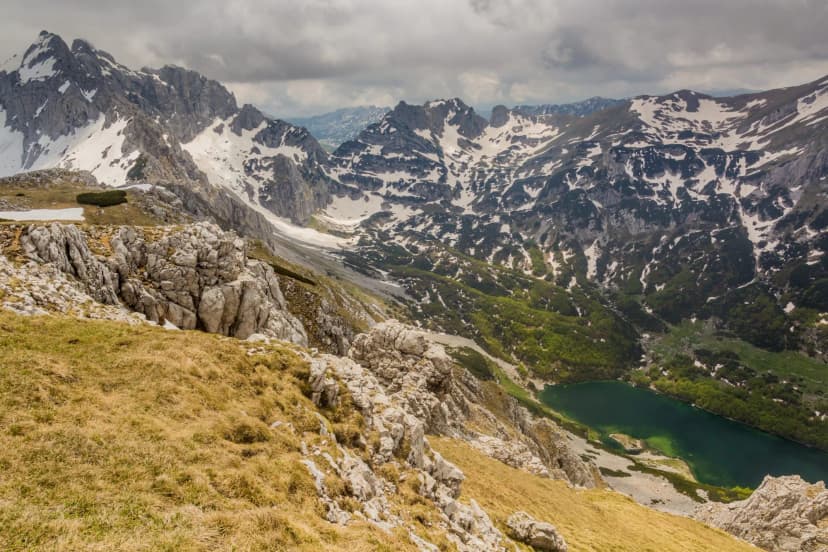
The honest answer to this depends on which of the country's two hiking regions you want to walk. The mountains — Durmitor and Prokletije — are at their best in September, huts still open and ridges empty. The coast around Kotor peaks a month later, in October, when the cruise ships thin out and the ridges cool to 20°C.
This guide covers the year month by month, then works through weather, hut and road closures, the autumn bora winds, and the shoulder-season pairing that gets you both Montenegros in one trip.
Quick facts:
Best mountain months: June to mid-September — huts open, weather reliable, ridges accessible above 2,000 meters.
Best coastal months: April–June and September–October — walkable and warm without the summer heat.
Sweet spot for both: late August through the first week of October, though the mountain window narrows fast after 15 September.
Low season: November–May — mountains closed by snow; coast walkable but wet, with rising bora winds.
The Hiking Year in Montenegro
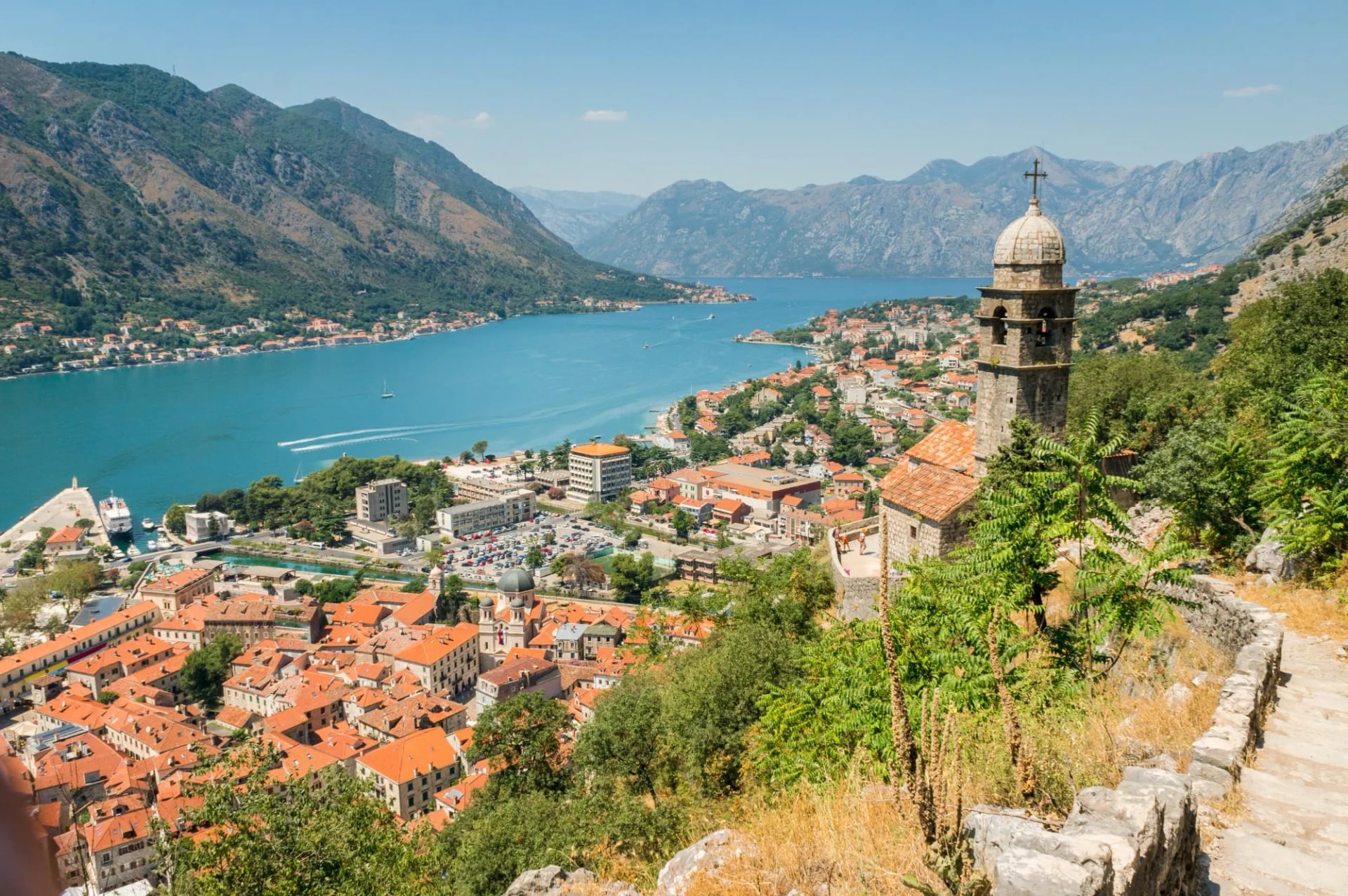
Montenegro has two hiking seasons stacked on top of each other — a mountain season roughly June to mid-September, and a coastal shoulder that runs April to June and September to October. Whichever month you pick tells you which country you are hiking.
A Month-by-Month Hiking Year
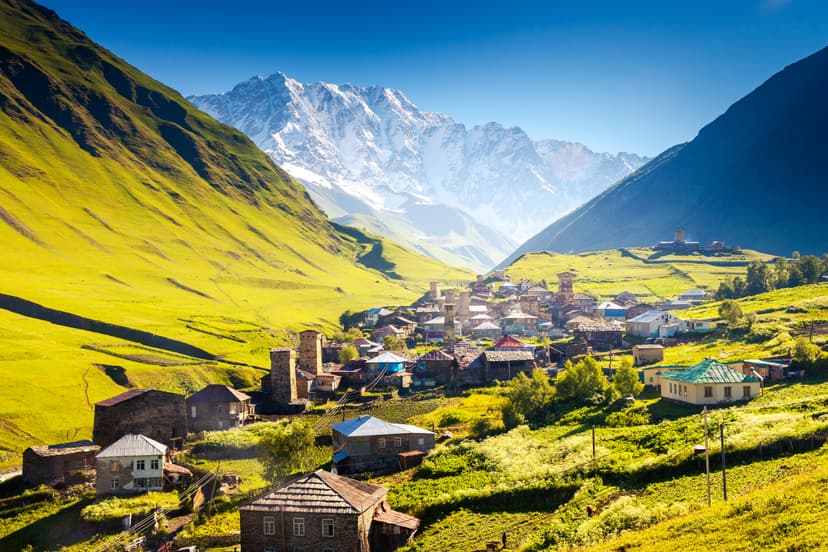
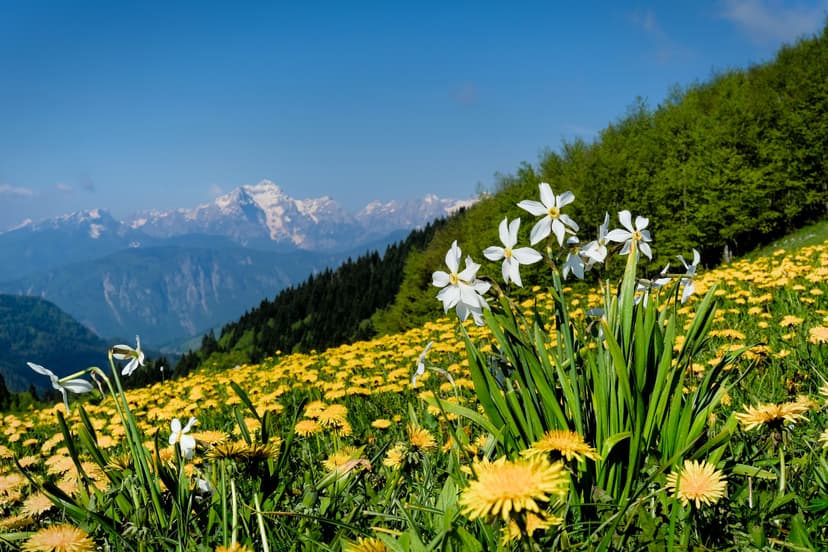
Wildflowers peak this month and the huts open around the 15th, with snow still on the north cols
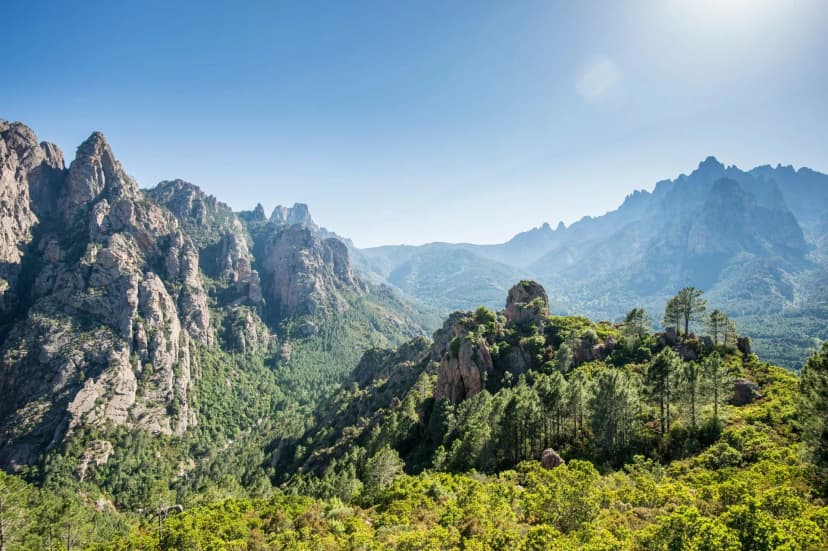
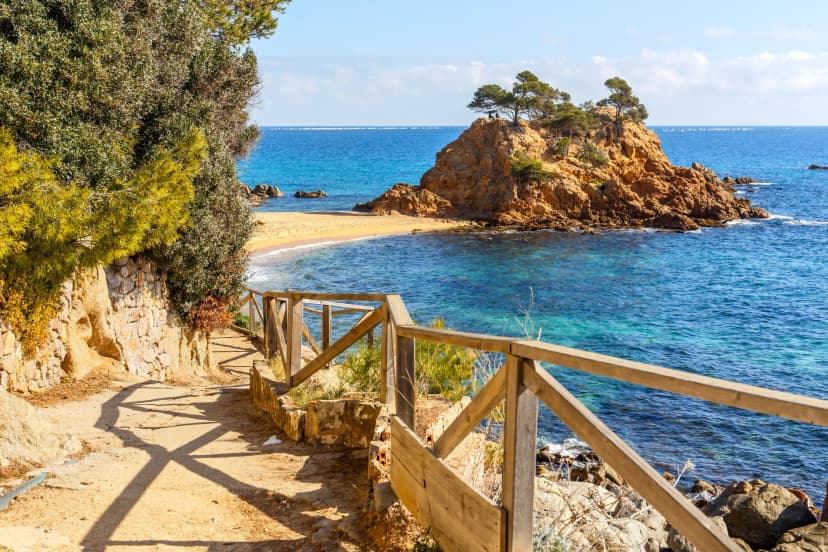
June opens Montenegro's mountain season. Snow lingers on north-facing cols in Prokletije into the third week, and Škrka hut in Durmitor opens around 15 June. Wildflowers peak on the plateaus in the second half of the month. The coast is still shoulder-warm — daytime highs in the mid-twenties, sea 20–22°C — and the ridges around Kotor are dry enough to walk in comfort before the summer heat sets in.
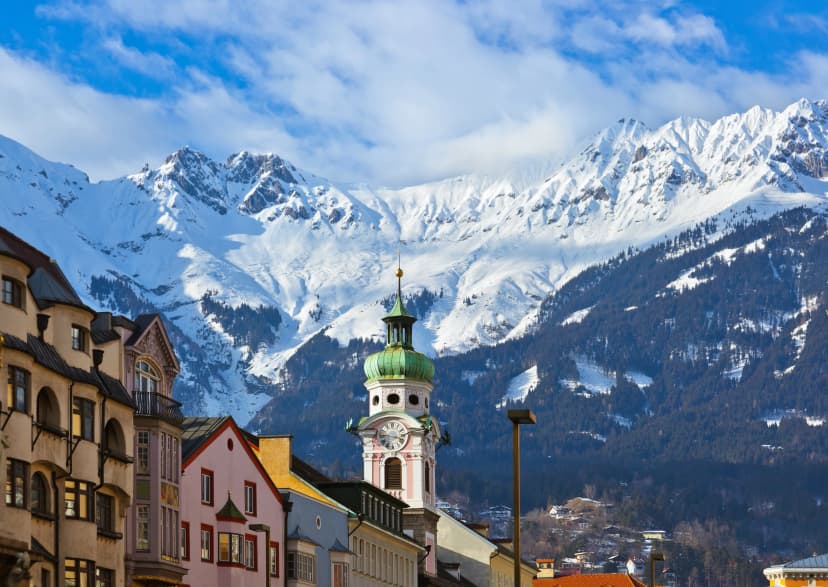
Wildflowers peak this month and the huts open around the 15th, with snow still on the north cols
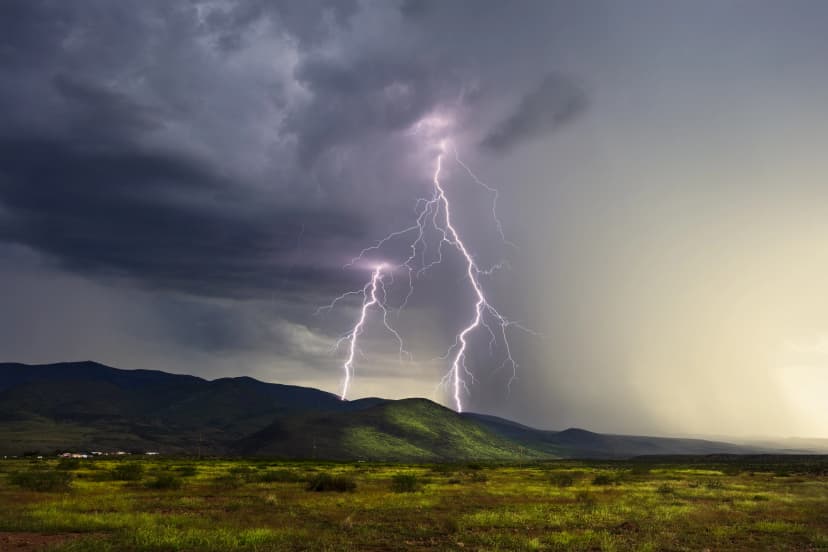
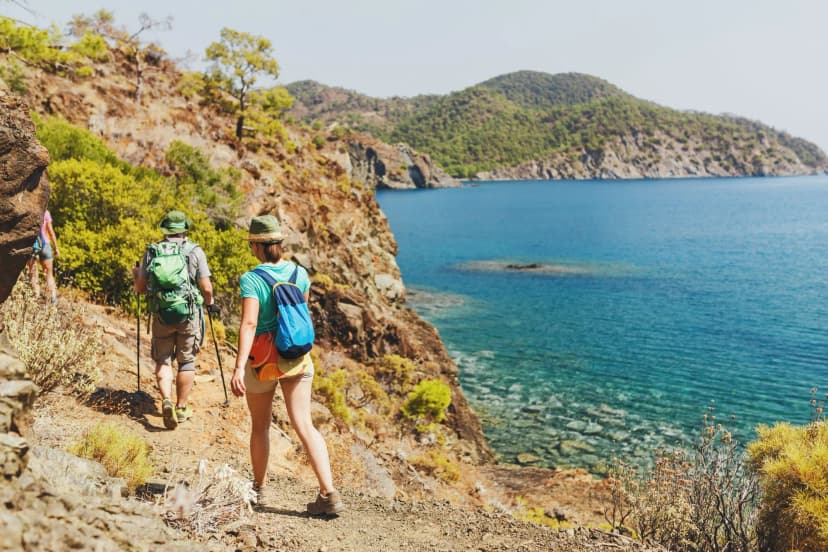
Fifteen hours of daylight and a thunderstorm most afternoons, so the summits get done early
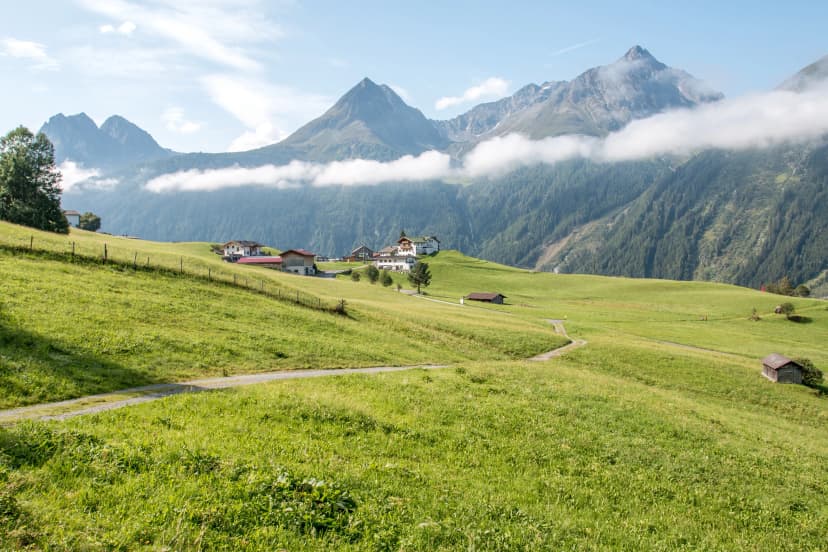
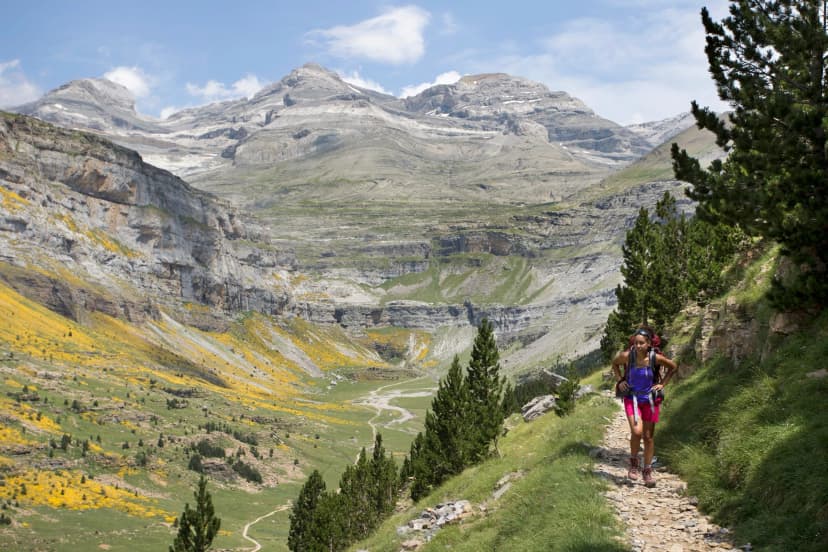
July and August are the peak mountain months and the peak crowds on the coast. Durmitor and Prokletije weather is at its most reliable, but afternoon thunderstorms are the working assumption on exposed ridges — start every summit hike at dawn. On the coast, the stone stairways of Kotor and Lovćen become full-sun ovens by mid-morning, and cruise-ship traffic peaks. Book at least two months out for these dates.
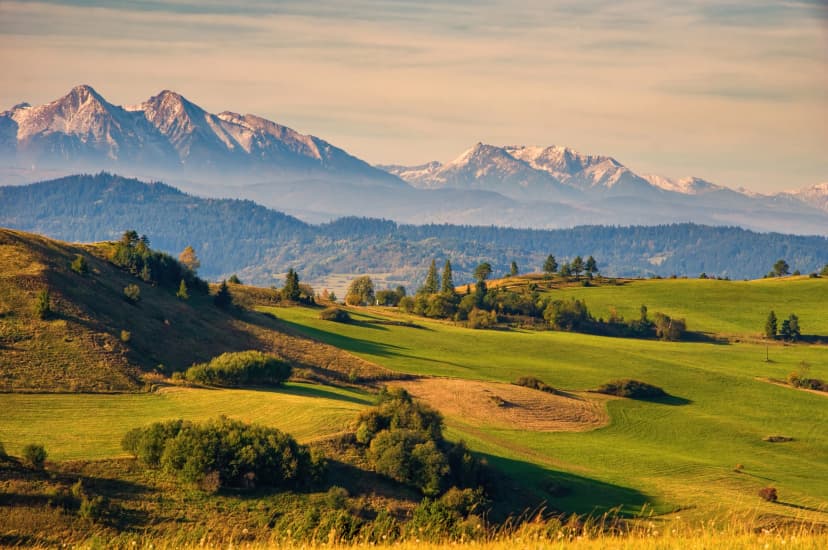
Fifteen hours of daylight and a thunderstorm most afternoons, so the summits get done early
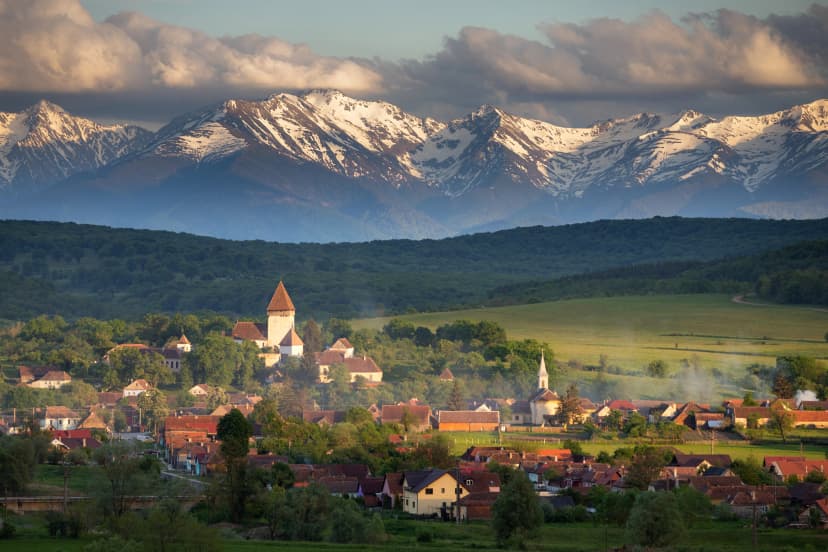
This is the raking side light the month is known for, and the huts still shut on the thirtieth
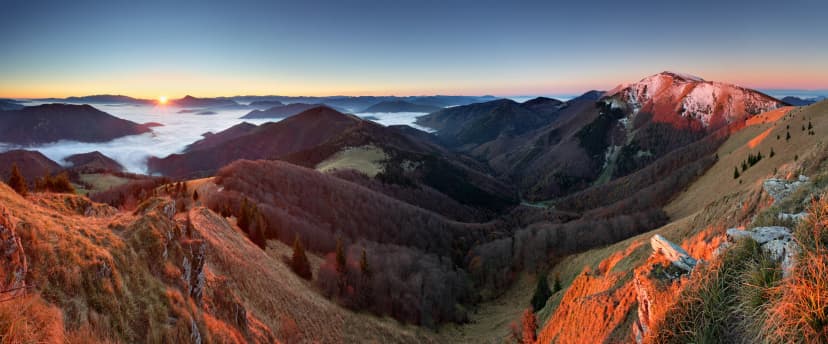
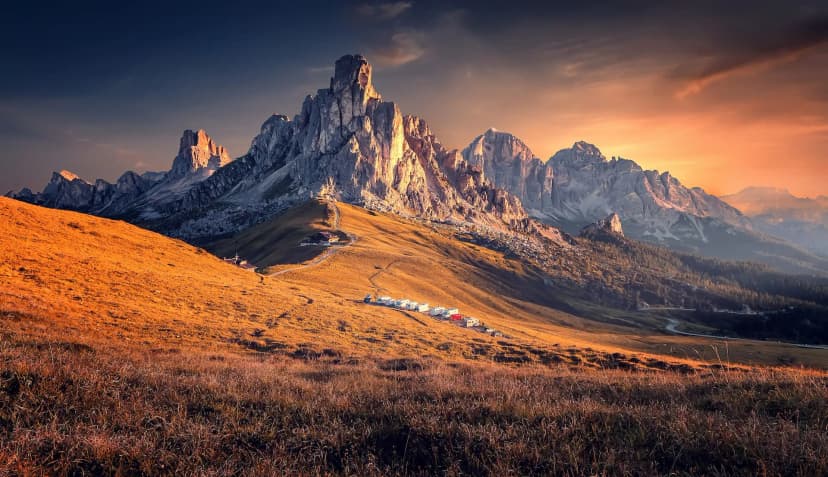
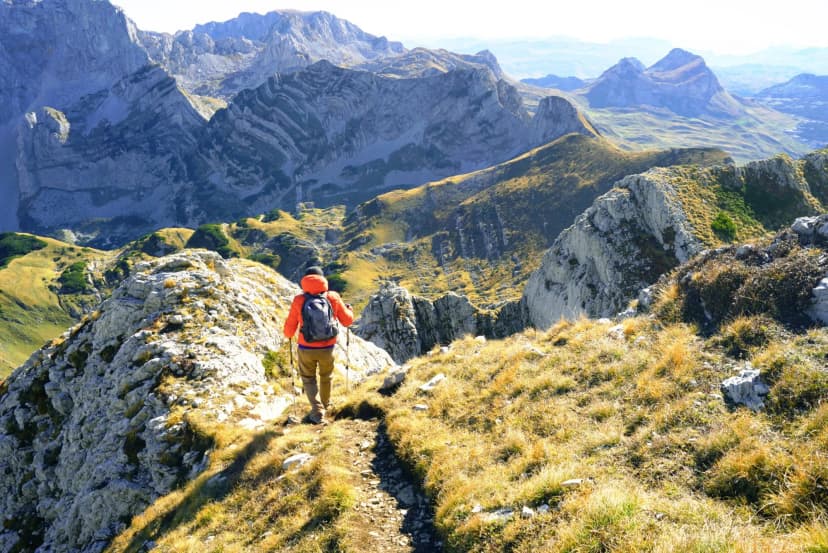
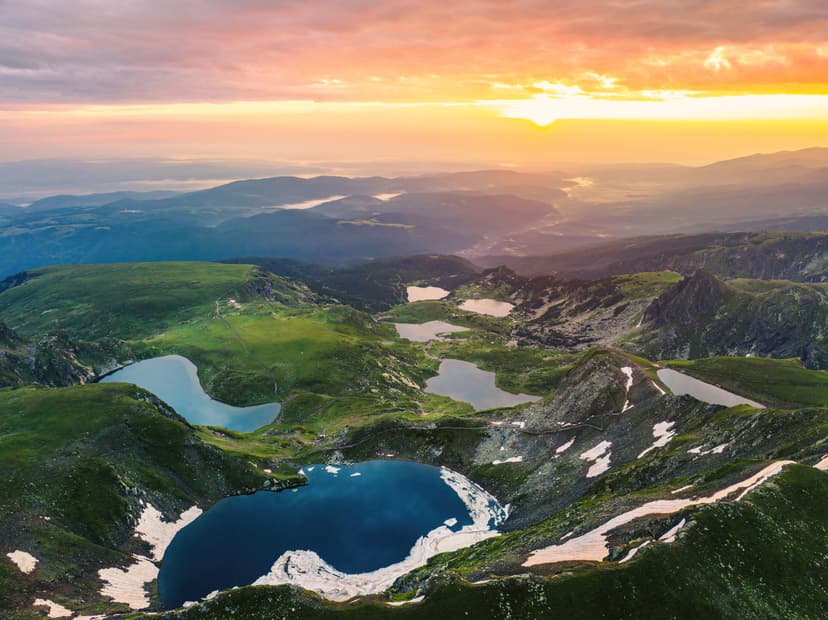
September is the mountain sweet spot, with empty trails, golden light on limestone, and daytime temperatures still in the mid-teens above 1,800 meters. Škrka hut closes at the end of September, and the Peaks of the Balkans huts wind down by mid-month. If you want the mountain half of Montenegro, September is when you get it — without the crowds and without the afternoon storms of high summer.
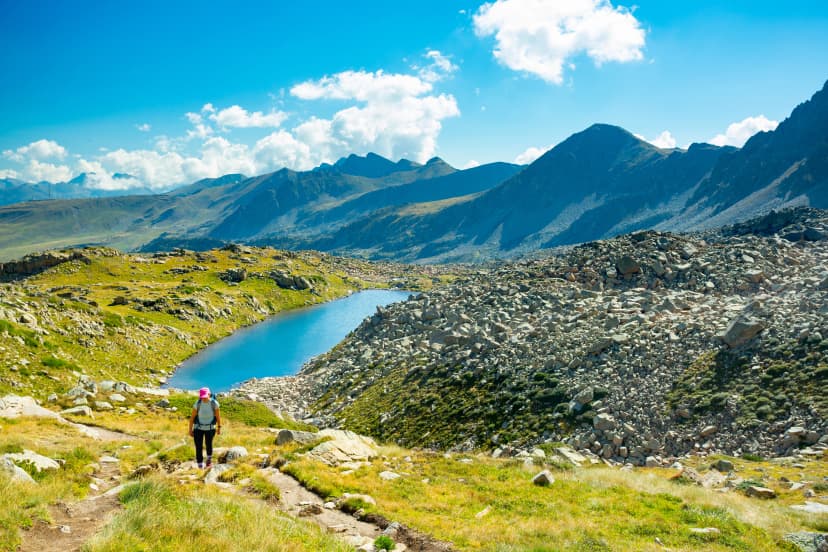
This is the raking side light the month is known for, and the huts still shut on the thirtieth
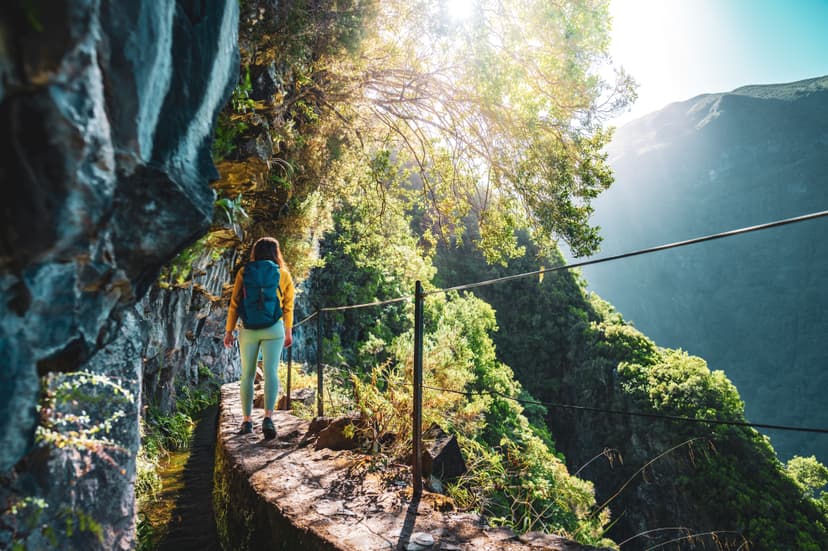
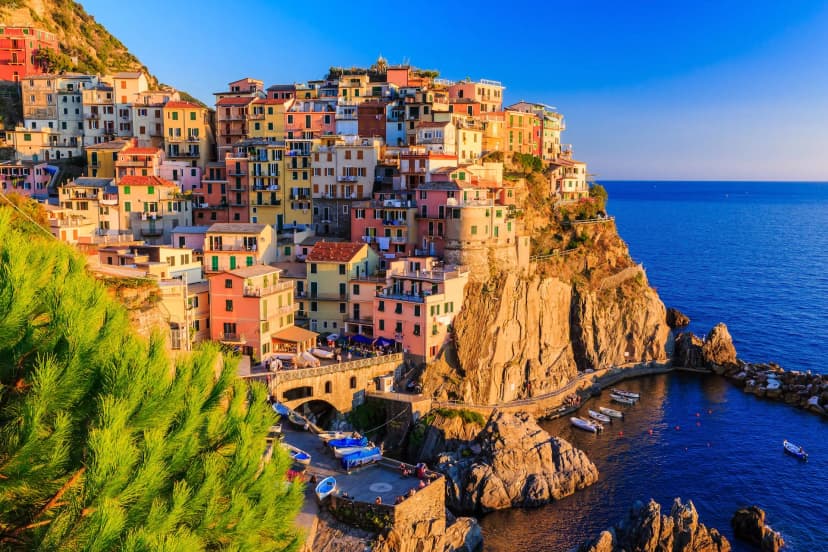
The bay still holds 19 to 22 degrees while everything above 1,800 meters is shut for the year
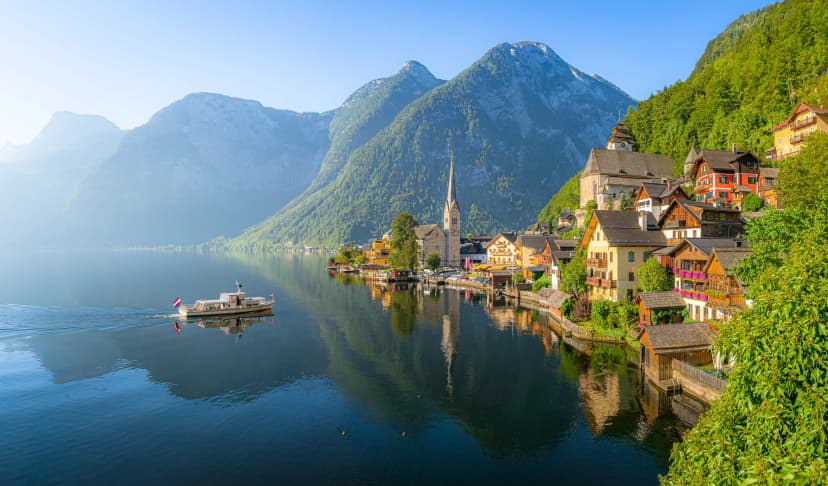
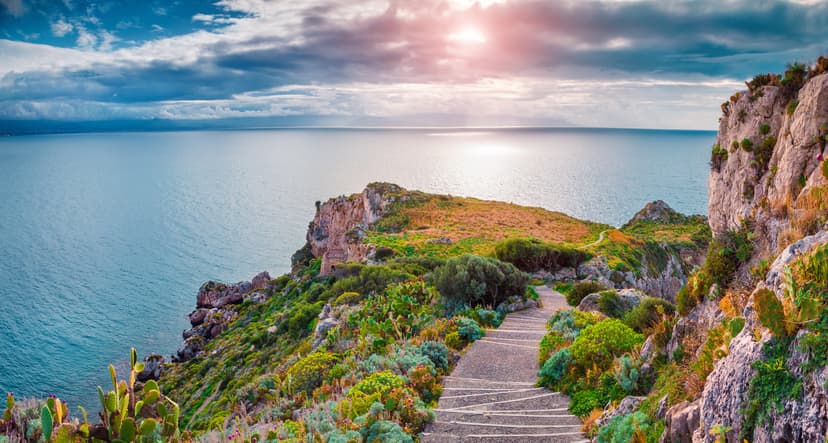
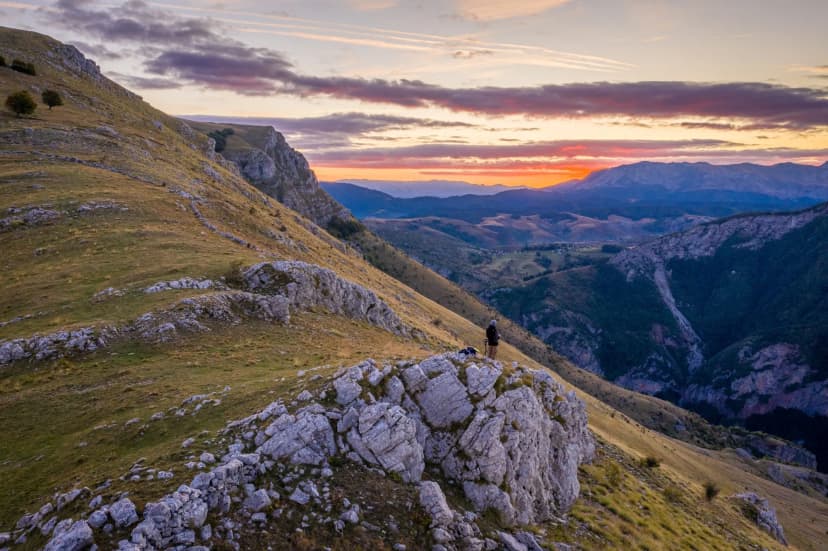
In October the coast is at its best and the mountains are mostly done for the year. Kotor averages 19–22°C by day, sea temperature holds 18–22°C, and rainfall climbs to around 140 mm — well up on August, though it still falls in short bursts. The huts have shut, the cruise ships have thinned, and by mid-month the ridges around Vrmac and Lovćen are empty. Watch for the bora, October's cold north-easterly wind, on exposed sections.
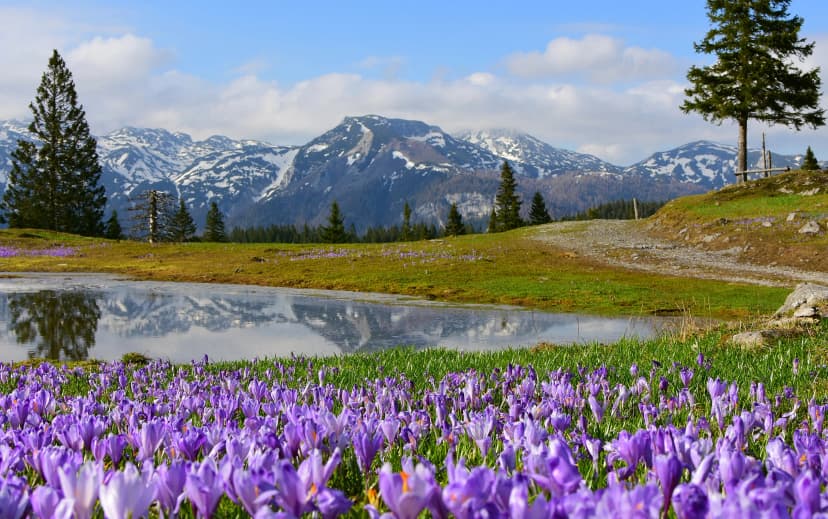
The bay still holds 19 to 22 degrees while everything above 1,800 meters is shut for the year
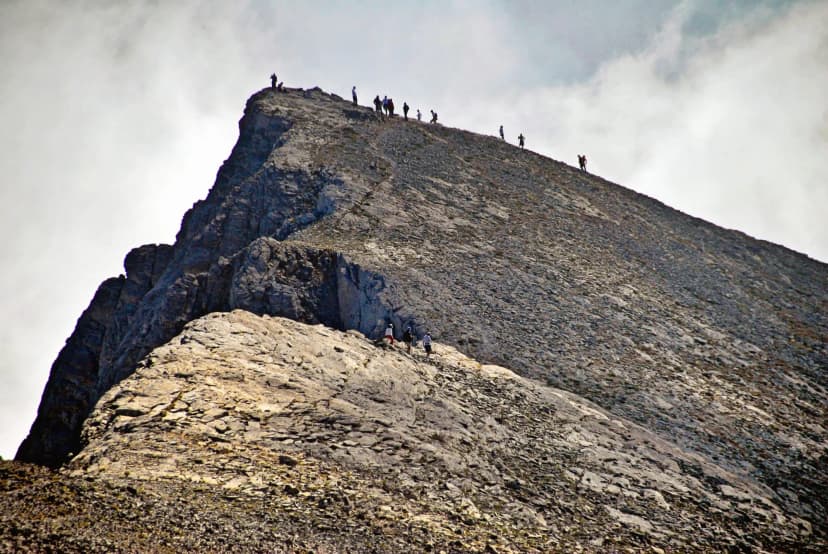
The Sedlo road closes with the first real snowfall and does not reopen until the spring melt
November through May is Montenegro's low season. Mountain trails carry snow or wet scree from November through May, and the Sedlo road closes with the first serious snowfall (typically mid-November to early December). Coastal walking on the Ladder of Kotor or the Vrmac ridge stays possible year-round, but rainfall spikes in November and February, and bora winds can be dangerous on exposed ridges. The Njegoš Mausoleum on Lovćen closes 1 November until spring.
The Sedlo road closes with the first real snowfall and does not reopen until the spring melt
Best Overall
If you have one week and no strong preference between coast and mountains, September is the answer. It is the only month where both regions are meaningfully open and both are past their peak crowds. Durmitor huts still take bookings until the last week; the Adriatic sea holds 20°C for the first three weeks; and the tour groups that dominate July and August have thinned by mid-month. The catch is the closing window — any push above 2,000 meters after 15 September is a weather-window bet, and Škrka hut shuts on 30 September.
The other quiet advantage of September is the light. Low sun angles, clear air, and the year's best raking-side illumination on both the limestone of Durmitor and the karst walls above Kotor. Photographers plan trips around this window; hikers benefit from it without needing to think about it.
Pros | Cons |
|---|---|
Both regions meaningfully open (only month) | Mountain window closes fast — huts shut by 30 September |
Coast still warm — sea 20°C, air 22–25°C | Cold nights above 1,800 m; frost possible from third week |
Trails empty vs. July/August | First two weeks still book out; plan ahead |
Best light of the year on limestone | Transfers and guiding get harder to arrange from mid-month |
Weather more settled than July/August | Bay of Kotor still busier than in October |
Best for the Coast
October takes the same coastal ridges around Kotor and Lovćen at their most photogenic and least crowded of the year. On the 2024 figures, Kotor cruise-ship arrivals halve versus August and national hotel occupancy drops from about 79% to 26% by November, and Adriatic light turns raking and clear. The Njegoš Mausoleum on Lovćen keeps its full-season hours until 31 October and then closes for winter. Above 1,500 meters the mountains are effectively done for the year, so this is a coast-only proposition unless you pair it with a September mountain block.

The one October variable that catches people out is the bora (bura) — the cold north-easterly katabatic that funnels down from the Dinaric Alps and hits exposed ridges above the Bay of Kotor with gusts that can reach 100 km/h. October is the beginning of the bora season; the November-to-March peak is far more dangerous, but even October days benefit from a wind forecast before you commit to Vrmac or the exposed sections of Lovćen.
Pros | Cons |
|---|---|
Adriatic coast 19–22°C by day; sea 18–22°C | Rainfall roughly triples vs August (~140–150 mm at Kotor) |
Kotor cruise-ship arrivals down to ~50% of August | Bora winds start building on exposed ridges |
Autumn light for photography | Njegoš Mausoleum closes 1 November |
Occupancy falls away sharply (79% → 26% Aug→Nov, 2024) | Daylight drops from 11h50 to 10h20; DST ends 25 October |
Post-hike swims still plausible in early October | Mountain huts closed; anything above 1,800 m is off-limits or weather-dependent |
Bay of Kotor and Lovćen is the Montenegro tour whose sweet spot is October — a seven-day self-guided week walking the Ladder of Kotor, the Vrmac ridge, and the Njegoš Mausoleum on Lovćen, with rest days built around Kotor and Perast.
Best for High Peaks
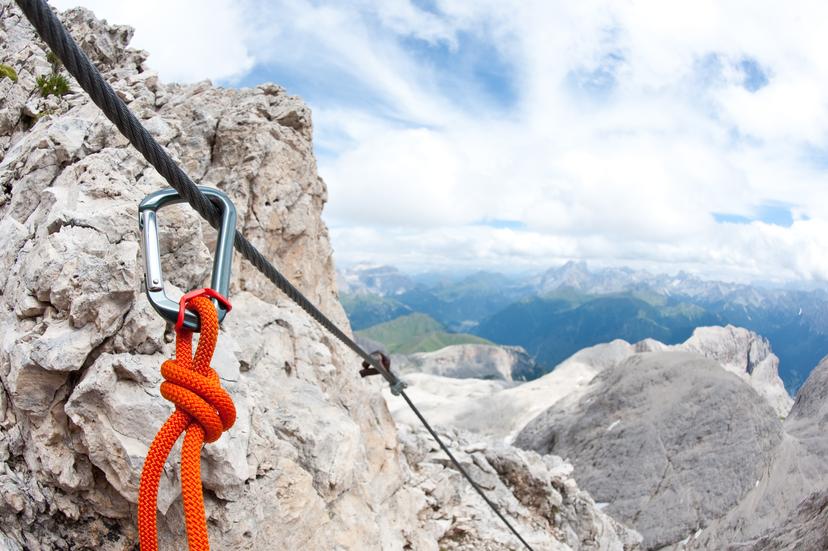
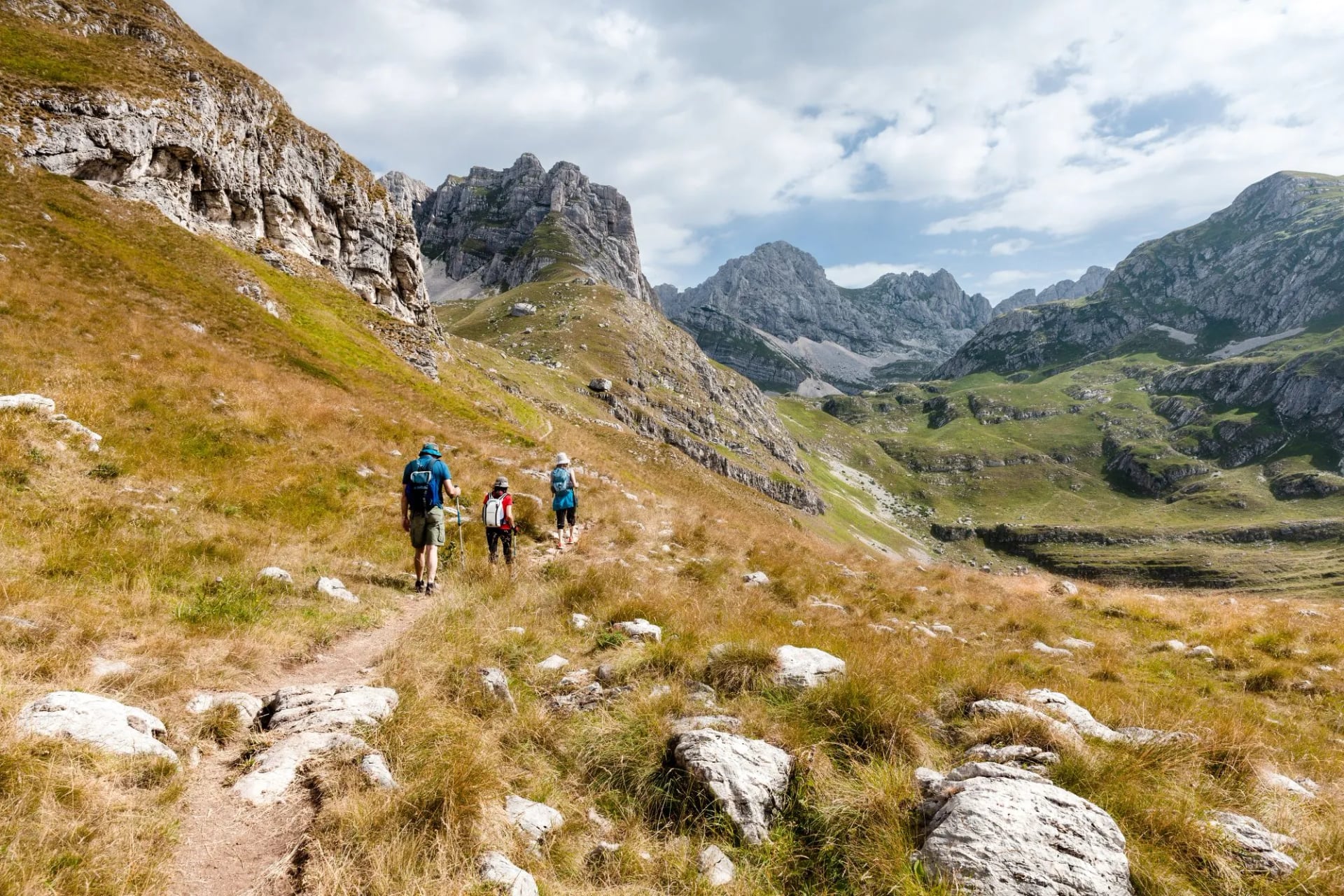
If your priority is the classic Bobotov Kuk cable scramble, the Peaks of the Balkans thru-hike, or any objective above 2,000 meters, you want the middle of summer. Weather is at its most reliable — with the important exception that afternoon thunderstorms are the working assumption on exposed ridges from about 12:00 to 15:00. Start every summit day at dawn. All huts are fully open and staffed, streams still run high on the plateau, and the Sedlo road (P14) into Durmitor is completely clear.
The tradeoff is what happens down at sea level. The Bay of Kotor becomes a cruise-ship port with midday queues on the fortress stairs, coastal accommodation is at its most expensive of the year, and the stone stairways of Lovćen become full-sun ovens by ten in the morning. If you are committing to July or August, commit to it entirely for the mountains — don't try to split the trip across regions in this window.
Pros | Cons |
|---|---|
All huts open and staffed | Afternoon thunderstorms daily on exposed ridges |
15+ hours of daylight — margin for weather windows | Peak coastal crowds and cruise-ship traffic |
Streams still running high at altitude | Peak season country-wide |
Snow gone from every accessible col | Book huts at least two months out |
Peak of the Balkan alpine wildflower season | Coast too hot for meaningful stone-stair hiking |
The five-day self-guided Durmitor trip is built around this window, with walking days on Crvena Greda, Prutaš and Planinica from a base in Žabljak.
Best for Solitude
Two narrow windows deliver Montenegro nearly empty. Mid-June catches the mountains just as huts open and the coast before summer heat arrives — Škrka opens around 15 June, wildflowers peak on the plateau, and the coastal ridges are dry enough to walk without the July sun. Late September catches the mountains just before huts close and the coast just as tour groups leave — the light is at its best on both, and daytime temperatures are still workable.
Both windows require flexibility on weather. Mid-June still has snow on some north-facing cols in Prokletije into the third week. Late September has variable ridge temperatures — the difference between a t-shirt and a fleece is often a single afternoon. The reward is walking trails that see thirty people a day rather than three hundred.
Pros | Cons |
|---|---|
Trails empty compared to peak summer | Weather less reliable than the July/August middle |
Wildflowers peak in mid-June | Some routes limited by lingering snow in mid-June |
Shoulder pricing everywhere | Mountain huts closing fast by late September |
Photography light at its best (both windows) | Higher variance in day-to-day conditions |
Coastal water still warm enough for a post-hike swim | Fewer daily bus services on some rural routes |
When to Skip Montenegro
Between the first serious snowfall in November and the trailhead openings in May, Montenegro is not a hiking destination in any serious sense. The Sedlo road closes to Bobotov Kuk; the Peaks of the Balkans huts are shuttered; Prokletije is inaccessible without technical alpinism. The coast stays walkable in theory — the Ladder of Kotor has no seasonal gate on the trail itself — but rainfall spikes in November and February, bora winds get genuinely dangerous on exposed ridges, and the Njegoš Mausoleum is closed for winter until spring. Biogradska Gora officially closes its hiking and biking trails between 1 December and 1 May.
Late April into early May reopens the coast for the shoulder-season pair, though mountain access still lags a month behind. If you want a hiking trip to Montenegro in the wet half of the year, plan on a coast-only week with a lot of shell-jacket time and a wind forecast on your phone.
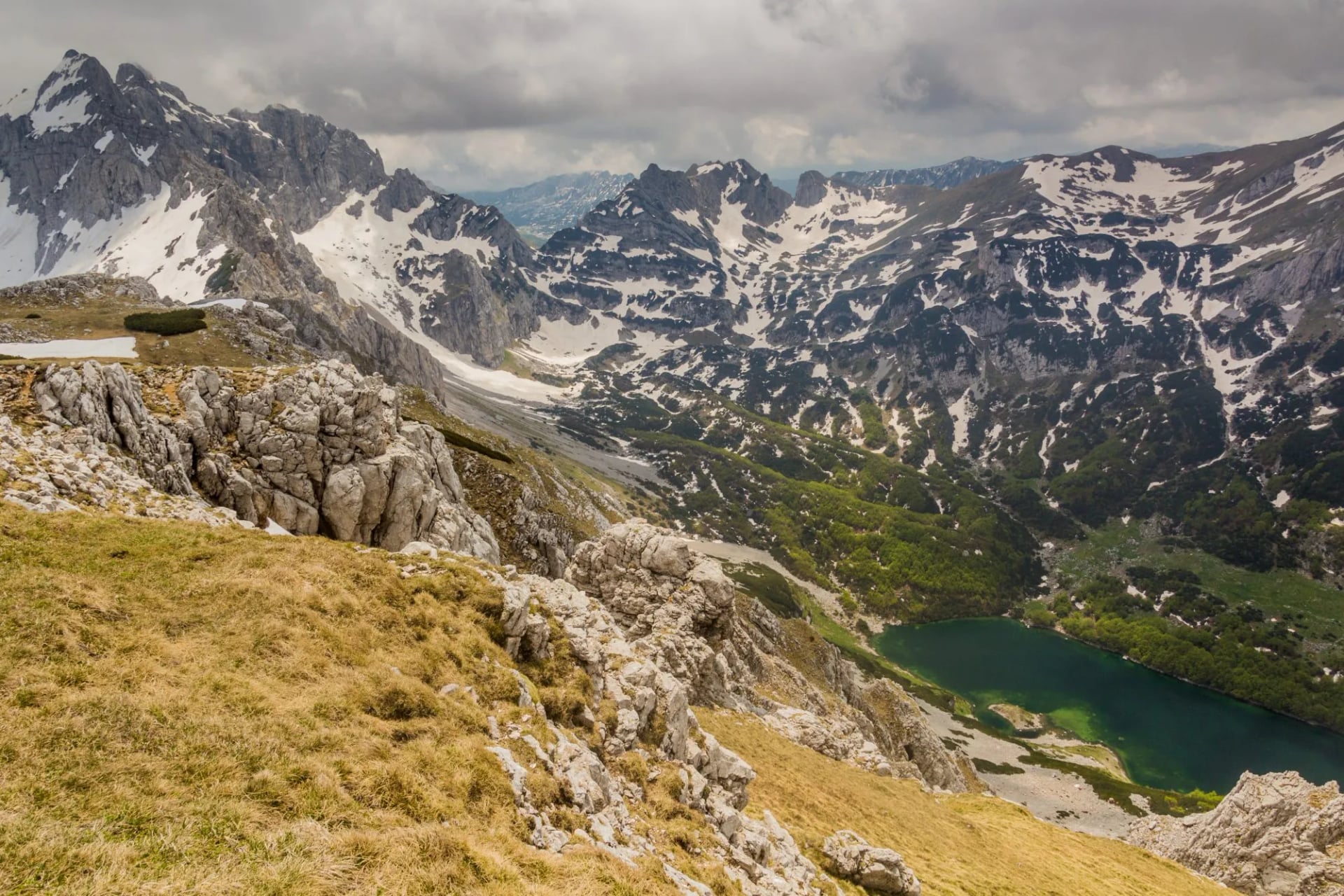
Plan Your Week
The Bay of Kotor week above is the one Montenegro trip whose sweet spot is October — the kind of week where the walking is real but the evenings are village restaurants and the mornings are Adriatic light on limestone.
Every tour includes:
Handpicked accommodation with easy access to the trailheads
A detailed digital guidebook with GPS files and route notes for every hiking day
Airport transfers from Podgorica or Tivat, plus taxi coordination to the Lovćen trailheads
24/7 support line during the tour
For readers considering the full-country pair, our Montenegro hiking hub covers the coast alongside Durmitor and the Accursed Mountains. Self-Guided Tours Explained breaks down how the model works day-to-day, and the Hiking Difficulty Guide covers the explanation of our technical and fitness ratings.
Book October for the coast, September for the peaks — and let both weeks stay quieter than a July that never quite delivers what people expect of it.

About this author
Ajda is our travel advisor, raised in a village surrounded by mountain peaks. Hiking entered her life early on and remains her favorite way to reconnect with nature.
.jpg&w=828&q=75)


.jpg&w=828&q=75)