Ranges, Villages, and Castles: Hiking in Transylvania
Transylvania is Romania's most walkable region with three mountain ranges south of Brașov, Saxon-fortified villages in the valleys, and Bran Castle in between.

Ajda
Published September 23, 2026
Edited September 23, 2026
7 min read
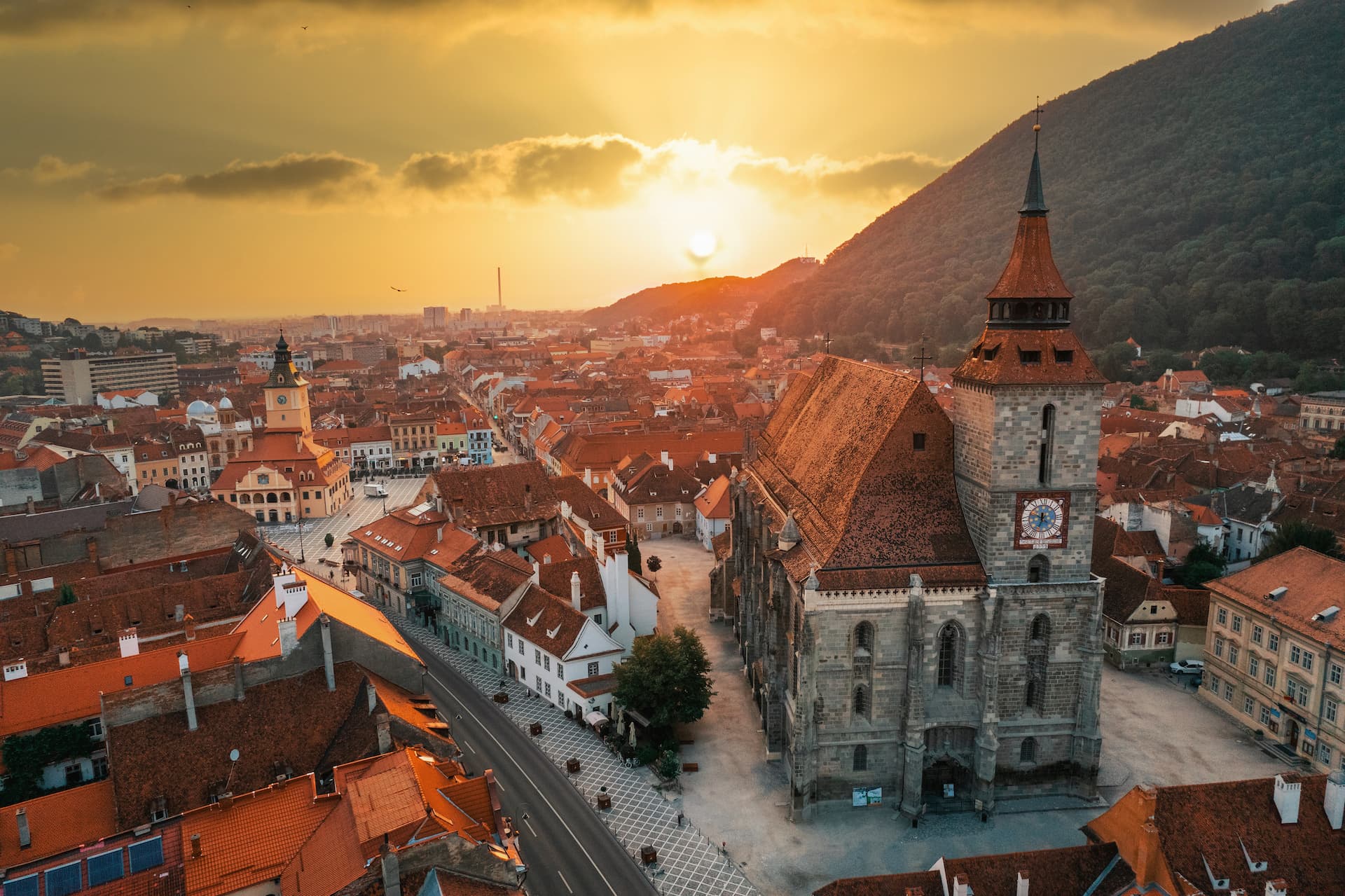
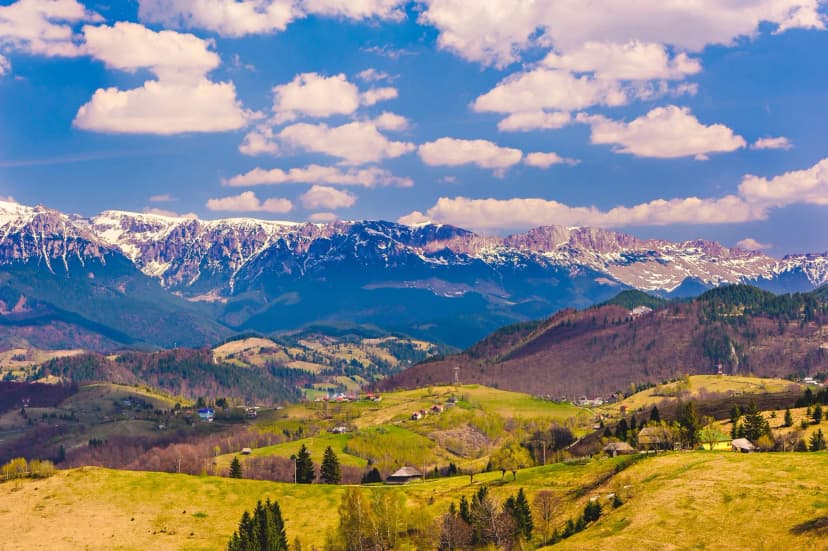
Transylvania is the historical Romanian region inside the Carpathian arc, defined by its mountains as much as by its Dracula legend. South of Brașov, three mountain ranges converge on the edge of the Transylvanian plateau: the Piatra Craiului limestone spine, the Bucegi's wind-carved plateau, and the northern shoulder of the Făgăraș, Romania's highest range.
That's one reason Transylvania is Romania's most-walked hiking region. The other is the cultural layer — fortified Saxon villages, Bran Castle, and the medieval streets of Brașov and Sibiu — filling the valleys between the ranges.
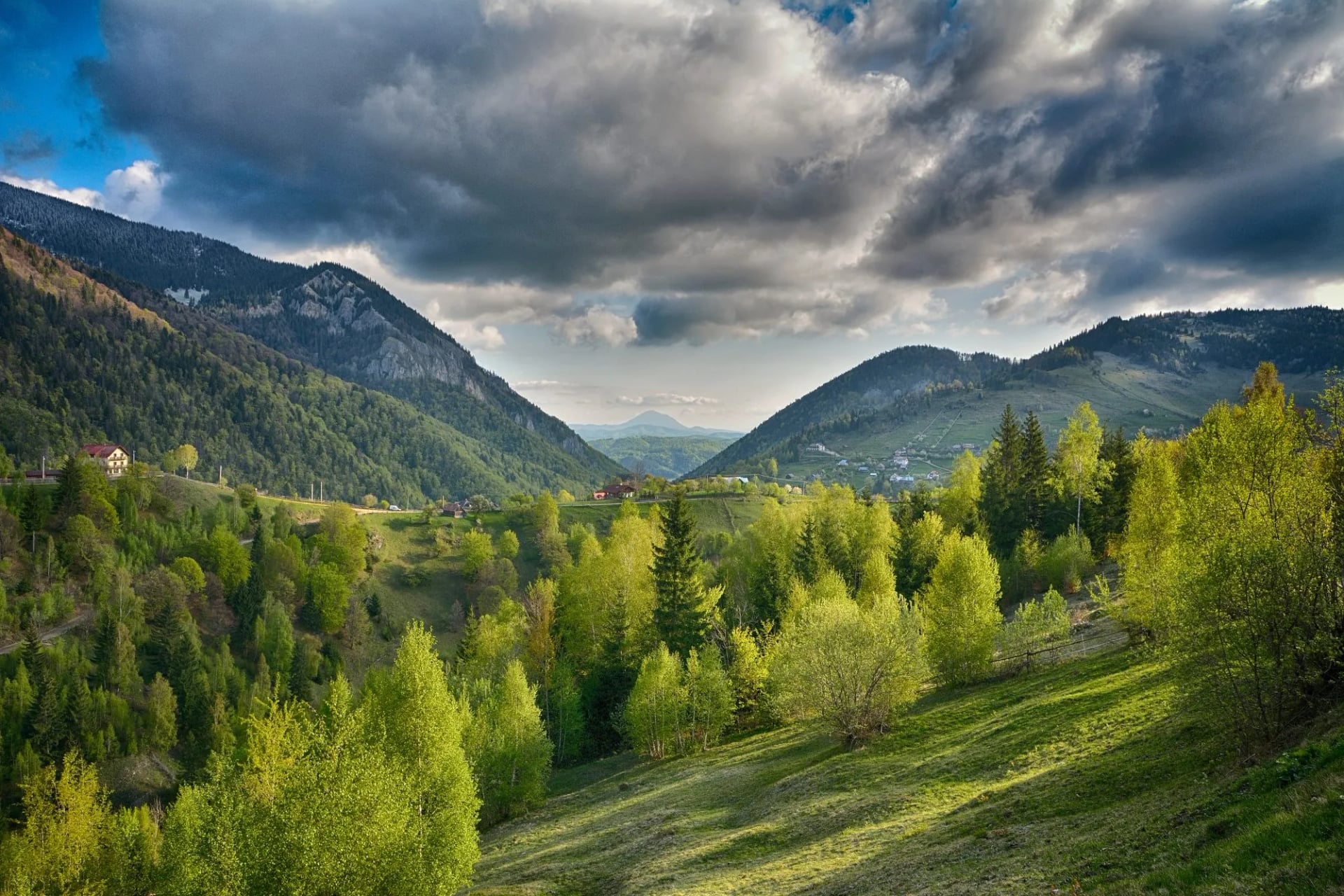
The overview:
Where: central Romania, with Brașov (population 250,000) as the main hiking base.
What: three mountain ranges plus the Saxon village and castle layer around them. Piatra Craiului is the signature hiking.
Difficulty: 2/5 fitness for valley walks and Bran Castle circuits, up to 4/5 for the Piatra Craiului ridge traverse. Technical demand ranges 2/5 to 4/5.
When: May through October, with June to September the reliable window for the ridges.
Where Is Transylvania?
Transylvania sits in central Romania — bordered by the Carpathian arc on the south and east, the Apuseni Mountains on the west, and the Hungarian border to the north. It's a historical region rather than an administrative one; the name covers a rough triangle of about seven million people that includes the cities of Cluj-Napoca, Sibiu, Sighișoara, and Brașov.
For hiking purposes, most walking happens in a compact area around Brașov, in the far south-east of the region. Three ranges converge there: Piatra Craiului (a narrow limestone ridge), the northern edge of the Bucegi Mountains (a broad grass plateau), and the eastern foot of the Făgăraș — Romania's highest range. The Saxon village belt runs west from Brașov through the fortified-church country toward Sibiu, and this is where the Via Transilvanica walking trail also passes.
If you're weighing this against the country's other hiking regions, our full Romania hiking guide covers all four main ranges — Piatra Craiului, Bucegi, Retezat, and the Via Transilvanica — with the practical notes on bears, dogs, and the alpine season that apply across the country.
Regional Highlights and Landmarks
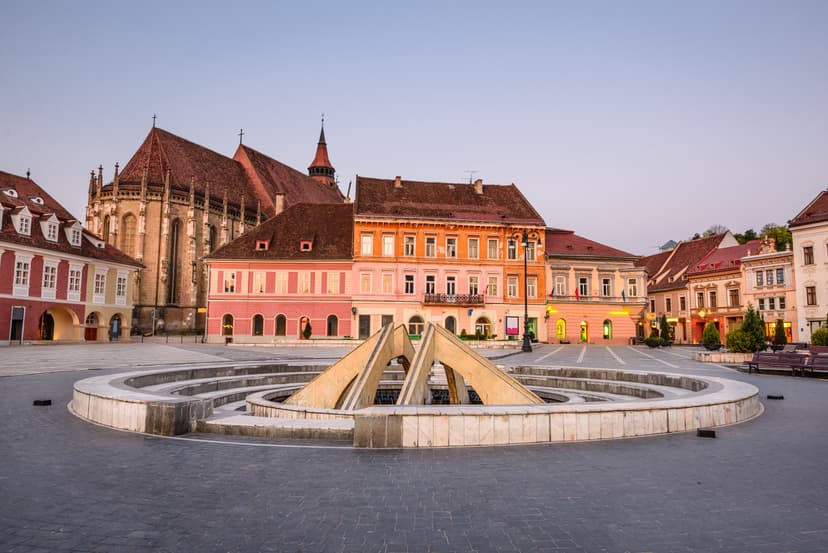
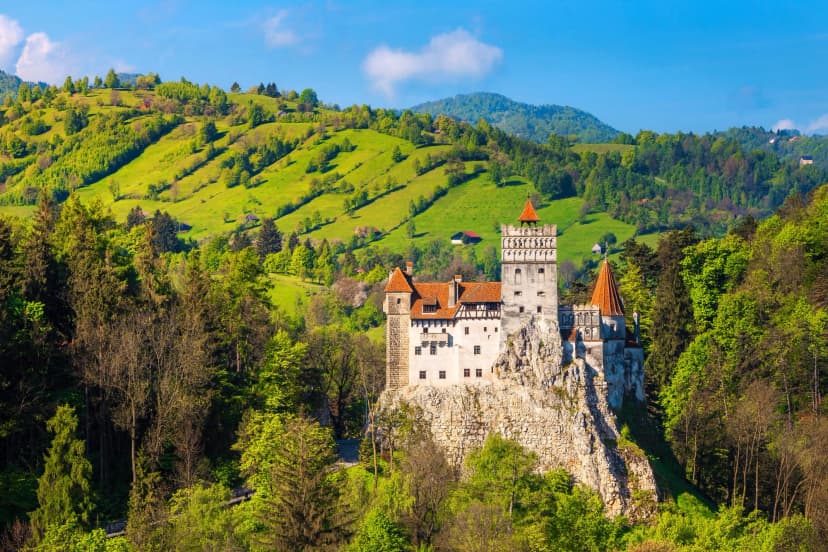
Most Transylvanian hiking weeks are built around Brașov — an hour by taxi from Piatra Craiului, thirty minutes from Bran Castle, and a straight two-and-a-half-hour train ride from Bucharest. It's the natural base for a first Transylvania trip, and the four places worth knowing before you book a week are all within its immediate orbit.
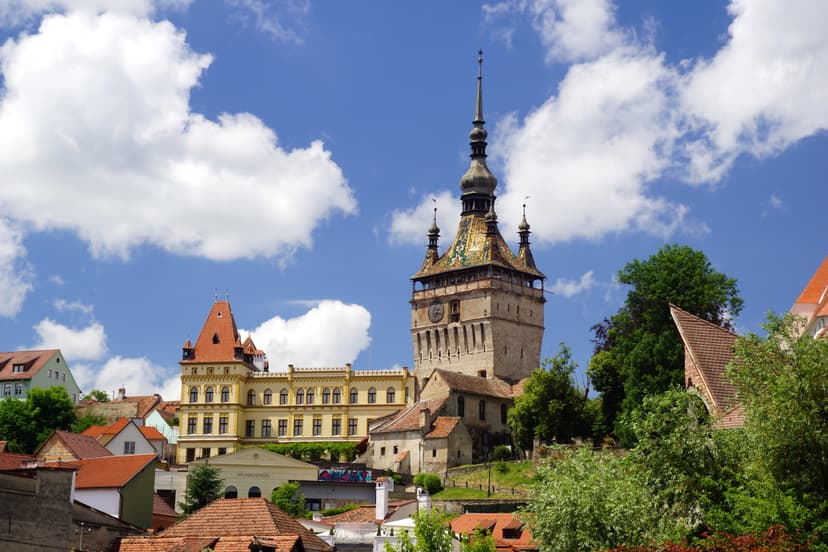
The Saxon-fortified church country runs west from Brașov toward Sighișoara and Sibiu — the villages that most walkers visit are on the Via Transilvanica walking trail, and our Via Transilvanica guide covers them individually.
Best Hikes in Transylvania
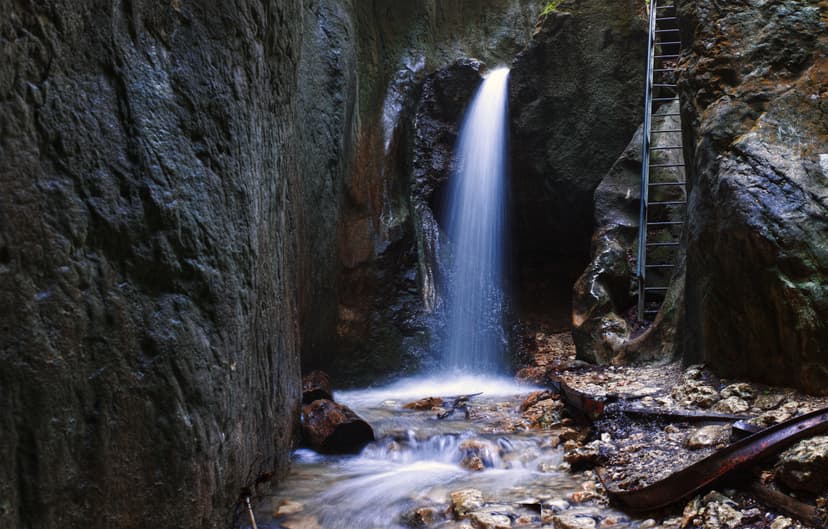
Nearly every walk worth planning a trip around starts within an hour of Brașov, which is why one base covers a whole week here. The six below run from a half-day of ladders in a gorge to a two-day traverse of an exposed limestone crest, and each card opens with its length, climb, time and difficulty so you can see at a glance what it asks of you.
For other Romanian hikes, check our ultimate guide to hiking there.
Piatra Craiului: The Signature Ridge
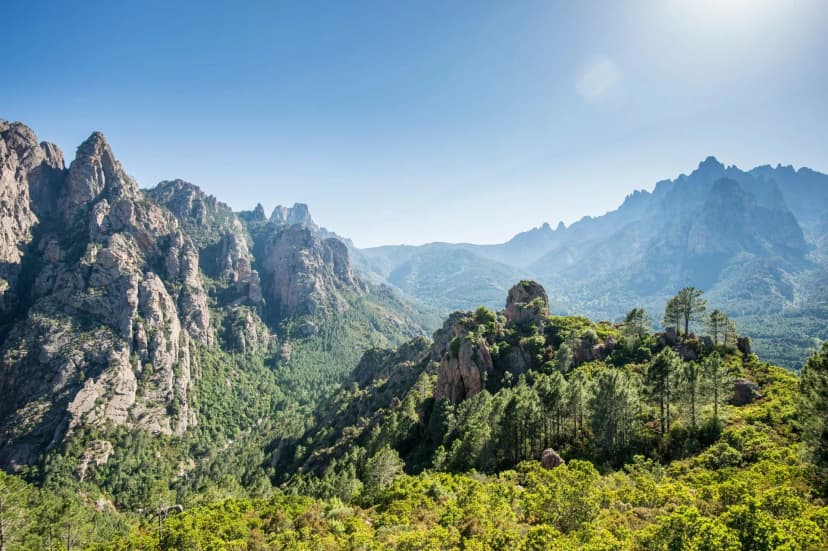
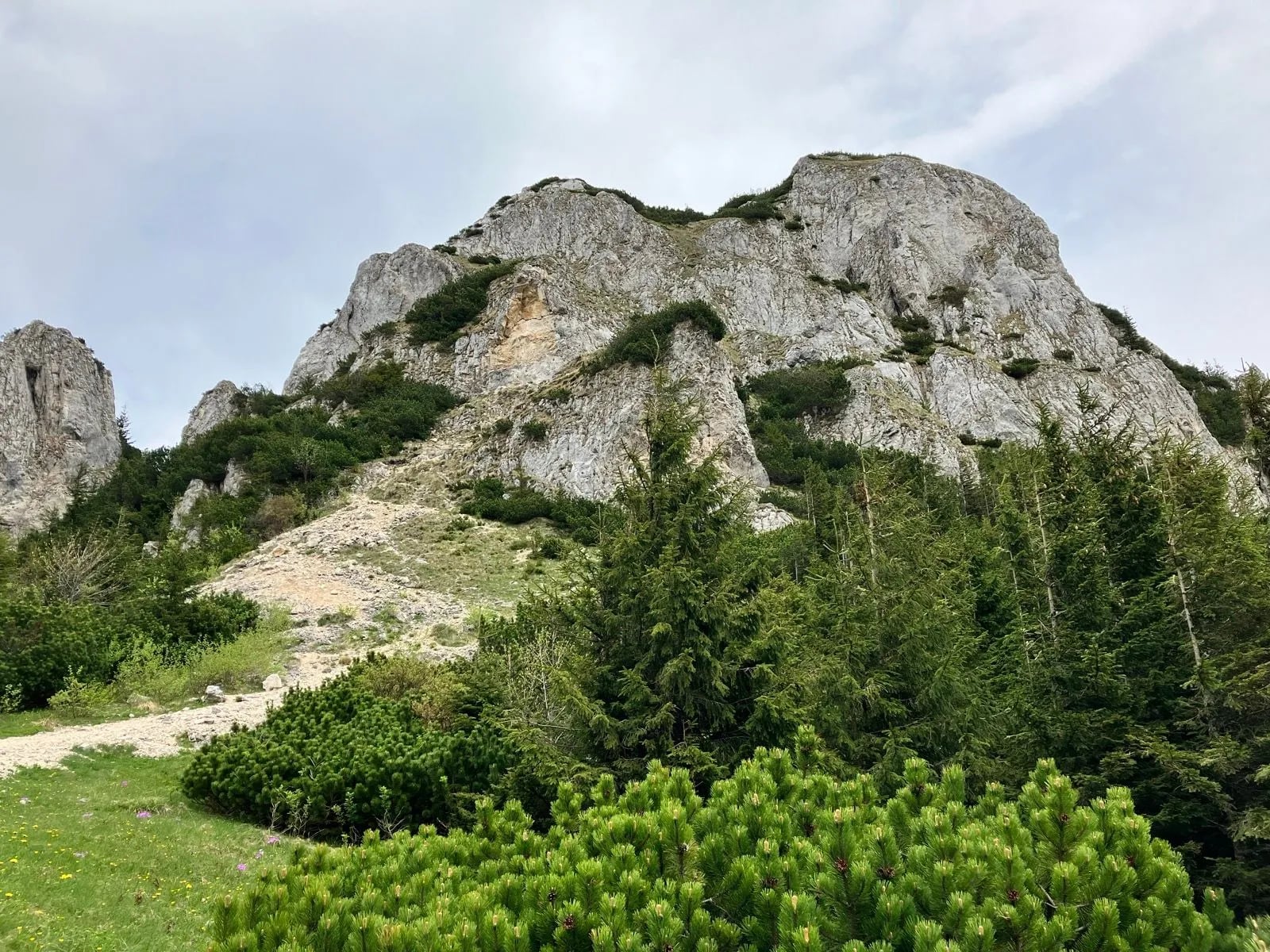
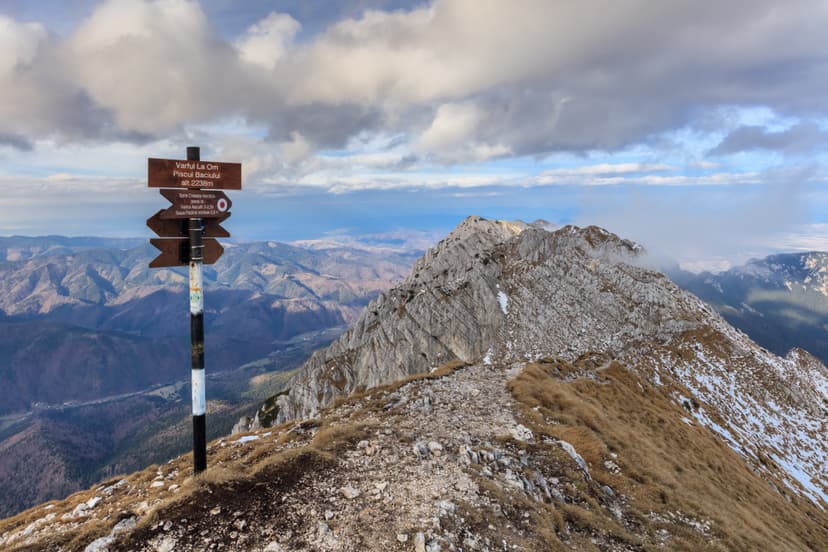
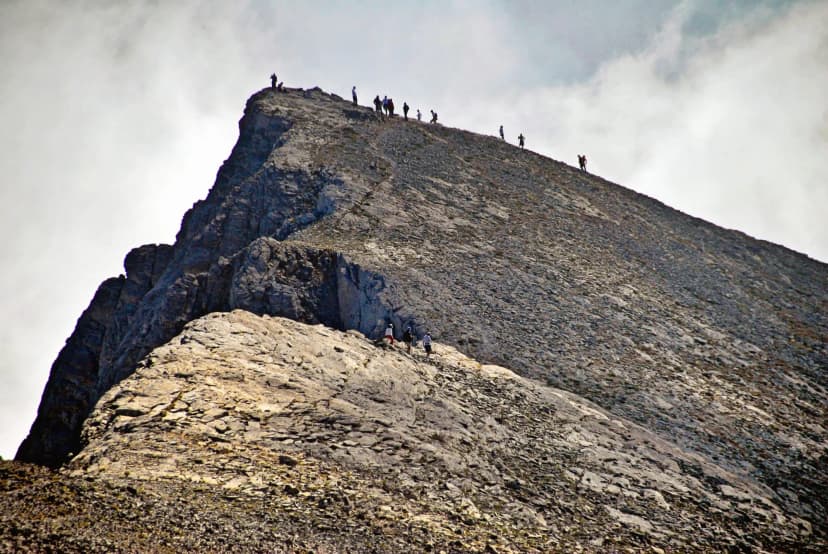
Piatra Craiului — literally “the king's rock” — is a 25 km limestone ridge running north-to-south along the boundary between Transylvania and Wallachia. The ridge is essentially a single wall of white rock, sheer on both sides, rising to Vârful La Om at 2,238 metres. The whole range is protected as Piatra Craiului National Park, and it holds one of the endemic species most Romanian hikers can name on sight — the garofița Pietrei Craiului, a small pink dianthus that grows nowhere else.
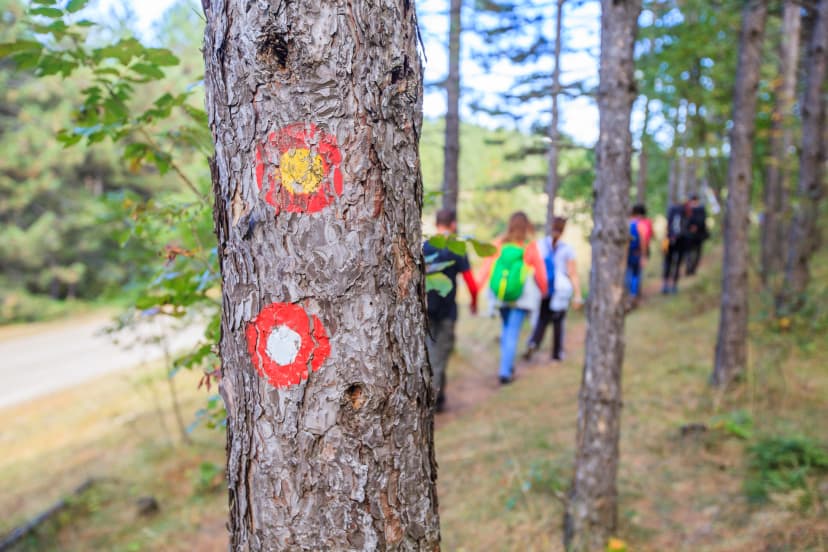
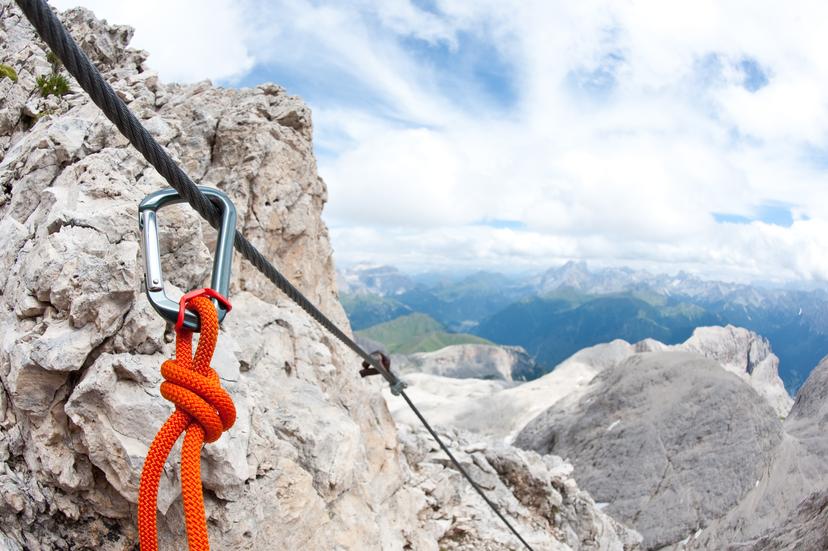
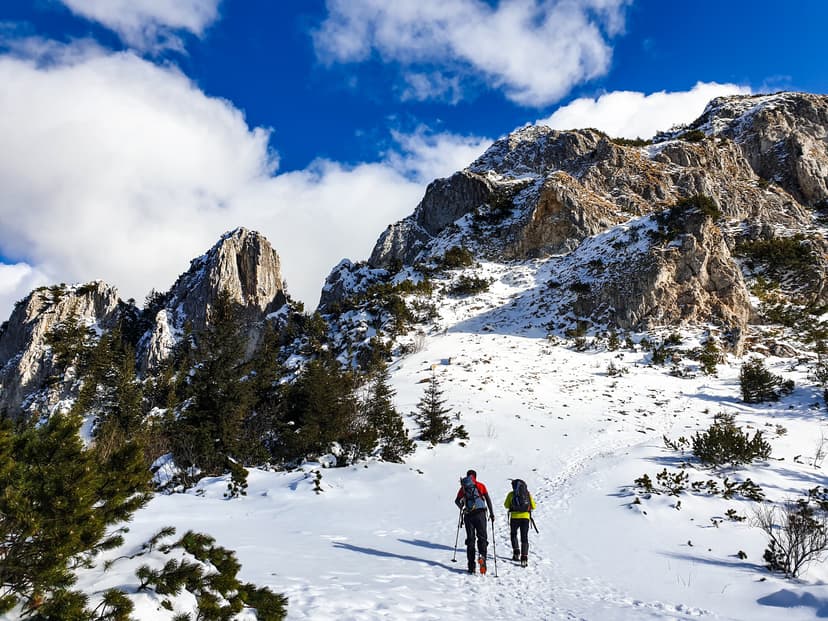
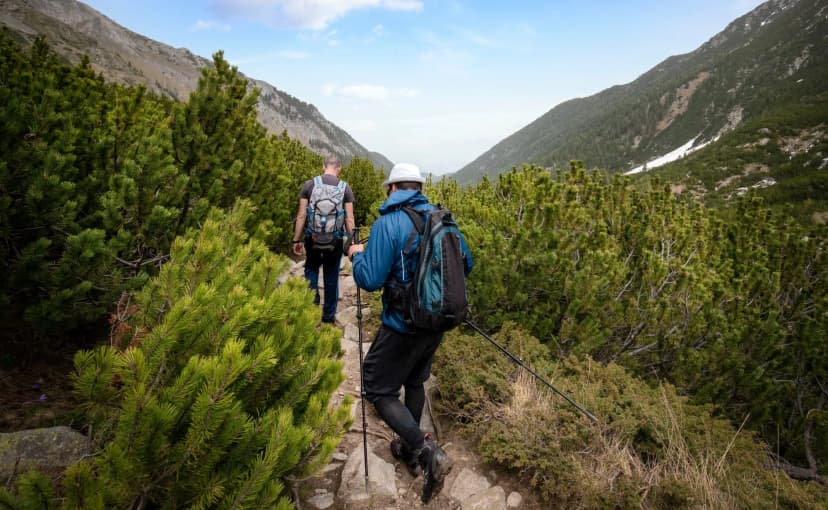
The classic route is a two-day traverse of the ridge from north to south, starting at Refugiul Grind on the ridge's northern crest and finishing at Cabana Curmătura or the Zărnești valley below. It's proper alpine walking, with several exposed passages that involve basic scrambling and fixed cables. Waymarking is good, but weather on the ridge turns fast — many walkers plan a rest day into their itinerary in case the summit stretches are closed by cloud.
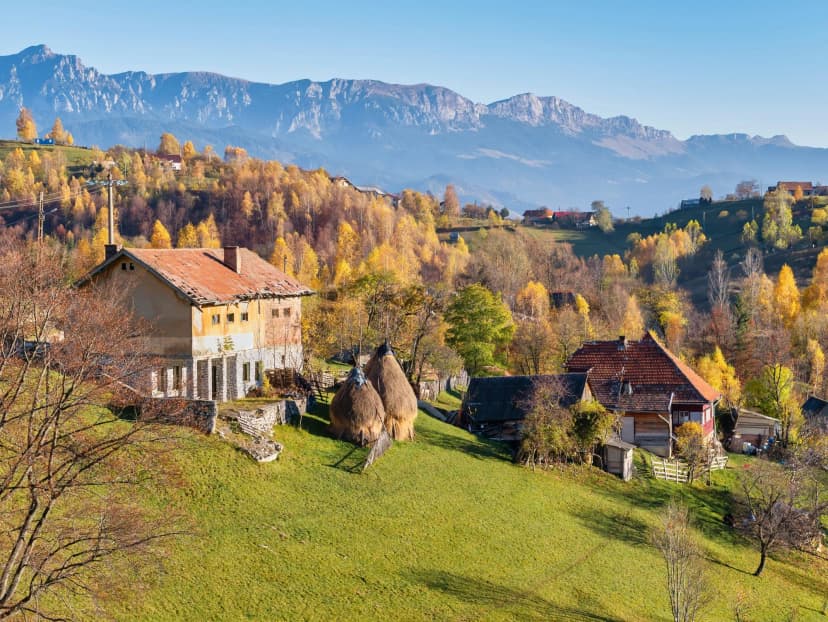
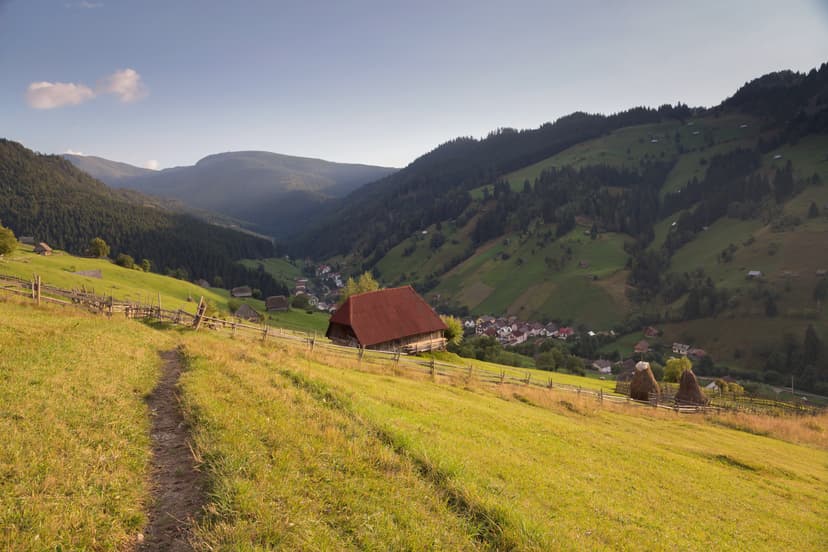
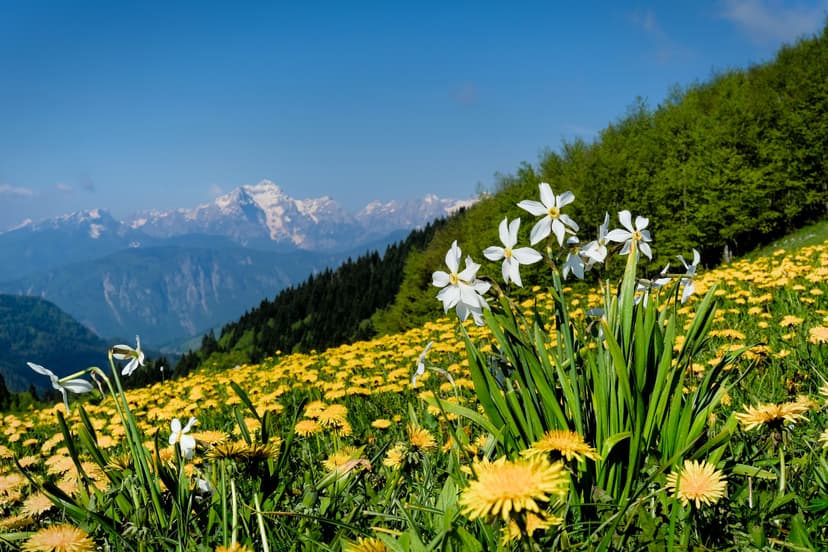
For walkers who don't want to commit to the full ridge, the range is best experienced from Magura or Peștera — traditional pastured villages inside the park, from which day hikes work upward to viewpoints and forest trails without asking for the technical grade the ridge itself demands. The evening light on the limestone from Magura, seen across the valley from the guesthouses on the pastured slope, is the image most visitors take home.
When to Go
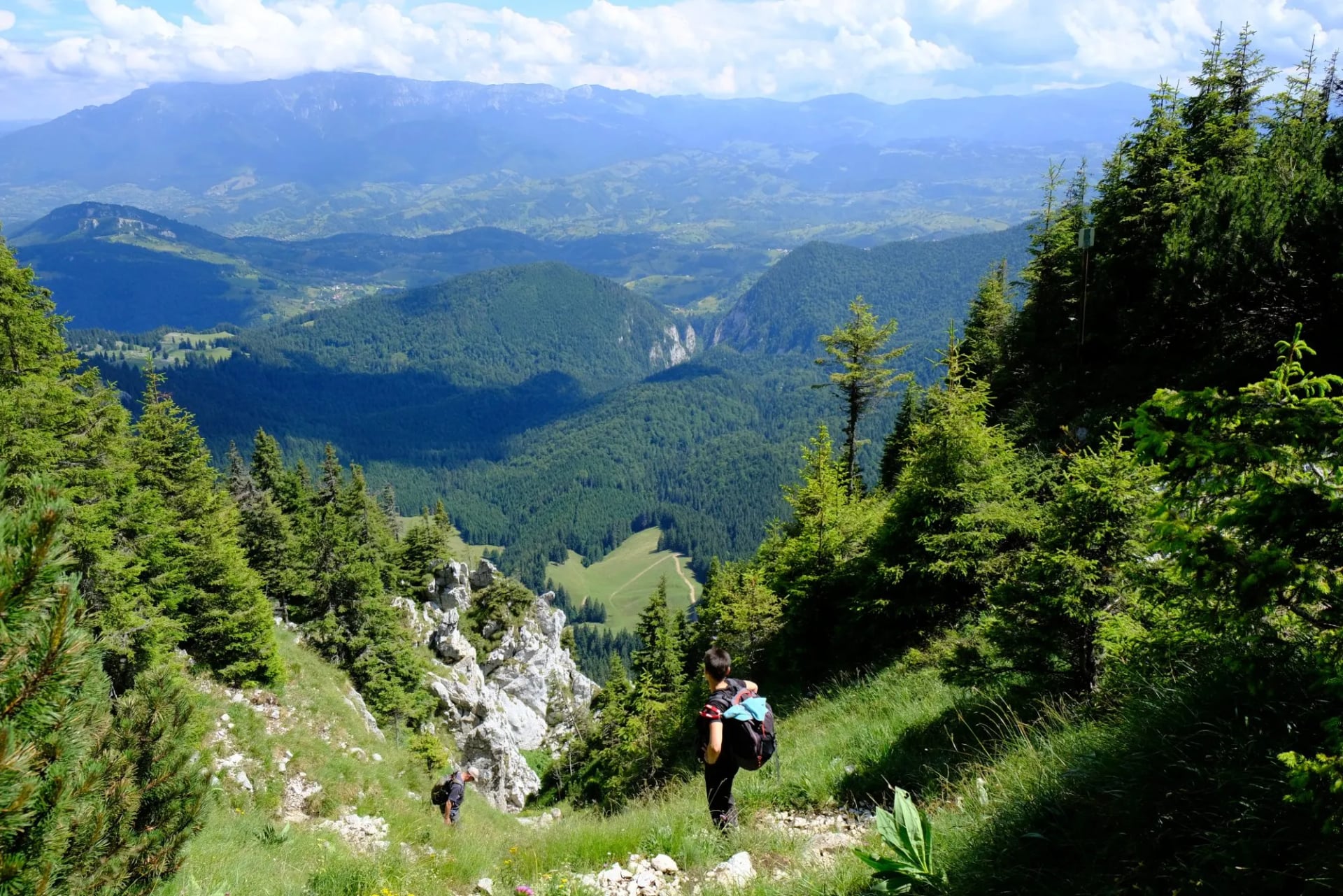
The Transylvanian hiking season sits inside a narrow window because the higher ranges hold snow well into June and lose it again by mid-October. Below the ridges, the villages and castle circuits are walkable a month or two longer on either side.
May
Villages, castle circuits, and lower forest trails are open. Piatra Craiului still carries snow at ridge height. Bran Castle at its quietest.
June
Snow lingers on Piatra Craiului until mid-month. From the last week of the month on, the full ridge traverse is usually clear — book accommodation early.
July–August
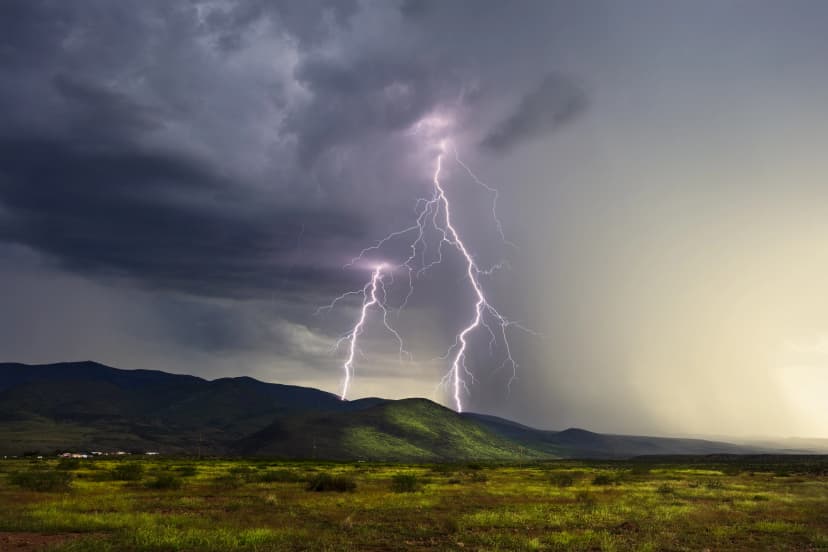
The reliable window for the ridge. Afternoon thunderstorms are the main hazard — plan mornings on exposed sections. Brașov's old town is busy but manageable.
September
The best all-round month. Trails are quieter, temperatures ease, and the light through the beech forests is at its best.
October
Villages and castle circuits are still walkable. The ridge is unpredictable — first snow can arrive by mid-month.
November–April
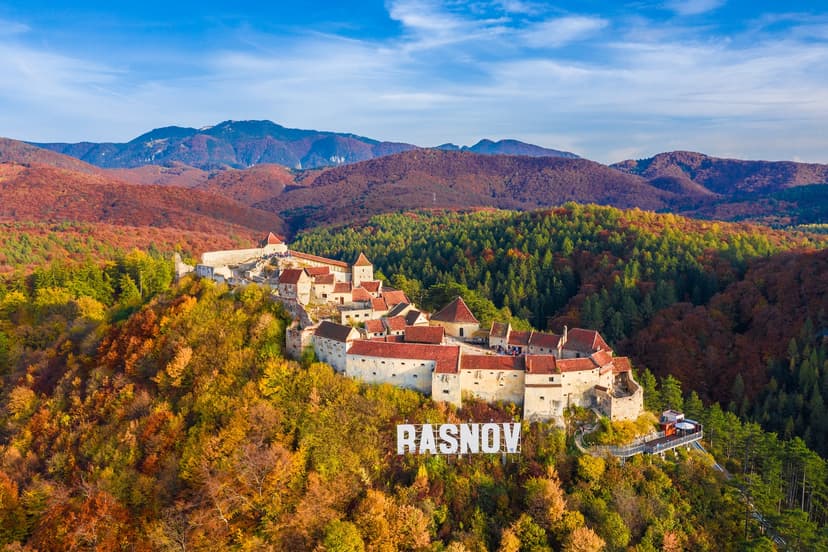
Off-season for the ridges. Bran, Râșnov, and Brașov stay open year-round for cultural visits.
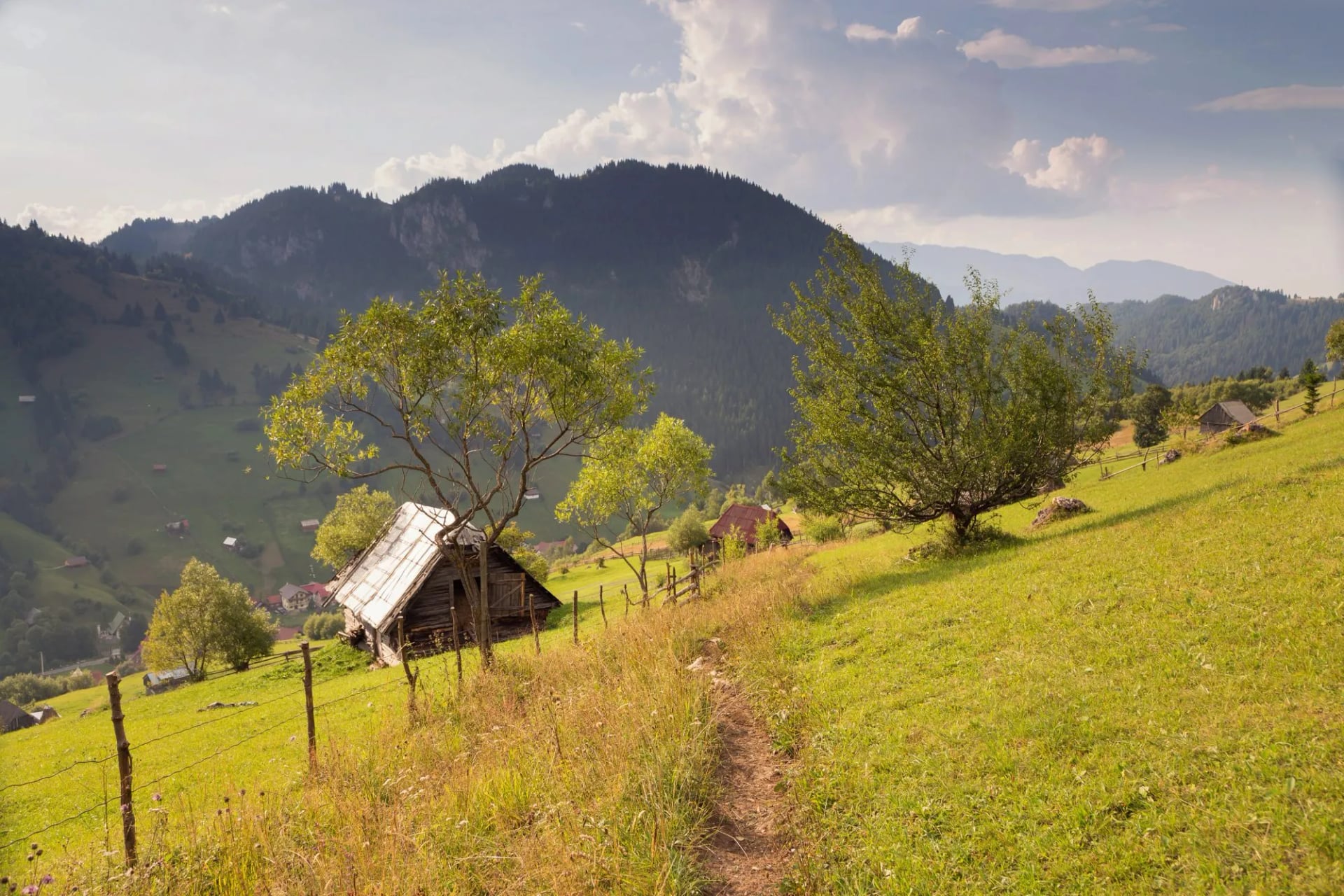
For real-time forecasts, the Romanian National Meteorological Administration (ANM).
Ready for Your Transilvanian Holiday?
For most first-time visitors, the choice is not which range to walk but how technical a week to plan. If you're a confident walker looking for the classic Transylvanian week, our Transylvania Secrets Hike is built around Brașov, Piatra Craiului, Magura, and Bran Castle — seven days combining ridge walking, village overnights, and the castle circuit. I
t's rated 4/5 for both technical demand and fitness, which is honest about what the Piatra Craiului ridge actually asks of you.
The tour is self-guided — accommodation in Brașov and Magura, transfers to trailheads and to Bran Castle, a digital guidebook with GPS files for the ridge routes, and phone or WhatsApp support are all handled for you.
Have more questions about whether the ridge grade suits your walking history? Get in touch with our team — we'll help match a Transylvania week to your fitness and how technical you want the walking to feel.

About this author
Ajda is our travel advisor, raised in a village surrounded by mountain peaks. Hiking entered her life early on and remains her favorite way to reconnect with nature.



.jpg&w=828&q=75)