Ultimate Guide to Hiking in Madeira
A full walking guide to Portugal's Atlantic mountain island — the signature routes, the SIMplifica trail reservation system, and when to walk it.

Ajda
Published August 28, 2026
Edited August 28, 2026
10 min read
Don't want to read all this?
We've planned 2,000+ hiking trips. Send your dates, fitness and group size — we'll map the route and book every night.



Madeira looks small on a map — 57 km long and 22 km wide — until you try to walk across it. The Portuguese archipelago sits 1,000 km south-west of Lisbon and closer to Morocco than to Europe. Pico Ruivo rises to 1,861 metres and folds into ridges, ravines, and cloud forest in every direction from the summit.
The trail network is dense and well-marked — a mix of hand-cut levada irrigation paths and older vereda mountain routes, all under a mandatory reservation system. The best hiking runs from October through May, with April and October the sweet spots; summer brings cloud on the peaks and heat at sea level.
In short:
Where: A Portuguese Atlantic island, 1,000 km south-west of Lisbon, closer to Morocco than to Europe.
What: Mountain ridges above 1,800 m, sea-cliff peninsulas, UNESCO laurel forest, and 2,000 km of hand-cut levada channels.
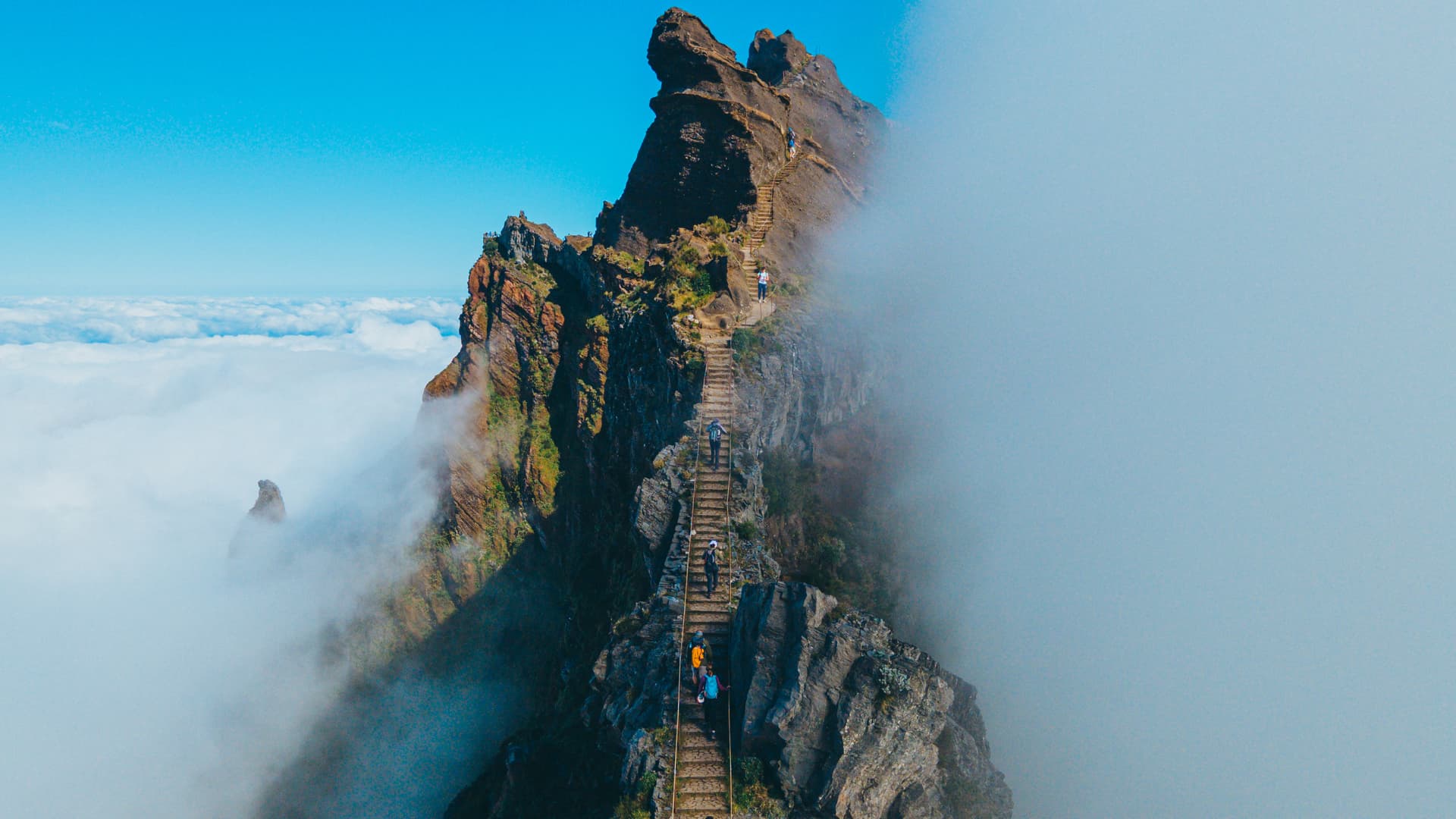
Difficulty: Everything from flat levada walks to the exposed PR1 traverse and the 1,861 m summit of Pico Ruivo.
When: October through May is the walking season; April and October are the sweet spots.
The Best Hikes in Madeira
Every Madeira walking week comes down to which of these routes you weave into it. The five below are the classic anchor hikes — two mountain, one forest, one coastal, and the two levadas most walkers still want to see:
What Kind of Hiking Country is Madeira?
Madeira is not casual. Even the shorter classified trails have steep drop-offs, uneven volcanic rock underfoot, and weather that can change from clear ridgeline to nil-visibility cloud in fifteen minutes. Trekking poles and proper hiking boots earn their weight here in a way they don't on the Amalfi Coast or in Cinque Terre.
The trade-off is density. In one walking week you can cross an 1,800 m ridge, walk a bare-rock coastal peninsula, wander a laurel forest older than the Norman conquest, and cover half a dozen levadas — without any of it being more than an hour's drive from your base. No hiking destination in Europe packs more variety into less kilometre.
The best Madeira weeks combine categories deliberately: one hard peak day, one coastal, one forest, one levada, and rest days for the town of Funchal and the poncha bars in Câmara de Lobos. The signature routes below are the anchor points around which a week is built.
Four Kinds of Hiking
Madeira's trails fall into four categories, and picking a walking week means knowing which category each day belongs to.
Peaks & Ridges
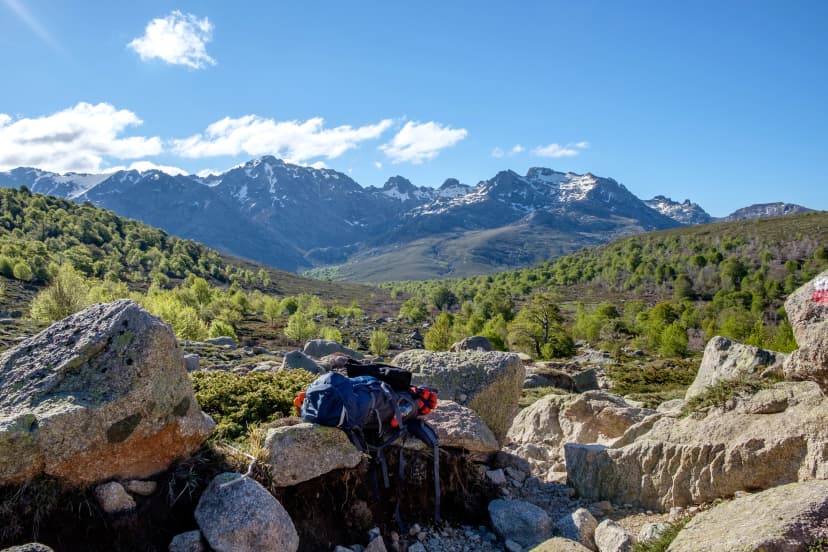
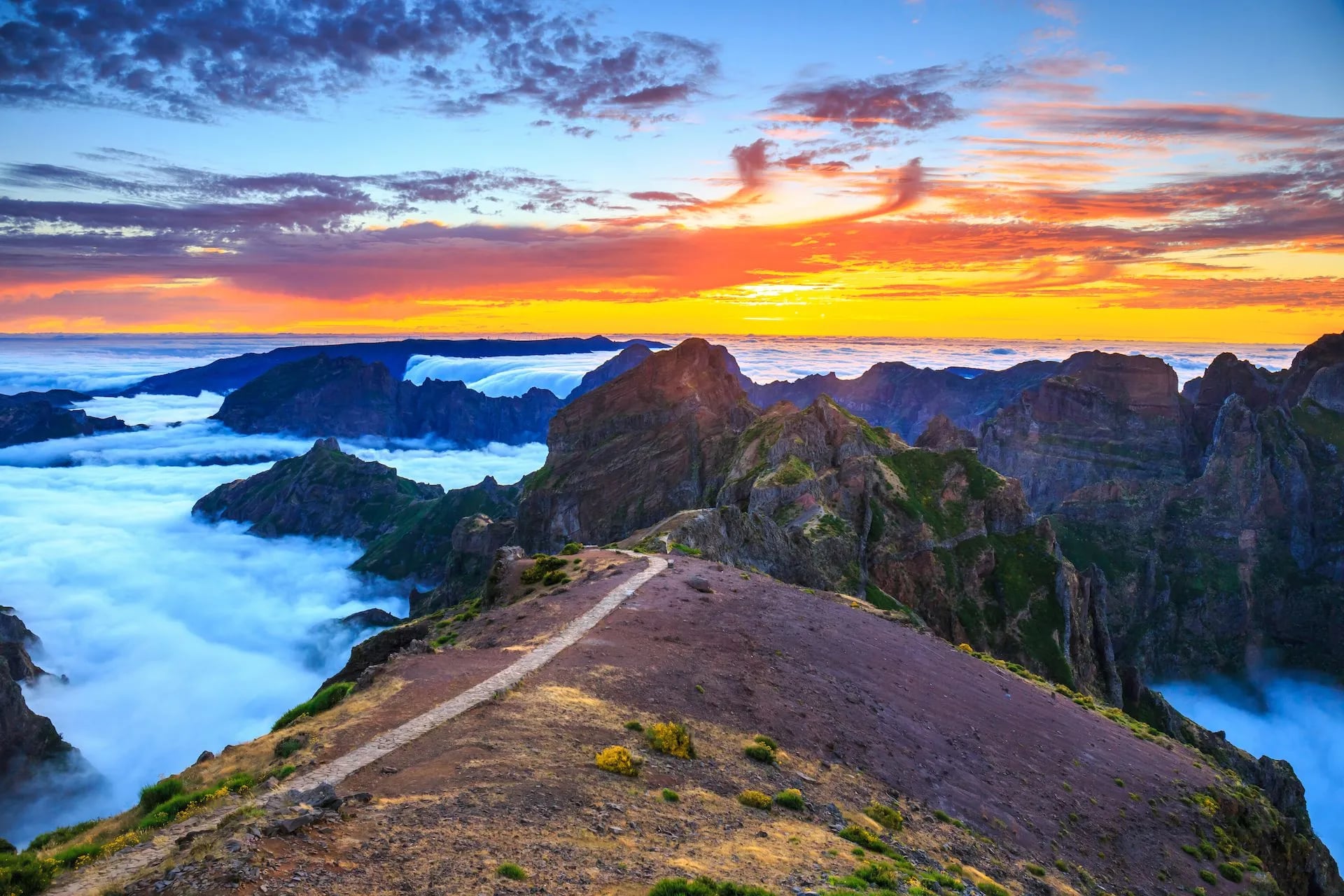
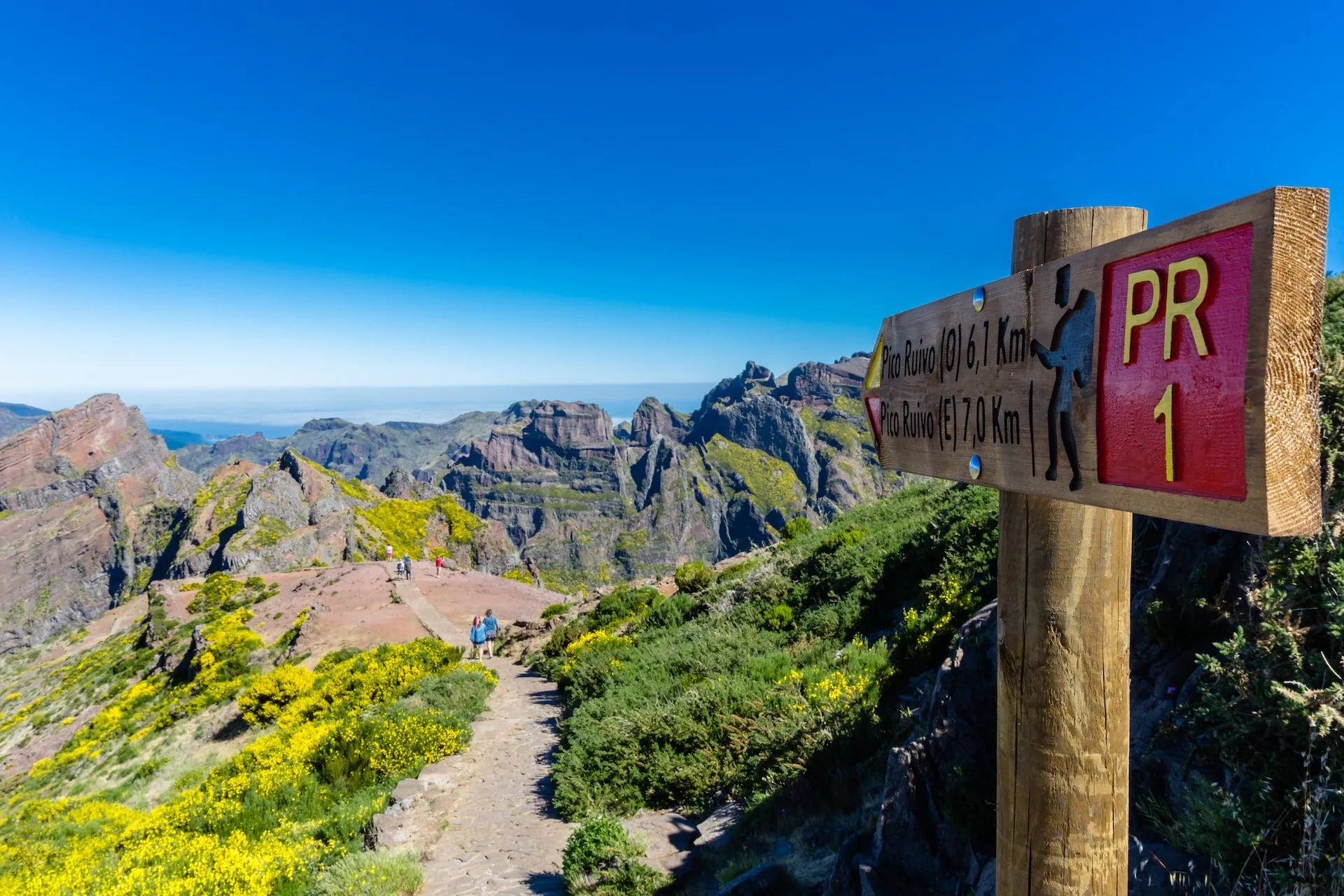
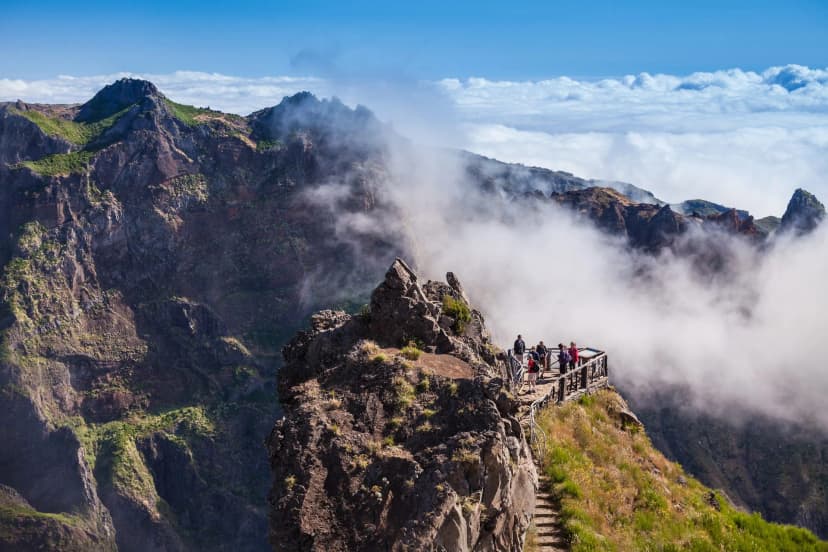
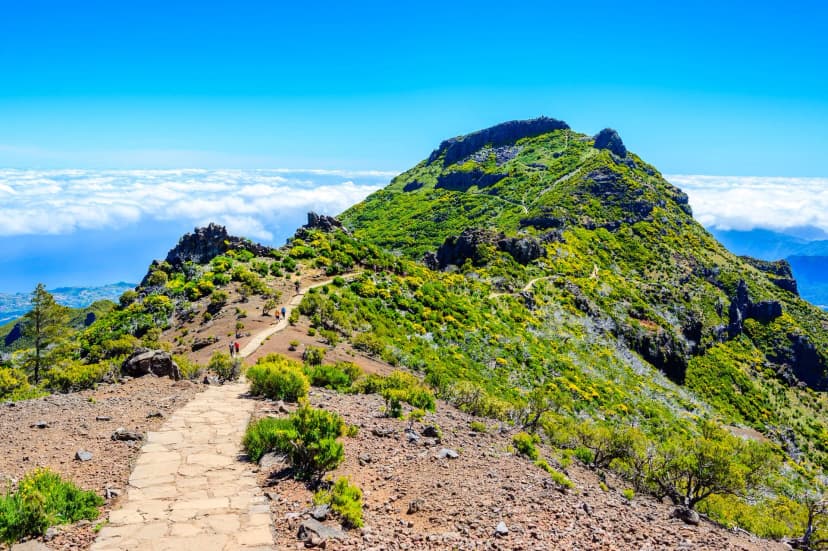
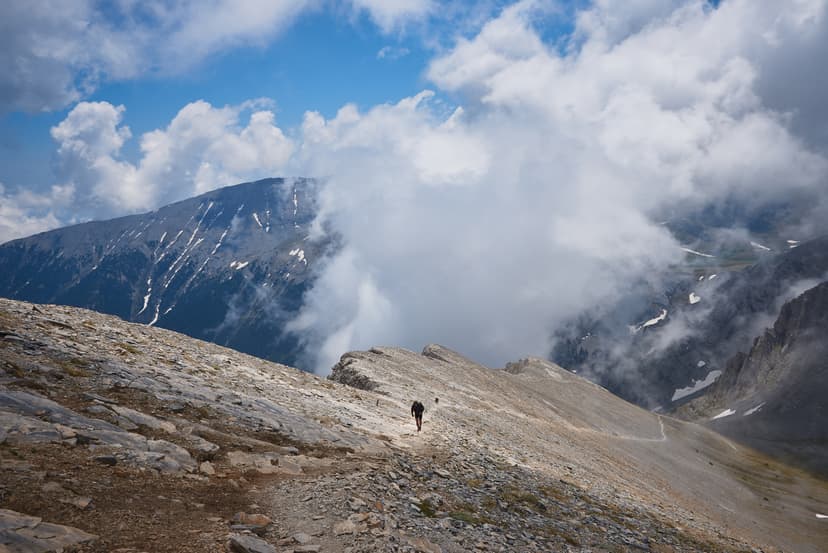
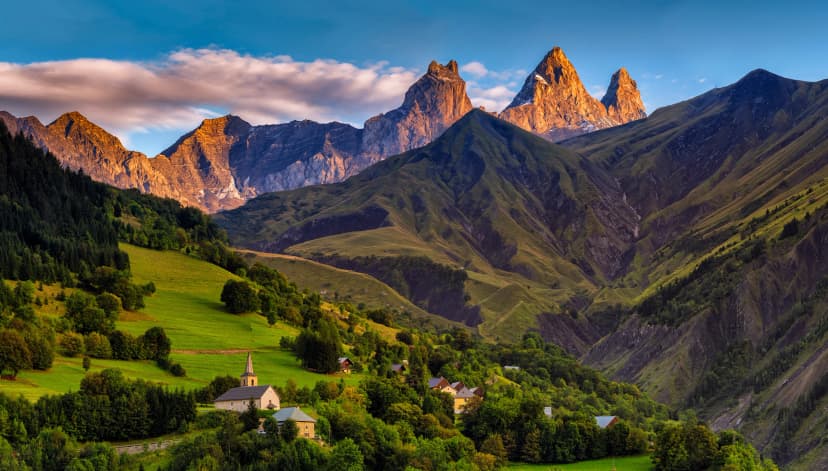
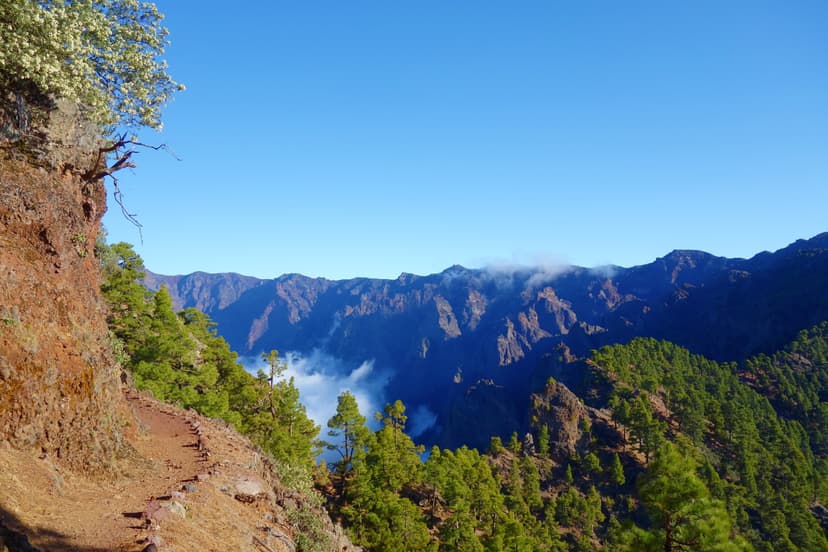
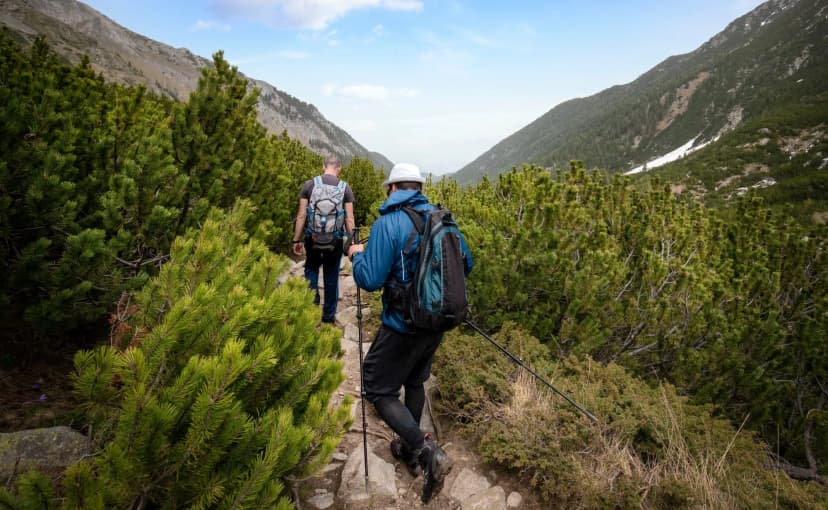
The famed high mountain trails on Madeira's central spine. Pico do Arieiro, Pico das Torres, Pico Ruivo, and the ridges between them. Altitudes 1,500–1,861 m, real exposure on the classic PR1 traverse, and views that depend entirely on whether the cloud has lifted.
Coastal Peninsulas
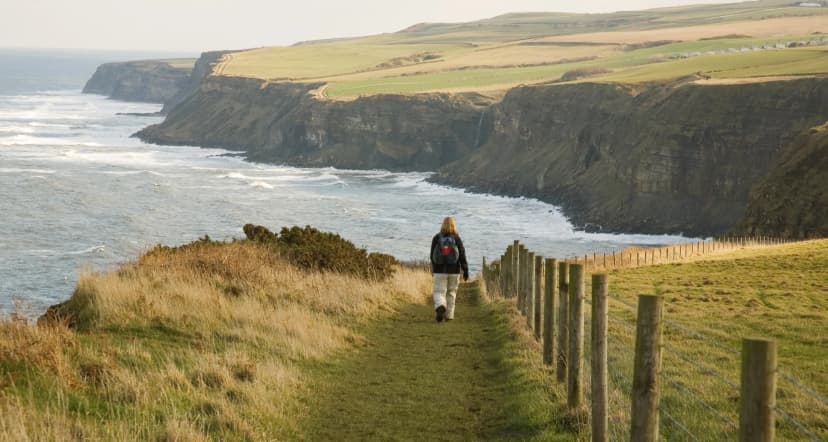
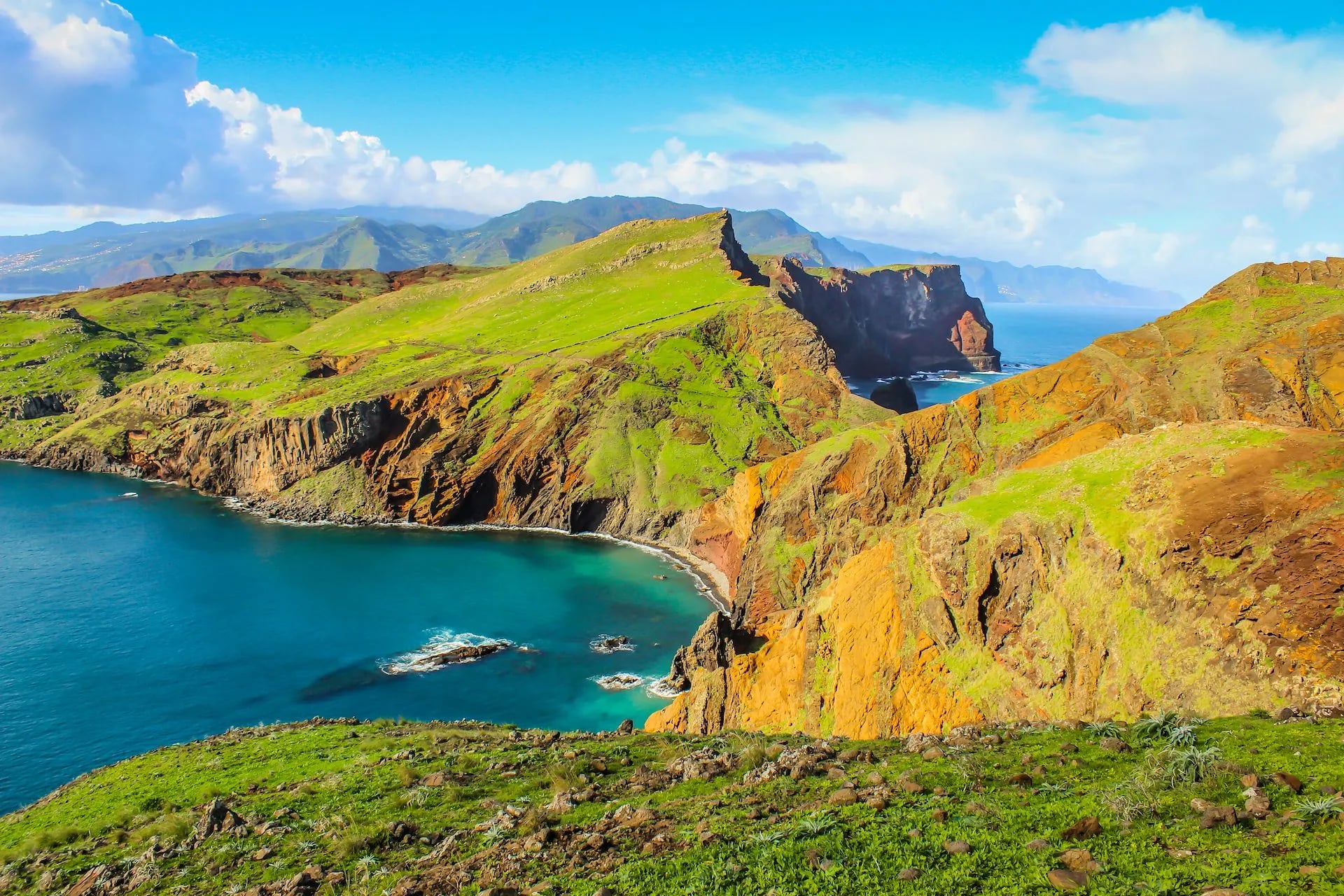
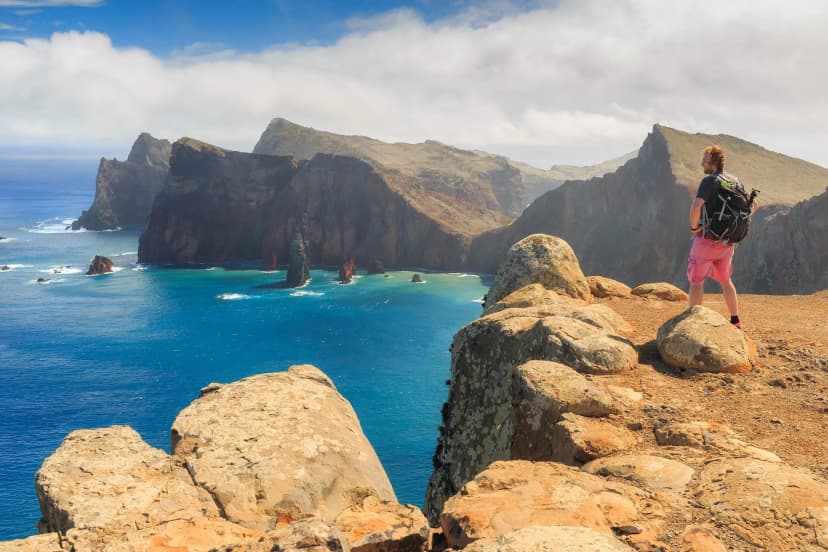
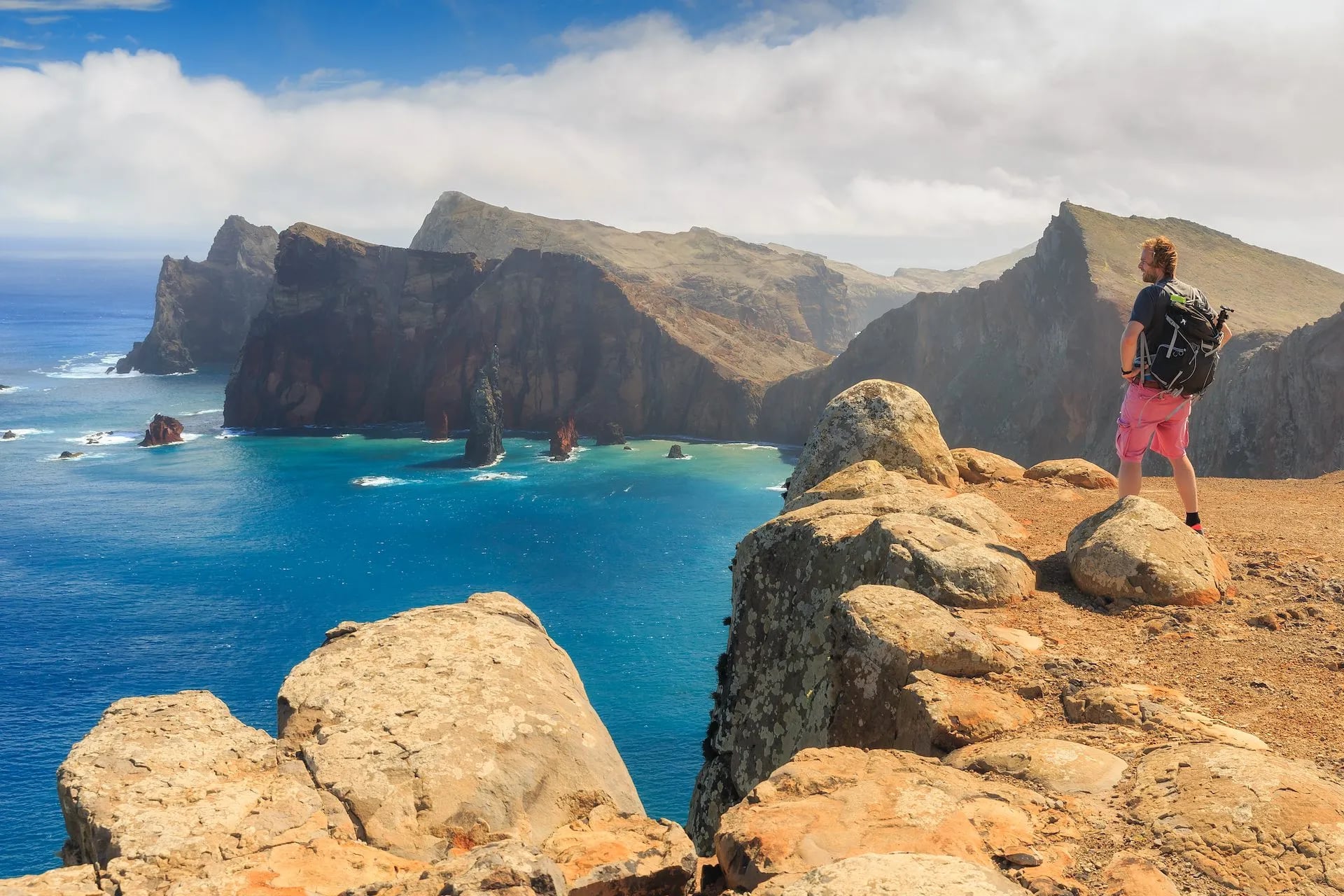
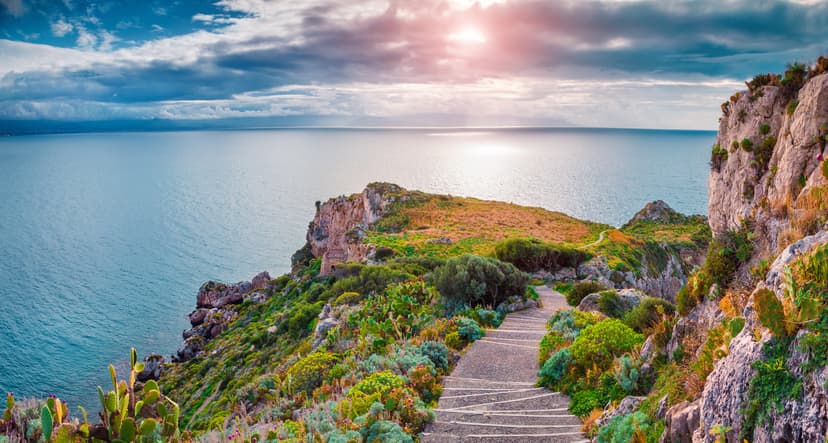
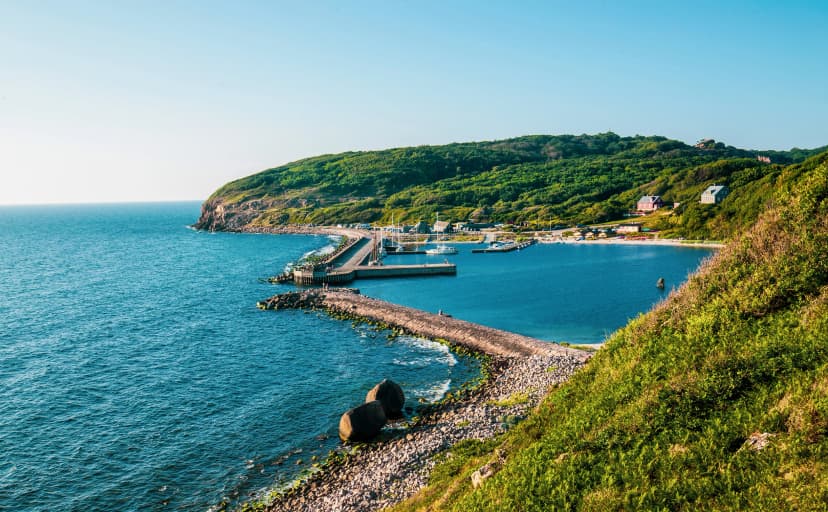
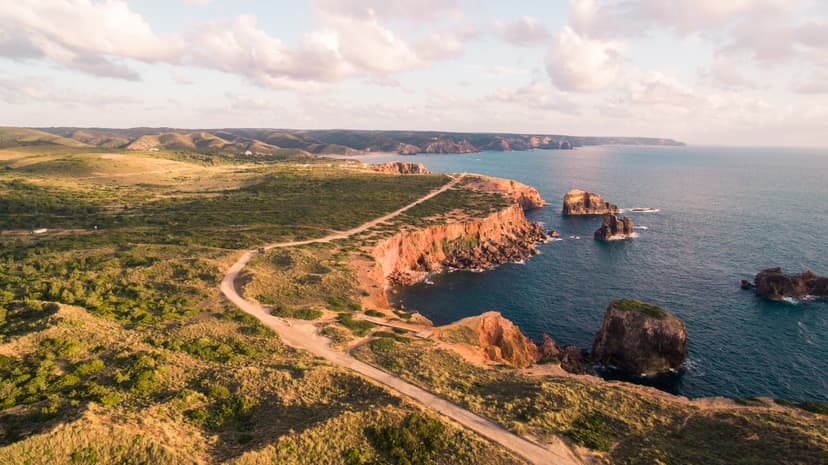
Sea-cliff walks on the volcanic peripheries like Ponta de São Lourenço in the east, the Paúl do Mar cliffs in the south-west, and the shorter veredas around Porto Moniz. Sea-level to about 350 m, mostly bare rock, no shade, and a totally different feel from the interior.
Laurel Forests
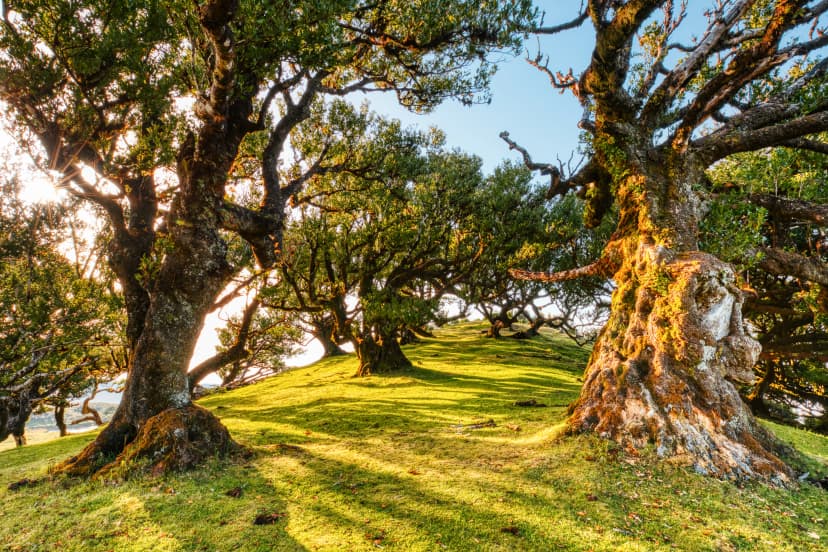
Short walks through the Laurisilva, Madeira's ancient laurel forest, protected as UNESCO Natural Heritage. Fanal, Ribeiro Frio, and Queimadas are the main entry points. Cool, misty, moss-heavy woodland with trees older than most of Europe's cathedrals.
Levadas
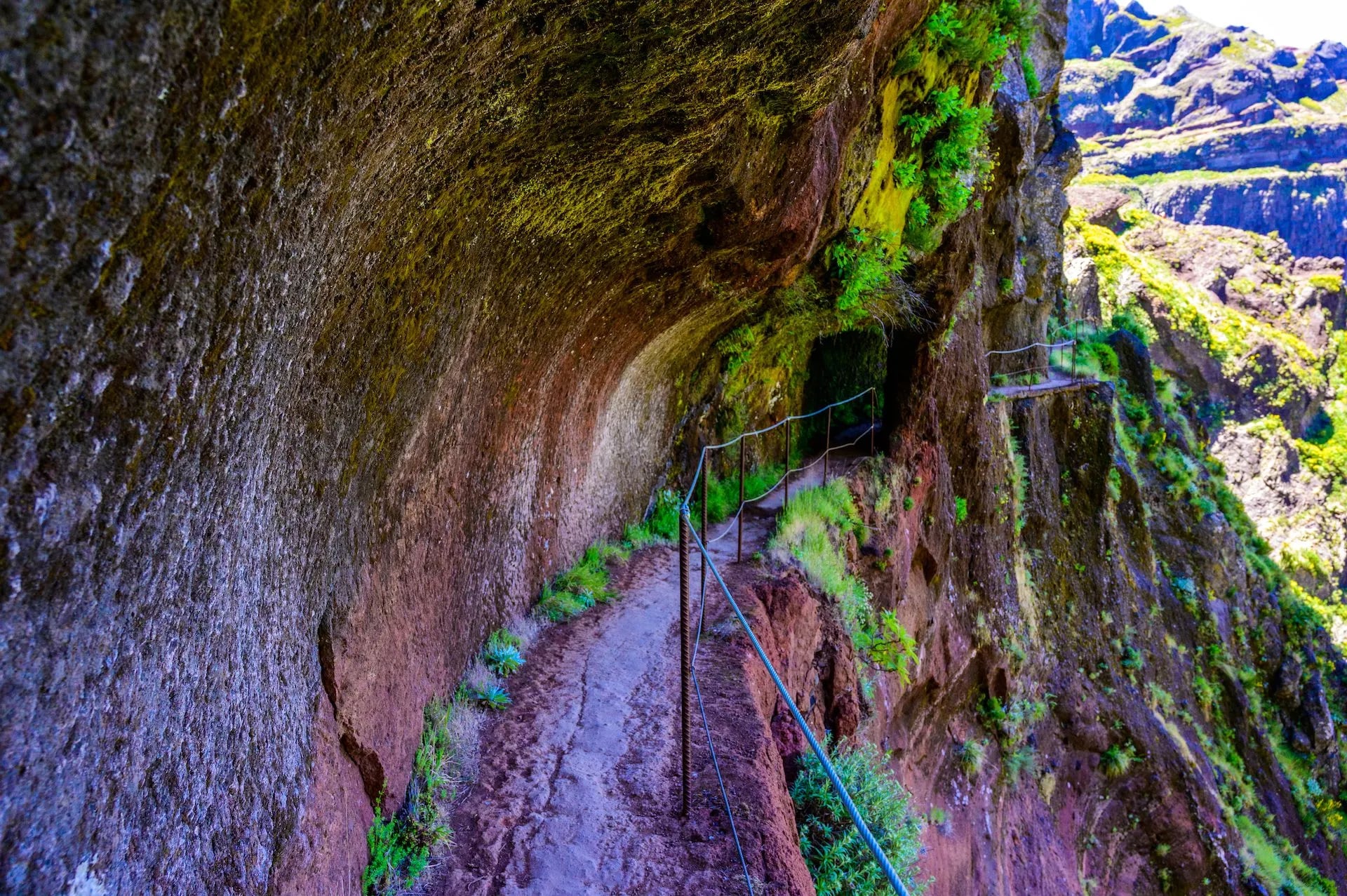
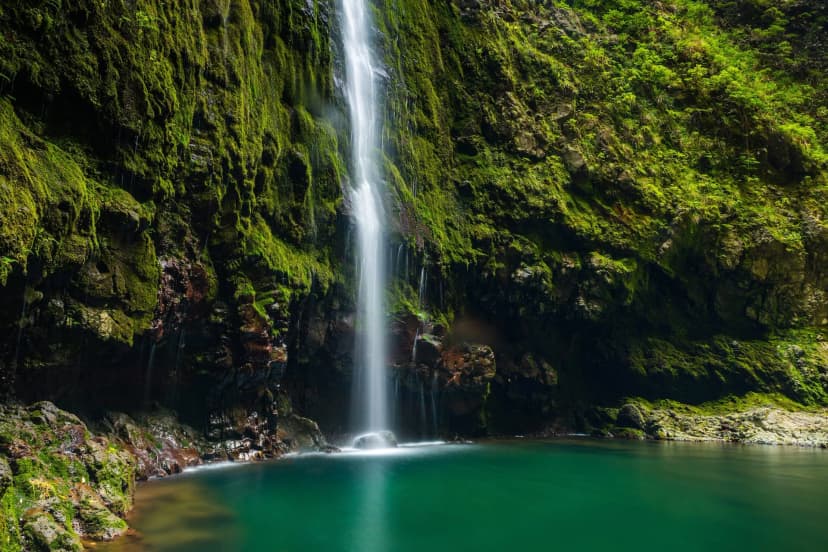
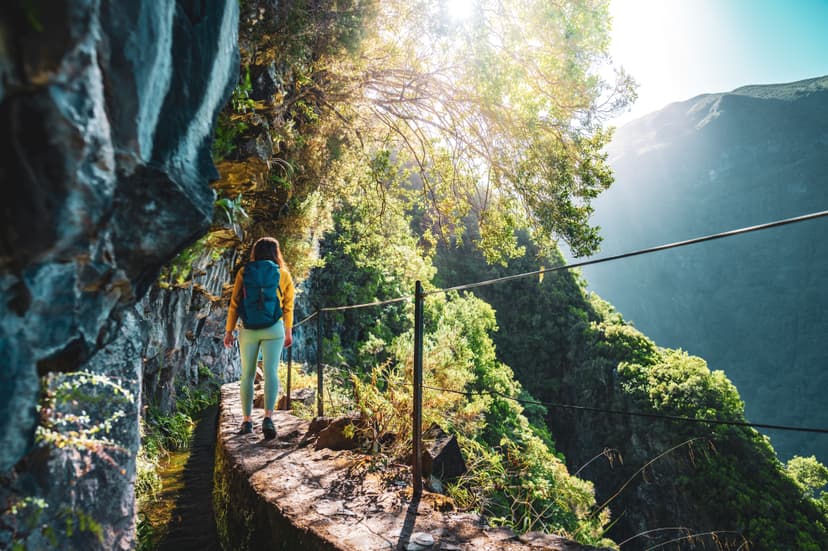
The 2,000 km network of hand-cut irrigation channels. Flat, waterside walking with occasional tunnel sections. The classic Madeira image and the biggest single category by trail count, but only one of the four kinds of walking on the island.
For a first-time visitor who wants a taster across different hikes without assembling the reservations, transfers, and daily driving themselves, our Highlights tour packages the four classic PRs into a single week.
For walkers who want to spend a longer time on the eastern half of the island — the Ponta de São Lourenço peninsula, the Santana laurel forests, and the Achada do Teixeira route up Pico Ruivo — the Eastern Madeira itinerary gives that side of the island a proper week.
The Trail Reservation System
Since 2024, all classified PR trails on Madeira require a paid advance reservation through SIMplifica, the Regional Government's digital services portal. The system — run by IFCN, the regional forest and nature conservation authority — replaced a chaotic free-for-all on the popular routes, and every walker (individual, group, or tour operator client) now works through the same platform. Three quick things to know before you plan:
Most classified trails charge a rather small fee (€4.50 per person for the 2026 season), booked through SIMplifica in a 30-minute entry slot. Capacity is capped, and peak-season weekend slots for popular trails (Fanal, 25 Fontes, Caldeirão Verde) can fill days ahead.
Reservations are mandatory for individuals, groups, and tour clients — the only exemption is Madeira residents, who register but pay nothing. Your confirmation email needs to be shown at the trailhead ranger post; screenshots work when there's no signal.
The exception is PR1 — the Pico do Arieiro to Pico Ruivo traverse — which reopened in 2026 after reconstruction and charges a higher fee (€10.50 per person in 2026). The premium reflects the ongoing maintenance cost of the exposed steel-and-stone infrastructure along the ridge.
Book PR1 as early as SIMplifica allows for your dates. Sunrise slots and weekends fill first, and the trail can close on short notice in bad weather without refunds — check the forecast when you book, and again the day before.
For walkers doing multiple hikes, SIMplifica sells combined 3-day and 7-day passes valid across the classified network (excluding PR1). A 3-day pass runs is worth it if you're planning three PR trails in the same week.
On booked trips, the operator handles the reservations and rolls the fee into the tour price.
When to Walk
Madeira has a longer walking season than mainland Portugal, but the peaks and the coast run different calendars. The four cards below break down what each season actually looks like on the ground:
The peak walking window. Interior temperatures run 14–20 °C during the day, wildflowers cover the coastal cliffs and the western plateau, and the winter cloud that clings to Pico do Arieiro and Pico Ruivo starts to lift.
April and May are the sweetest months — book PR1 and the popular levadas at least two weeks ahead if you're travelling in April; May weekend slots can be even tighter.
The trade-offs are real. Coastal temperatures hit 25–28 °C and levada tunnels are welcome, but the interior peaks are often locked under cloud from 10 a.m. onwards. The Atlantic nortada pushes cloud onto the north side most afternoons.
The workaround: start peak walks at sunrise, when the ridges are cloud-free. PR1 has 6 a.m. entry slots on SIMplifica for exactly this reason.
The second peak. Temperatures cool from 22 °C in September to 16 °C by mid-November, and the interior is drier than in spring — visibility on the ridges is often at its year's best.
Levada water levels are also lowest in early autumn, so tunnel-heavy routes are more comfortable to walk. October is Madeira's most reliable walking month if you can only pick one.
Workable at low elevation and along the coast. Coastal daytime temperatures stay at 17–20 °C — warmer than mainland Portugal — but the peaks get snow above 1,600 m several times a season, and PR1 closes for days at a time in weather.
Rain is more likely, especially on the north side (Santana, São Vicente). Base south (Funchal, Câmara de Lobos) for winter walking, and time PR1 for a clear forecast.
Where You'll Base
Most walking weeks base in Funchal, the capital on the south coast — best for infrastructure, restaurants, and airport transfers, and no more than an hour's drive from any of the major trailheads. Câmara de Lobos, six kilometres west, is quieter and worth considering if you want the same access without the cruise-ship traffic.
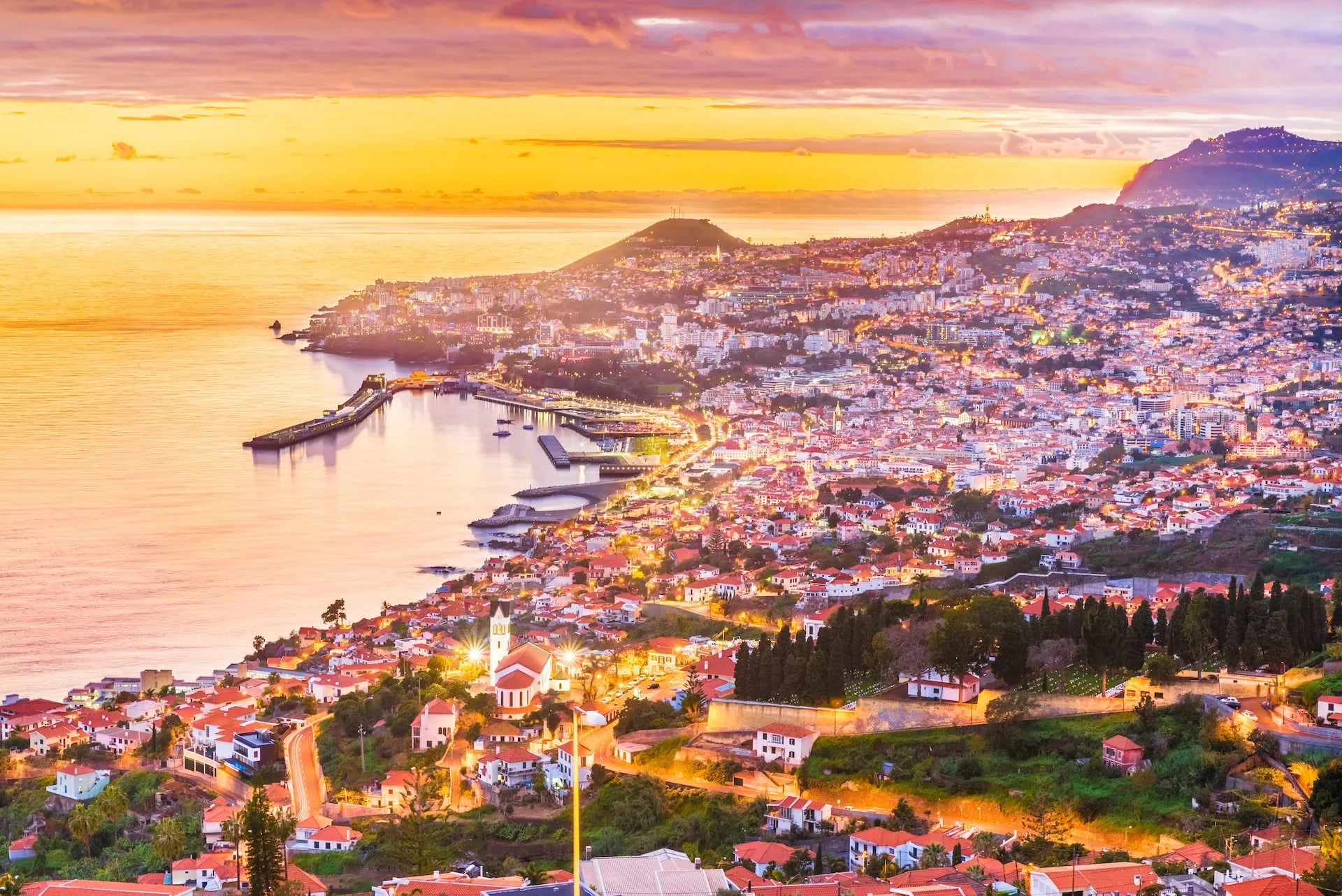
For walking weeks that lean north or east — the laurel forests around Santana and Ribeiro Frio, or the Ponta de São Lourenço peninsula — a night or two in Santana or Machico cuts the daily drive. Rural quintas (country estates) and boutique agri-hotels are the accommodation style most walkers gravitate toward outside Funchal.
On the food side, the walks are built around bolo do caco (garlic-butter flatbread) sandwiches at trailhead cafés, espetada (skewered beef grilled on a bay-laurel stick) for post-walk dinners, and poncha — a rum-honey-lemon cocktail that turns most walking weeks into slightly longer walking weeks. Madeira wine and the local Coral beer round out the menu.
Getting There, Getting Around
Madeira has one airport — Cristiano Ronaldo International (FNC) — on the south-east coast between Funchal and Machico. Direct flights connect from Lisbon (90 minutes) and most major European hubs (2–4 hours). The airport has a reputation for tricky crosswinds; that's real, and the occasional diversion to Porto Santo happens, but it doesn't materially affect your trip planning.
Once on the island, a rental car is close to essential for anyone hiking without a supported tour. Trailheads for PR1, PR8, PR13, and the levadas are spread across the interior and don't connect reliably by public bus. Renting from the airport is straightforward and cheap by European standards; parking at trailheads is free but tight at peak times.
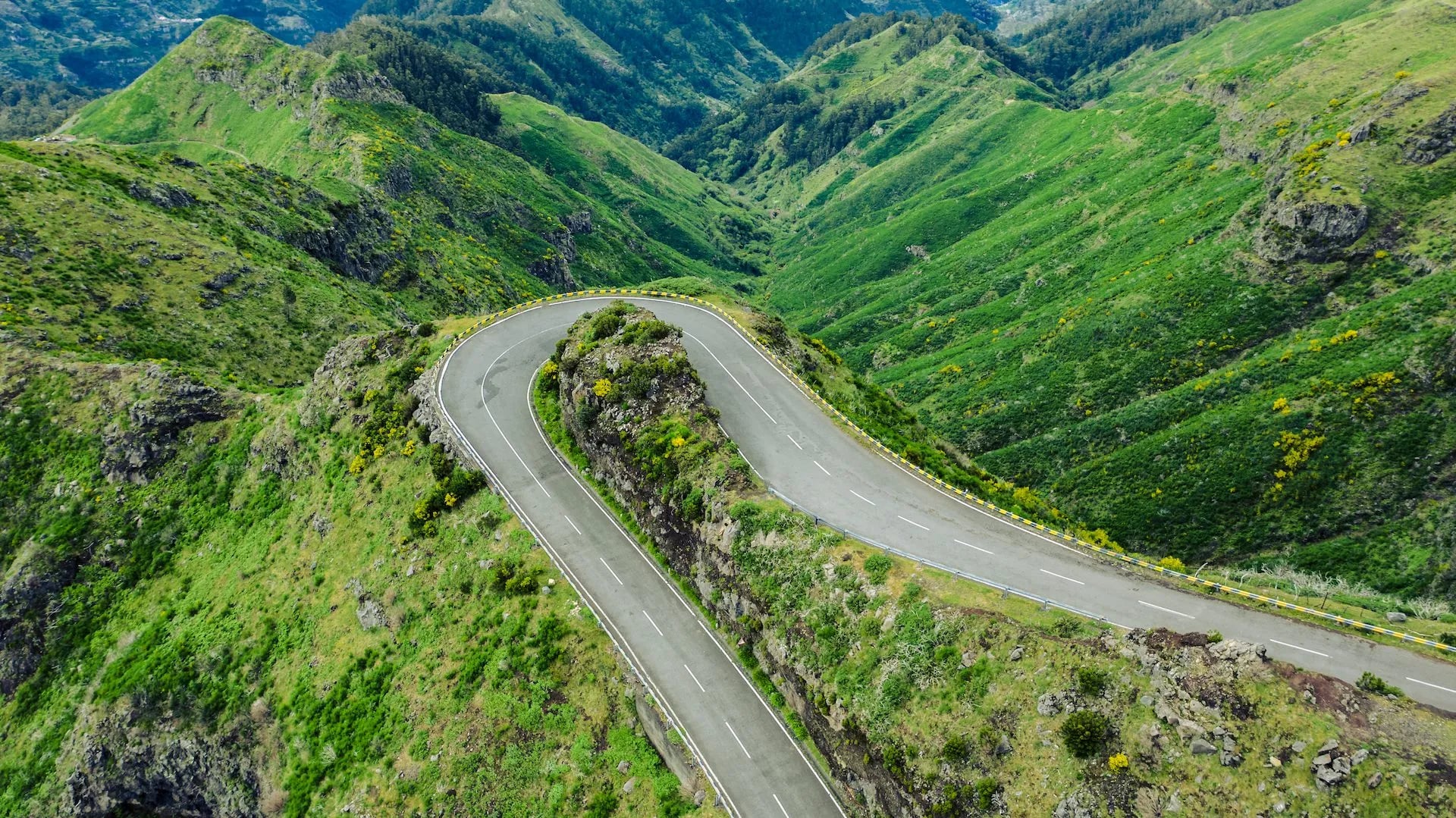
If you'd rather not drive Madeira's steep and switchback-heavy interior roads, both of our tours include transfers to and from every trailhead. Local buses (Horários do Funchal in town, Rodoeste and SAM to outlying areas) fill the gaps for anyone based in Funchal without a car — workable, but doubles most walking days' logistics.
Ready to Walk the Island?
Every route in this guide is one we run as a self-guided week. If you'd rather not manage the SIMplifica reservations, the rental car, the trailhead transfers, and the accommodation chain yourself, that's what we're here for — you walk, we handle everything else:
Vetted accommodation, booked and paid for in advance
All relevant SIMplifica trail reservations
Detailed digital guidebook with GPS files, day-by-day route notes, and elevation profiles
Daily trailhead transfers
24/7 on-trip support
Our full range of Madeira walking tours covers the Highlights week that threads the four classic PRs, and the Eastern Madeira itinerary that gives the east peninsula and the Santana laurel forests a proper stretch of days.
Madeira gets its reputation from levadas. The trails that stay with you are the ones above them.
Frequently Asked Questions

About this author
Ajda is our travel advisor, raised in a village surrounded by mountain peaks. Hiking entered her life early on and remains her favorite way to reconnect with nature.

.jpg&w=828&q=75)



.jpg&w=828&q=75)