Hiking in Tuscany: Where to Find the Best Trails
Most of Tuscany's hiking is gentle hill-town walking, not alpine trekking — here's who it suits, where the elevation hides, and when to go.

Ajda
Published September 2, 2026
Edited September 24, 2026
11 min read
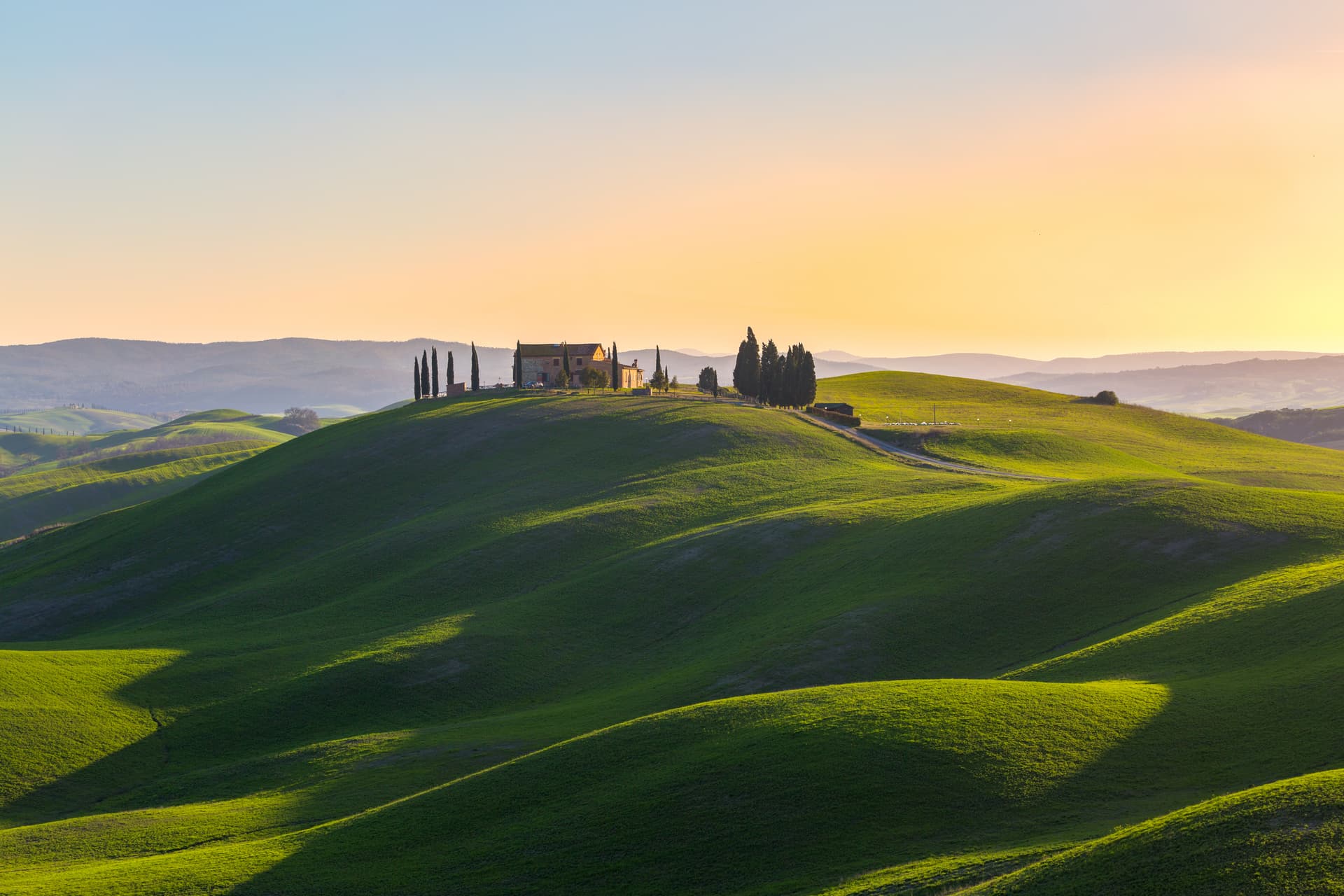
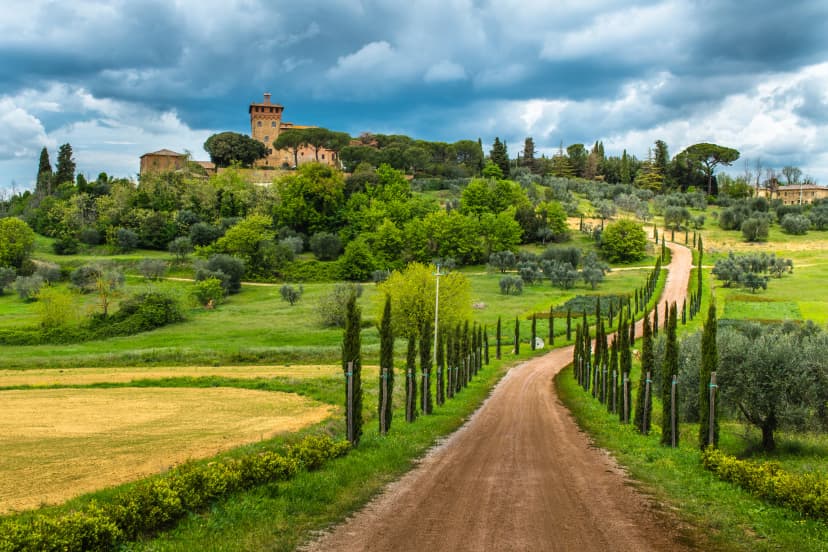
Tuscany is central Italy's most photographed region — 23,000 square kilometers of Chianti country, Renaissance cities, cypress ridges, and hilltop towns spread between Florence, the Ligurian coast, and Umbria. It's also, less obviously, some of the best walking terrain in southern Europe.
But walking here isn't hiking in the alpine sense, and pretending otherwise leads people to book the wrong week. Most of the region is inn-to-inn walking through vineyards, olive groves, and hilltop towns, with the rockier Apuan Alps up in the northwest for anyone who wants real mountains under their boots. The short answer: Tuscany walks best in May, September, and early October — one region at a time.
Quick facts:
Where: Central Italy, between Florence, the Ligurian coast, and Umbria — six walkable sub-regions, each a different week.
What: Vineyard and hilltop-town walking on the classic routes; genuine mountain hiking in the Apuan Alps and higher Garfagnana.
How hard: Mostly 2/5 to 3/5 fitness — 10–18 km days on rolling terrain. Apuan Alps peaks push into 4/5 territory.
When: May, September, and early October. Skip July and August unless you're only walking at dawn.
At a Glance
Not every Tuscany walking week looks the same. Pick your region by the mood you're after, not by the postcard:
Region | Terrain | Best for | Signature route |
|---|---|---|---|
Chianti | Rolling vineyards, cypress lanes | Wine walkers, first-timers | Sentiero del Chianti |
Val d'Orcia | Clay hills, hilltop towns | The classic Tuscany image | Montepulciano to Siena |
Garfagnana | Wooded valleys, chestnut forests | Quiet trails, cool summers | Sentiero dell'Ariosto |
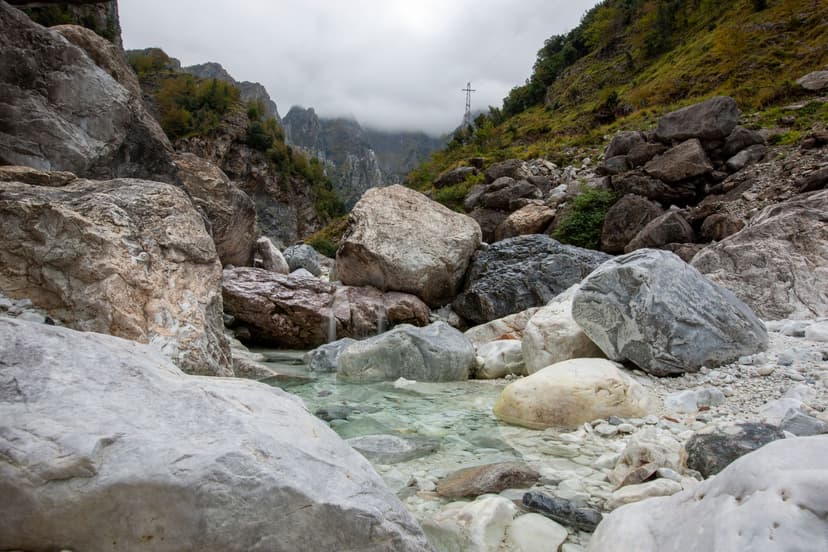
Apuan Alps | Marble peaks, real elevation | Serious hikers | Pania della Croce, Monte Forato |
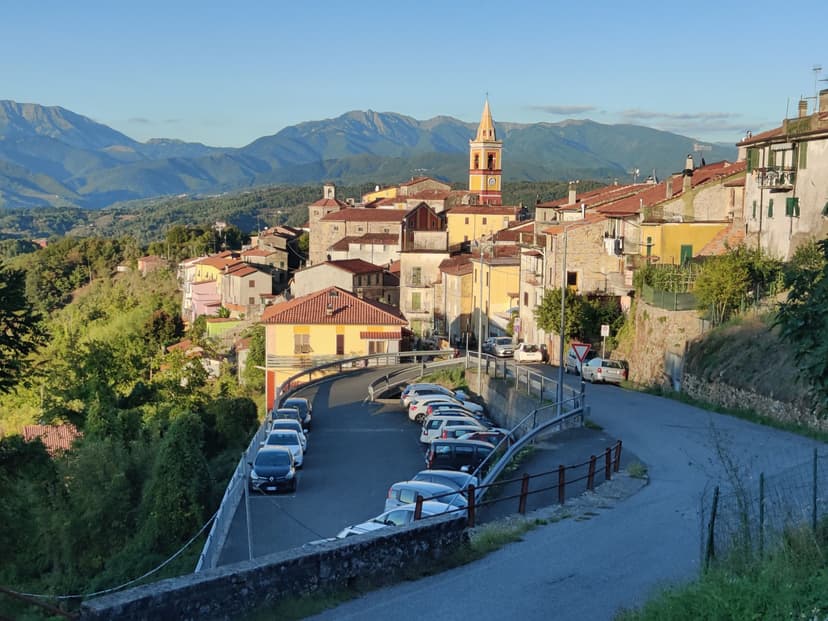
Lunigiana | Northern hills, medieval castles | Rural, low-traffic walking | Via Francigena entry stages |
Maremma | Coastal Etruscan country | Shoulder-season walkers | Vetta Mare, Vie Cave |
What Walking in Tuscany Looks Like
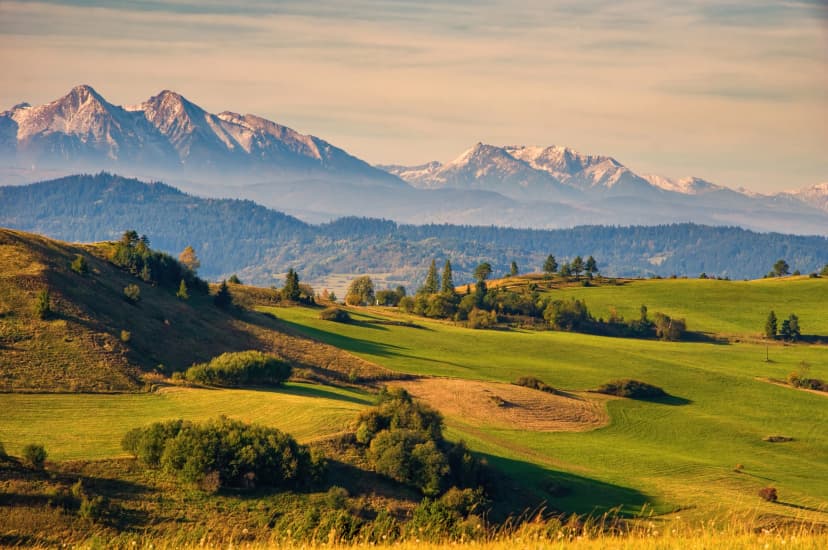
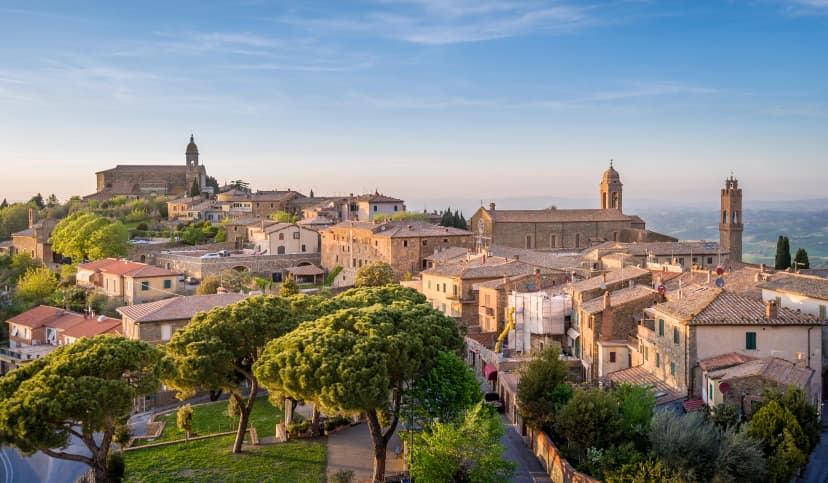
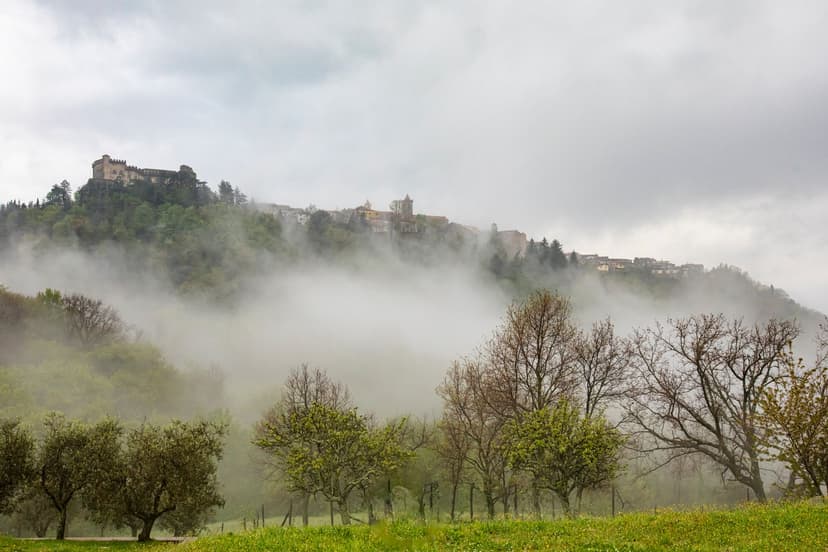
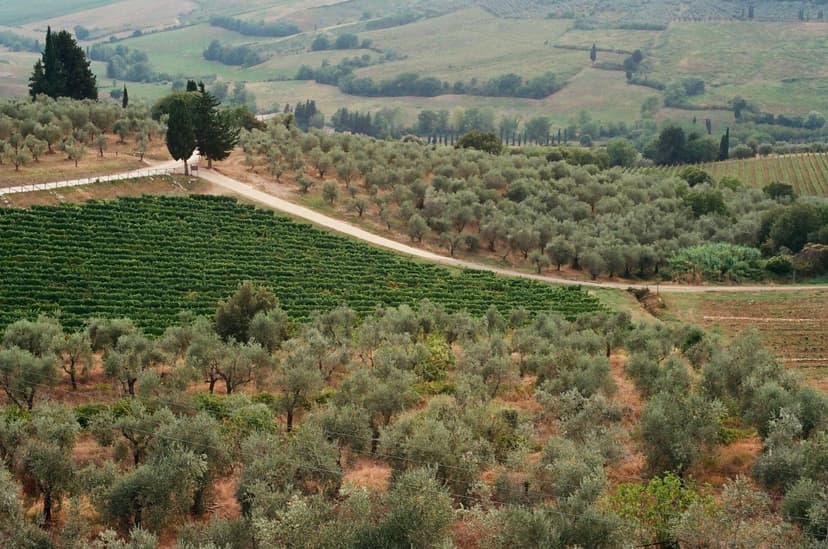
Most of the region is not steep. The classic Tuscany you've seen in photographs — Val d'Orcia, Chianti, the hills around Pienza and Montalcino — is rolling country. Days average 12–18 km with 300–500 meters of cumulative ascent, on a mix of white gravel strade bianche, farm lanes, forest tracks, and short paved connectors through villages. You walk between agriturismi and small hotels, your luggage moves in a van, and the reward at the end of each day is a family-run restaurant and a bottle of local wine.
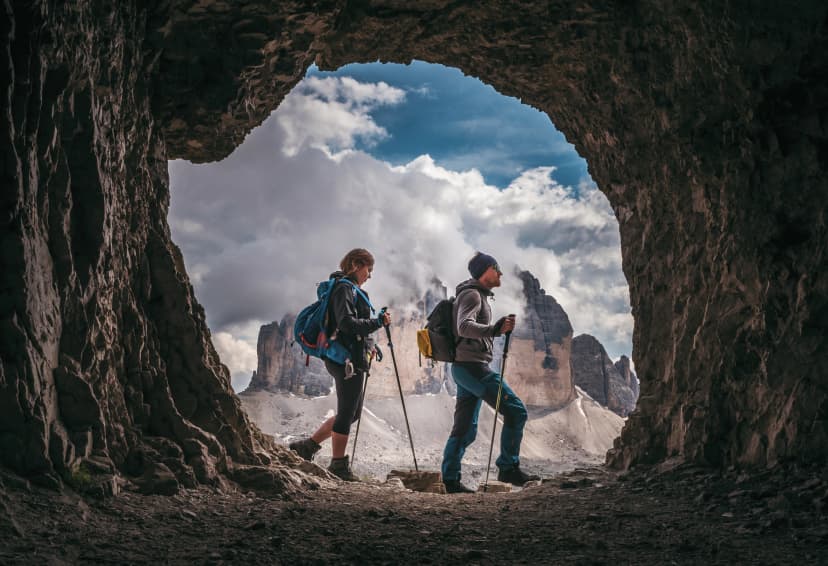
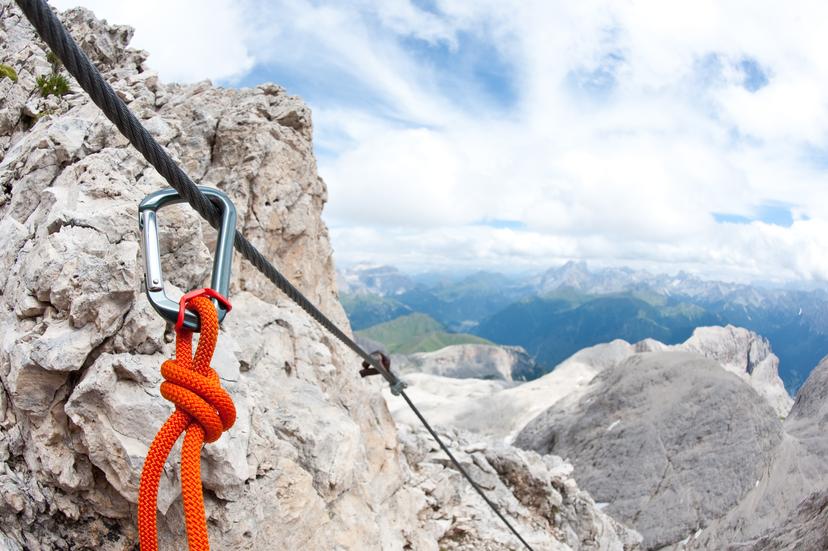
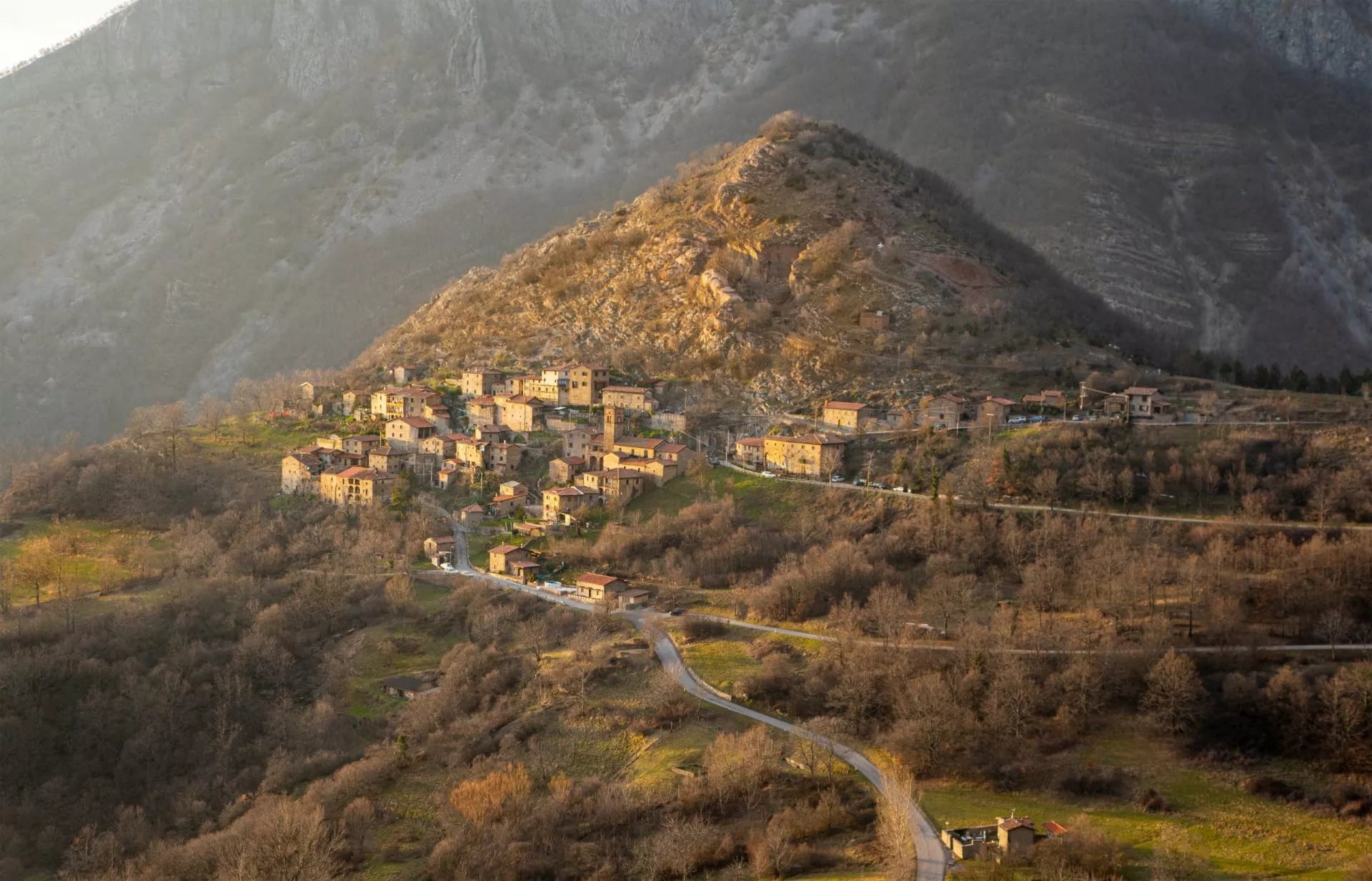
The Apuan Alps and the higher Garfagnana are a different genre. The Apuan Alps are Italy's marble mountains, with peaks pushing above 1,900 meters and trails that involve real exposure, scree, and the occasional cable section. If you've hiked the Dolomites and want a quieter equivalent, this is where to look. Everything else in Tuscany is walking country, and calling it hiking sets the wrong expectations.
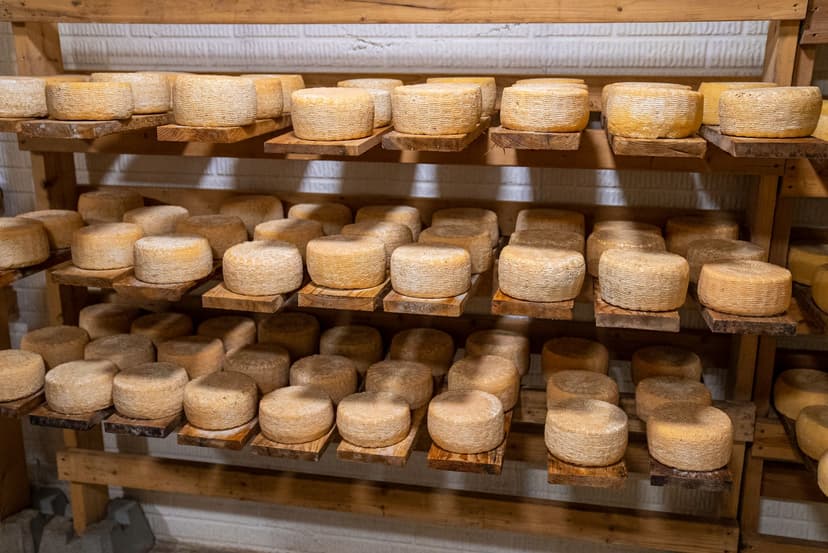
The unifying thread is the evening reward. Wherever you walk, the day ends in a place with food that belongs to the ground you crossed — pecorino from the sheep you passed, olive oil from the trees you walked between, wine from the vineyards on the hillside. That isn't filler. It's the reason to walk here rather than somewhere with sharper mountains.
The Six Sub-Regions
Where you walk in Tuscany matters more than which trails you pick. Each of these six sub-regions gives you a distinct week, distinct terrain, and a distinct evening rhythm. The Amenity Cards below cover the six regions worth planning a trip around:
Chianti is the most beginner-friendly stretch of the region, where the trail network is dense, the villages sit close together, and the climbs stay manageable. If you want a self-guided week that turns most of these logistics into a package rather than a research project, our Chianti trail tour is a great introduction to the region.
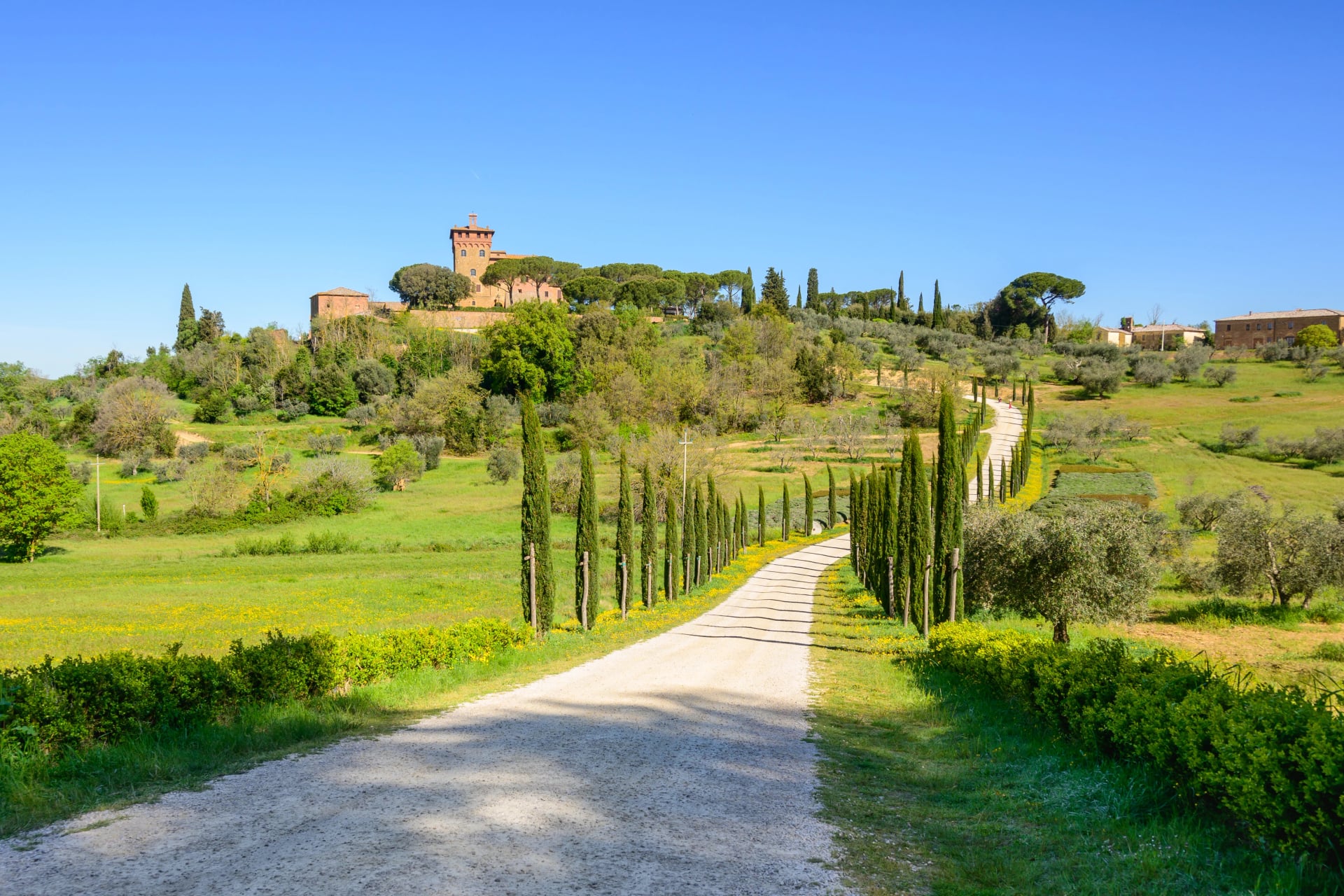
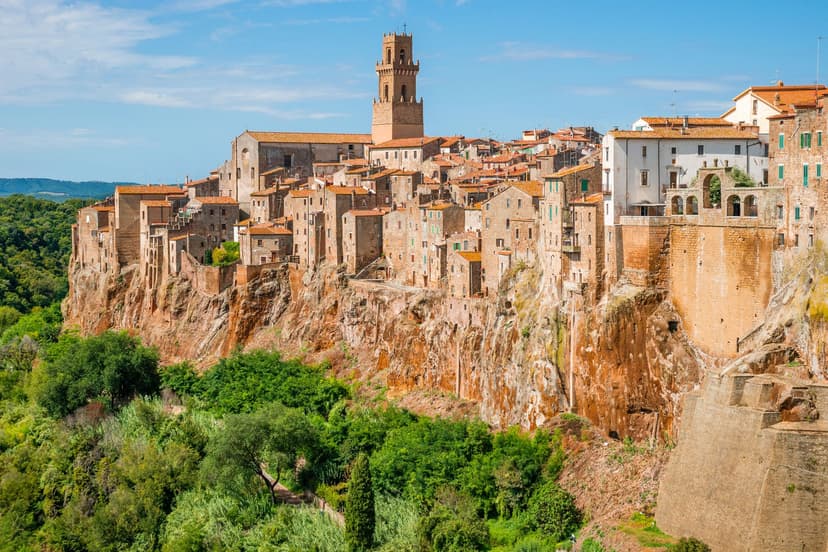
For the Val d'Orcia experience — the cypress-lined ridges, Pienza, Montepulciano, Montalcino — the classic point-to-point is the walk from Montepulciano to Siena. It threads the UNESCO-listed valley on a mix of pilgrim paths and farm tracks, with wine and pecorino waiting at the end of each stage.
For anyone who wants to combine the classic Tuscan walking with something rougher, our multi-region tour links the vineyard country with the Ligurian coast and the Cinque Terre. It runs a full two weeks and is the cleanest way to see both sides of Tuscany without splitting into separate trips.
The Via Francigena
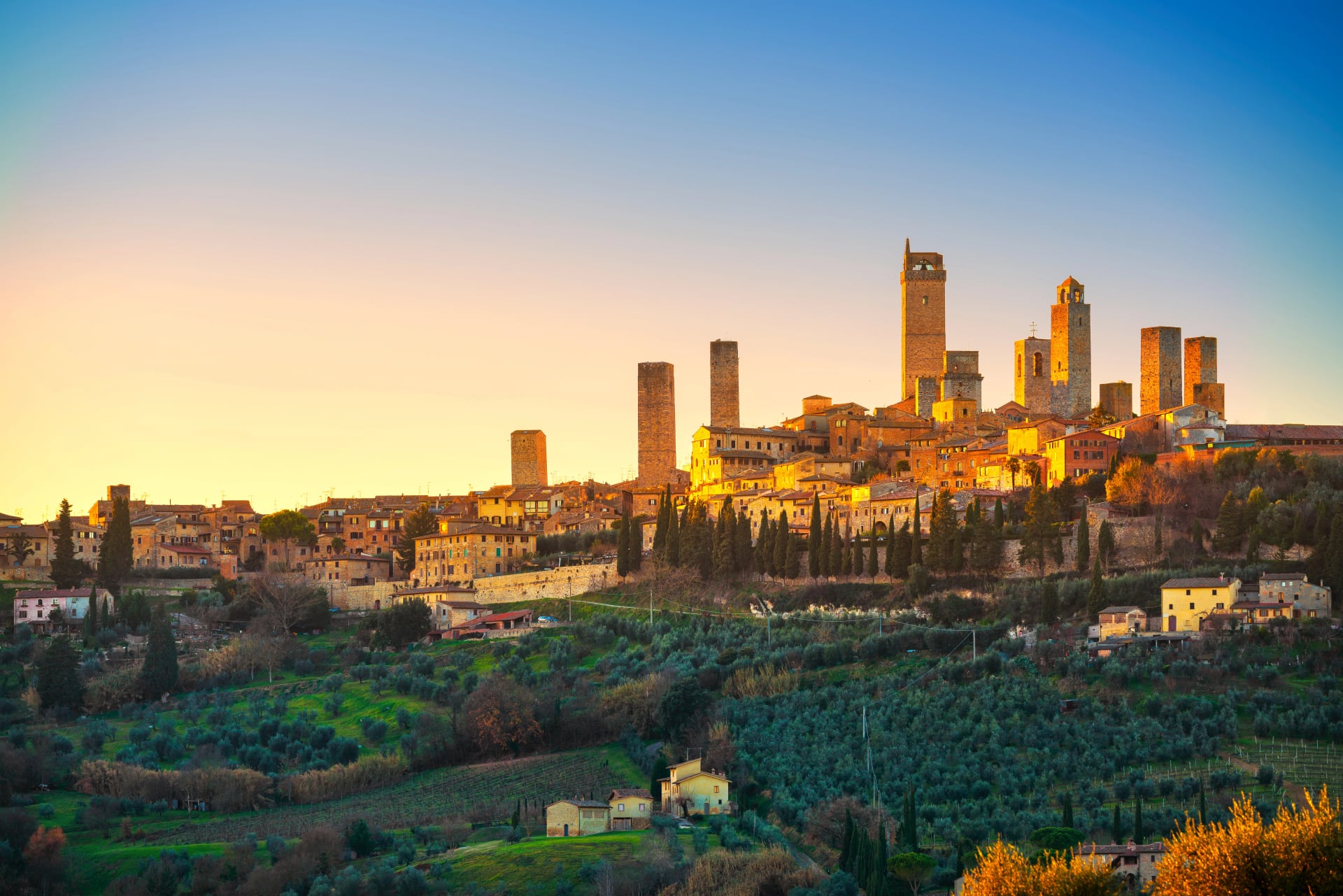
The Via Francigena is the single most walked long-distance route in Tuscany. It's the medieval pilgrimage road from Canterbury to Rome, and the Tuscan section is arguably the finest — around 380 km from the Cisa Pass in Lunigiana south through Lucca, San Miniato, San Gimignano, Siena, and the Val d'Orcia to the border with Lazio. Very few walkers do it all in one go, and there's no need to.
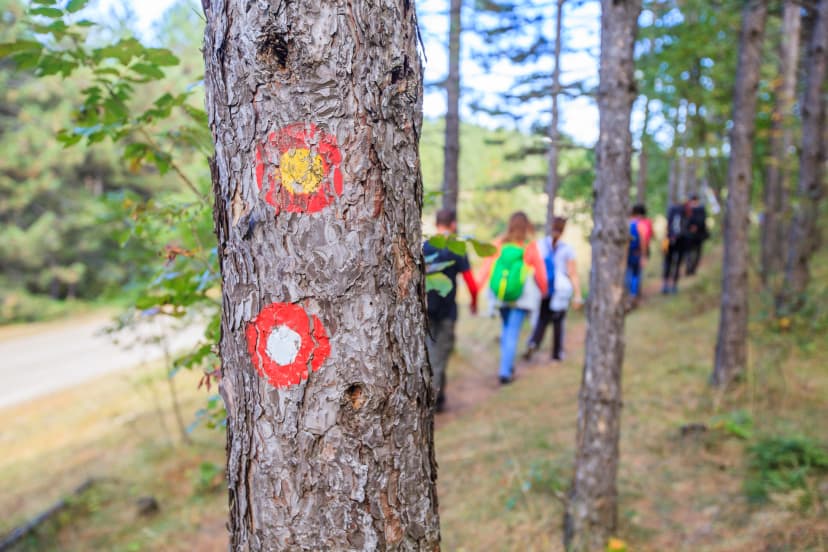
The classic Tuscan sampler runs from San Gimignano through Siena to San Quirico d'Orcia — roughly a week of walking that passes through the three most photographed towns in central Italy and the cypress ridges between them. Waymarking is excellent (red-and-white slashes plus the Via Francigena pilgrim symbol), accommodation is set up for walkers, and the trail alternates dirt farm roads with quiet paved stretches through villages.
The one honest caveat: the route wasn't designed for walking scenery — it was designed to get medieval pilgrims to Rome. Some stages are stunning; a few thread through workmanlike farmland. A guided or self-guided package cherry-picks the best sections and skips the flatter connector stages, which is how we've built our Highlights itinerary.
When to Go
Tuscany has two clear walking seasons, one long shoulder, and two months to avoid.
May and early June are the peak walking window. Fields are green, wildflowers are out, temperatures sit in the 18–25°C range, and the crowds haven't fully arrived. Book agriturismo accommodation well ahead — the popular villages are taken six to nine months out for a good May slot.
September and early October are the other peak. September brings warmer daytime temperatures (often 22–28°C), harvest atmosphere in the vineyards, and softer light for photography. Early October is vendemmia season — you'll walk past working presses and the smell of fresh must. By late October the terrain turns brown, days shorten, and rain becomes a real factor.
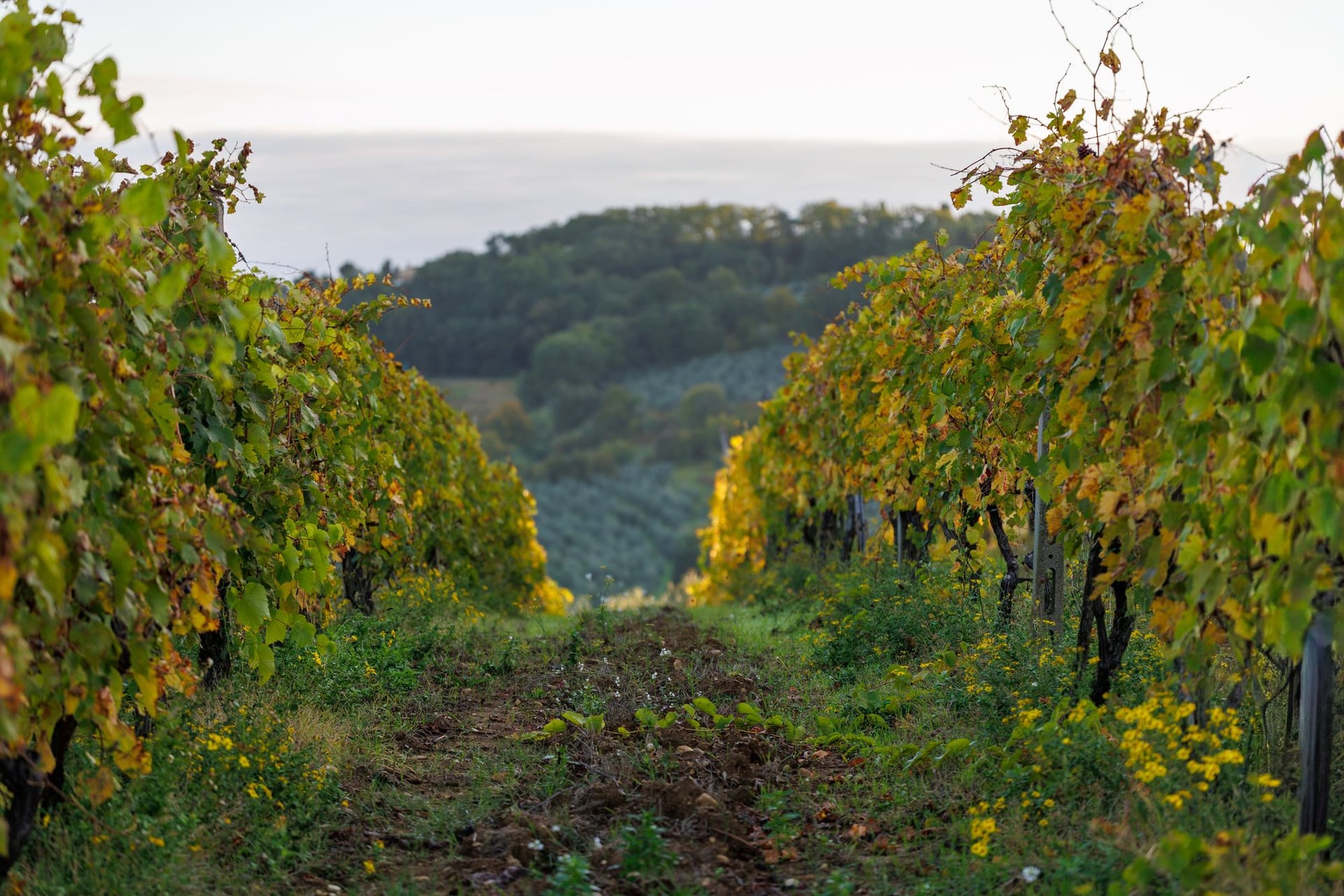
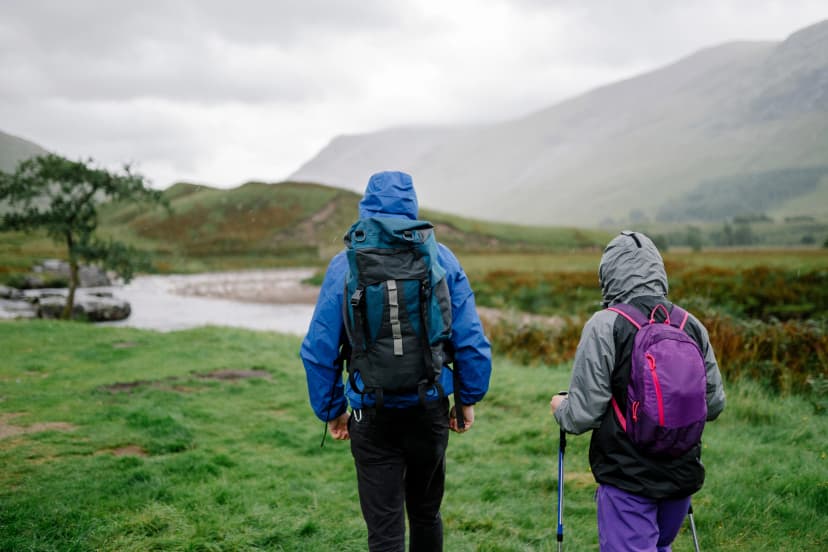
March, April, and late October to mid-November are the shoulder. Cooler days (12–18°C typical), quieter trails, and some agriturismi still closed for winter. Rain becomes more likely, so proper waterproofs matter. The landscape looks less like the postcards but the villages are yours.
July and August are too hot for meaningful walking in most of the region. Highs regularly hit 33–37°C in Val d'Orcia and Chianti, shade is scarce, and even early starts get uncomfortable by 10 AM. Locals don't walk in summer for a reason. The Apuan Alps and higher Garfagnana are workable in summer because of elevation, but the classic vineyard country is off-limits.
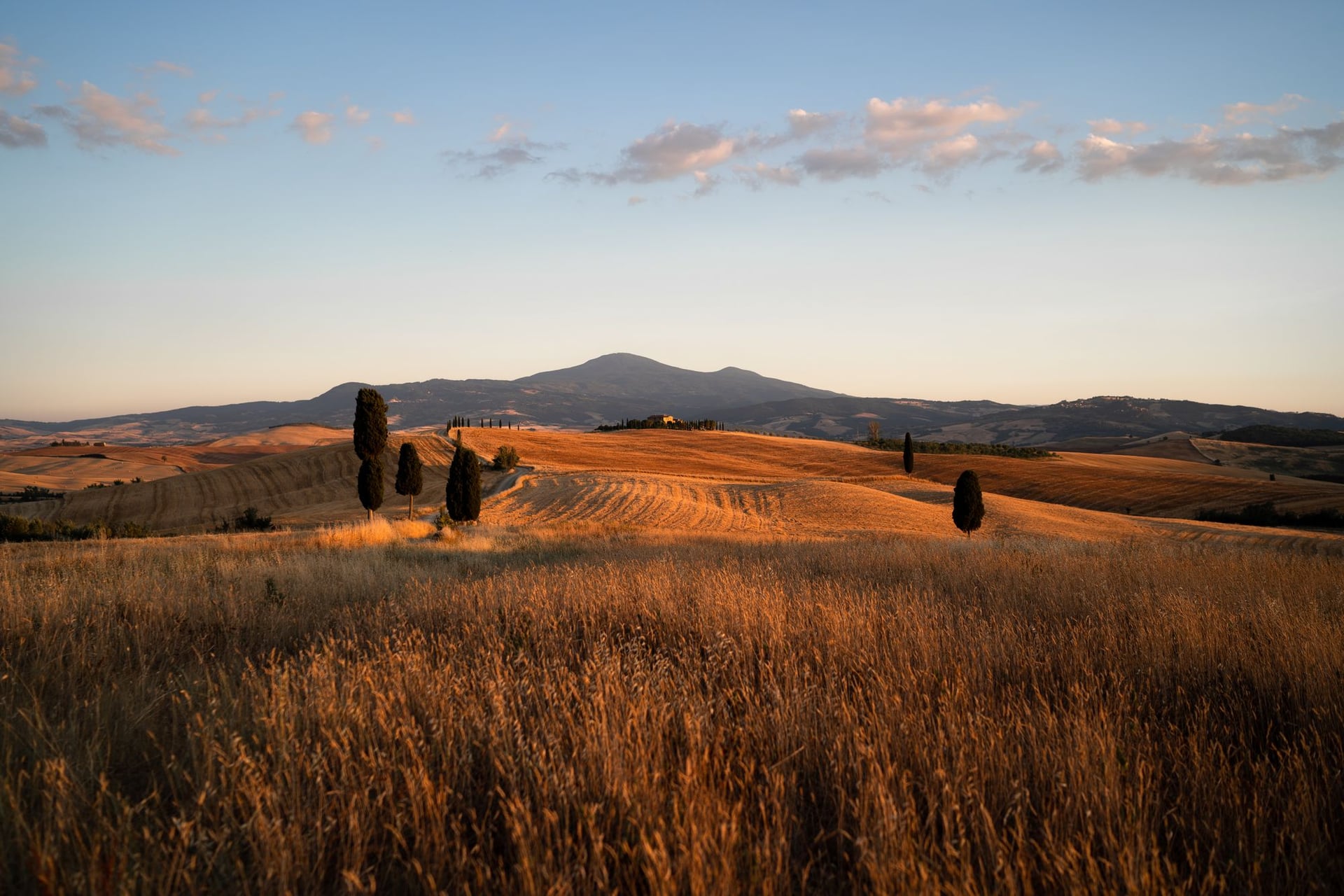
December through February is off-season. Trails stay open and largely walkable, but most walker-focused accommodation shuts down, and rain plus mud make longer routes hard to enjoy.
How Hard Is It?
Difficulty in Tuscany depends less on the region than on how you pack the days. On our own rating scale the Tuscany routes sit between 2/5 and 3/5 for fitness and between 1/5 and 3/5 for technical demand. That translates to:
Daily distance: 12–18 km on foot, occasionally up to 25 km on the Via Francigena
Daily elevation: 300–600 meters of ascent, most of it in short climbs into hilltop villages
Terrain underfoot: strade bianche (white gravel), farm tracks, forest paths, short paved connectors through villages
Pace: 3–4 km/h is comfortable; days take 4–6 hours of walking
The Apuan Alps push into higher difficulty for the signature peaks — Pania della Croce, Monte Forato, Monte Pisanino — with longer days, real ascents of 600 to 1,000 meters, exposure, and mountain weather.
The most common mistake is underestimating the cumulative effect. Rolling terrain sounds easy until you've done six days of it in a row. If you haven't walked consecutive days before, plan a rest day mid-week and don't overshoot on distance in the first two days.
Sleep, Food, Wine
Where to sleep
There are no rifugi on the vineyard routes and no dormitories for a hut-to-hut approach. Walkers stay in agriturismi (working farms with rooms), boutique hotels in the hilltop towns, and — at the top end — restored villas with pools and their own kitchens. Luggage transfers between overnight stops are standard on self-guided tours.
Agriturismo
Agriturismi are the working farms that anchor Tuscan walking accommodation. Rooms range from simple to boutique, most farms grow their own vegetables and press their own olive oil, and dinner is often communal and pre-set. The best ones have been family-run for generations. Expect quiet locations off the main roads, pools in summer, and a rhythm built around the harvest calendar rather than the tourist calendar.
At the top end of the accommodation range, our luxury tour uses restored country villas and boutique hotels with pools and full-service dinners — for walkers who want the region's walking without the compromise on where they sleep.
That format — estate accommodation, longer dinners, a base in the Garfagnana rather than the vineyard country — is how a lot of returning guests come back to Tuscany after a first Chianti trip. It is not the easier option, though: at 3/5 for both fitness and technical demand it asks more of you than the Chianti week does.
For a walking week that pairs the classic Val d'Orcia towns with the quieter hills east into Umbria — Cortona, Lake Trasimeno, Perugia — the Tuscany-and-Umbria route works well. It is a ten-day trip rated 3/5 for fitness, so it asks a little more than a Chianti week rather than less.
What to eat in Tuscany
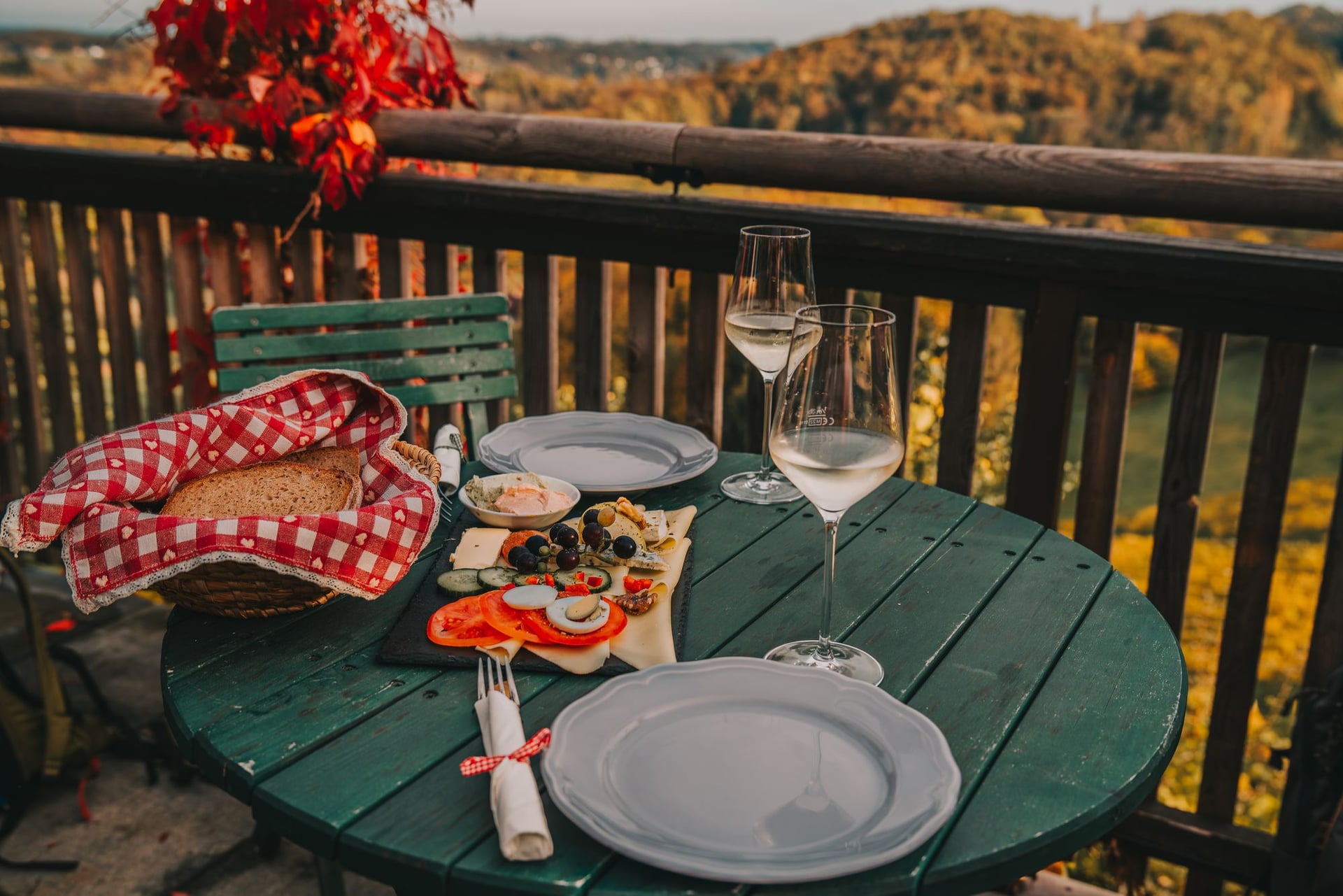
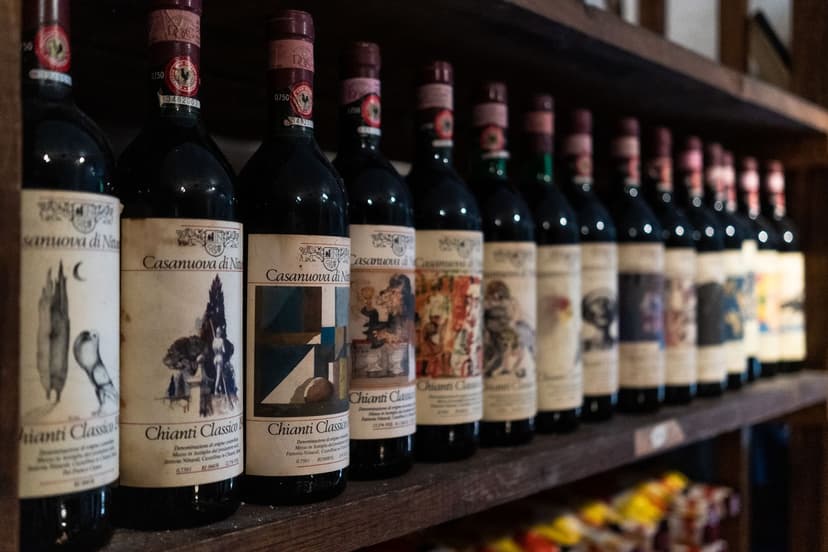
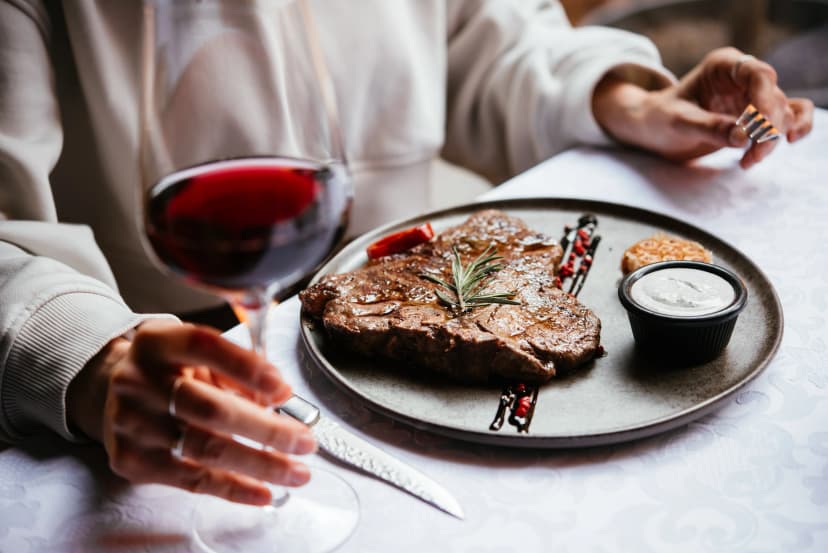
The food is inseparable from the walking. Every region has its own set of dishes, wines, and DOP products, and eating them where they're made is part of what makes a Tuscany walking week different from a Tuscany driving week.
These are the delicacies you'll build most of your walking week around:
Getting There, Getting Around
Tuscany has two main airports: Pisa International (PSA) and Florence Peretola (FLR). Pisa is the larger of the two, better for low-cost European connections and the western regions (Lucca, Garfagnana, Apuan Alps, and onwards to the Cinque Terre). Florence sits more centrally, is a better fit for Chianti, Val d'Orcia, and the eastern regions, and connects directly to most European hubs. Rome Fiumicino (FCO) is a viable third option for the Val d'Orcia — the train from Rome to Chiusi–Chianciano is under two hours.
Trains run reliably along the main spine (Florence–Pisa, Florence–Rome via Arezzo, Florence–Bologna) and get you close to most walking bases. Where trains stop working is in the rural interior — Val d'Orcia, deep Chianti, Garfagnana. Options from there:
Book a self-guided tour with luggage transfers included — you walk between overnight stops and a van moves your bags. This is what most walkers do.
Rent a car — practical if you're basing yourself in one place and doing loop walks, or if you want maximum flexibility. Parking in walled towns takes patience.
Combine train and taxi — workable for the more connected bases (Siena, Lucca, Cortona) but not reliable for deeper rural walking.
Local buses fill some gaps — Autolinee Toscane runs the whole regional network — but schedules are thin on weekends. Building a rural walking week around public buses is more work than it's worth for most travelers.
Ready to Walk Tuscany?
Every route in this guide is one we run as a self-guided or lightly-supported trip. If you'd rather not spend the winter mapping out agriturismo bookings, luggage transfers, and stage lengths, that's what we're here for — you walk, we handle everything else:
Vetted agriturismo and hotel accommodation, booked in advance
Detailed digital guidebook with GPS files, day-by-day route notes, and elevation profiles
Luggage transfer between overnight stops
24/7 on-trip support in Italian and English
Our full range of Tuscany walking tours covers every region above — the Chianti classic, the Val d'Orcia headliners, the multi-region Liguria–Tuscany traverse, the Via Francigena pilgrimage route, the Tuscany-and-Umbria extension, and a luxury option for walkers who want a boutique version of the country.
One last practical piece of advice: book your dates before you finalize your itinerary. The good agriturismi and small hotels on the popular routes fill six to nine months out for May and September, and the difference between a week you'll remember and a week you'll settle for is often just booking the right beds early.

About this author
Ajda is our travel advisor, raised in a village surrounded by mountain peaks. Hiking entered her life early on and remains her favorite way to reconnect with nature.





.jpg&w=828&q=75)